Jaguar Mk X and 420G: the biggest Jaguar of them all (1961–1970)
The Jaguar Mk X was the widest car Britain had ever put into production, an E-Type-engined limousine-sized saloon built for America that became the 420G in 1966. A guide to the Mk 10 and 420G, the confusingly-named compact 420, what they are like to run, and what to check before buying one.
Built 1961–1970 170 recorded sales
At a glance
- Years
- 1961–1970 (Mk X/420G); 1966–1969 (420)
- Body styles
- Four-door saloon; rare limousine partition option
- Drivetrain
- Front engine, rear-wheel drive, independent rear suspension
- Engines
- 3.8 and 4.2-litre XK straight-six
- Power
- Around 265 bhp (gross)
- Top speed
- Around 120 mph
- Trim levels
- Mk X 3.8, Mk X 4.2, 420G; the compact 420 is a separate S-Type-based car
- Production
- Around 25,200 Mk X/420G; around 10,200 of the compact 420
- Assembly
- Browns Lane, Coventry
- Designer
- Sir William Lyons
- Values
- Usable from around £8,000; good cars £12,000-£20,000; the best beyond £25,000
- The scale
- At 6ft 4in across, the widest British production car of its era
- Under the skin
- The E-Type's engine and independent rear suspension in a limousine body
The models
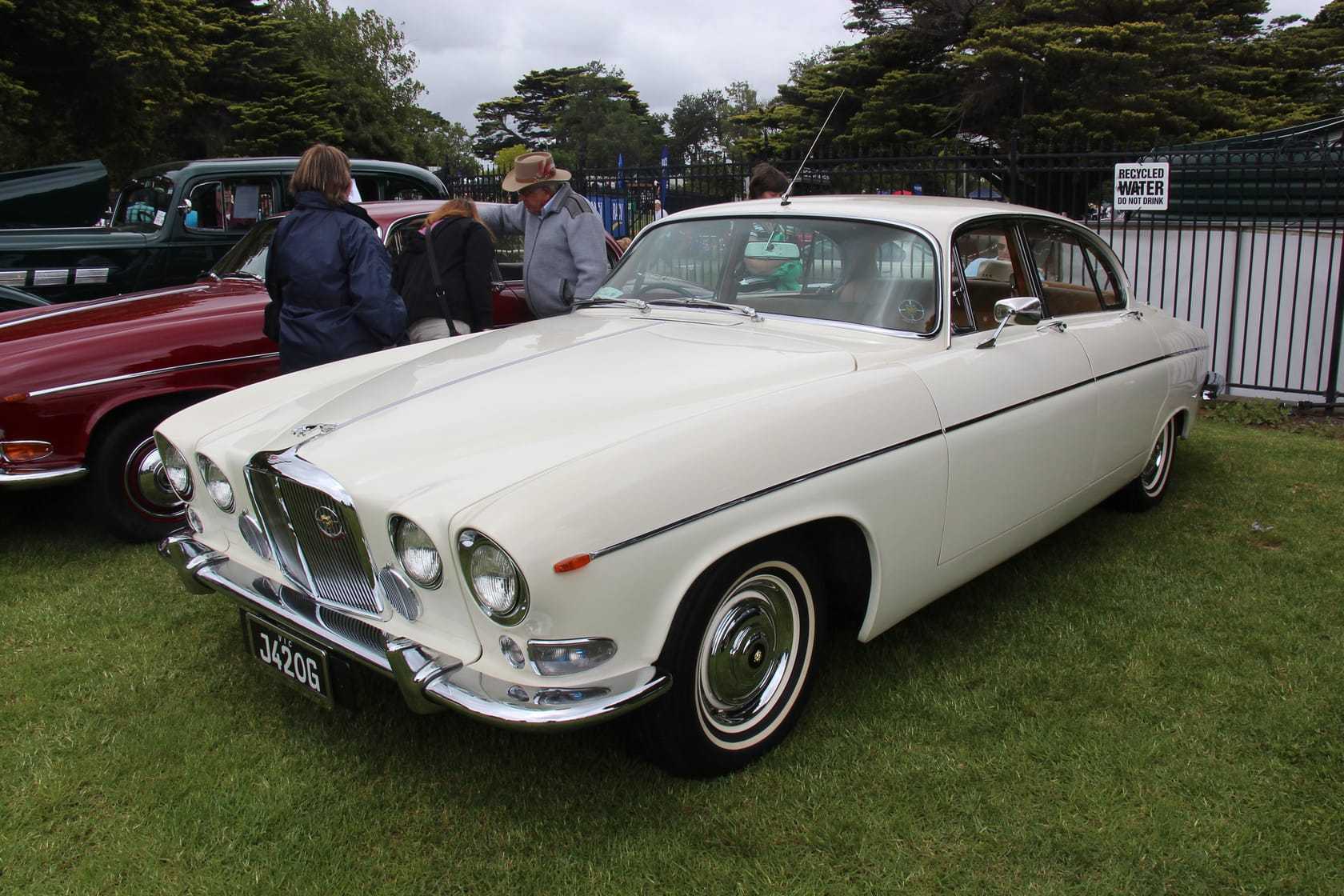
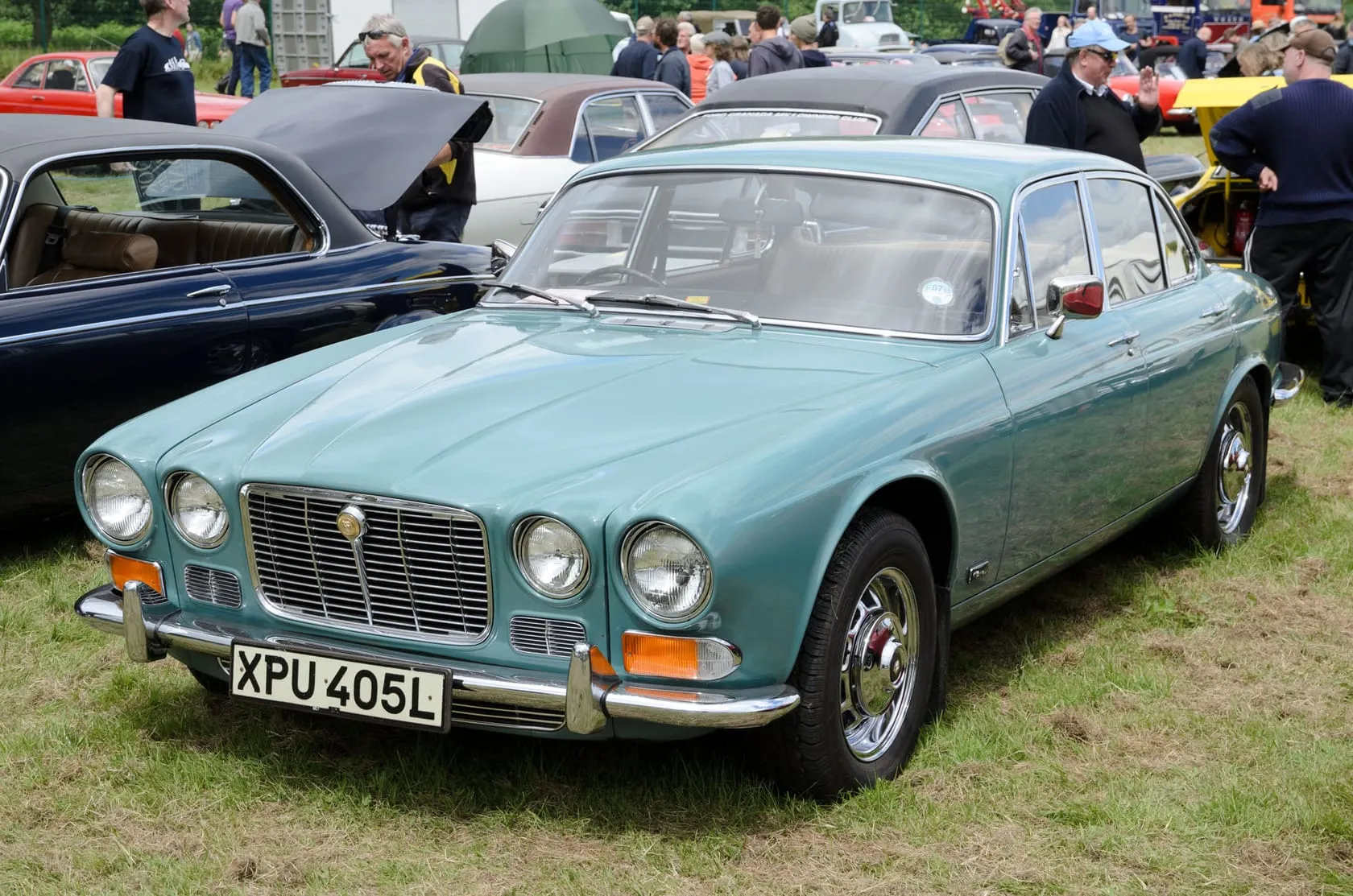
Every Jaguar list has its giant. The Mk X of 1961, the Jaguar mk10 in a thousand classified adverts, was the widest car Britain had ever put into production: a limousine-sized saloon carrying the E-Type’s engine and independent rear suspension, aimed at America, renamed 420G in 1966, and today the great undervalued heavyweight of the classic Jaguar range.
Built wide for America
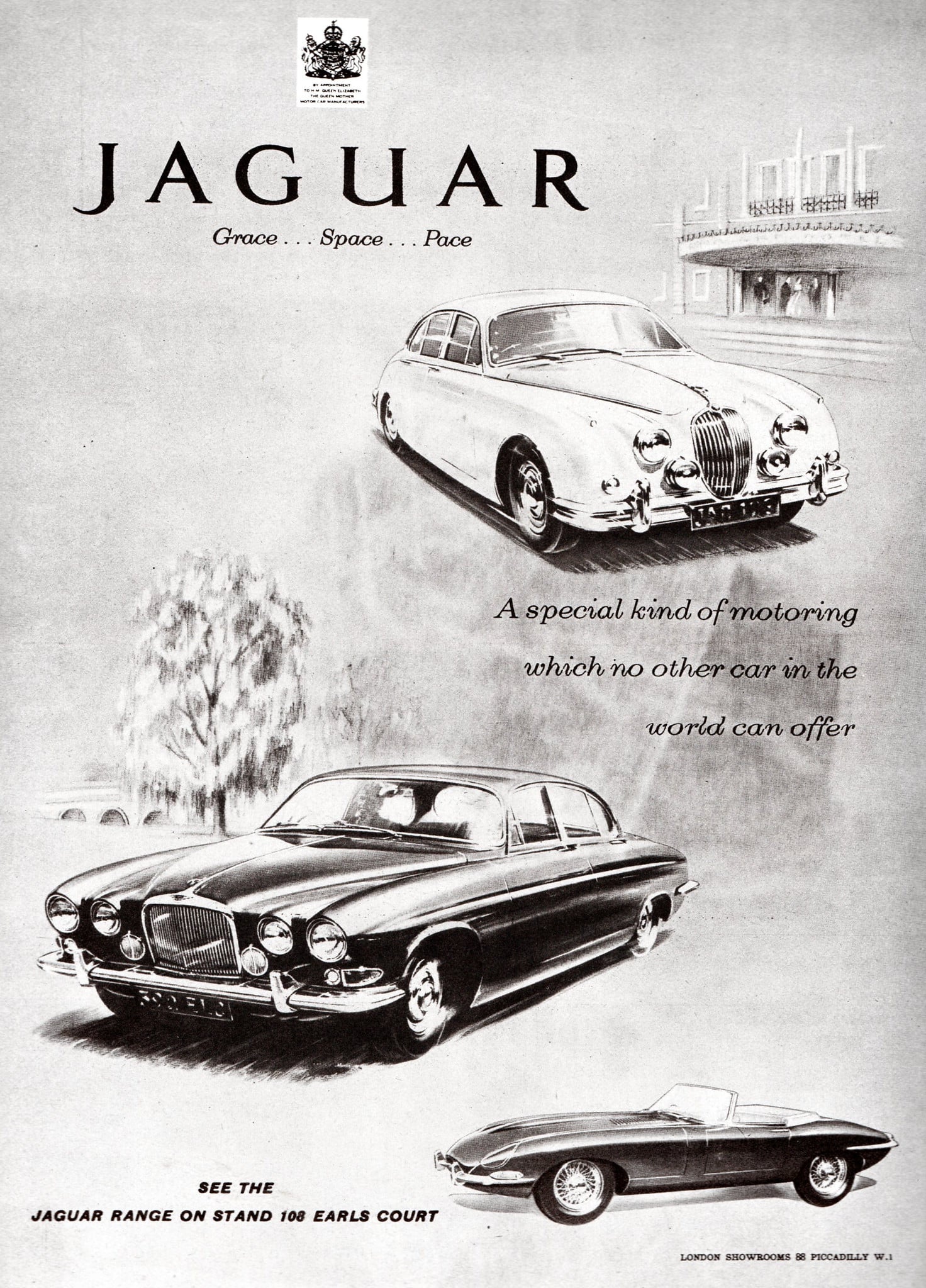
Sir William Lyons drew the Mk X for the market that paid Jaguar’s bills. American buyers wanted presence, and the Mk X delivered it with a 6ft 4in beam, four headlamps and a cabin that seated five in armchair comfort behind picnic tables. The engineering matched the theatre: a unitary shell when rivals used chassis, the E-Type’s 3.8 triple-carb XK engine, and the same independent rear suspension, making the biggest Jaguar also its most sophisticated. “New grace, new space, new pace” ran the advertising, and for once the copy underclaimed.

Mk X to 420G: one car, two names
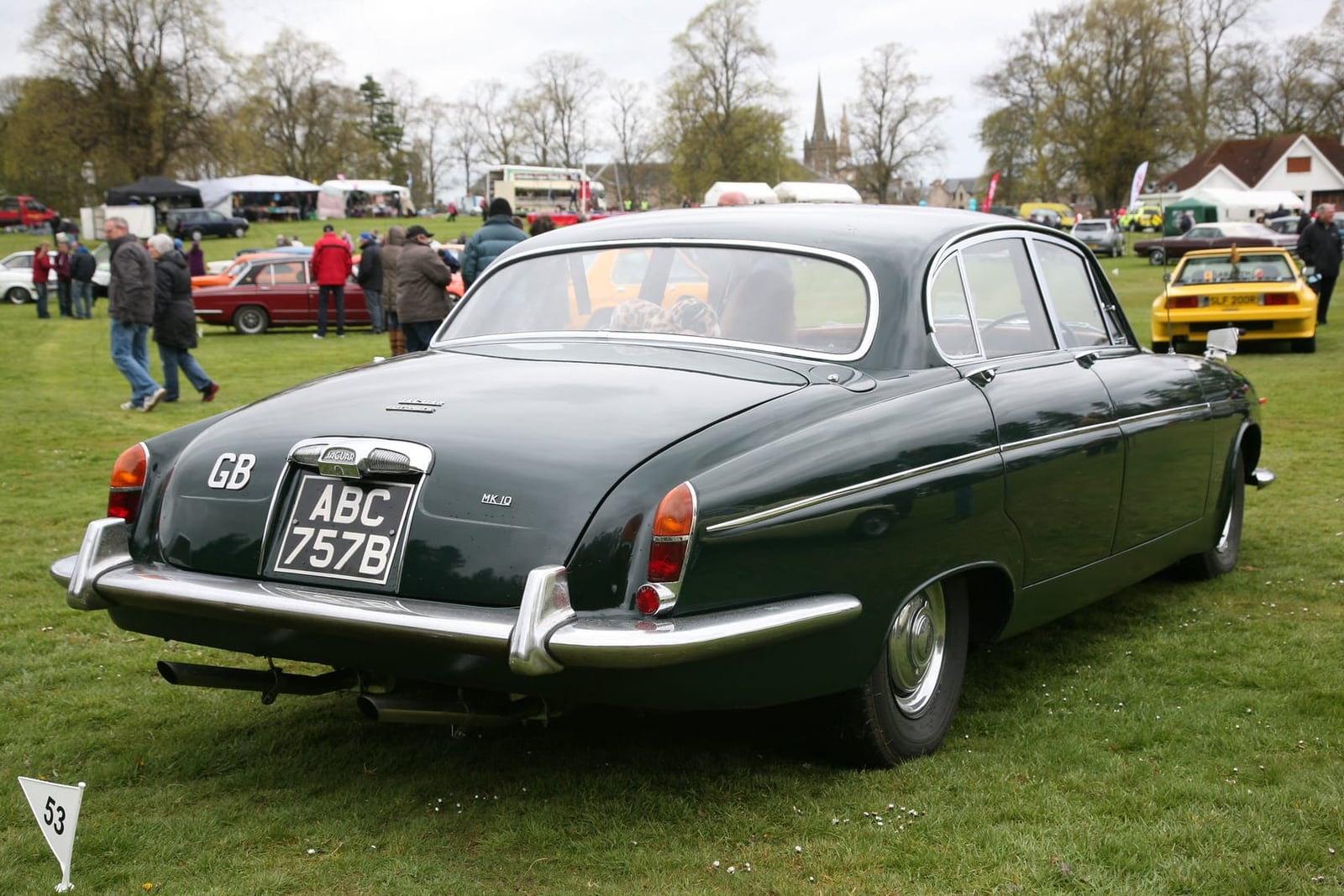
The 4.2 engine and all-synchromesh gearbox arrived in 1964, fixing the original’s gruffest edges, and in 1966 the car was facelifted into the 420G: slimmer grille bar, a chrome side strip, padded dashboard top. Nothing structural changed, which is why the market treats Jaguar Mk10 and 420G as one family with one price band. Production wound down in 1970 after some 25,200 cars, and the name’s spirit passed to the long-wheelbase XJ that followed; the 420G’s floorpan lived on for two more decades under the Daimler DS420 limousine, the trade’s hearse and wedding car of choice.

The other 420: the compact impostor
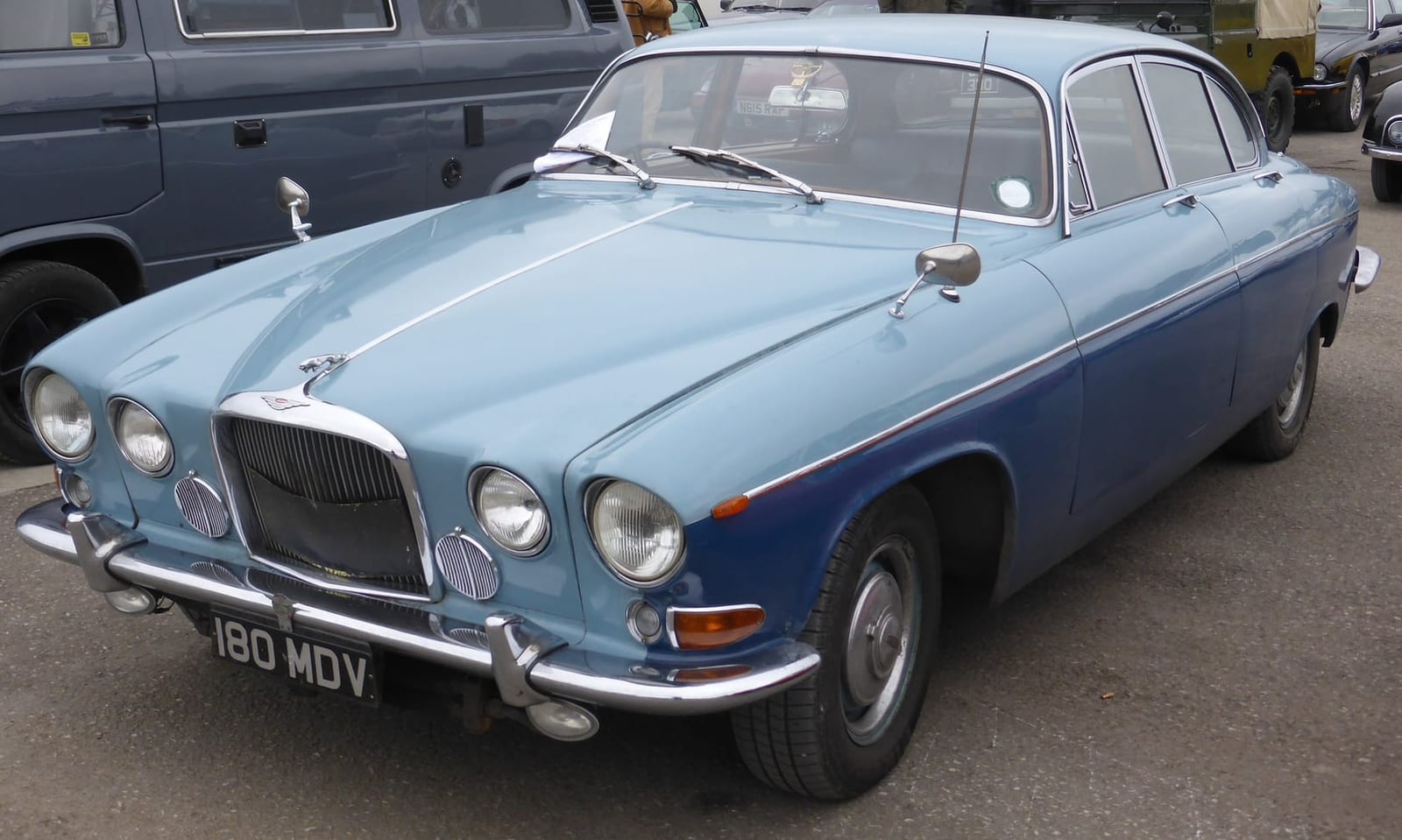
Jaguar’s 1966 naming shuffle created a permanent trap: the plain 420, sold alongside the 420G, is a different and much smaller car, an S-Type (itself a development of the Mk2) wearing the big car’s four-lamp face. It is a fine machine, quicker-steering and city-sized where the G is vast, and many buyers actively prefer it. But listings muddle the two constantly, so the first question about any “Jaguar 420” is which one. This page’s auction statistics span the Mk X, the 420G and the compact 420, which is exactly how the market encounters them.

What a Mk X is like to run
Driven, the Mk X shrinks less than you hope and charms more than you expect. The XK six pulls the near-two-tonne body to motorway pace without strain, the ride is deep-pile, and the independent rear gives composure no American rival of the day could match; only parking reminds you of the width, constantly. Running one is classic-Jaguar ownership at its most affordable to buy and least affordable to neglect: mechanical parts are shared with E-Types and XJ6s and cheap for what they are, but thirst sits in the low teens per gallon and any structural rust multiplies across acres of steel.


The limousine trade and the long tail
The Mk X’s scale gave it a working afterlife. A factory partition option served the formal trade from new, undertakers and wedding fleets ran 420Gs for decades after production ended, and the floorpan’s second career under the Daimler DS420 kept parts and specialists in business into the 1990s. Period celebrity helped the image along, with the big Jaguar a fixture outside 1960s casinos and film sets; today the same presence makes surviving cars favourites for period drama work, and a 420G with hire-fleet history is nothing to fear if the structure survived the mileage.

Buying a Mk X or 420G today
Body first, always: sills, floors, wheelarches, the rear radius arm mounts and the boot floor rot expensively, and because values stay modest, many survivors carry deferred welding. The interior’s timber and leather acreage is the second cost centre, lovely when good and ruinous when not. Mechanically the XK engine and Borg-Warner automatic are tough and known; check the rear suspension cage and brakes as on any independent-rear Jaguar. Buy the best body and cabin available and the drivetrain will rarely frighten you; the Jaguar clubs’ big-saloon registers know most surviving cars individually, which makes history checks easier than the model’s rarity suggests.

Where the big Jaguars sit in the market
Per foot, per cylinder or per pound of presence, the Mk X is the cheapest route into serious 1960s Jaguar ownership: the same money buys a middling Mk2, a car half the size with twice the following. Scarcity is on the big car’s side, survivors being genuinely rare, and the 1960s revival has begun to notice. The full record, 170 recorded sales with the earlier Mk X selling above the 420G that replaced it and nearly a third of all these cars failing to find a buyer at all, is on the page covering what a Mk X and 420G sell for. For the patient buyer with a long garage, the giant remains the bargain of the range.

More photos
The Mk X / 420G timeline
- 1961Launched at 6ft 4in across, the widest British production car of its era: a unitary shell when rivals used chassis, the E-Type's 3.8 triple-carburettor six and independent rear suspension.
- 1964The 4.2-litre engine replaces the 3.8.
- 1966Renamed 420G with a dashboard change and no structural alteration; the unrelated compact 420, an S-Type with the big car's four-lamp face, arrives alongside and confuses listings ever since.
- 1970Production ends after some 25,200 Mk X and 420G cars; the long-wheelbase XJ inherits the role.
- 1970s onwardsThe 420G floorpan lives on for two more decades under the Daimler DS420 limousine, keeping parts and specialists in business.
The Mk X / 420G viewing checklist
Body, always first
- Sills, floors and wheelarches
- Rear radius arm mounts and the boot floor
- Modest values mean many survivors carry deferred welding
- Rust multiplies across acres of steel here in a way it does not on a smaller car
Interior, the second cost centre
- Timber and leather acreage: lovely when good and ruinous when not
- Picnic tables and the full five-seat trim are model-specific and expensive to replace
- A rare factory partition option served the formal trade and is worth identifying
- Hire-fleet history is nothing to fear if the structure survived the mileage
Identity and mechanicals
- The first question about any Jaguar 420 is which one: the compact 420 is a different, much smaller car
- The XK engine and Borg-Warner automatic are tough and well known
- Check the rear suspension cage and brakes, as on any independent-rear Jaguar
- The clubs' big-saloon registers know most surviving cars individually
What the Jaguar Mk X & 420G sells for at auction
In 2025 the median Jaguar Mk X & 420G sold for £6,100 across 17 sales, 48% down on 2024. In real terms, typical Jaguar Mk X & 420G prices were down about 44% over the five years to 2025, once inflation is accounted for.
| Variant | Sold | Typical range | Median |
|---|---|---|---|
| Mk X | 59 | £8,063 - £15,980 | £10,688 |
| 420 | 56 | £4,947 - £12,544 | £8,100 |
| 420G | 55 | £5,579 - £10,786 | £7,840 |
Show the year-by-year mediansHide the year-by-year medians
| Year | Sold | Median | In 2025 money |
|---|---|---|---|
| 2026 (so far) | 7 | £10,559 | |
| 2025 | 17 | £6,100 | £6,100 |
| 2024 | 14 | £11,788 | £12,240 |
| 2023 | 18 | £8,888 | £9,537 |
| 2022 | 24 | £8,858 | £10,145 |
| 2021 | 21 | £9,180 | £11,352 |
| 2020 | 6 | £8,604 | £10,903 |
| 2019 | 9 | £8,200 | £10,497 |
| 2018 | 10 | £9,922 | £12,917 |
| 2017 | 6 | £7,118 | £9,481 |
| 2016 | 6 | £10,043 | £13,722 |
| 2015 | 4 | £7,786 | £10,744 |
| 2014 | 5 | £7,425 | £10,288 |
| 2013 | 3 | £10,350 | £14,545 |
| 2012 | 3 | £8,280 | £11,902 |
| 2011 | 5 | £13,802 | £20,349 |
| 2009 | 3 | £11,305 | £17,748 |
| 2005 | 3 | £6,412 | £11,144 |
- £18,135Mk X
- £10,559420
- £4,781Mk X
- £16,000Mk X
- £12,647420G
Reasonable evidence. 170 recorded sales: enough for the range to mean something, though a few unusual cars can still move a single year's median. Based on 170 sold results from public classic car auctions (2002 to 10 August 2026). Sold prices, not asking prices, and not a valuation: condition, history and specification vary from car to car. Inflation-adjusted figures use the ONS CPIH index, in 2025 money.
Frequently asked questions
Why was the Jaguar Mk X so big?
What is the difference between the Jaguar Mk10 and the 420G?
What engine does the Jaguar 420G have?
Is the Jaguar 420 the same as the 420G?
How much does a Jaguar Mk X & 420G sell for?
What is the most expensive Jaguar Mk X & 420G ever sold at auction?
How often does a Jaguar Mk X & 420G come up for sale?
Related across themes

More from Jaguar


Recently added

Bentley S-series: the quiet twin with the beautiful secrets (1955–1965)

Rolls-Royce Silver Spirit and Silver Spur: the last Crewe bargain (1980–1999)

Rolls-Royce Corniche: the coachbuilt survivor that outlived its makers (1971–1995)
