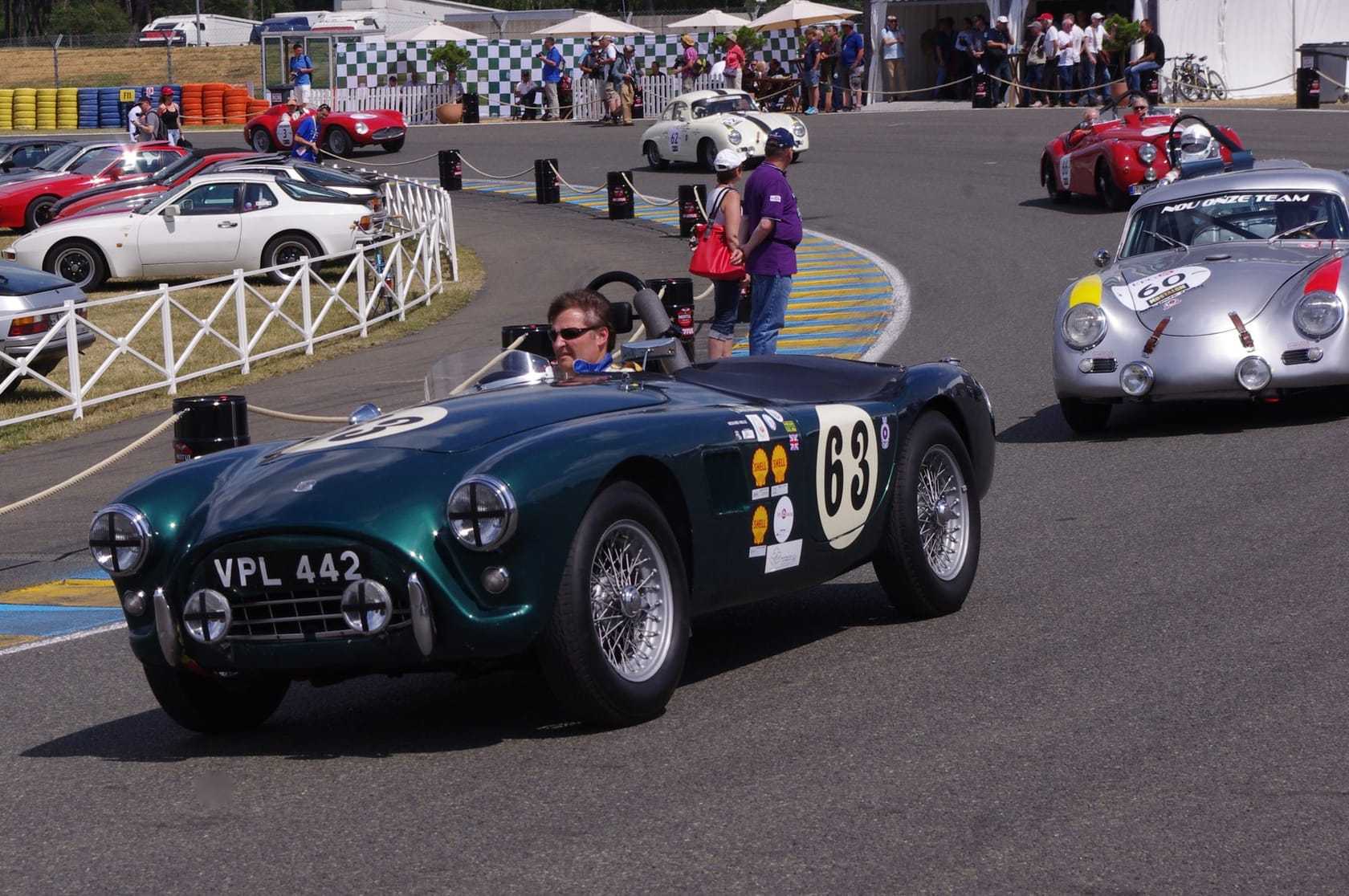
Britain has no older sports car name still trading. AC began in 1901 as Auto Carriers, building delivery tricycles in West London, and by the time Carroll Shelby telephoned in 1961 the little Thames Ditton works had already produced Edwardian runabouts, vintage record breakers and the prettiest roadster of the fifties. The classic AC cars, the Ace, the Aceca and the Cobra they became, now trade at the summit of the British market, and the marque’s small-workshop story explains every pound of it.
Auto Carriers: the long road to the Ace
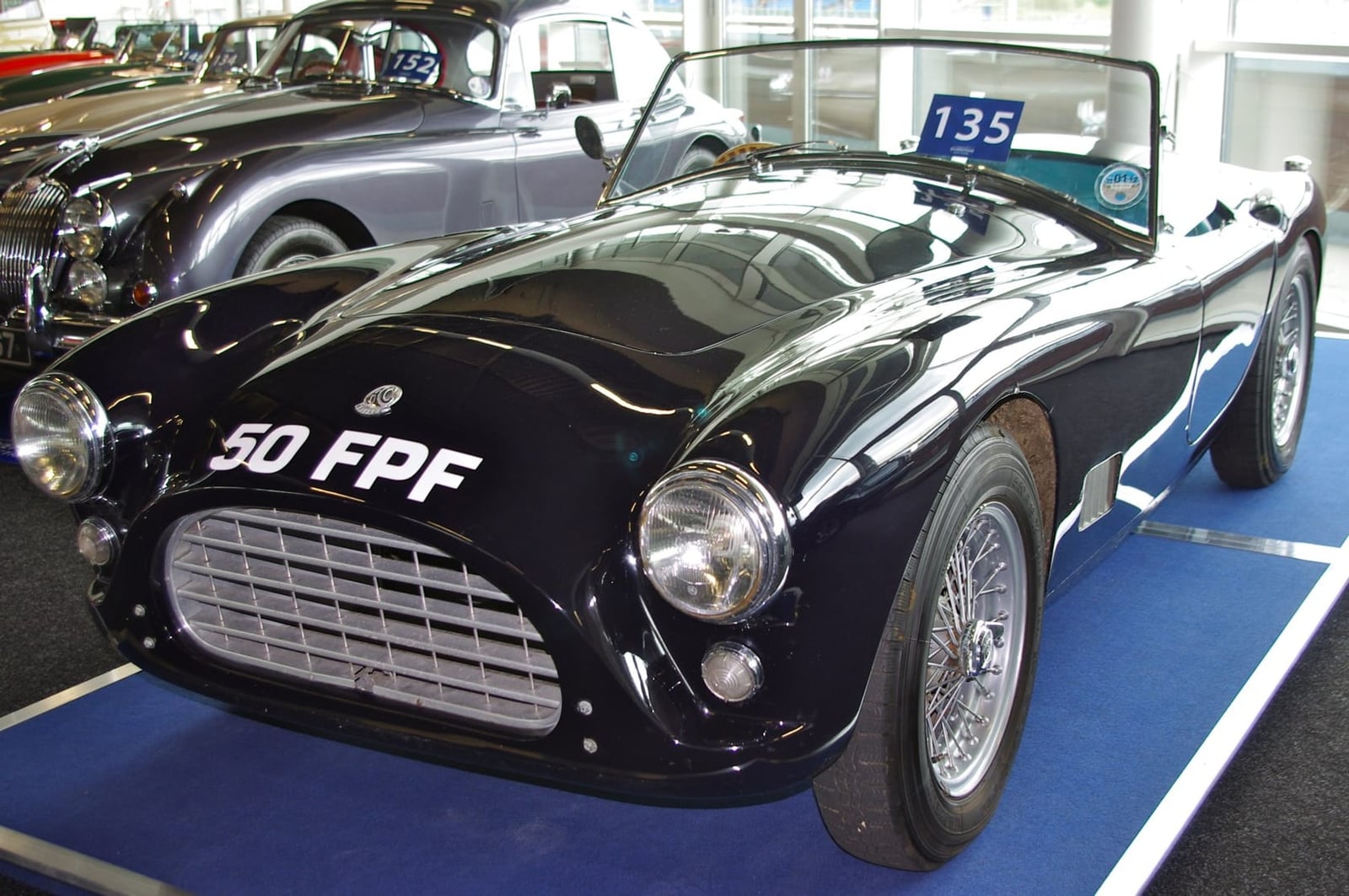
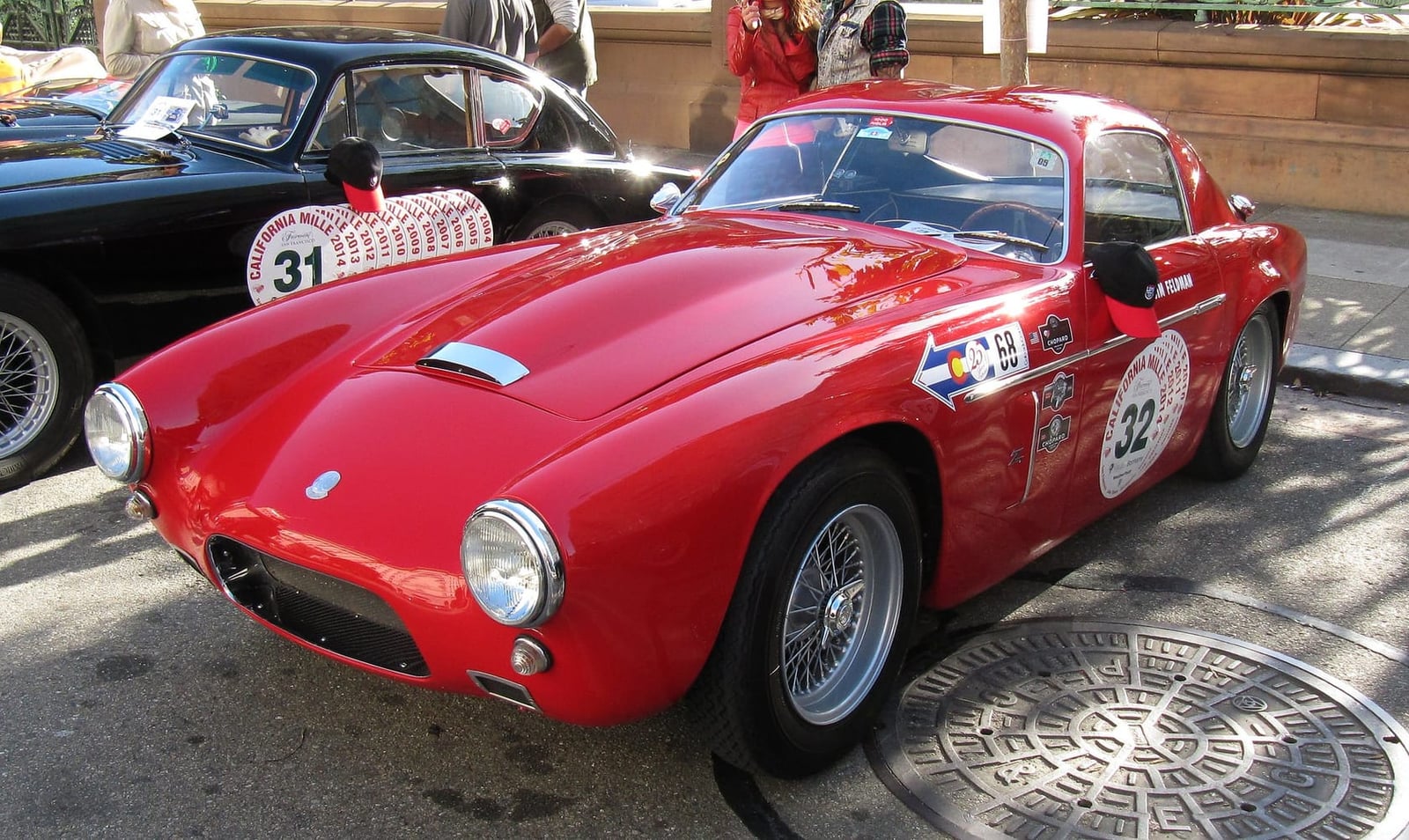
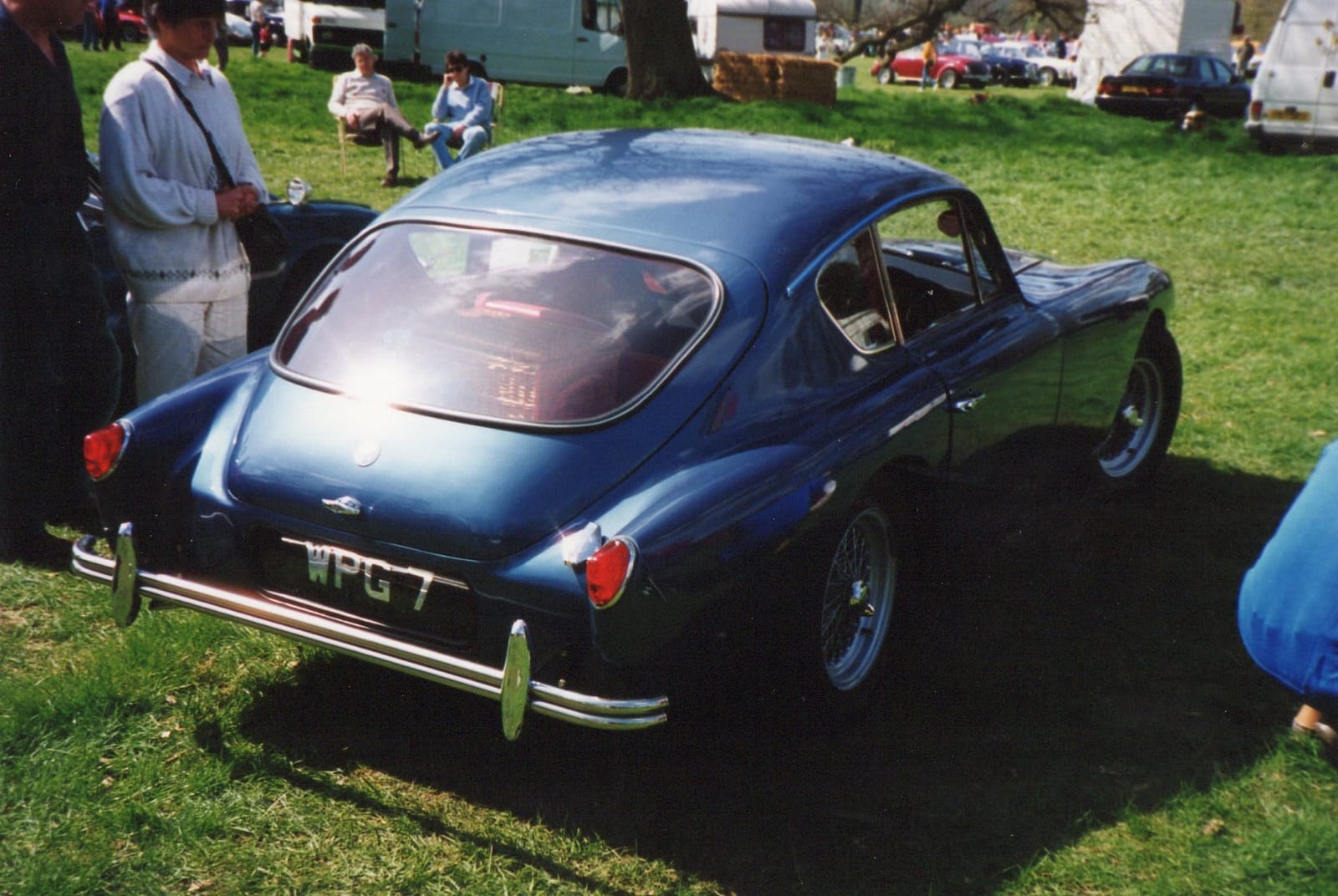
The first half-century built the foundations: the Sociable three-wheeler motorised Edwardian errands, John Weller’s advanced overhead-cam six of 1919 powered ACs for an astonishing forty years, and a 1920s AC was the first British car to win the Monte Carlo Rally. After the war the company revived with the staid 2 Litre saloon, and then came the transformation: in 1953 AC adopted John Tojeiro’s ladder-framed, Ferrari- Barchetta-styled two-seater as the Ace, added the fastback Aceca coupe, and found itself building one of the most beautiful sports cars in the world at a few cars a week.

AC at auction
What a classic AC sells for at auction
- Median sale, 2025
- £135,488 Up from £114,392 in 2021
- Sales in 2025
- 20 37 in 2022, the most we have recorded
- Sold when offered
- 75.6% Of the cars put up for auction since 2001
- The record
- £704k Cobra 289, Bonhams, February 2015
Bristol power and the racing Aces
The Ace’s weakness was its ageing AC six, and the cure arrived from the aircraft industry: from 1956 the two-litre Bristol engine turned the Ace Bristol into a genuine 115 mph car and a formidable racer, collecting a Le Mans class win and SCCA championships in America, with Ruddspeed-tuned Ford power following when Bristol supplies ended. The competition record mattered twice over: it made the Ace desirable then, and it made the chassis famous enough that a certain American racer came calling with bigger ideas.
Shelby, the Cobra and the legend
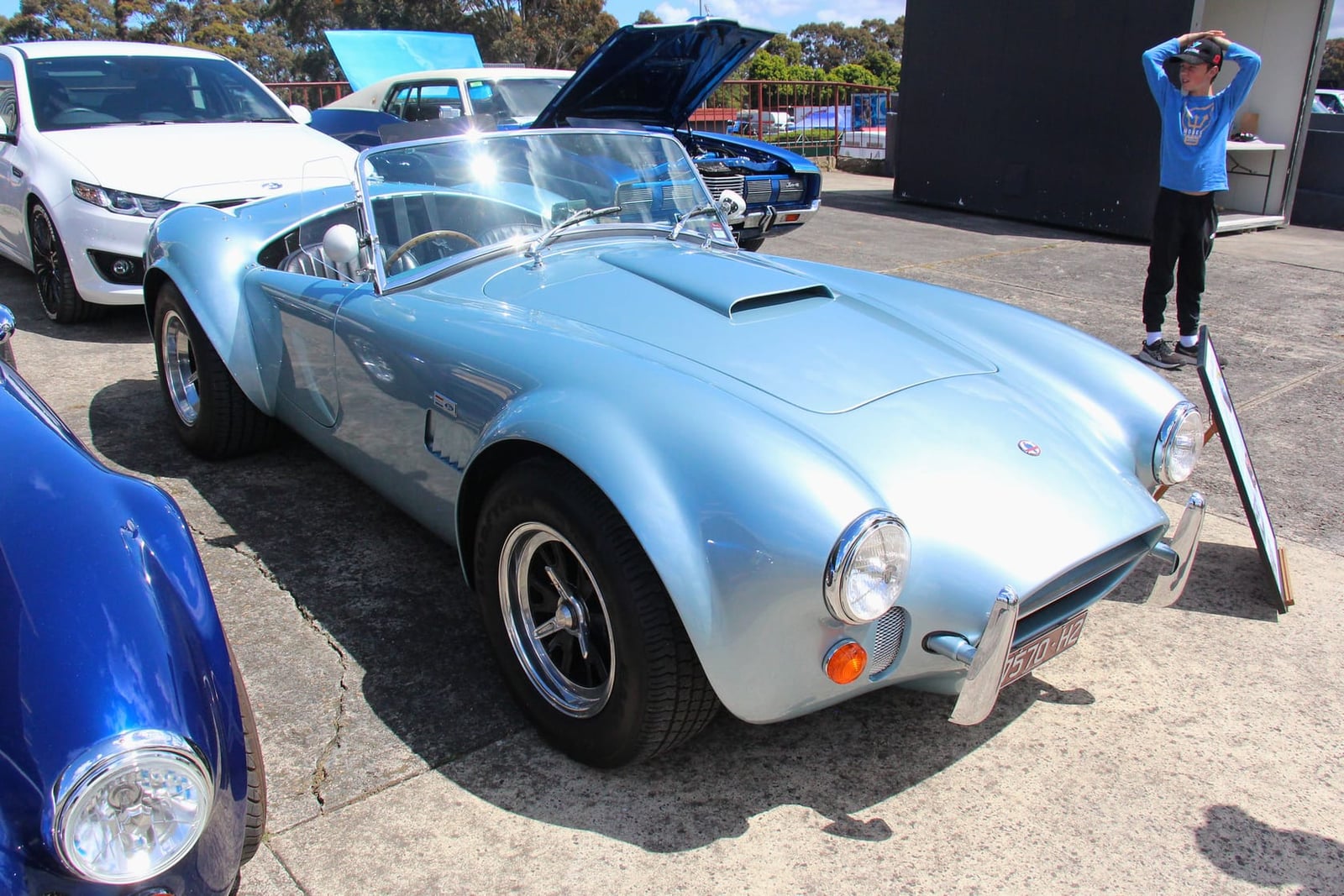
Carroll Shelby’s 1961 proposal was simple: Ford’s new small-block V8 in the Ace’s chassis. Thames Ditton built and shipped the rolling cars, Shelby American installed the engines, and the Cobra was born, 289s first, then the brutal 427, with the Daytona Coupes taking the fight to Ferrari. Genuine sixties Cobras number only in the hundreds, which is why they trade in seven figures and why the shape became the most replicated in motoring, a story our kit-cars guide tells. AC’s own Mk IV of the 1980s began the continuation line that still carries the badge today.

What the classic ACs are like
Every classic AC is a light, hand-built device with racing manners: the Ace steers with fingertip delicacy and rides better than its looks promise, the Ace Bristol adds an engine that loves revs, the Aceca wraps the same virtues in grand-touring calm, and the Cobras replace delicacy with thunder. Survivors are documented individually by the AC Owners Club, parts support is remarkable for such rare cars, and the events scene, from club racing to continental tours, uses these cars exactly as intended.

Values: the summit of the specialist market
Three hundred and ninety-seven measured sales at a £92,000 median, with replicas excluded, put AC among the most valuable British marques of all: pre-war cars and 2 Litre saloons from the low tens of thousands, Acecas in the low-to-mid six figures’ foothills, Aces and Ace Bristols beyond them with competition history multiplying everything, and genuine Cobras in another atmosphere entirely. Provenance is the whole market here, verified through club and chassis records, and the oldest name in British sports cars rewards the buyers who do the oldest kind of homework.
More photos