From Morris Garages to Abingdon
The initials stand for Morris Garages, the Oxford sales-and-service business owned by William Morris, the future Lord Nuffield. MG began as a sideline there in the early 1920s, building sportier-bodied versions of ordinary Morris cars under the eye of the sales manager, Cecil Kimber, who is rightly remembered as the father of the marque. The famous octagon badge was registered in 1924, and the M.G. Car Company became a limited company in 1930.
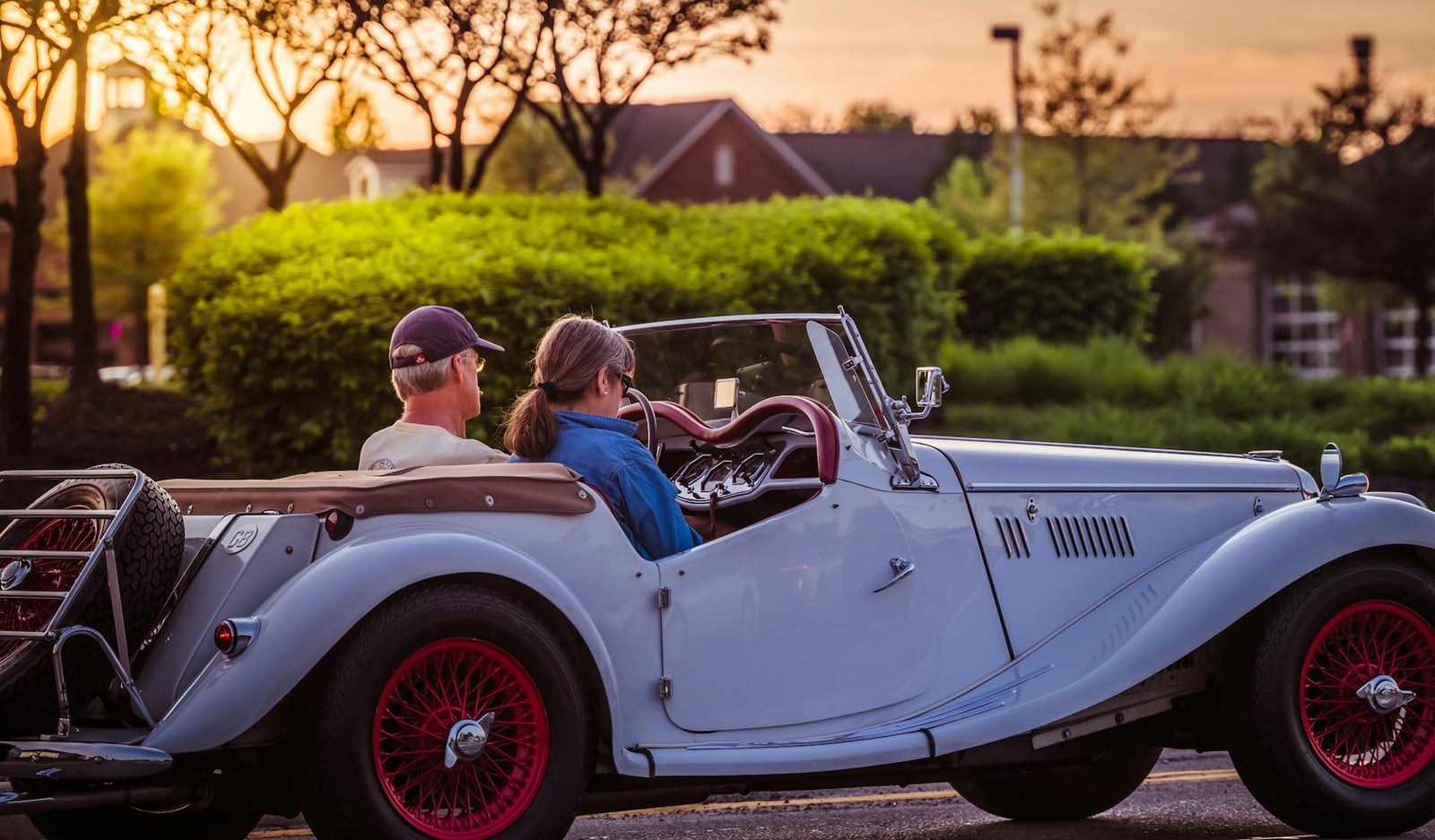
By the end of the 1920s MG had settled at Abingdon, a few miles south of Oxford, which became its home for the rest of its sporting life. From there came the pre-war and immediately post-war T-series cars, the TC, TD and TF, that first sold the British sports car to America. The marque’s motto from 1929, “Safety Fast”, captured the idea exactly: cars that were quick but friendly, fast but usable.
The ownership changed around it. MG passed into Morris Motors and the Nuffield Organization in 1935, into the British Motor Corporation when Austin and Morris merged in 1952, and into British Leyland in 1968. The constant through all of it was Abingdon, and a line of sports cars that stayed true to the original idea.

MG at auction
What a classic MG sells for at auction
- Median sale, 2025
- £8,570 Down from £11,880 in 2021
- Sales in 2025
- 816 The most we have recorded in a year
- Sold when offered
- 76.4% Of the cars put up for auction since 1994
- The record
- £525k Magnette K3, Bonhams, September 2024
The cars worth knowing
The modern MG sports car began with the MGA of 1955, a clean, aerodynamic roadster (and pretty fixed-head coupe) that swept away the upright, pre-war look of the T-series and sold over a hundred thousand, the vast majority exported to the United States.
Its successor was the car that defines the marque. The MGB of 1962 was a modern monocoque roadster, simple, dependable and affordable, that sold more than half a million and was for years the best-selling sports car in the world. From 1965 the MGB GT added a handsome Pininfarina-styled fastback roof and a hatchback, a practical 2+2 that is one of the most underrated classics there is. Briefly, from 1973, the MGB GT also came as a V8, with the light Rover aluminium engine.
Below the MGB sat the MG Midget, the cheapest way into the marque, a tiny, nimble roadster built alongside its near-identical twin the Austin-Healey Sprite; enthusiasts call the pair the Spridget. Saloon buyers had the MG Magnette, the marque’s elegant four-door of the 1950s. Above the Midget, for two years only, sat the six-cylinder MGC, an MGB with a 3.0-litre straight-six, conceived as a replacement for the big Austin-Healey 3000 and now a sought-after, long-legged grand tourer.
For the practical side of ownership, see our guide to MG parts, specialists and restoration.
What happened to MG
MG’s classic chapter ended in 1980, when British Leyland closed Abingdon and stopped building the MGB. It was a bitter moment for enthusiasts: the oldest sports-car works in the country, shut as part of a wider rationalisation.
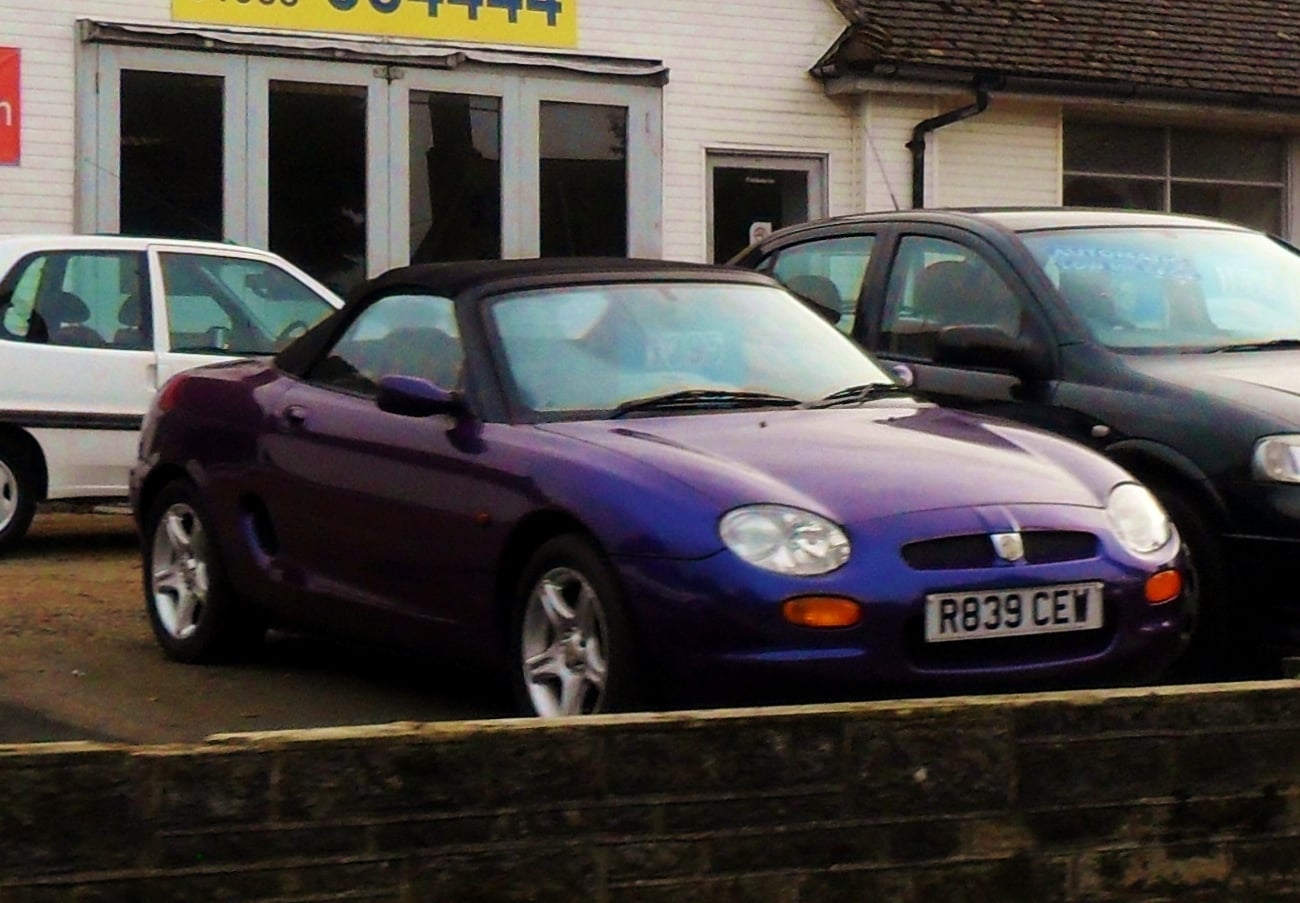
The name did not die, but it changed character. Through the 1980s “MG” became a sporting badge on Austin-Rover saloons and hatchbacks, the MG Metro, Maestro and Montego. In 1992 came the limited-run RV8, a modern reworking of the MGB, and in 1995 the mid-engined MGF, the first all-new MG sports car in a generation and a genuine success, later updated as the MG TF. The final independent years even produced a supercar: the MG XPower SV of 2003, a carbon-bodied, Ford-V8 coupe developed from the Qvale Mangusta, of which barely 80 were built before the money ran out, now a genuine collector rarity. When the MG Rover Group collapsed in 2005, the assets passed to the Chinese group SAIC, which owns and builds MG cars today. The modern MG is a continuous name on a different company, with no engineering link to the cars in this guide.

Why they are collected now
Classic MGs are among the most rewarding cars to own precisely because they are accessible. A sound MGB or Midget costs a fraction of most classics, the BMC mechanicals are simple enough to maintain at home, and the parts supply is exceptional: you can buy almost every panel new, and even complete galvanised bodyshells. Every model has an active owners’ club, and the cars qualify as historic vehicles like any other forty-year-old classic, with the tax and MOT exemption that brings.
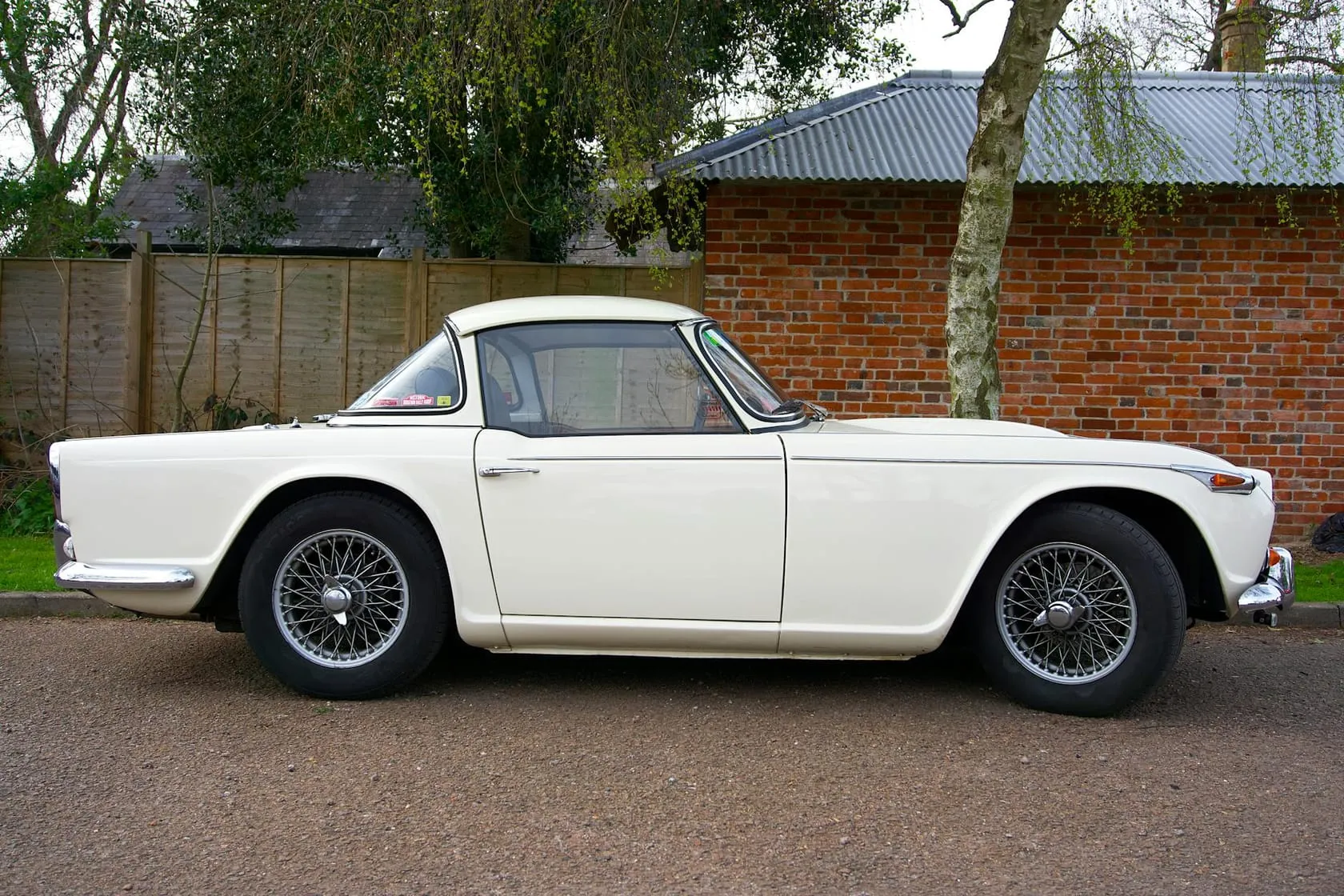
They also tell the British motoring story in miniature: the dealership that became a marque, the export drive to America that earned the dollars the country needed, the slow absorption into British Leyland, and a closure that still stings. The cars span the heart of the classic era, the 1950s, 1960s and 1970s. MG’s great rival in all of it was Triumph, and the two marques between them defined the affordable British sports car.

More photos