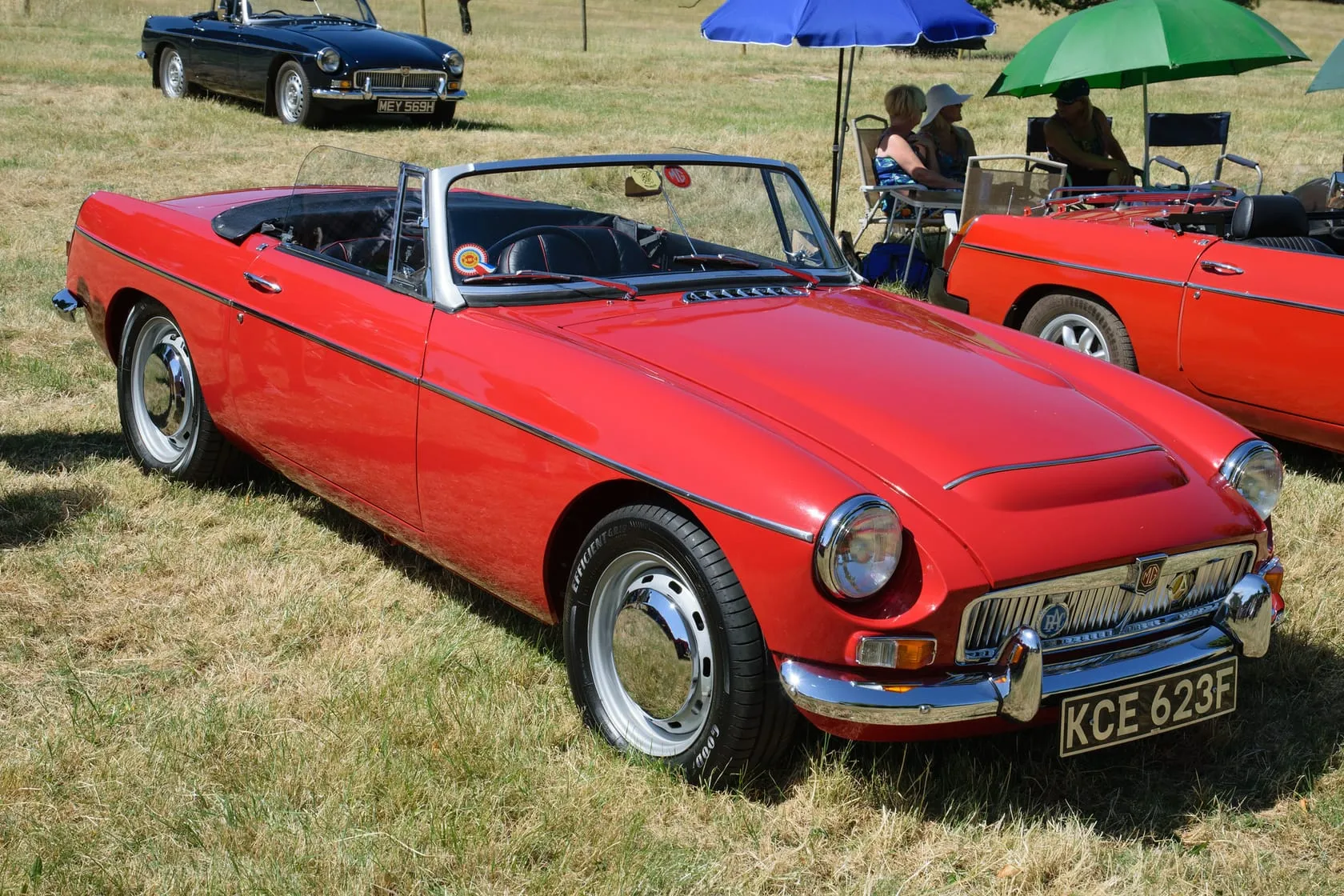
MG Midget: a Sprite in MG clothing, and the cheapest way into the marque (1961–1979)
The MG Midget was the tiny, nimble, affordable roadster built alongside its near-identical twin the Austin-Healey Sprite, and the cheapest way into classic MG ownership. A guide to the marks and engines, the curious 1500 that used a Triumph engine, the chrome and rubber bumper cars, the round and square arches, and what to look for when buying.
Built 1961–1979

At a glance
- Years
- 1961–1979
- Body styles
- Two-door open sports car (roadster)
- Drivetrain
- Front engine, rear-wheel drive
- Engines
- 948, 1098 and 1275cc BMC A-series; 1493cc Triumph engine (1500)
- Power
- Around 46 to 65 bhp
- Top speed
- Around 85 to 100 mph (1500)
- Trim levels
- MkI, MkII, MkIII, 1500
- Production
- About 226,000
- Assembly
- Abingdon, Oxfordshire
- Designer
- BMC, as a sister car to the Austin-Healey Sprite
- Values
- Project £500-£3,500; good £5,500-£9,000; excellent £9,000-£13,000 (chrome-bumper cars top the range)
- The Spridget
- A badge-engineered sister to the Austin-Healey Sprite
- A Triumph engine
- The 1974–1979 1500 used the Triumph Spitfire's 1493cc unit
The models
Tiny, light and darty, the MG Midget has a go-kart feel that faster cars cannot match, and it costs less to buy and run than almost any other classic. It is the smallest and cheapest of the classic MGs, and for many people the easiest way into classic sports-car ownership of all. If the MGB is the sensible MG, the Midget is the cheeky one.
The Midget is part of the classic MG range, its entry point, and a car that has introduced generations of drivers to the simple pleasure of a small British roadster.
The Spridget: an MG badge on a Sprite
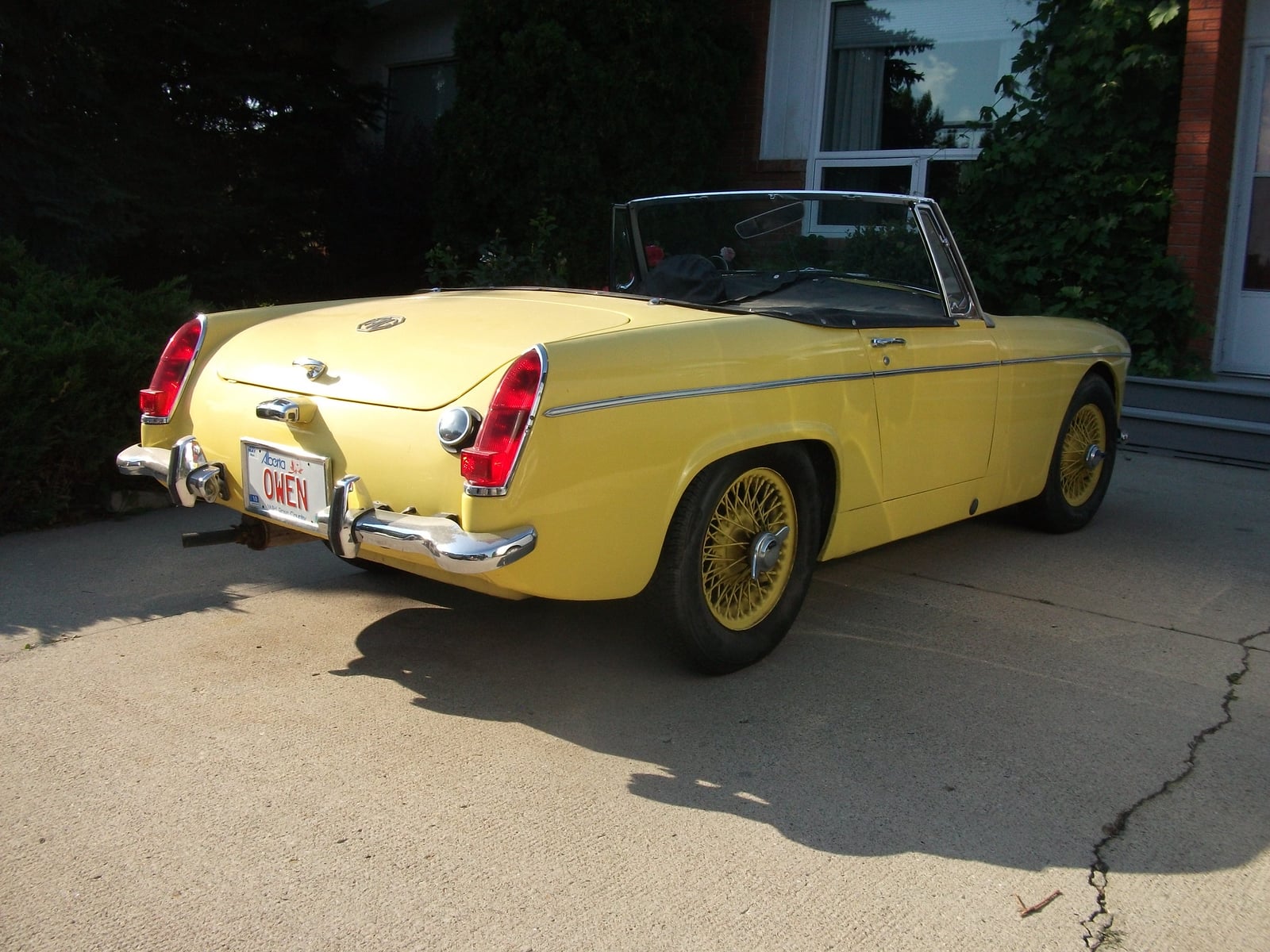
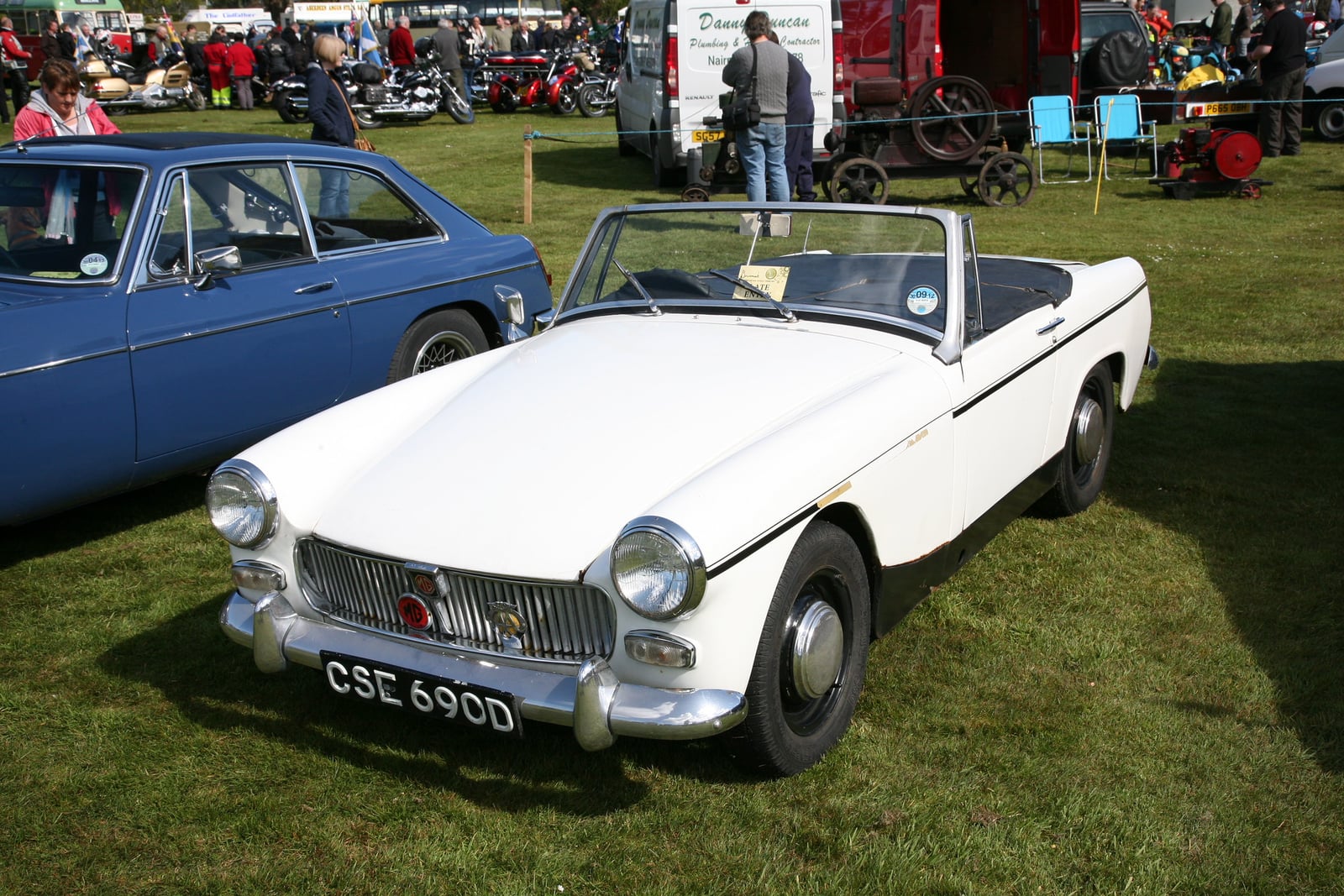
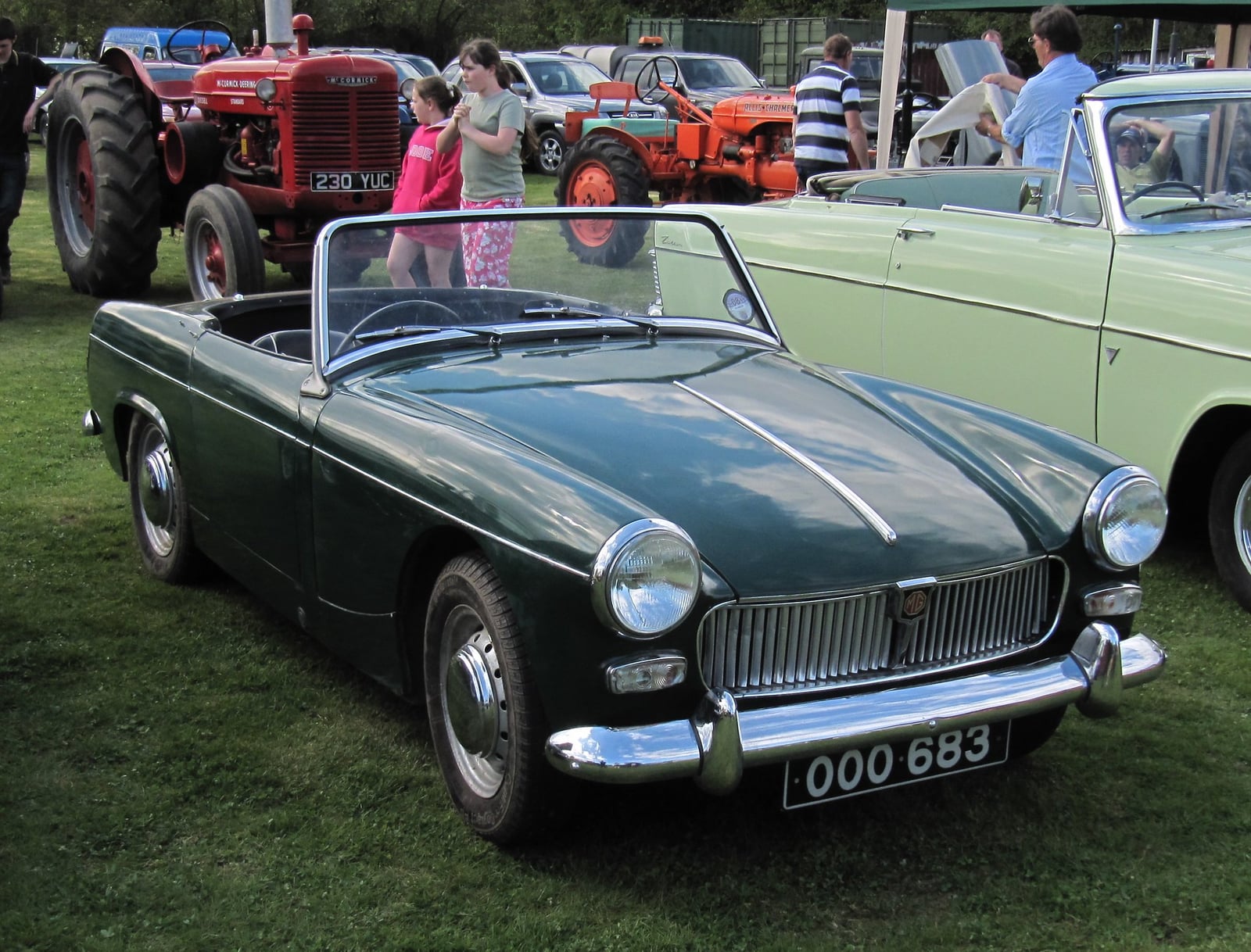
The Midget’s story begins with another car. In 1958 BMC launched the Austin-Healey Sprite, the cheeky “Frogeye” with its bonnet-mounted headlamps. When the Sprite was restyled in 1961 into a more conventional shape, BMC took the opportunity to sell the same car twice: a slightly smarter, better-trimmed version wearing an MG badge and grille, the MG Midget, launched in mid-1961. The two cars were near-identical underneath, and enthusiasts have nicknamed the family the “Spridget” ever since.
So the Midget was the later, slightly upmarket twin of the Sprite, not the original. It outlived its sister, though: Sprite production ended in 1971, while the Midget carried on under British Leyland to the end of the 1970s, becoming the better-known name of the pair.

The marks and engines
The Midget ran through four broad versions. The MkI (1961–1964) began with a 948cc BMC A-series engine of around 46 bhp, growing to 1098cc and front disc brakes. The MkII (1964–1966) kept the 1098cc engine but gained wind-up windows and proper door handles in place of the old sidescreens. The MkIII (1966–1974) brought the 1275cc A-series, the sweet spot of the range, lively and dependable.
Then came the change that surprises people. From 1974 the Midget 1500 set aside the BMC A-series and used the 1493cc engine from the Triumph Spitfire, a real British Leyland parts-sharing oddity. It came with a Morris Marina gearbox, and on home-market cars kept twin SU carburettors. The Triumph engine gives the 1500 more torque than the old A-series cars, though it has a slightly weaker bottom end, so a rebuilt or well-maintained unit is worth seeking.

Chrome and rubber bumpers, round and square arches
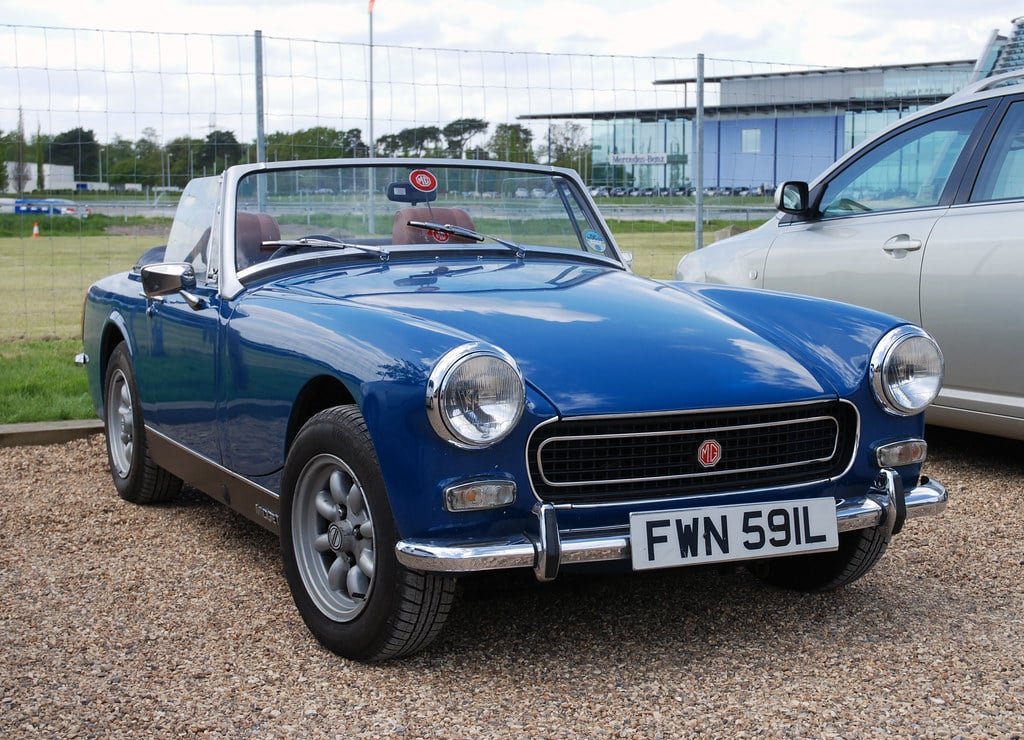
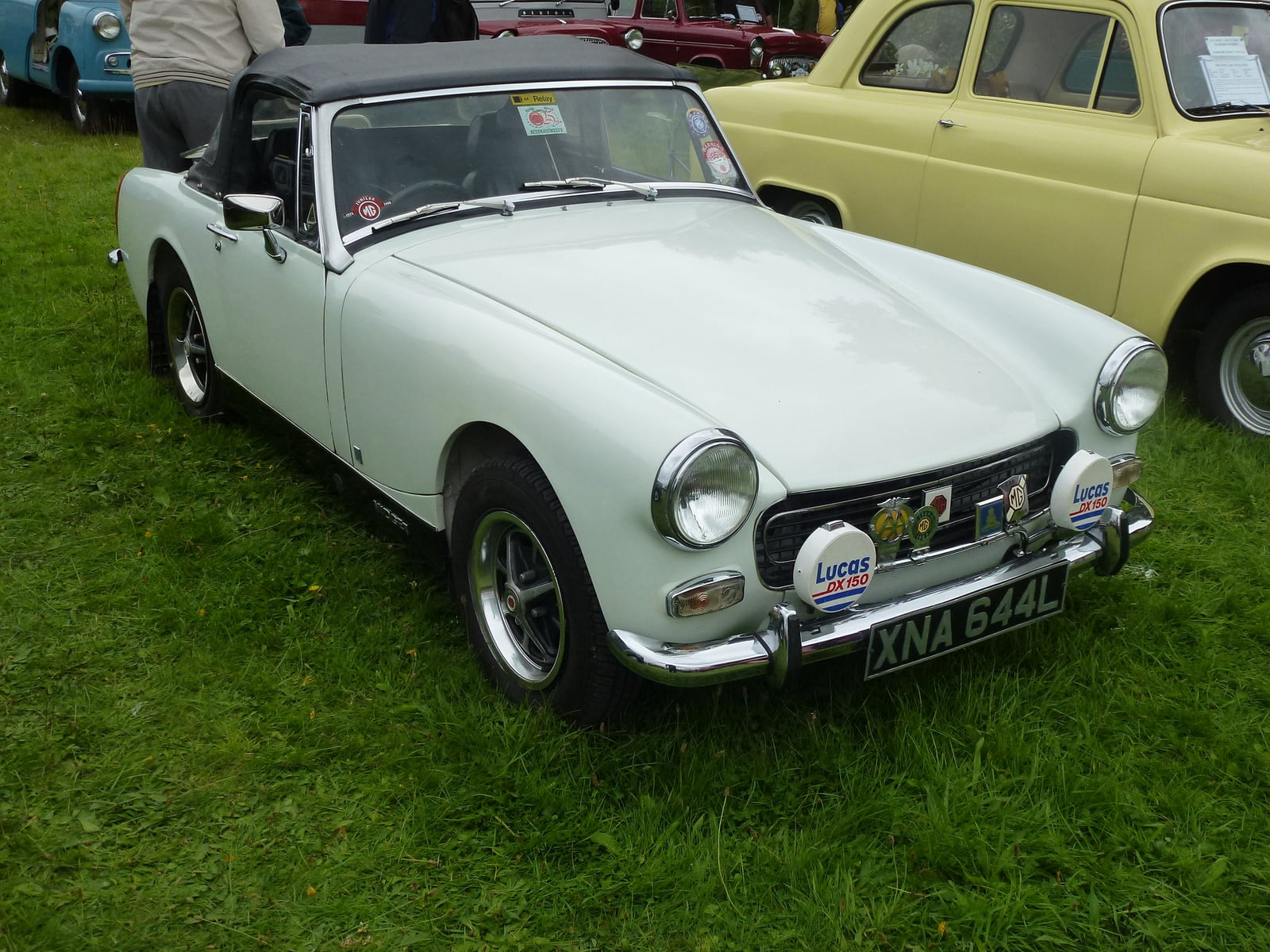
Like the MGB, the Midget divides into chrome-bumper cars up to 1974 and rubber-bumper cars from late 1974, when American crash rules brought the large black impact bumpers and a raised ride height. The chrome-bumper cars are lower, sharper-handling and more sought-after; the rubber-bumper 1500 is the affordable way in, a torquier but slightly softer car.
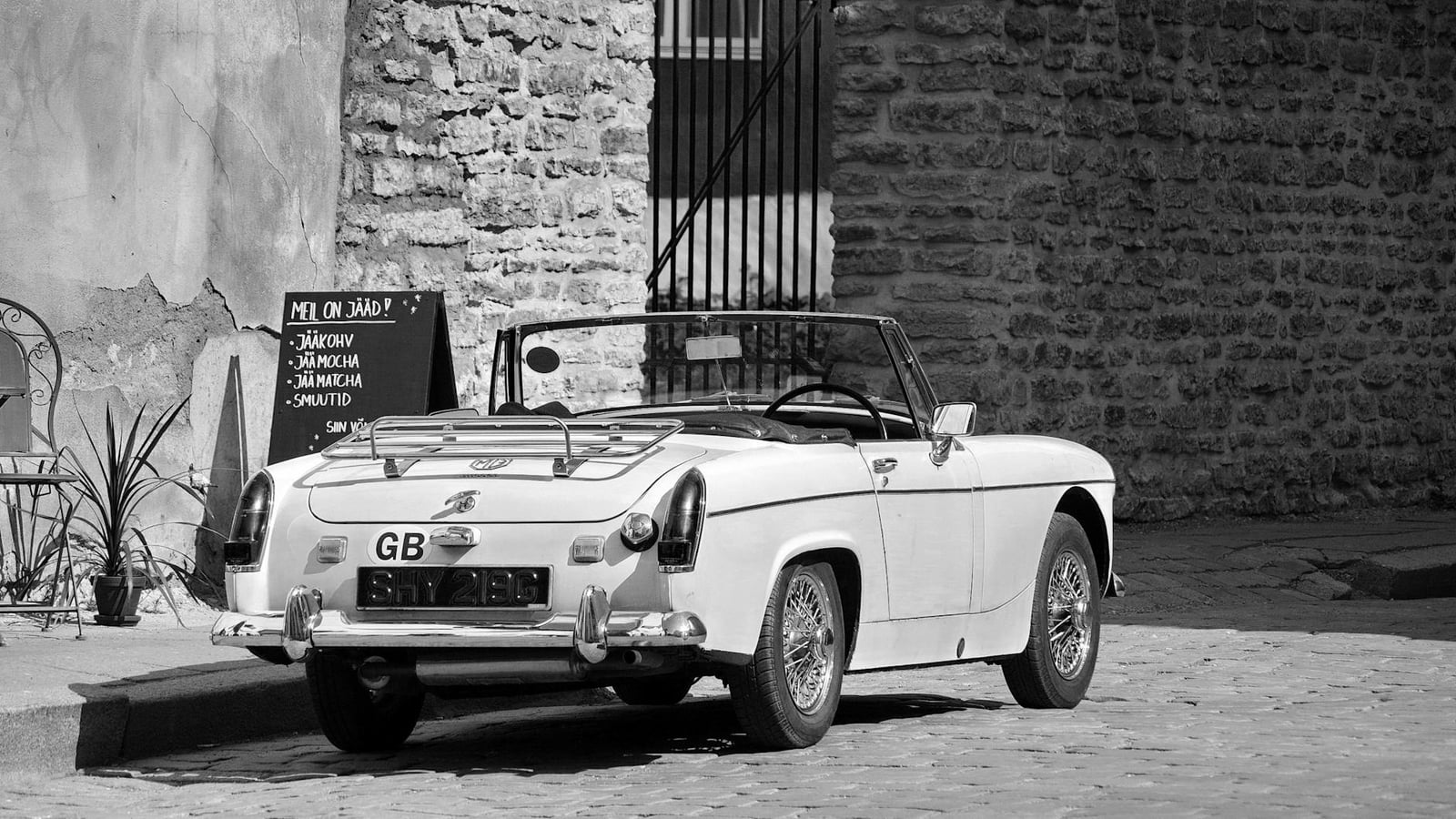
There is one more identification point worth knowing. For a brief spell on the MkIII, from 1972 to 1974, the Midget wore rounded rear wheel arches in place of the usual square ones. The round-arch cars are a distinctive, short-lived variant, and the later 1500 reverted to square arches for strength, so a round-arch car is always a chrome-bumper MkIII.

What it is like to own
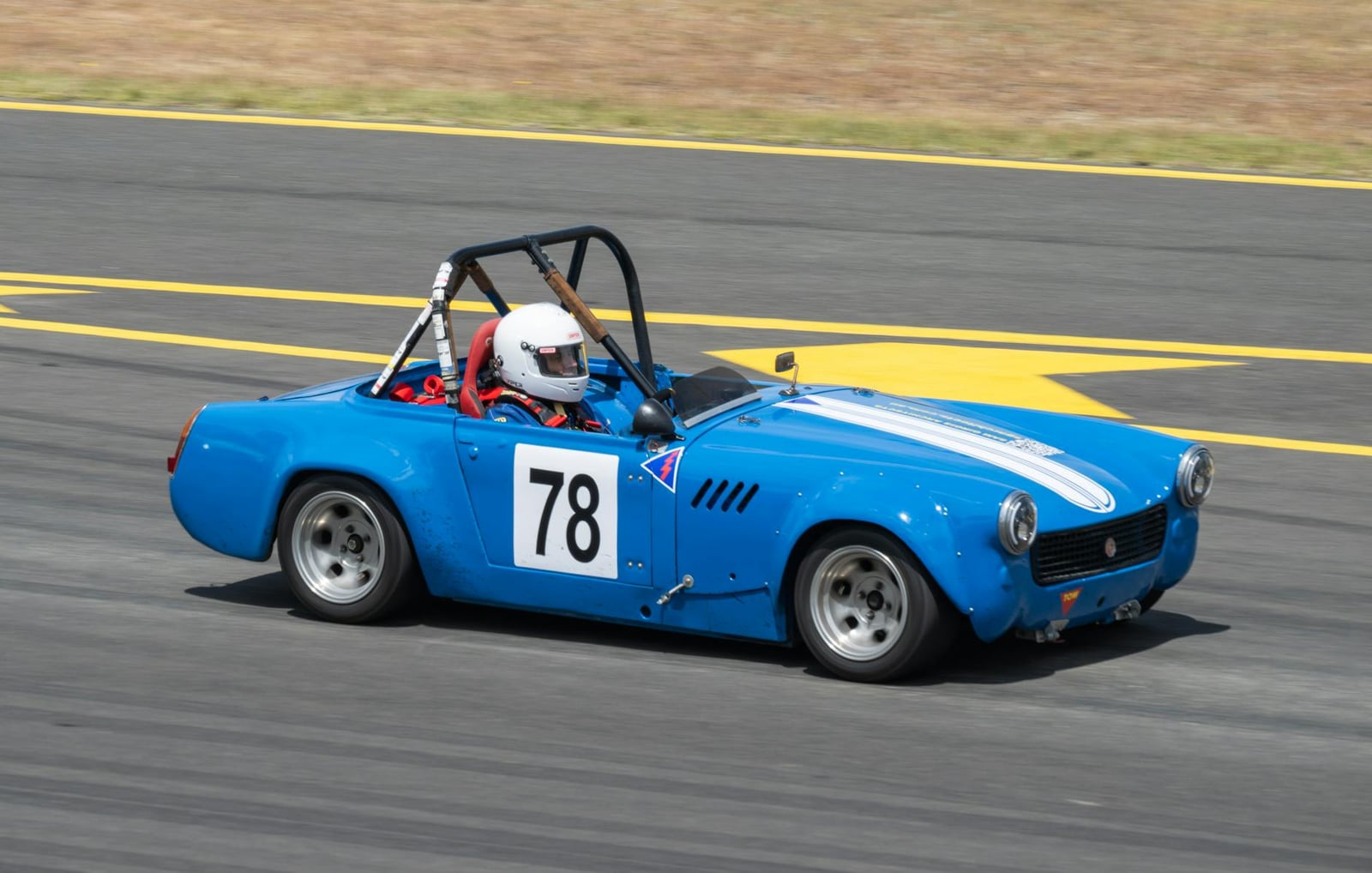
The Midget’s charm is its simplicity and its lightness. There is very little of it, so even modest power feels lively, the steering is quick and accurate, and it changes direction like a toy. It is cramped if you are tall, and it is noisy and basic by modern standards, but that is the point: it is pure, cheap, wind-in-the-hair motoring. Running costs are the lowest of any classic MG, the mechanicals are simple enough for home maintenance, and the parts supply is second to none.

Buying guide: what to look for
The Midget is a monocoque, so rust is structural and is the main expense. The sills are the priority, inner and outer, because they carry much of the shell’s strength; check their full length and at the ends inside the wheel arches. Lift the carpets to inspect the floors and footwells, which rot from years of open-top damp, and look at the rear wheel arches, the double-skinned area behind the rear wings, the boot floor and the rear spring mountings.
Mechanically the A-series cars are tough and cheap to rebuild. On a 1500, listen to the Triumph engine carefully for big-end rumble and check for crankshaft end-float, a known weakness, since a rebuild is the big mechanical cost. Otherwise check the usual king-pins, dampers and bushes. Complete new bodyshells exist but cost more than many cars are worth, so buy on the soundness of the structure first.

The cheapest MG, and where it sits
The Midget remains one of the most affordable classics on the road, with projects starting at a few hundred pounds and the chrome-bumper cars, particularly the early MkI and the 1275cc MkIII, at the top of its range; the rubber-bumper 1500 is the budget choice. The full record, 693 recorded sales by mark, why chrome sells over rubber and the early cars over both, and why a Midget is cheaper in real terms than it was a decade ago, is on the page covering MG Midget values.
In the wider story the Midget is the people’s MG, the cheapest and simplest sports car the marque made, and the natural rival to the Triumph Spitfire, so close a competitor that the two even came to share the same engine by the end. Above it sat the roomier, faster MGB for those who wanted more car.
Owners’ clubs and parts
The MG Car Club and the MG Owners’ Club both cover the Midget, with the Midget and Sprite Club catering for the whole Spridget family from the Frogeye onward. Parts supply is excellent: nearly every panel and component is reproduced, and complete Heritage bodyshells are available, which makes the Midget a thoroughly practical car to own and restore.
The Midget timeline
- 1958BMC launches the Austin-Healey Sprite, the Frogeye, whose restyling three years later creates the Midget.
- 1961The MkI arrives as a better-trimmed MG-badged Sprite with a 948cc A-series of around 46 bhp.
- 1962The engine grows to 1,098cc and front disc brakes arrive.
- 1964The MkII gains wind-up windows and proper door handles in place of the old sidescreens.
- 1966The MkIII brings the 1,275cc A-series, the sweet spot of the range.
- 1972Rounded rear wheel arches appear for a brief spell, making any round-arch car a chrome-bumper MkIII.
- 1974The 1500 sets aside the A-series for the Triumph Spitfire's 1,493cc engine and a Morris Marina gearbox, and gains rubber bumpers and a raised ride height.
- 1979Production ends at about 226,000 cars.
Buying checklist: the Midget in front of you
Structure, which is the main expense
- Sills, inner and outer, checked along their full length and at the ends inside the wheel arches
- Lift the carpets for the floors and footwells, which rot from open-top damp
- Rear wheel arches and the double-skinned area behind the rear wings
- Boot floor and the rear spring mountings
Engine and version
- The 1,275cc A-series MkIII is the sweet spot of the range
- The 1500's Triumph engine has more torque but a slightly weaker bottom end, so seek a rebuilt or well-maintained unit
- Home-market 1500s kept twin SU carburettors
- The Marina gearbox in the 1500 is a British Leyland oddity worth knowing about
Bumpers and arches
- Chrome-bumper cars to 1974 are lower, sharper-handling and more sought-after
- The rubber-bumper 1500 is the affordable way in: torquier but softer
- Round rear arches were fitted only from 1972 to 1974
- The 1500 reverted to square arches for strength, so arch shape dates a car
Related
The Midget is one of the classic MGs, the smallest and cheapest of them, and the entry point below the MGB. For the wider period it belongs to, see British classic cars of the 1960s and 1970s.
More photos