Triumph TR6: the last of the hairy-chested roadsters (1968–1976)
The Triumph TR6 was the best-selling TR and the last of the traditional separate-chassis British sports cars, a muscular Karmann-restyled roadster with a 2.5-litre straight-six and, on home-market cars, Lucas fuel injection. A guide to the PI-versus-carburettor cars, the CP and CR distinction, and the buying checks that matter most.
Built 1968–1976

At a glance
- Years
- 1968–1976
- Body styles
- Two-door open sports car (roadster)
- Drivetrain
- Front engine, rear-wheel drive
- Engines
- 2498cc straight-six
- Power
- 150 bhp (early PI), 125 bhp (later PI), around 104 bhp (US carburettor cars)
- Top speed
- Around 120 mph (PI)
- Trim levels
- CP (early PI), CR (later PI), CC and CF (US carburettor)
- Production
- 91,850, the best-selling TR; around 83,000 exported
- Assembly
- Canley, Coventry
- Designer
- Karmann of Germany, over Giovanni Michelotti's TR4 and TR5 body
- Values
- Project £7,000-£12,000; good £13,000-£18,000; excellent £18,000-£32,000 (UK injection cars top the range)
- Fuel system
- Lucas mechanical fuel injection (PI) on UK and European cars; carburettors on US cars
- Place in the line
- The last separate-chassis TR sports car
The models
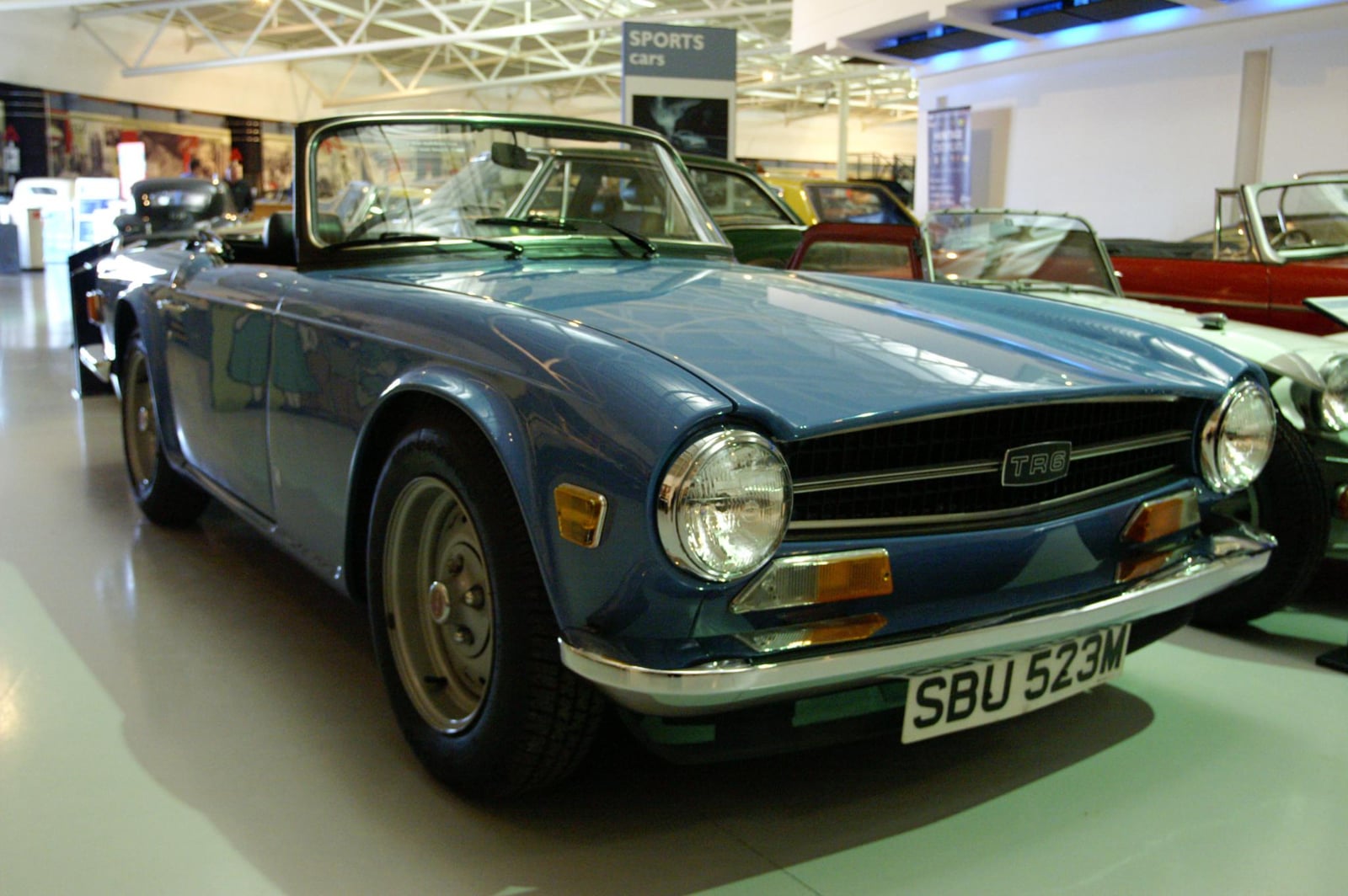
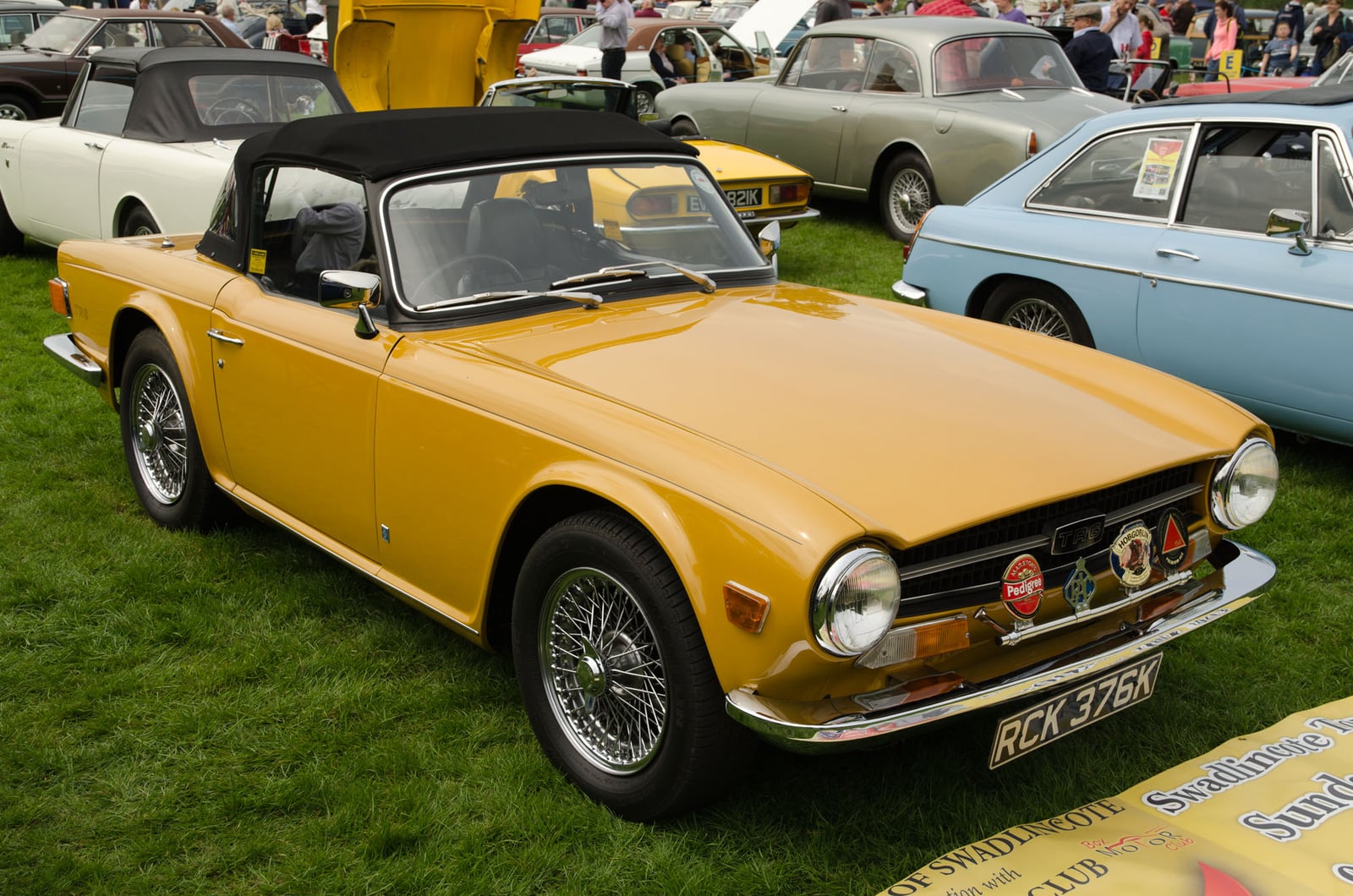
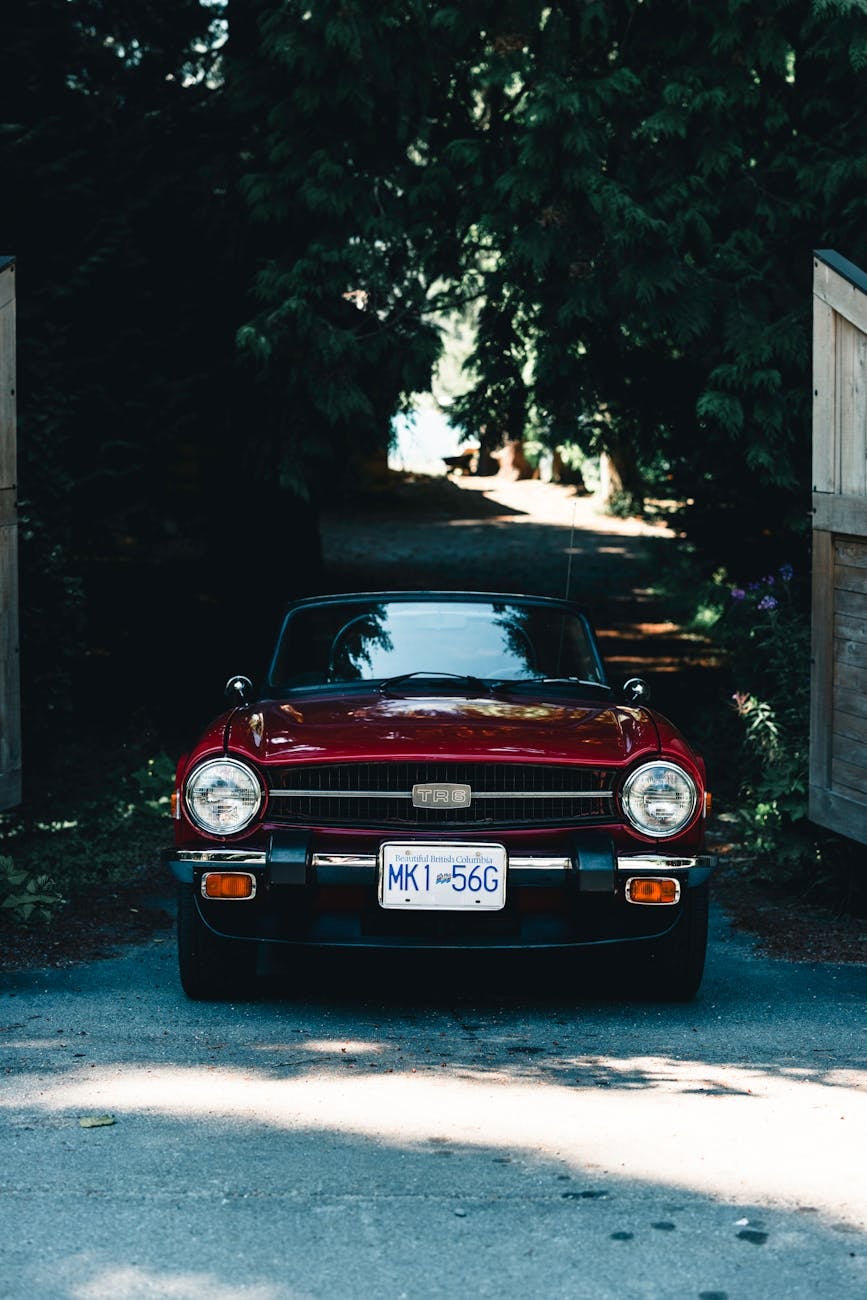
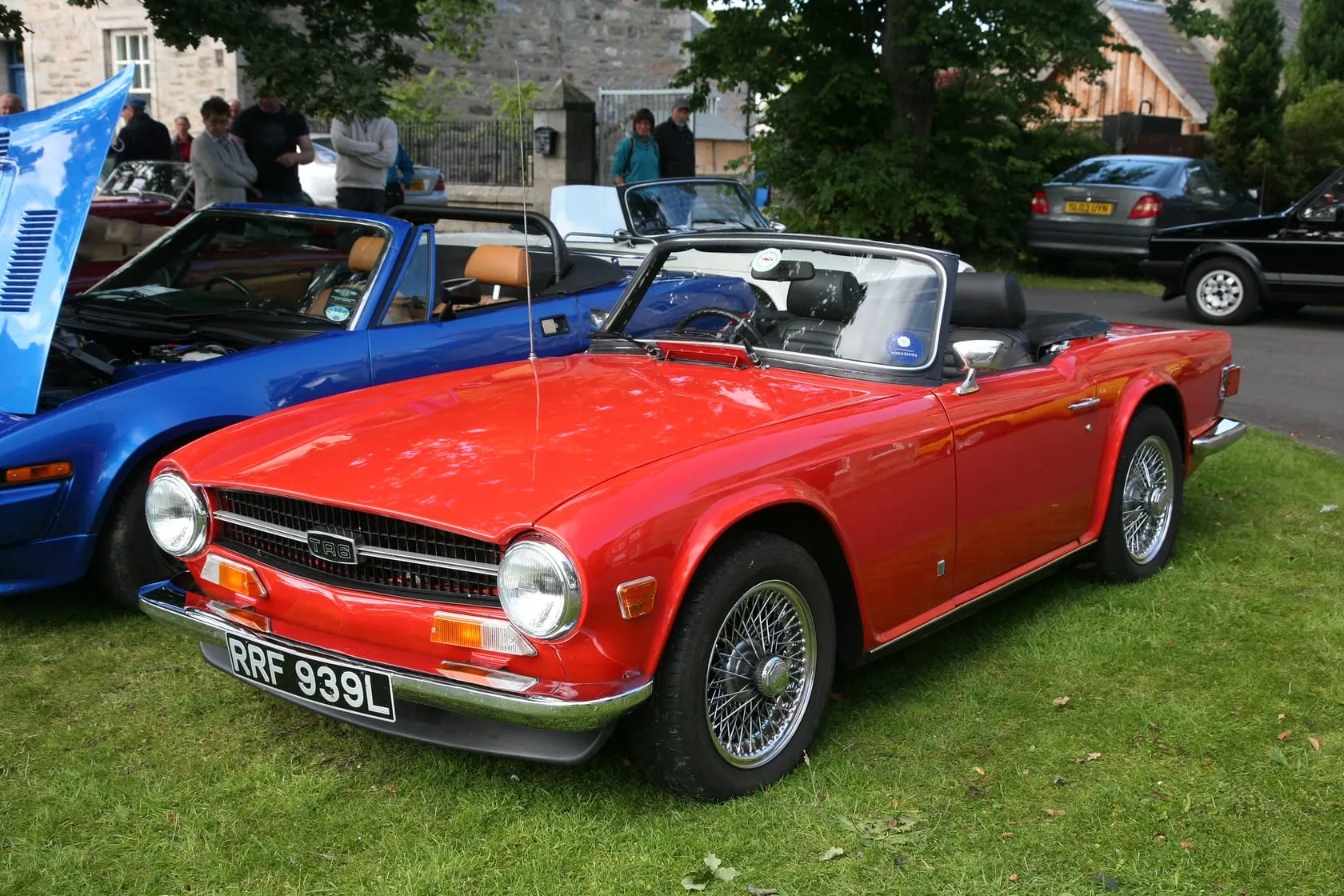
Ask most people to picture a classic Triumph sports car and they will describe the TR6: muscular, square-jawed and unmistakable. It was the best-selling TR of all, the car that cemented Triumph’s name in America, and it is remembered with real affection as the last of the traditional hairy-chested British sports cars: front-engined, rear-driven, six-cylinder, and built on a separate chassis with no apologies.
The TR6 is part of the classic Triumph range and the climax of the TR sports-car line. It closed an era that the wedge-shaped TR7 would then break with completely.
A German restyle of a Michelotti car
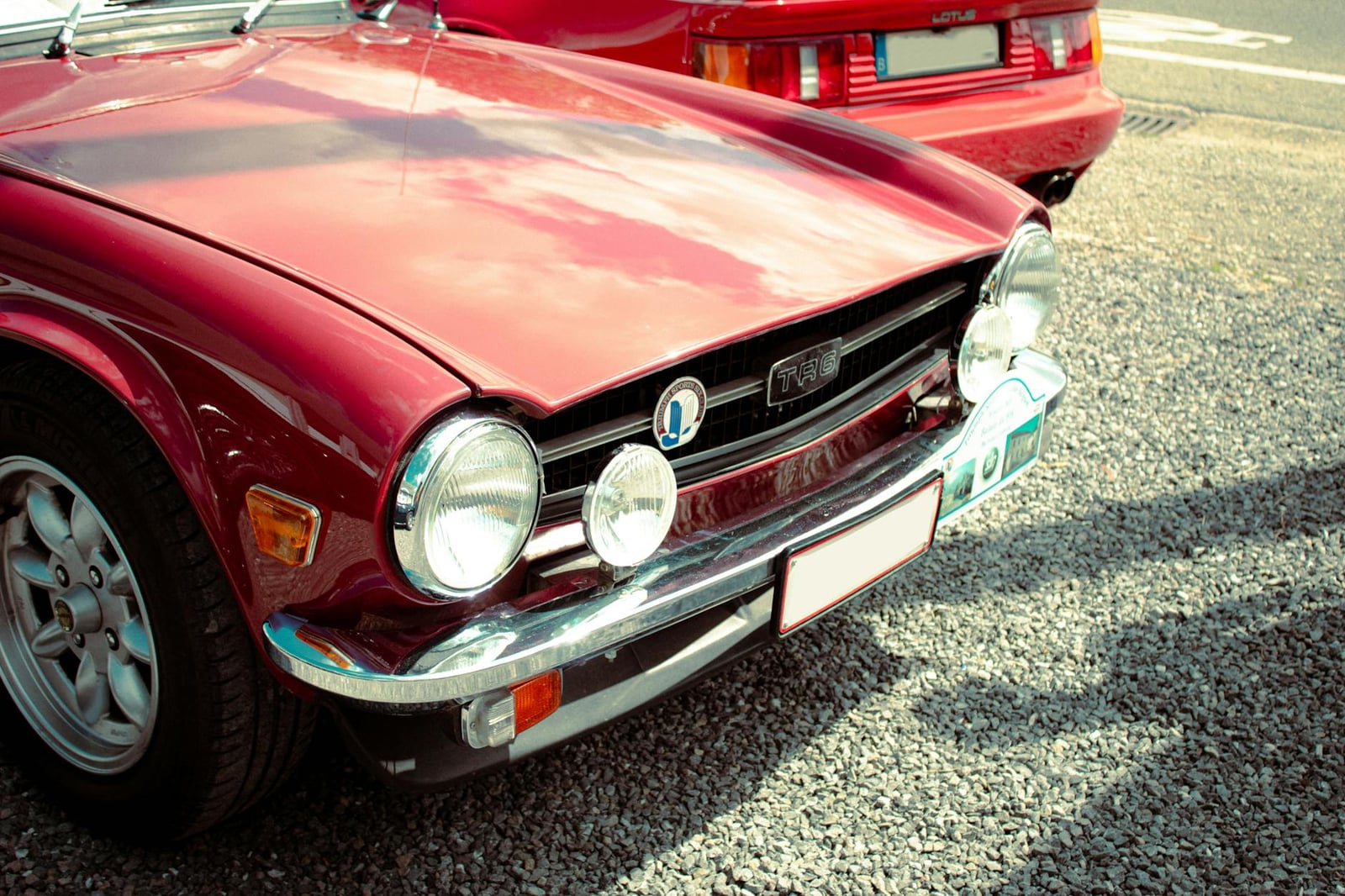
The TR6 arrived in 1968 as a clever, cost-effective update rather than an all-new car. Underneath, it carried over the chassis, the 2.5-litre straight-six and much of the centre body, doors and windscreen from the earlier TR5 and TR4. What made it look new was a sharp front and rear restyle by the German coachbuilder Karmann, which gave the car its squared-off, purposeful identity over the rounded Michelotti body beneath. It was built at Canley in Coventry, and like all the TRs it was built overwhelmingly for export: of the 91,850 made, around 83,000 went abroad, the great majority to the United States.

Fuel injection, and the cars to know
The single most important thing to understand about the TR6 is the split between fuel-injected and carburettor cars.
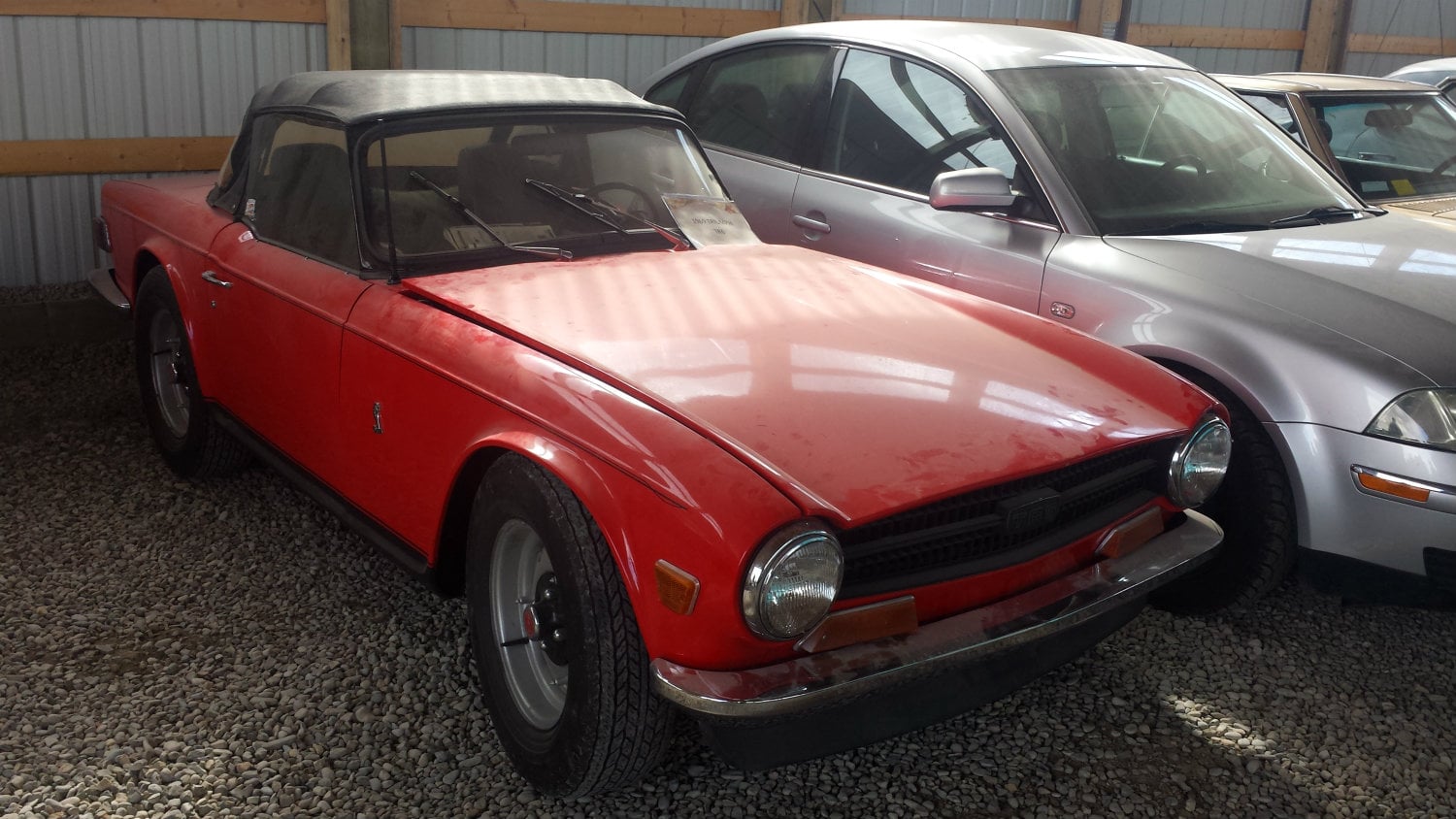
Home-market and European cars used Lucas mechanical fuel injection, badged PI, while cars for America used twin carburettors to meet US emissions rules. The difference in power was large. The early injected cars, identified by a CP commission-number prefix, made a genuine 150 bhp and would reach 120 mph with a 0 to 60 time of around 8.2 seconds, quick for the era. The US carburettor cars made around 104 bhp. From 1973 the injected cars were detuned to 125 bhp, with a CR prefix, using a milder camshaft and a revised pump for better low-speed manners. The carburettor cars continued, with CC then CF prefixes, to the end of production in 1976.
For a buyer the upshot is simple: the right-hand-drive UK injection cars are the most powerful and the most valuable, the US carburettor cars are the most affordable, and the commission prefix tells you which you are looking at.

What it is like to drive
The TR6 drives exactly as it looks. The straight-six is torquey and flexible, the car feels solid and planted compared with the small Triumphs, and on a sorted injection car the performance is still genuinely brisk. It is not a delicate sports car; it is a big, masculine roadster with a hefty clutch, a meaty gearchange and real presence. The independent rear suspension, inherited from the TR4A and TR5, gives it better road manners than the live-axle early TRs, and overdrive on the upper gears makes it a comfortable long-distance car.

Buying guide: what to look for
The TR6’s separate chassis is the first thing to inspect, because a badly corroded one means a body-off rebuild. Check the chassis just ahead of the rear wheels where the members run between the bracing plates, the differential and rear suspension mounts, and the reinforced sections known as the “T-shirt” area. A chassis that has sagged in the middle is a serious and expensive fault.

On the body, the rot traps are the sills, the floors, the base of the B-posts where they meet the sills (an MOT failure point), the rear wing and wheel-arch lips, the area behind the rear wheels, the rear deck seams and the spare-wheel well. Uneven panel gaps can betray a tired chassis beneath.
Mechanically the six is durable; check for crankshaft thrust-washer wear by feeling for fore-and-aft movement at the pulley, a fault made worse by riding the clutch in traffic. On injection cars, black smoke points to a rich metering unit, and hot-starting trouble to the Lucas system’s known quirks, both fixable and well understood. Overdrive problems are almost always electrical. Parts of every kind are exceptionally well supported.
Buying in the market today
A project TR6 sits between roughly £7,000 and £12,000, a good usable car between £13,000 and £18,000, and an excellent one between £18,000 and £26,000, with the best UK injection cars reaching past £30,000. US carburettor cars trade for around 15 to 25 per cent less than equivalent home-market injection cars. The full record, 1,280 recorded sales, the injection premium in the figures, what the chassis does to the price and what the market has done since its 2021 peak, is on the page covering Triumph TR6 values.
In the wider story the TR6 is the end of the classic TR road that began with the side-screen cars of the 1950s and ran through the TR4. It is the most numerous, most muscular and most exported TR, and a cornerstone of the British sports-car export drive to America. When British Leyland replaced it with the wedge TR7, a whole tradition ended with it.

Owners’ clubs and parts
The TR Register and the TR Drivers’ Club are the two long-established clubs for the TR sports cars, with technical support, events and specialist knowledge of the PI system. Parts supply for the TR6 is among the best of any British classic, with chassis, body, trim, mechanical and injection parts all available, much of it remanufactured.
Key dates for the TR6
- 1968Launched as a cost-effective update: Karmann restyles the nose and tail over the TR5's Michelotti centre body, chassis and 2.5-litre six.
- 1968Home and European cars get Lucas mechanical injection and a genuine 150 bhp, carrying CP commission prefixes; American cars get twin carburettors and around 104 bhp.
- 1973Injected cars are detuned to 125 bhp with a milder camshaft and revised pump for better low-speed manners, carrying CR prefixes.
- 1976Production ends at 91,850 cars, around 83,000 of them exported; the wedge TR7 breaks with the tradition entirely.
Before you buy a TR6
Chassis, first
- Just ahead of the rear wheels, where the members run between the bracing plates
- The differential and rear suspension mounts
- The reinforced sections known as the T-shirt area
- A chassis sagged in the middle means a body-off rebuild
Body
- Sills and floors
- The base of the B-posts where they meet the sills, which is an MOT failure point
- Rear wing bottoms and the usual rot traps
- Chassis and body panels are both available new, which caps the worst case
Which car, from the prefix
- CP: early injection, a genuine 150 bhp, and the most valuable
- CR: later injection, detuned to 125 bhp with better low-speed manners
- CC and CF: US carburettor cars, around 104 bhp and the most affordable
- The TR Register and TR Drivers' Club hold the specialist knowledge of the PI system
Related
The TR6 is one of the classic Triumphs and the last of the separate-chassis TR sports cars. Its predecessor, the Triumph TR4, brought the modern body and the independent rear suspension that the TR6 inherited. For the wider period it belongs to, see British classic cars of the 1960s and the 1970s.
More photos