1970s
-
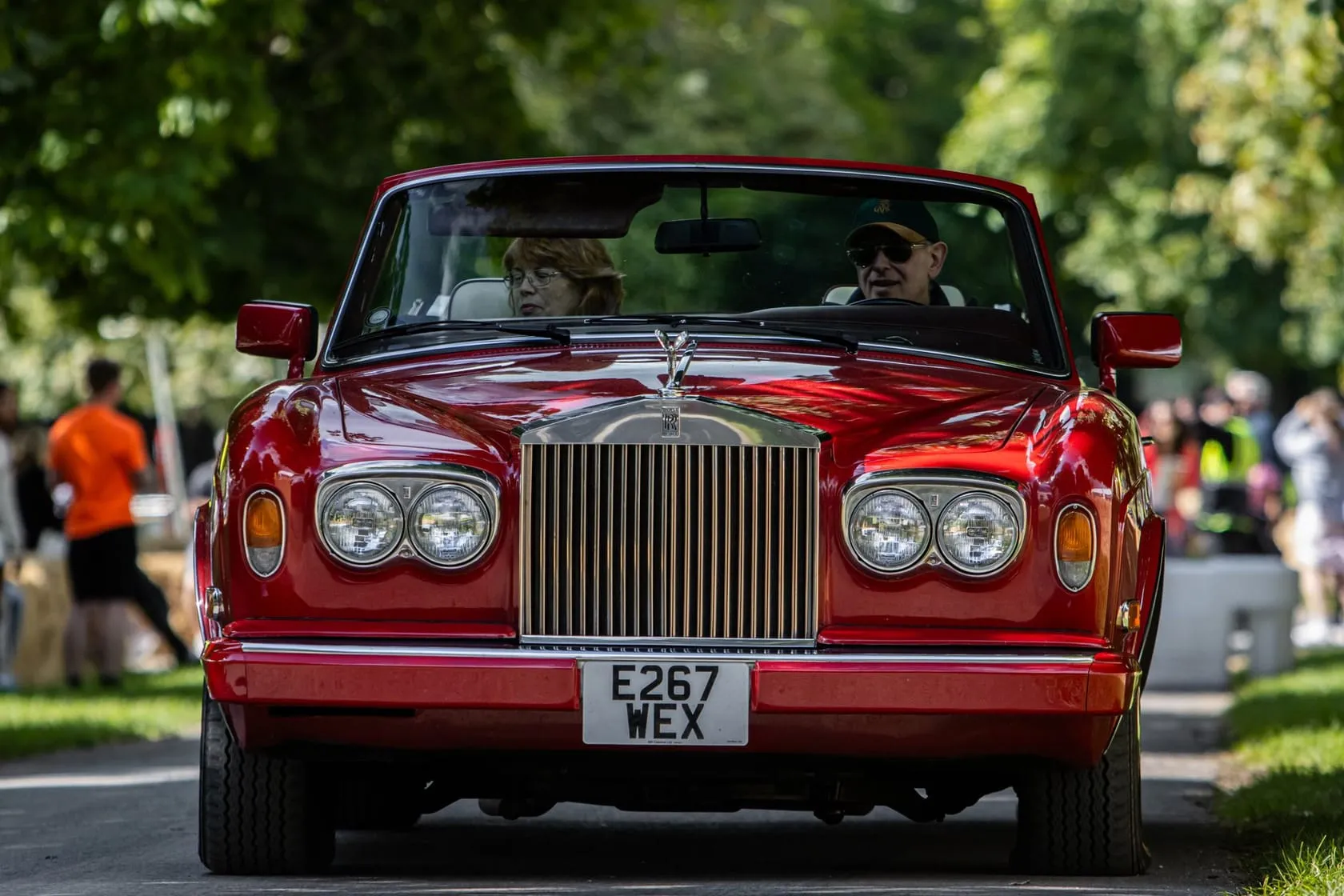 Rolls-Royce Corniche: the coachbuilt survivor that outlived its makers (1971–1995)
The Corniche carried the coachbuilt tradition through a quarter-century, Mulliner Park Ward hand-building the two-door Rolls long after the trade around it vanished. A guide to the coupe and convertible, the four series, and what to check before buying.
-
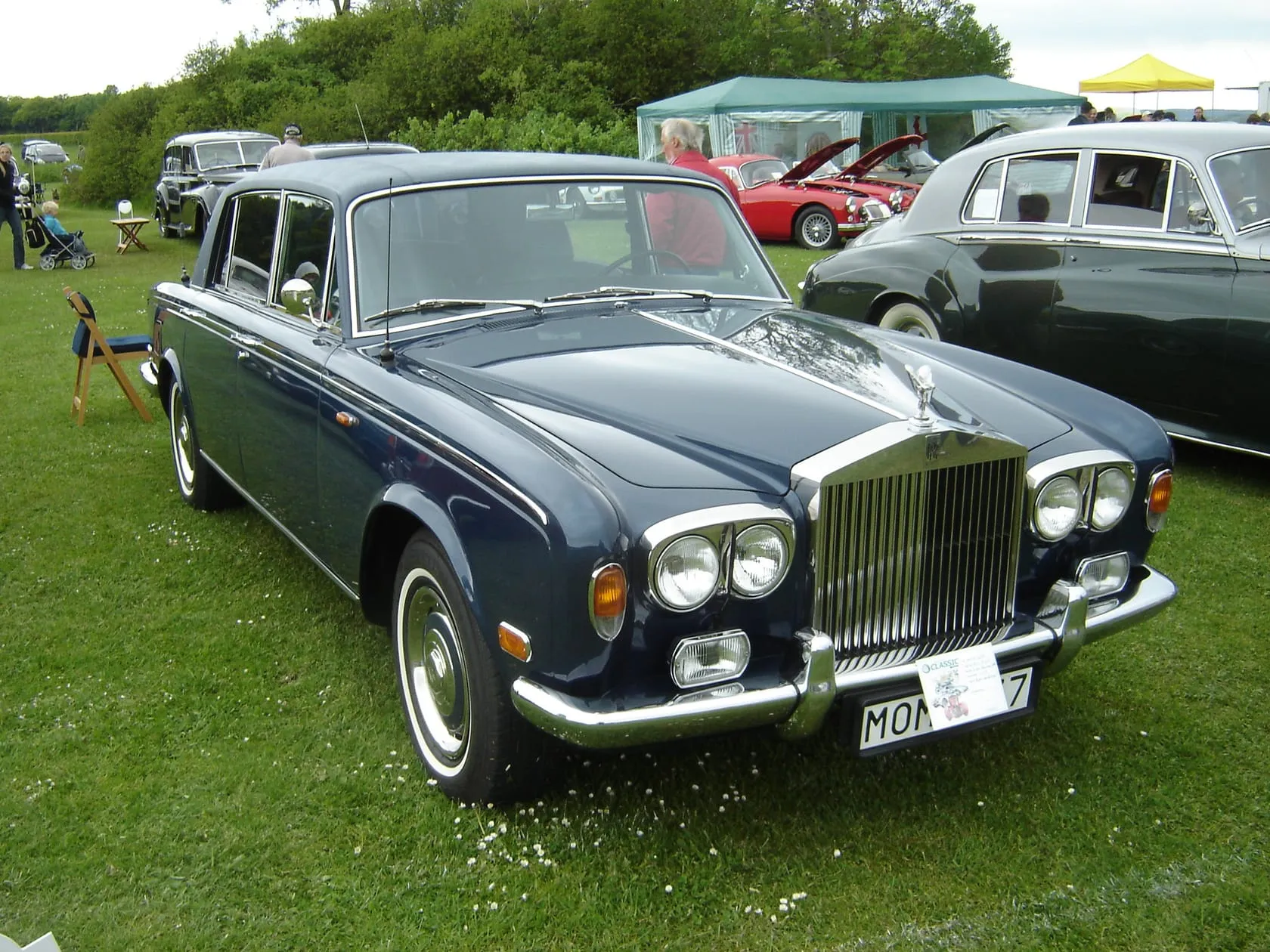 Rolls-Royce Silver Shadow: the ten-thousand-pound best car in the world (1965–1980)
The Silver Shadow modernised Rolls-Royce in one leap and sold 30,000 copies, which is why it is now the most affordable grand luxury car in the hobby, and the most dangerous bargain. A guide to the Shadow I and II, what the hydraulics demand, and what to check before buying one.
-
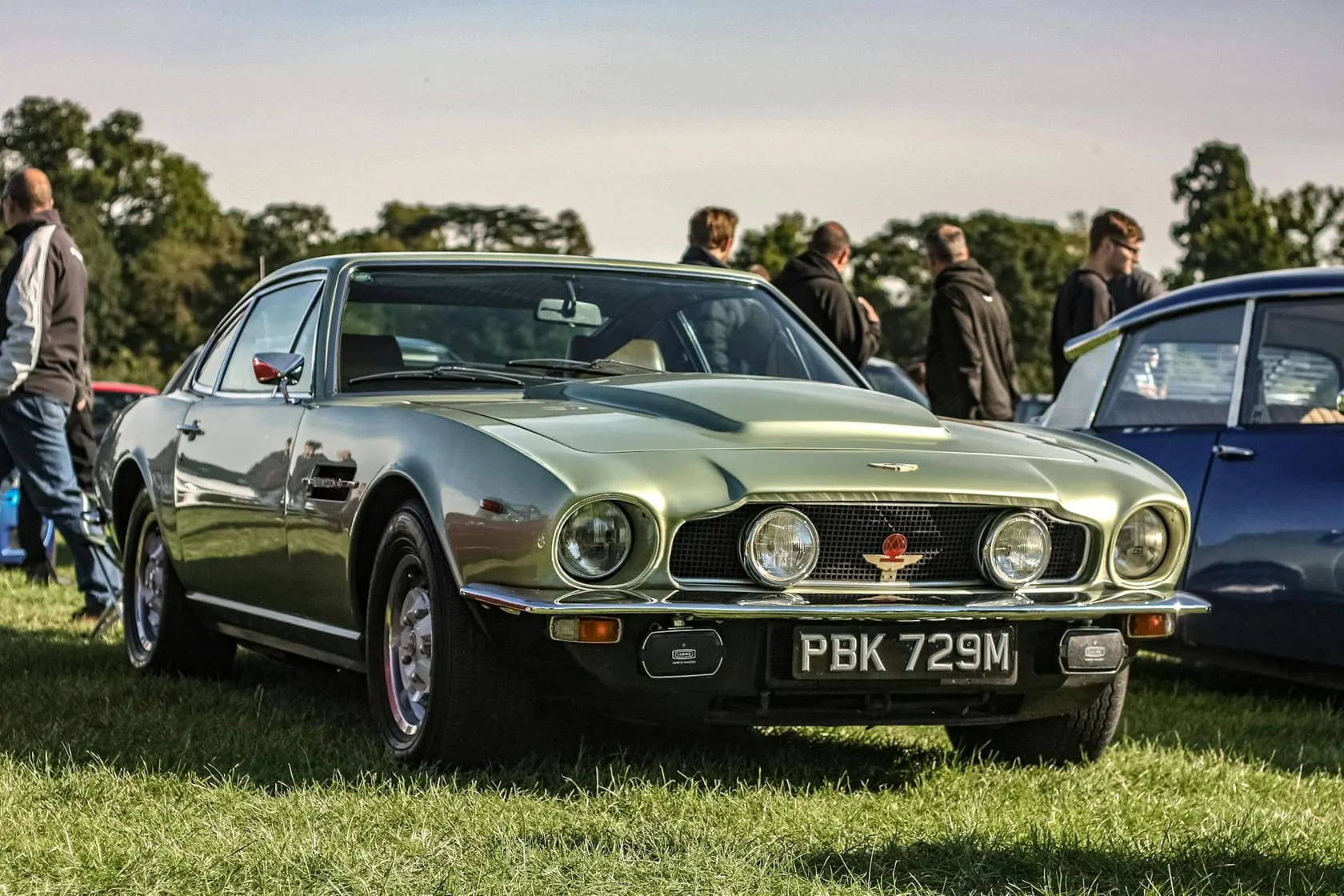 Aston Martin V8: the two decades of British muscle that saved the marque (1967–1989)
From the six-cylinder DBS to the 170 mph V8 Vantage, the big Towns-bodied Astons carried Newport Pagnell through bankruptcy, rescue and revival for twenty-two years. A guide to the DBS and V8 family, the Bond and Vantage years, and what to check before buying one.
-
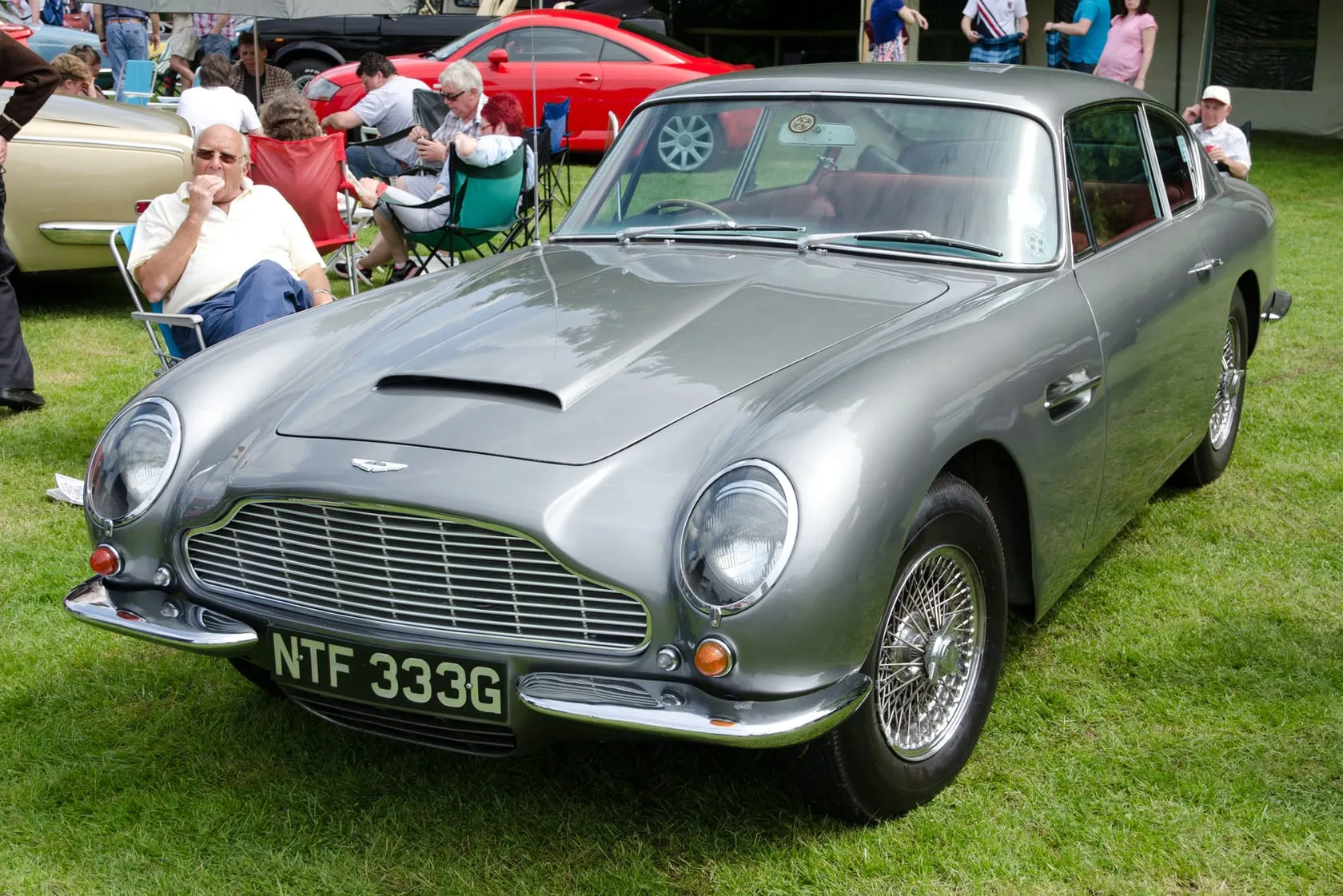 Aston Martin DB6: the grown-up Aston the market finally noticed (1965–1971)
The DB6 stretched the sainted DB line into its most usable form, four real seats, a Kamm tail and the first Volante badge, and spent decades in its siblings' shadow before collectors caught on. A guide to the Mk1 and Mk2, the Volantes, and what to check before buying.
-
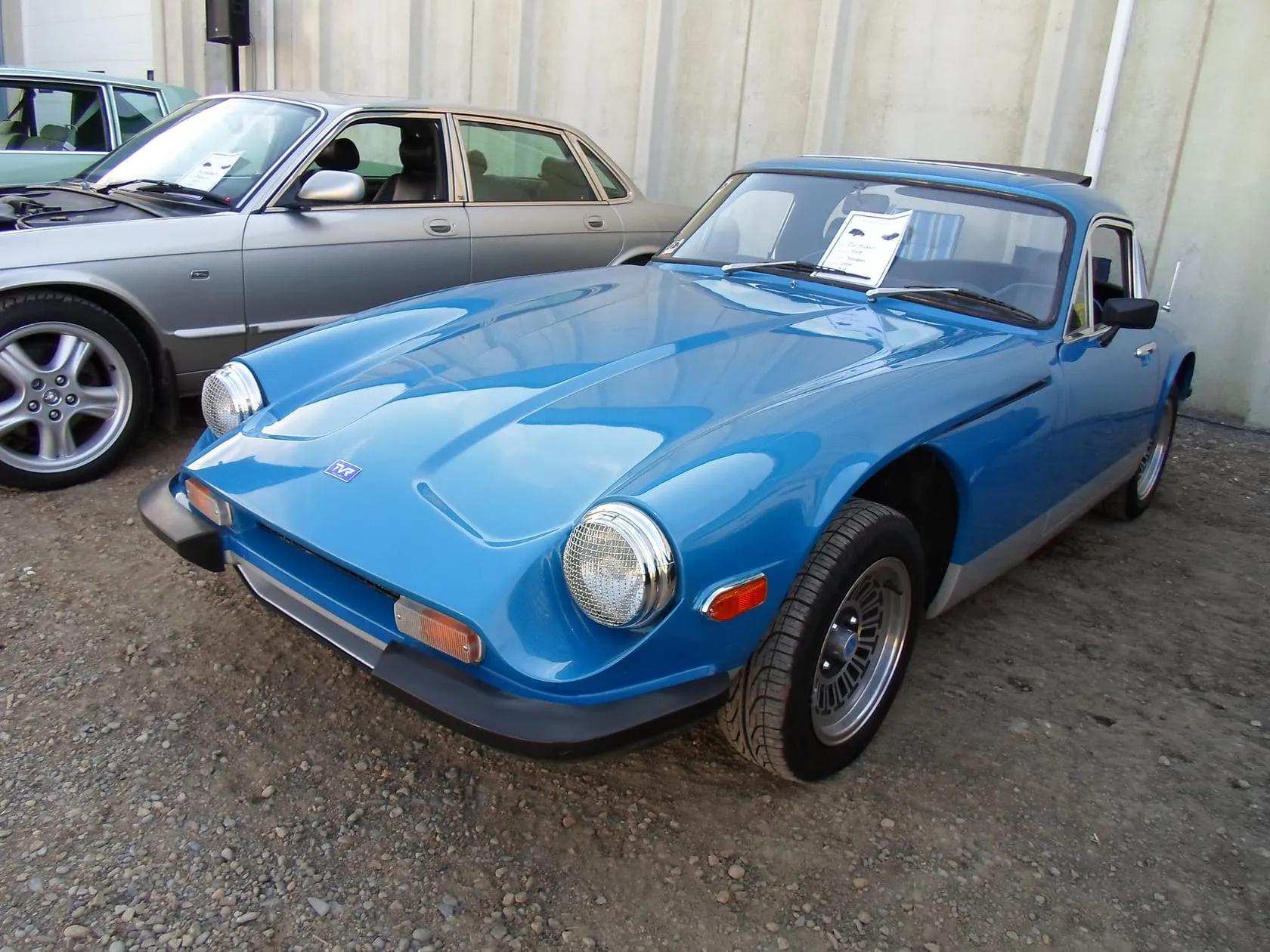 TVR M-series: the cars that kept Blackpool alive (1972–1979)
The M-series was TVR's steady decade, the 1600M, 2500M and 3000M with the Taimar hatchback, built soundly under Martin Lilley and sold worldwide while the company found its feet. A guide to the seventies family, the Turbo, buying checks and values.
-
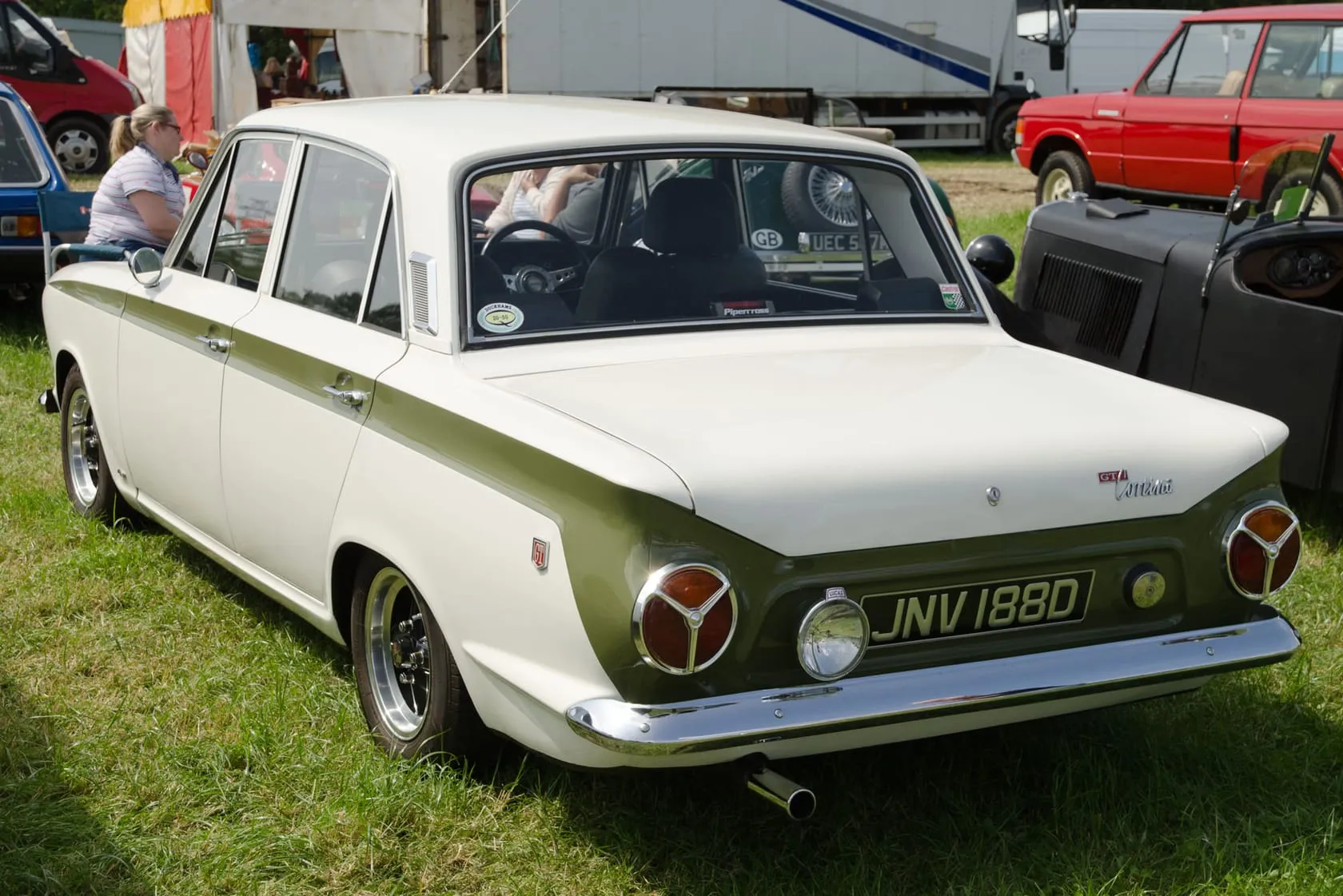 Ford Cortina values: the Lotus at three times a saloon, the Mk1 GT and 1600E next, and the ordinary Cortina at hatchback money
A Lotus Cortina sells for three times an ordinary saloon and a Competition car for six. Ford Cortina values across 469 recorded auction sales, what the Mk1 GT, the Mk2 1600E and the Mk3 2000E make, why the Mk4 and Mk5 are the cheapest, and why the yearly figures say more about which cars came to sale than about prices.
-
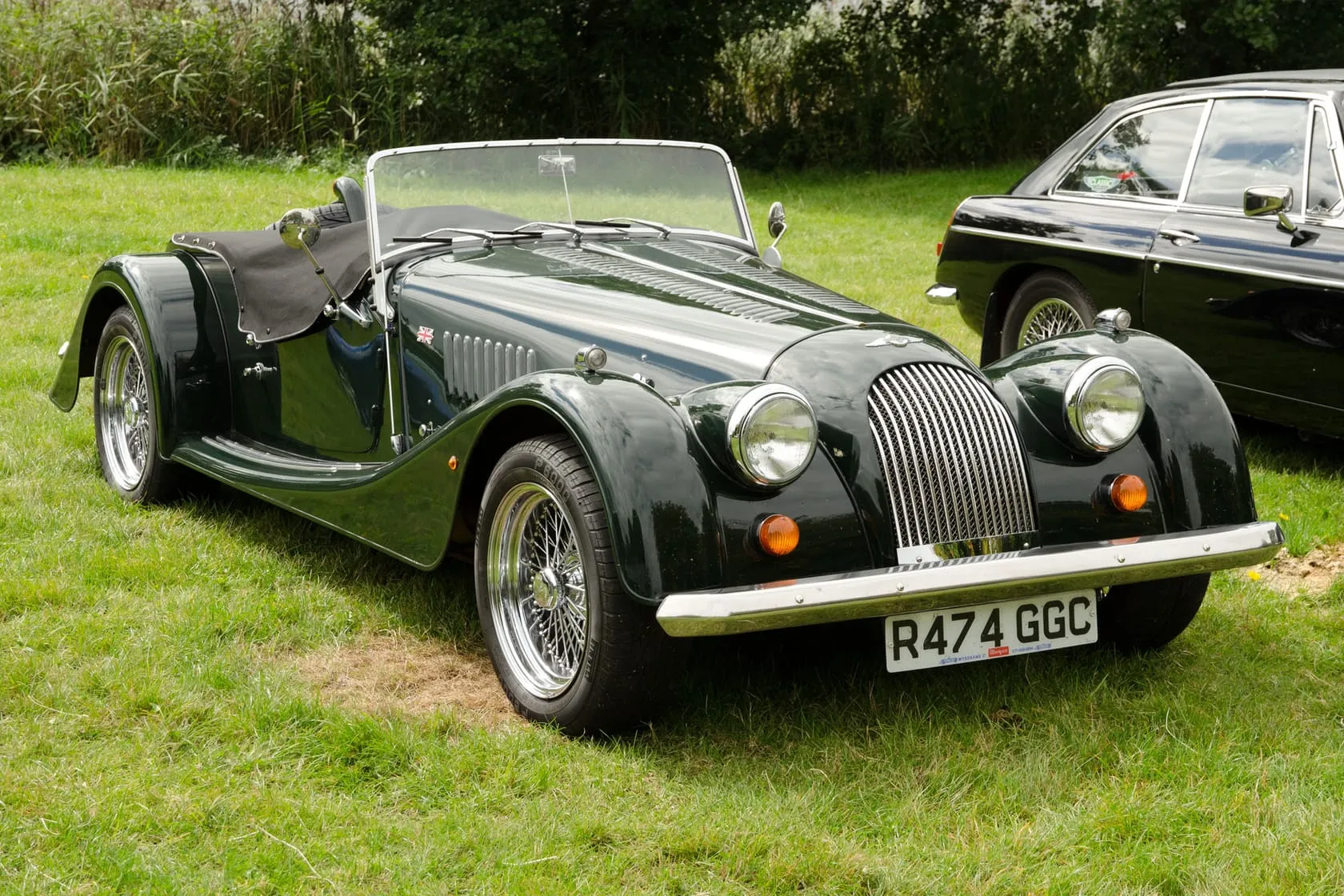 Morgan Plus 8: a Rover V8 in a vintage suit (1968–2004)
The Morgan Plus 8 dropped the all-alloy Rover V8 into an ash-framed thirties silhouette and created one of the fastest-accelerating British cars of its day, a recipe Malvern kept cooking for thirty-six years. A guide to the V8 Morgans, the 2012 revival, buying checks and values.
-
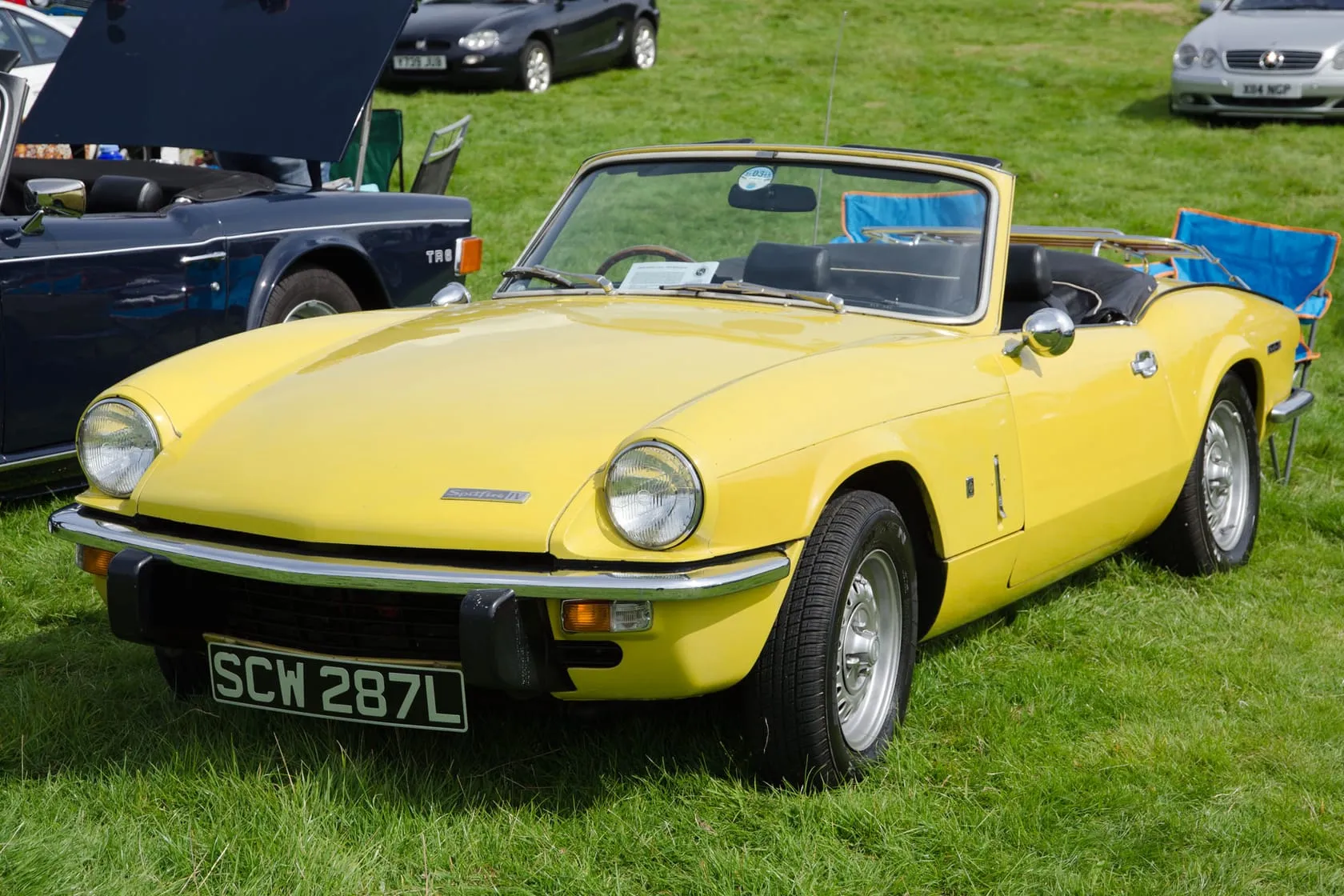 Triumph Spitfire values: Mk1 and Mk2 at nearly double the 1500, the Mk3 between, and the cheapest open Triumph there is
The early Mk1 and Mk2 sell for nearly double the 1500, and the Mk4 for least of all. Triumph Spitfire values across 487 recorded auction sales, how it compares with the MG Midget and the Sprite, what moves a Spitfire price, and why the cheapest open Triumph has slipped by a third in real terms since 2022.
-
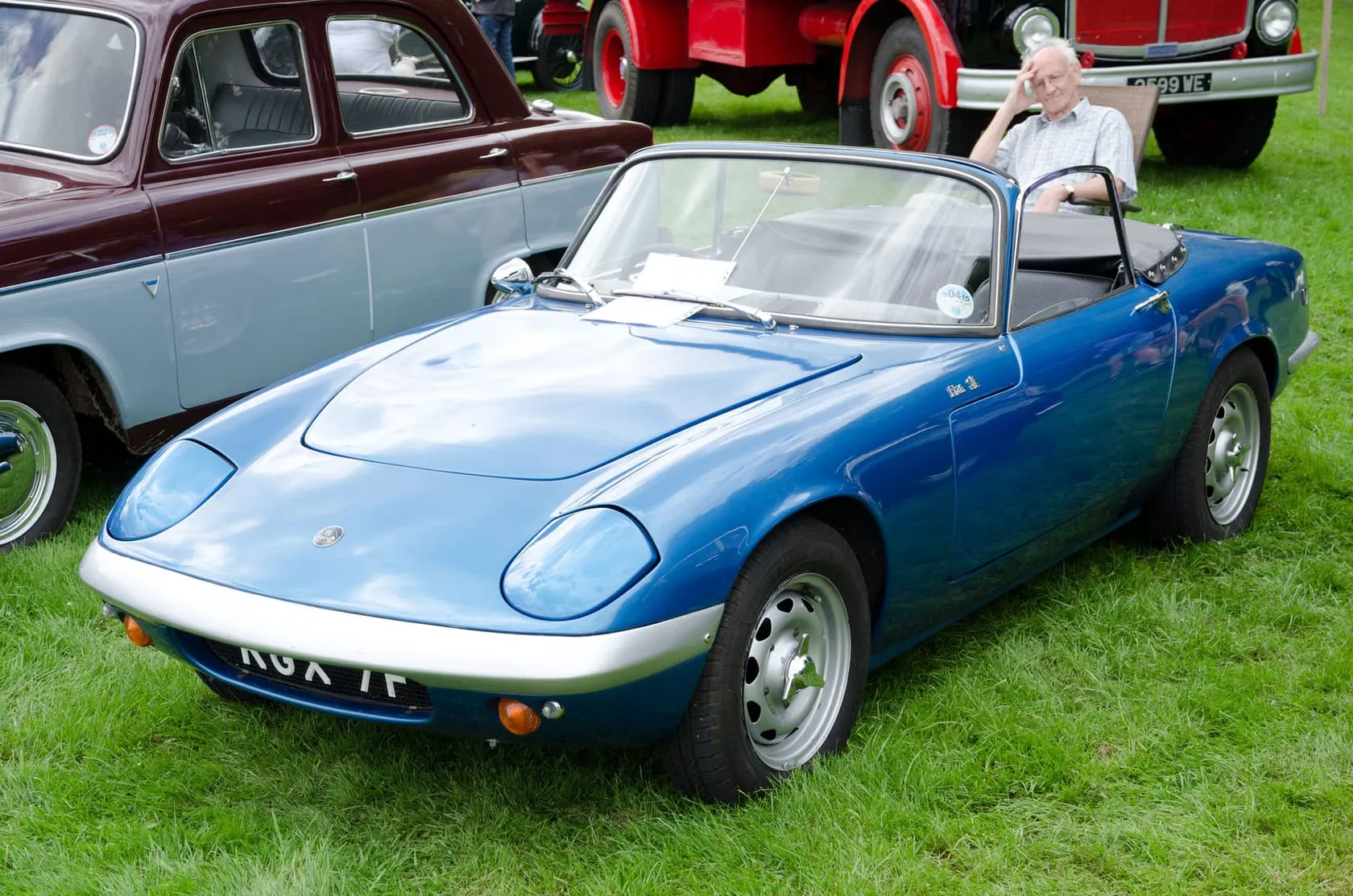 Lotus Elan values: Sprint over S4, two-seater over +2, the 26R apart, and fifteen years of standing still
Fifteen years standing still in cash is two-fifths gone in real terms. Lotus Elan prices from 498 recorded auction sales, why the Sprint sells for a third more than the earlier two-seaters and the +2 for a third less, what a 26R racer and the Emma Peel car made, and where the front-drive M100 sits.
-
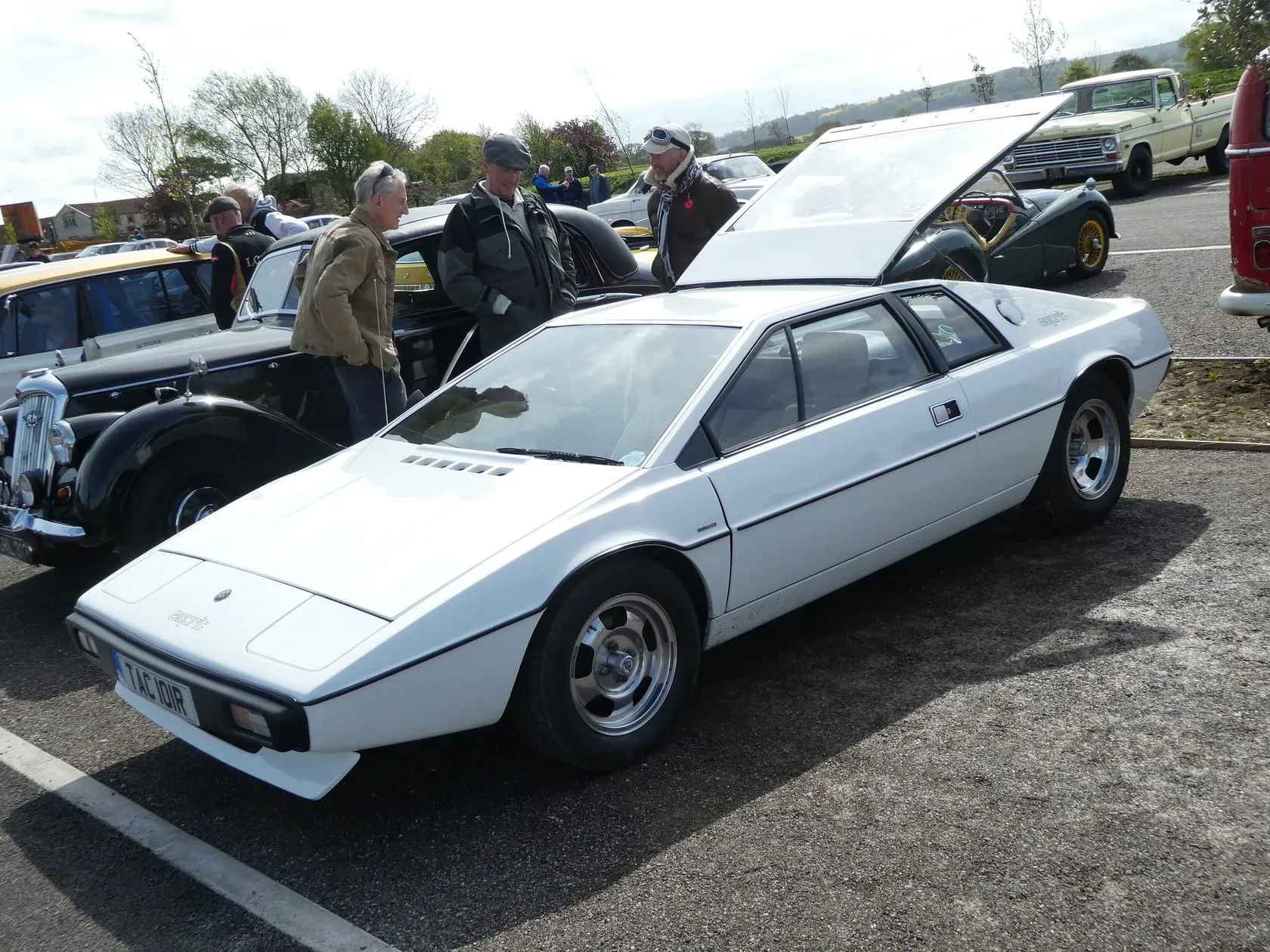 Lotus Esprit values: V8 over four, S1 over S2, the JPS and Final Edition premiums, and the one market in this series still rising
The one British classic here that has doubled in real terms since 2014. Lotus Esprit values from 507 recorded auction sales, why the S4 V8 leads the table and the Stevens-era X180 sits at the bottom, what a Giugiaro S1 makes against an S2 and an S3 Turbo, and what the JPS, the Final Edition and the Bond cars have done.
-
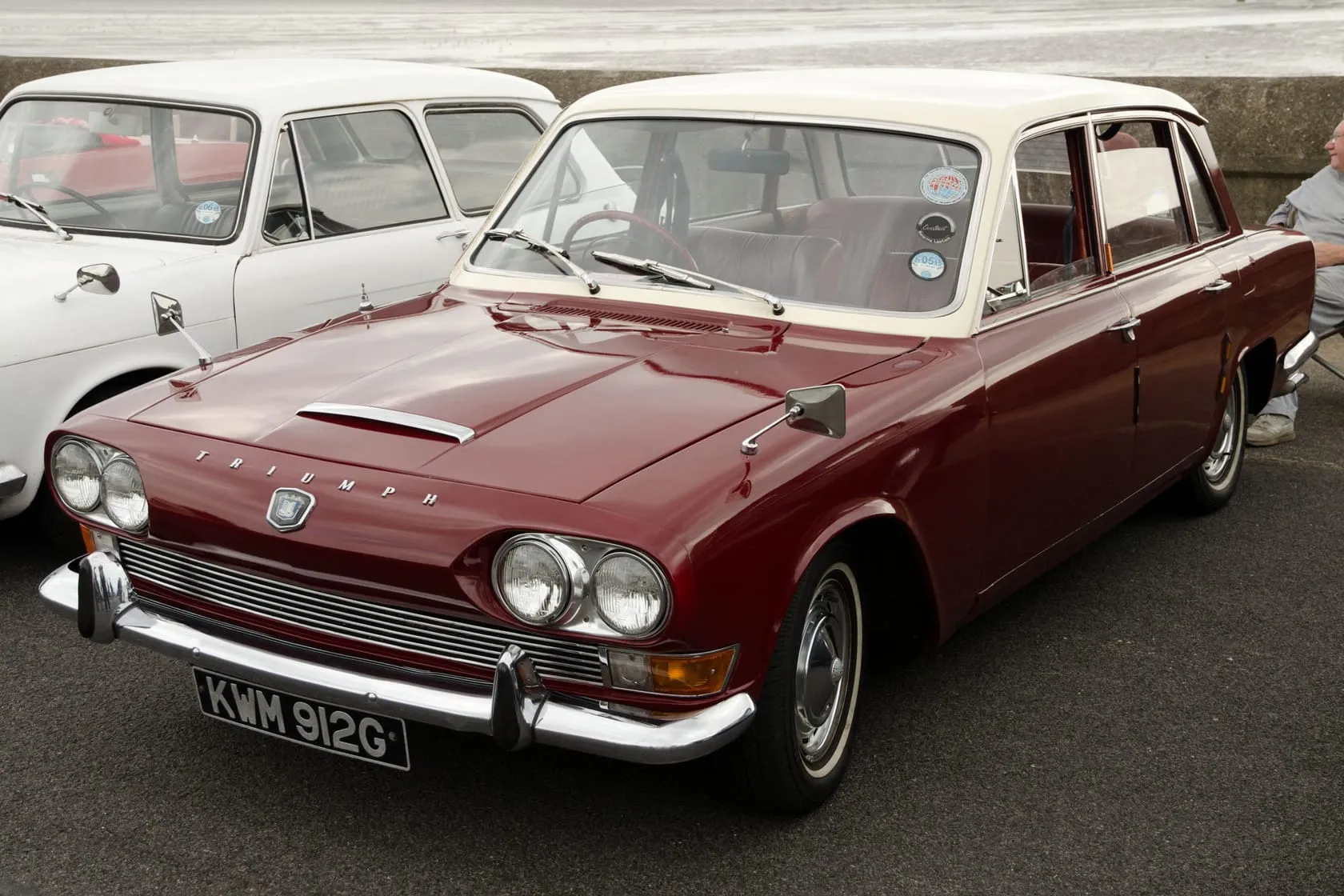 Triumph 2000 and 2500: the six-cylinder saloons that invented a class (1963–1977)
The Triumph 2000 launched in the same October week as its great Rover rival and between them they invented the British executive saloon. A guide to the Michelotti 2000 and 2500 family, the pioneering PI, the estates and rally cars, buying checks and values.
-
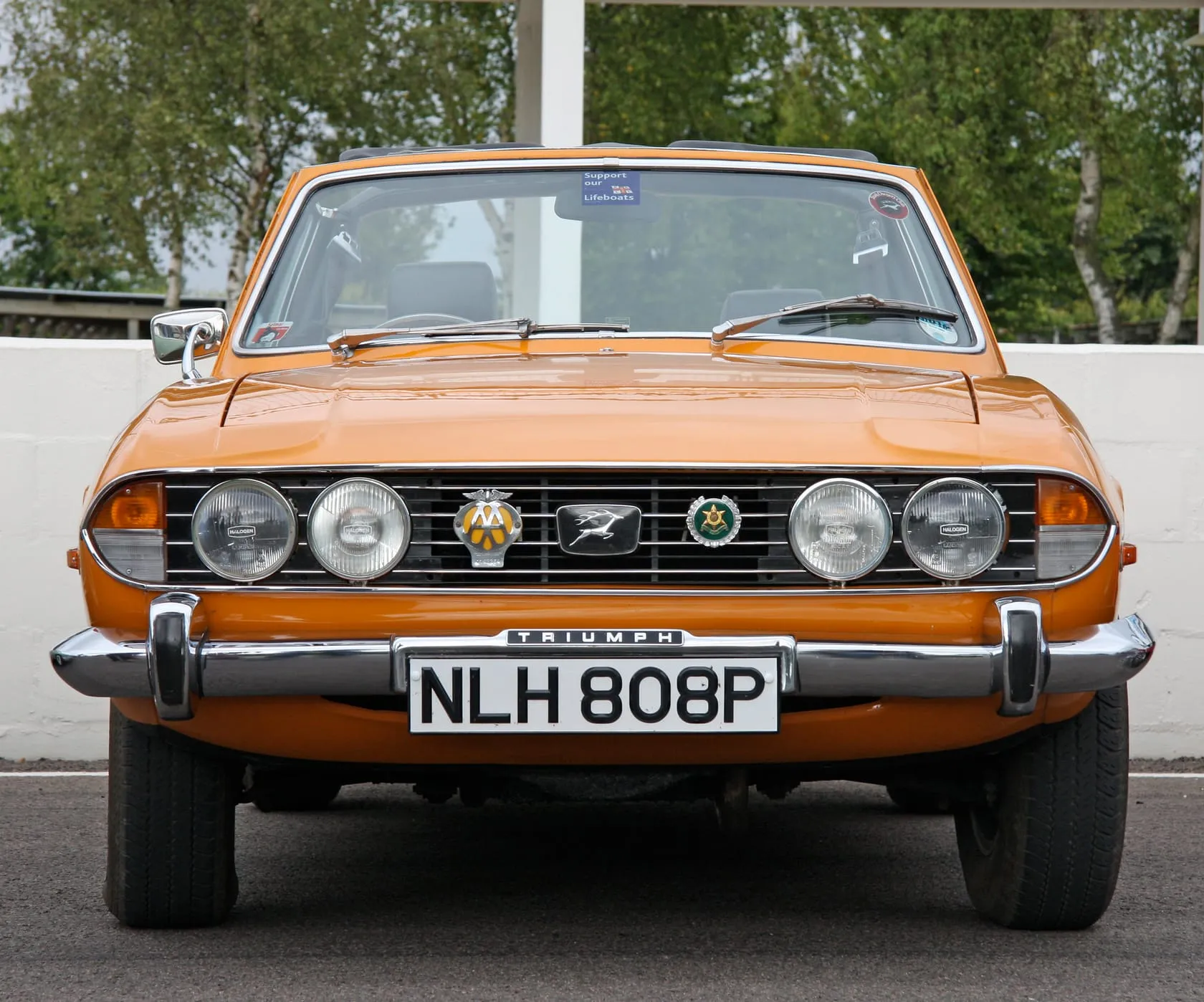 Triumph Stag values: Mk2 over Mk1, manual level with automatic, the original-engine premium, and a market down by half
An original Triumph V8 against a Rover engine swap is the question this record answers. Triumph Stag prices from 530 recorded auction sales, why the Mk2 sells above the Mk1 and a manual no more than an automatic, what the hardtop and the history add, and why the Stag has lost nearly half its value in real terms since 2018.
-
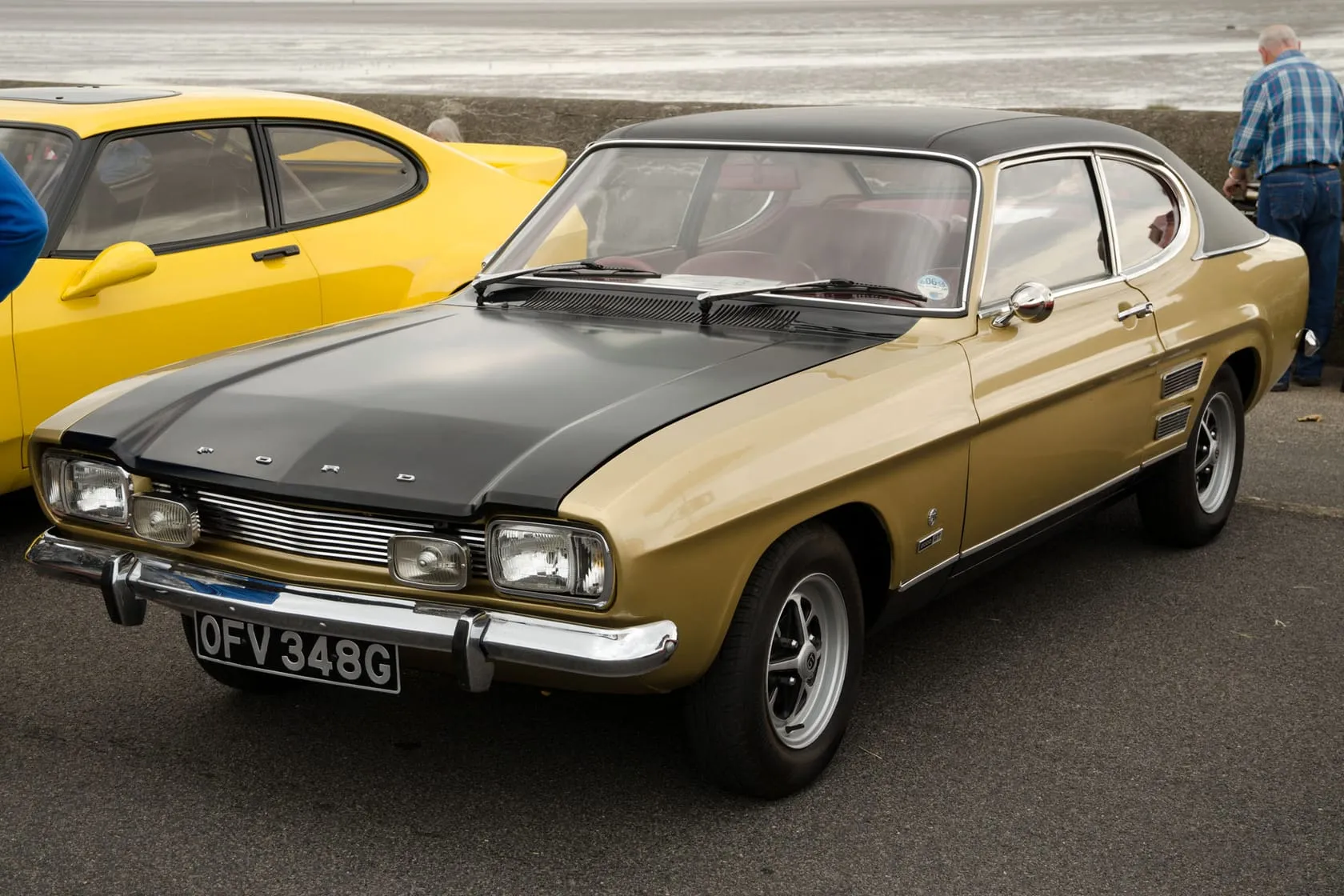 Ford Capri values: V6 over four, Brooklands and 3.0 S at the top, RS3100 apart, and a market that peaked in 2020
The 2.8 Injection, the 3.0 S and the 280 Brooklands sell for two to three times a four-cylinder car. Ford Capri prices from 566 recorded auction sales, what the Mk1 3000 and the RS3100 make, how the Capri compares with the Escort and Cortina, and why Capri values peaked in 2020.
-
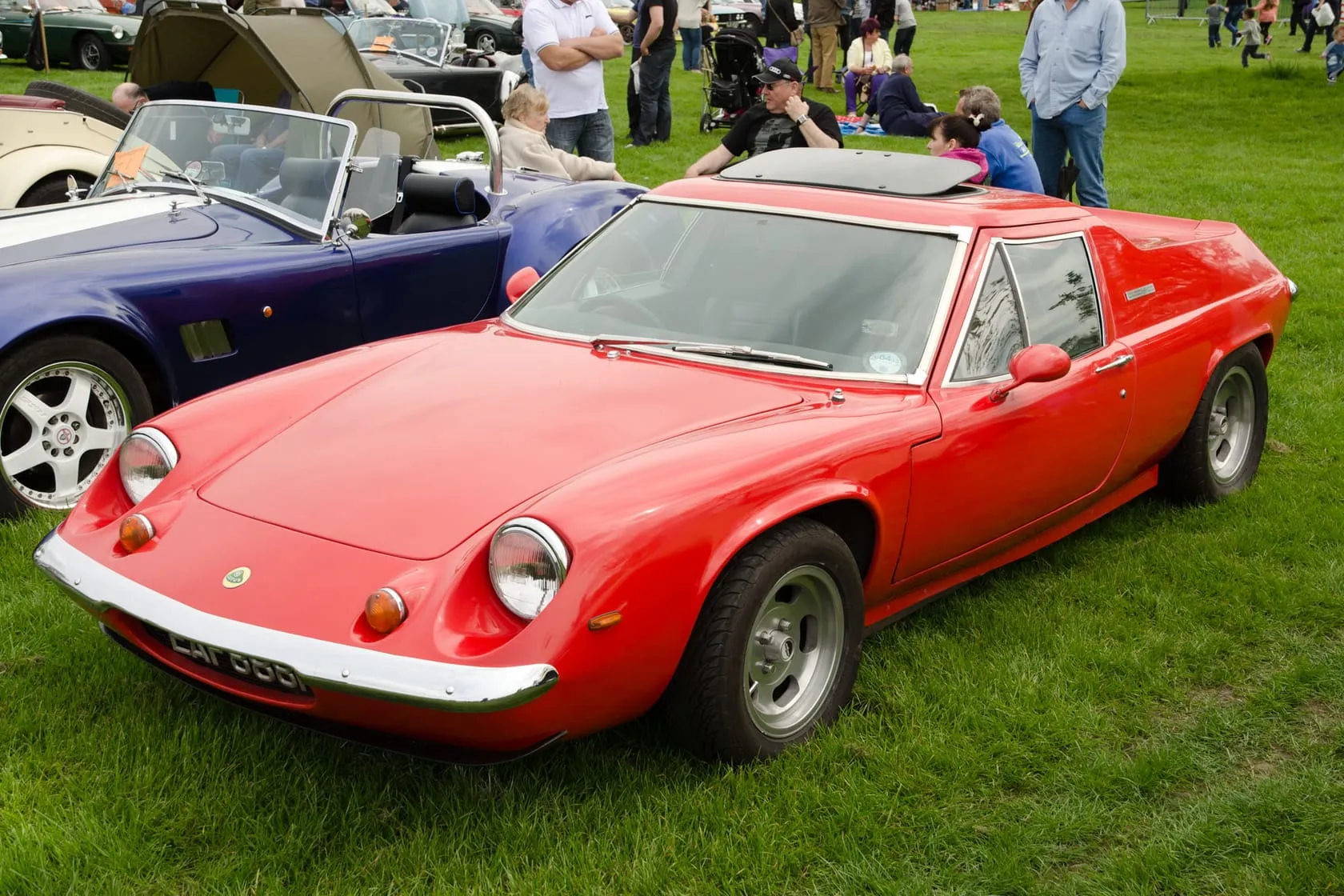 Lotus Europa: the bread van that beat the supercars to mid-engines (1966–1975)
The Lotus Europa put a mid-mounted engine in a road car years before the supercar establishment, wrapped it in a shape mocked as a bread van and gave it handling nothing at the price approached. A guide to the S1, S2, Twin Cam and Special, buying checks and values.
-
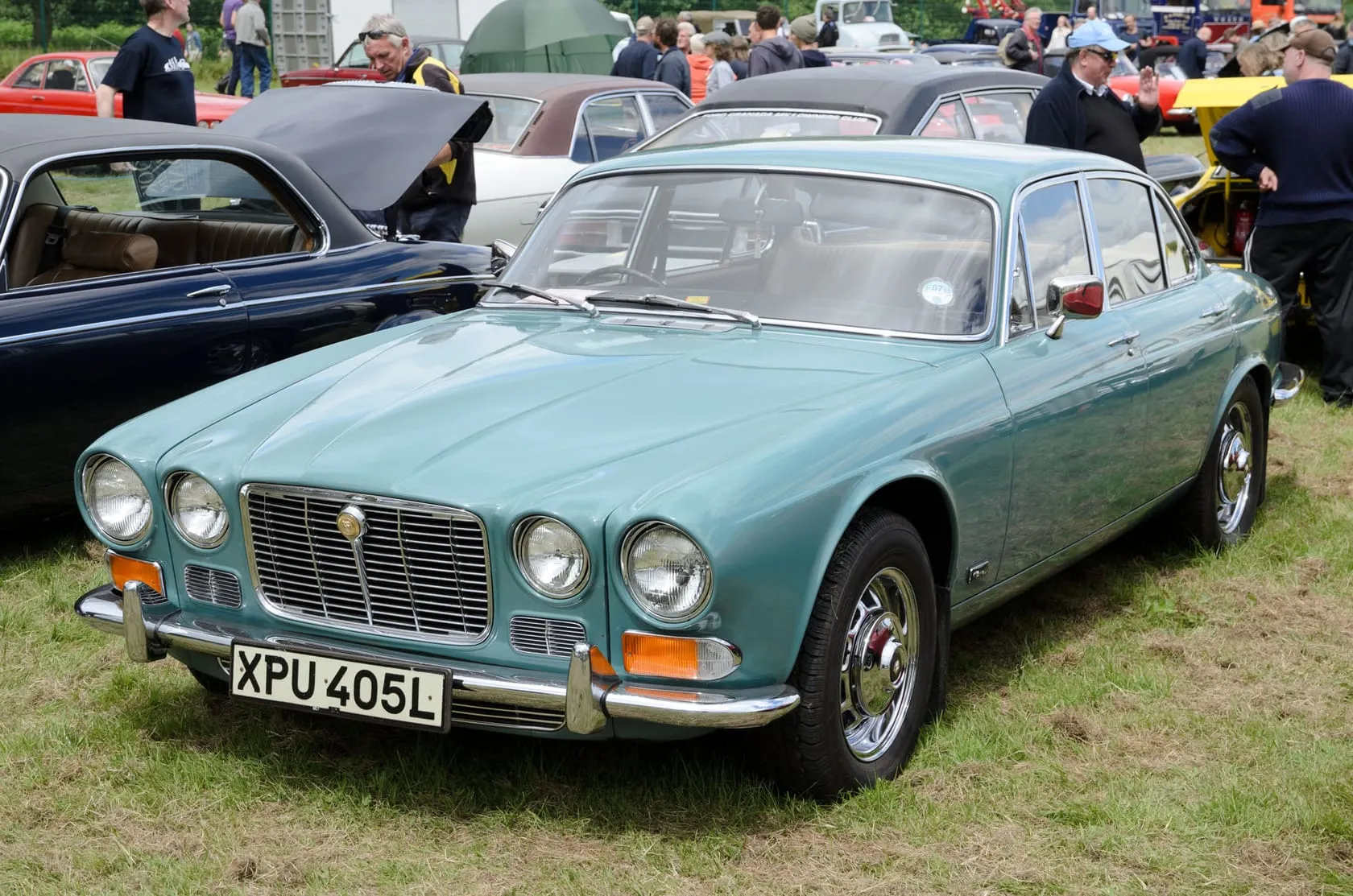 Jaguar XJ values: the cheapest big Jaguar, 1968 to 2009, and the coupé at three times the saloon
A sound Jaguar XJ saloon costs less than a Mini. Prices from 1,818 recorded auction sales across the 1968 to 2009 line, what an XJ6, XJ8, XJR, XJ12 and XJ-C each make, and why the family has lost half its money in real terms since 2022.
-
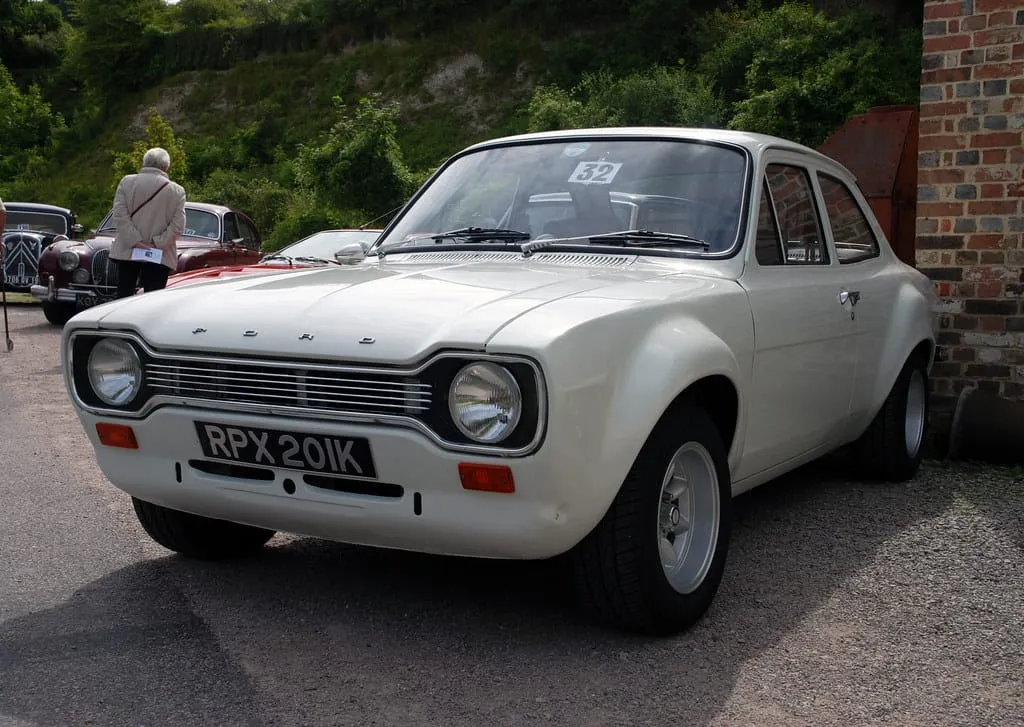 Ford Escort Mk1: the car that won everything and started everything (1968–1974)
The Ford Escort Mk1 replaced the Anglia, won the World Cup Rally and the Safari, spawned the Twin Cam, RS1600 and Mexico, and became the most valuable ordinary Ford ever made. A guide to the dogbone-grille original, the fast versions, the 2026 continuation and what survivors cost.
-
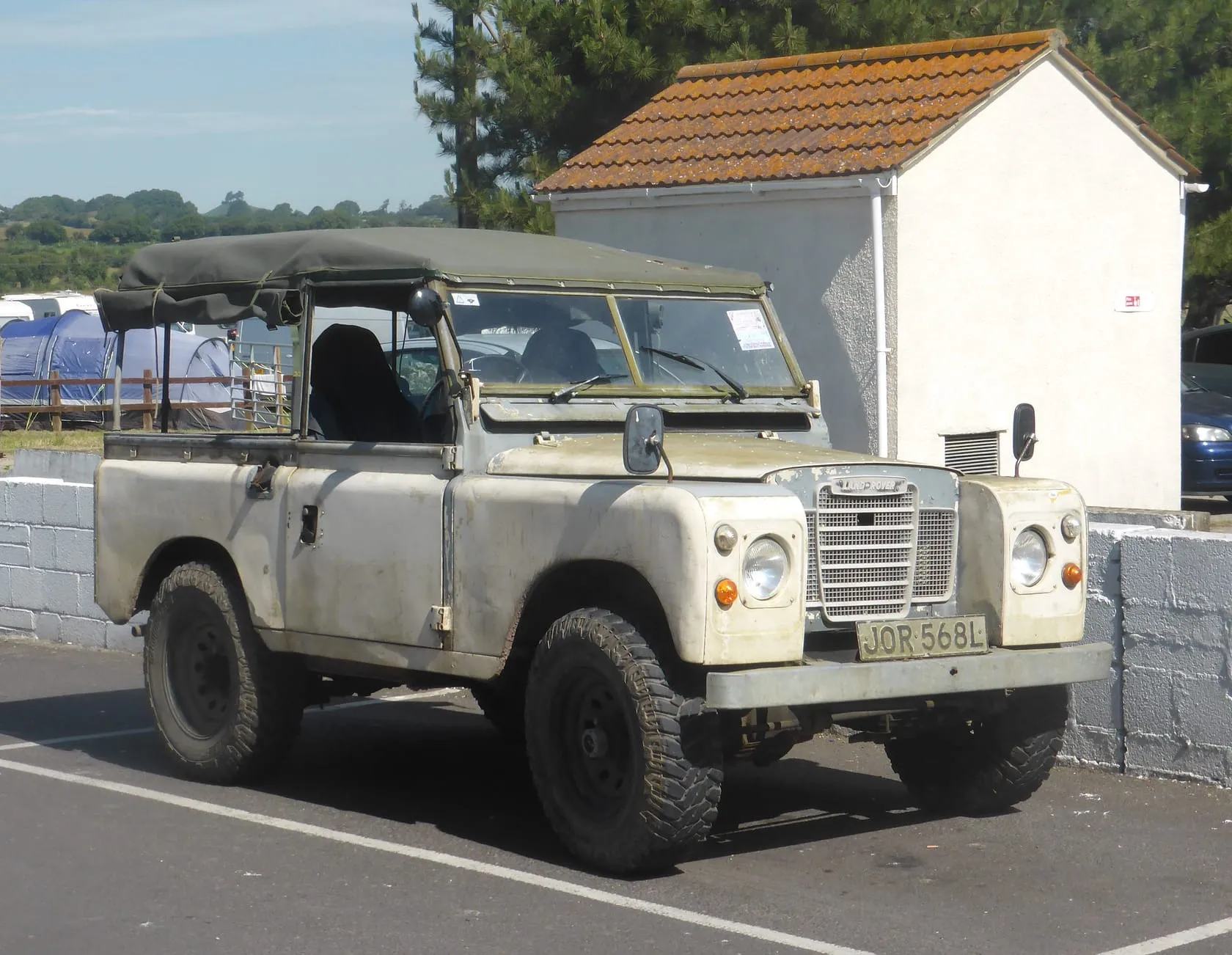 Land Rover Series III values: 88 level with 109, the late rise and the slide since 2022
The most numerous Land Rover priced from 615 recorded auction sales. The median and the usual range, why the 88 and the 109 sell for the same money, what station wagons, the Stage 1 V8 and the ex-military cars make, how the Series III compares with the Series II and the Defender, and why the most numerous Land Rover rose latest and has fallen by a third in real terms since 2022.
-
 Land Rover Lightweight: the military family, from Airportable to 101 (1968–1984)
The Land Rover Lightweight was built to be slung under a helicopter, stripped and narrowed until a Series Land Rover could fly. A guide to the Airportable half-ton, the 101 Forward Control and the wider military family, ex-MOD buying checks and what to know before owning one.
-
 MG Midget values: the cheapest MG sports car, chrome over rubber, and a market back where it started
The chrome-bumper Mk III sells for more than the rubber-bumper 1500, and the early cars more still. MG Midget values from 693 recorded auction sales, what the Sprite badge does to the same car, what moves a Midget price, and why it is cheaper in real terms today than in 2014.
-
 Austin Maxi: the five-door pioneer Britain forgot to thank (1969–1981)
The Austin Maxi gave Britain its first five-door hatchback and five-speed gearbox in one 1969 package, then spent twelve years being mocked for the details while rivals copied the idea. A guide to the Maxi story, the E-series engines and that gearchange, the World Cup Rally cars, buying checks and values.
-
 Austin 1800: the Landcrab that won rallies sideways (1964–1975)
The Austin 1800 scaled Issigonis packaging up to family-Rover size, earned the Landcrab nickname for its wide stance, won Car of the Year and then astonished everyone by thriving in marathon rallies. A guide to the Austin, Morris and Wolseley versions, the S and the rally cars, buying checks and values.
-
 Ford Cortina 1600E: the executive Cortina everyone wanted (1967–1970)
The Ford Cortina 1600E dressed the Mk2 in lowered suspension, Rostyle wheels and a walnut-and-sports-seats cabin, inventing the affordable executive express and outliving its era as the most loved Cortina of all. A guide to the 1600E and the Mk2 family around it, buying checks and values.
-
 Vauxhall Carlton: Luton's last big saloon, the Car of the Year and the GSi 3000 (1978–1994)
The Vauxhall Carlton was the marque's big saloon and estate for sixteen years, the Luton-assembled Mk1 of 1978 and the Rüsselsheim-built Mk2 of 1986 that won European Car of the Year and gave Britain the GSi 3000 24v and the Lotus Carlton. A guide to both generations, the engines, the Diplomat and CDX trims, what to check, and what the few survivors are worth.
-
 Range Rover Classic values: the early two-doors lead, the late luxury cars trail
The 1970s two-door Suffix cars sell for double the late Vogues. Range Rover Classic prices from 987 recorded auction sales, what the American-market County cars make, what the chassis and the tailgate do to the value, and why the market has eased since its 2021 peak.
-
 Triumph Vitesse: the Herald with a six-cylinder heart (1962–1971)
The Triumph Vitesse dropped a smooth six into the Herald's bolt-together chassis, wore a four-lamp slant-eyed face and became Britain's most affordable six-cylinder convertible. A guide to 1600 and 2-Litre, the swing-axle saga and its Mk2 cure, saloon versus convertible, buying checks and values.
-
 Vauxhall Viva: three generations of Britain's other small car (1963–1979)
The classic Vauxhall Viva was Luton's answer to the small-Ford decades, three generations from the boxy HA to the coke-bottle HB and long-lived HC, over 1.5 million sold. A guide to HA, HB and HC, the Brabham and GT quick ones, how it differs from the 2015 city car, buying checks and values.
-
 Rover SD1: supercar lines, police stripes, Leyland luck (1976–1986)
The Rover SD1 wrapped a V8 executive car in Ferrari-inspired fastback lines, won European Car of the Year, dominated motorway patrols and touring-car grids, and fought Leyland-era build quality all the way. A guide to 2000 to Vitesse, the racing record, buying checks and values.
-
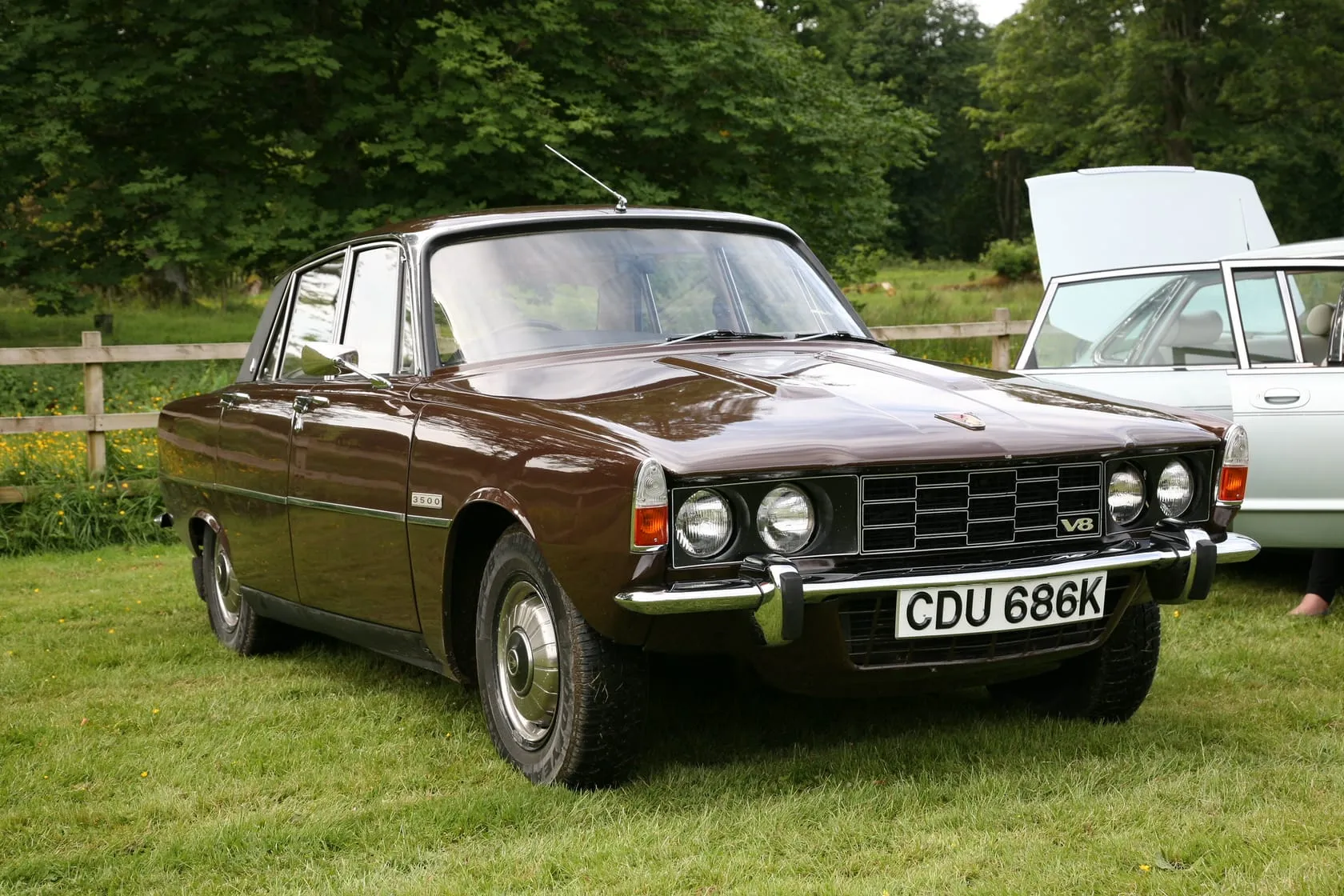 Rover P6: the first Car of the Year, and still the clever one (1963–1977)
The Rover P6 rethought the executive saloon from its skeleton outward, won the first European Car of the Year award as the 2000, and gained the V8 to become the 3500. A guide to the base-unit engineering, 2000 to 3500S, what the advanced design asks of buyers, and values.
-
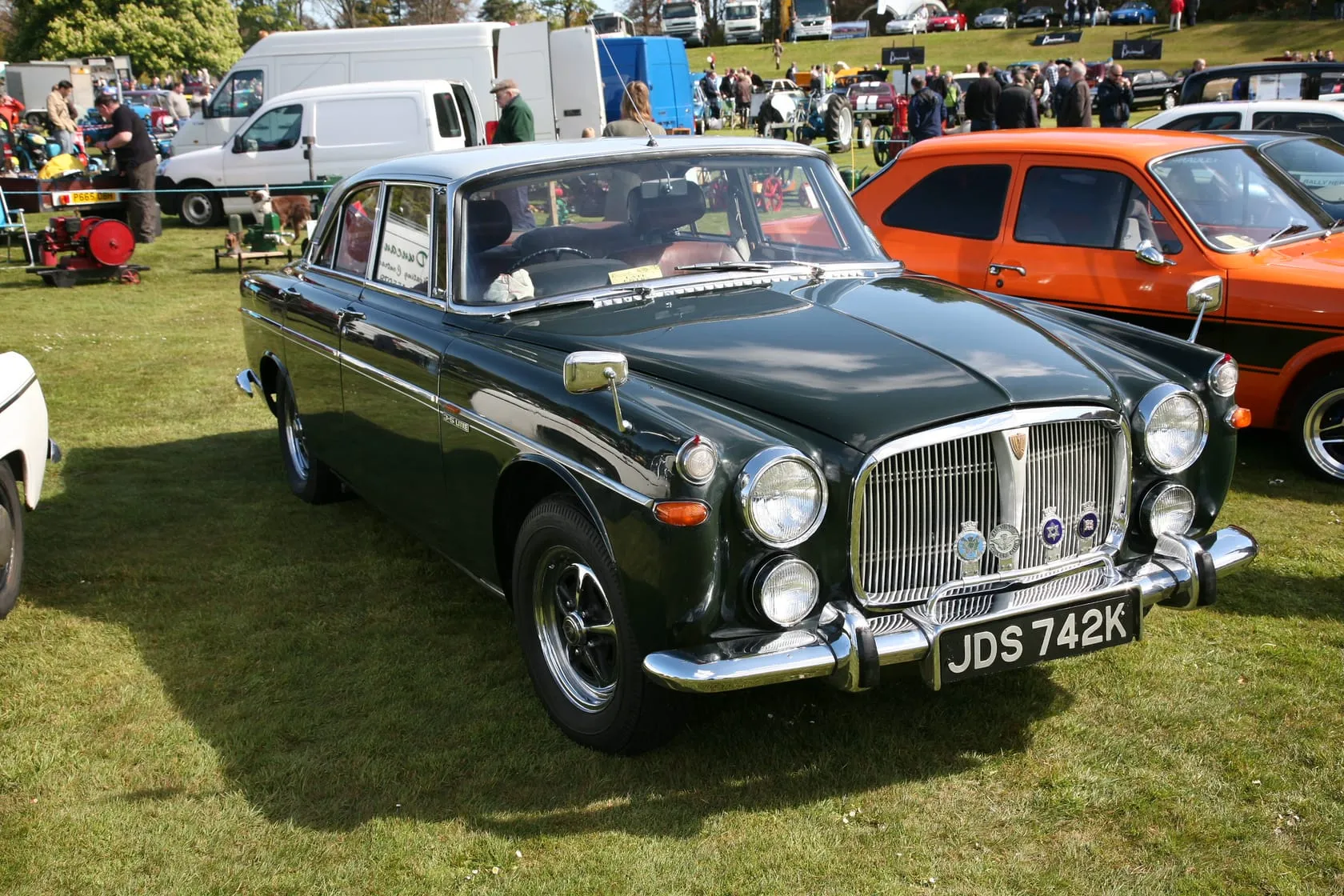 Rover P5 and P5B: the car that ran the country (1958–1973)
The Rover P5 was Britain's establishment car, the 3-Litre saloon and coupe that carried ministers and monarchs, transformed in 1967 by the Buick-derived V8 into the P5B. A guide to saloon and coupe, the state-fleet story, the V8's arrival, buying checks and values.
-
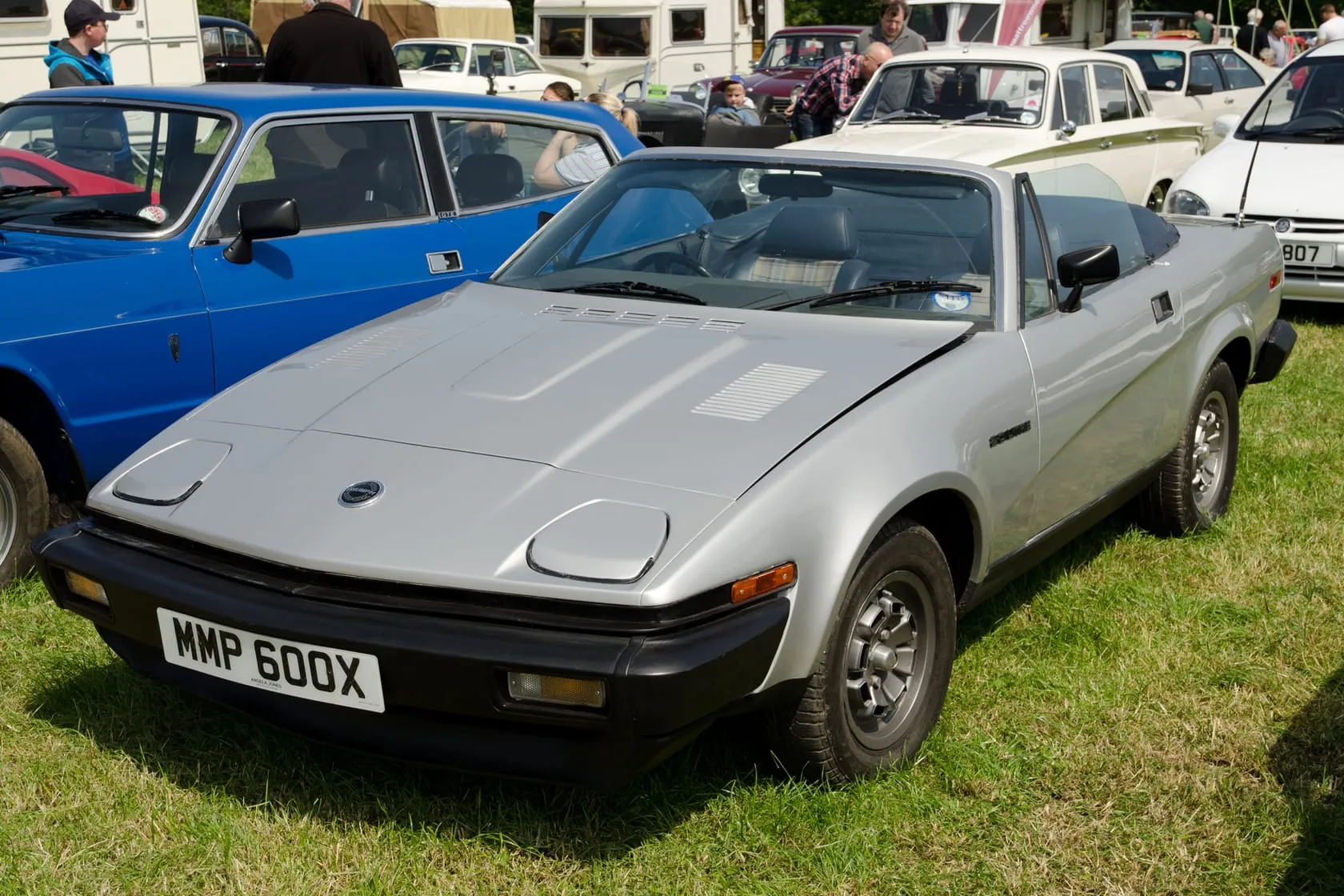 Triumph TR7 and TR8: the wedge that ended the line (1975–1981)
The Triumph TR7 dropped the TR formula for a sharp Harris Mann wedge and became the best-selling TR of all, and the Rover-V8 TR8 gave the line its farewell muscle. A guide to coupe and convertible, the factories and the quality story, the rare TR8, and what to check before buying one.
-
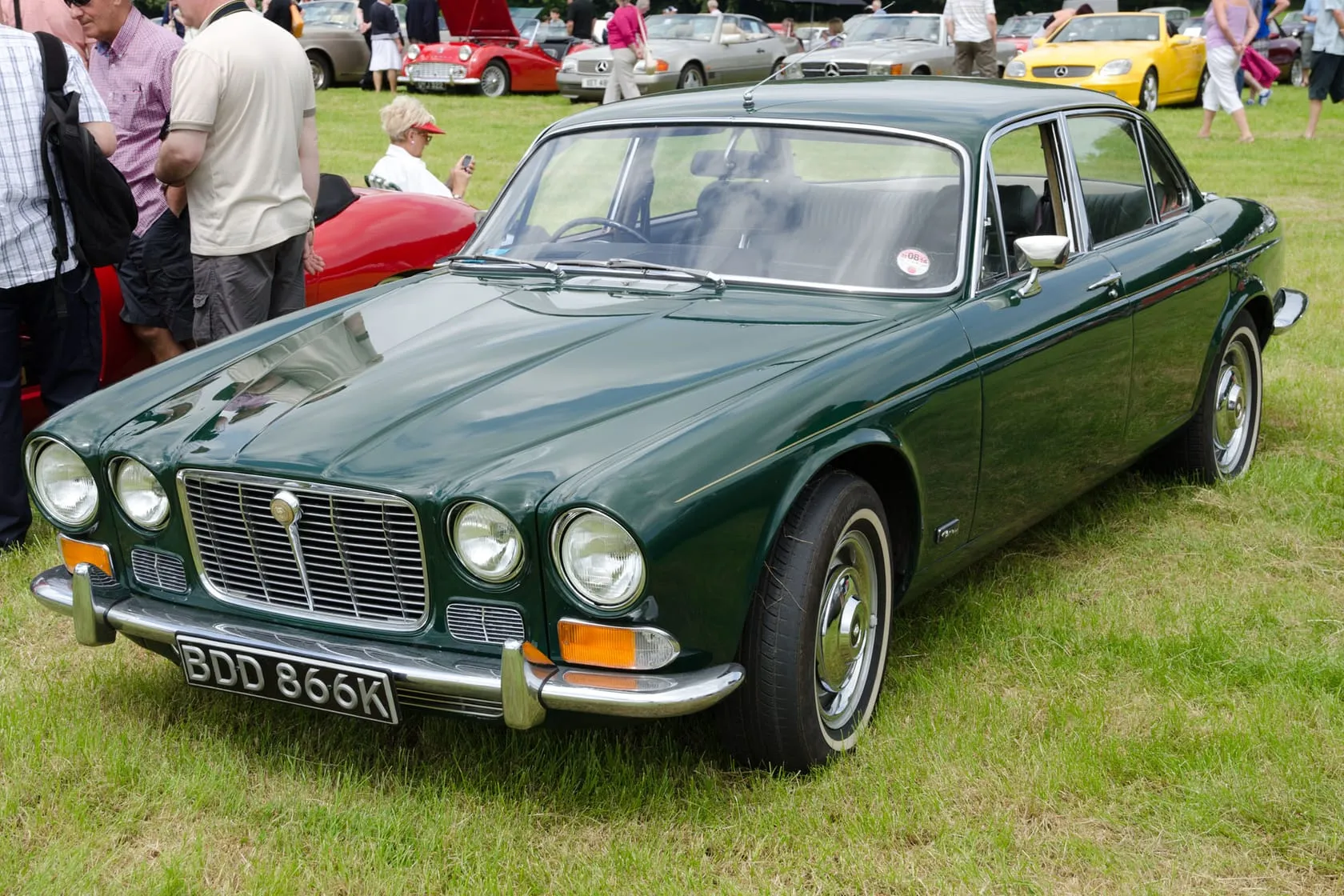 Jaguar XJ: the series that carried the company (1968–2009)
The Jaguar XJ series began in 1968 as the saloon that replaced Jaguar's entire range and stayed the company's flagship for four decades. This overview decodes the family, Series 1 to 3, the coupe, the XJ40 and the X300/X308, links to our detailed guides on each, and explains which classic XJ suits which buyer.
-
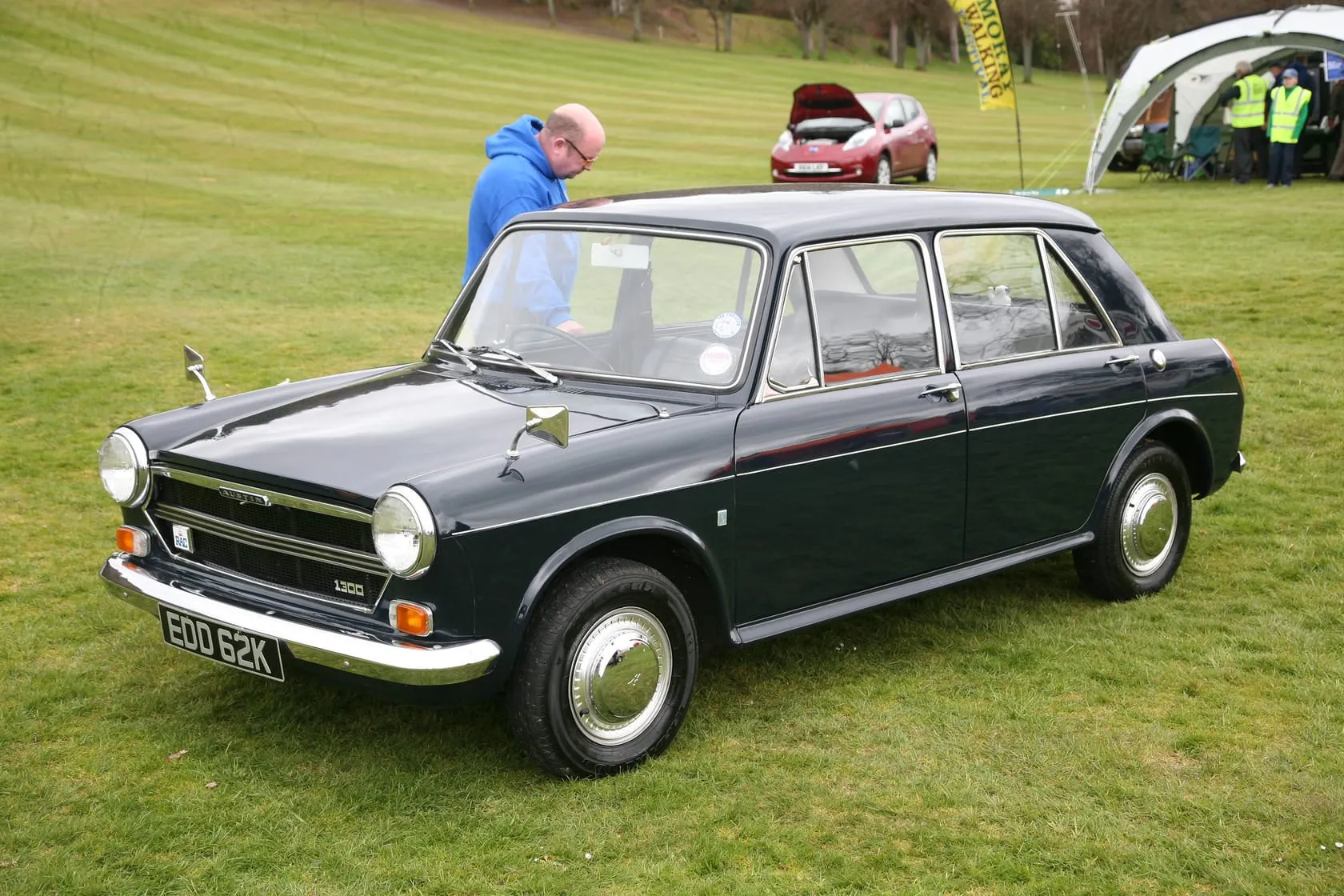 Austin and Morris 1100/1300: the best-seller Britain forgot (1962–1974)
The BMC 1100 and 1300 outsold every other car in Britain for most of a decade, wearing Austin, Morris, MG, Riley, Wolseley and Vanden Plas badges, then vanished from the roads and from memory. A guide to the ADO16 family, the badges decoded, the Hydrolastic ride, what survives, buying checks and values.
-
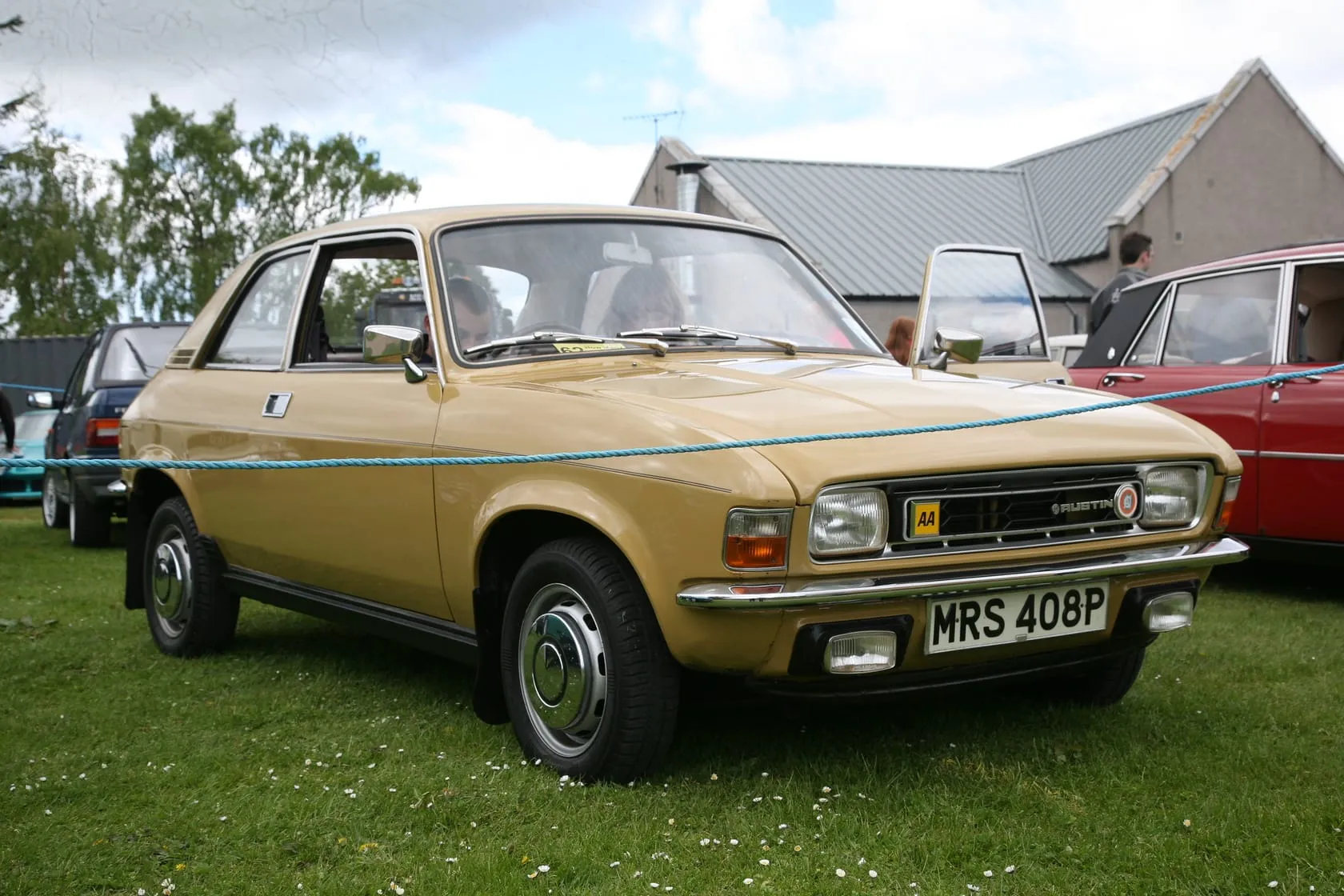 Austin Allegro: Britain's most mocked car, reconsidered (1973–1982)
The Austin Allegro spent decades as the punchline of British motoring, the round car with the square steering wheel. The real story is stranger and kinder, taking in a lost wedge design, Hydragas suspension, the Vanden Plas 1500 and a survivor scene that adores it. A guide to the range, the reputation, buying checks and values.
-
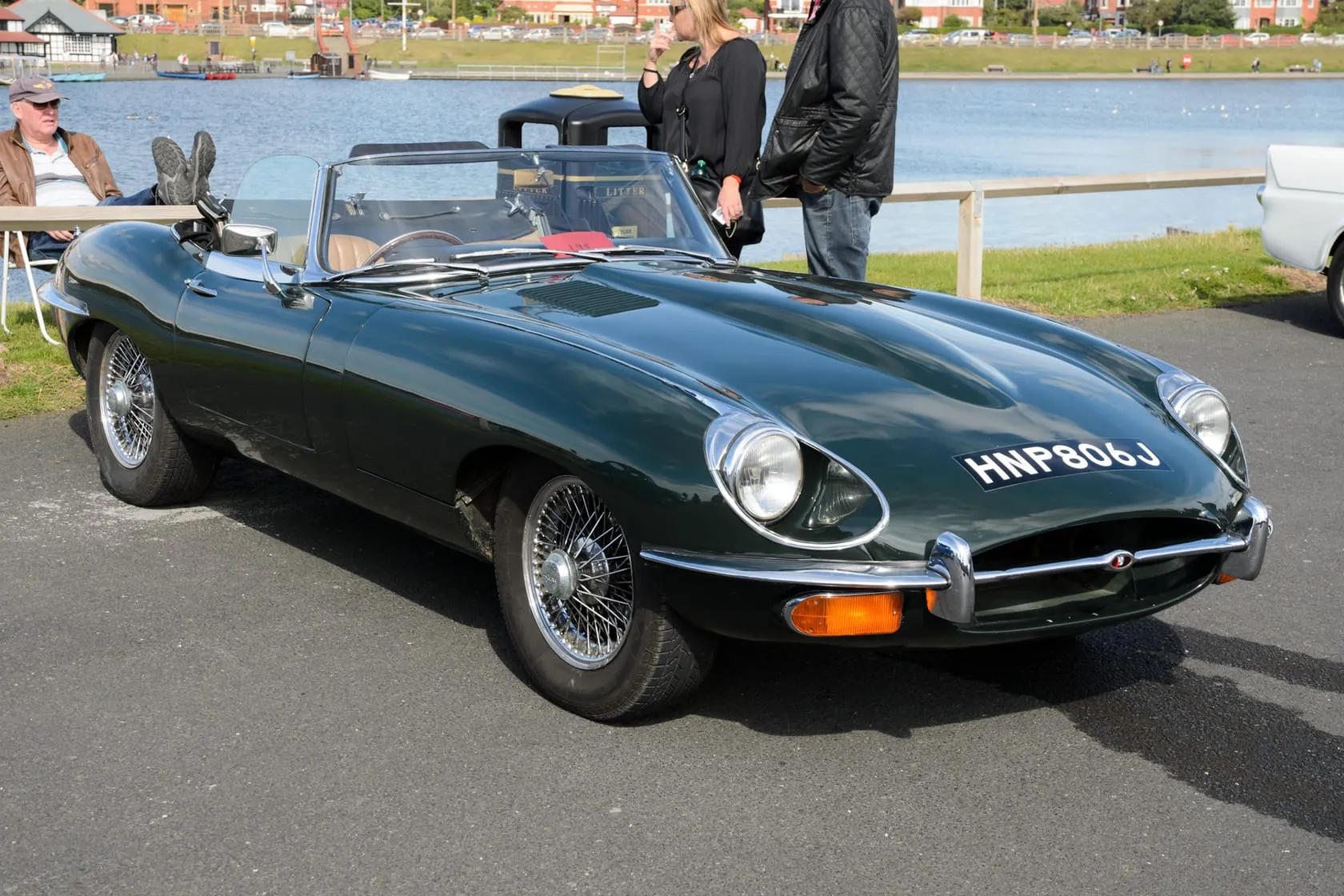 Jaguar E-Type Series 2: the sensible one, and the shrewd way in (1968–1971)
The Series 2 is the E-Type that American regulators redrew, open headlamps, bigger mouth, better brakes and cooling, and it remains the most usable route into six-cylinder E-Type ownership. A guide to what changed, why collectors rate it below the Series 1, and the buying checks that matter.
-
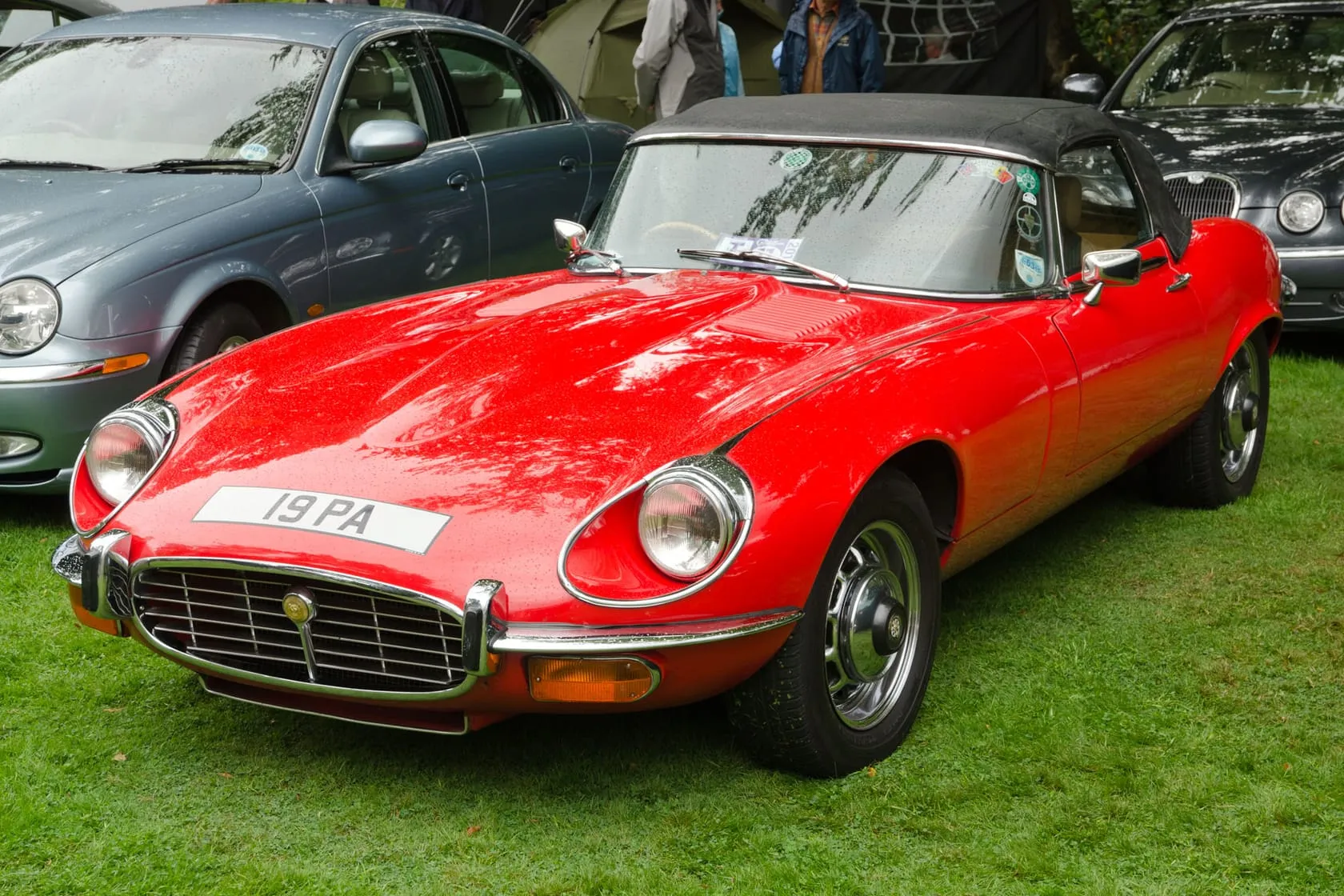 Jaguar E-Type Series 3: twelve cylinders for the grand finale (1971–1975)
The Series 3 gave the E-Type a 5.3-litre V12, a longer wheelbase and flared arches, trading the original's rawness for turbine-smooth grand touring. A guide to the V12 cars, the commemorative final fifty, what the market pays and how to buy the last of the line.
-
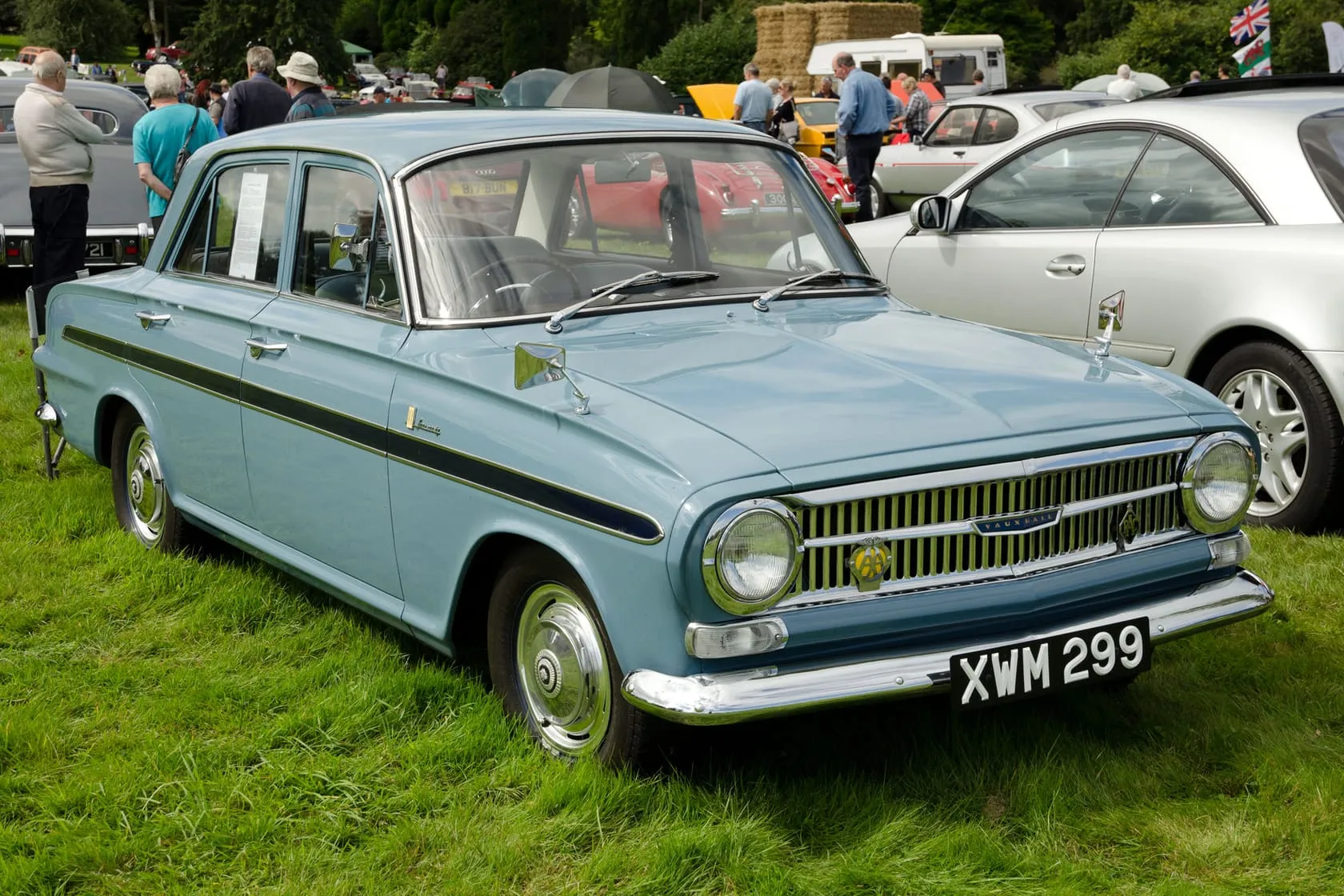 Vauxhall VX4/90: the Victor in a sharp suit (1961–1978)
The VX4/90 was Luton's sporting saloon formula, twin carburettors, front discs and a flash of colour on the family Victor, running through four generations from 1961 to 1978. A guide to the FB, FC, FD and FE cars, what survives, buying checks and values.
-
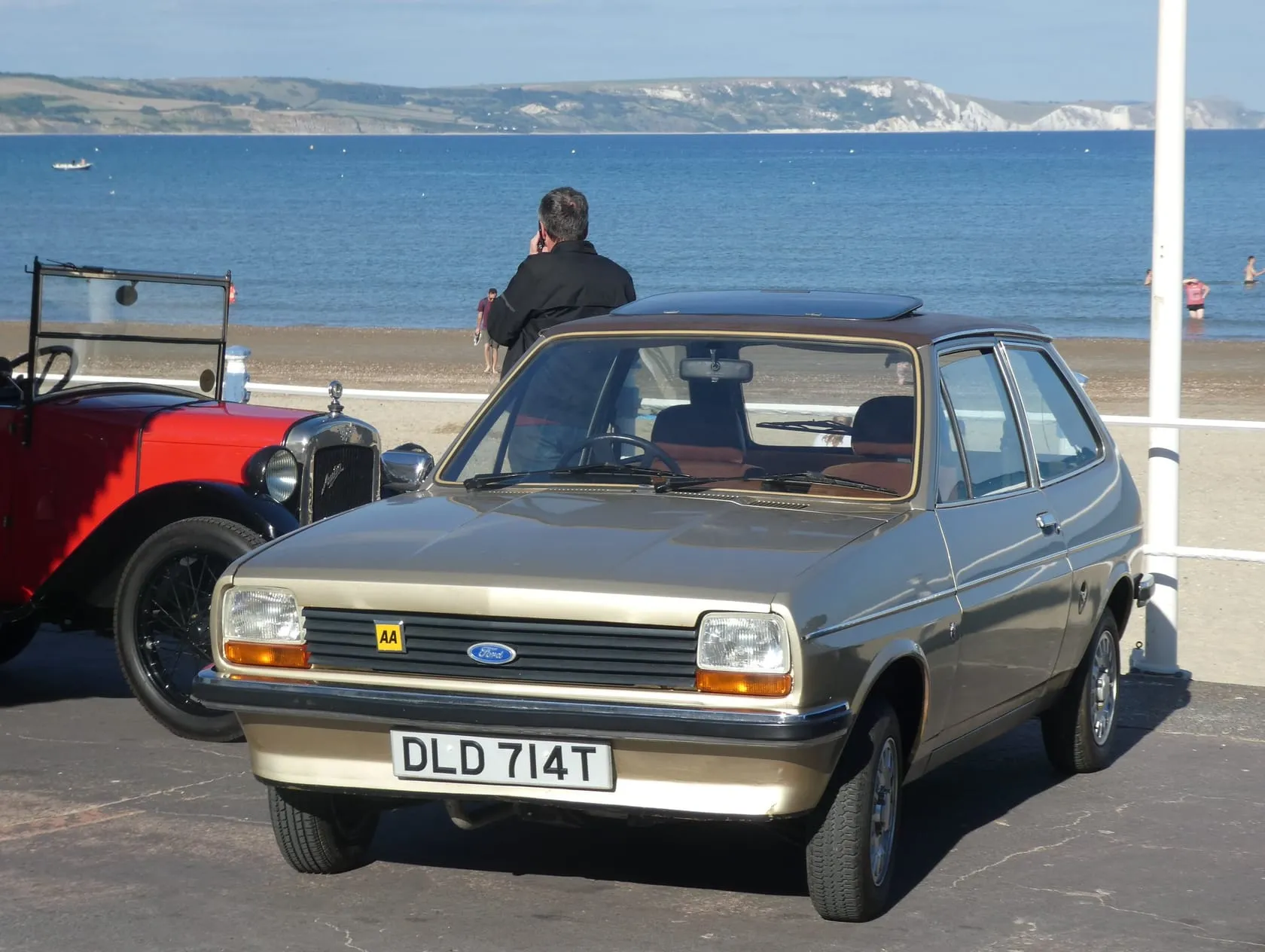 Ford Fiesta Mk1: the little front-driver that changed Ford forever (1976–1983)
The Ford Fiesta Mk1 was Ford's first front-wheel-drive small car, a clean-sheet supermini that sold a million inside three years and founded a nameplate that ran nearly half a century. A guide to the Mk1's story, the XR2 and Supersport, why survivors are so scarce, what to check, and what one costs today.
-
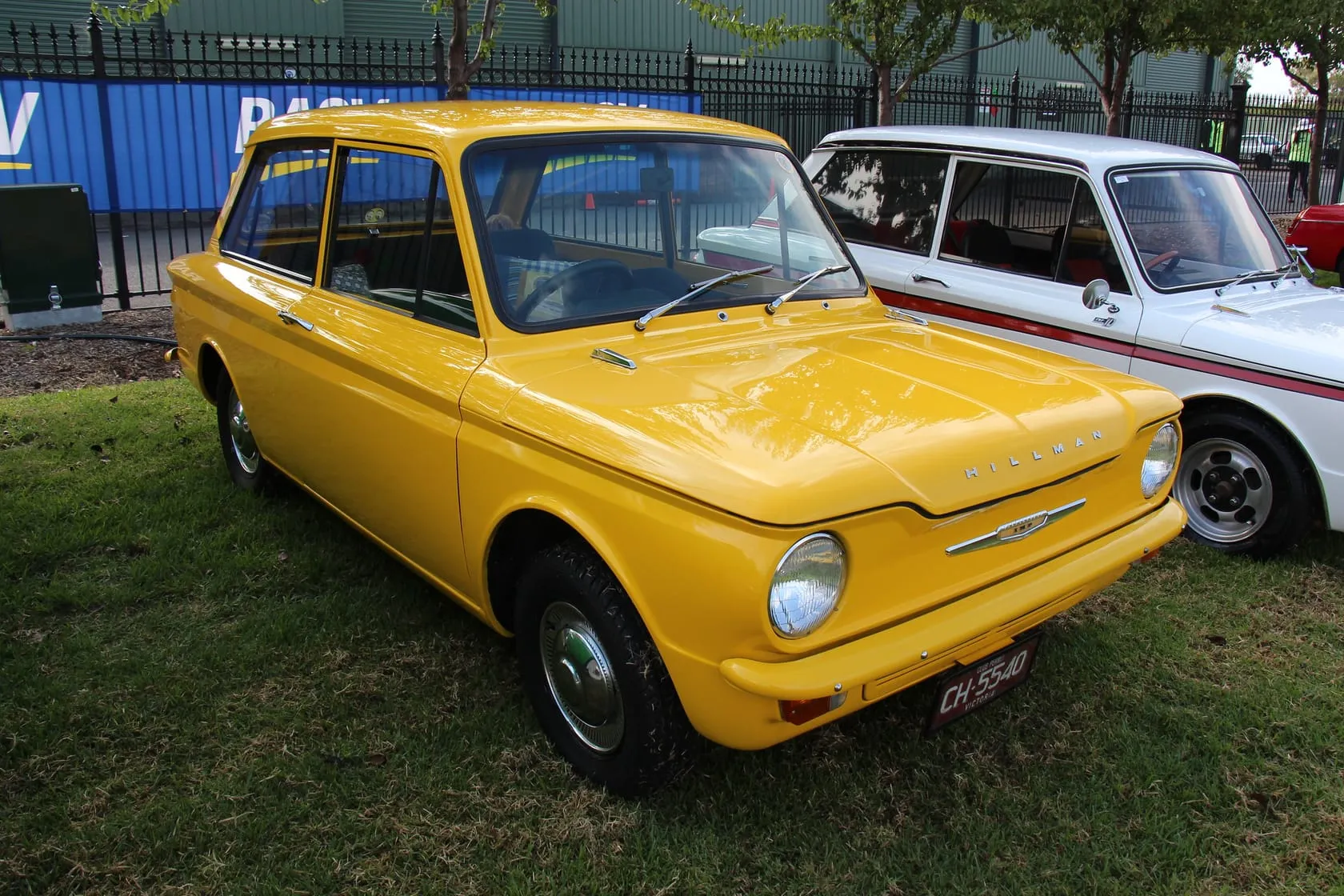 Hillman Imp: the rear-engined gamble that took on the Mini (1963–1976)
A rear-engined small saloon with an all-aluminium overhead-cam engine, built in a brand-new Scottish factory, the Imp was Rootes' brave answer to the Mini. A guide to why it was brilliant, why it struggled, the Sport, Stiletto and Chamois versions, its giant-killing motorsport record, and what an Imp costs today.
-
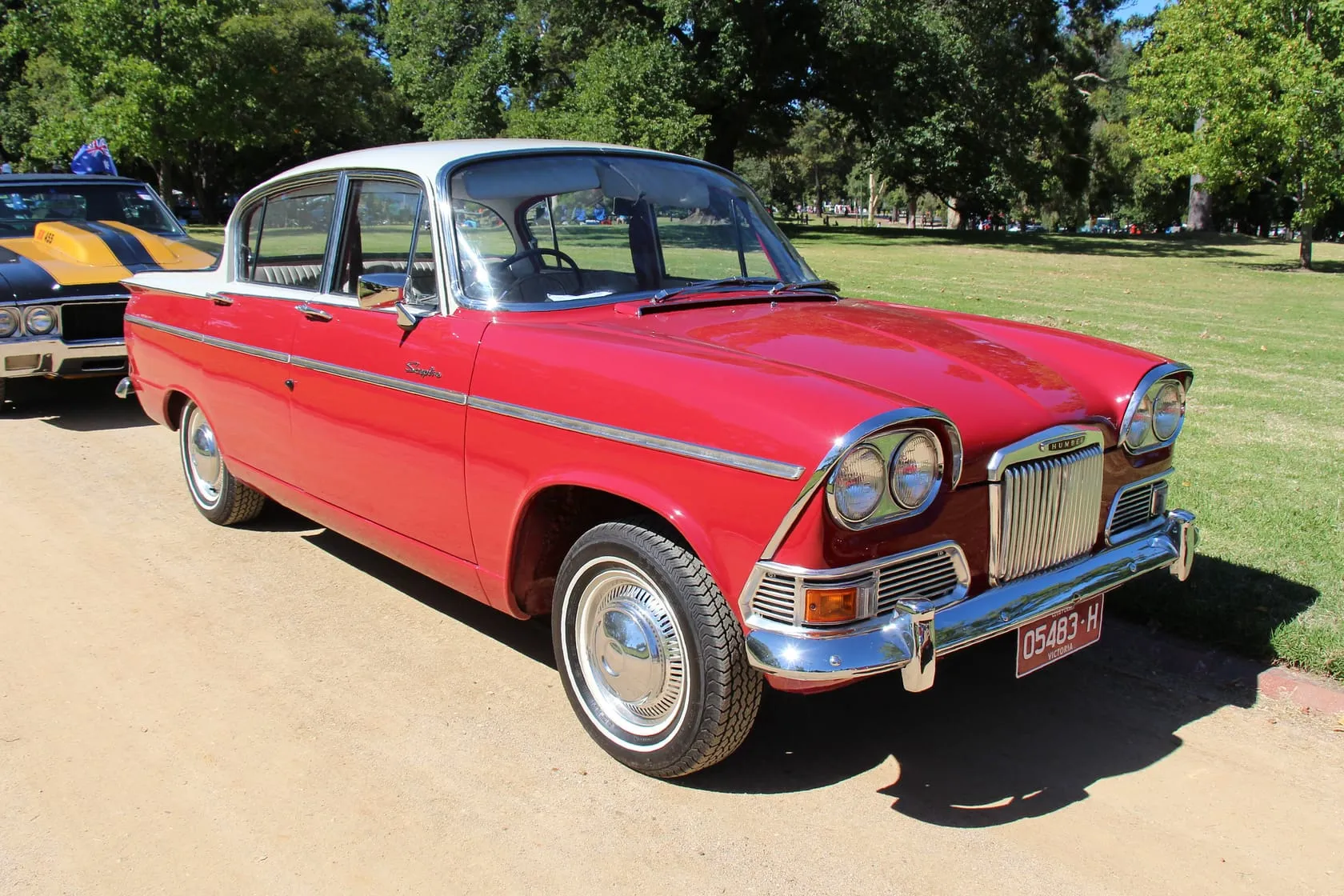 Humber Sceptre: the last and best-loved small Humber (1963–1976)
A wood-and-leather flagship built on humble family-car bones, the Sceptre ran through three marks from 1963 to 1976 and carried the Humber name into retirement. A guide to the Mk I, II and III, what made a Sceptre special, what to check when buying, and what one is worth today.
-
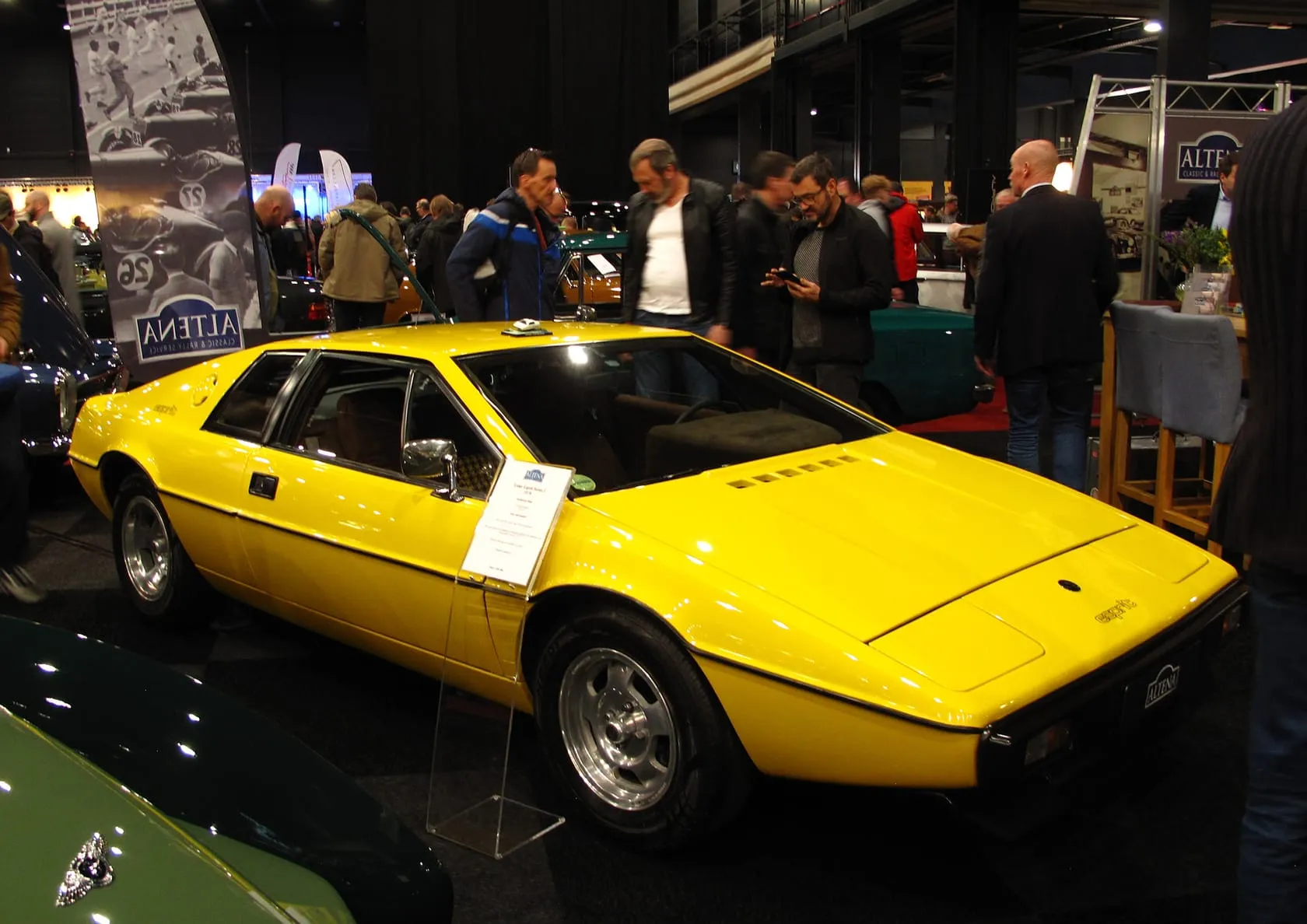 Lotus Esprit: the wedge that went underwater and grew into a supercar (1976–1992)
The Lotus Esprit wore Giugiaro's sharpest wedge over a backbone chassis, drove underwater in The Spy Who Loved Me, and matured through turbocharging into a genuine supercar rival. A guide to the Giugiaro and Stevens eras, the Bond fame, the Turbo, what to check when buying, and what an Esprit costs today.
-
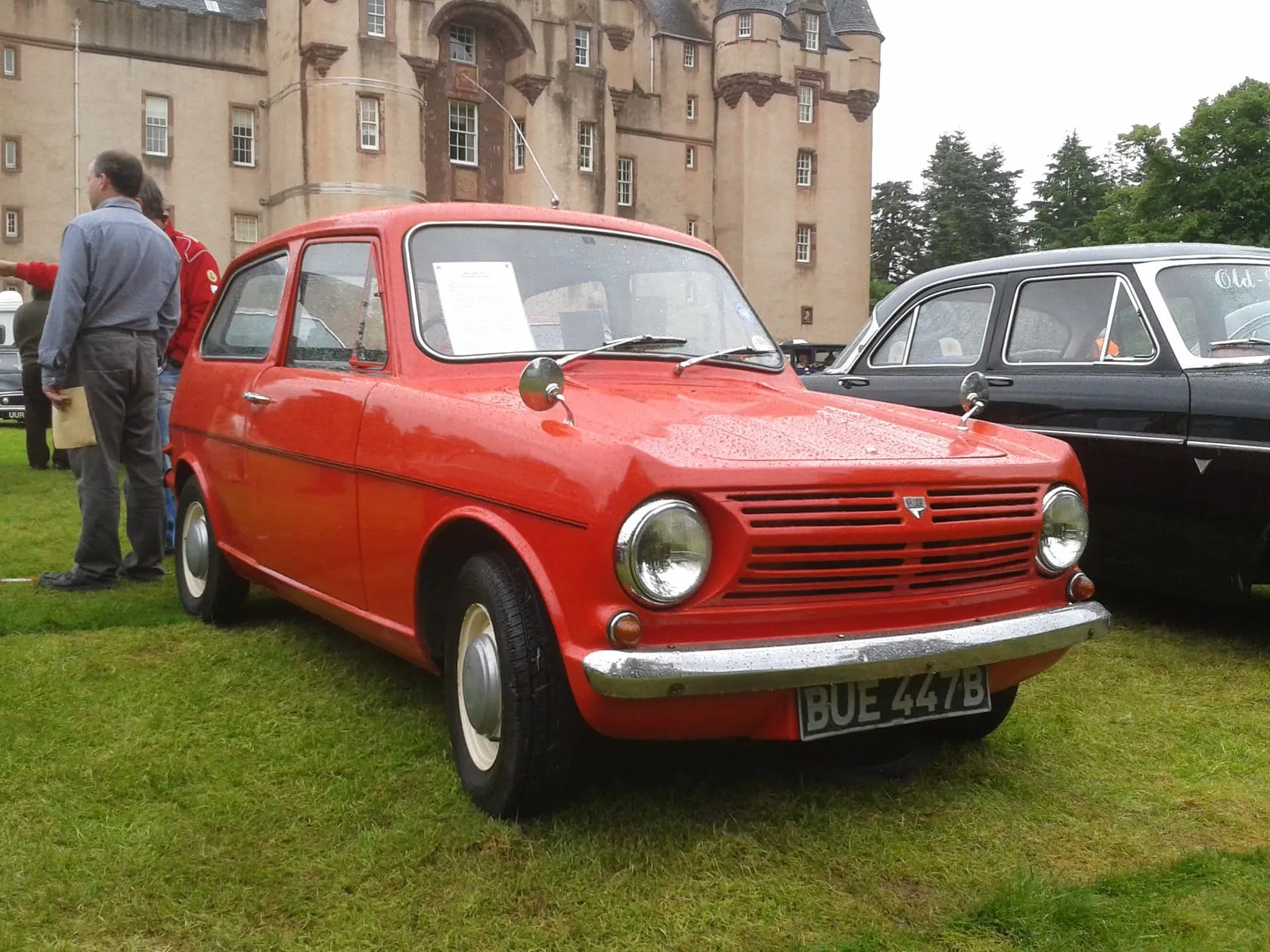 Reliant Rebel: the four-wheeled Reliant nobody expected (1964–1974)
The Reliant Rebel was Tamworth's quiet experiment with a fourth wheel, a tough glassfibre small saloon and estate built in tiny numbers around the company's all-aluminium engine. A guide to why the Rebel existed, how it drove, the Kitten that continued the idea, what to check when buying, and what one costs today.
-
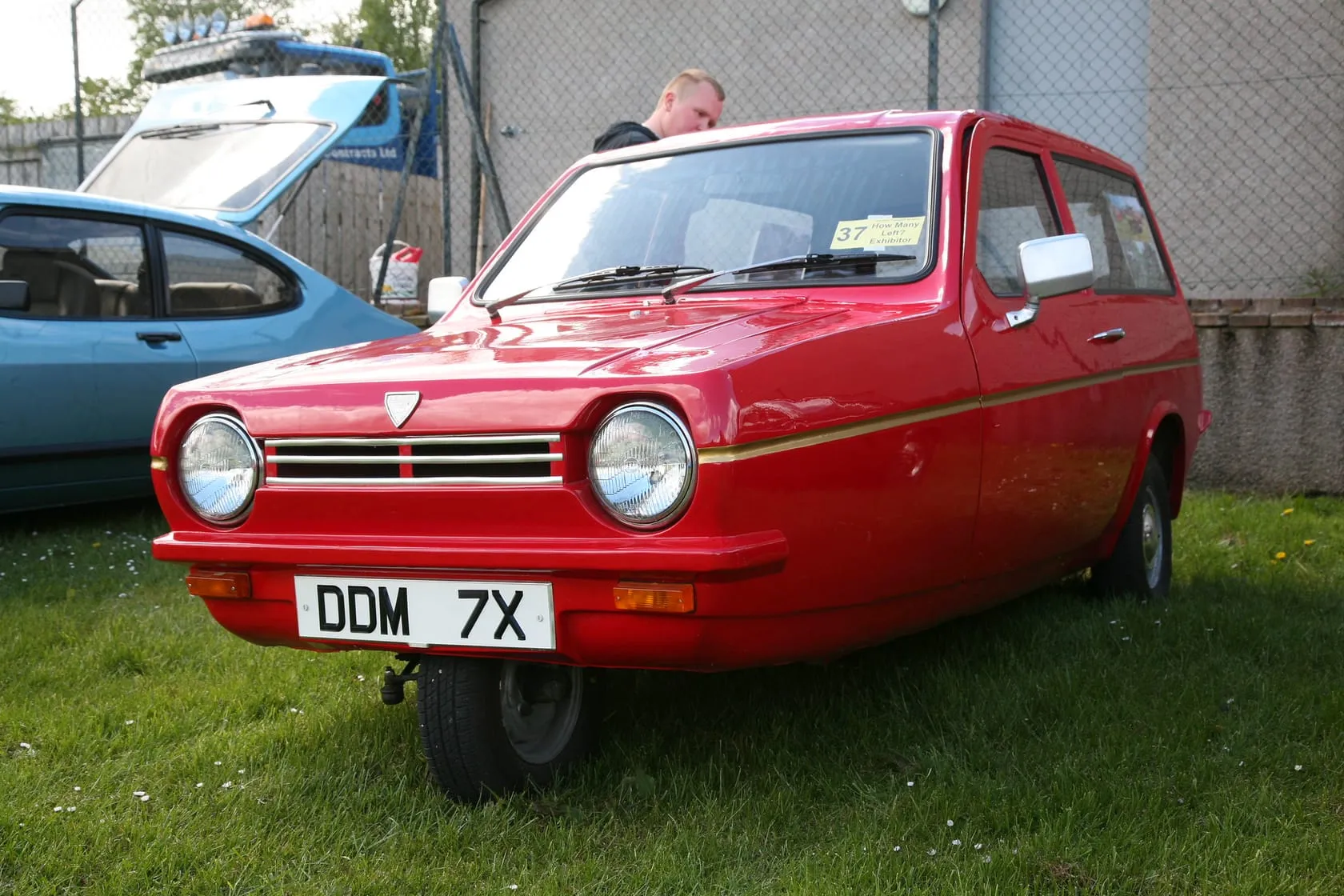 Reliant Robin: Britain's most famous three-wheeler, and most misunderstood car (1973–2002)
The Reliant Robin is the most joked-about car Britain ever made and one of its most misunderstood. A guide to the real Robin, the Ogle design, the alloy engine, the Rialto years and the final editions, whether they really tip over, why the Trotters' van is not a Robin, what to check when buying, and what one costs today.
-
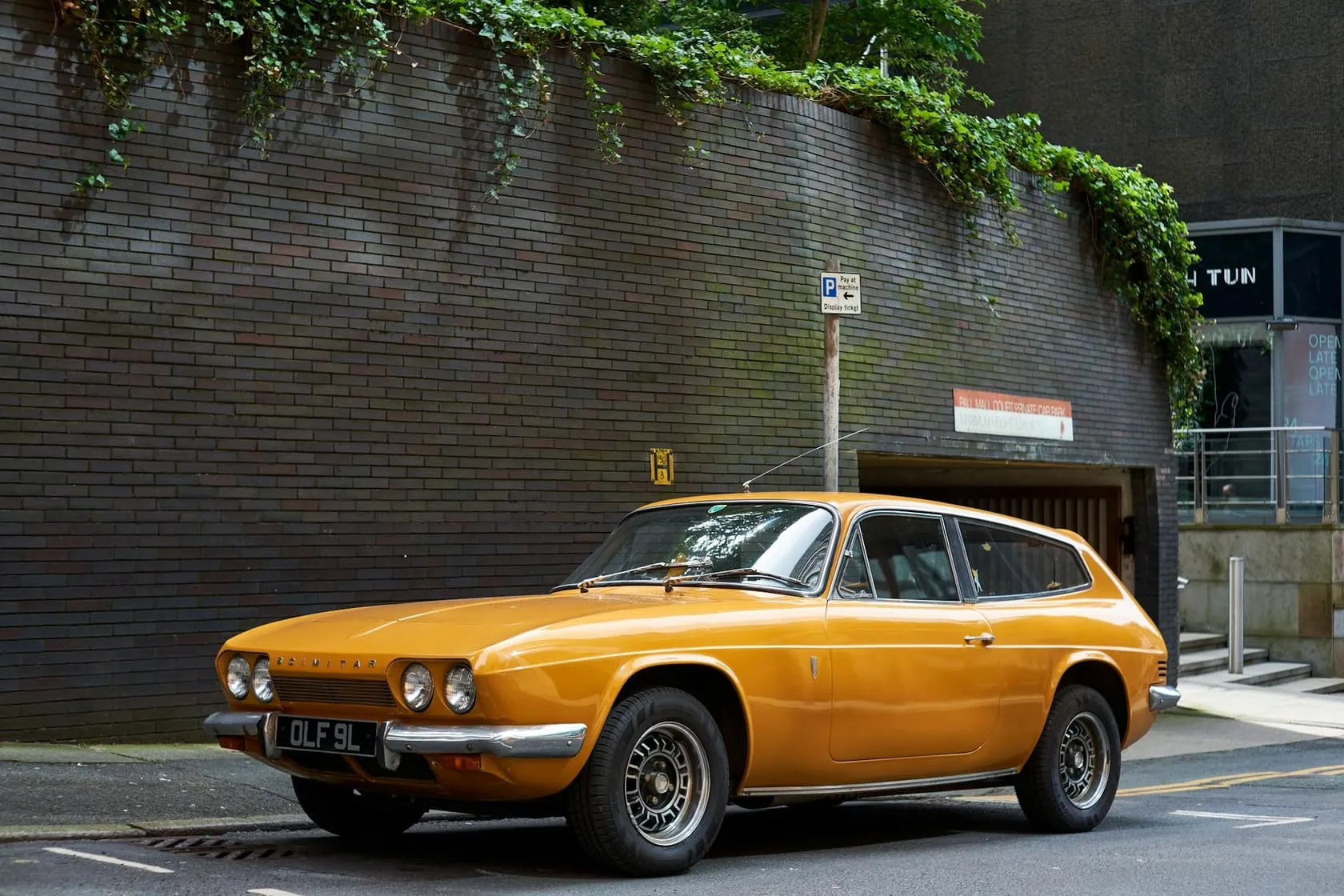 Reliant Scimitar: the sporting estate that invented its own class (1964–1986)
The Reliant Scimitar grew from a handsome Ford-powered glassfibre coupe into the GTE, the car that invented the sporting estate and counted Princess Anne among its most loyal owners. A guide to the Sabre before it, the GT, GTE and GTC, the Middlebridge revival, what to check when buying, and what a Scimitar is worth.
-
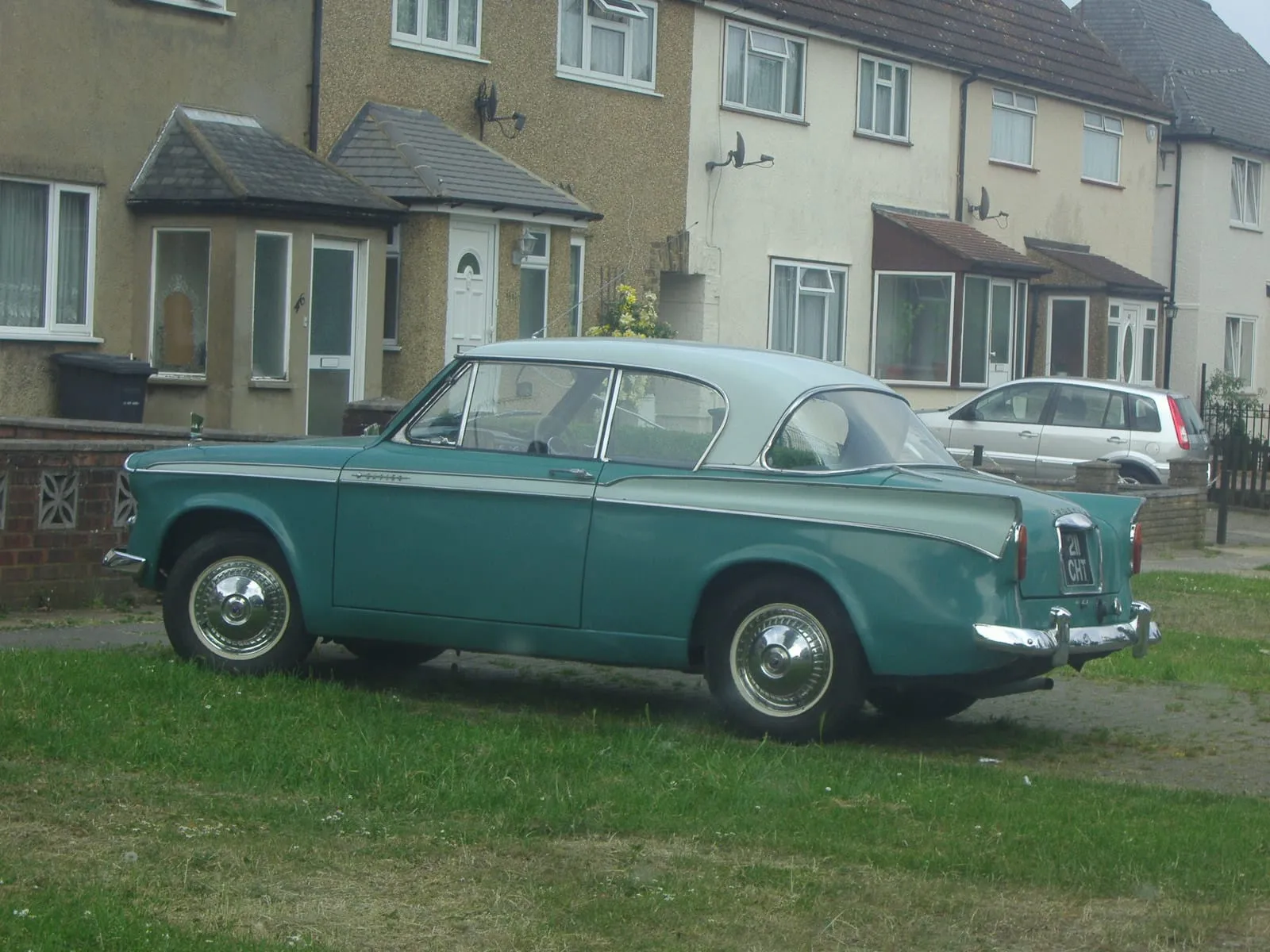 Sunbeam Rapier: two shapes, five Series and a rally-winning streak (1955–1976)
Two decades of sporting saloon-coupe, first as the rally-winning two-door Series cars of 1955 to 1967, then as the sleek fastback of 1967 to 1976 with the Holbay-tuned H120 at its head. A guide to both generations, the competition record, what to look for, and what a Rapier costs today.
-
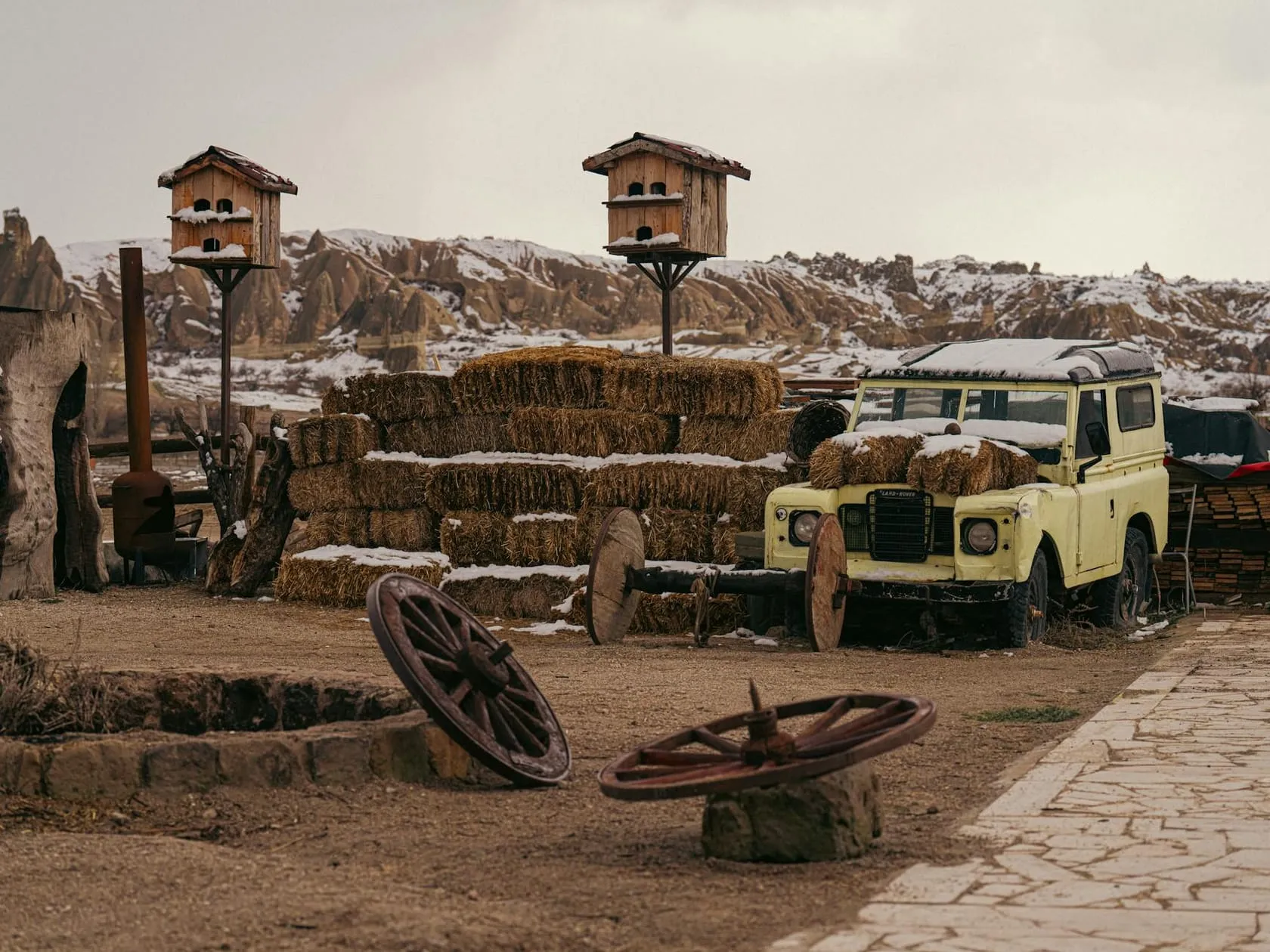 Land Rover Series III: the most numerous of them all (1971–1985)
The Land Rover Series III was the most numerous Series of all, recognised by its plastic grille and the first all-synchromesh gearbox. A guide to the 88 and 109 inch cars, the engines including the Stage 1 V8, the Lightweight, what to look for when buying, and why it is the most affordable way into a Series Land Rover.
-
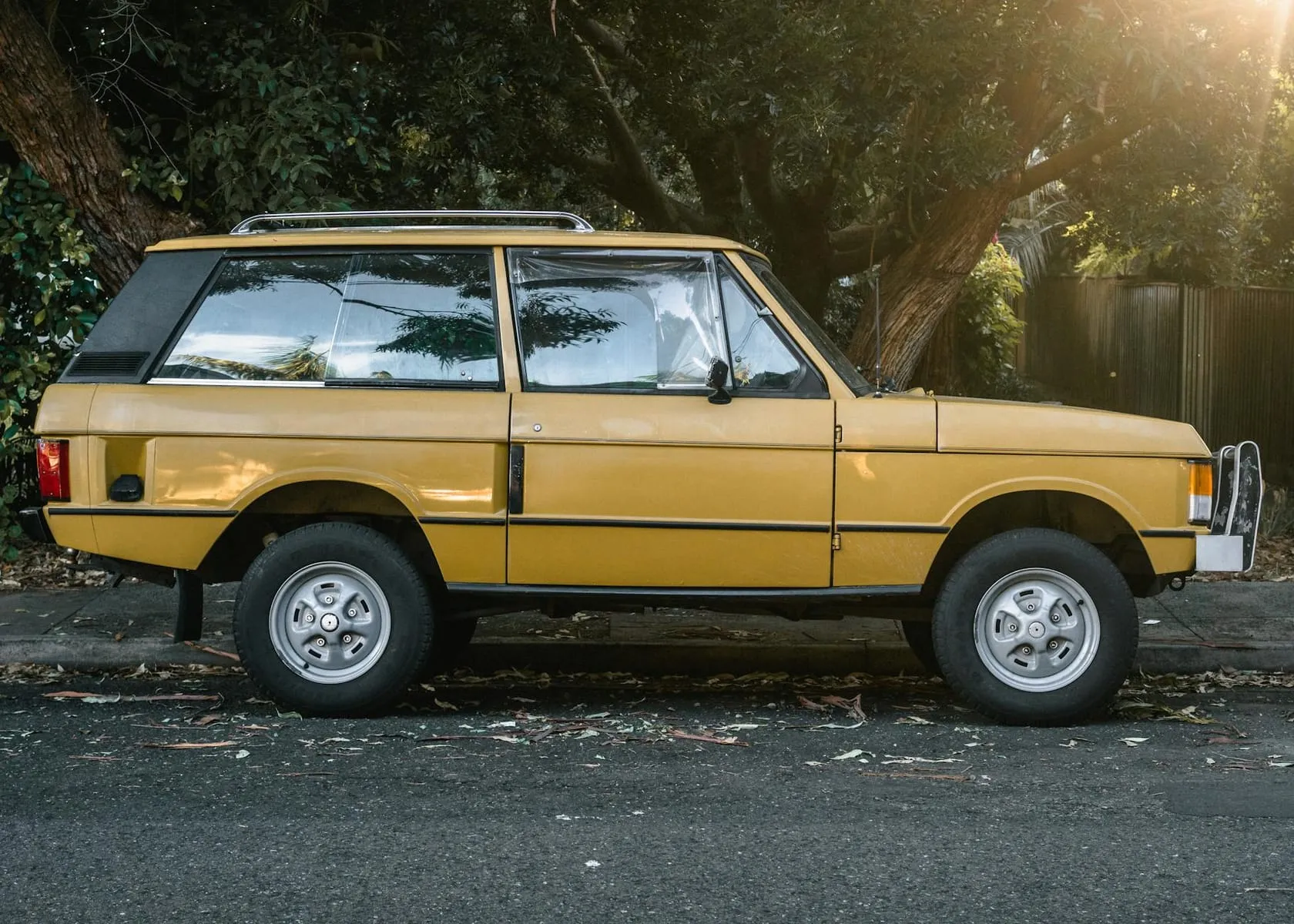 Range Rover Classic: the original, before the luxury (1970–1996)
The original Range Rover, now called the Range Rover Classic, was not the luxury car it became but a more comfortable, road-capable companion to the working Land Rover. A guide to the two-door and four-door cars, the Rover V8 and the diesels, the Vogue and CSK, what one is like to live with, and what to look for when buying.
-
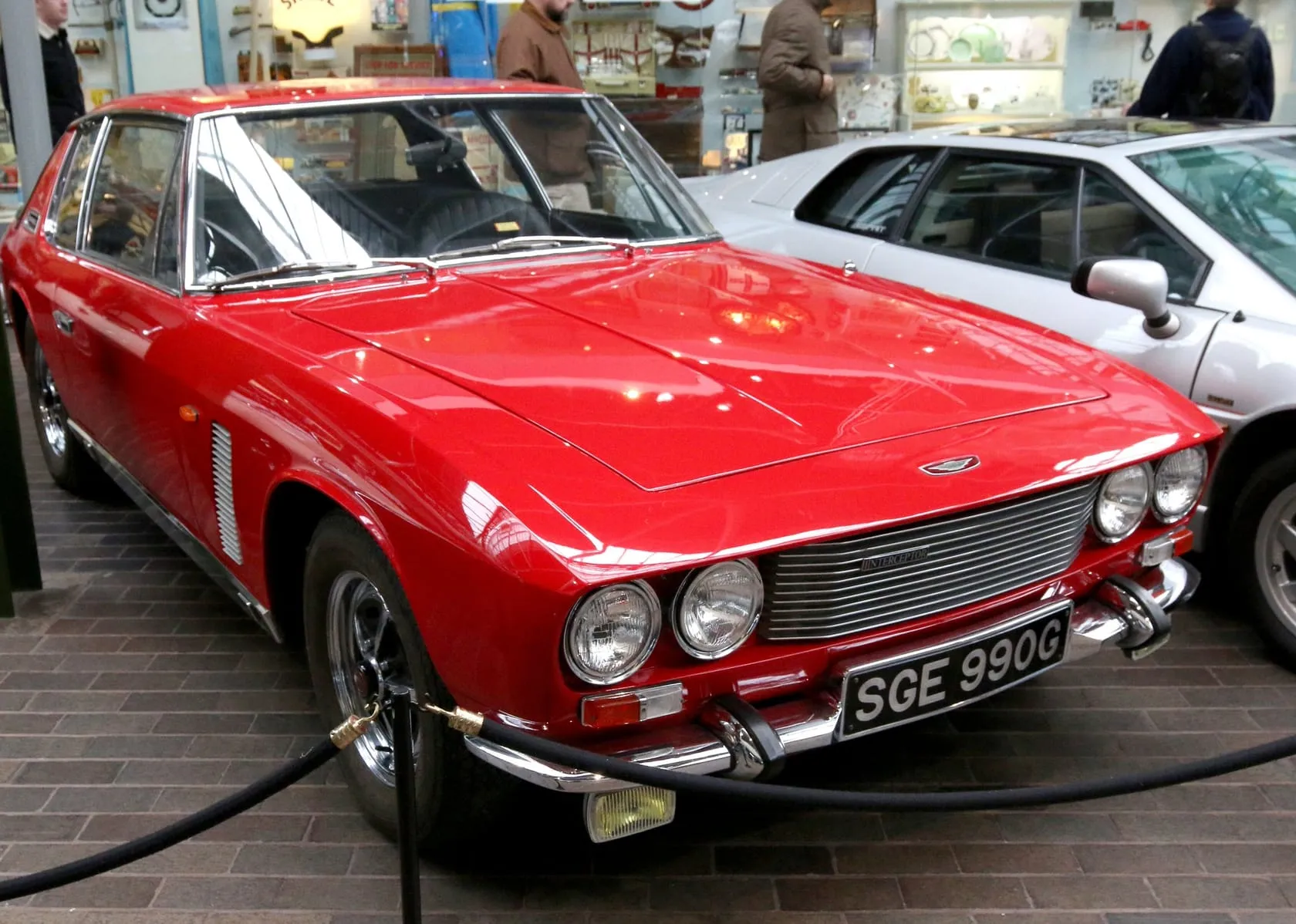 Jensen Interceptor: the Anglo-Italian V8 grand tourer (1966–1976)
The Jensen Interceptor paired Italian styling and a hand-built West Bromwich body with a big Chrysler V8, and its wraparound glass hatch made it one of the most distinctive British grand tourers. A guide to the Mk I to Mk III, the SP and convertible, what to look for, and what they are worth.
-
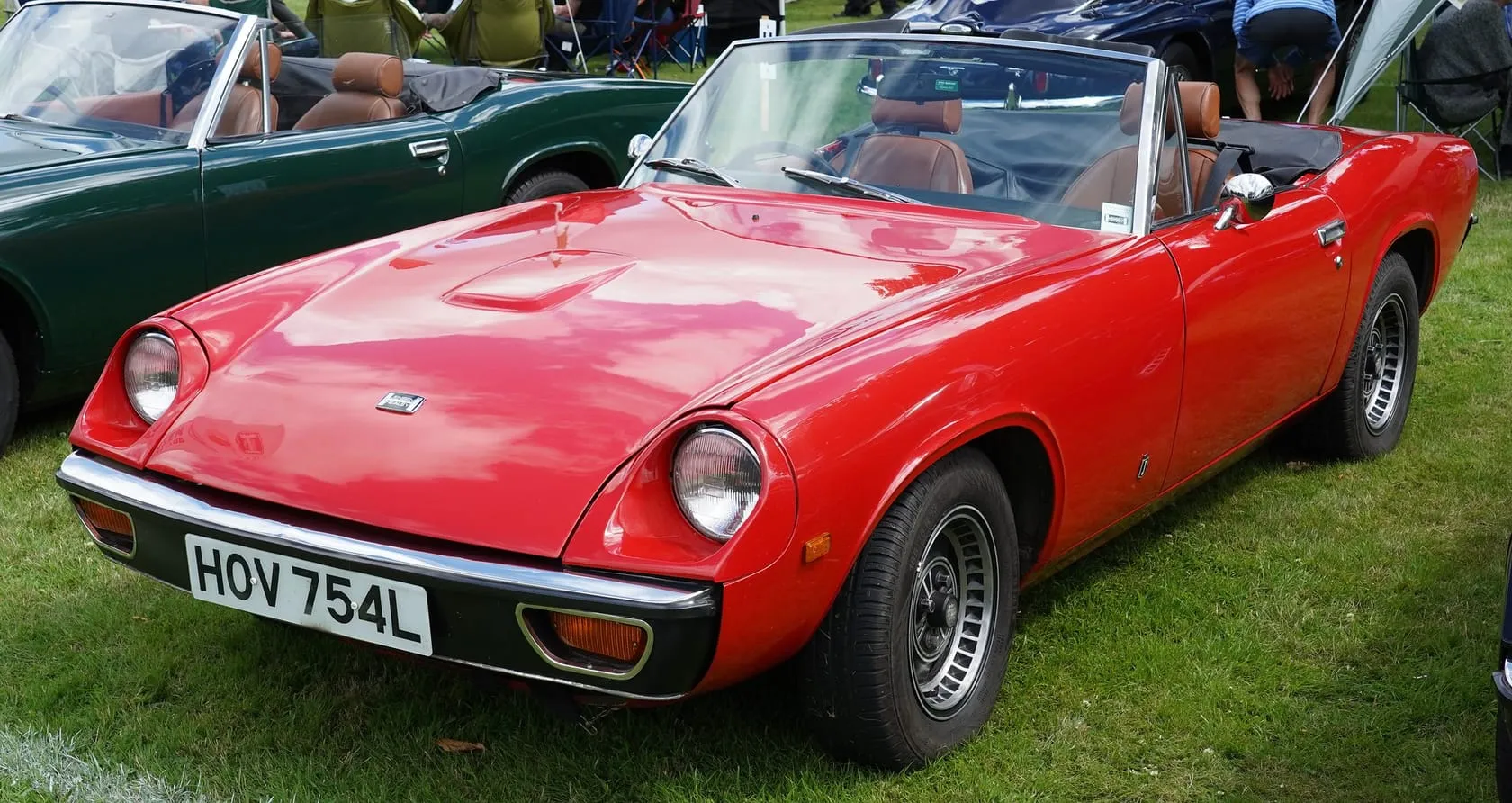 Jensen-Healey: the Lotus-engined roadster that chased volume (1972–1976)
The Jensen-Healey was a two-seat sports car built with Donald Healey and powered by the first production Lotus engine, the affordable car Jensen hoped would sell in volume. A guide to the roadster and the Jensen GT, the famous engine troubles, what to look for, and what they are worth.
-
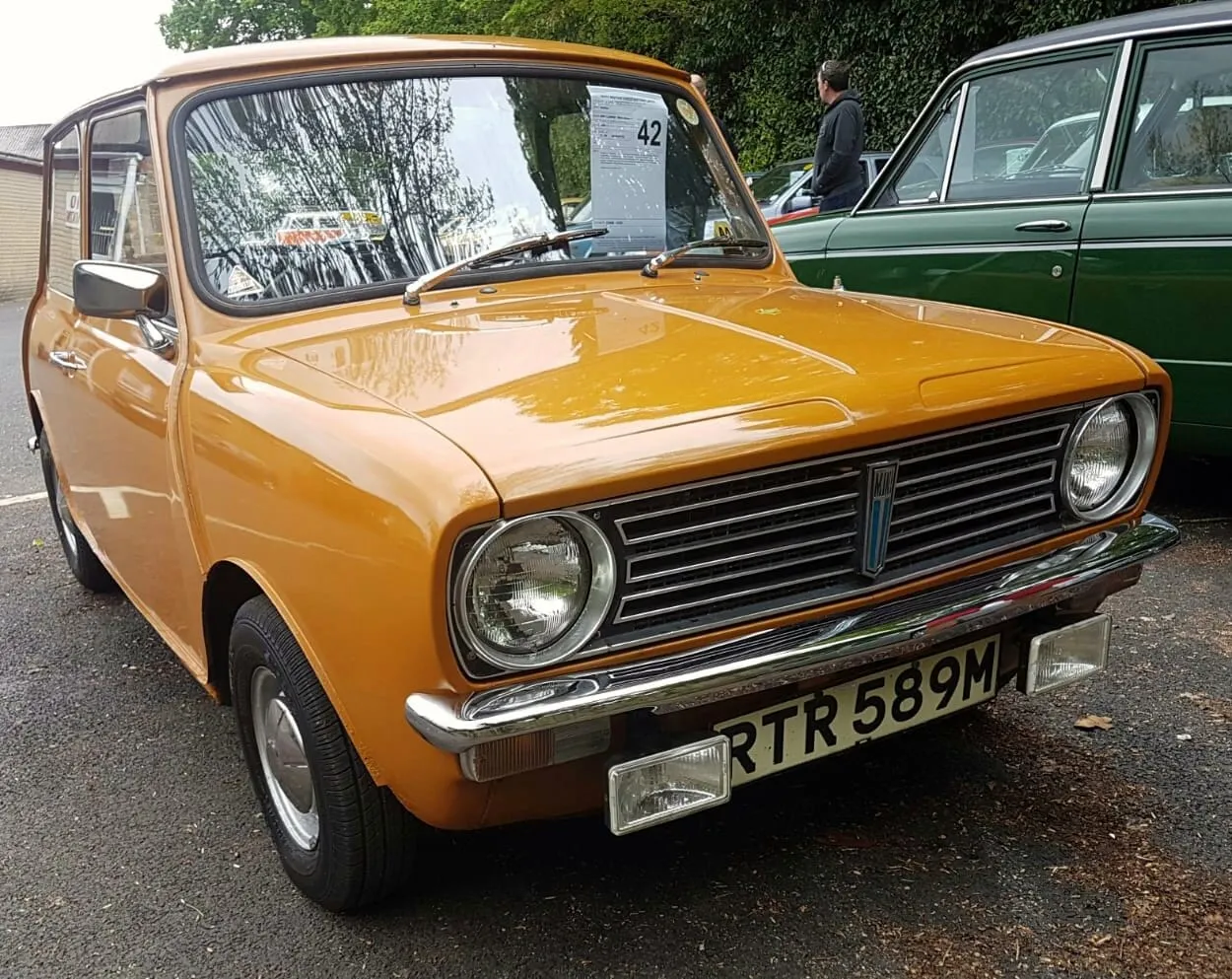 Mini Clubman and 1275GT: the squared-off Mini of the 1970s (1969–1980)
The Mini Clubman gave Issigonis's car a longer, squared-off nose for the 1970s, and the 1275GT version took over from the Cooper S as the affordable performance Mini. A guide to the Clubman saloon and estate, the 1275GT, what to look for, and what they are worth now.
-
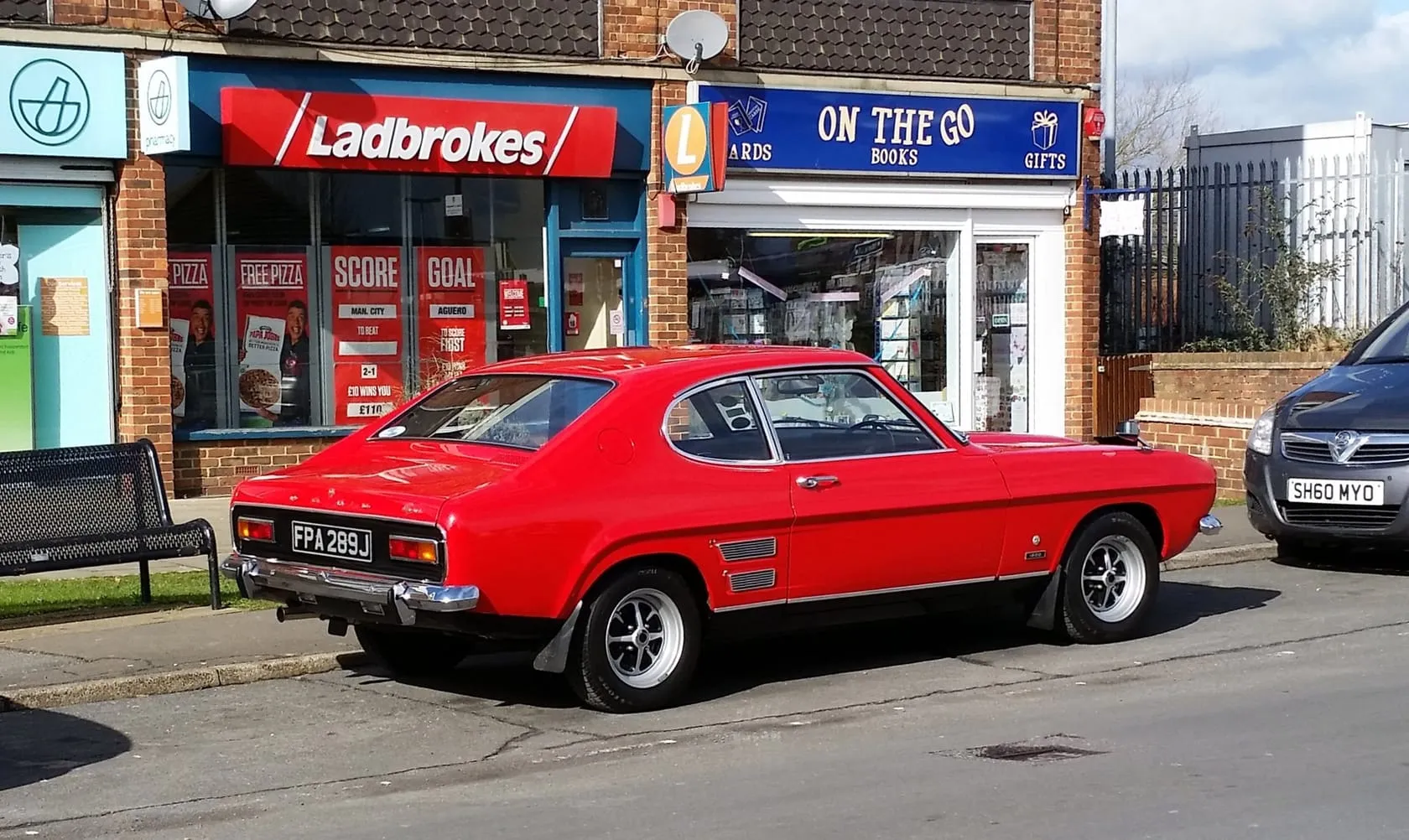 Ford Capri: the car you always promised yourself (1969–1986)
The classic Ford Capri was Europe's answer to the Mustang, an affordable fastback coupe that sold nearly two million and became a 1970s and 80s icon. A guide to the Mk1, Mk2 and Mk3, the V6 cars, the 2.8 Injection and the RS models, how it differs from the new electric Capri, and what to look for when buying one.
-
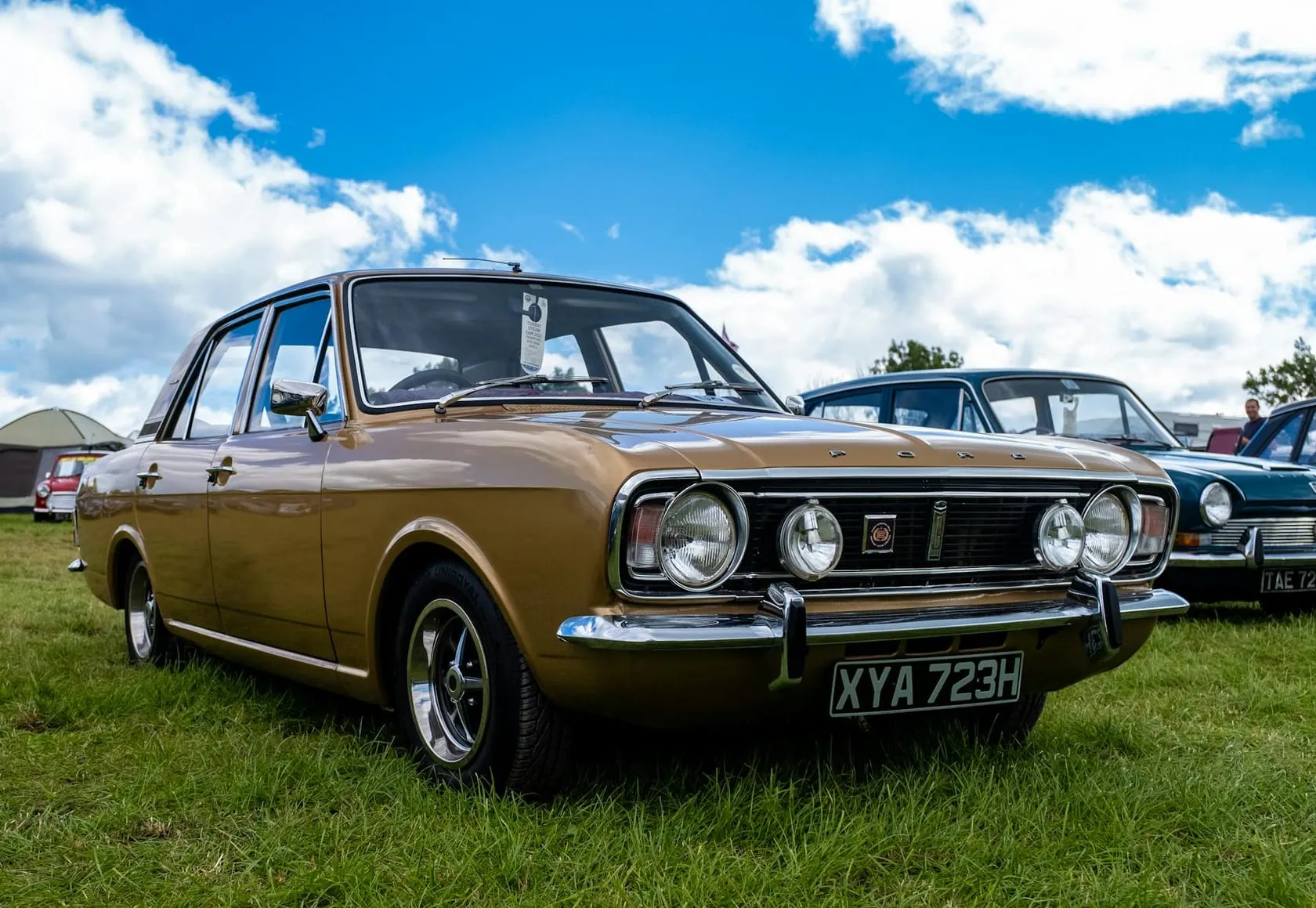 Ford Cortina: Britain's best-selling car of the 1960s and 70s (1962–1982)
The Ford Cortina was Britain's best-selling car for much of the 1960s and 70s, five generations of family saloon that defined the company car park and the family driveway, from the sporting Lotus Cortina to the everyday GLs. A guide to the Mk1 to Mk5, how the generations differ, the fast Cortinas, and what to check before buying one.
-
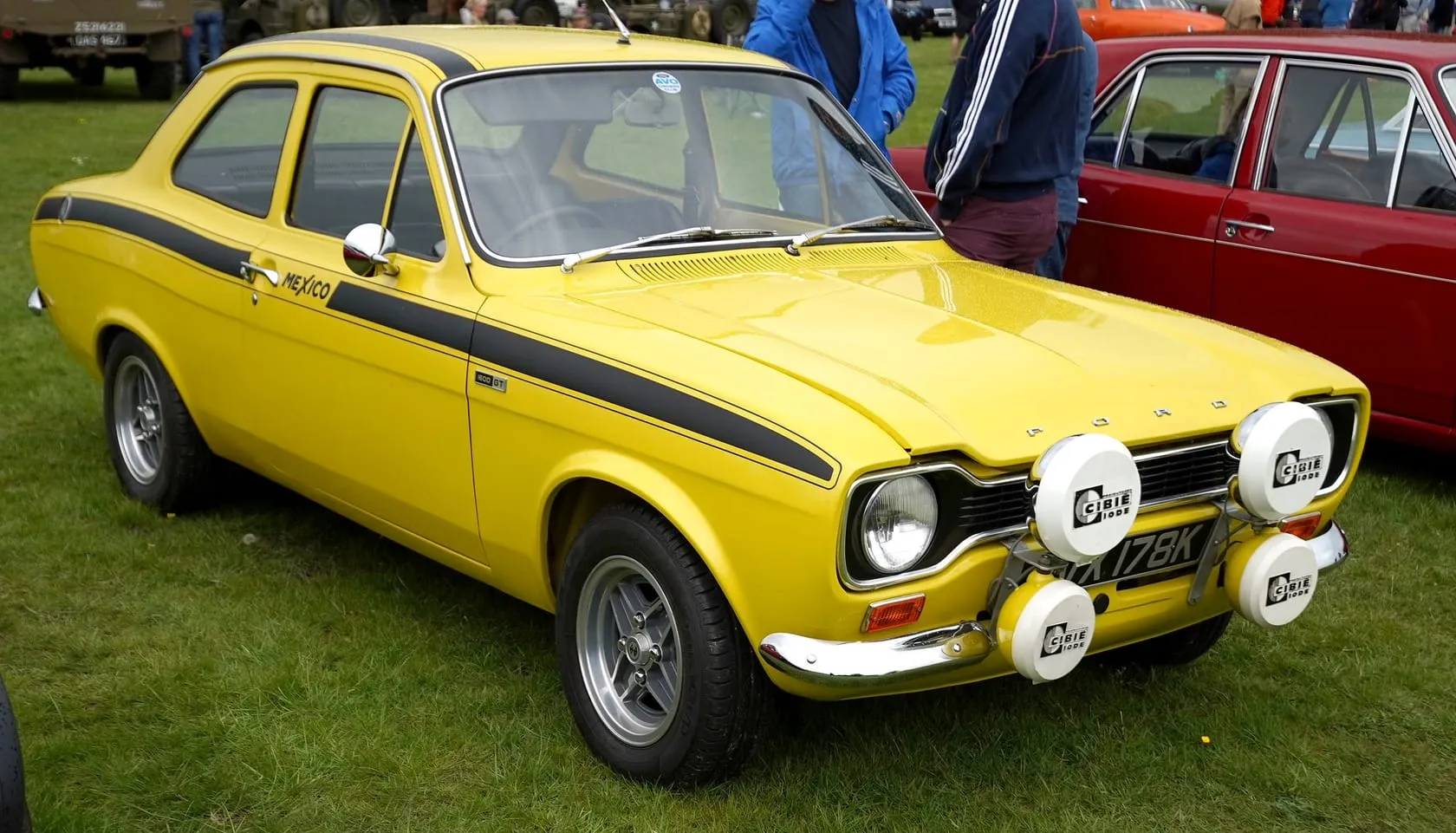 Ford Escort Mexico: the World Cup Rally hero (1970–1978)
The Ford Escort Mexico was named to celebrate Ford's victory in the 1970 London-to-Mexico World Cup Rally, an affordable, tough, rear-wheel-drive homologation special built to take the Escort's rally success to the showroom. A guide to the Mk1 and Mk2 Mexico, what to look for, and why originality matters more here than on any ordinary Escort.
-
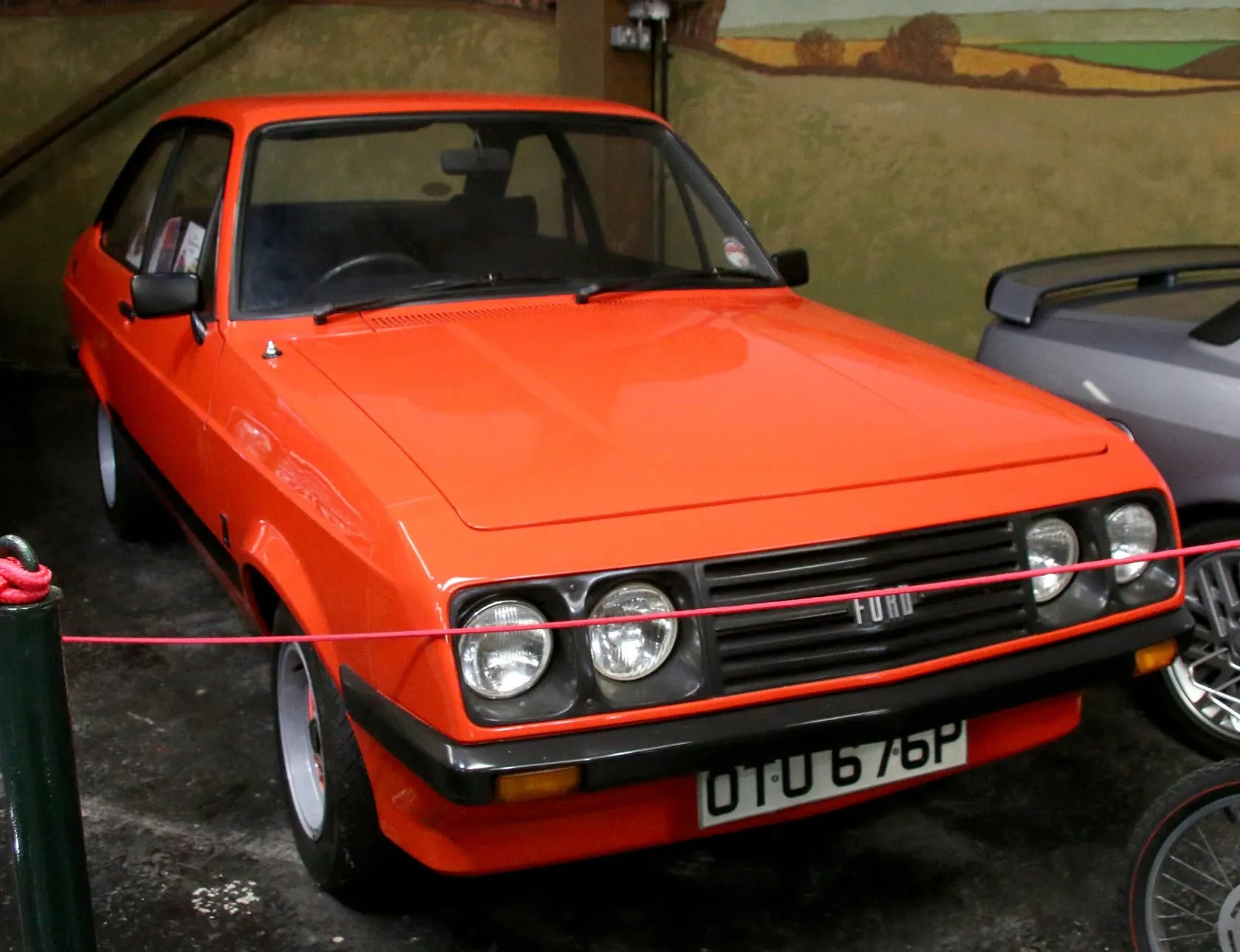 Ford Escort RS2000: the rally-bred fast Ford (1973–1980)
The Ford Escort RS2000 was the rally-bred hero of the rear-wheel-drive Escort, a light two-door with a torquey 2.0-litre engine and, in Mk2 form, the famous droop-snoot nose. A guide to the Mk1 and Mk2 RS2000, what made it a motorsport legend, what to look for when buying, and how to spot a car that is not what it claims.
-
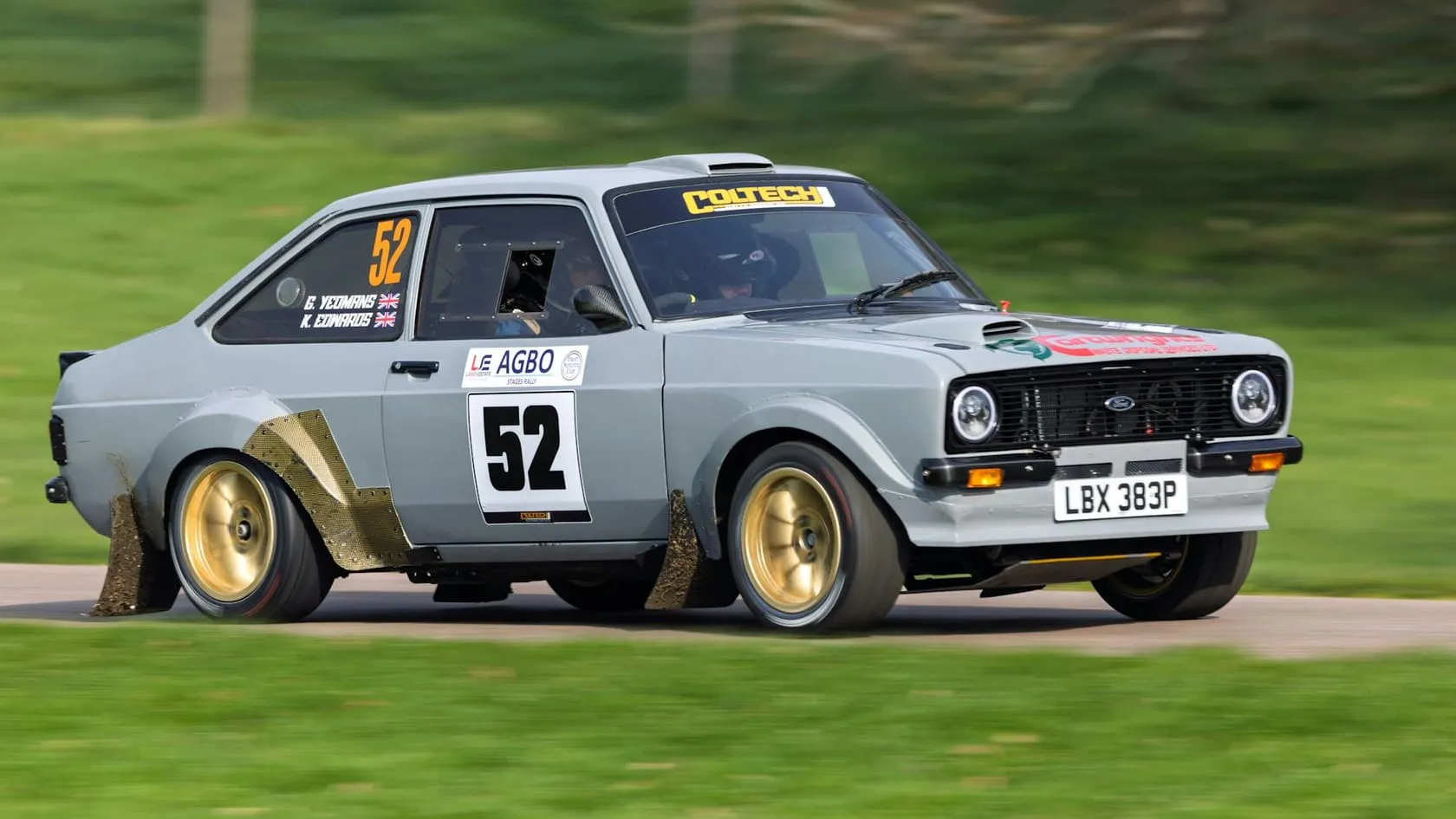 Ford Escort: the everyman Ford and the rally legend (1968–2000)
The classic Ford Escort ran across six generations from 1968 to 2000, from the rear-drive rally cars to the front-drive hot hatches and the mighty RS Cosworth. A guide to the Mk1 to Mk6, how the generations differ, the everyman saloons and the celebrated fast Escorts, the booted Orion, and what to look for when buying.
-
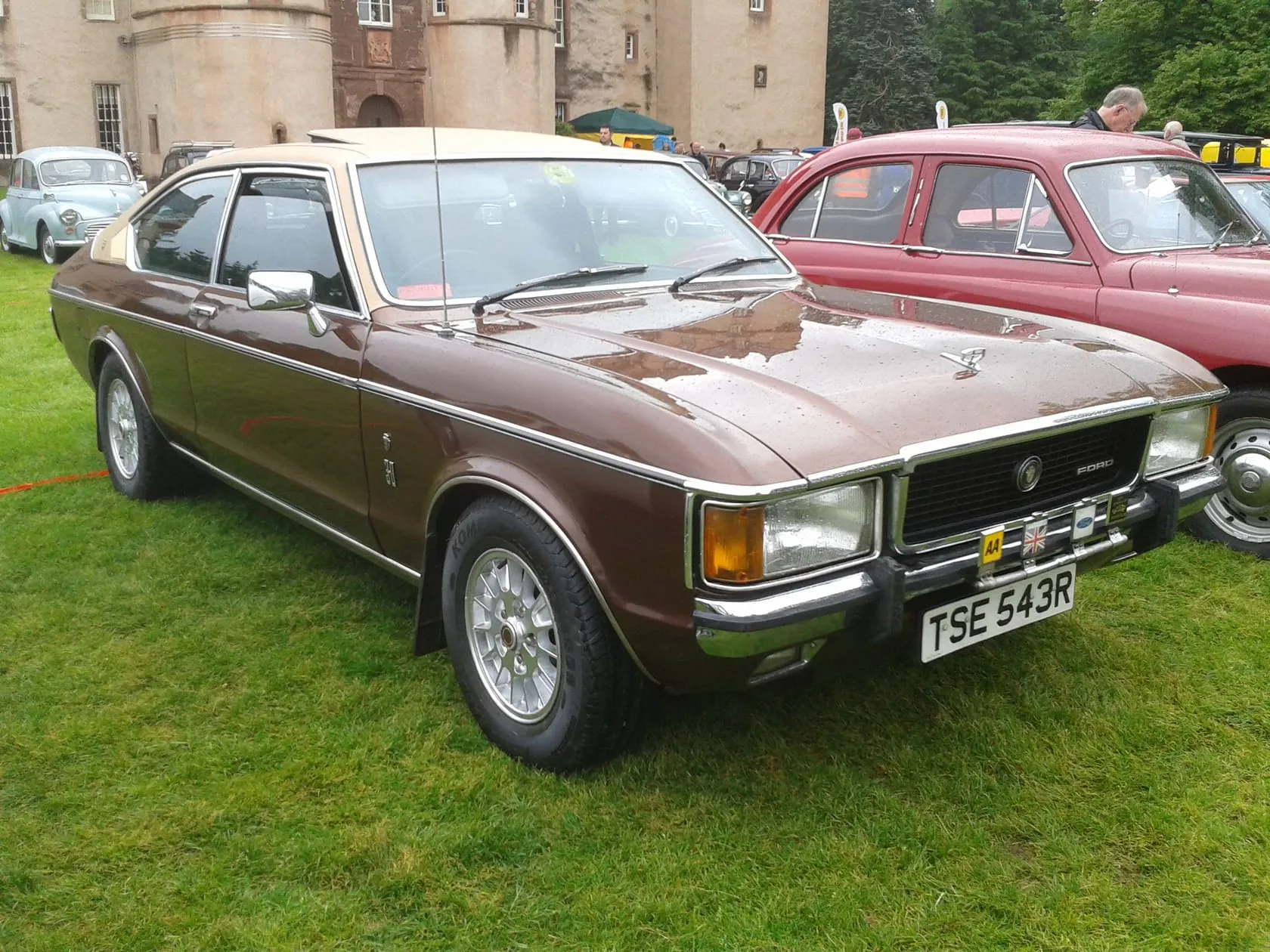 Ford Granada: the executive Ford from The Sweeney to Cosworth (1972–1994)
The Ford Granada was Ford's big executive saloon and coupe for over two decades, from the Mk1 made famous by The Sweeney to the aerodynamic, Car-of-the-Year Mk3 and its 24-valve Cosworth flagship. A guide to the three generations, the Granada and Scorpio names, what to look for, and what they are worth.
-
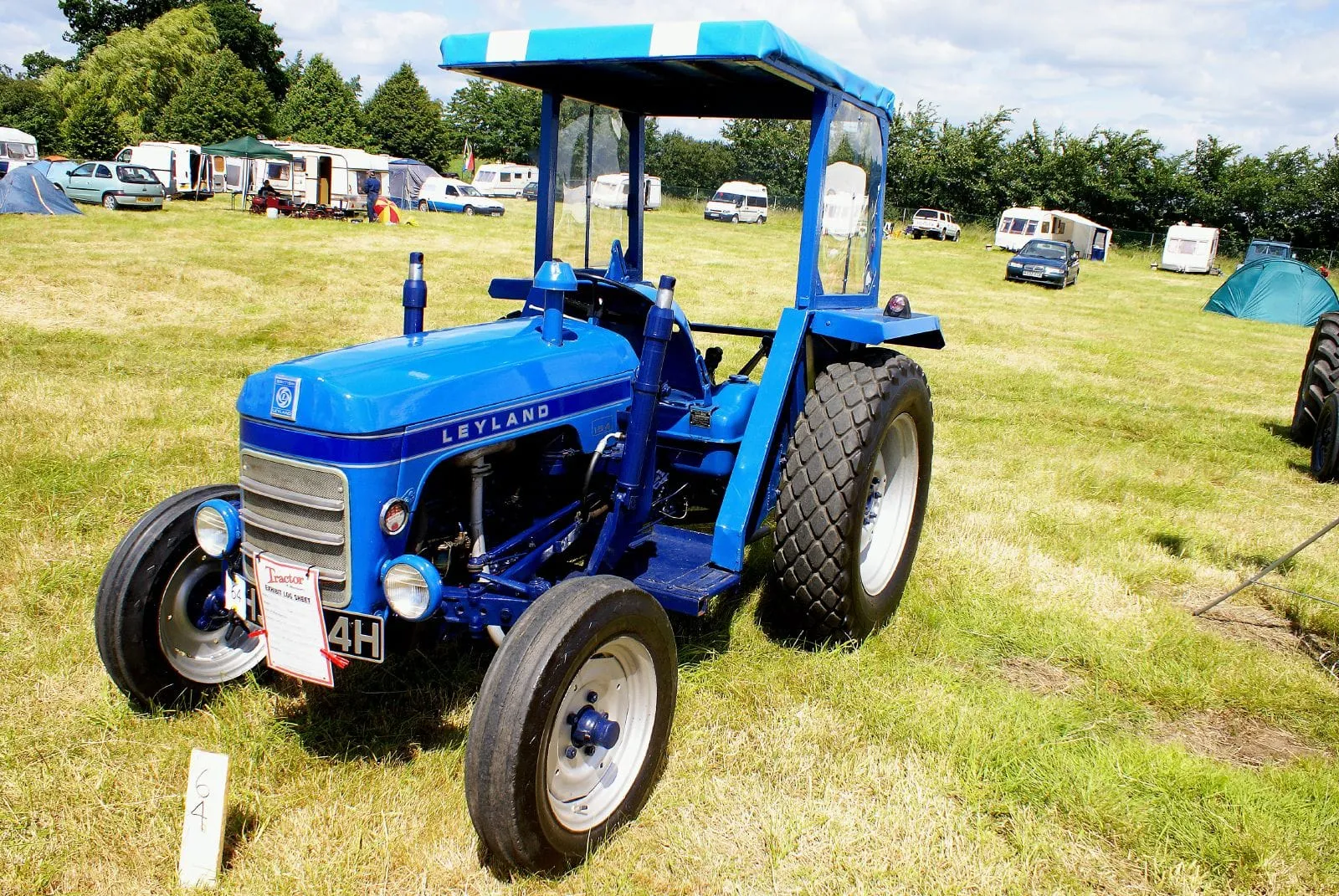 Leyland tractors: the famous blue tractors from Bathgate
The blue Leyland tractors grew straight out of the orange Nuffields in 1969 and were built at Bathgate in Scotland until 1982. A guide to the old Leyland tractors worth knowing, from the compact 154 to the synchro models and the big 2100, the British Leyland story, what to look for when buying, and what a vintage Leyland is worth.
-
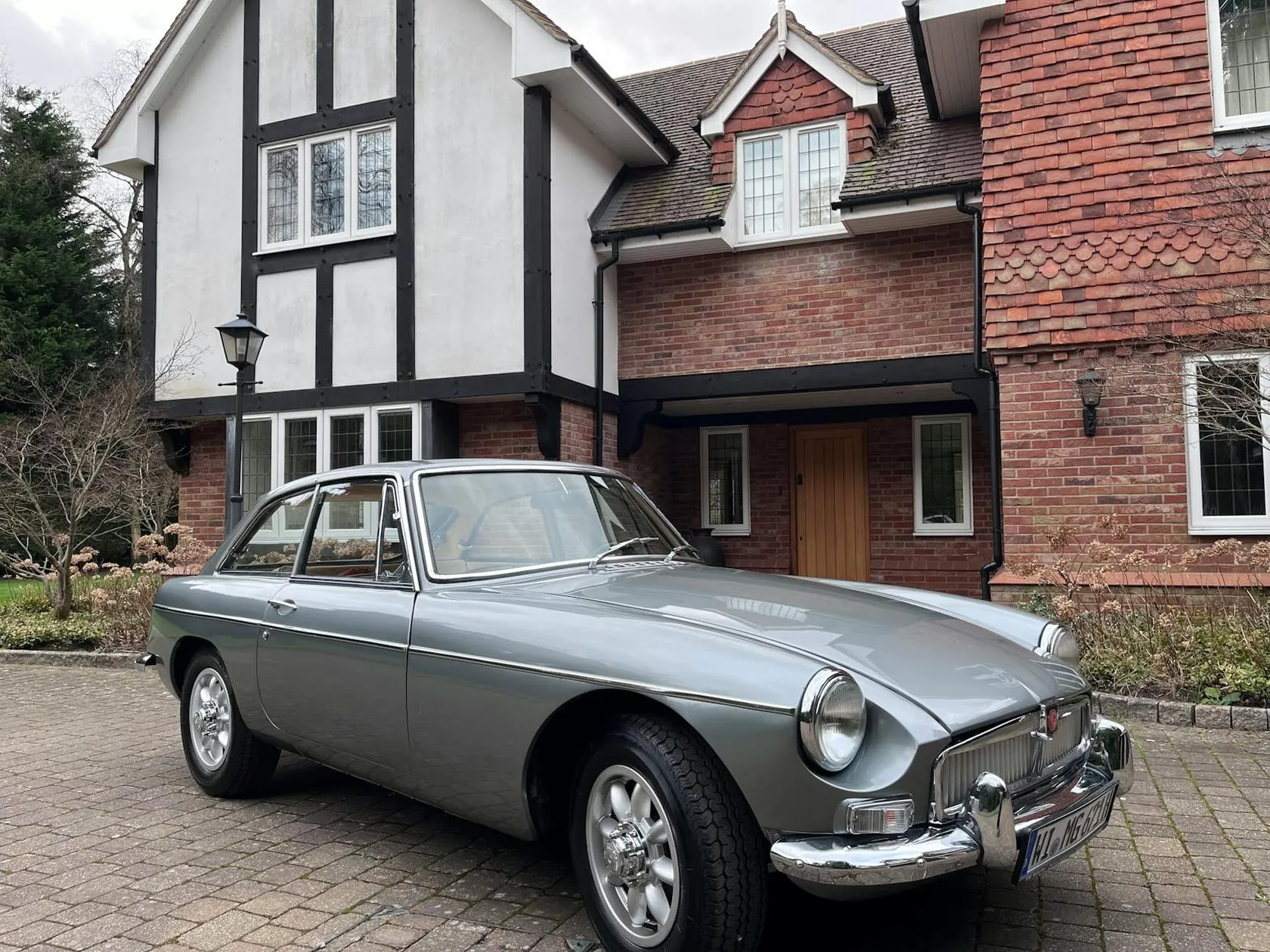 MG MGB GT: Pininfarina looks and a hatchback, for roadster money (1965–1980)
The MG MGB GT added a handsome Pininfarina-styled fastback roof and a practical hatchback to the MGB, making a refined 2+2 that is one of the most underrated classics there is, and the rare MGB GT V8 gave it real pace. A guide to how the GT differs from the roadster, the V8, and what to watch for when buying.
-
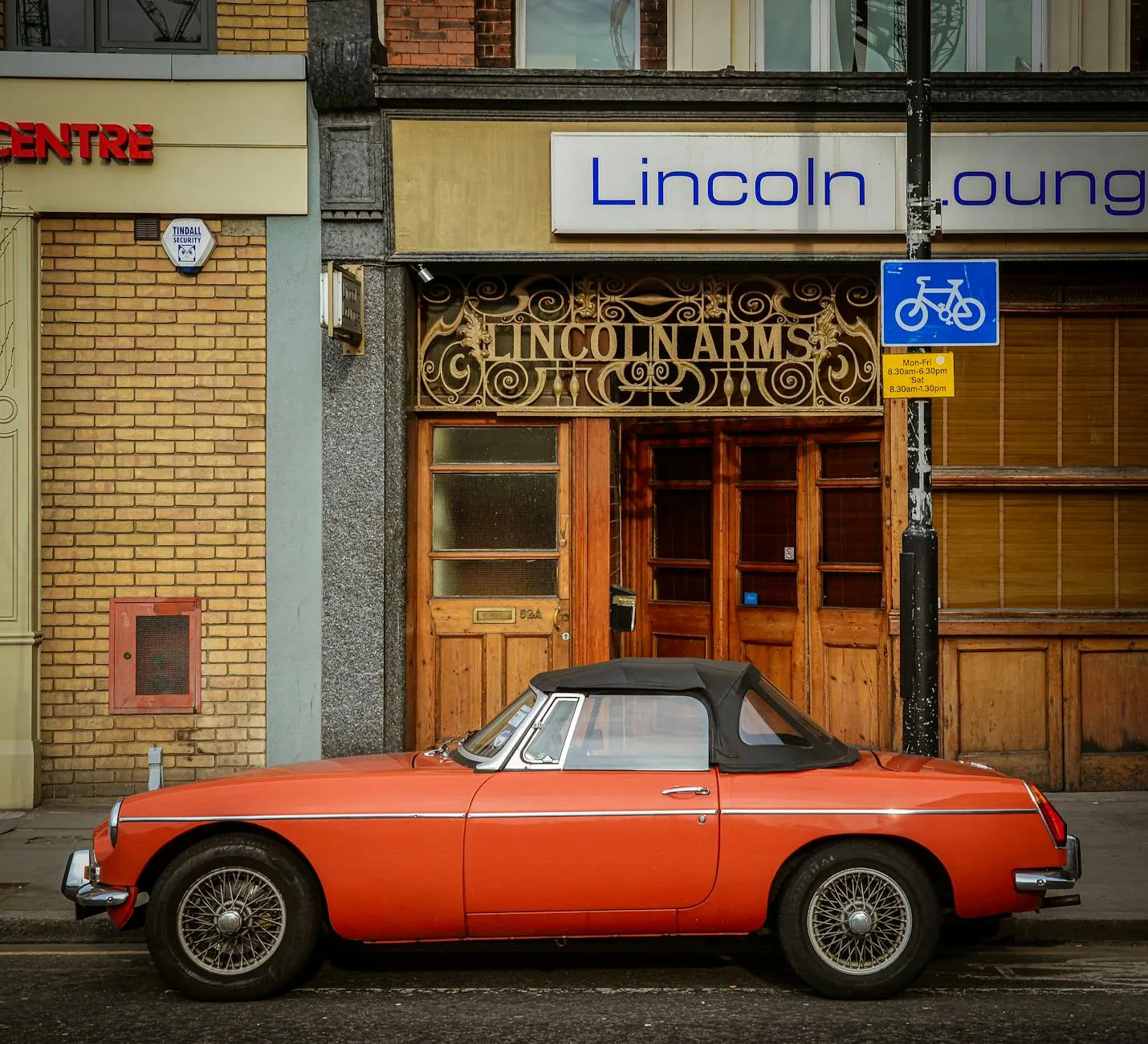 MG MGB: over half a million built, and still the easiest classic to own (1962–1980)
The MG MGB was the modern monocoque roadster that sold more than half a million and became, for years, the best-selling sports car in the world. A guide to the 1.8-litre B-series, the three-bearing and five-bearing engines, the all-important chrome-bumper versus rubber-bumper divide, and the checks that matter before buying one.
-
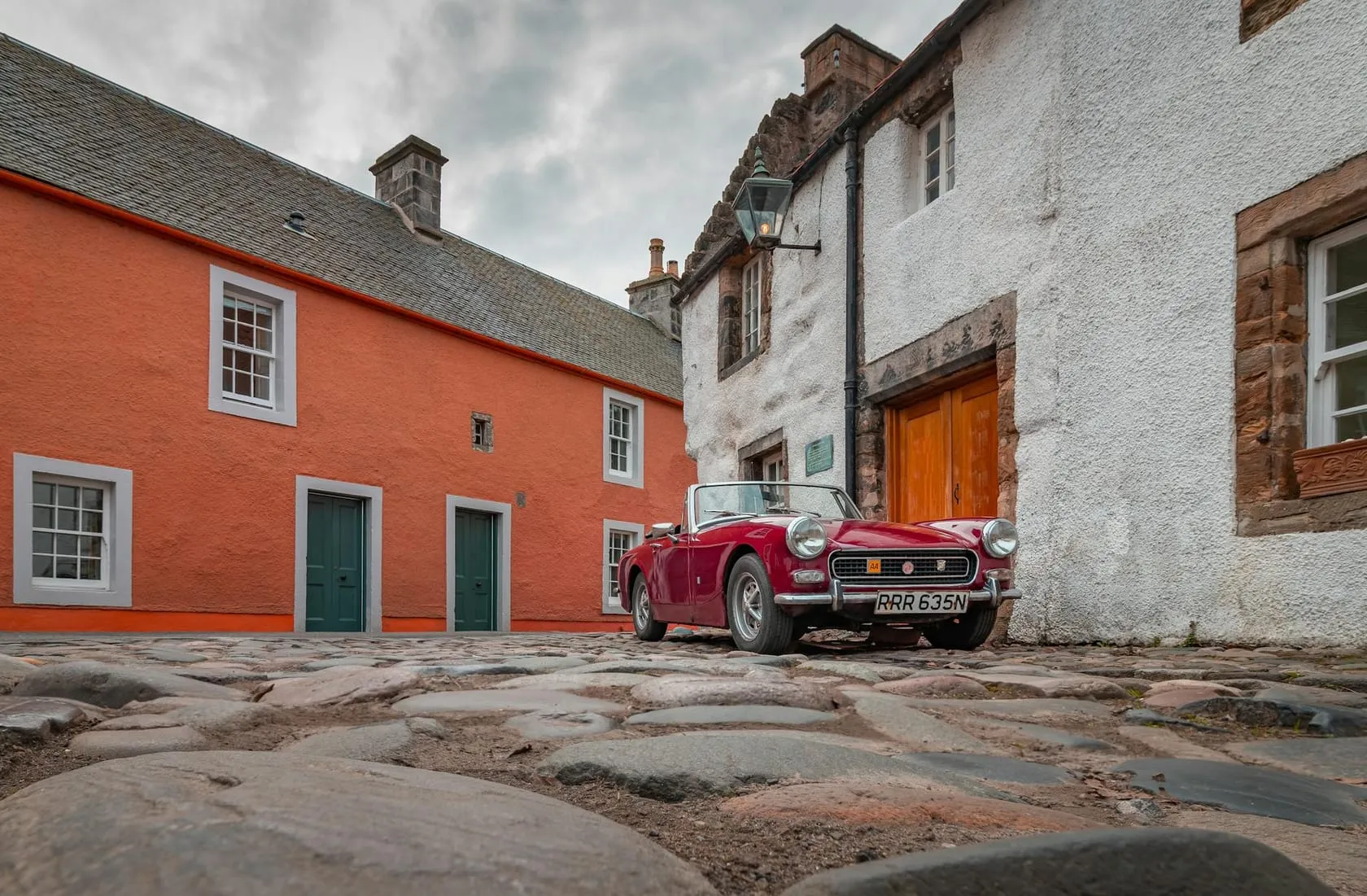 MG Midget: a Sprite in MG clothing, and the cheapest way into the marque (1961–1979)
The MG Midget was the tiny, nimble, affordable roadster built alongside its near-identical twin the Austin-Healey Sprite, and the cheapest way into classic MG ownership. A guide to the marks and engines, the curious 1500 that used a Triumph engine, the chrome and rubber bumper cars, the round and square arches, and what to look for when buying.
-
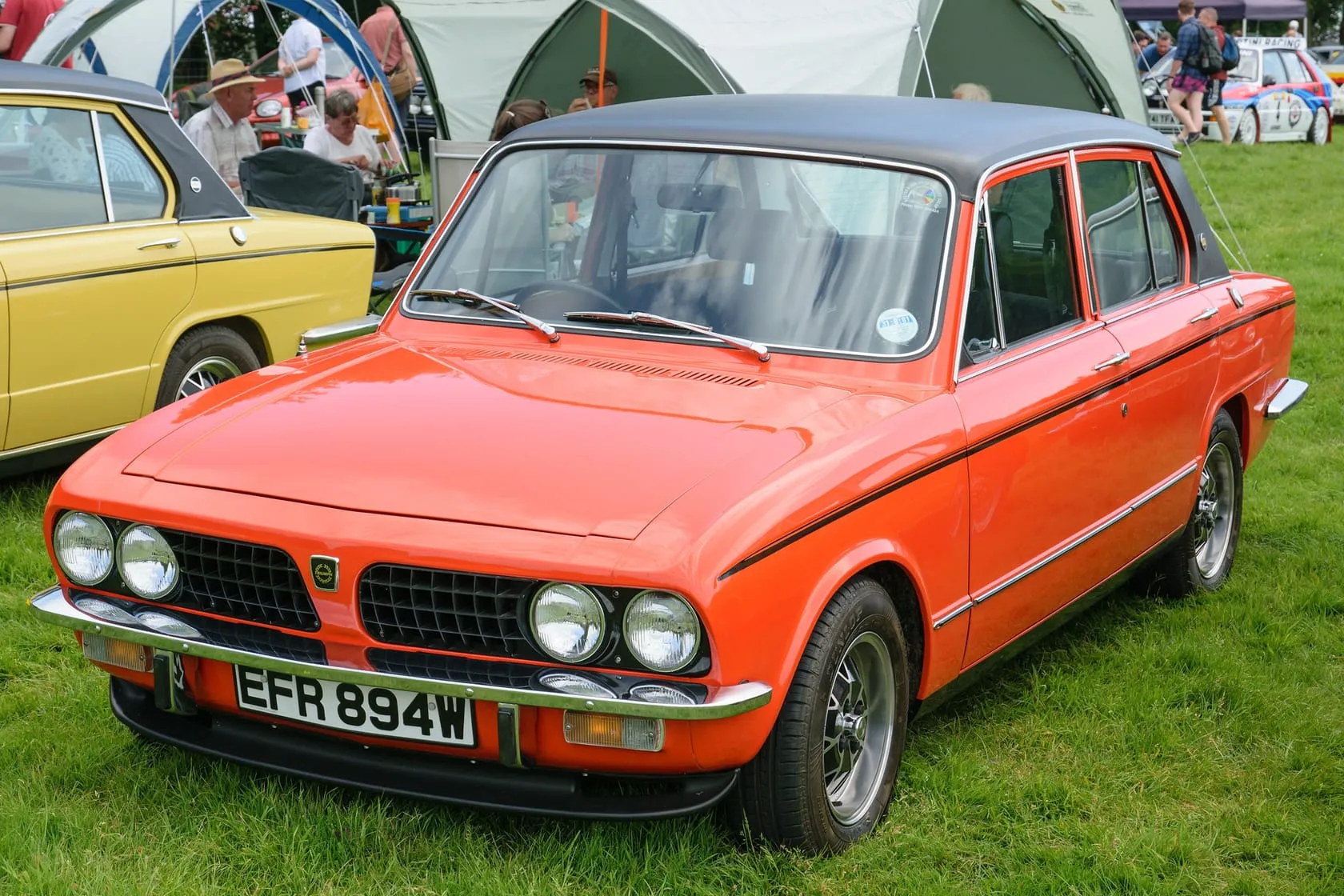 Triumph Dolomite Sprint: the 16-valve saloon that beat the world (1973–1980)
The Triumph Dolomite Sprint was British Leyland's answer to the BMW 2002, a compact sporting saloon whose clever single-cam 16-valve engine reached the mass market a decade ahead of the rest, and the first British car with alloy wheels as standard. A guide to the engineering, the racing success, what to look for when buying, and what they are worth.
-
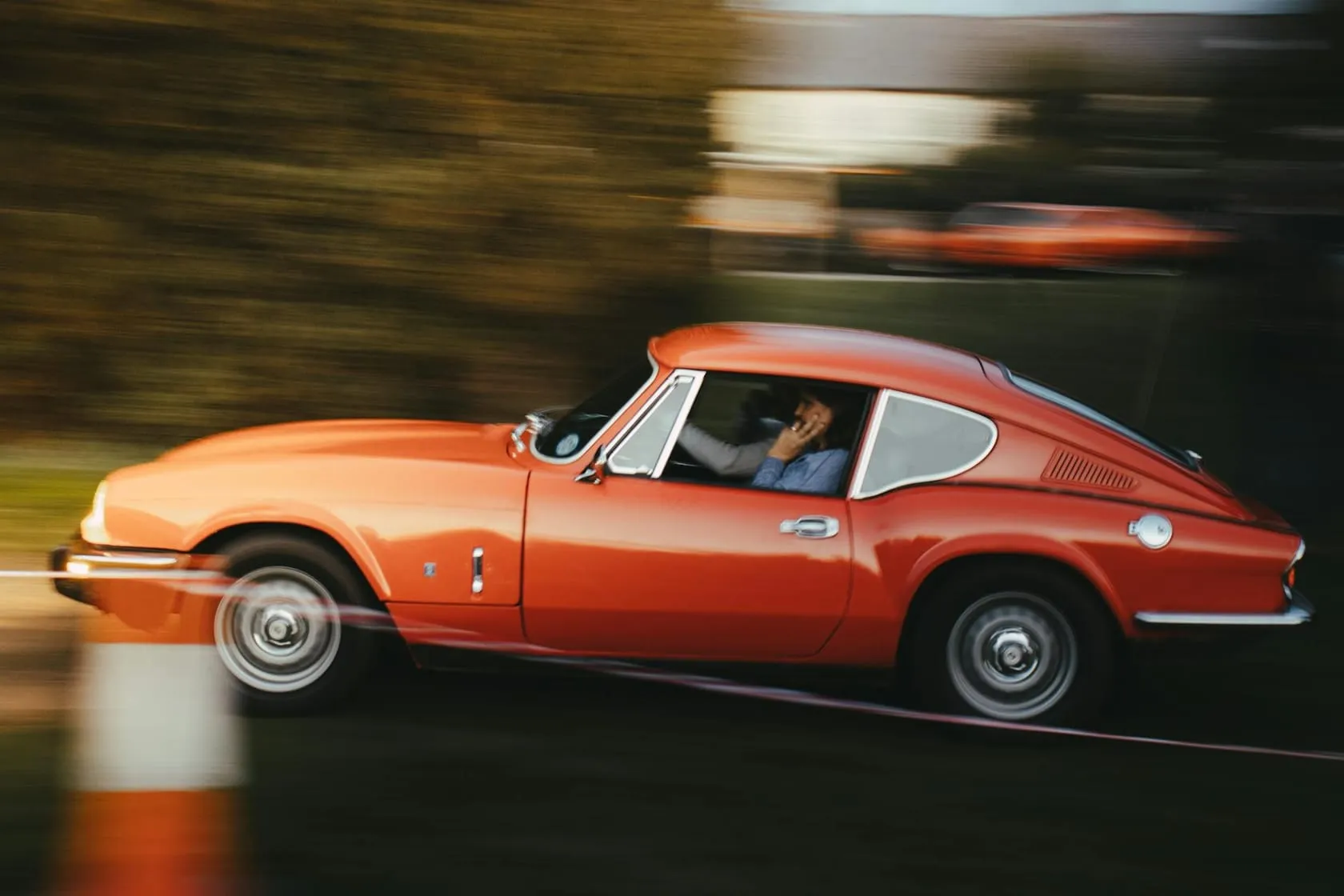 Triumph GT6: the poor man's E-Type (1966–1973)
The Triumph GT6 was a handsome six-cylinder fastback coupe on the Spitfire platform, nicknamed the baby E-Type, whose tricky swing-axle handling was famously cured by the Rotoflex rear suspension of the Mk2. A guide to the three marks, the handling saga, the Rotoflex fix, and what to look for when buying one.
-
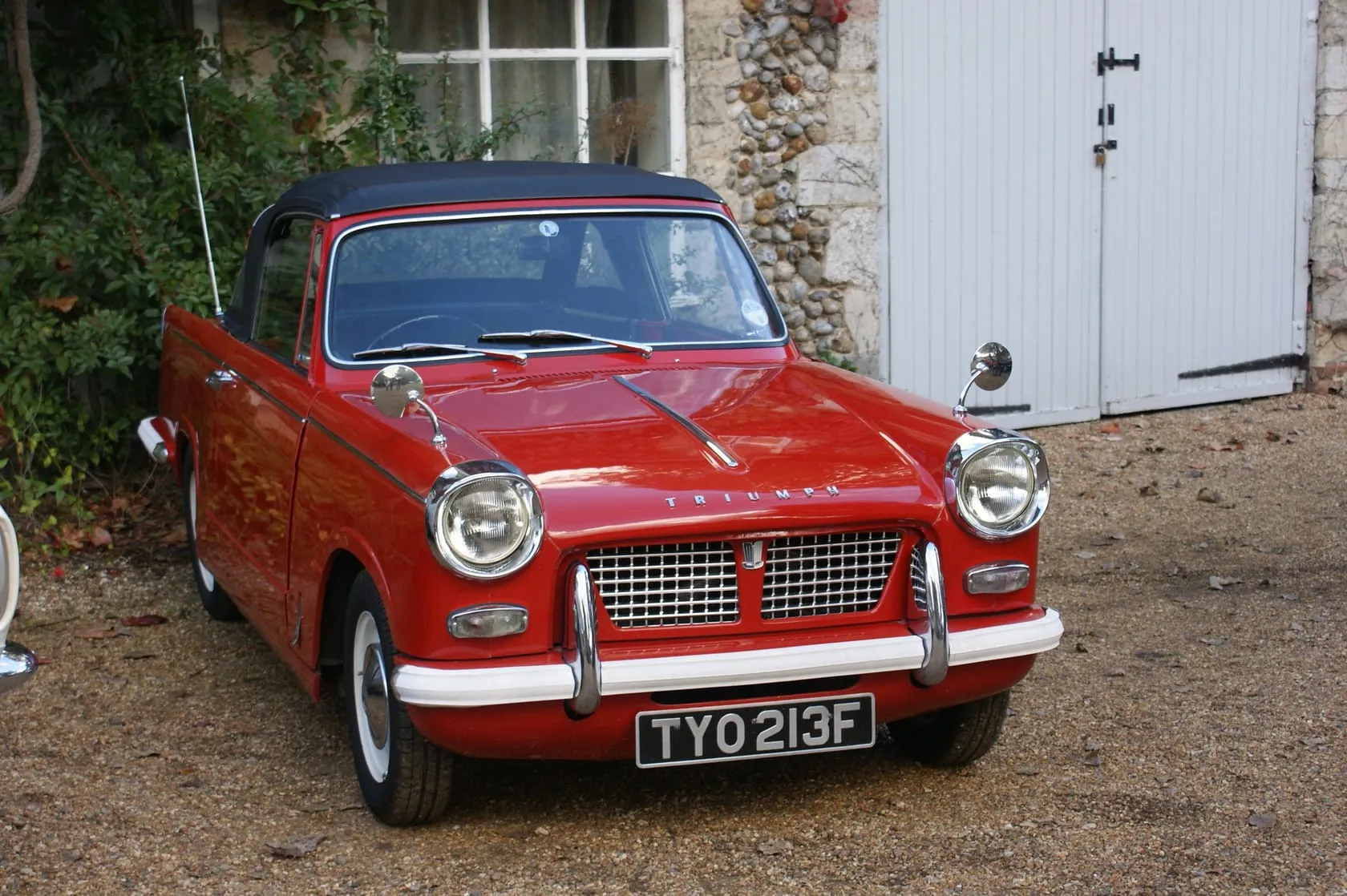 Triumph Herald: a bolt-together chassis that saved Standard-Triumph (1959–1971)
The Triumph Herald was the charming, infinitely fixable small car whose separate bolt-together chassis, born of a body-supply crisis, saved Standard-Triumph and spawned the Spitfire, Vitesse and GT6. A guide to the 948, 1200, 12/50 and 13/60, the famous turning circle and tilt-forward bonnet, what to look for, and what they are worth.
-
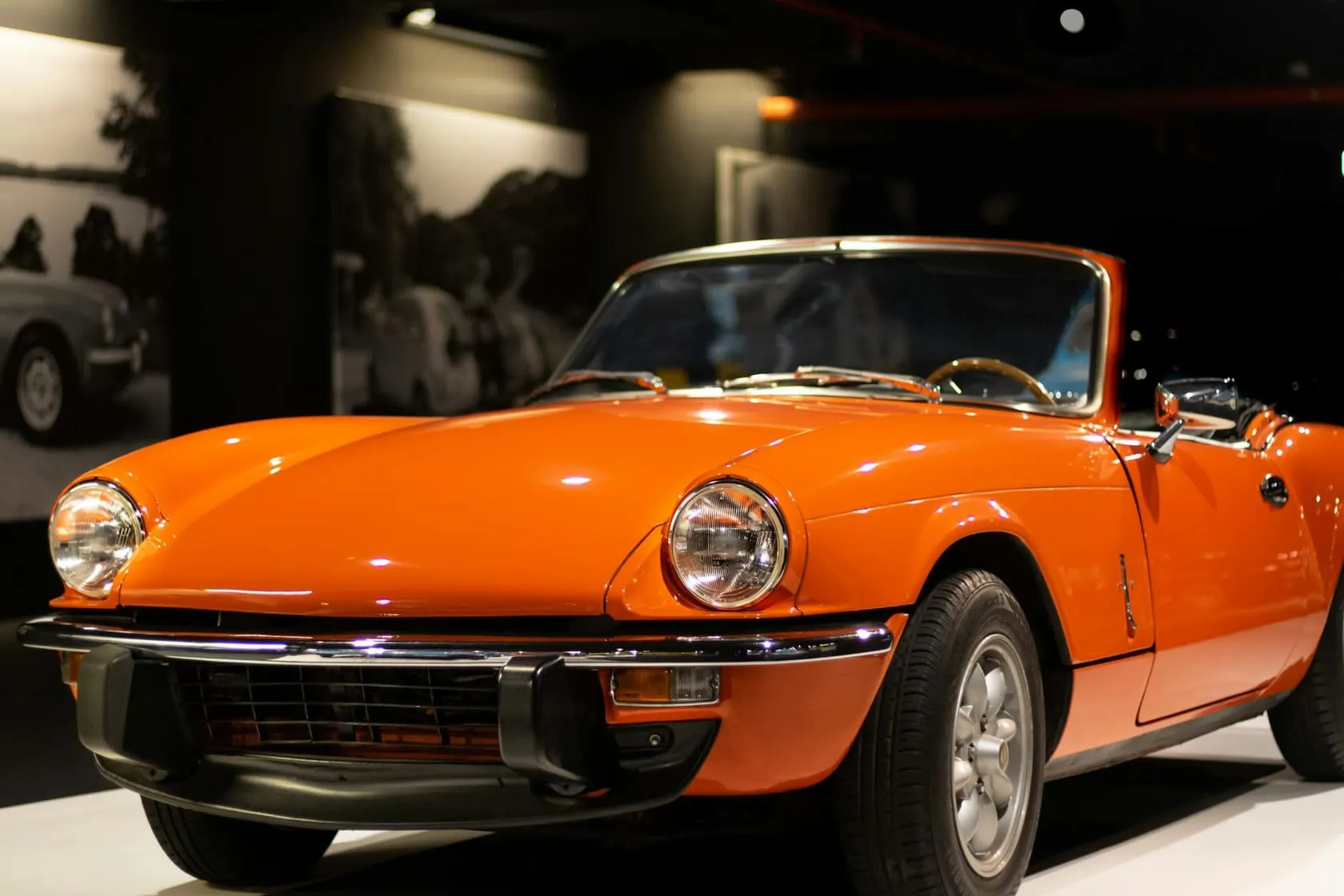 Triumph Spitfire: a real roadster on a shortened saloon chassis (1962–1980)
The Triumph Spitfire was the affordable open sports car that put a real roadster within reach of ordinary buyers, an MG Midget rival with a forward-tilting bonnet and a tight turning circle. A guide to the five marks, the swing-axle handling and its fix, what to look for, and why it is still one of the cheapest ways into classic British sports-car ownership.
-
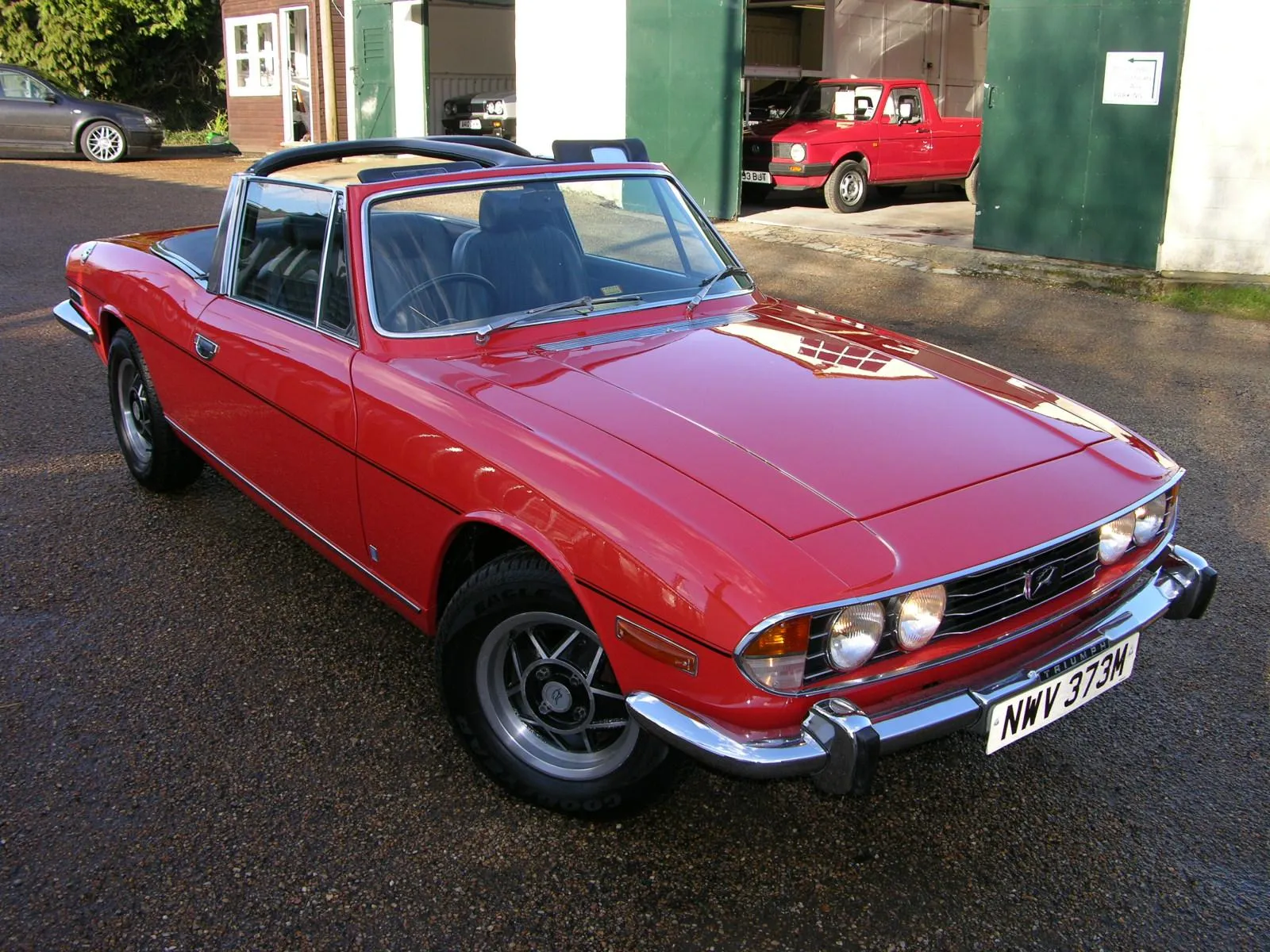 Triumph Stag: the V8 grand tourer that lived down its reputation (1970–1977)
The Triumph Stag was a glamorous Michelotti-styled 2+2 convertible with a bespoke 3.0-litre V8, conceived to rival the Mercedes SL but undone by a notorious cooling problem. A guide to the engine saga and why it overheated, what a properly sorted car is like, and what to look for when buying one now the reputation has been rehabilitated.
-
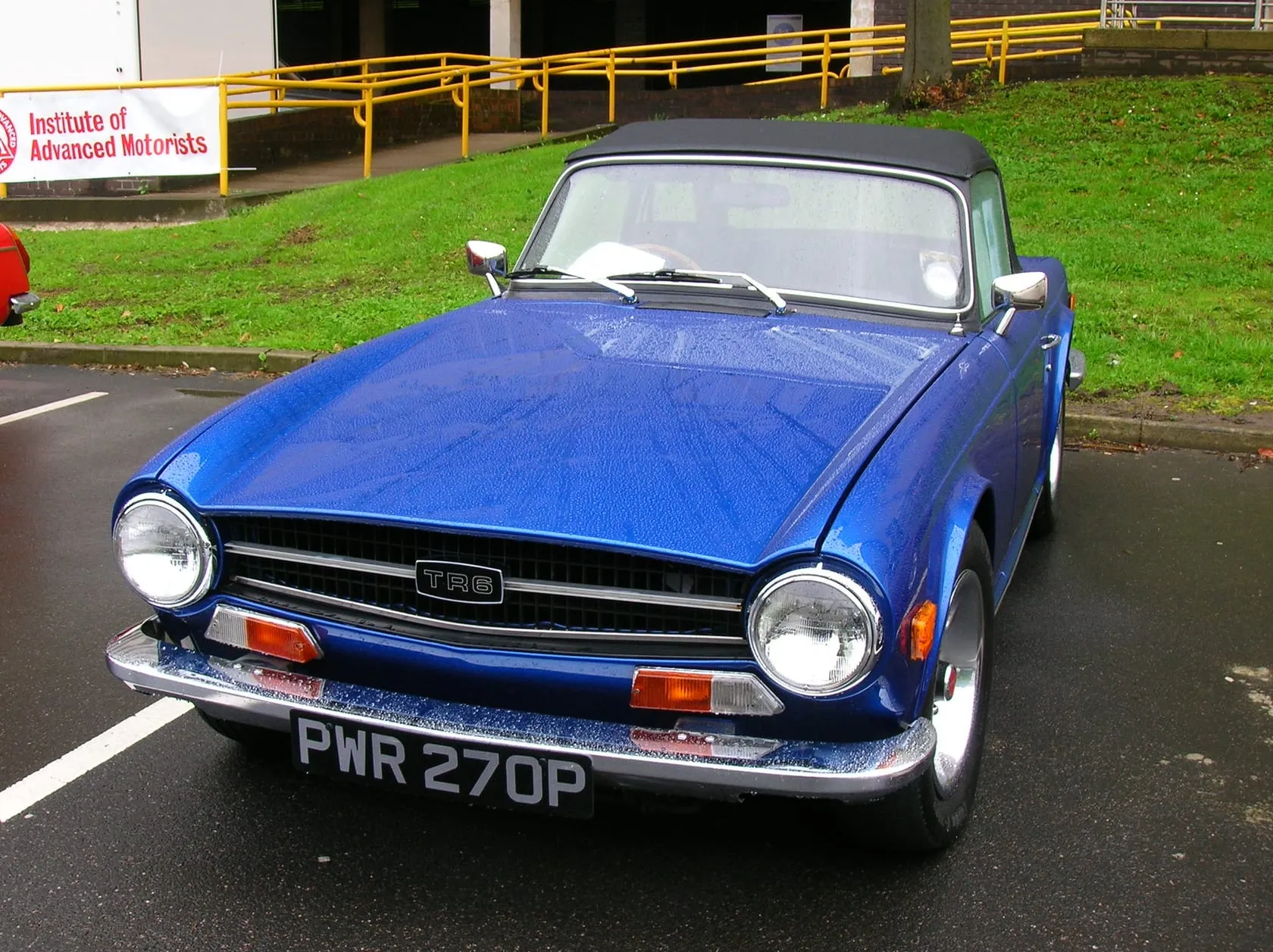 Triumph TR6: the last of the hairy-chested roadsters (1968–1976)
The Triumph TR6 was the best-selling TR and the last of the traditional separate-chassis British sports cars, a muscular Karmann-restyled roadster with a 2.5-litre straight-six and, on home-market cars, Lucas fuel injection. A guide to the PI-versus-carburettor cars, the CP and CR distinction, and the buying checks that matter most.
-
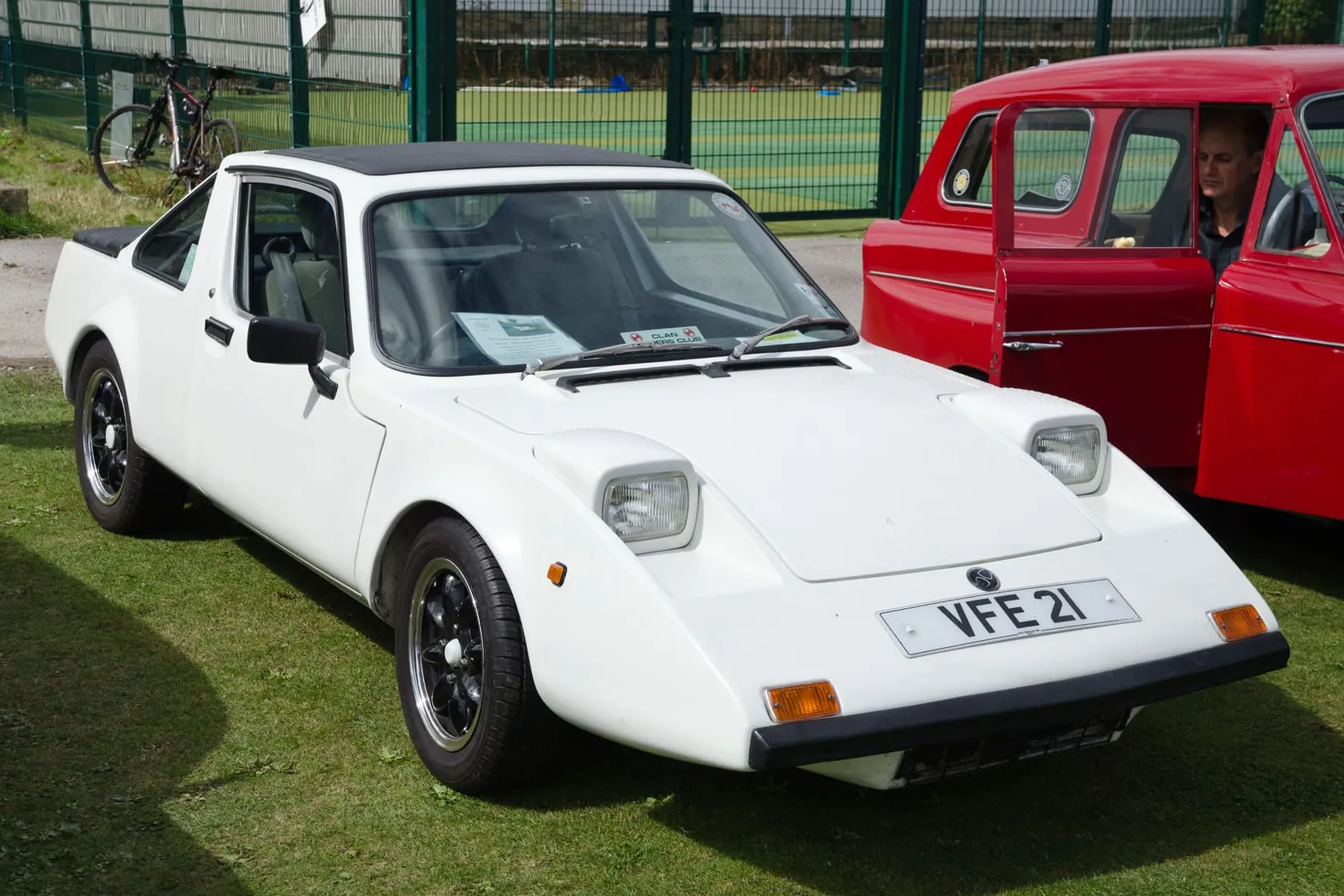 Clan Crusader: the Lotus engineers' fibreglass underdog (1971–1973)
The Clan Crusader was a tiny rear-engined glass-fibre coupe designed by ex-Lotus engineers, built around Hillman Imp mechanicals in County Durham, and so strongly made it passed a 30 mph crash test almost no kit-car maker even attempted. It was selling well when the 1973 tax change killed it. A guide to the history, the cars, what to look for, and what they are worth.
-
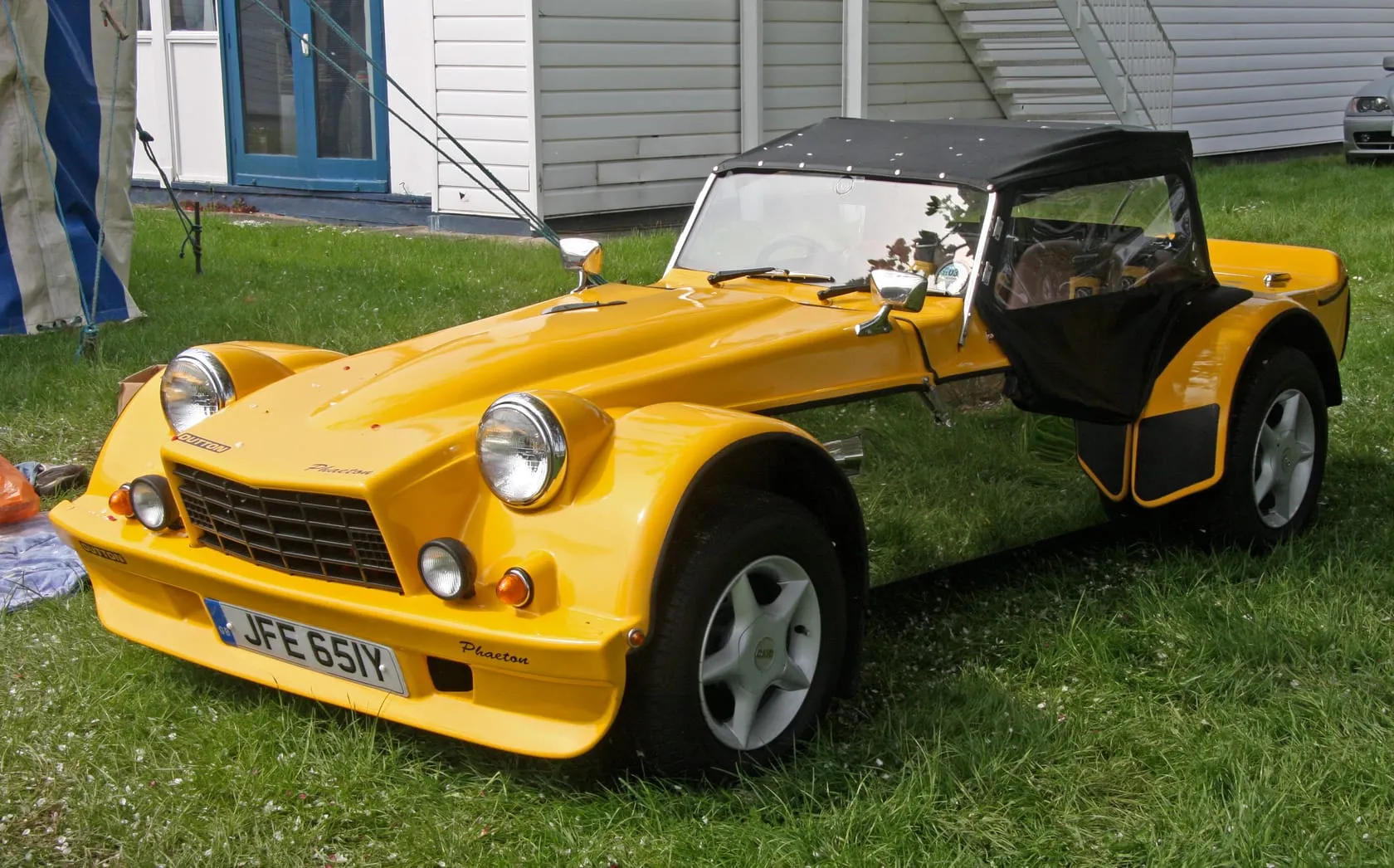 Dutton: the biggest kit-car maker in the world (1970–1989)
Dutton was reckoned the most prolific kit-car maker in the world, building cheap glass-fibre sports cars and estates on Triumph and then Ford Escort running gear, and once beat Ford in the High Court for the right to keep calling one of its cars the Sierra. A guide to the models, the famous lawsuit, what to look for when buying, and what they are worth.
-
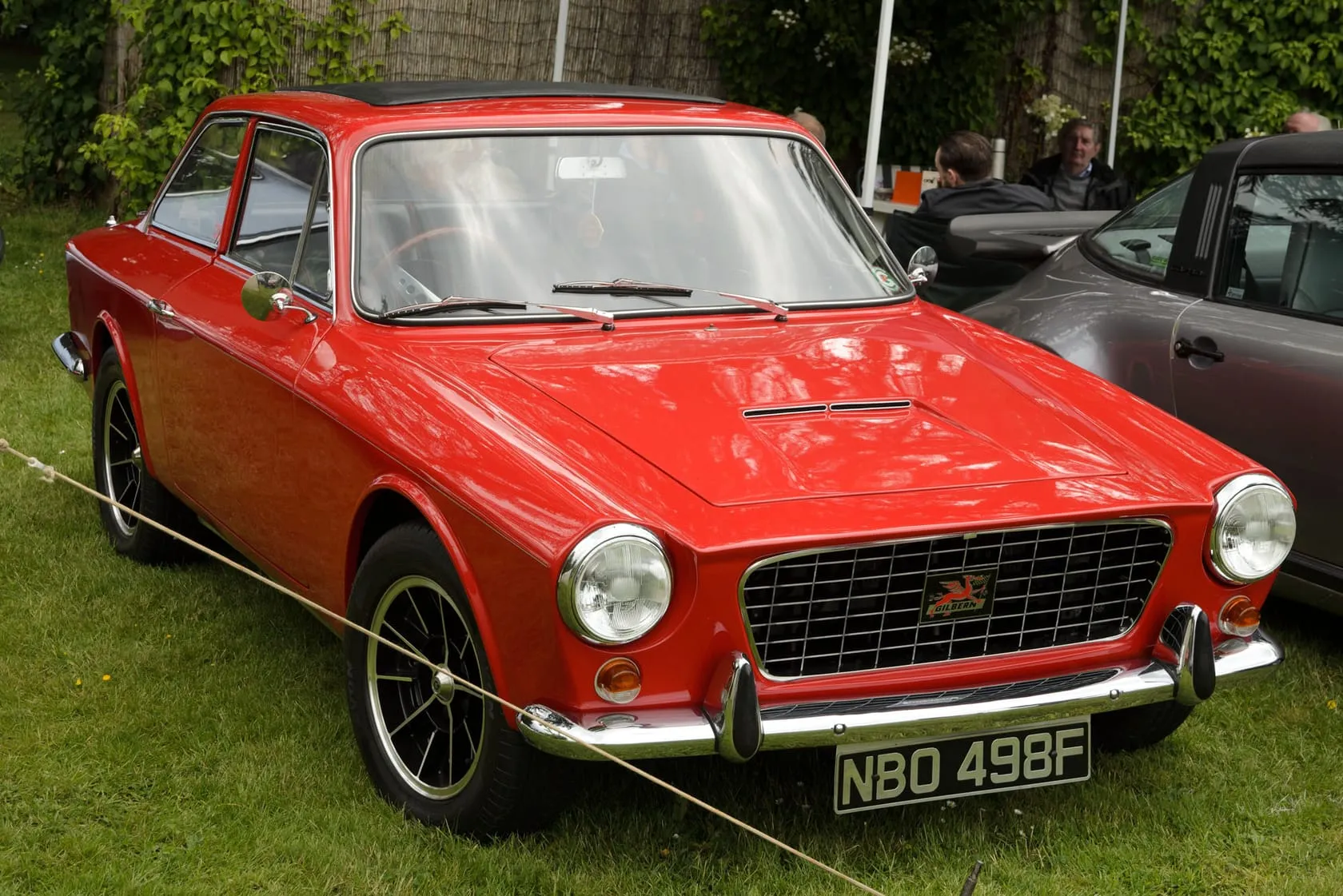 Gilbern: the only car ever built in Wales (1959–1973)
Gilbern was the only series-production car ever wholly built in Wales, a glass-fibre grand tourer that grew from a Pontypridd butcher's loft into a proper V6 GT. A guide to the GT, Genie and Invader, the butcher-and-engineer story, the royal owner, what to look for when buying, and what they are worth.
-
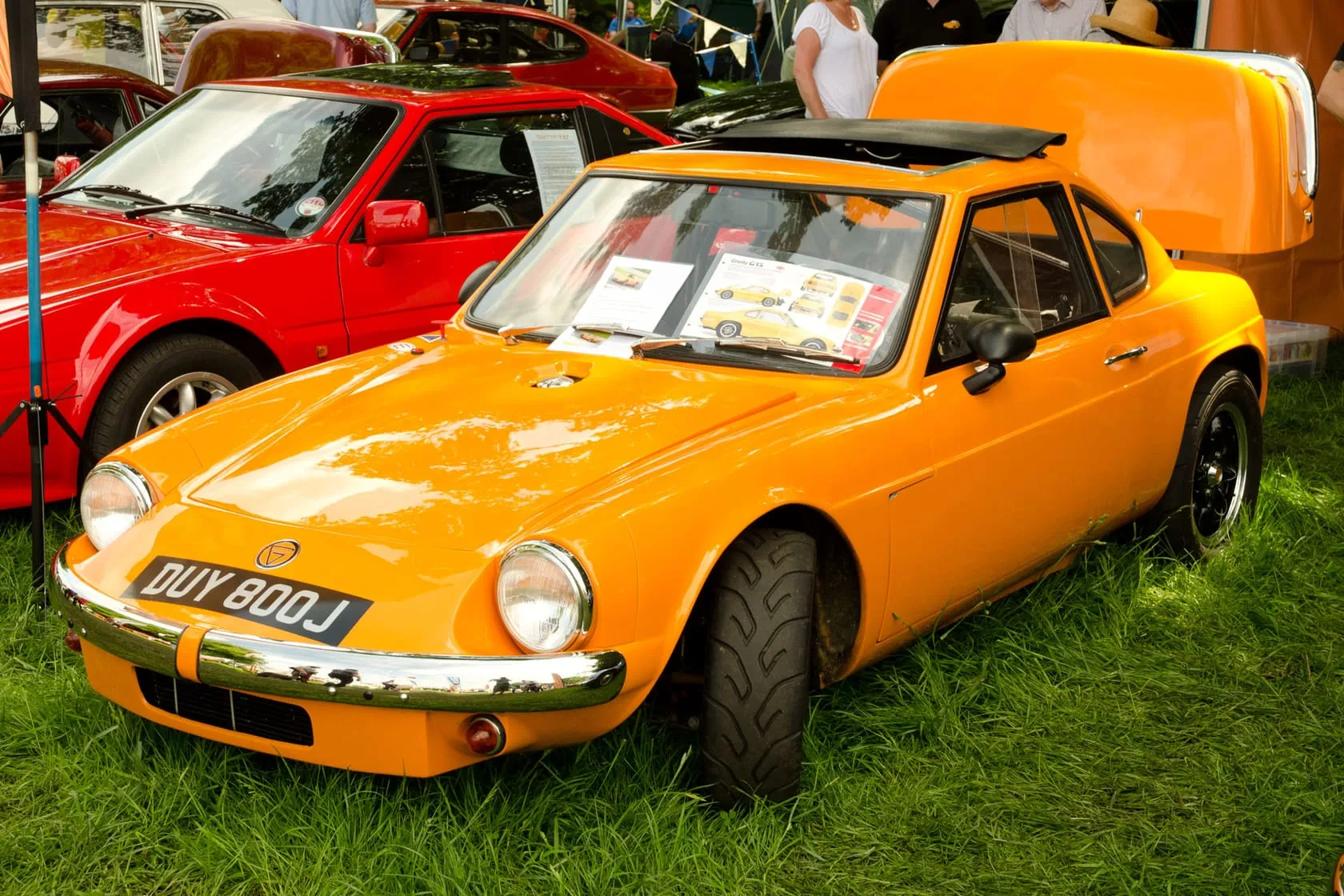 Ginetta G15: the Imp-powered baby GT the taxman killed (1968–1974)
The Ginetta G15 was a tiny, light, rear-engined glass-fibre coupe built by the Walklett brothers in Essex around the all-alloy Hillman Imp engine, sold in kit form to dodge purchase tax, and the most successful of the classic Ginettas before the 1973 VAT change ended it. A guide to the history, the cars, what to look for, and what they are worth.
- Jaguar XJ6 and XJ12 (1968–1992): Sir William Lyons' last saloon
The XJ6 of 1968 replaced Jaguar's entire saloon range with one car, and the period press could not find anything that drove better at any price. The three series, the smooth XK six and the V12, the Daimler siblings, and what to look for when buying the last Jaguar saloon designed under William Lyons.
-
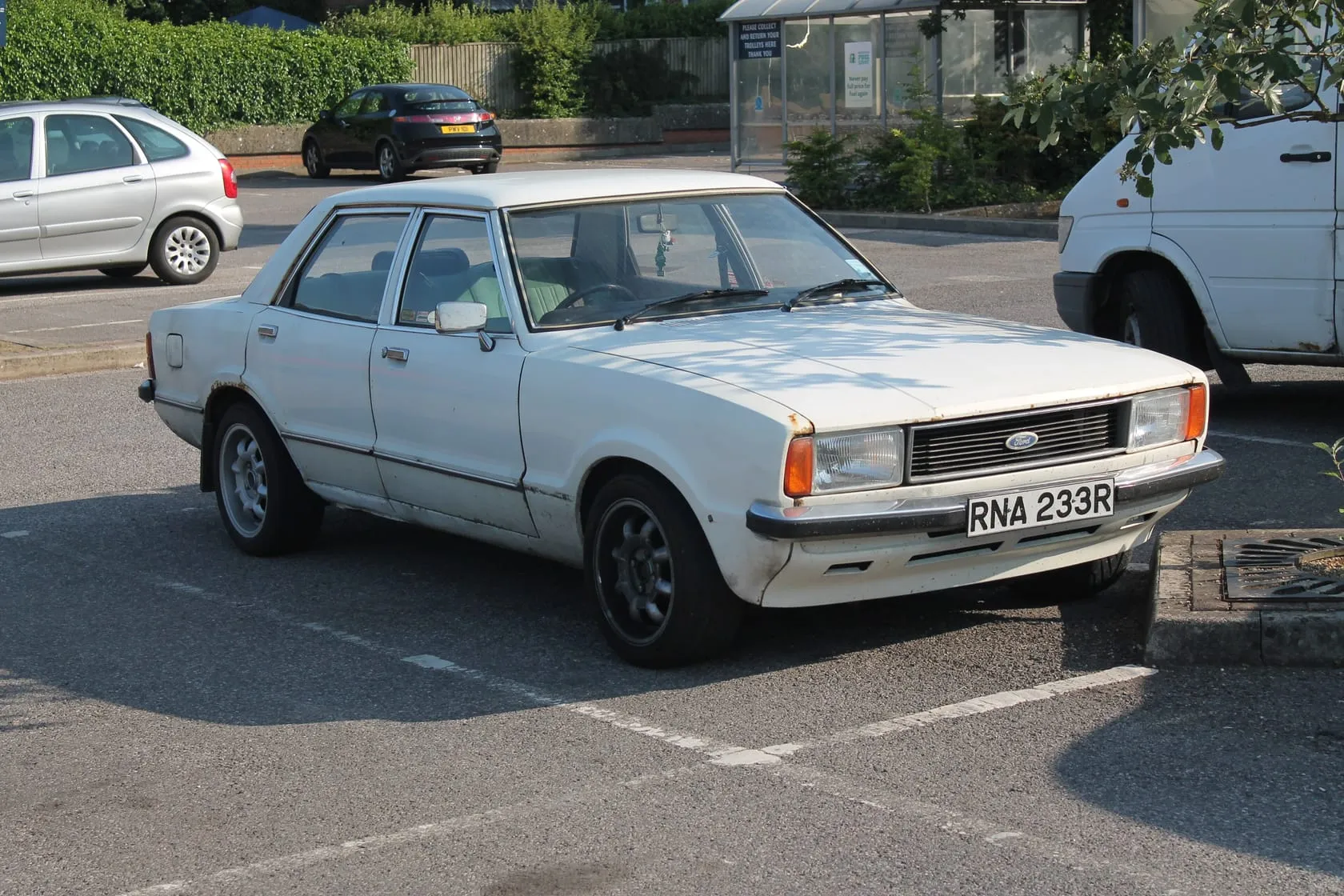 Ford Cortina Mk4 (1976–1979): the squared-off Cortina that stayed on top
The Cortina Mk4 of 1976 traded the Coke-bottle curves of the Mk3 for crisp Italian-influenced lines and finally shared its body fully with the German Taunus. It kept Ford's best-seller at the top of the British charts to the end of the decade. The development story, the range, and what the survivors are like now.
-
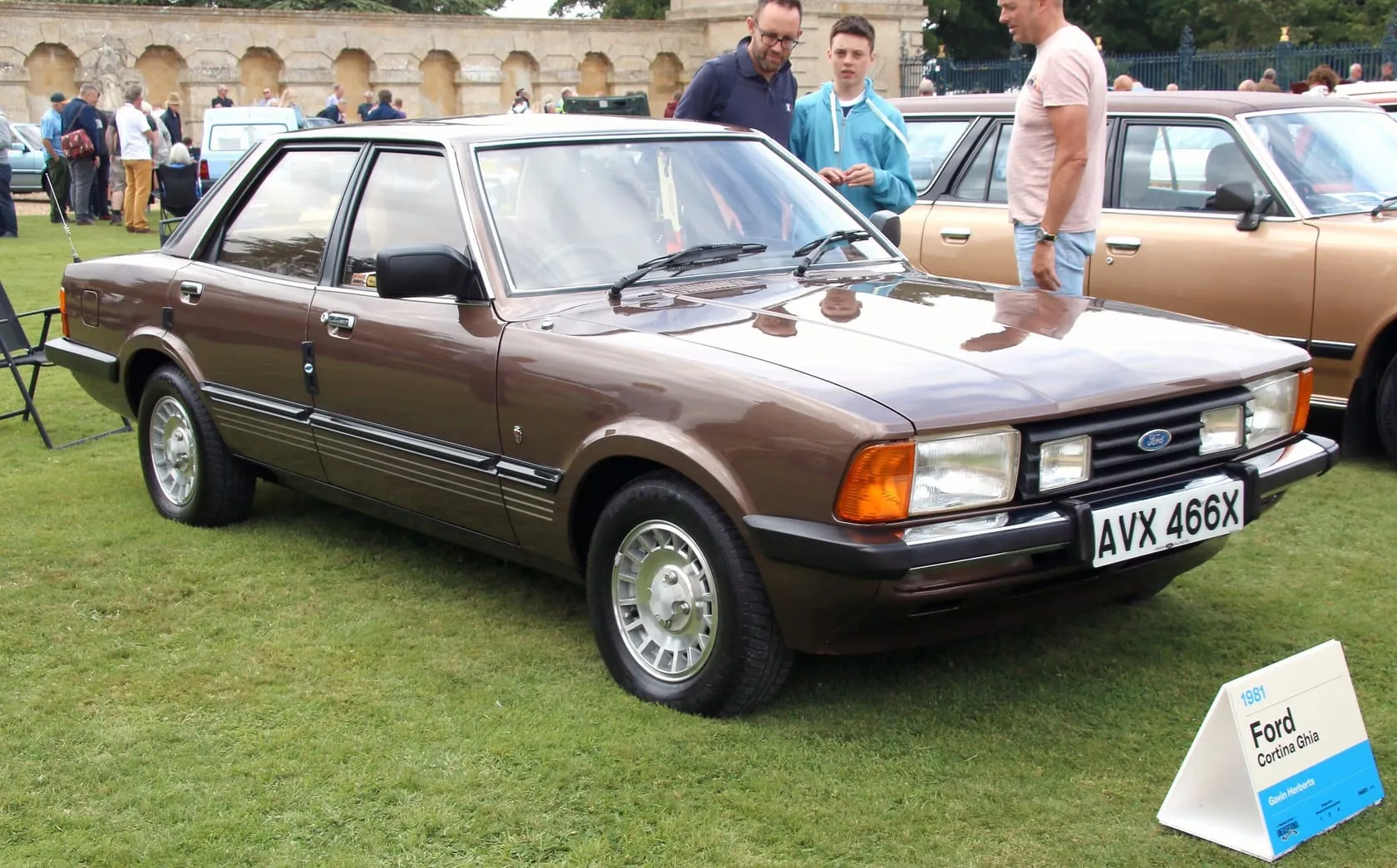 Ford Cortina Mk5 (1979–1982): the Cortina 80 and the end of the line
Ford called it the Cortina 80; Britain called it the Mk5. The 1979 facelift of the Mk4 was the last Cortina of all, holding the sales lead until the radical Sierra replaced it in 1982 and ended two decades of rear-drive Cortinas. The development story, the run-out, and the survivors.
-
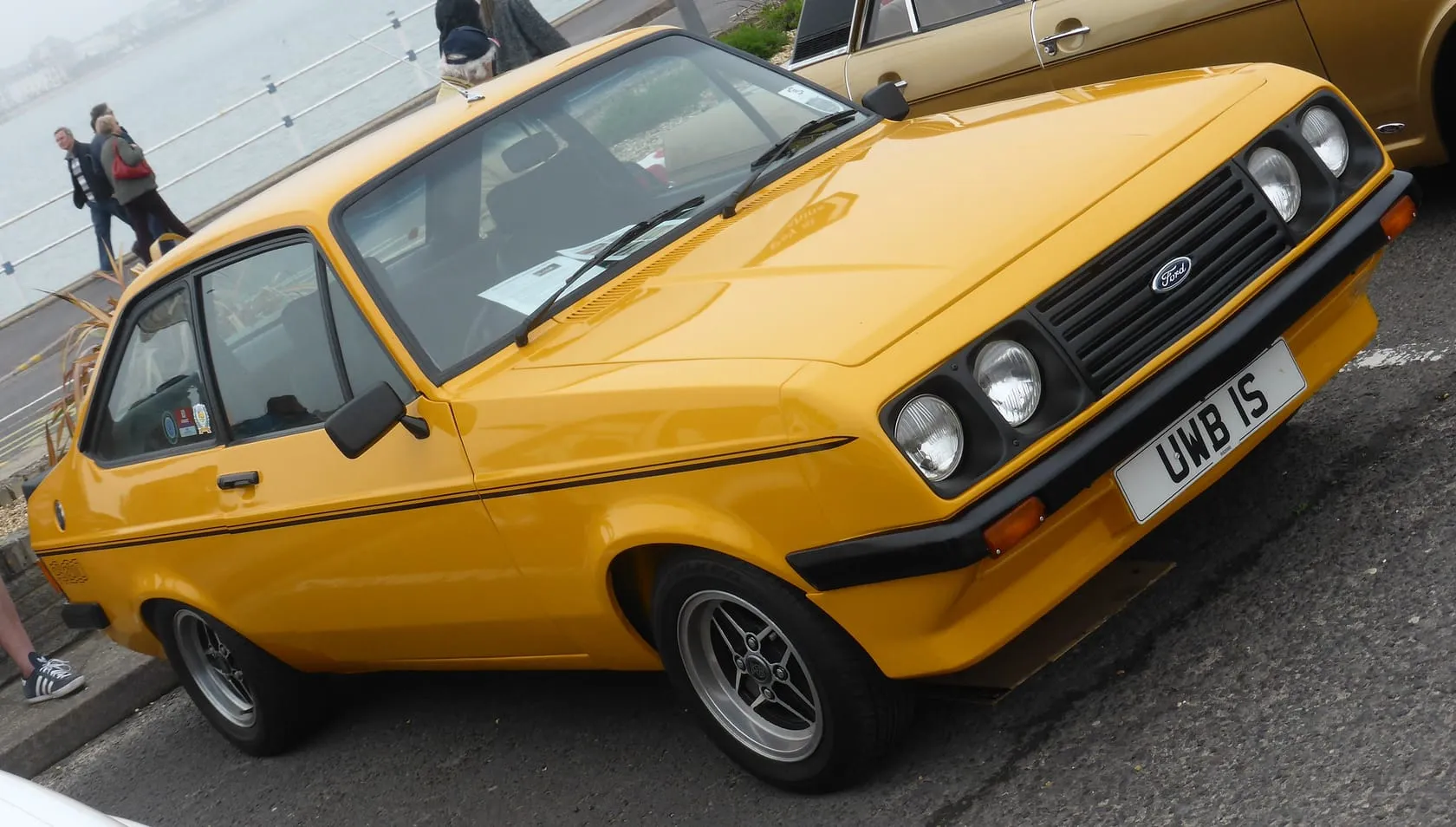 Ford Escort Mk2 (1975–1980): plain family car, world rally weapon
The squared-off Escort Mk2 of 1975 was a humble rear-drive family car that doubled as one of the most successful rally cars of all time. The RS1800, RS2000 and Mexico turned the badge into a legend while millions of ordinary Escorts did the school run. The development story, the rally cars, and the survivors.
-
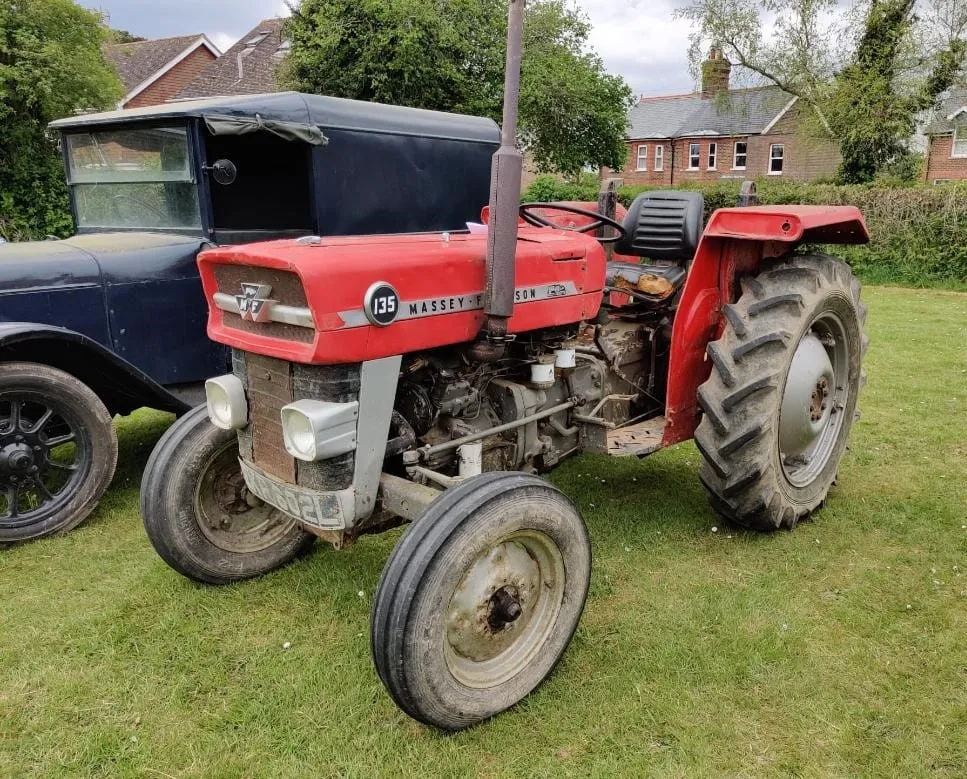 Massey Ferguson 135: the classic tractor everyone knows
The Massey Ferguson 135 is the most recognisable classic tractor in Britain, over 400,000 built at Coventry from 1964, simple, tough, and still working farms and shows today. Its history, the Perkins and Continental engines, the Multi-Power transmission, what to check when buying, and what a good one is worth.
-
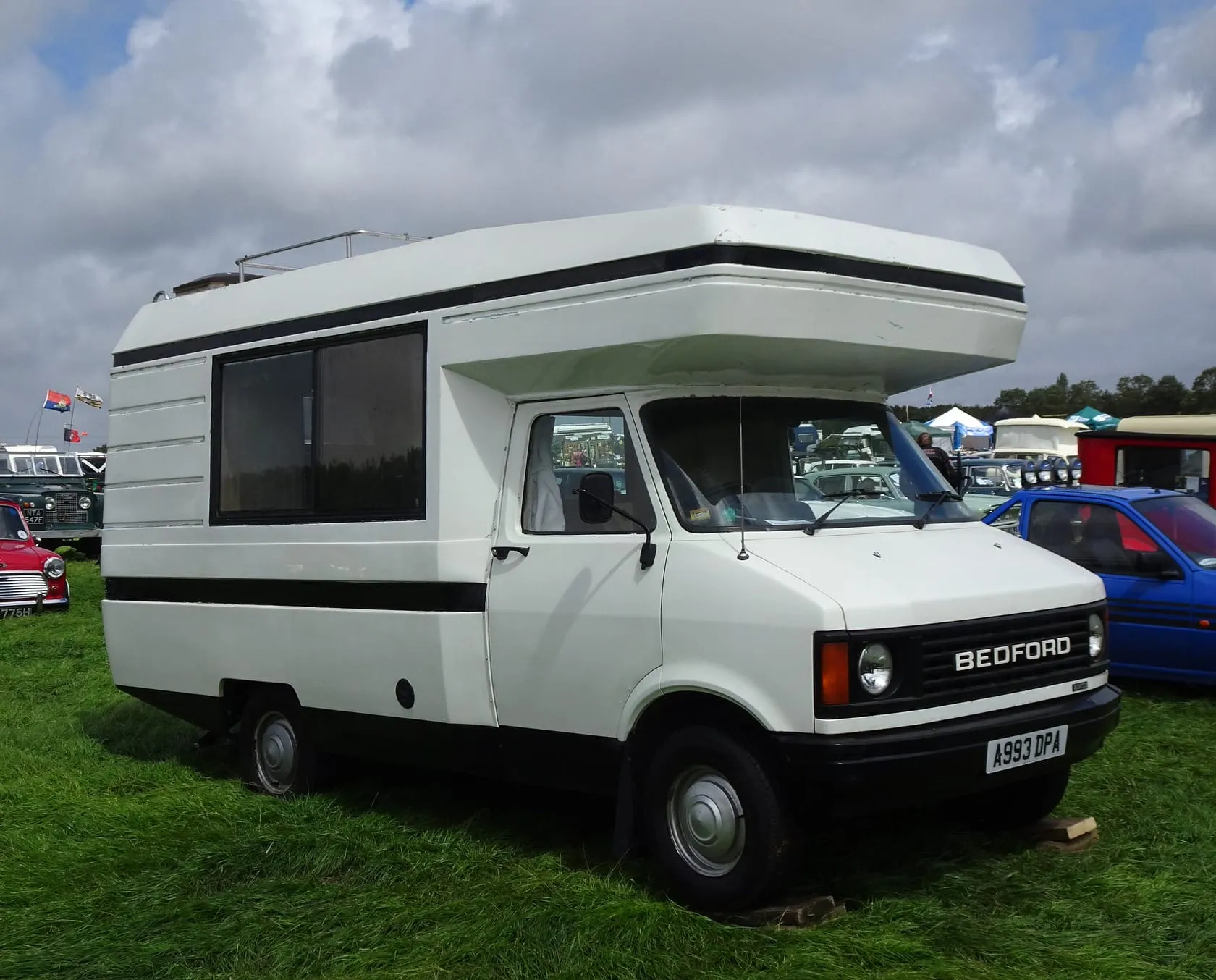 Bedford CF: the Transit rival that became a camper icon
The Bedford CF was Britain's home-grown rival to the Ford Transit, built from 1969 to the late 1980s and the base for a generation of campers, ambulances, and ice-cream vans. Its history, the Vauxhall engines, the variants, and what surviving CFs are worth.
-
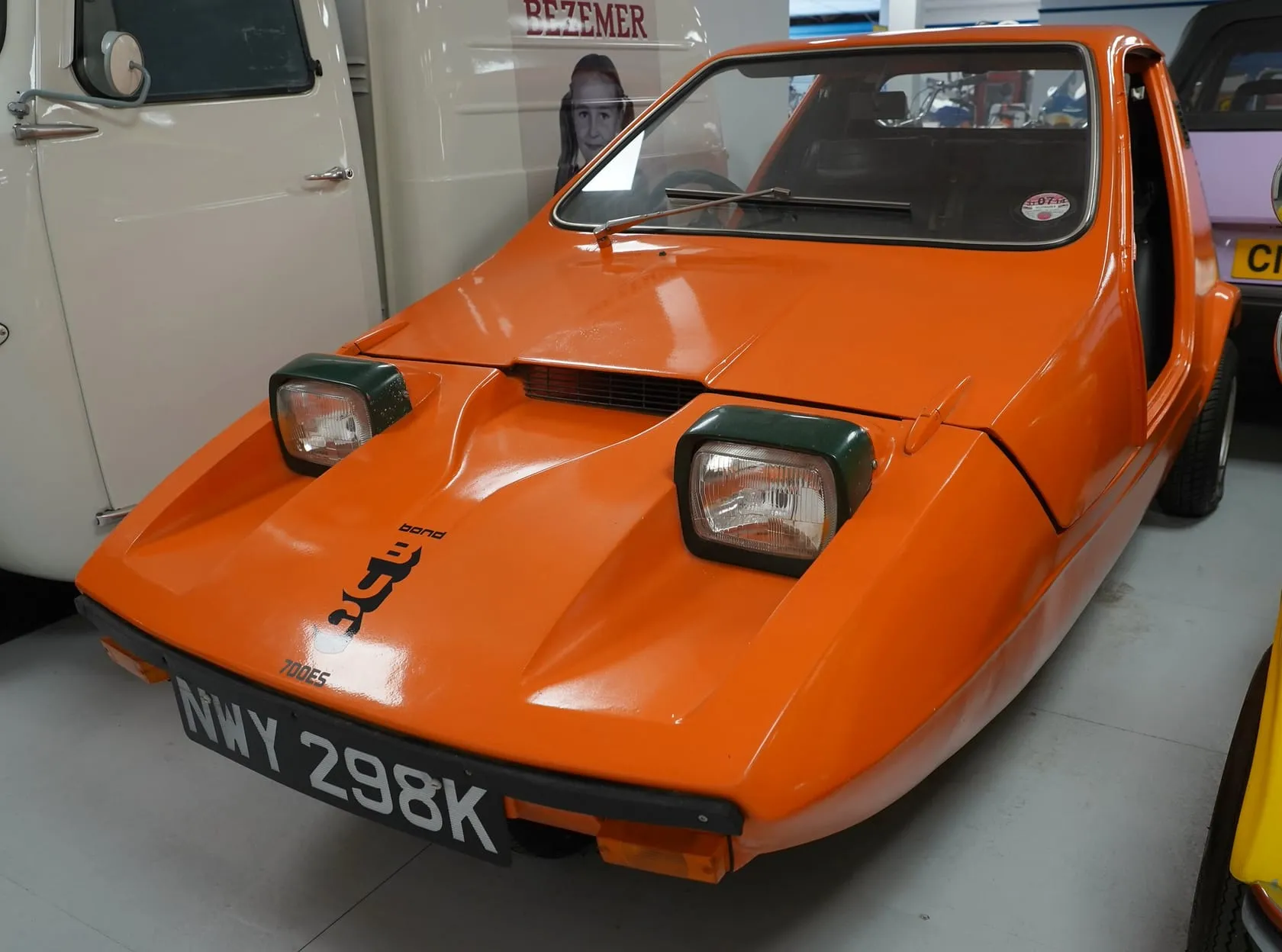 Bond Bug: Reliant's tangerine three-wheeler (1970–1974)
The Bond Bug is the tangerine, wedge-shaped three-wheeler Reliant built from 1970 to 1974, styled by Tom Karen of Ogle Design. Its origins, why a car this distinctive failed when new, its pop-culture afterlife, and what the survivors are worth today.
-
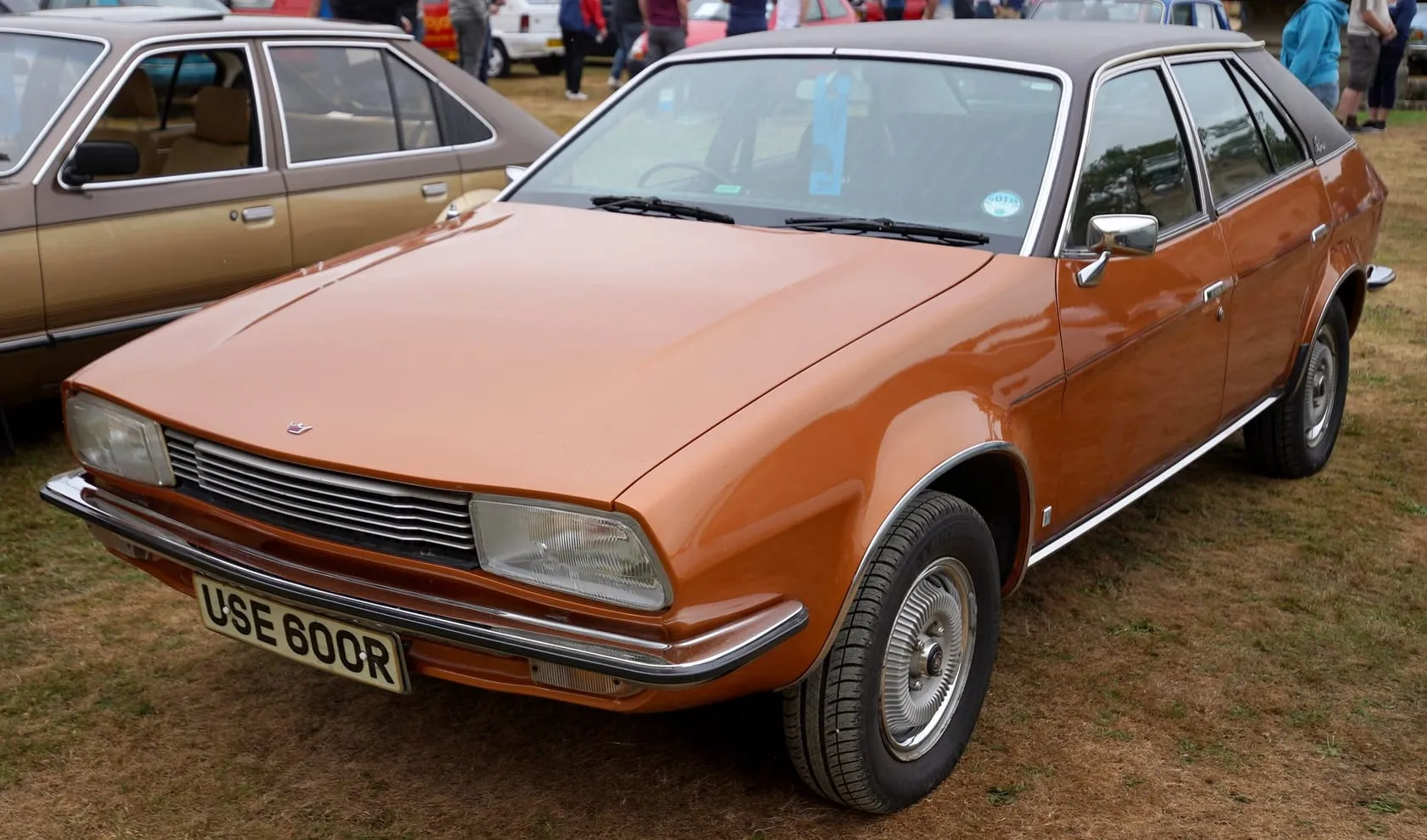 Austin Princess: the wedge that should have been a hatchback (1975–1981)
The Princess was Harris Mann's other wedge, a front-drive Hydragas-suspended family car that BL forgot to give a hatchback. A guide to the 18-22 launch confusion, the Princess 2, the Ambassador handover, what to look for, and what they're worth.
- Britain's troubled 1970s family saloons (and why they're worth a second look today)
British Leyland was supposed to dominate the 1970s family-saloon market and instead spent the decade losing it. The Marina and Princess fell short of plan. The Vauxhall Victor, Chevette, and Hillman Avenger took the volume. A piece on the five cars that defined the segment and why each is now worth a second look as a cheap British classic.
-
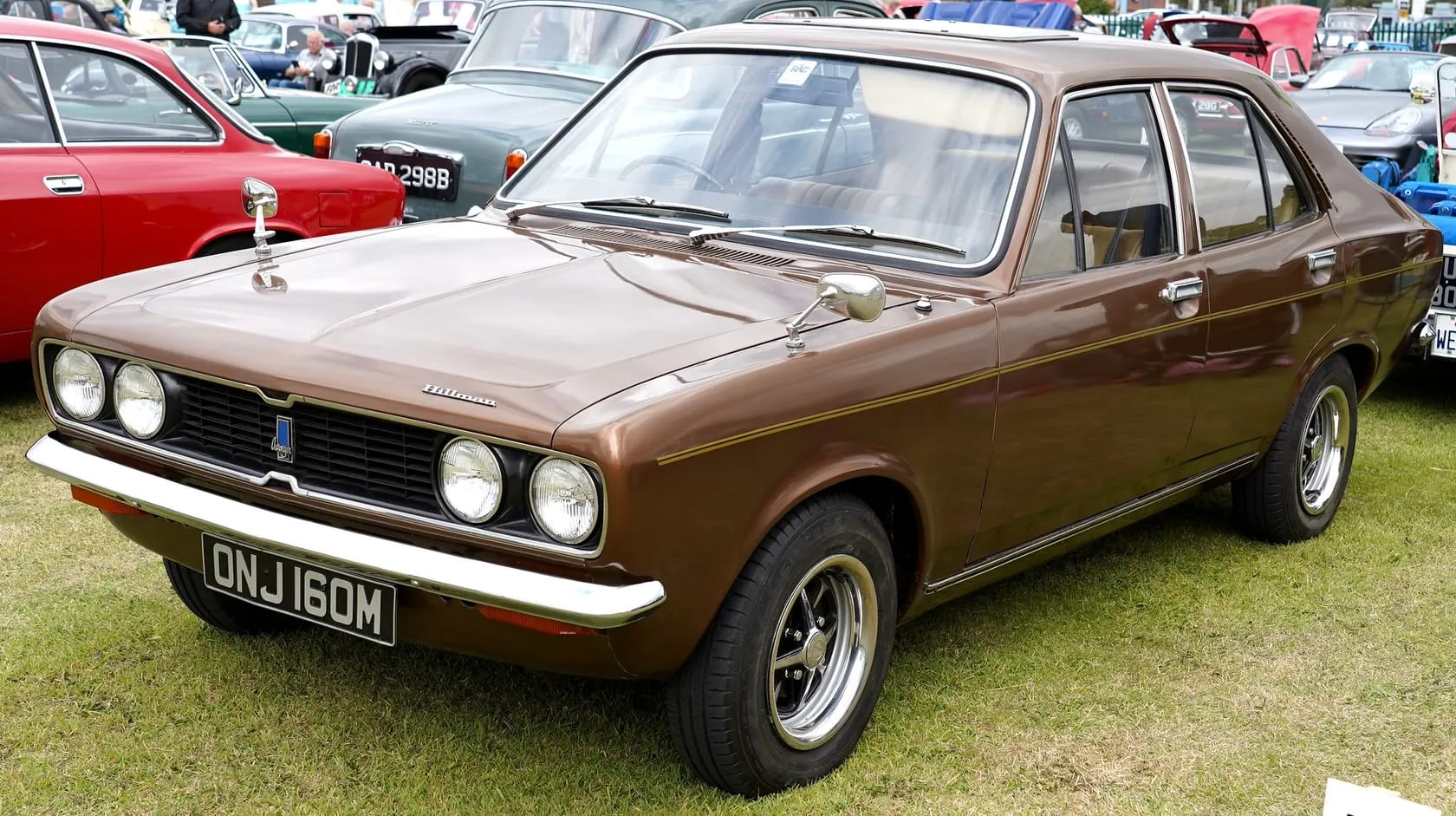 Hillman Avenger: the saloon that changed badge three times (1970–1981)
Rootes Group's last clean-sheet small saloon, sold as a Hillman, then a Chrysler, then a Talbot, with a yellow rally homologation Tiger in the middle of it. A guide to the lineage, the Tiger, what to look for, and what they're worth.
-
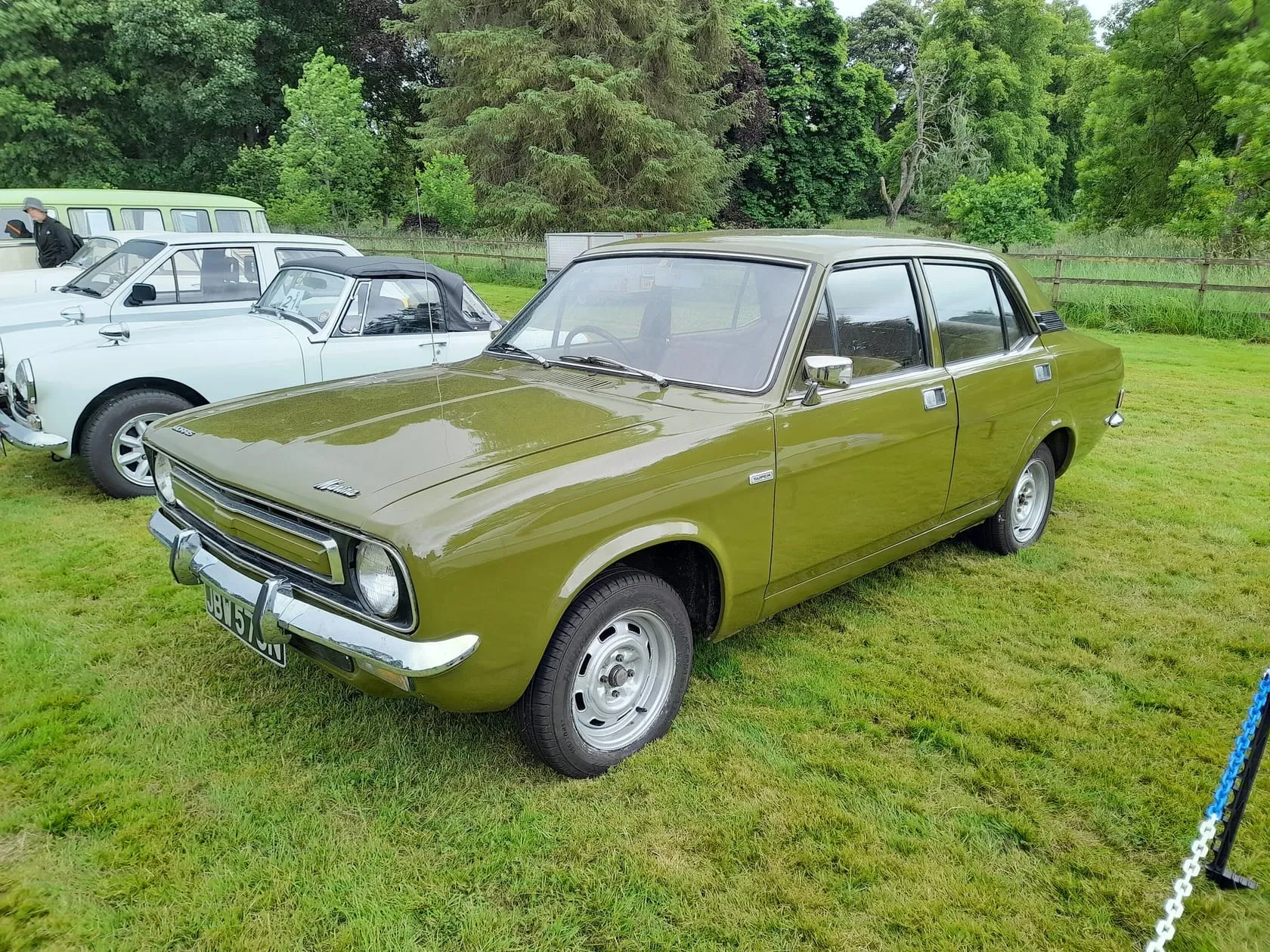 Morris Marina: British Leyland's million-selling problem child (1971–1980)
The Morris Marina sold over a million cars, finished last in nearly every road test, ran on a front suspension dating from 1948, and survived in such small numbers that finding a clean one today is a real search. A guide to the lineage, the Ital handover, what to look for, and what they're worth.
-
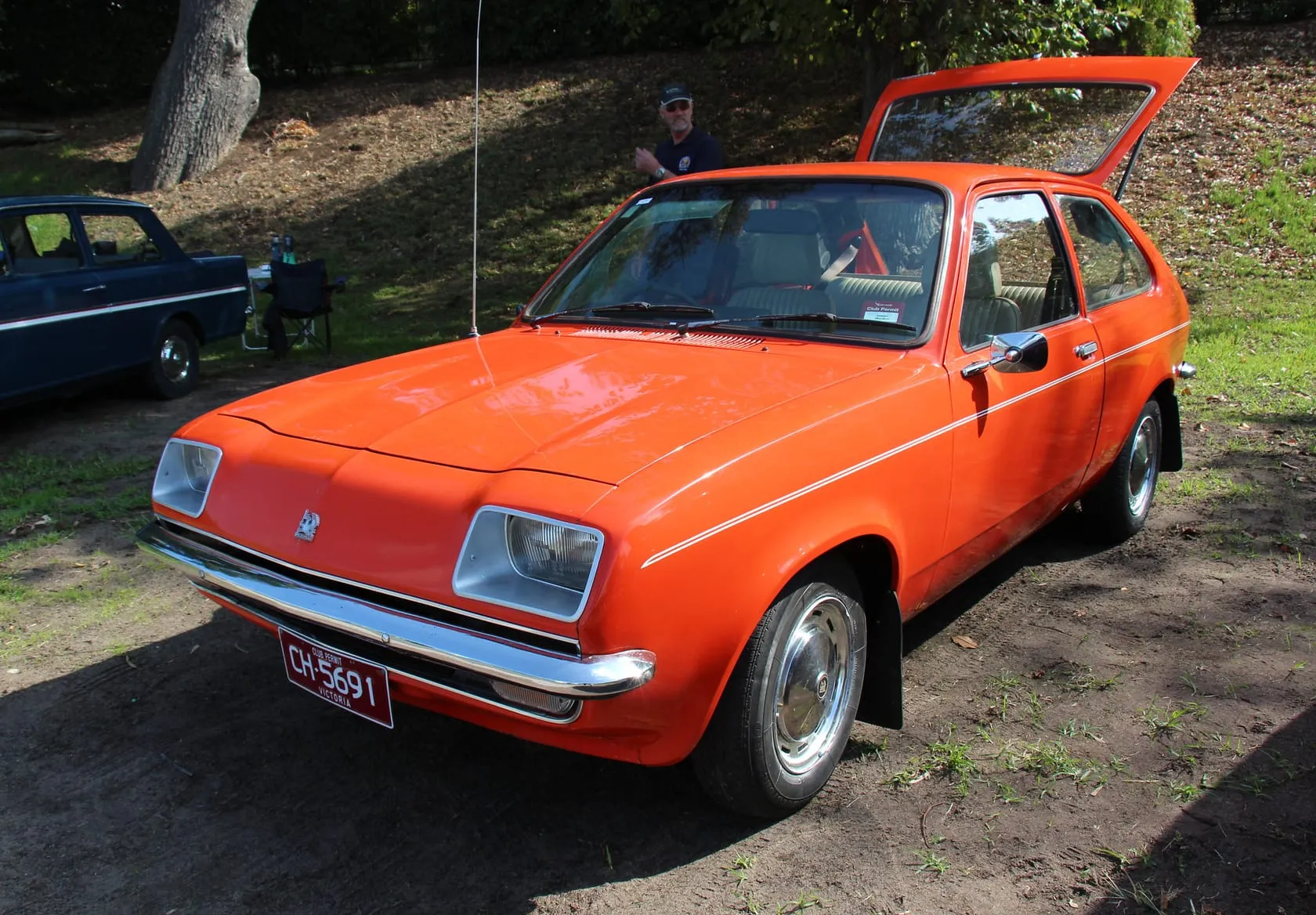 Vauxhall Chevette: the shovel-nose hatchback that beat Ford to it (1975–1984)
The Vauxhall Chevette was Britain's best-selling hatchback for parts of 1978, the rally homologation HS won the 1979 British Rally Championship, and almost all of them are now scrapped. A guide to the variants, the HS, what to look for, and what they're worth.
-
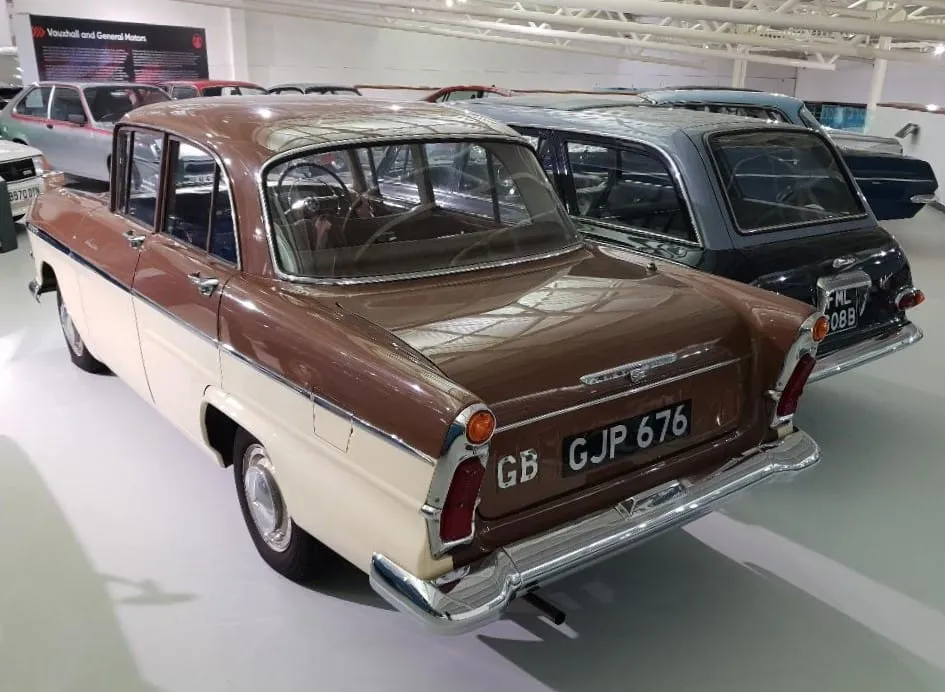 Vauxhall Victor: nineteen years and five generations of family Vauxhall (1957–1976)
The Vauxhall Victor ran for nineteen years and five generations, from the wraparound-windscreen F-type to the slant-four FE estate. A guide to the lineage, what to look for, what they're worth, and why so few survived.
-
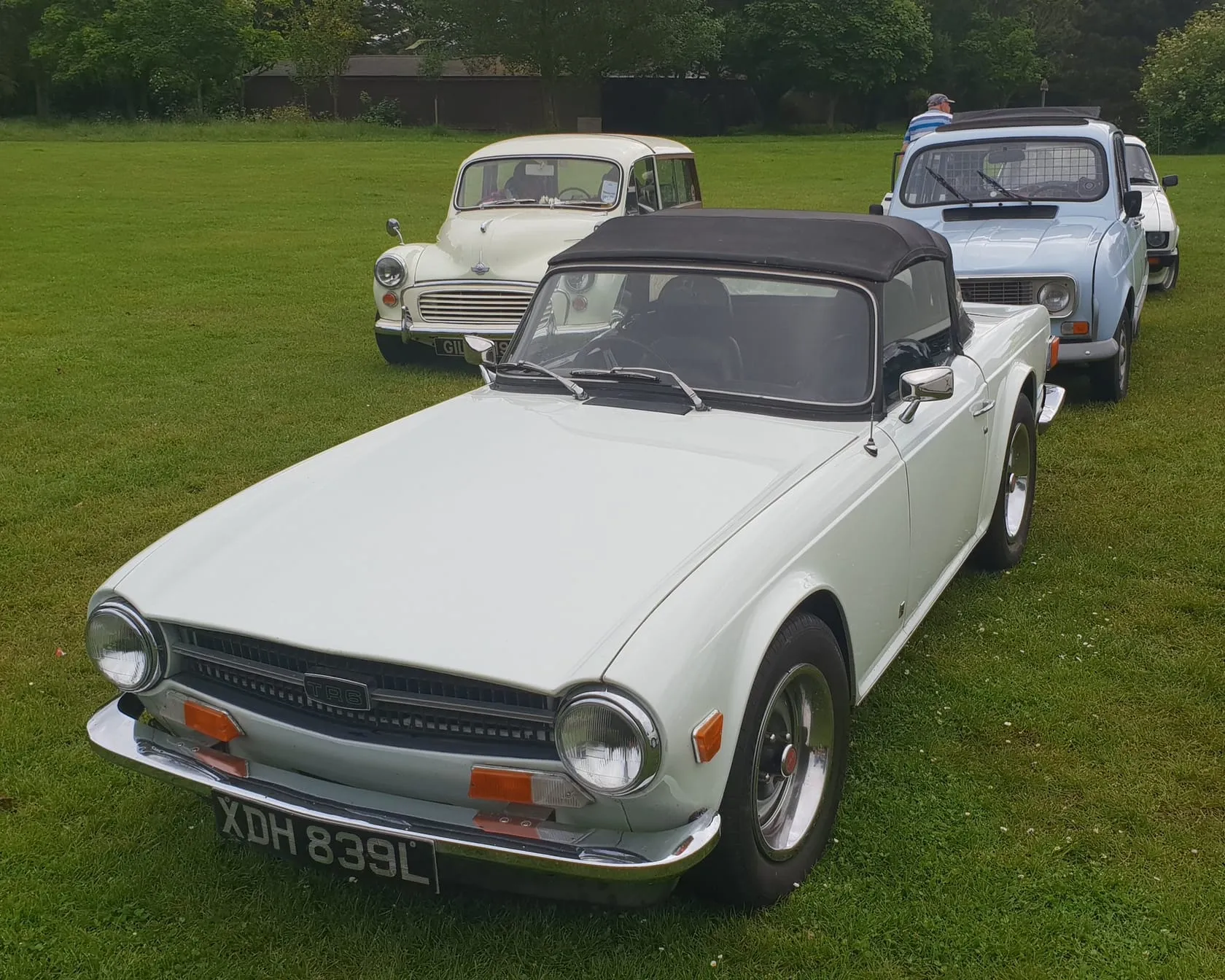 British classic cars of the 1970s
Brilliant machines and industrial chaos in equal measure, the British cars of the 1970s taking in the Capri and the XJS, the Stag, the SD1, and the cars British Leyland would rather forget.