Ford Escort RS2000: the rally-bred fast Ford (1973–1980)
The Ford Escort RS2000 was the rally-bred hero of the rear-wheel-drive Escort, a light two-door with a torquey 2.0-litre engine and, in Mk2 form, the famous droop-snoot nose. A guide to the Mk1 and Mk2 RS2000, what made it a motorsport legend, what to look for when buying, and how to spot a car that is not what it claims.
Built 1973–1980 185 recorded sales

At a glance
- Years
- 1973–1980
- Body styles
- Two-door saloon
- Drivetrain
- Front engine, rear-wheel drive
- Engines
- 1993cc Pinto OHC four
- Power
- Around 100-110 bhp
- Top speed
- Around 110 mph
- Trim levels
- Mk1 RS2000 (1973–74); Mk2 RS2000 and Custom (1976–80, droop-snoot nose)
- Production
- Built by Ford's Advanced Vehicle Operations and at Saarlouis; the Mk1 in small numbers, the Mk2 in larger
- Assembly
- Aveley (Mk1, AVO) and Saarlouis, Germany
- Designer
- Ford Advanced Vehicle Operations
- Values
- Project around £15,000-£25,000; good £30,000-£50,000; excellent £55,000-£85,000 (Mk1 cars and originals lead)
- The look
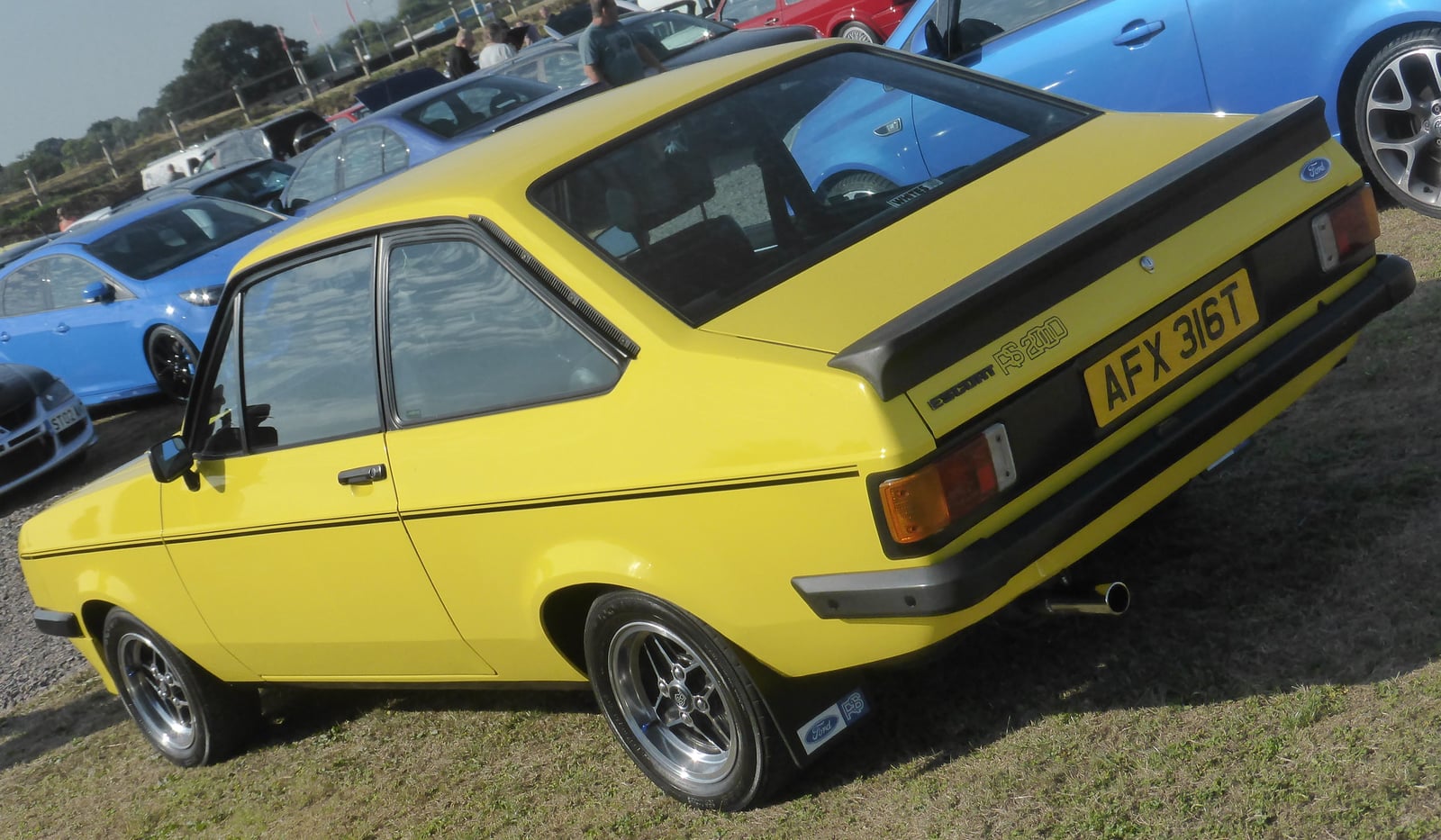
- The Mk2's polyurethane droop-snoot nose is one of the most recognisable faces in fast-Ford history
- Motorsport
- The rear-drive Escort was one of the most successful rally cars of its era
The models
The rear-wheel-drive Ford Escort is one of the most loved performance cars Britain ever produced, and the RS2000 was its road-going hero. Light, simple and torquey, with a 2.0-litre engine in a small two-door shell, it took the Escort’s rally-bred reputation and put it on the driveway. In Mk2 form, with its sloping droop-snoot nose, it became one of the defining fast Fords.
Today the RS2000 is among the most desirable and valuable of all classic Escorts, worth several times the ordinary saloons it was built from.
Two generations, one legend
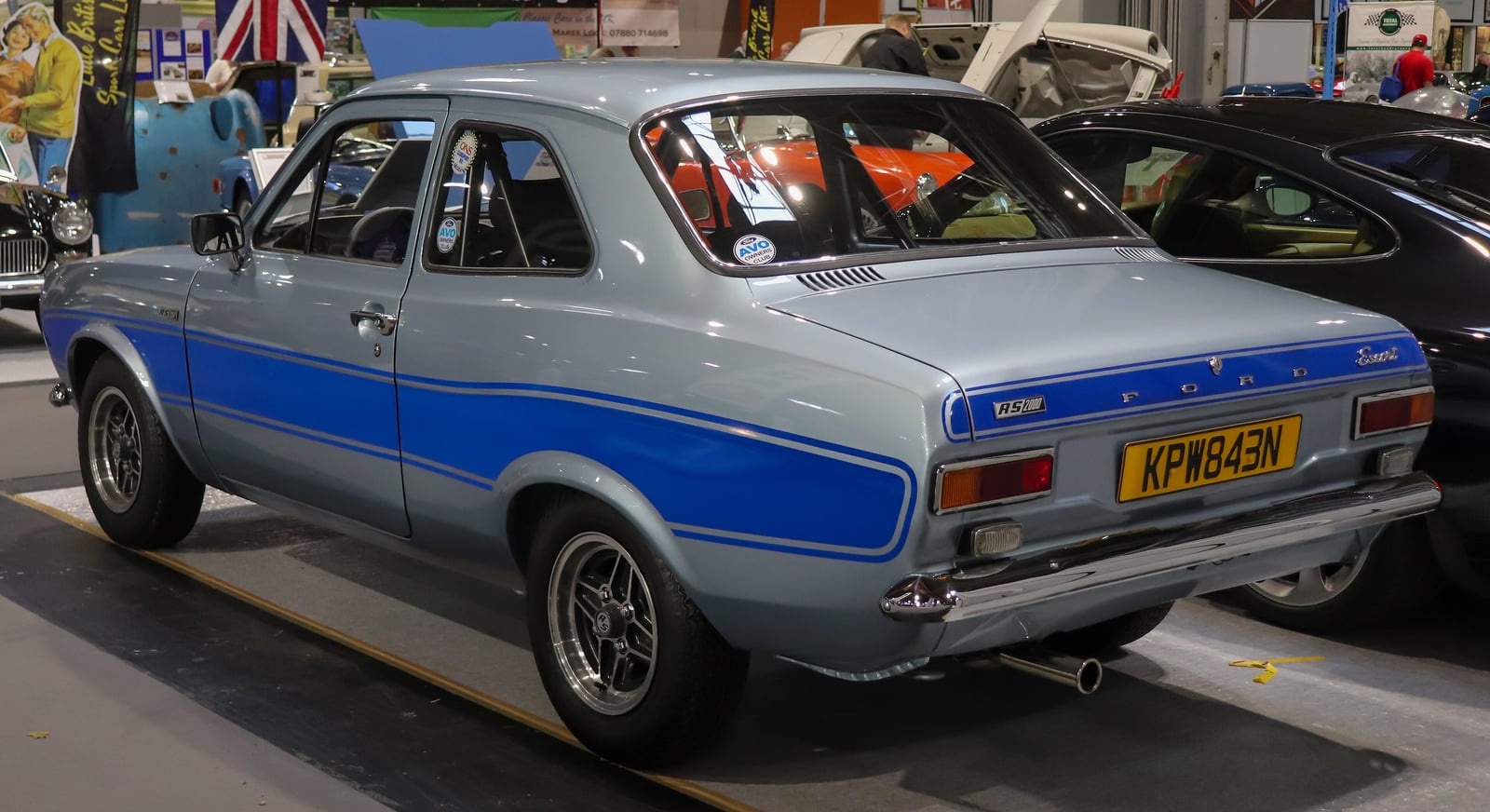
The RS2000 came in two distinct forms. The Mk1 (1973–74) was built in relatively small numbers by Ford’s Advanced Vehicle Operations at Aveley, dropping the 2.0-litre Pinto engine into the rounded first-generation Escort shell. It is the rarer and, generally, the more valuable car.
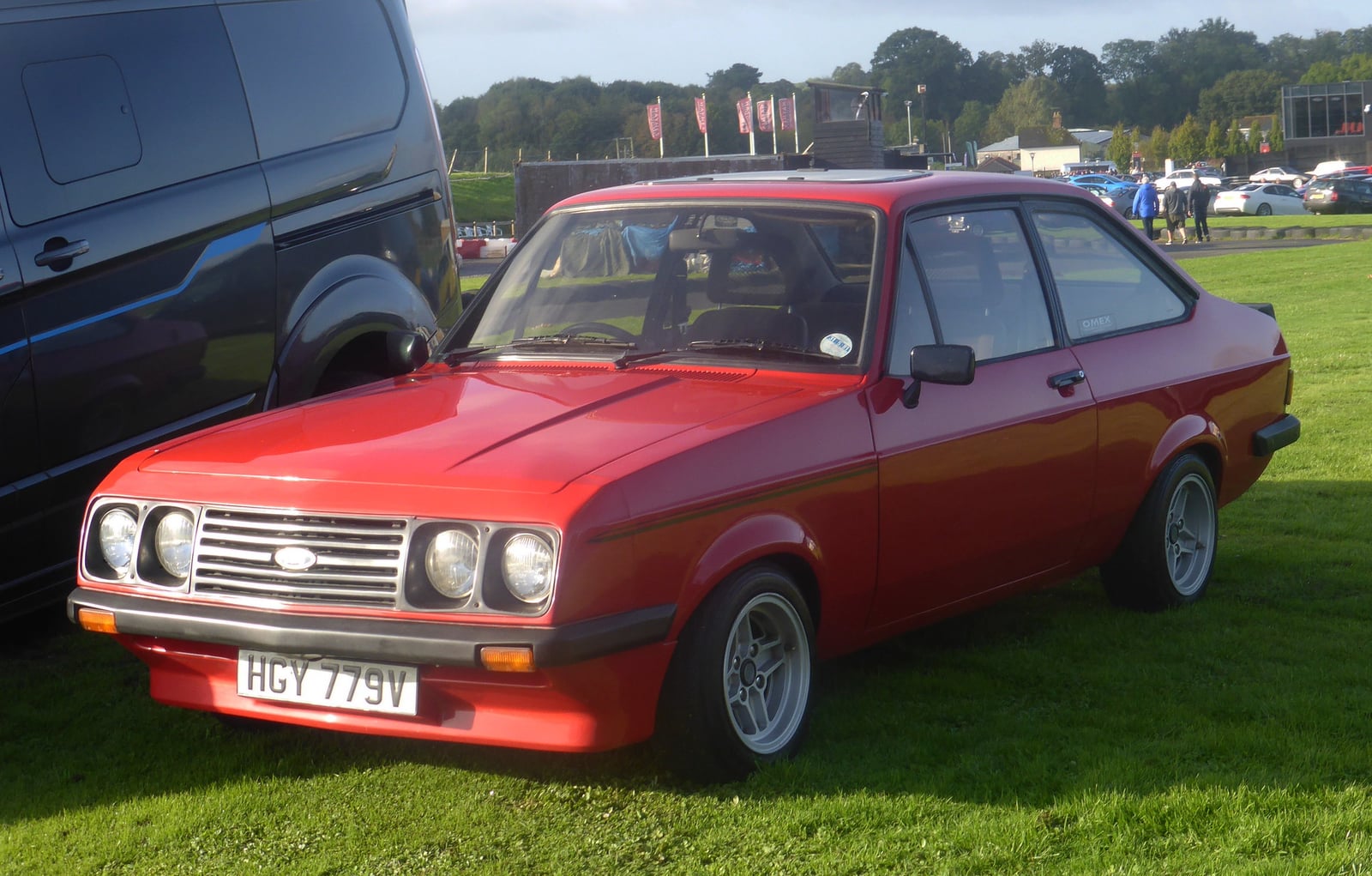
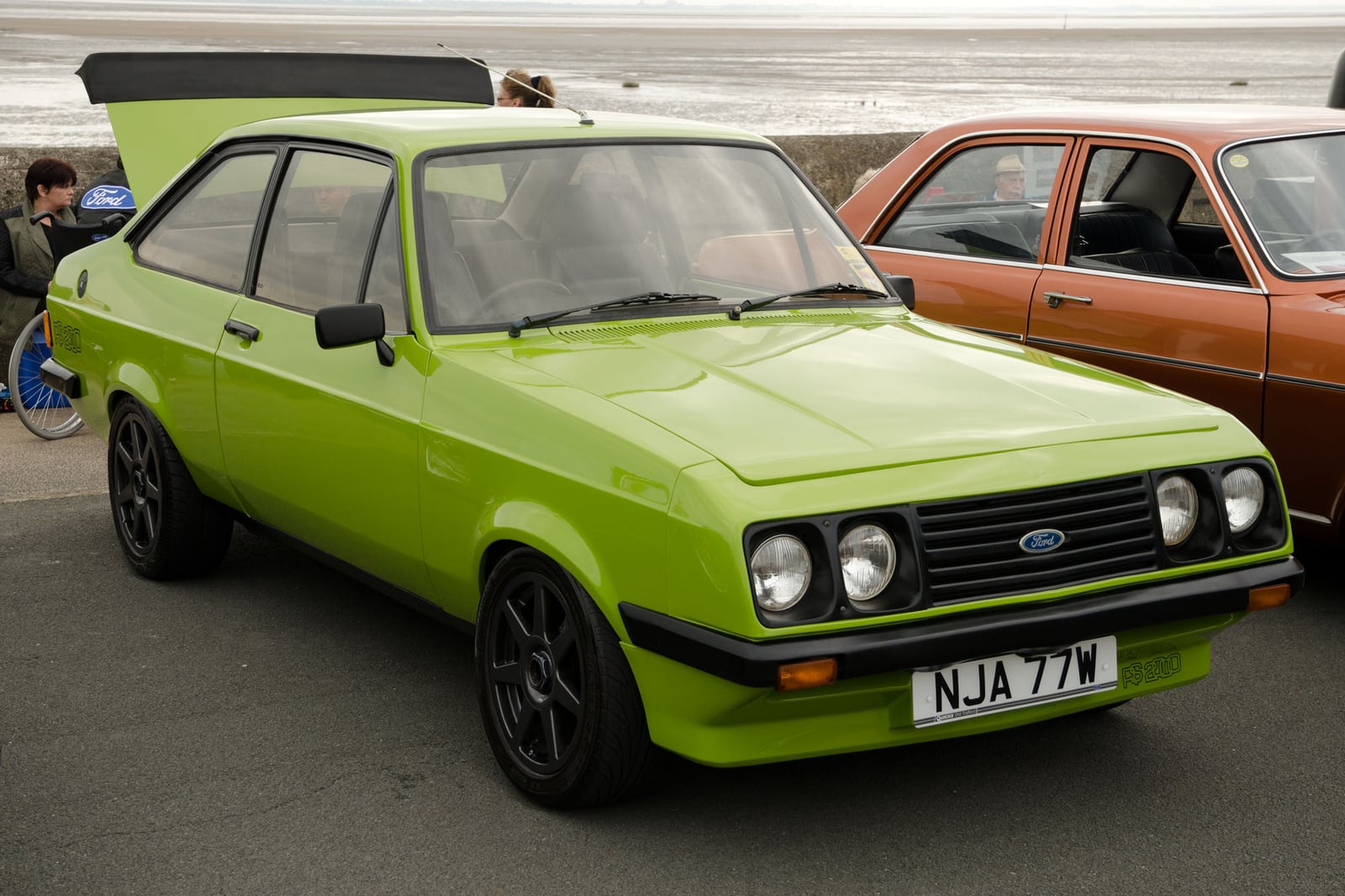
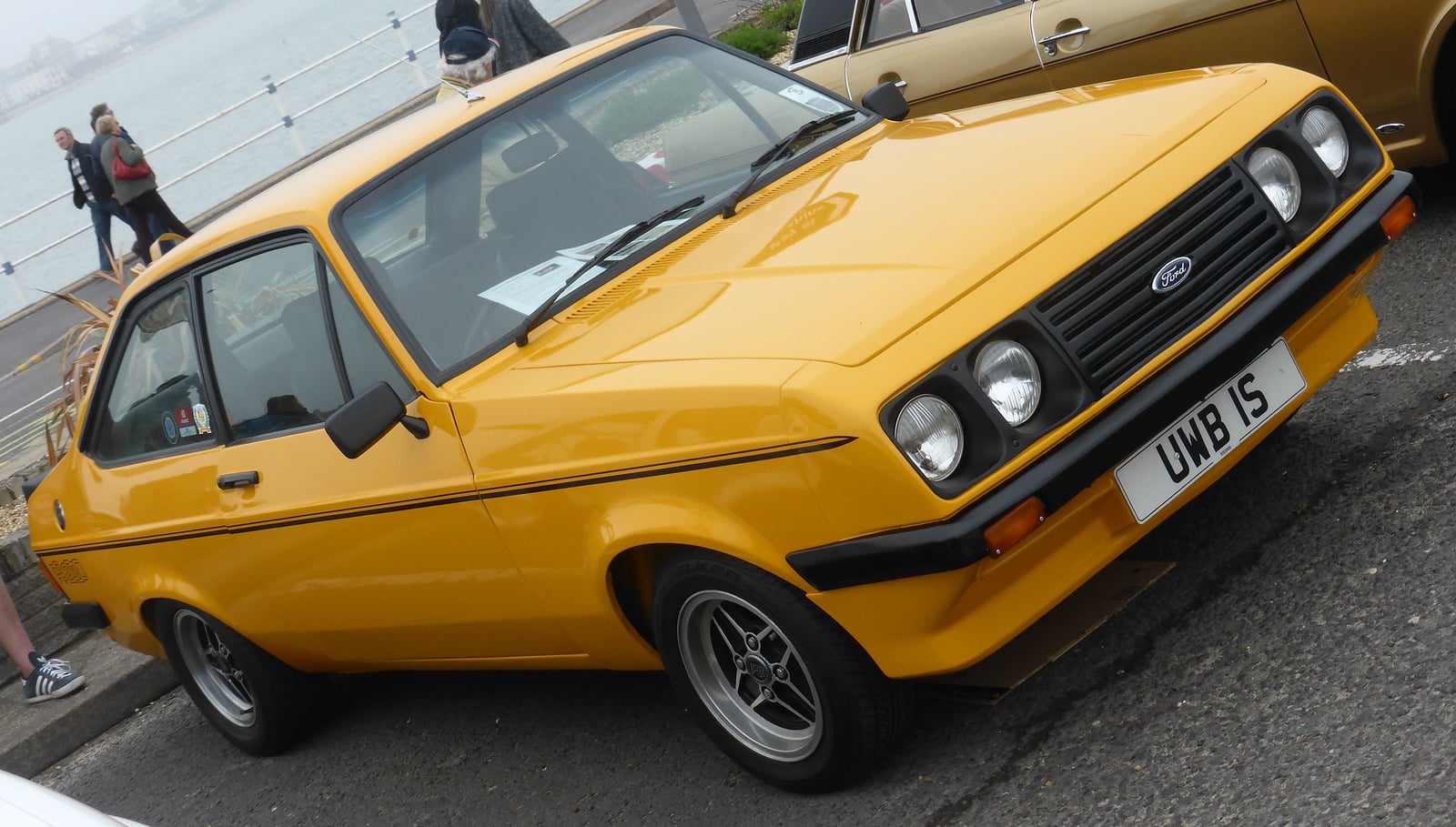
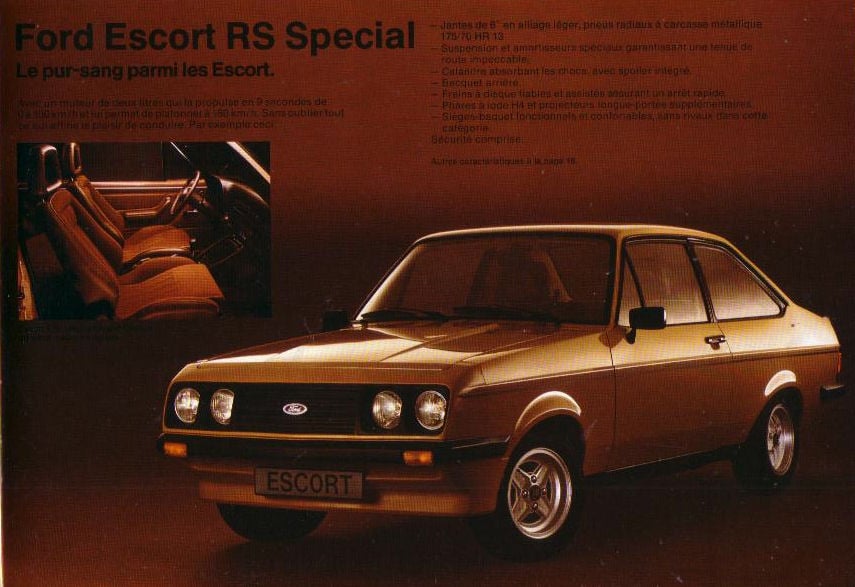
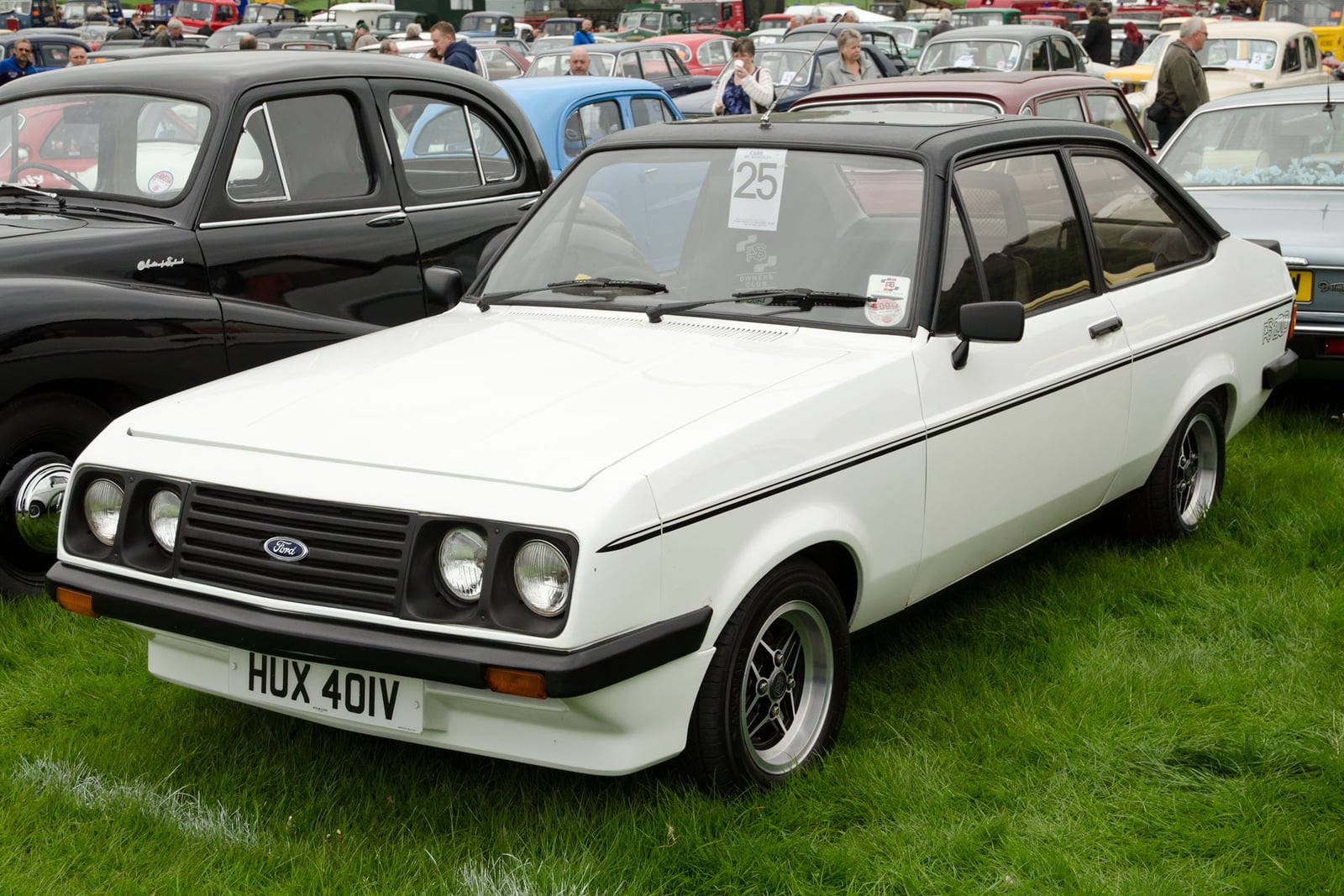
The Mk2 (1976–80) used the squarer second-generation Escort and added the feature everyone remembers: a sloping polyurethane front end, the droop snoot, which sharpened the aerodynamics and gave the car its instantly recognisable face. More were built, including the well-equipped Custom, and it is the Mk2 that most people picture when they think of an RS2000. With Aveley closed by 1976, the Mk2 was built at Saarlouis in Germany, which is part of why the Mk1’s AVO provenance carries the collector premium it does.

On the stages
The road car’s swagger was earned. Works rear-drive Escorts won the RAC Rally eight years running through the 1970s and took the World Rally Championship drivers’ title in 1979, and at club level the RS2000 was the default weapon of the privateer: affordable, strong and endlessly fixable. Few performance cars have had their image underwritten so directly by results, and the recipe was so effective that rear-drive Escorts still dominate historic stage rallying today, with modern continuation builds trading on the same shape and the same legend. Values follow accordingly: a car with genuine period competition history will out-price an equivalent road car comfortably, and the droop-snoot panels and other RS-specific parts are the ones to check for condition and availability before you commit to any project.
Rally bred
The RS2000’s status rests on the competition record of the rear-drive Escort, one of the most successful rally cars of its era. The road cars carried that glamour directly: the same basic recipe of light weight, rear-wheel drive and a strong, tunable engine that made the Escort a giant-killer in the forests. For buyers in period it was an affordable slice of that success, and that link to motorsport is central to why the car is so prized now.

What it is like to own
Mechanically the RS2000 is simple and tough. The Pinto engine is a familiar, hard-wearing Ford unit with excellent parts support, and the rear-drive Escort running gear is well understood and superbly catered for by the specialists. That makes the car straightforward to maintain and restore, despite its value.
The challenge is rarely mechanical and almost always about the body and the car’s identity. To drive, the RS2000 is exactly what its reputation promises: light, eager, throttle-adjustable and huge fun, a proper old-school rear-drive performance car. In practice most owners keep them garaged on agreed-value policies and bring them out for high days, club runs and shows, which is also how so many have stayed so original; the RS club scene is among the strongest in the classic-Ford world and the best first stop for history checks before a purchase.

Buying guide: what to look for
Two cars wear this badge and the market treats them as two cars. The AVO-built Mk1 of 1973 and 1974 is the rarer and generally the more valuable, and its Aveley provenance is the reason. The droop-snoot Mk2, built at Saarlouis from 1976, is the one most people picture and the one most often for sale.
The buying risk is concentrated at the top of the price range rather than spread evenly across the car. An RS2000 costs several times an ordinary Escort of the same age, which is incentive enough for a converted lesser car to be presented as a genuine one, and the RS club scene is the strongest in the classic-Ford world precisely because it has spent decades keeping track of which is which. That is the first call to make, before the inspection and long before the offer.
Once identity is settled, what moves the money is period competition history, which out-prices an equivalent road car comfortably, and the condition of the RS-specific parts. The mechanicals are the cheap part of this car.

Current value and where it sits
Both generations price well, and they price differently. £15,000 to £25,000 buys a project, £30,000 to £50,000 something usable and £55,000 to £85,000 an excellent example, with genuine Mk1s and the best original Mk2s beyond all of it. Alongside its simpler, cheaper stablemate the Escort Mexico, the rear-drive fast Escort has become one of the most sought-after names in classic Ford collecting. For the era, see British classic cars of the 1970s. For where the RS2000 sits across the six generations of the Ford Escort, see the model overview.
More photos
The RS2000 in dates
- 1973Mk1 RS2000 arrives, built in small numbers by AVO at Aveley, dropping the 2.0 Pinto into the rounded first-generation shell.
- 1974Mk1 production ends.
- 1976Mk2 arrives with the sloping polyurethane droop-snoot nose; with Aveley closed it is built at Saarlouis in Germany.
- 1970sWorks rear-drive Escorts win the RAC Rally eight years running.
- 1979The rear-drive Escort takes the World Rally Championship drivers' title.
- 1980Mk2 production ends, the well-equipped Custom among the last of them.
Buying checklist: the RS2000 in front of you
Structure
- Floors, sills and inner sills
- Front wings, inner wings and the rear arches
- Chassis legs, suspension mounts and the boot floor
Identity
- Confirm it is a genuine RS2000 rather than a converted lesser Escort
- Matching numbers and a credible documented history, with the RS club the best first stop
- Mk1 carries the AVO provenance and the collector premium; the Mk2 was built at Saarlouis
RS-specific parts
- The droop-snoot nose is Mk2 only, and those panels are the ones to check for condition and availability
- RS-specific interior and trim parts carry a premium of their own
- Price a project on the RS parts it is missing, not on the mechanicals
What the Escort RS2000 sells for at auction
In 2025 the median Escort RS2000 sold for £37,520 across 33 sales, 29% up on 2024. In real terms, typical Escort RS2000 prices were down about 15% over the five years to 2025, once inflation is accounted for.
Show the year-by-year mediansHide the year-by-year medians
| Year | Sold | Median | In 2025 money |
|---|---|---|---|
| 2026 (so far) | 18 | £29,778 | |
| 2025 | 33 | £37,520 | £37,520 |
| 2024 | 31 | £29,172 | £30,291 |
| 2023 | 16 | £34,729 | £37,268 |
| 2022 | 16 | £34,688 | £39,726 |
| 2021 | 16 | £37,755 | £46,686 |
| 2020 | 13 | £34,965 | £44,308 |
| 2019 | 6 | £37,062 | £47,446 |
| 2018 | 9 | £33,750 | £43,939 |
| 2017 | 6 | £25,796 | £34,361 |
| 2016 | 9 | £20,944 | £28,617 |
| 2015 | 3 | £12,932 | £17,846 |
- £19,712Escort RS2000
- £20,388Escort RS2000
- £72,000Escort RS2000
- £27,500Escort RS2000
- £30,000Escort RS2000
Reasonable evidence. 185 recorded sales: enough for the range to mean something, though a few unusual cars can still move a single year's median. Based on 185 sold results from public classic car auctions (2006 to 10 August 2026). Sold prices, not asking prices, and not a valuation: condition, history and specification vary from car to car. Inflation-adjusted figures use the ONS CPIH index, in 2025 money.