Fast Ford buying guide: which classic performance Ford to buy
From the rear-wheel-drive rally Escorts to the Capri V6, the XR hot hatches and the mighty Sierra Cosworth, the classic fast Fords are some of the most loved and fastest-rising British classics. A plain-English guide to the main families, how they differ, what they cost, how to choose, and how to avoid a cloned car.
Part of: Classic Ford, the British Fords worth buying, owning, and restoring
The models
The classic fast Fords are among the most loved and fastest-rising British classics of all. From the rally-bred Escorts of the 1970s to the turbocharged Cosworths of the 1990s, they take ordinary Ford underpinnings and turn them into something quick, characterful and, usually, linked to motorsport success. They are also a varied bunch, and a Mexico and a Sierra Cosworth are very different cars to buy and own. This fast Ford buying guide explains the main families, what buying each one involves, and how to choose between them.
One thing unites them all as a warning: because values have risen so far, so fast, cloning and dubious identities are rife. Whichever fast Ford you choose, a genuine, original, well-documented car is worth far more than a quicker or shinier one of uncertain provenance.
The rear-drive rally Escorts
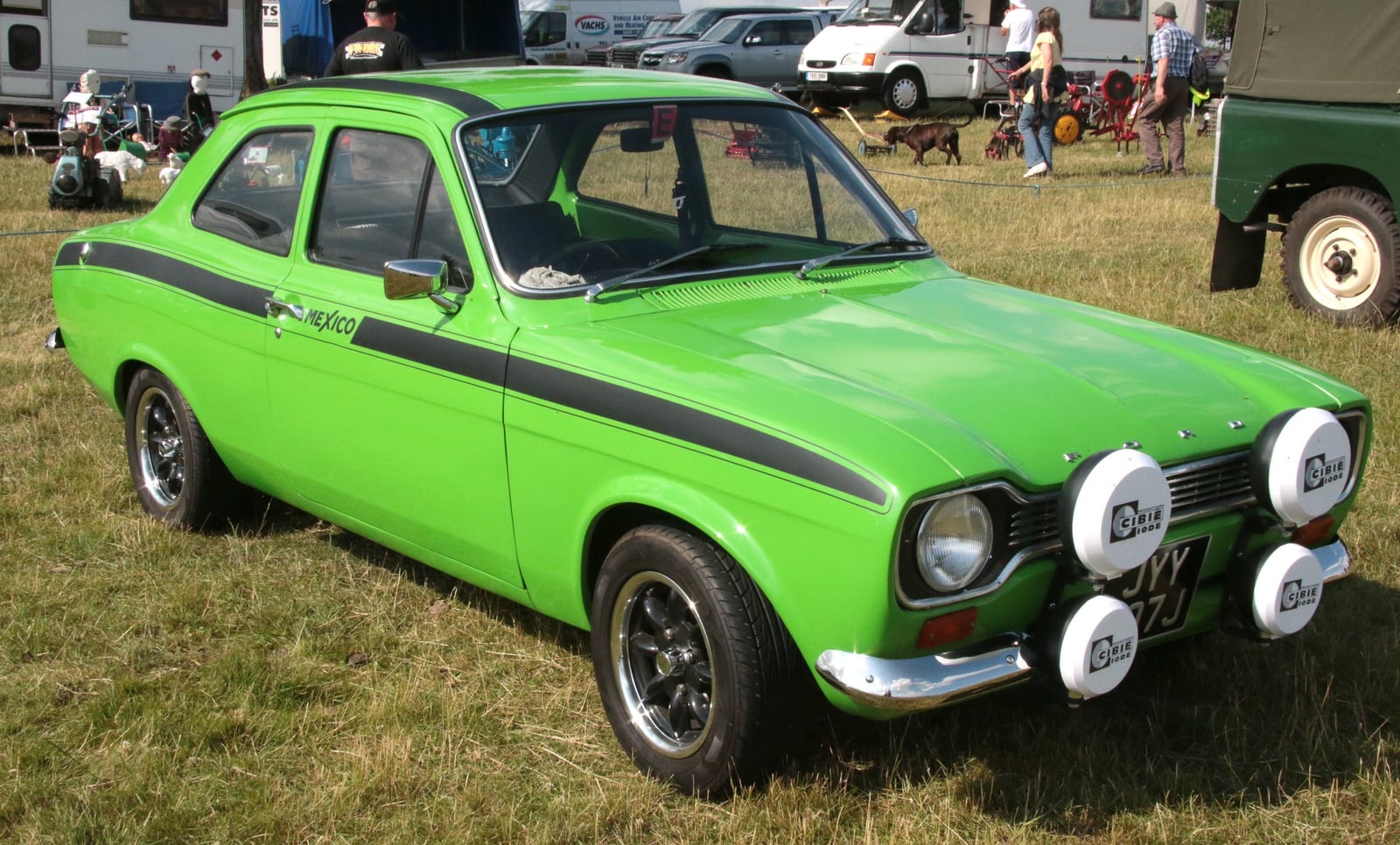
The cars that built the legend. The rear-wheel-drive Escort was one of the great rally machines of the 1970s, and its road-going heroes are now the most sought-after of all. The Escort Mexico celebrated Ford’s 1970 World Cup Rally win with a simple, tough 1.6 engine; the Escort RS2000, especially the droop-snoot Mk2, added more performance and one of the most recognisable faces in fast-Ford history. These are light, throttle-adjustable and hugely entertaining, and priced accordingly: genuine cars now command serious money.

The Capri
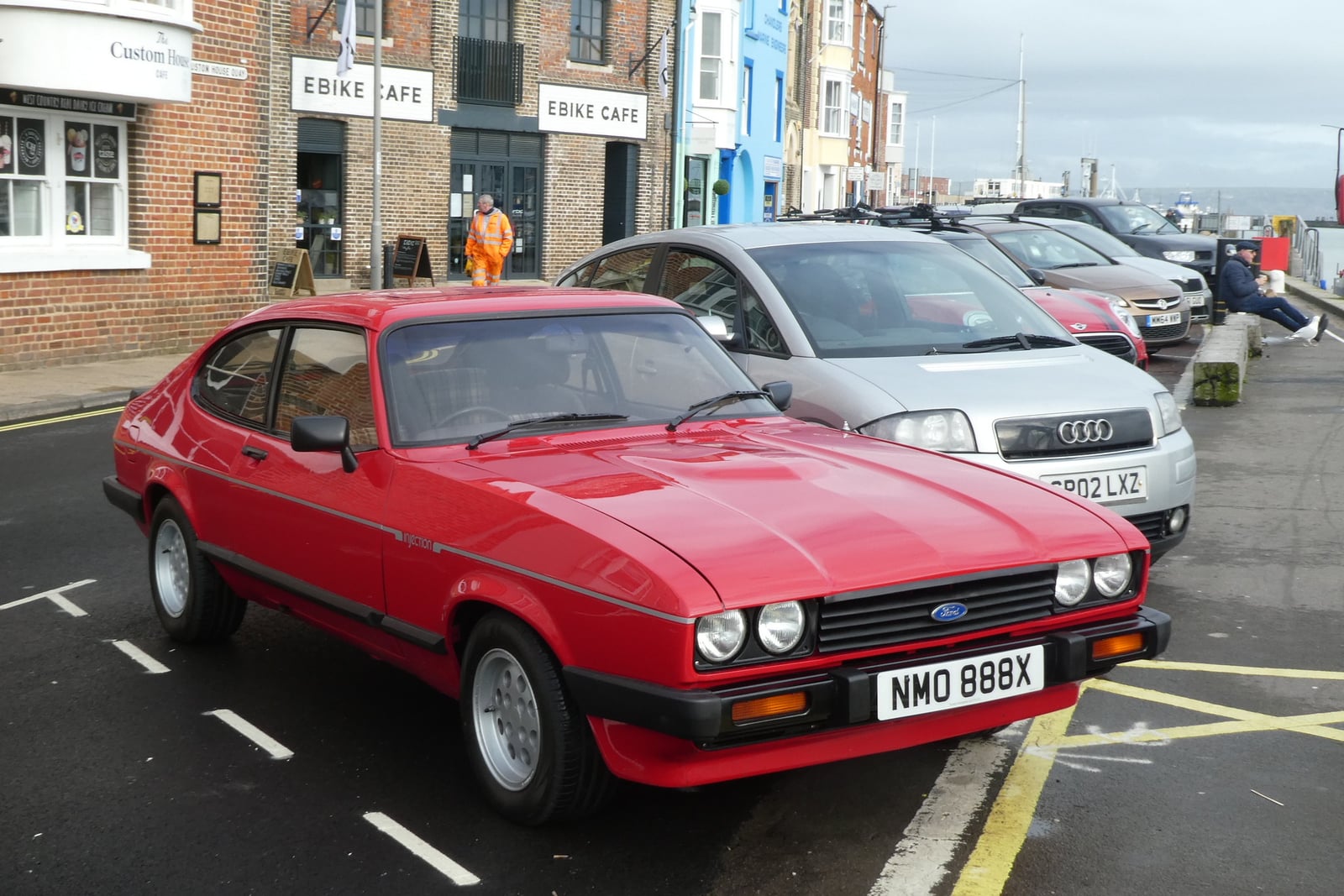
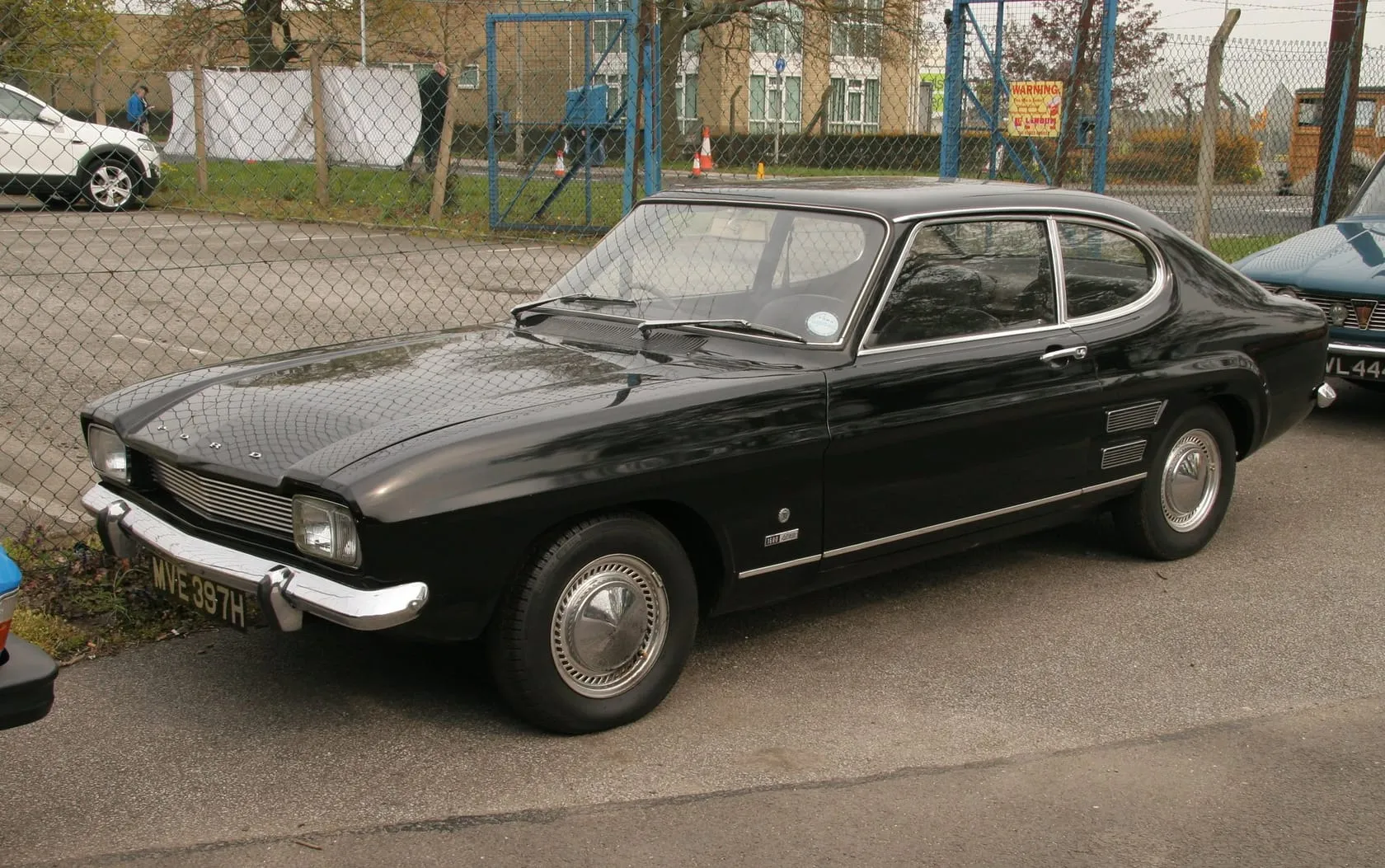
The affordable coupe. The Ford Capri was Europe’s Mustang, a fastback coupe sold with everything from economy fours to snarling V6s. It is the most usable and varied of the fast Fords: a four-cylinder car gives you the looks cheaply, the 3.0 and 2.8 Injection V6s give real performance and the classic Capri sound, and the rare RS models are collector pieces. For many buyers it is the best blend of style, usability and value.

The front-drive hot hatches
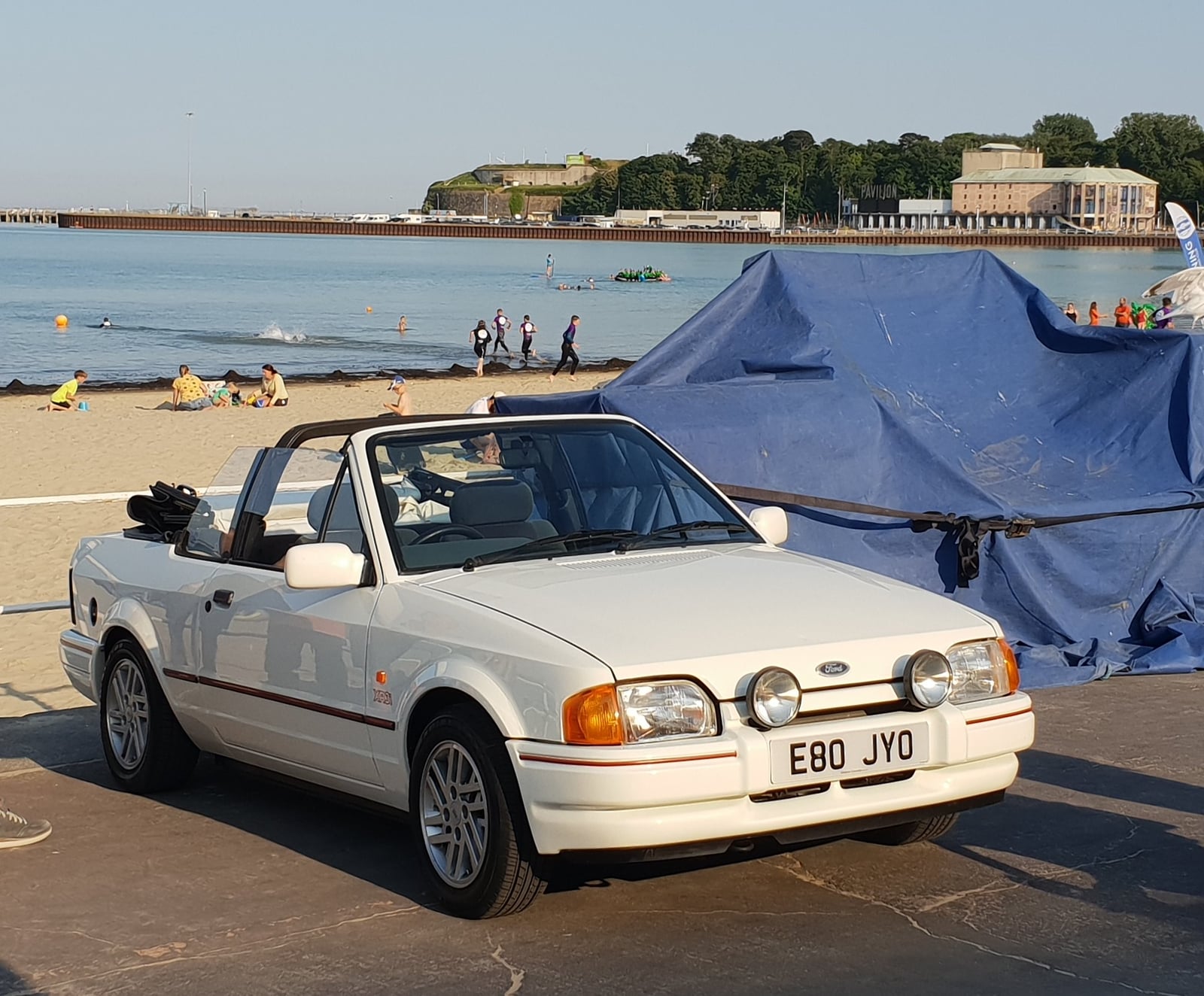
The 1980s mainstream. When the Escort went front-wheel drive, the fast versions became hot hatches in the Golf GTI mould. The Escort XR3i was Britain’s best-selling hot hatch and the everyman performance Ford of the decade; the RS Turbo above it added a turbocharger and a harder edge. These are practical, affordable and rising fast, though finding a standard, unmodified survivor is the challenge.

The Cosworth era
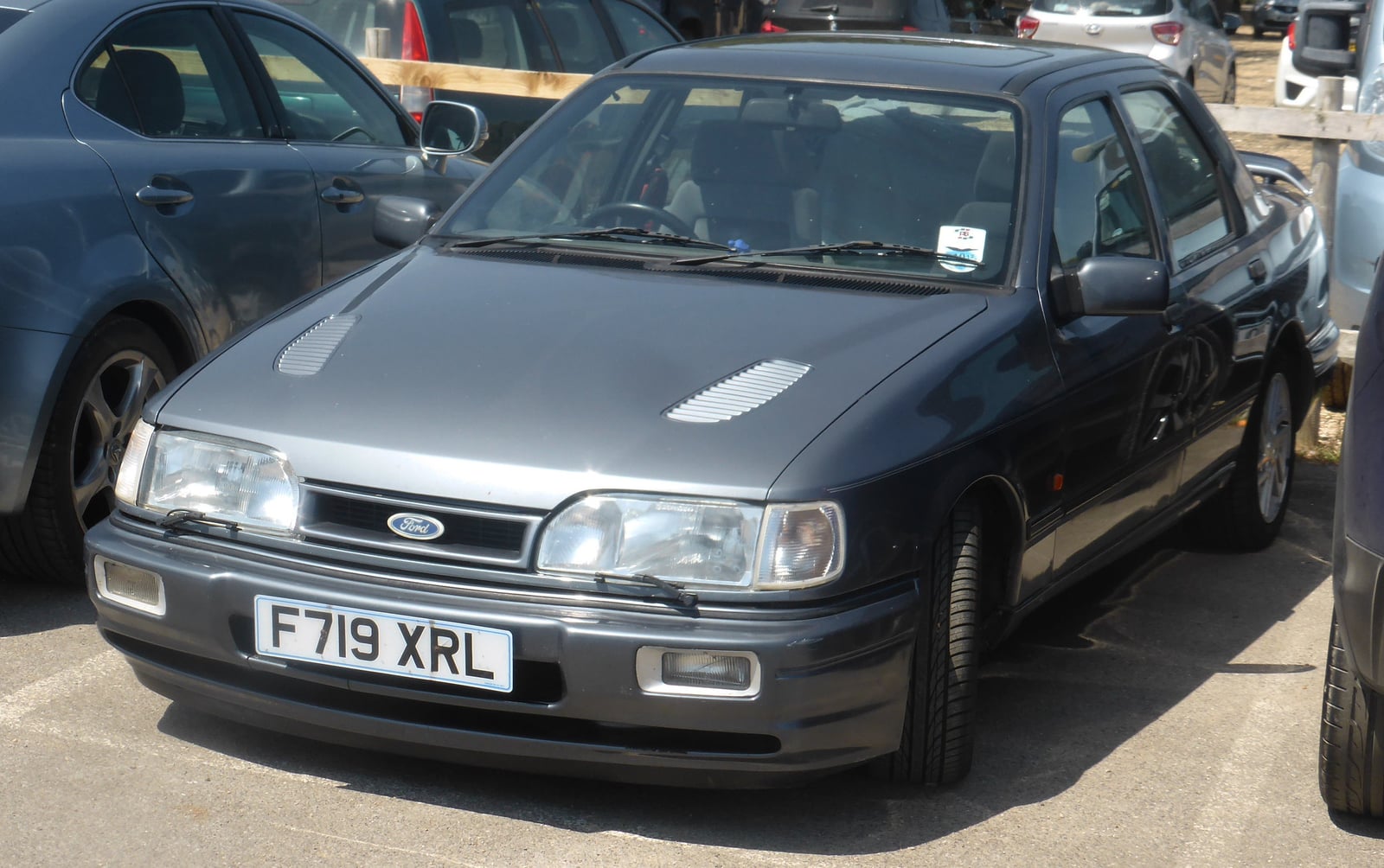
The turbocharged kings. The Sierra RS Cosworth took an ordinary family Ford and made it a Group A touring-car weapon, with the whale-tail three-door, the rare race-bred RS500, the four-door Sapphire and the four-wheel-drive Sapphire 4x4. The later Escort RS Cosworth carried the idea on. These are the fastest and, in RS500 form, the most valuable of all the fast Fords, and the ones where identity checks matter most.

How to choose
A few questions usually point to the right car:
- On a sensible budget, want to use it? A four-cylinder Capri or a good XR3i: affordable, practical and well supported.
- Want the classic Ford V6 experience? A 3.0 or 2.8 Injection Capri.
- Want the rally-Escort legend? A Mexico or RS2000, if your budget stretches, and buy on originality above all.
- Want the ultimate, and have deep pockets? A Sierra RS Cosworth, with the RS500 the collector’s prize.
- Want usable modern-classic performance? A Sierra Sapphire Cosworth 4x4, or for a fraction of the money the V6 Mondeo ST220, the last fast Ford saloon and still the cheapest way into the club.
- Want the RS badge on something you can use every day? A Focus RS: the 4,501-car Mk1 for the collector, the 300 bhp Mk2 for the drama, the four-wheel-drive Mk3 for the pace.
Across every one of them, the advice is the same: buy the soundest, most genuine, best-documented car you can find, not the cheapest. Rust and a false identity are far more expensive than a fair price for a good car.

A market built on motorsport and nostalgia
What links the fast Fords, and drives their values, is the combination of real motorsport pedigree and powerful nostalgia. For a generation of British enthusiasts these were the heroes on the bedroom wall, and the genuine, unmolested survivors of cars that were once cheap, thrashed and stolen are now genuinely rare. That is the whole story of the market, and the reason a careful, identity-checked purchase is worth the effort. For the eras these cars belong to, see British classic cars of the 1970s, 1980s and 1990s.

More photos