Classic Mini buying guide: which Mini to buy and where they rust
Which classic Mini should you buy, and what should you check before you do? A plain-English guide to choosing between the standard Mini, the Cooper, the Clubman, the Traveller, the Moke and the rest, where these cars rust, the mechanical points to check, and how to avoid a cloned Cooper.
Part of: Classic Mini, the British car that reinvented the small car (1959–2000)
The models
The classic Mini is one of the best first classics anyone can buy: cheap to run, simple to fix, superbly supported for parts and endlessly enjoyable. But there is a lot of choice across the Mini family, and the cars rust with real enthusiasm, so it pays to know which version suits you and exactly what to check before you buy. This guide covers both.
Which classic Mini should you buy?
Start with how you want to use the car and what you want to spend.
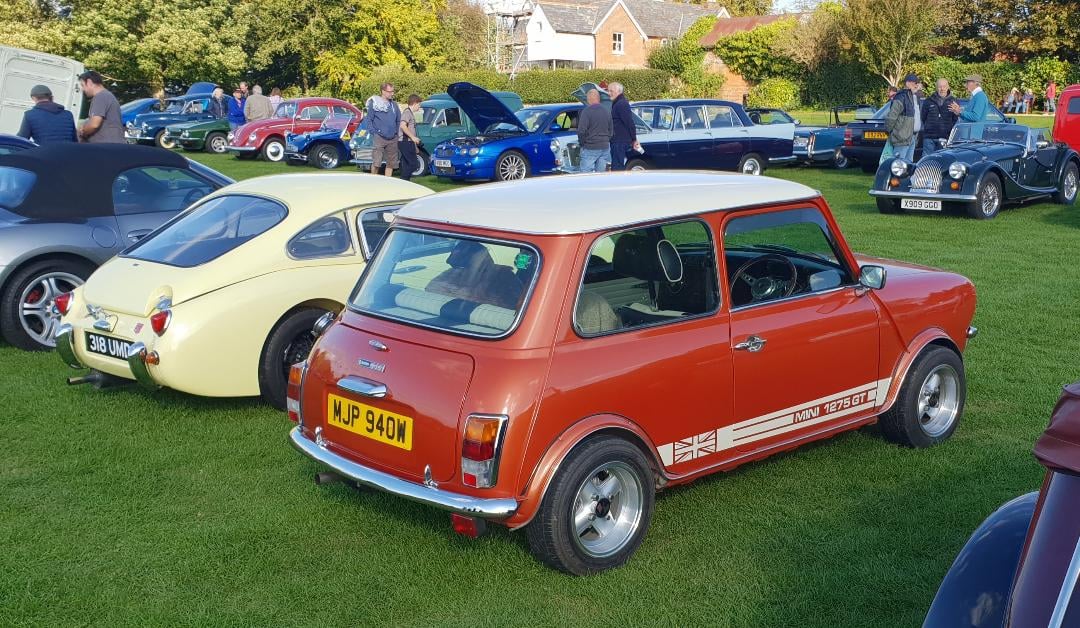
- For value and everyday usability, a good round-nosed standard Mini or a Clubman is the sensible choice: cheap to buy, cheap to run and easy to live with.
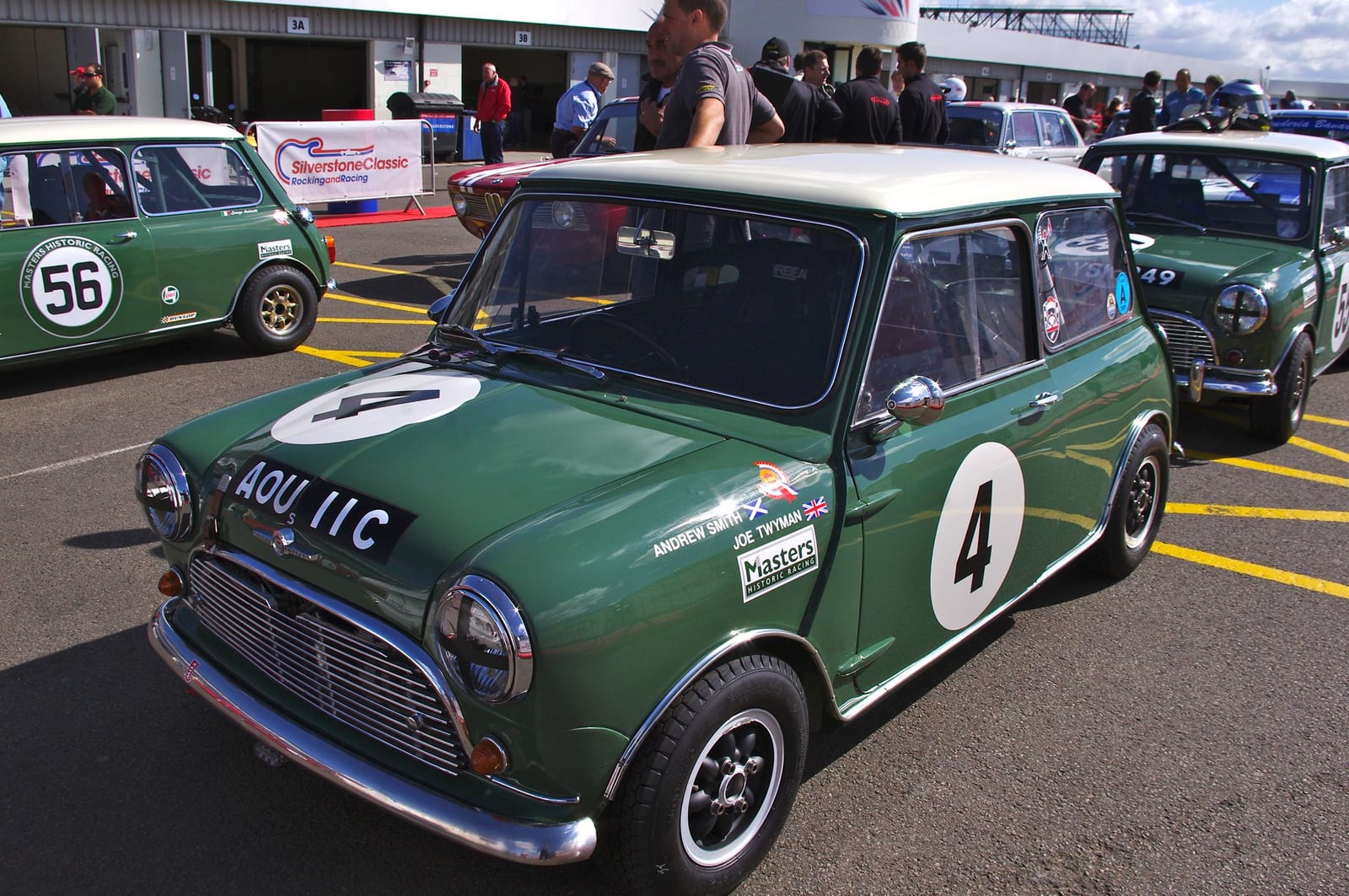
- For performance and history, the Cooper and Cooper S are the cars to have, but they cost far more and demand careful checks on authenticity.
- For charm and practicality, the woody Traveller and Countryman estates add space and character.
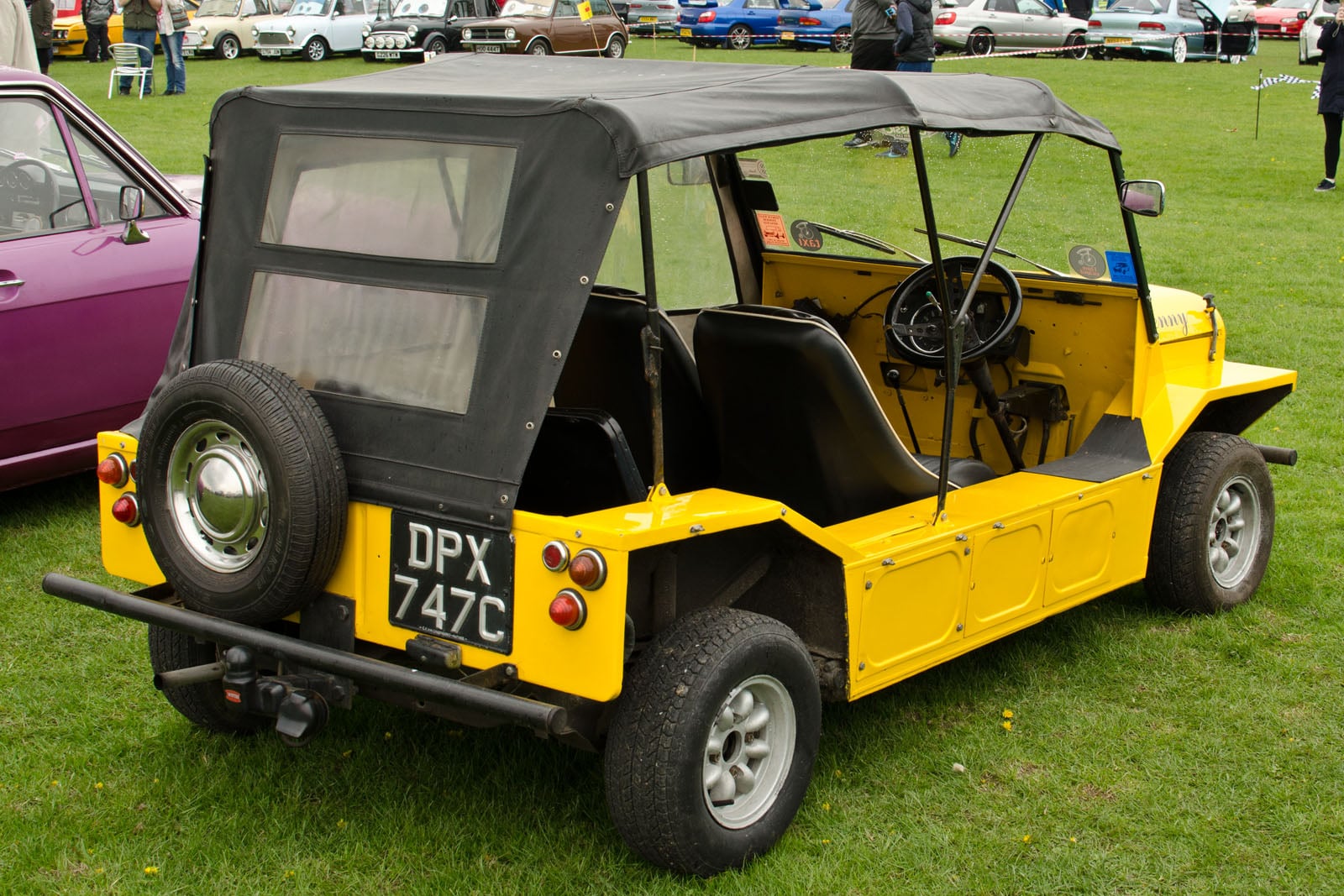
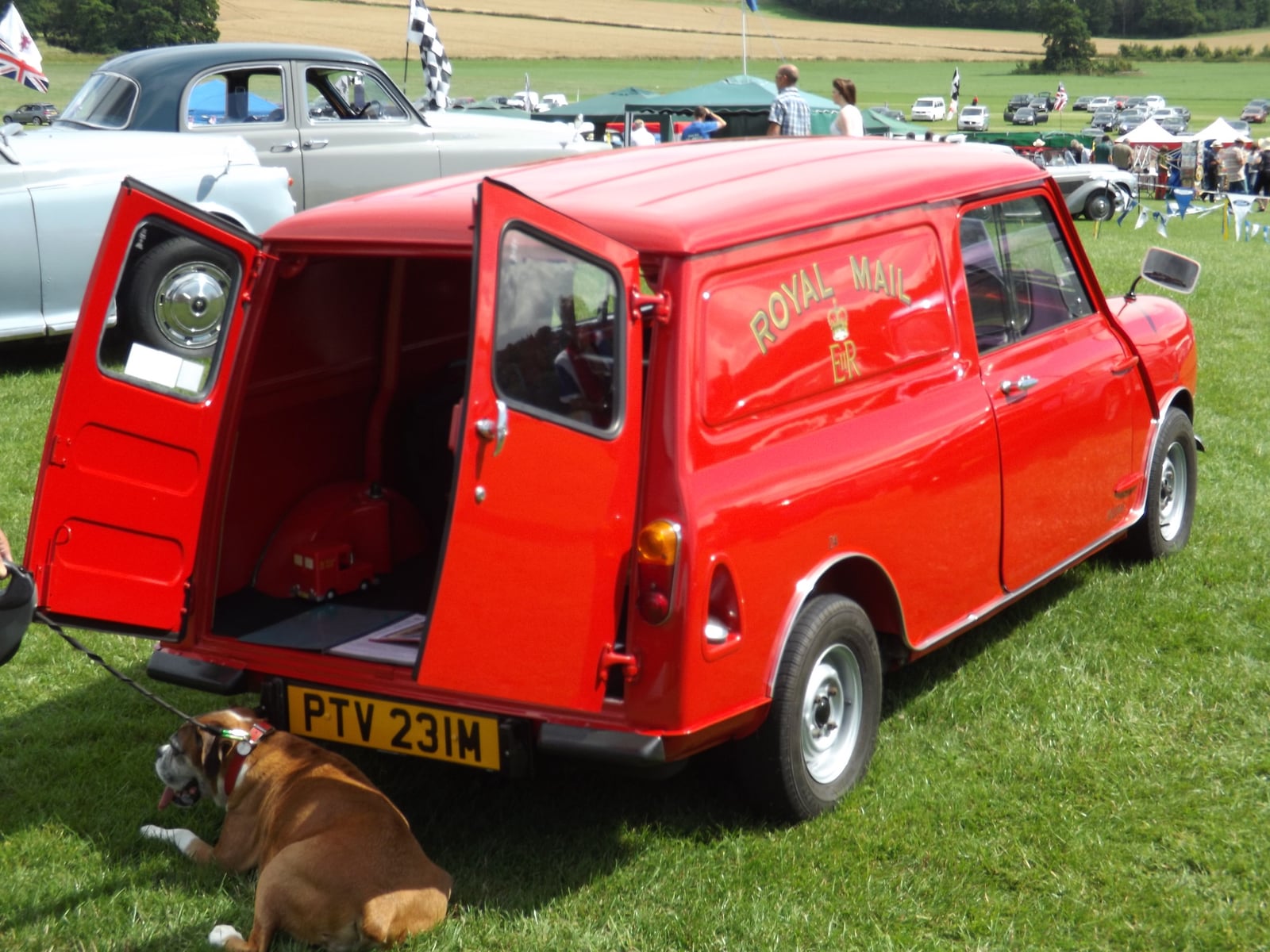
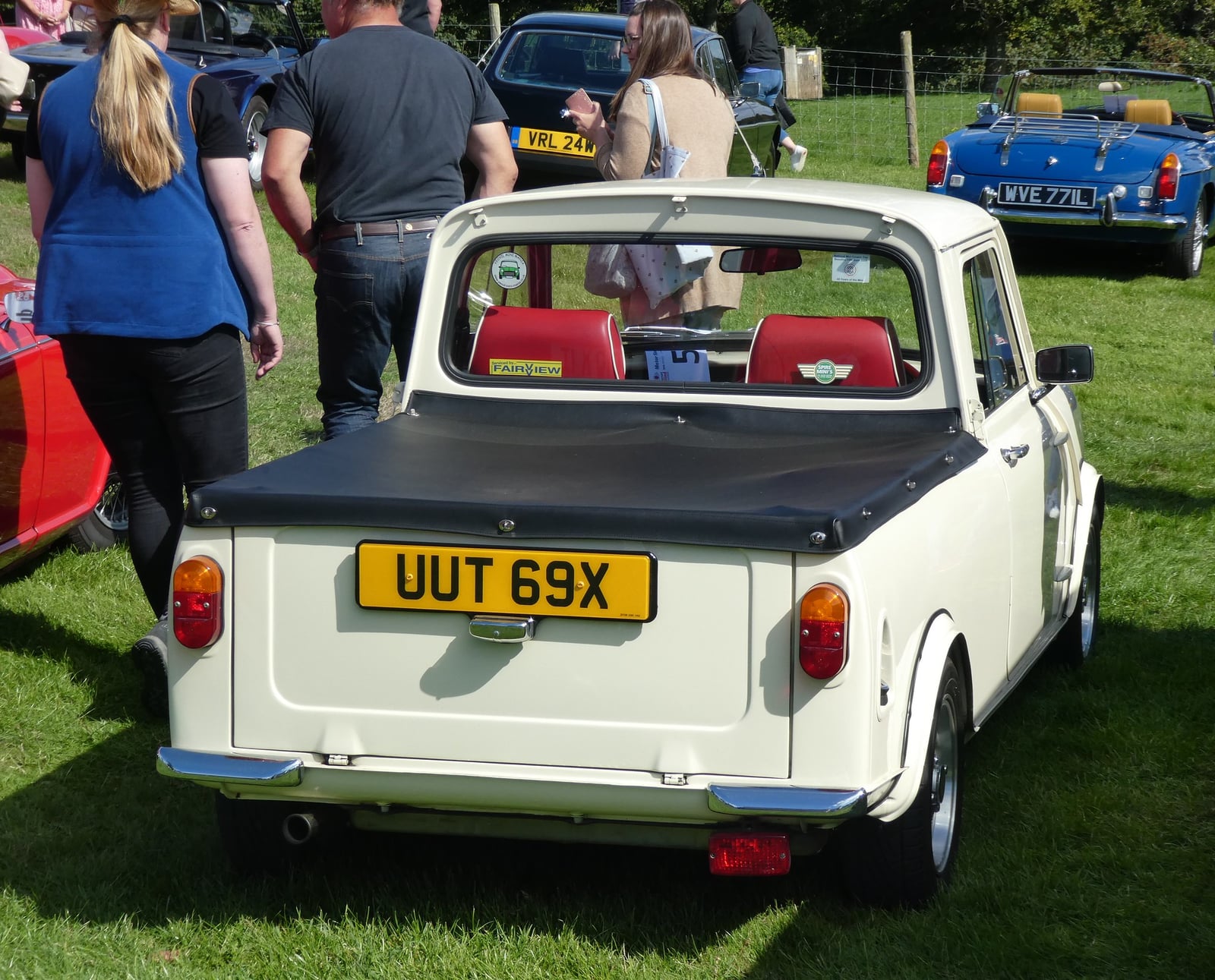
- For fun, the open Moke is a sunny-day delight, and for a different flavour the Van and Pick-up bring working-vehicle character.
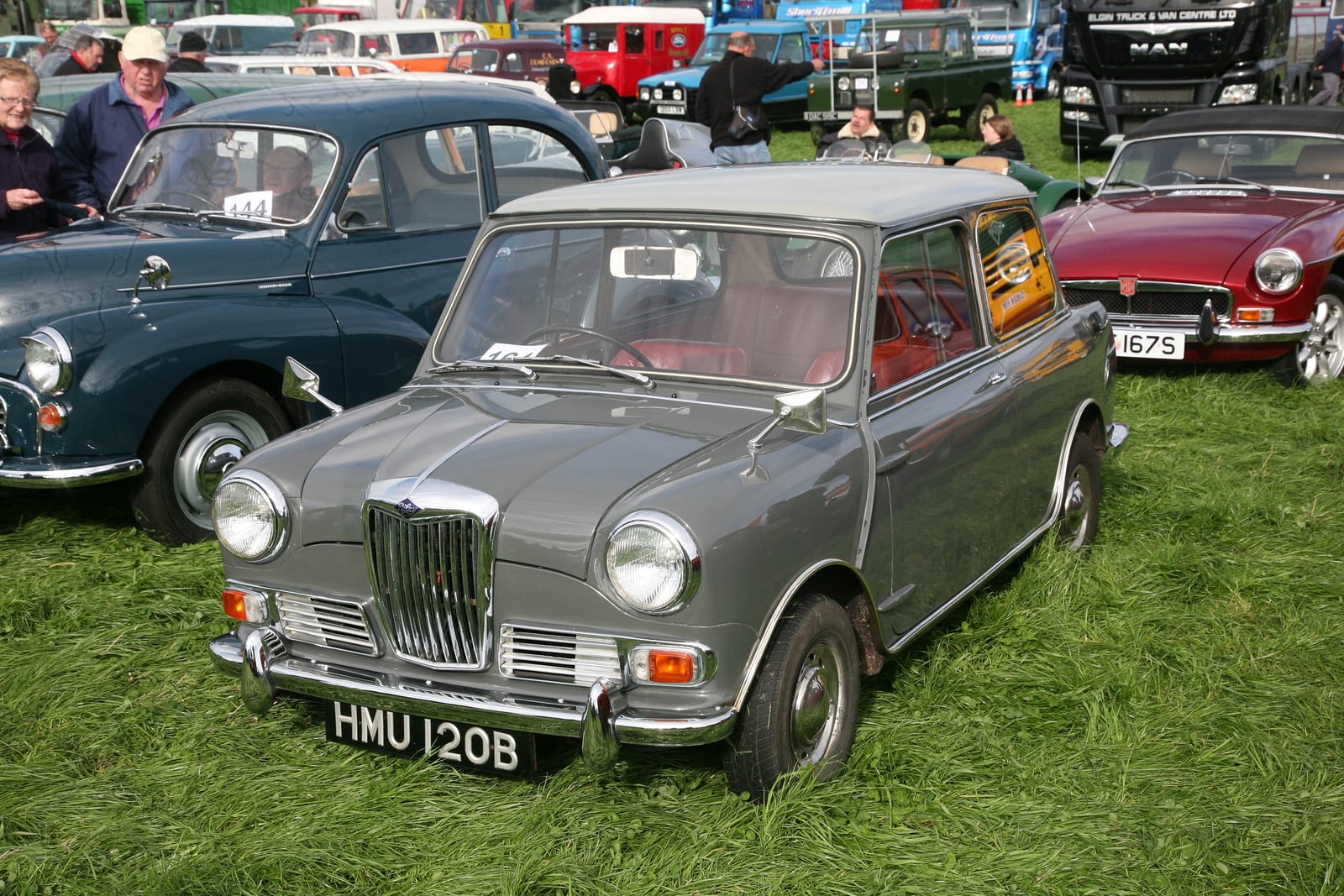
- For a touch of luxury, the Riley Elf and Wolseley Hornet offer a longer boot and a woody cabin at affordable prices.
Whatever the model, the golden rule is the same: a sound, original car of a humbler model is a far better buy than a rotten example of a rarer one.

Round-nose or Clubman, Mk1 to the end
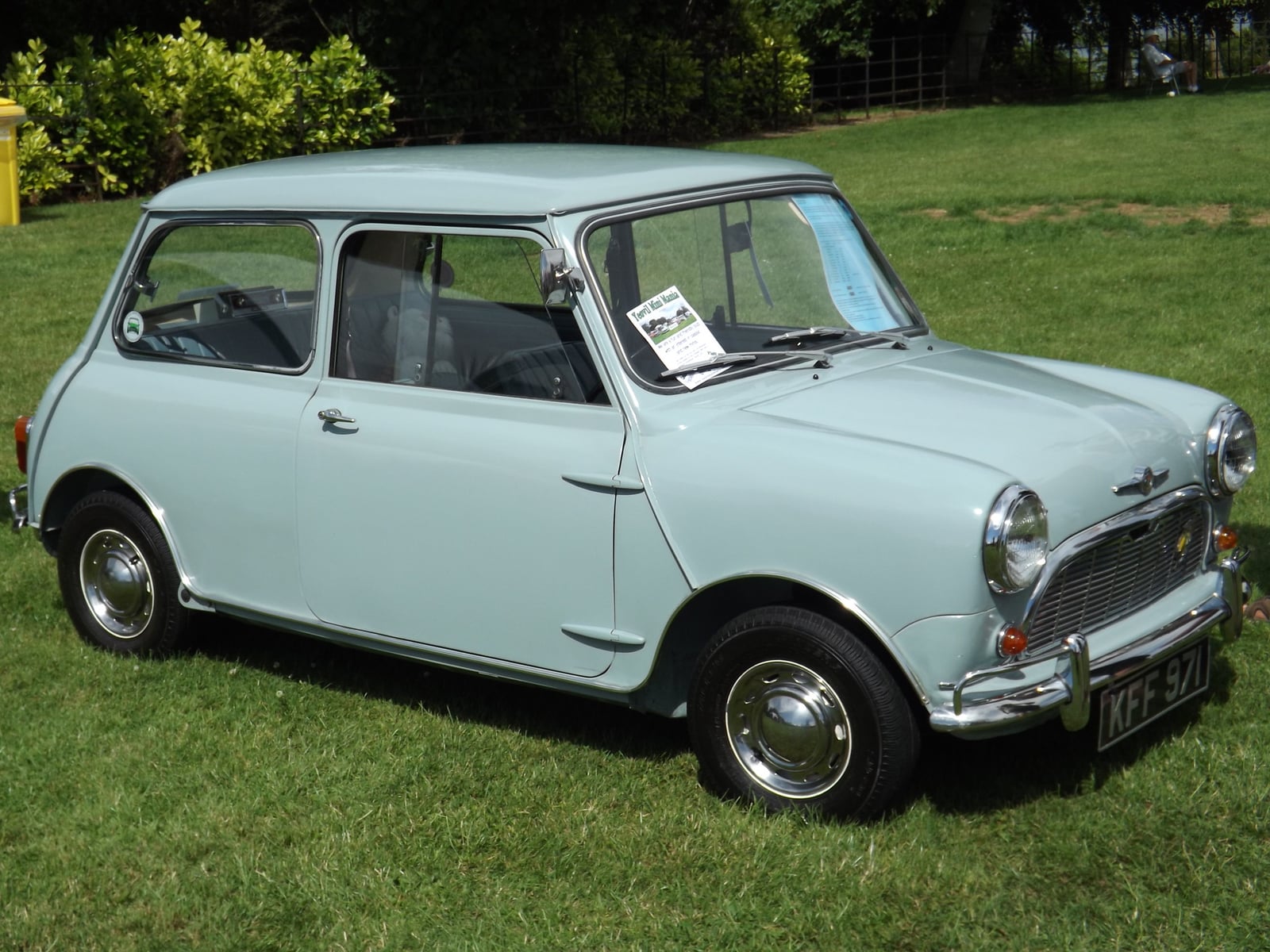
The Mini ran for forty-one years in recognisably the same form, so within each model there is an evolution to understand. The earliest Mk1 cars (1959–67), with their external door hinges, sliding windows and small rear lights, are the most collectible and the most expensive. The Mk2 and later cars brought wind-up windows, bigger lights and various improvements, and are more usable day to day. The squared-front Clubman ran alongside the round-nosed cars through the 1970s.
There is no single right answer: the early cars carry the value and the purity, the later cars the usability and the value for money. Decide which matters more to you before you start looking.

Where a Mini rusts
Rust is the single most important thing to check, because it is what makes or breaks a Mini. Inspect, underneath and behind trim wherever possible:
- the floors and the inner and outer sills;
- the A-panels, where the front wing meets the door, a classic Mini rot spot;
- the front wings and the headlamp surrounds;
- the front and rear subframes and, critically, their mounting points, which are structural;
- the boot floor and the battery box in the boot;
- the door bottoms, the seams and the area around the screens.
A freshly painted or shiny car deserves more suspicion, not less, because filler and fresh paint can hide serious corrosion. If you are not confident judging a Mini’s structure yourself, take someone who is.

Mechanical checks
The mechanicals are the easy part. The A-series engine is tough and simple; listen for knocks and rumbles, check for oil leaks and smoke, and remember that the engine and gearbox share their oil, so clean oil and crisp gearchanges matter. The transmission lives in the sump beneath the engine, an Issigonis trademark, and worn synchromesh or a rattly gearbox is common but rebuildable.
Check the suspension type and condition: a Hydrolastic car should sit level and hold its height, while rubber-cone cars give the classic firm ride. Worn subframe mounts, tired dampers and leaking Hydrolastic units are all common and all fixable. None of this should scare you off a car; the body is what counts.

Genuine or clone
One specific warning applies to the Cooper and Cooper S. Because a genuine car is worth so much more than a standard Mini, conversions and clones are common, and not always honestly described. If you are buying a Cooper, verify the chassis and engine numbers, confirm the correct specification for the year, insist on history, and use the Mini Cooper Register, which exists to authenticate these cars. A real, documented Cooper is worth far more than a fast but unverifiable one.

What to pay
Ordinary later Minis run from around £3,000 to £5,000 for a usable car and £8,000 to £12,000 for a very good one. Early Mk1 cars, the Travellers and the 1990s Coopers sit higher; genuine 1960s Coopers start around £20,000, and Cooper S cars and Mokes higher still. Across the whole range, condition and originality move prices more than model badges, so buy the soundest, most honest car you can. To keep one running, see our Mini parts and specialists guide, and for the wider picture the main classic Mini guide.

More photos