Mini Cooper and Cooper S: the giant-killer that won the Monte (1961–2000)
The Mini Cooper turned Alec Issigonis's economy car into a giant-killer, and the Cooper S won the Monte Carlo Rally three times. A guide to the 1960s Cooper and Cooper S, the 1990s revival, how to tell a genuine car from a clone, and what to look for when buying one.
Built 1961–2000

At a glance
- Years
- 1961–1971; revived 1990–2000
- Body styles
- Two-door saloon
- Drivetrain
- Transverse front engine, front-wheel drive
- Engines
- 997-998cc (Cooper); 970, 1071 and 1275cc (Cooper S); 1275cc on the 1990s cars
- Power
- Around 55 bhp (998 Cooper) to 76 bhp (1275 Cooper S)
- Trim levels
- Cooper, Cooper S; Cooper, Cooper S and Cooper Sport on the 1990s revival
- Production
- Around 150,000 original Coopers and Cooper S between 1961 and 1971
- Assembly
- Longbridge and Cowley
- Designer
- Alec Issigonis and John Cooper
- Values
- 1990s Coopers from around £6,000; good 1960s Coopers £20,000-£40,000; genuine Mk1 Cooper S and works cars far beyond
- Motorsport
- Won the Monte Carlo Rally outright in 1964, 1965 and 1967
- Watch for
- Cloned cars; a genuine Cooper or Cooper S is worth far more than a converted standard Mini
The models
The standard Mini was a brilliant economy car. The Mini Cooper made it a legend. By handing Alec Issigonis’s little saloon to the racing-car constructor John Cooper, the classic Mini gained the performance to match its handling, and went on to humble far more powerful machinery on the world’s toughest rally stages. The Cooper is the Mini most enthusiasts dream of, and the car that turned a clever small saloon into a motorsport icon.
How John Cooper made the Mini fast
John Cooper, whose cars were winning Formula One, drove an early Mini and saw at once that its grip and balance deserved more power. He persuaded a reluctant BMC to build a performance version, and the Mini Cooper arrived in 1961 with a tuned 997cc engine, twin carburettors and, importantly, front disc brakes. It was quick, but more than that it was astonishingly capable, able to carry huge speed through corners that left bigger cars floundering.

The Cooper S followed in 1963 and took the idea further, with a stronger, bigger-bore engine designed for competition, better brakes and a tougher bottom end. In 970, 1071 and finally 1275cc forms it was a genuine giant-killer, and the basis of the works rally cars.
Cooper vs Cooper S
The two are often confused but are quite different cars. The Cooper used a relatively mild tune of the standard A-series engine and was aimed at the keen road driver. The Cooper S was the homologation special: more power, a close-ratio gearbox, uprated brakes and the strength to be rallied and raced hard. Both ran through Mk1 and Mk2 forms (sold as the Austin Cooper and Morris Mini Cooper until the Mini became a marque of its own in 1969), and auction listings still describe the cars that way. The S is rarer, faster and far more valuable, and the 1275 S is the one most collectors want.
For a buyer today the distinction matters enormously to both price and provenance, so confirming exactly which car you are looking at, and that it is genuine, is the first job.

The Monte Carlo years
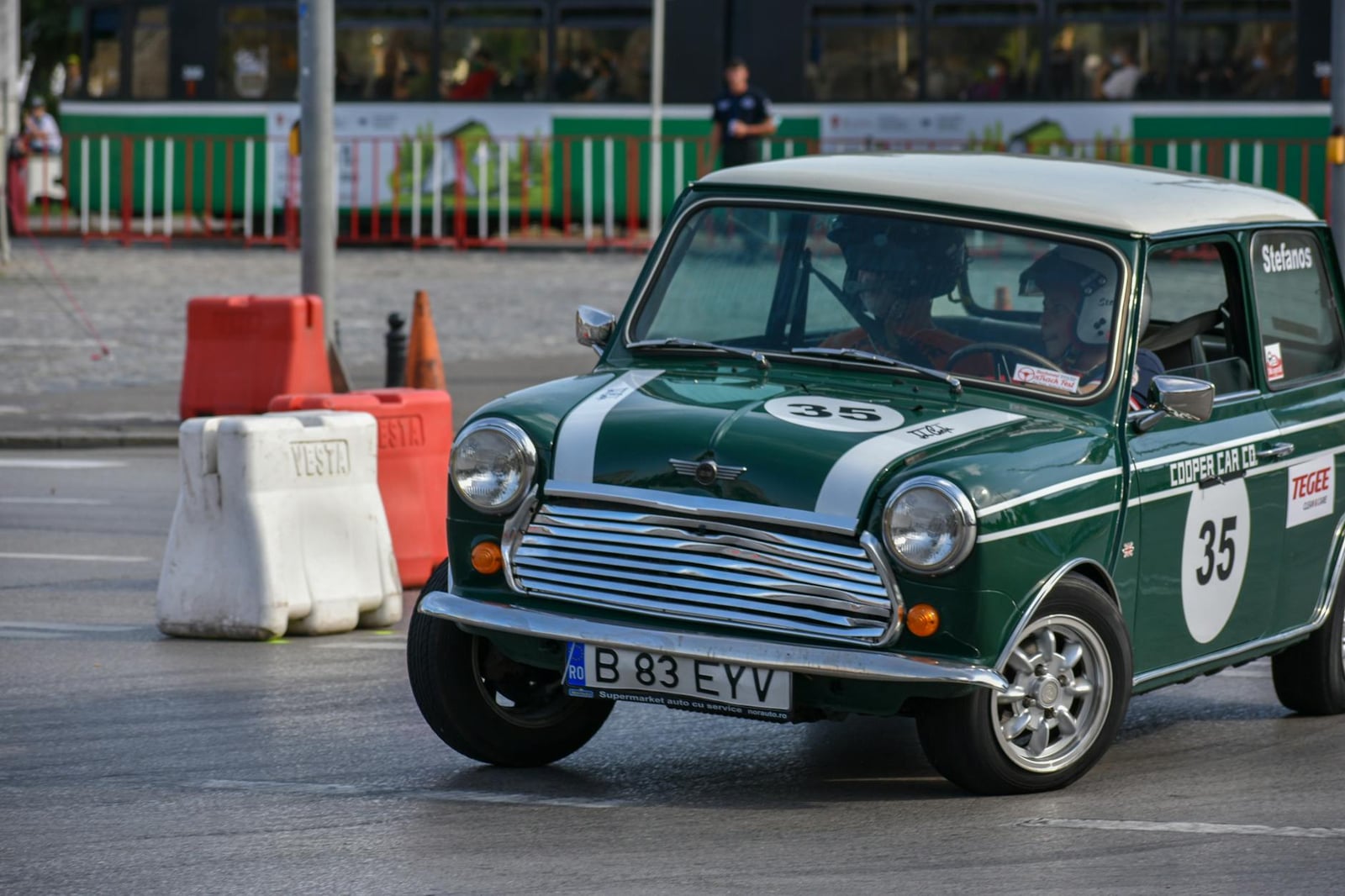
The Cooper S earned its place in history in the snow of Monte Carlo. Works cars won the Monte Carlo Rally outright in 1964, with Paddy Hopkirk, and again in 1965 and 1967, beating cars with several times the power on the events where the Mini’s traction and agility counted most. The 1966 result, in which the leading Minis were disqualified over a lighting technicality, only added to the legend.
Those wins turned the Cooper from a quick small car into a national hero, and they are a large part of why genuine cars, and especially documented competition cars, command the prices they do.

The 1990s revival
After the original Cooper ended in 1971, the name lay dormant for nearly two decades. Then, in 1990, Rover revived it, working once more with John Cooper, on the fuel-injected 1275cc Mini. The 1990s Cooper 1.3 and later Cooper Sport were softer and more usable than the originals, built for a market that now treated the Mini as a fashionable classic, and they kept the name alive until production ended in 2000.
These later Coopers are the affordable way into the bloodline, a fraction of the price of a genuine 1960s car and the cheapest route to the badge. The name passed in 2001 to BMW’s new MINI, built at Cowley, whose supercharged Cooper S R53 of 2002 to 2006 is now reaching classic age itself.

What it is like to own
A Cooper is everything a standard Mini is, small, simple, superbly supported for parts and hugely entertaining, with real performance on top. The A-series engine is tough and tunable, the mechanicals are shared across the range, and the specialist network knows these cars inside out. It is a classic you can genuinely use and enjoy hard.
The flipside is value. A genuine Cooper, especially a 1960s Cooper S, is now a serious financial asset, which makes originality and provenance central to ownership in a way they are not on an ordinary Mini.

Buying guide: what to look for
Identity comes before condition on a Cooper, because a genuine car is worth so much more than the standard Mini underneath it that cloning is rife. Verify the chassis and engine numbers, confirm the specification is correct for the year, and take the history through the Mini Cooper Register, which exists for exactly this purpose. At these values an expert inspection pays for itself several times over, and a quicker but unverifiable car is worth markedly less than a slower documented one.
The rust and running-gear checks are the standard Mini ones, set out in the Mini buying guide. Nothing about a Cooper makes them milder. It simply raises what is at stake if they are skipped.

Where the Cooper sits among the classics
A 1990s Rover Cooper starts around £6,000, a good 1960s Cooper sits between roughly £20,000 and £40,000, and genuine Mk1 Cooper S cars climb well beyond, with documented works rally cars in a category of their own. The Cooper leads the whole Mini market, and the gap between it and the standard cars is the single biggest reason to buy carefully. The full record, 1,101 recorded sales across both eras, the S premium in figures, what a replica makes against the real thing and what the market has done since 2017, is on the page covering classic Mini Cooper values. For the era, see British classic cars of the 1960s.
More photos
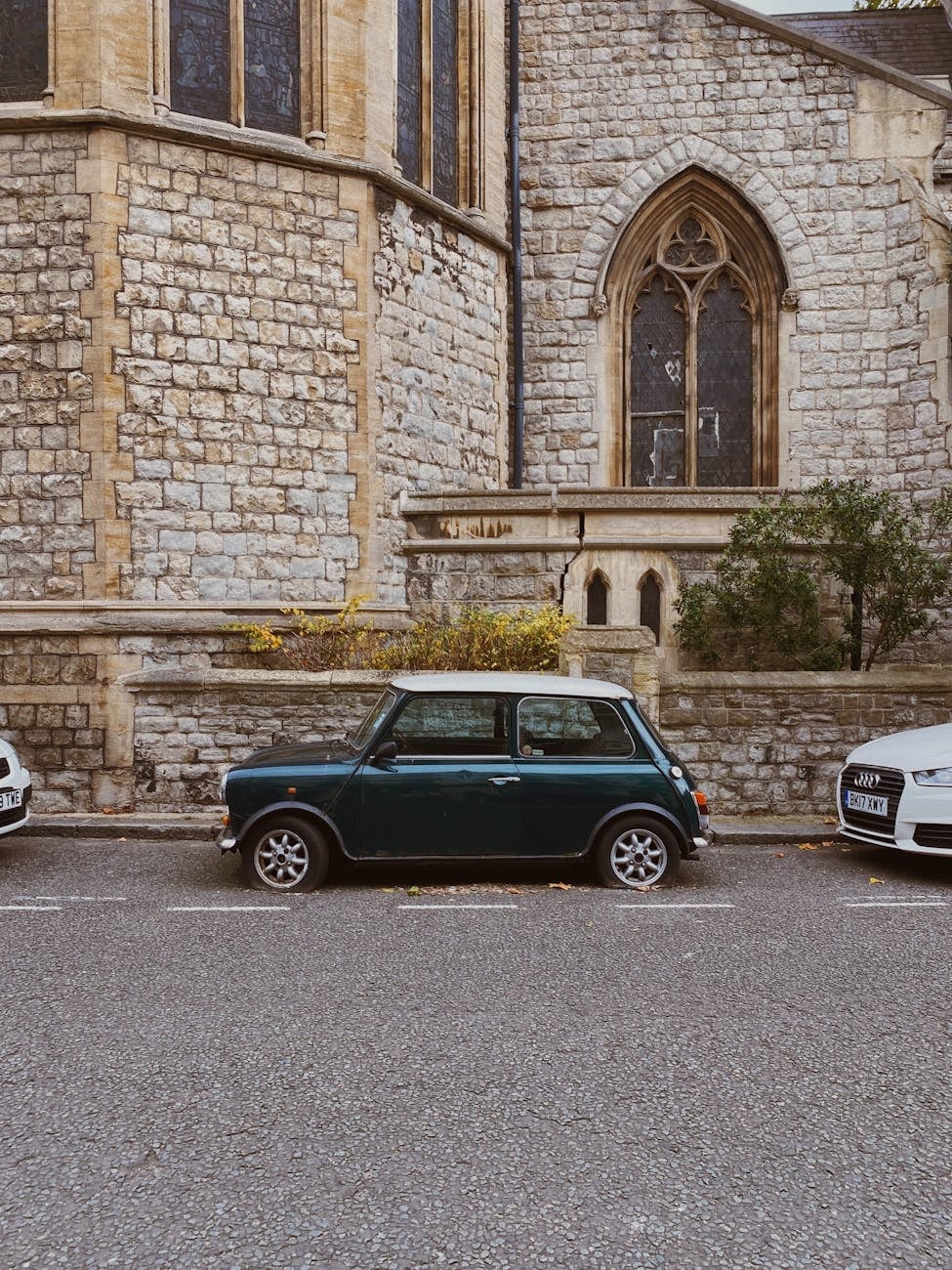
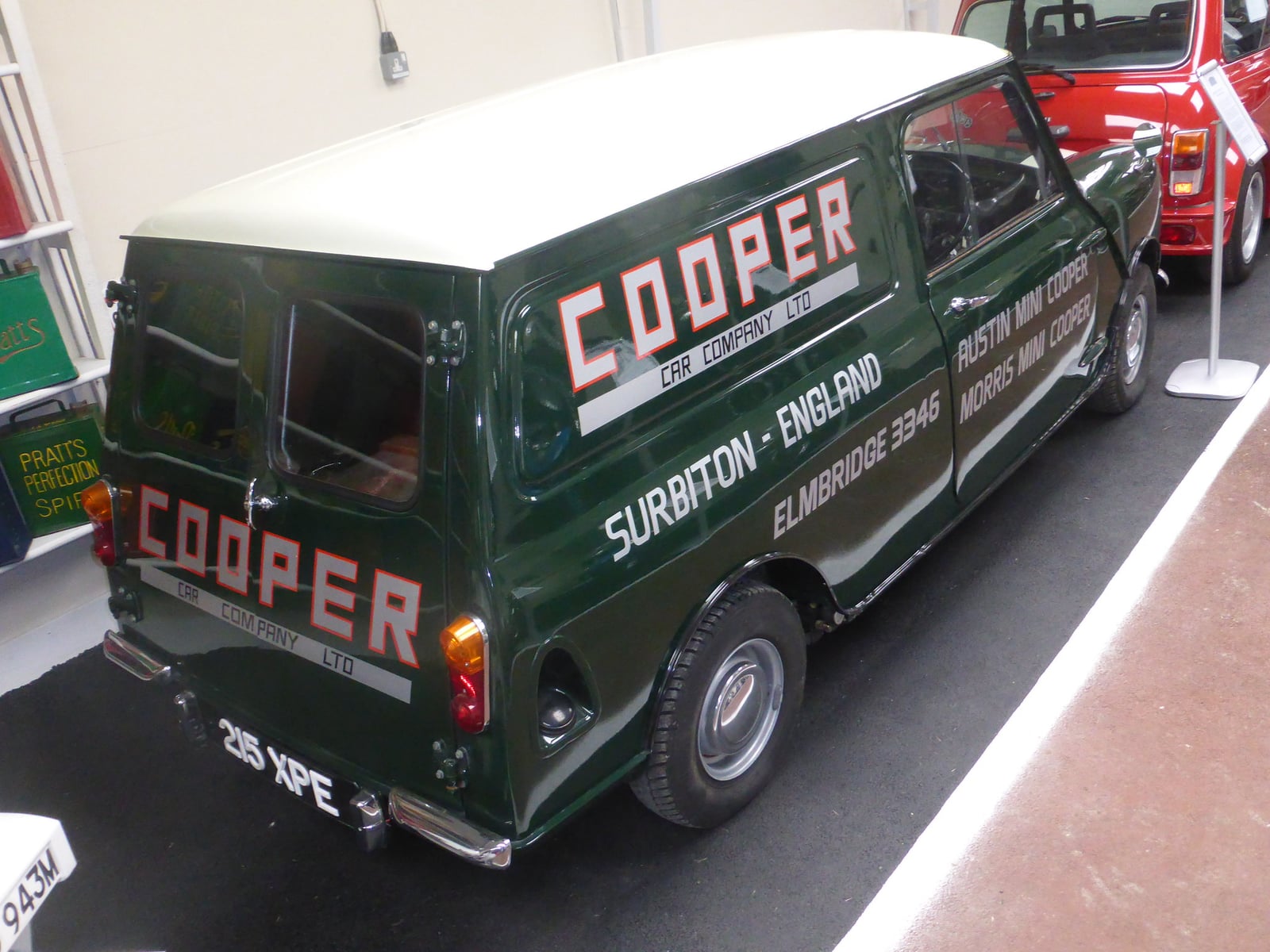
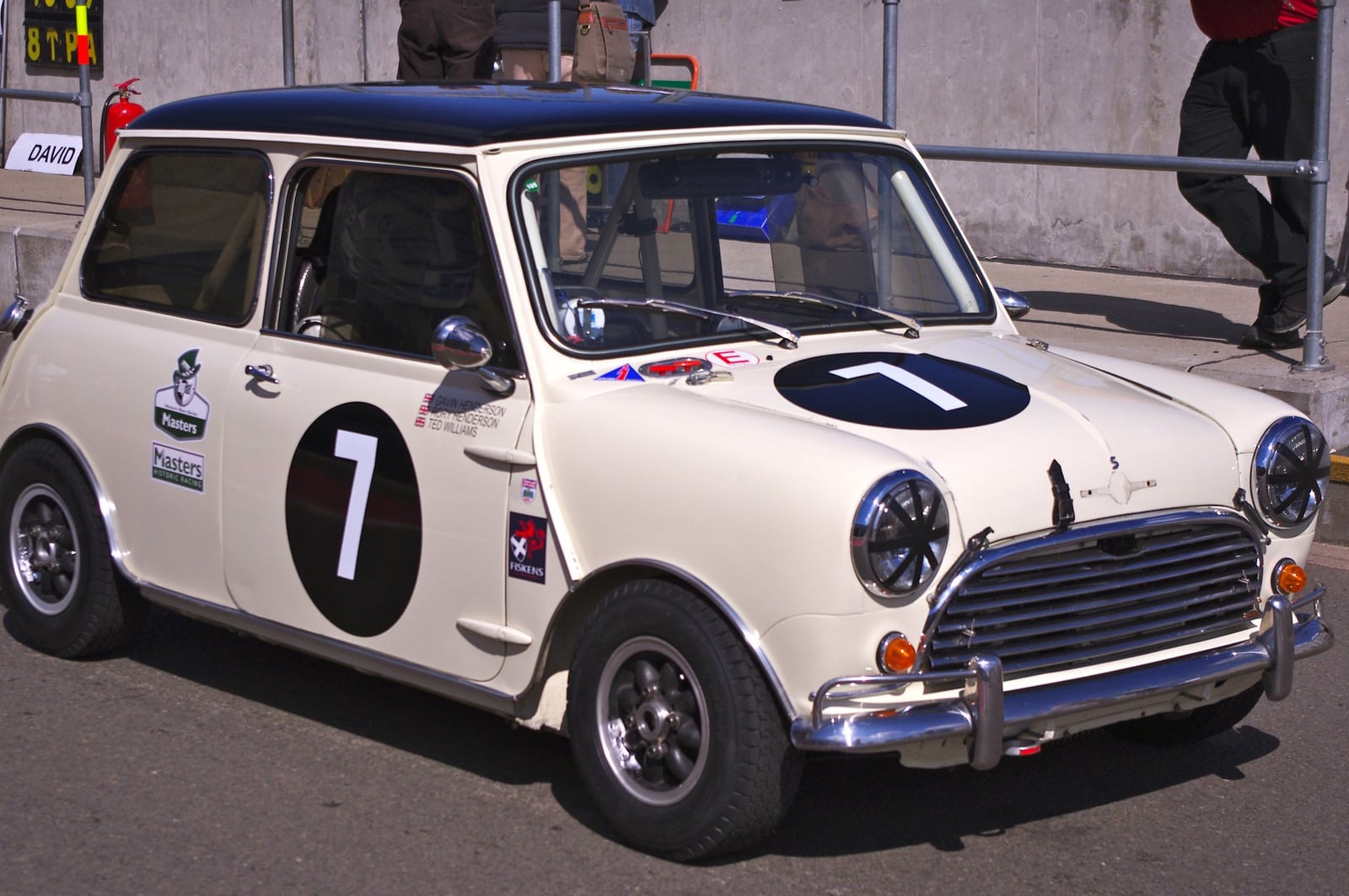
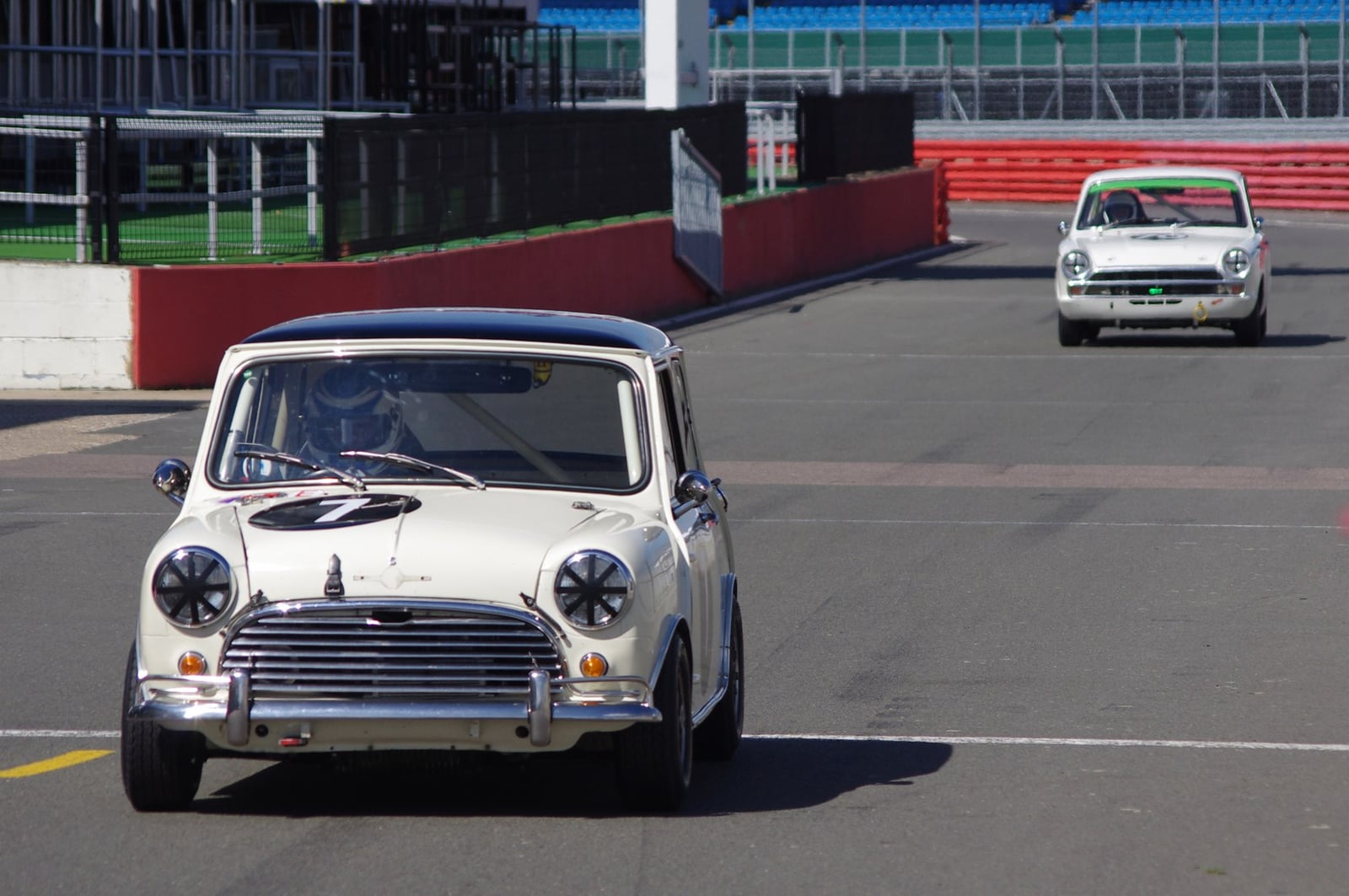
The Cooper in dates
- 1961John Cooper persuades BMC to build a performance Mini: 997cc, twin carburettors and front disc brakes.
- 1963The Cooper S arrives as the homologation special, with a stronger bigger-bore engine built for competition, in 970, 1071 and finally 1275cc forms.
- 1964Paddy Hopkirk wins the Monte Carlo Rally outright; works cars repeat the win in 1965 and 1967.
- 1966The leading Minis are disqualified from the Monte over a lighting technicality, which only adds to the legend.
- 1971The original Cooper line ends after around 150,000 cars.
- 1990Rover revives the name with John Cooper on the fuel-injected 1275cc Mini.
- 2000Production ends; the name passes to BMW's new MINI at Cowley the following year.
Cooper: what to check before you buy
Identity, the first job
- Confirm whether the car is a Cooper or a Cooper S, since the S is rarer, faster and far more valuable
- Verify against the registers and heritage records rather than the badges
- A genuine 1275 S is the one collectors want, and the one most often faked
- Documented competition history multiplies value and needs the paperwork to match
The standard Mini checks
- The rust and running-gear checks are the standard Mini ones, applied with more at stake
- Subframes, sills, floors and A-panels as on any classic Mini
- The S's uprated brakes and close-ratio gearbox should actually be present
- Mk1 and Mk2 cars were sold as Austin and Morris until 1969, and listings still describe them that way
Which era
- 1960s Coopers are the collector cars, from £20,000 to £40,000 and beyond
- Genuine Mk1 Cooper S cars and works rally cars sit far above
- The 1990s Cooper 1.3 and Cooper Sport are softer, more usable and the cheapest route to the badge
- The BMW-era R53 is a different car entirely, covered on its own page