Ford Escort Mk2 (1975–1980): plain family car, world rally weapon
The squared-off Escort Mk2 of 1975 was a humble rear-drive family car that doubled as one of the most successful rally cars of all time. The RS1800, RS2000 and Mexico turned the badge into a legend while millions of ordinary Escorts did the school run. The development story, the rally cars, and the survivors.
Built 1975–1980 304 recorded sales

At a glance
- Years
- 1975–1980
- Body styles
- Two- and four-door saloon, estate, van
- Drivetrain
- Rear-wheel drive
- Engines
- 1.1/1.3/1.6 Kent; 1.6/2.0 Pinto; 1.8 Cosworth BDA (RS1800)
- Power
- 41-115 bhp (road tune)
- Trim levels
- Base, L, XL, GL, Ghia, Sport; RS1800, RS2000, Mexico
- Production
- Over 2.5 million built
- Assembly
- Halewood; RS road cars built at Aveley, Essex
- UK survivors
- Ordinary cars now rare; fewer than 90 genuine RS1800s known
- Values
- Saloon around £6,800 good to £10,000-plus; RS2000 £15,000-£27,000; genuine RS1800 from £50,000
The models
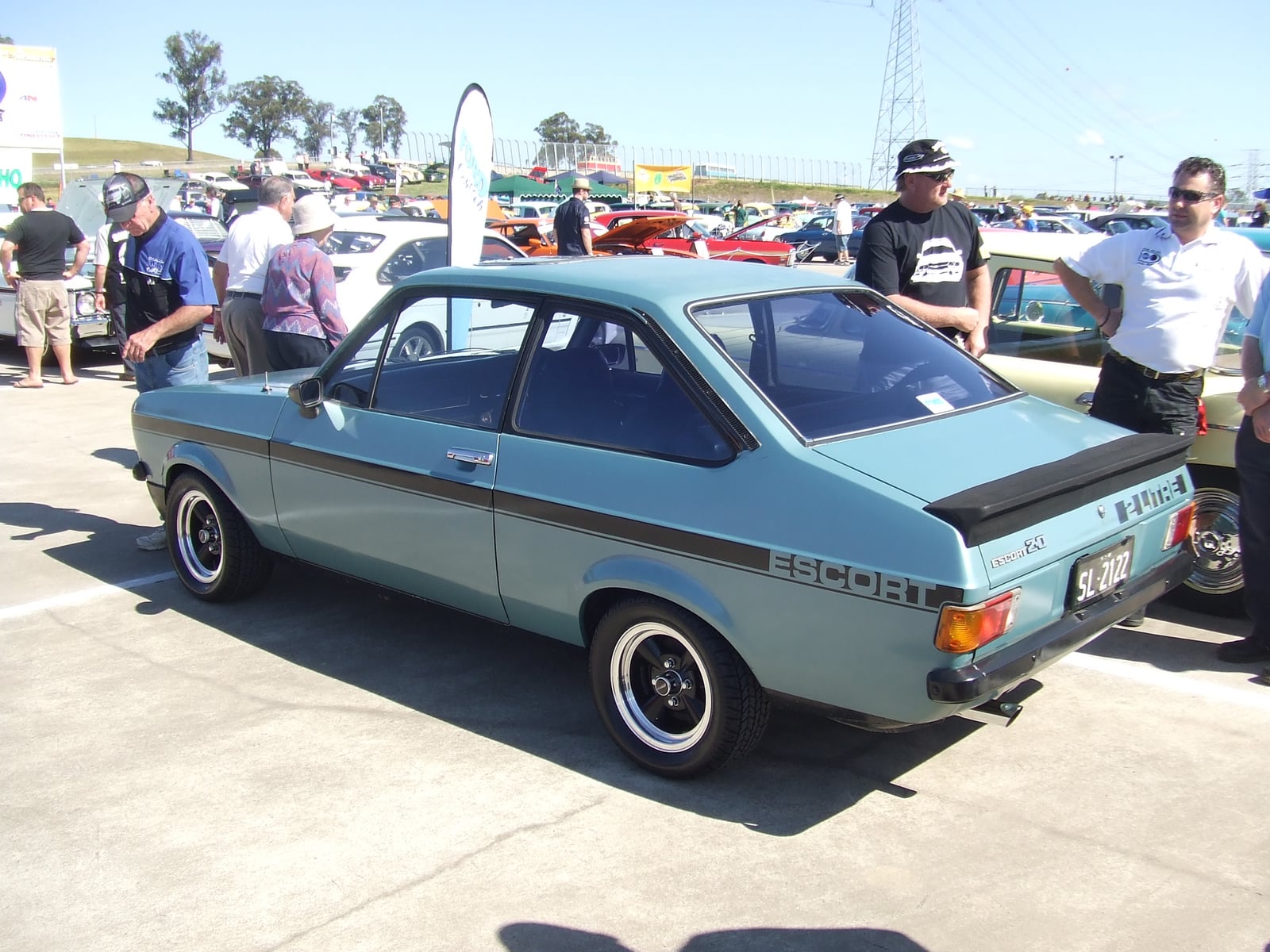
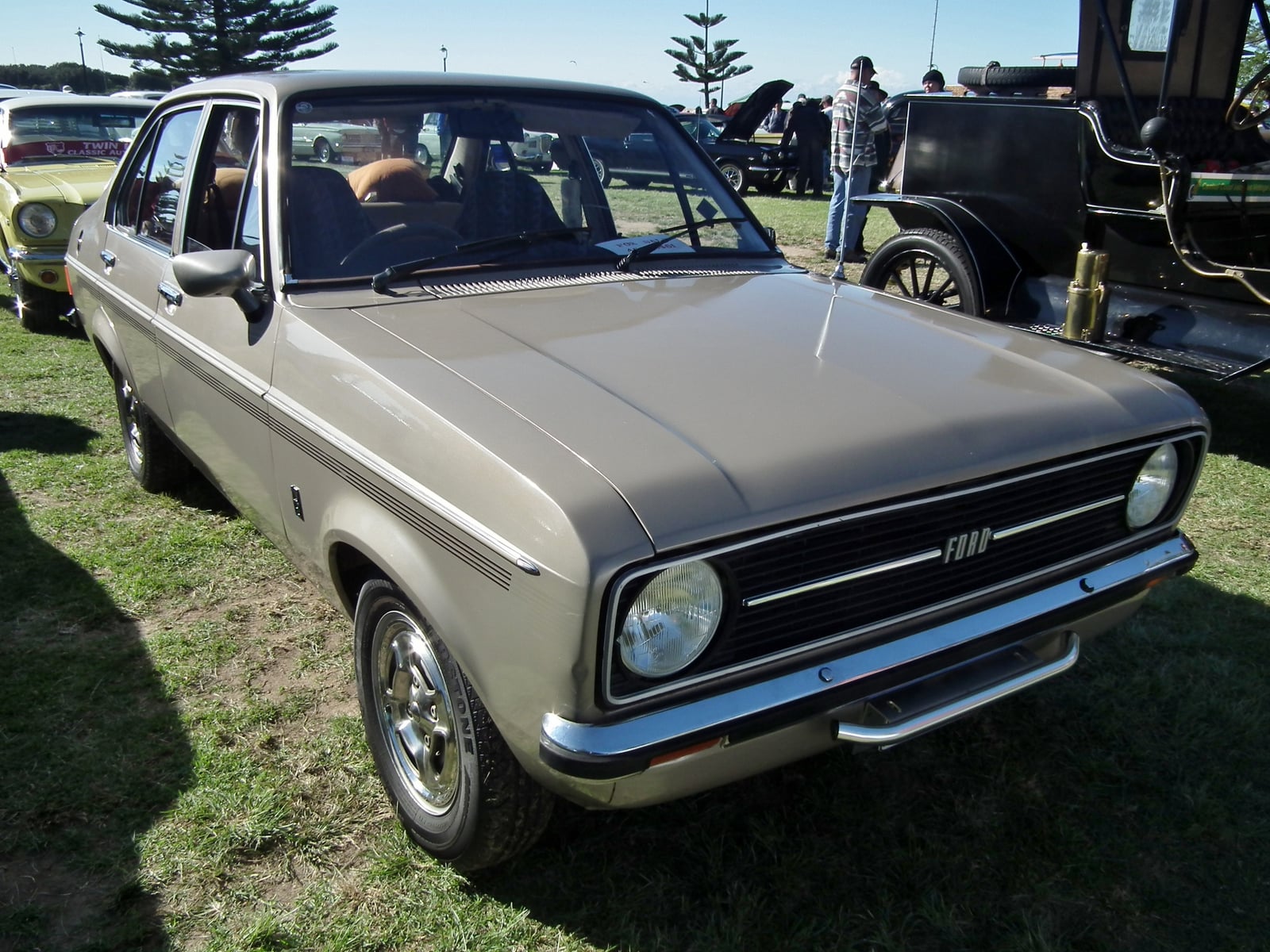
The Escort Mk2 lived two lives at once. To most of the country it was a plain, dependable rear-drive family car, sold by the million and seen on every street. To rally enthusiasts it was, in RS form, one of the most successful competition cars ever built, and the reason the Escort badge still carries the weight it does. Both cars wore the same squared-off shell, and that overlap, the school-run saloon and the works rally weapon, is the whole story.
From the Mk1: the 1975 restyle
The first Mk2 Escorts came off the line in December 1974, with the car on sale from January 1975 under the project codename Brenda. It was a reskin rather than a new car: the squared-off body sat on the Mk1’s rear-wheel-drive floorpan and structure, using the same running gear, and the estate and van versions even kept the Mk1’s doors and roof behind the new front end.
That simplicity was the point. A light, strong, rear-drive car with a separate front subframe and a live rear axle was the ideal base for tuning and competition, and Ford knew it. The ordinary Escort was a sensible small saloon; the same bones made it a giant-killer with the right engine in the nose.

The engine range
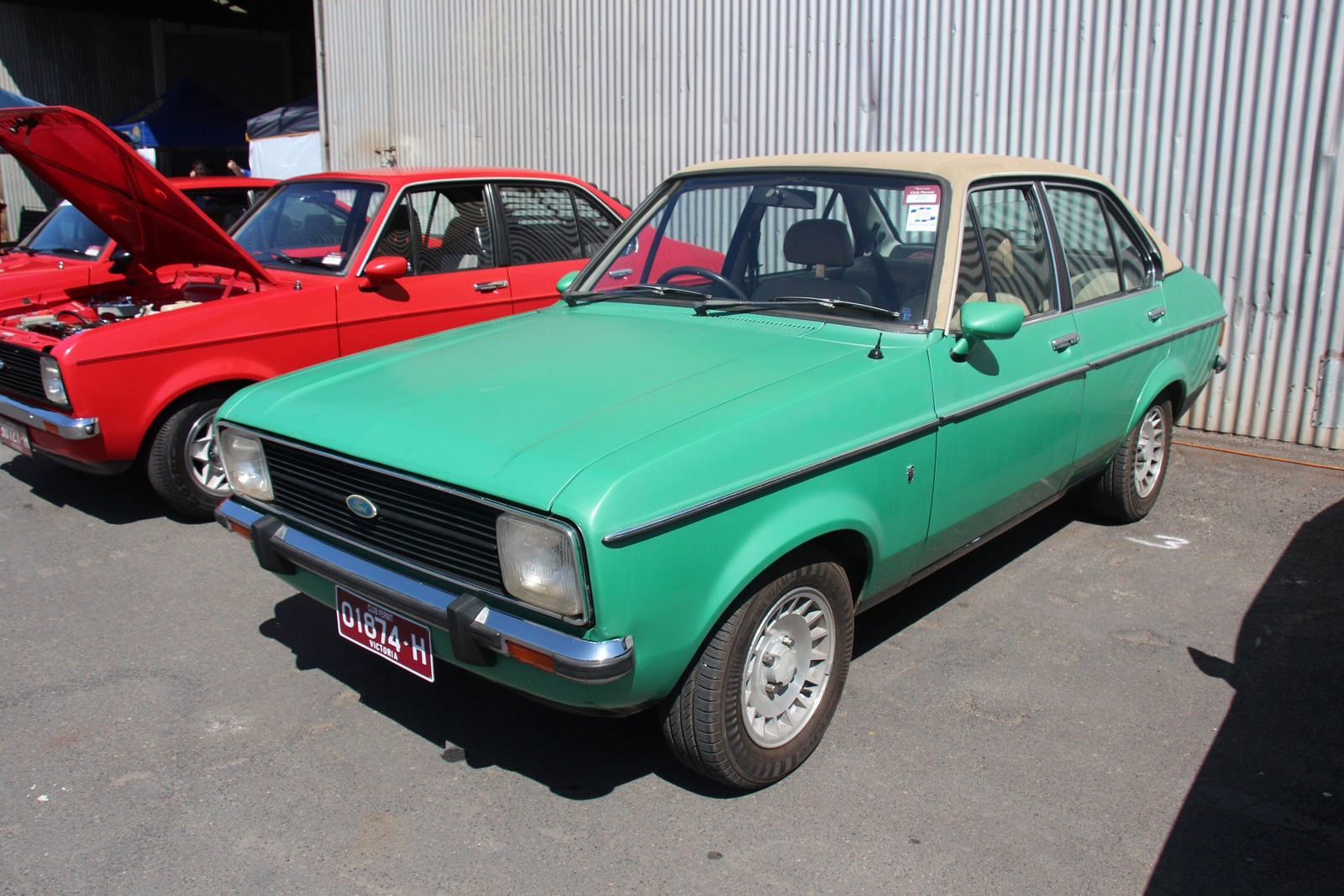
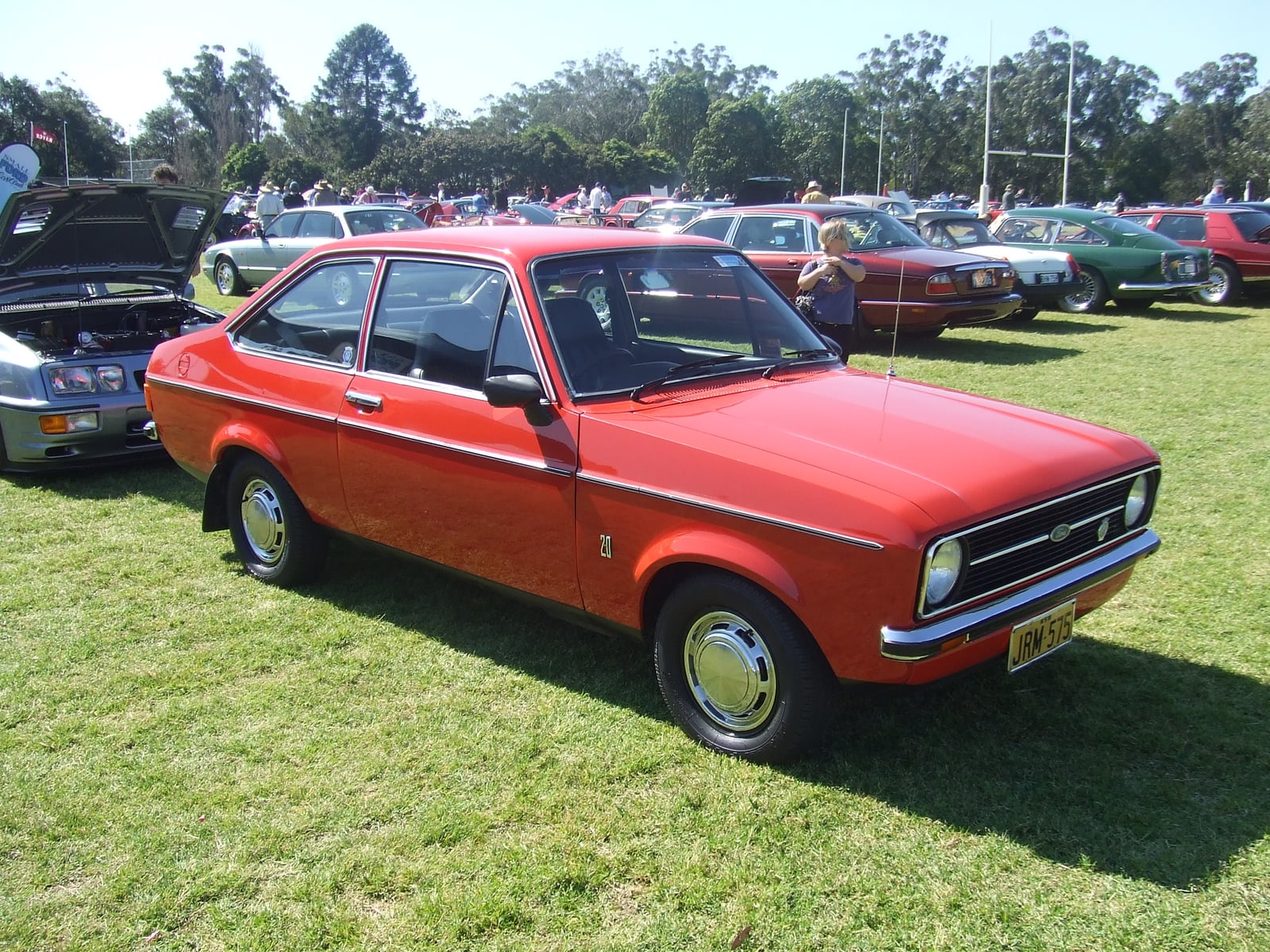
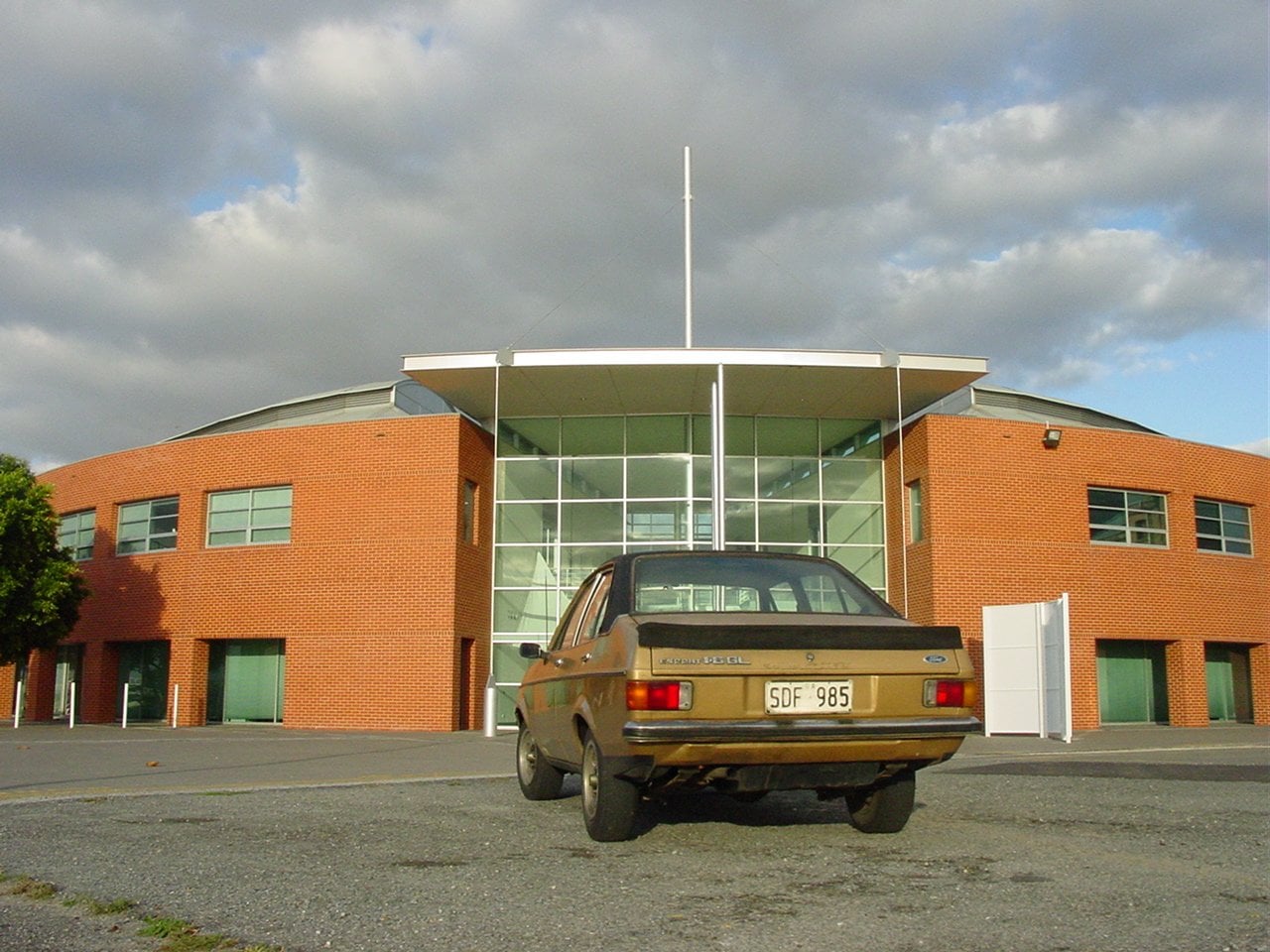
For most buyers the Escort meant the Kent overhead-valve crossflow four, in 1.1, 1.3 and 1.6 forms, the base 1.1 making around 41 brake horsepower and the rest not much more. These were cheap, tough, undemanding engines that ran forever and asked little, and they powered the vast majority of the two and a half million-odd Escorts of this shape, sold up through the familiar trim ladder from base and L to GL, Sport and the plush Ghia.
The performance cars are where it gets interesting. The RS1800 used a 1.8-litre version of the 16-valve, belt-driven Cosworth BDA engine, around 115 brake horsepower in road tune and far more in competition trim. The RS2000 and the Mk2 Mexico both used the overhead-cam Pinto: 2.0 litres and roughly 110 brake horsepower in the RS2000, 1.6 litres and 95 in the Mexico. That Pinto Mexico is a real distinction worth knowing, because the earlier Mk1 Mexico had used the Kent crossflow; the Mk2 moved the badge onto the overhead-cam engine.
The rally cars: RS1800, RS2000 and Mexico
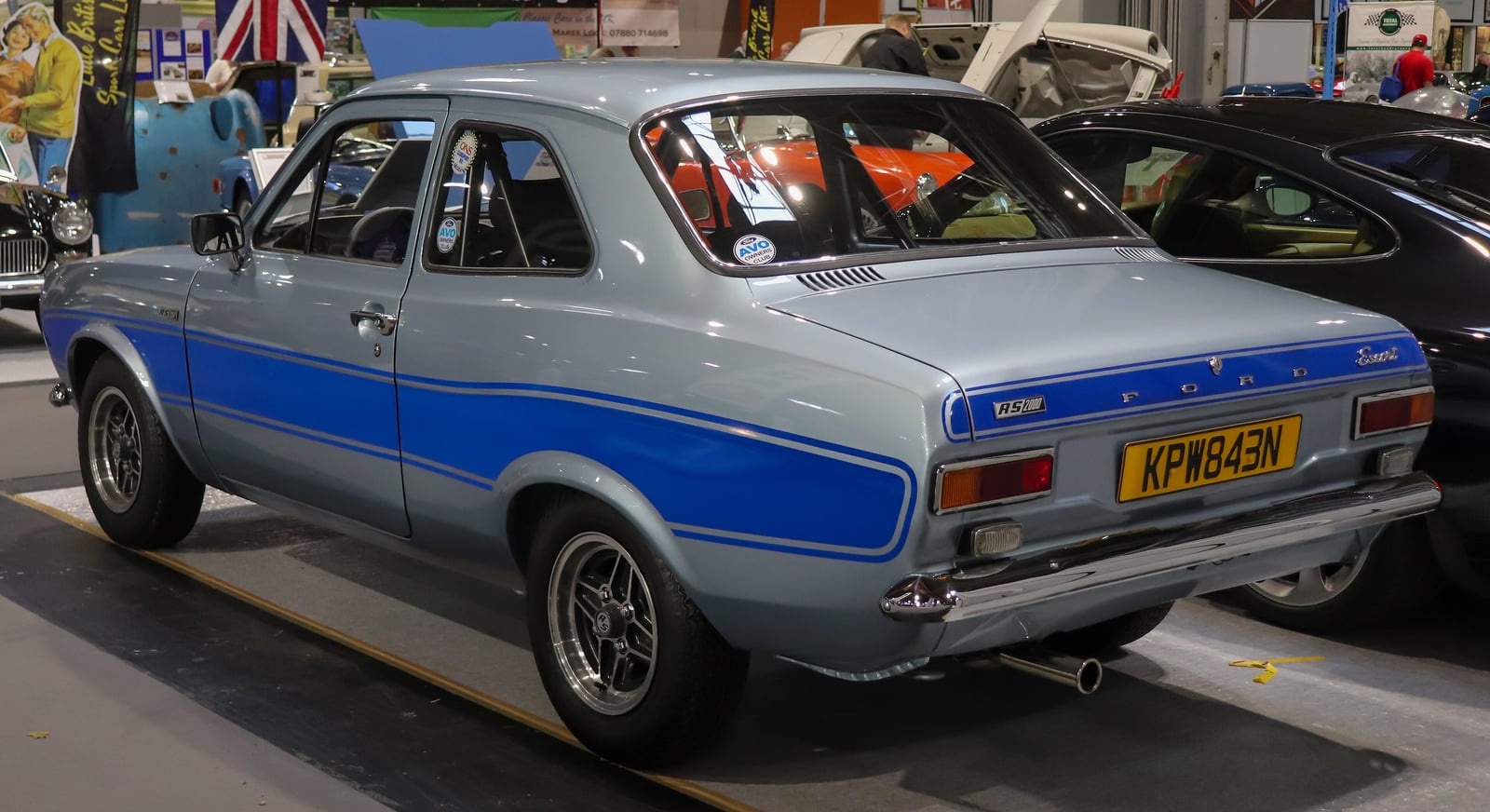
The RS1800 is the serious one. It existed first and foremost to homologate the works rally car for Group 4, which is why so few road cars were built. Ford never officially disclosed the number, and the figure usually quoted is around 109, with the owners’ club register today aware of fewer than 90 survivors. Early cars were converted in Britain at Ford’s Aveley facility from 1600 Sport bases; later ones started life as RS Mexico shells and had their BDA engines fitted at Aveley. Genuine RS1800s are now among the most valuable Fords of all, and the gap between a real one and a convincing replica is enormous, which makes provenance everything.
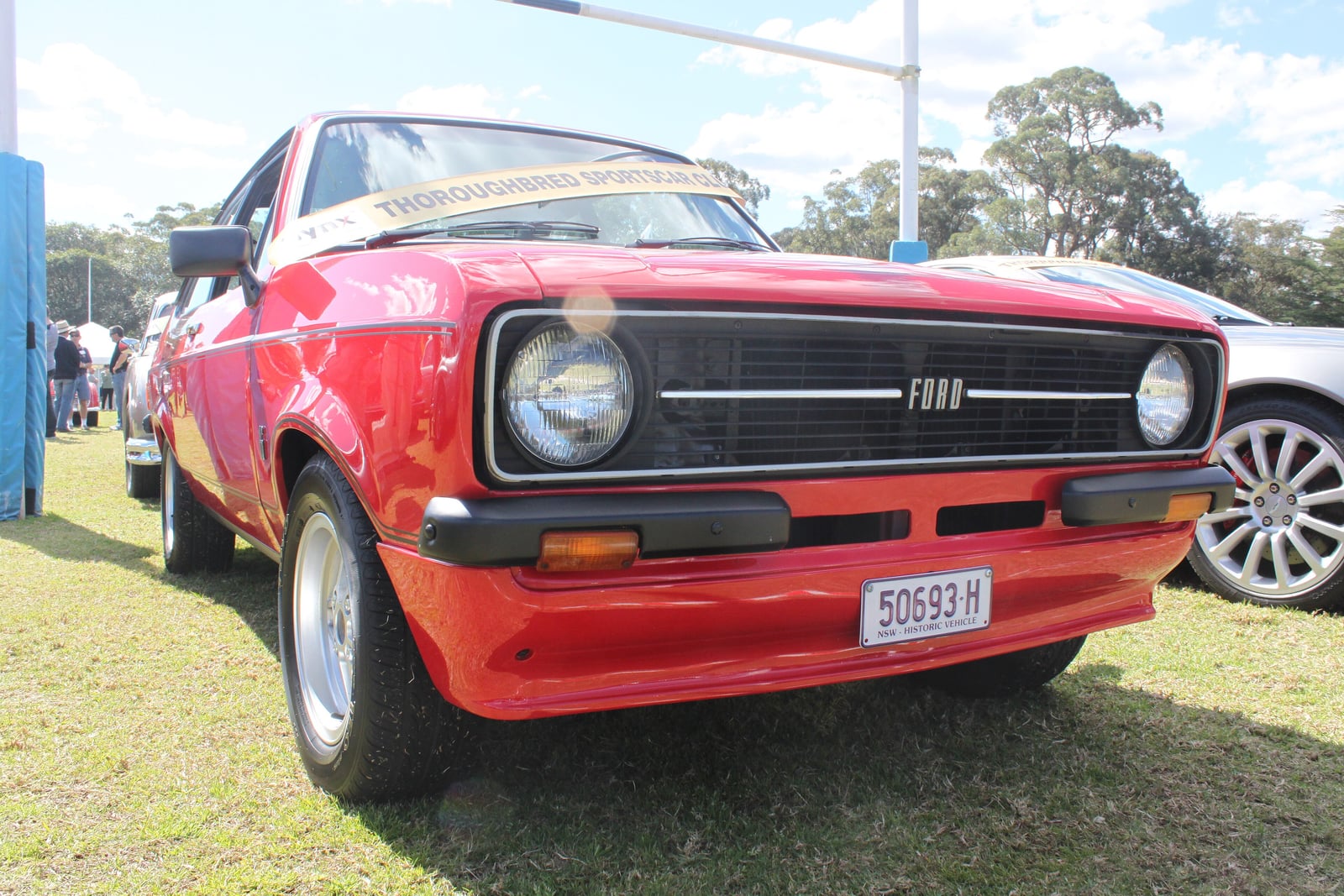
The RS2000 is the one most people picture, thanks to its polyurethane “droop-snoot” nose, a sloped front end unique to that model with its own bonnet, wings and integral air dam. Introduced in January 1976, it was quick, distinctive and, at over 20,000 built, far more numerous than the RS1800. The Mexico sat below it as the affordable rally-flavoured Escort, 95 brake horsepower of Pinto in a lighter package, of which only around 2,500 were sold across its short 1975-to-1978 life.
One caution on language: “droop-snoot” belongs to the RS2000 specifically. It is not a name for the Mk2 range, and a plain Escort with a flat front is not a droop-snoot anything.

Boreham and the rally years
Ford ran its competition programme from Boreham in Essex, with the road-going RS engine builds and conversions handled at the Aveley pilot plant. The results are the reason the Mk2 is a legend rather than just a tidy small saloon.
Roger Clark won the 1976 RAC Rally outright in a Mk2 RS1800, with co-driver Stuart Pegg, part of a long Escort stranglehold on Britain’s round of the championship. In 1979 the RS1800 took Ford the World Rally Championship in full: the manufacturers’ title, and the first official drivers’ championship, won by Björn Waldegård, who beat his own team-mate Hannu Mikkola by a single point. The Mk2 took a further drivers’ title in 1981 with Ari Vatanen, though that one came after Ford had wound down its own works effort: Vatanen’s car was run by David Sutton’s Rothmans-backed privateer team, not from Boreham. It is a distinction worth keeping straight, because the 1981 title was the Escort’s, but not Ford’s own.

Buying an Escort Mk2 now
The market splits as sharply as the car’s two lives. Ordinary Escorts are now rare survivors of a car that was once everywhere, while genuine RS and Mexico examples command serious money and attract replicas, so at the top of the range provenance is the whole game. Every Escort Mk2 now qualifies for historic vehicle status under the 40-year rule, free of road tax and, unmodified, the annual MOT.
Rust is the first check on any of them: inner front wings, the suspension strut turrets, the bulkhead, around the front and rear screens, the wheelarches, sills, floorpans, boot floor and valances. The good news is that bodywork support is exceptional. Almost every panel for these cars is made new, a consequence of the rally following, so a rough but genuine car can be saved. Lower-spec interior trim is the harder thing to find.
On value, the spread is vast. The classic-car price guides put an ordinary Mk2 saloon at roughly £6,800 in good order and £10,000-plus for an excellent one; an RS2000 runs from around £15,000 to £27,000; and a genuine RS1800 starts near £50,000 and climbs steeply with competition history, a 1978 Group 4 rally car making over £80,000 at auction in 2025. The RS1800 register kept by the owners’ club is the place any serious buyer at that level should check before parting with the money. Lower down, the appeal is purer: a clean 1.3 Escort is a cheap, light, willing classic that drives like the rally cars in miniature, and it is the car a whole generation actually learned to drive in.
Escort Mk2: the short history
- Dec 1974First Mk2 shells come off the line under the project codename Brenda; on sale from January 1975.
- 1975Mexico returns on the overhead-cam Pinto rather than the Mk1's Kent crossflow, a distinction worth knowing when buying.
- Jan 1976RS2000 arrives with the polyurethane droop-snoot nose, its own bonnet, wings and integral air dam.
- 1976Roger Clark and Stuart Pegg win the RAC Rally outright in a Mk2 RS1800.
- 1979The RS1800 takes Ford the World Rally Championship: the manufacturers' title and the first official drivers' title, Bjorn Waldegard beating team-mate Hannu Mikkola by one point.
- 1980Production ends; the front-drive Mk3 replaces it.
- 1981Ari Vatanen takes a further drivers' title in a Mk2, run by David Sutton's privateer team rather than from Boreham.
Escort Mk2: what to check before you buy
Rust and body
- Inner front wings and the suspension strut turrets, the structural ones
- Bulkhead, and around both front and rear screens
- Wheelarches, sills, floorpans, boot floor and valances
- Panels are almost all remade, so a rough genuine shell is saveable; a rough replica is not worth saving
Identity and provenance
- At RS1800 money, check the owners' club register before anything else
- Around 109 RS1800s were built and the register knows of fewer than 90 survivors
- Droop-snoot means RS2000 specifically, not any Mk2 with a sloped nose
- Early RS1800s were converted at Aveley from 1600 Sport bases, later ones from RS Mexico shells
Engine and running gear
- Kent crossflow 1.1, 1.3 and 1.6: cheap, tough and undemanding, expect them to run
- RS2000 and Mk2 Mexico use the overhead-cam Pinto, 2.0 and 1.6 respectively
- RS1800's belt-driven 16-valve Cosworth BDA is the expensive one to get wrong
- Live rear axle and separate front subframe: simple, but check for competition-era modification
Interior and trim
- Lower-spec trim is the harder thing to source, harder than mechanical parts
- Check the trim ladder matches the car: base, L, GL, Sport and Ghia all differ
- RS-specific interior parts carry an RS premium of their own
What the Escort Mk2 sells for at auction
In 2025 the median Escort Mk2 sold for £27,456 across 51 sales, 19% up on 2024. In real terms, typical Escort Mk2 prices were down about 32% over the five years to 2025, once inflation is accounted for.
| Variant | Sold | Typical range | Median |
|---|---|---|---|
| Escort RS2000 | 134 | £21,954 - £40,382 | £30,794 |
| Escort | 63 | £8,625 - £27,790 | £18,250 |
| Escort 1.6 | 29 | £8,360 - £20,453 | £17,152 |
| Escort Mexico | 17 | £25,000 - £34,231 | £31,500 |
| Escort Rally | 11 | £18,760 - £38,532 | £27,000 |
| Escort RS1800 | 8 | £75,702 - £141,188 | £83,850 |
| Escort 1.3 | 6 | £6,453 - £11,390 | £8,656 |
| Escort 1.6 Ghia | 5 | £9,240 - £15,750 | £11,000 |
| Escort 1.3 L | 5 | £5,000 - £5,724 | £5,462 |
| Escort Group 4 | 5 | £26,436 - £37,788 | £29,212 |
Show the year-by-year mediansHide the year-by-year medians
| Year | Sold | Median | In 2025 money |
|---|---|---|---|
| 2026 (so far) | 29 | £22,500 | |
| 2025 | 51 | £27,456 | £27,456 |
| 2024 | 49 | £23,000 | £23,883 |
| 2023 | 41 | £29,139 | £31,269 |
| 2022 | 37 | £25,000 | £28,631 |
| 2021 | 28 | £26,212 | £32,413 |
| 2020 | 8 | £31,708 | £40,180 |
| 2019 | 11 | £17,205 | £22,025 |
| 2018 | 13 | £21,776 | £28,350 |
| 2017 | 9 | £20,060 | £26,721 |
| 2016 | 10 | £16,390 | £22,394 |
| 2015 | 9 | £12,932 | £17,846 |
| 2010 | 3 | £7,312 | £11,199 |
- £19,712Escort RS2000
- £2,240Escort
- £20,388Escort RS2000
- £29,000Escort
- £18,500Escort 1.6
Strong evidence. 304 recorded sales and a dozen or more a year: the median and the range are well founded. Based on 304 sold results from public classic car auctions (2007 to 10 August 2026). Sold prices, not asking prices, and not a valuation: condition, history and specification vary from car to car. Inflation-adjusted figures use the ONS CPIH index, in 2025 money.
Related
The Escort Mk2 is a cornerstone of the classic Ford story and of British classic cars of the 1970s. The front-drive Escort Mk5 shows how far the badge later travelled from this rear-drive rally car. For the full range from Mk1 to Mk6, see the main Ford Escort guide.
More photos