Jaguar XJ6 and XJ12 (1968–1992): Sir William Lyons' last saloon
The XJ6 of 1968 replaced Jaguar's entire saloon range with one car, and the period press could not find anything that drove better at any price. The three series, the smooth XK six and the V12, the Daimler siblings, and what to look for when buying the last Jaguar saloon designed under William Lyons.
Built 1968–1992 482 recorded sales
At a glance
- Years
- 1968–1992
- Body styles
- Four-door saloon (long-wheelbase option); two-door coupe (XJ-C, 1975–1977)
- Drivetrain
- Rear-wheel drive
- Engines
- 2.8, 3.4 and 4.2 XK straight-six; 5.3 V12 (XJ12)
- Power
- Around 140-186 bhp (six, net); 253-295 bhp (V12)
- Trim levels
- Series 1, 2 and 3; Daimler Sovereign and Double-Six siblings
- Production
- Well over 300,000 across three series
- Assembly
- Coventry
- Designer
- Sir William Lyons; Series 3 restyle by Pininfarina
- Values
- From a few thousand for a usable Series 3 to the mid-twenties for the best Series 1 cars, more for coupes
The models
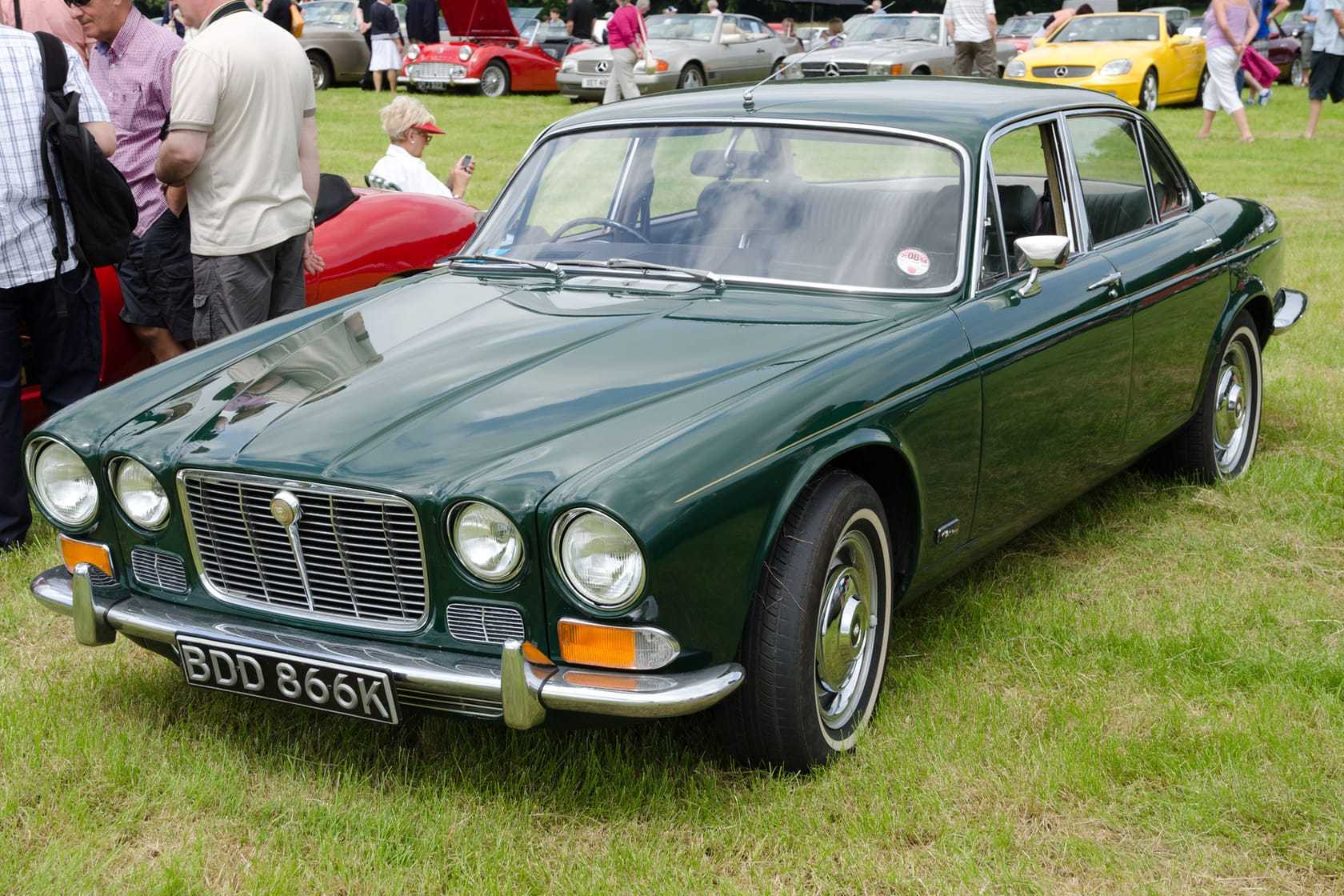
The XJ6 is the car that defined what a Jaguar saloon should be for a quarter of a century. Launched in 1968, it replaced Jaguar’s entire range of saloons with a single model, and it did the job so well that the period press reached for superlatives it usually kept in reserve. It was the last saloon designed under Sir William Lyons, and for many it was his masterpiece.
This is the guide to the whole XJ saloon line, from the 1968 Series 1 to the V12 cars that ran to 1992. For the wider marque story, see the main classic Jaguar guide.
The car that replaced a whole range
Before the XJ6, Jaguar’s showrooms were crowded. There was the compact Mk2 and its derivatives, the S-Type, the 420 and the big 420G, a range that had grown piecemeal over a decade. Lyons swept the lot away with one car. The XJ6, launched in September 1968, did everything the old saloons had done and did it better, combining a beautiful low body, a supple ride and near-silent refinement with the pace of the XK engine.
The reaction was extraordinary. The period road tests judged it to have no equal regardless of price, and the line that it could have been billed as the best car in the world, made by Autocar in its test, has followed the car ever since. It undercut a Rolls-Royce by a huge margin while matching it for hush, and it won the European Car of the Year title for 1969. It was Lyons’ value-for-money philosophy at its most complete.

Series 1, 2 and 3
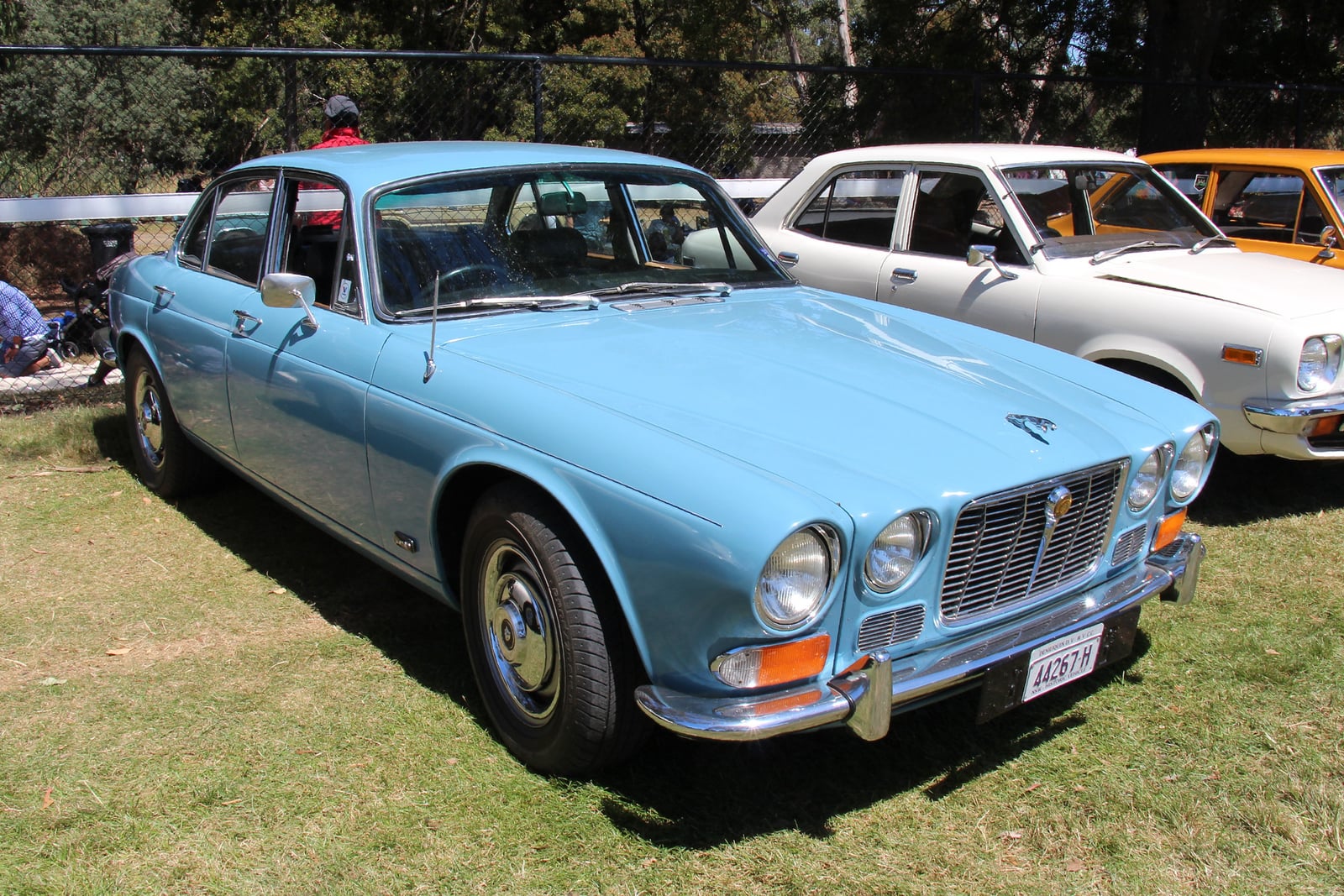
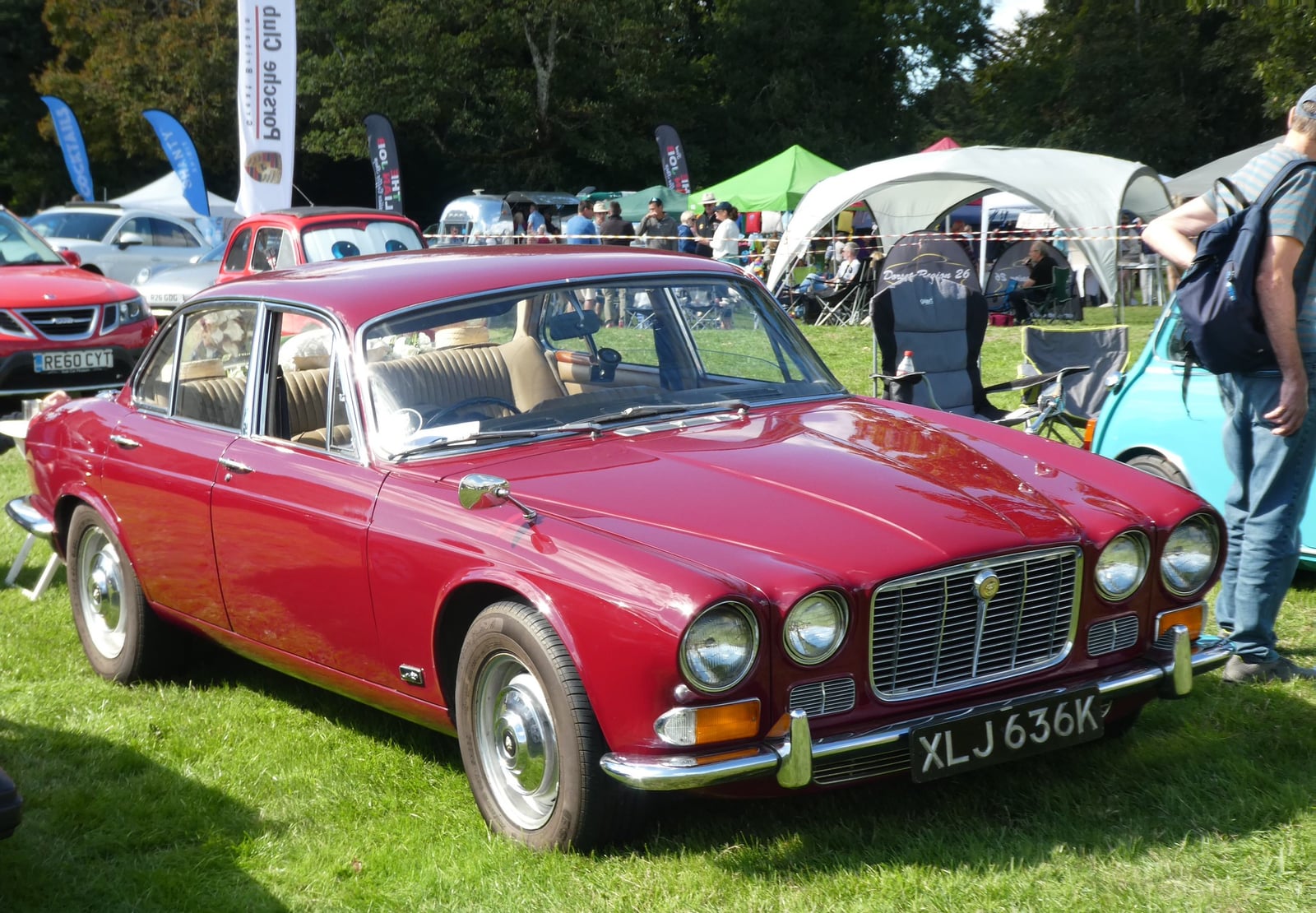
The XJ ran in three series across its long life. The Series 1, from 1968 to 1973, is the original and the purest, with slim chrome bumpers and the cleanest version of the shape. The V12-engined XJ12 joined it in 1972, and a long-wheelbase option arrived the same year.
The Series 2, from 1973 to 1979, raised the front bumper and shrank the grille to meet American crash and lighting rules, and revised the interior. It was built through the most troubled years of British Leyland, and its reputation for patchy assembly and electrical trouble dates from this period, which is why it is generally the least sought-after of the three.
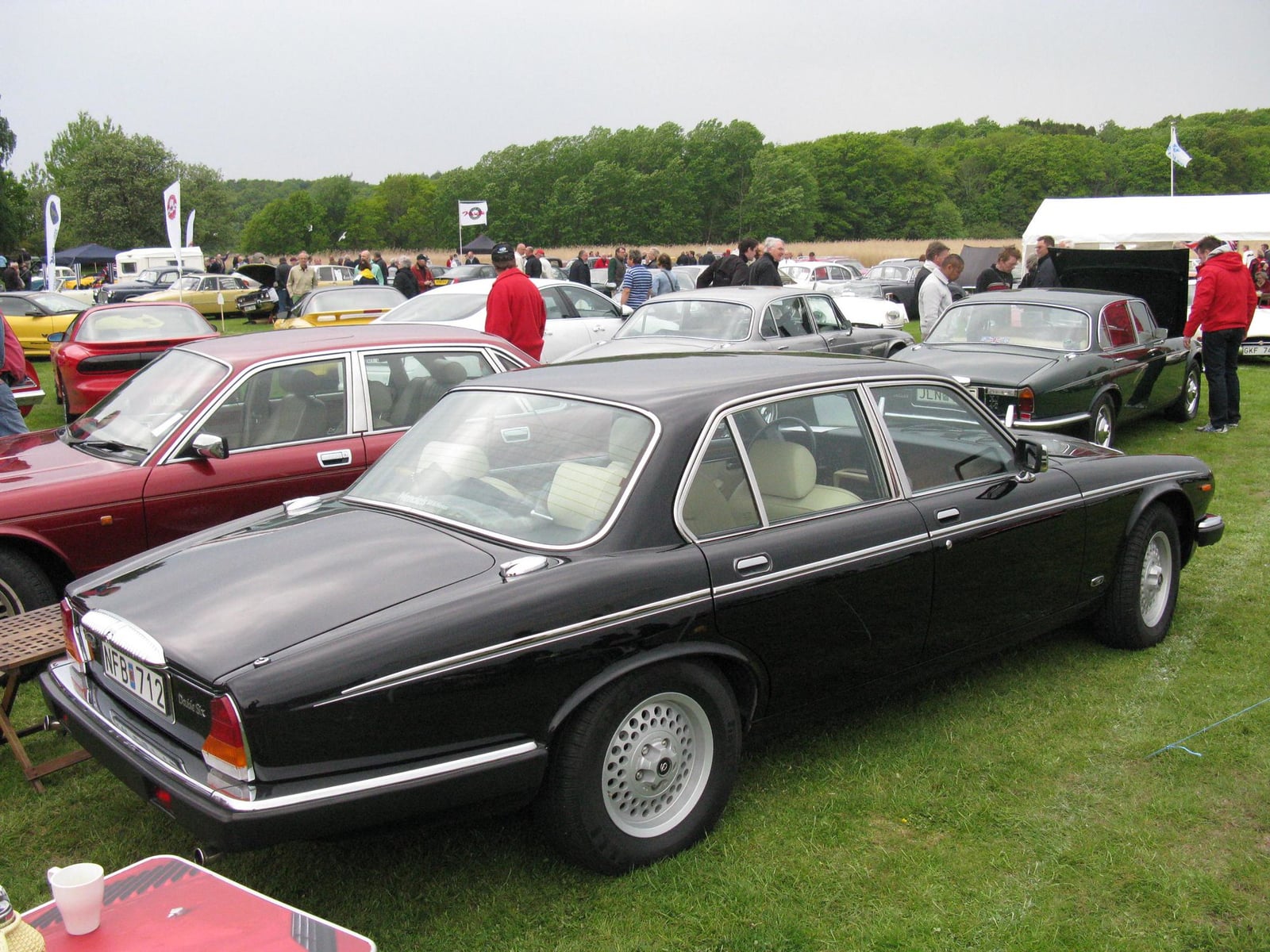
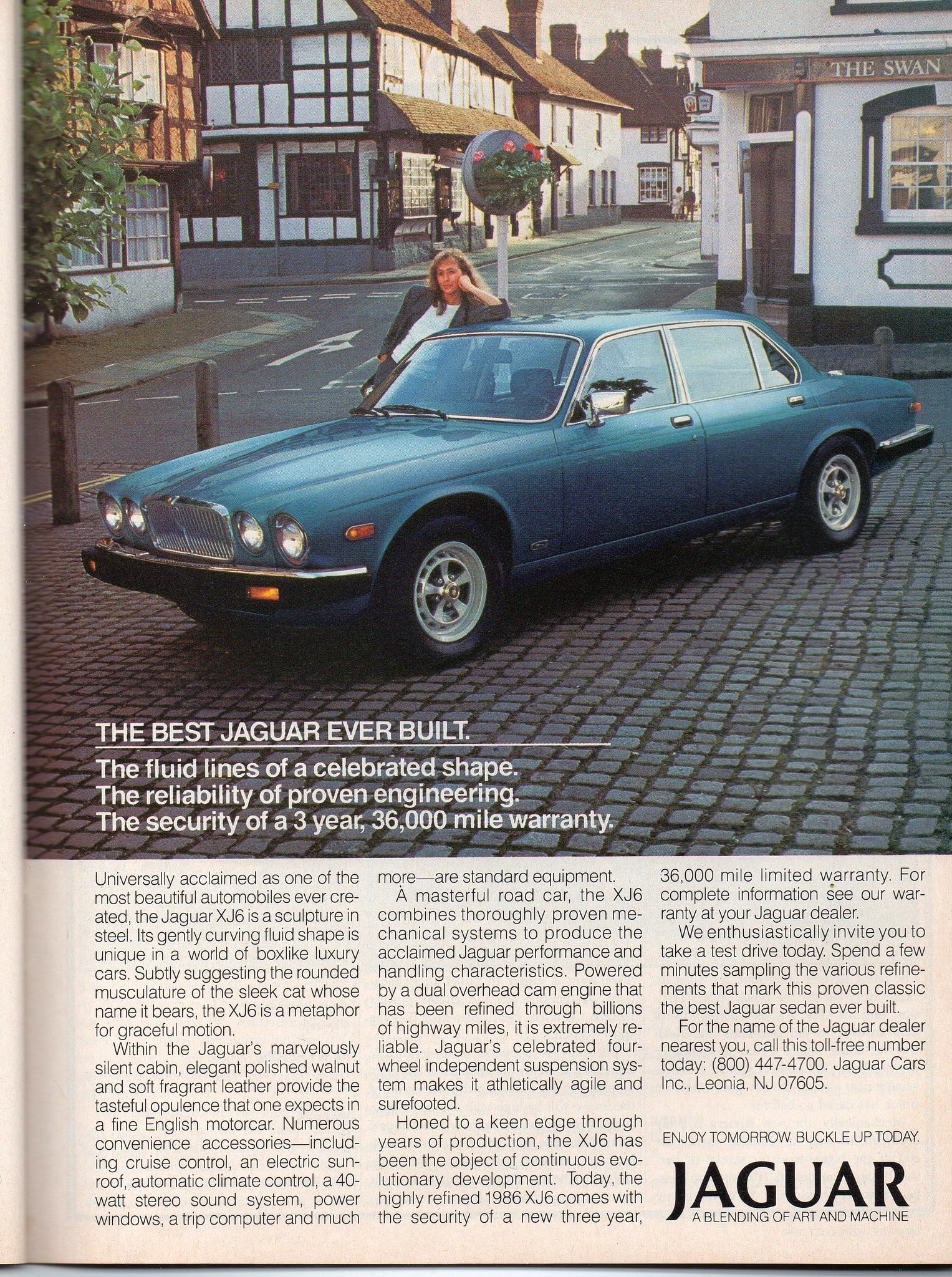
The Series 3, from 1979 to 1992, was restyled by Pininfarina with a taller roofline, more glass, flush door glass without separate quarter-lights and neater detailing. It was the best-built, most numerous and most luxurious XJ, and it ran on for years: the six-cylinder cars to 1987, and the V12 all the way to 1992, because its intended replacement was never engineered to take the twelve-cylinder engine.

Engines: the six and the V12
Most XJ6s used the XK twin-cam straight-six that had served Jaguar since 1949. The 4.2-litre is the one to have, smooth and torquey, and worth a word of warning on the figures: you will see it quoted at both around 245 bhp and around 185 bhp, but these are the same engine measured by the old gross standard and the later net one, not two states of tune. The smaller 2.8-litre, offered early on, was short-lived and unloved, with a reputation for holed pistons in gentle use, and a 3.4 was offered later for buyers who wanted the cheaper option.
The 5.3-litre V12 of the XJ12 is the other story. It is one of the smoothest engines ever fitted to a saloon, near silent and effortlessly fast, and it turned the XJ into a genuine rival for the most expensive cars in the world. The price is thirst and complexity: mid-teens to the gallon and a lot of plumbing to keep healthy. Fuel injection replaced the carburettors on the V12 from the mid-1970s and on the larger six by the Series 3.

The Daimlers, the long-wheelbase and the coupe
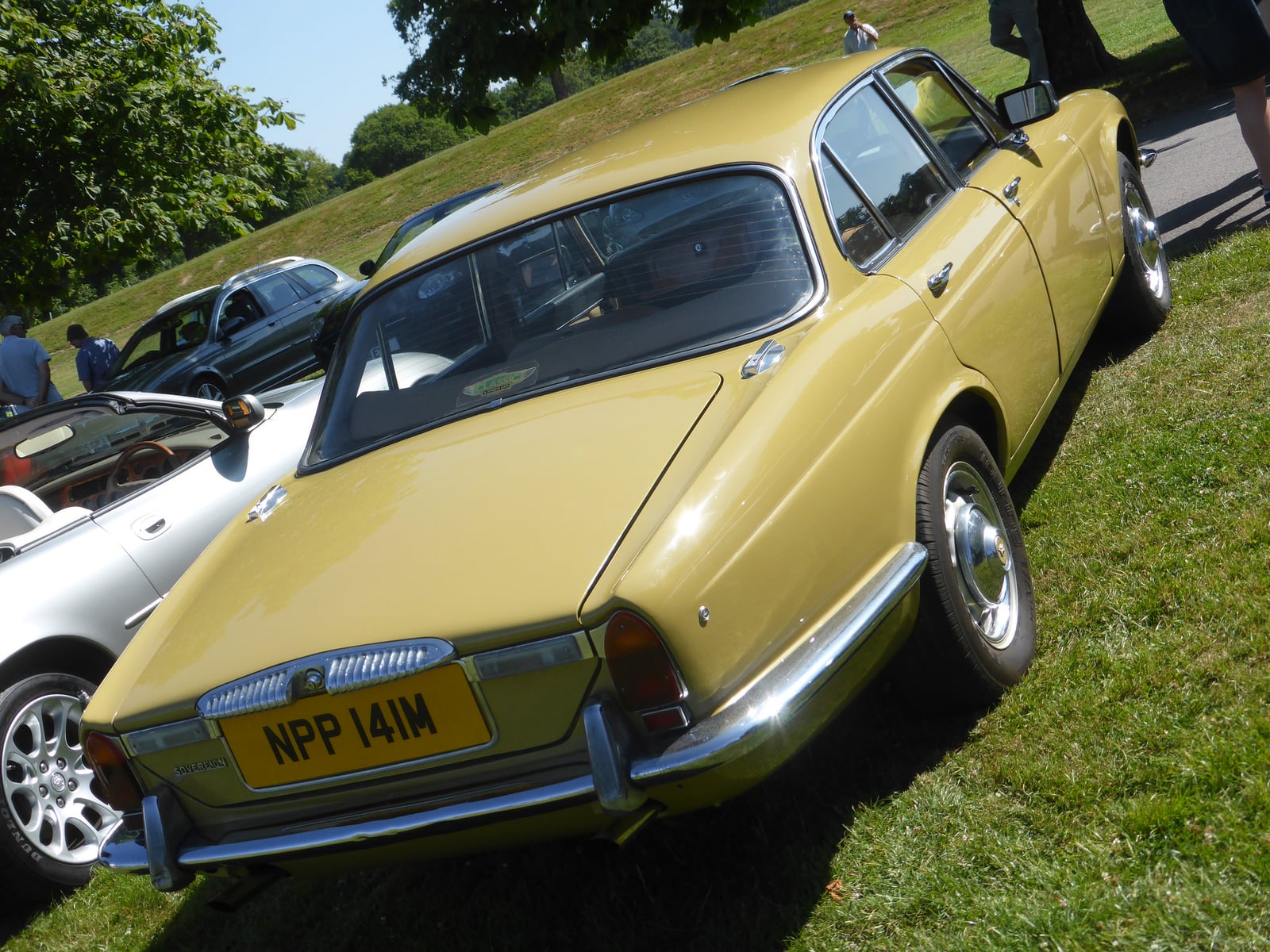
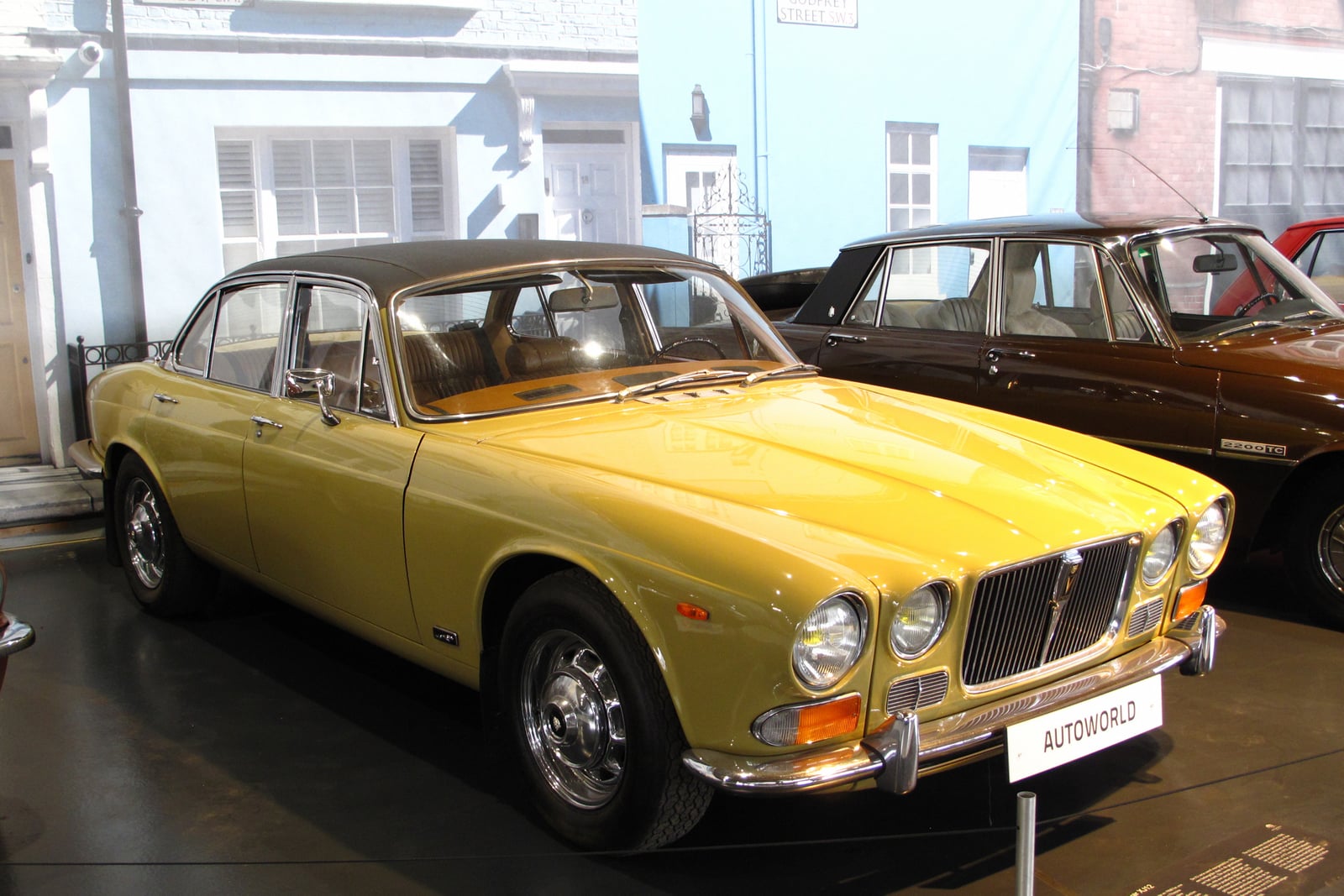
The XJ was sold as a Daimler as well as a Jaguar, the Sovereign from 1969 and the V12 Double-Six from 1972, distinguished by the fluted Daimler grille and a touch more equipment. A long-wheelbase body added rear legroom and eventually became standard, and the top Vanden Plas models added a vinyl roof and the plushest trim.
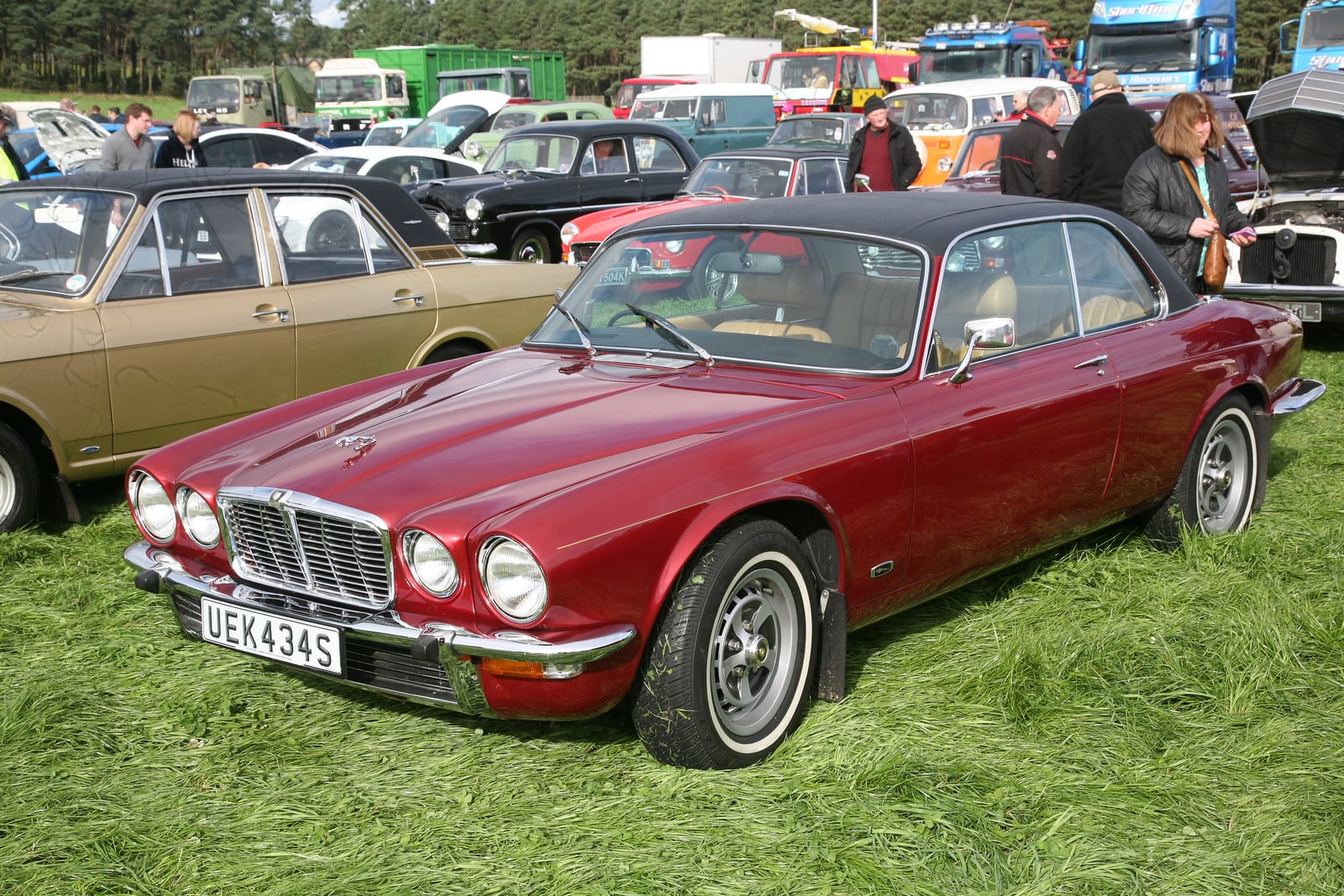
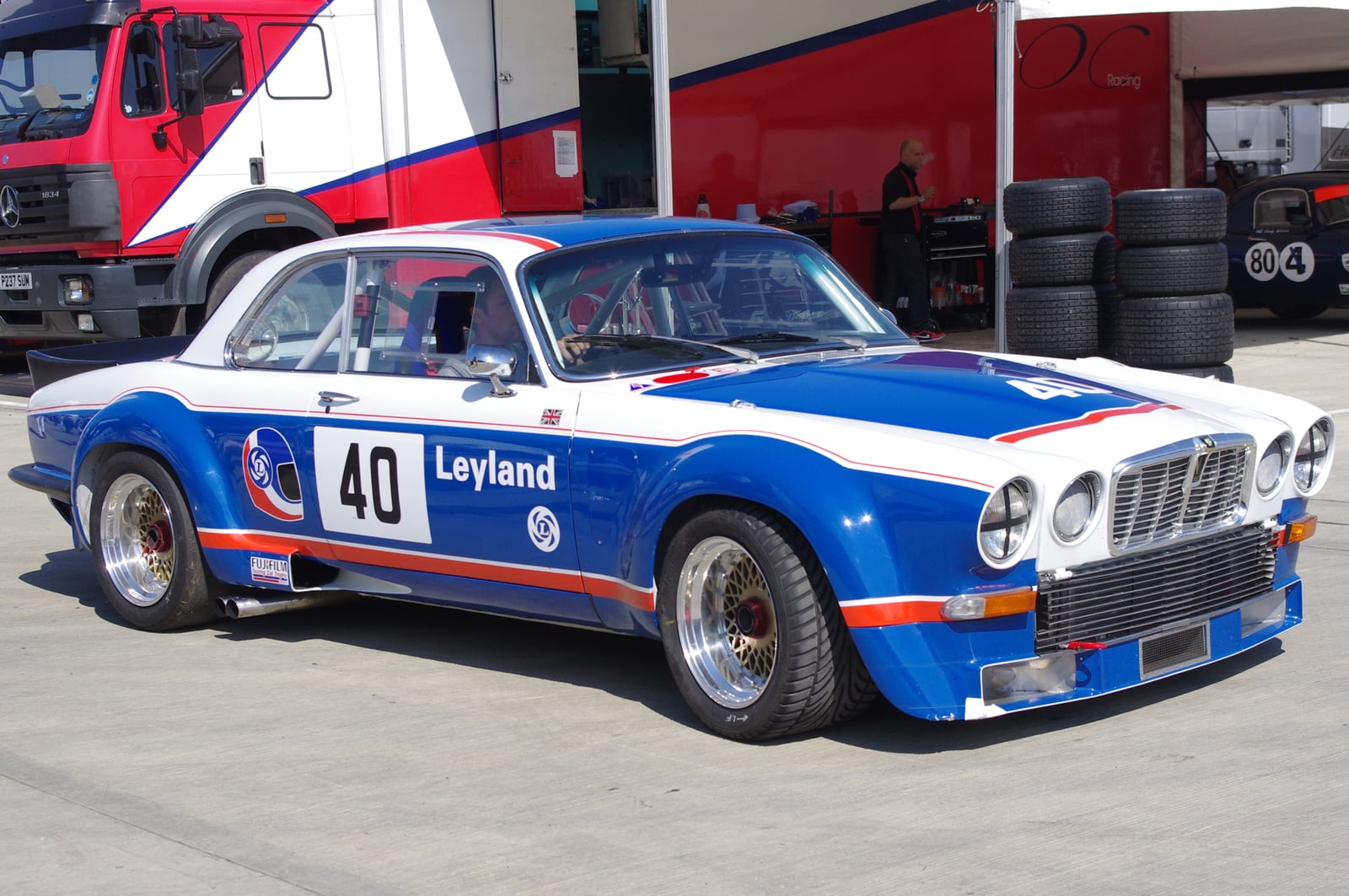
The rarest body style is the two-door XJ-C coupe, built from 1975 to 1977 on the short-wheelbase floorpan, with pillarless side glass that gave a clean, hardtop look. It was troublesome to seal and short-lived, and it is now the most collectable XJ of the lot, in both Jaguar and Daimler form.

Buying an XJ6 now
Rust is the first, second and third consideration. The XJ corrodes in the complex multi-section sills, the floors, the front and rear valances, the wheelarches and the subframe and radius-arm mountings, where a rotten floor can let the rear suspension pull away from the body. The boot floor and screen surrounds are vulnerable too. A clean, dry shell is worth far more than a low odometer reading.
Mechanically the six is tough and the V12 durable when looked after, with the V12’s cooling system the thing to scrutinise hardest. Most cars are automatics, with the smooth Borg-Warner gearbox, and a manual with overdrive is rarer and more sought-after. Electrics can be troublesome, especially on the British Leyland-era Series 2 cars. For most buyers the Series 3 is the sensible recommendation: the easiest to find, the best built, the most pleasant to live with, and covered by a guide of its own. As with any classic of this age, much of ownership is the ordinary business of running a classic car, with rust the one cost that can run away with you.

Where the XJ6 sits in the market
The XJ6 remains the most affordable classic Jaguar of its size, though good ones have climbed. Series 1 cars command the strongest money, the chrome-bumper styling and the early and V12 versions most of all, and the XJ-C coupes sit well above the saloons, with bodywork condition the single biggest factor in any individual car. The trap to avoid is the cheap V12: low to buy and potentially ruinous to restore. The full record, 1,818 recorded sales across the whole 1968 to 2009 line, what an XJ6, XJ12, XJR and XJ-C each make, and why the family has lost half its money in real terms since 2022, is on the page covering what a classic XJ sells for.
XJ6: the short history
- Sept 1968The XJ6 replaces the Mk2, S-Type, 420 and 420G in one stroke, pairing the XK six with a new low body of exceptional refinement.
- 1969European Car of the Year; the Daimler Sovereign joins with the fluted grille and more equipment.
- 1972The 5.3-litre XJ12 arrives, along with a long-wheelbase option; the Daimler Double-Six follows.
- 1973The Series 2 raises the front bumper and shrinks the grille for American rules, through British Leyland's most troubled years.
- 1975The pillarless two-door XJ-C coupe arrives on the short wheelbase, running to 1977.
- 1979Pininfarina restyles the Series 3 with a taller roofline, more glass and flush door glass; it becomes the best-built and most numerous XJ.
- 1987Six-cylinder Series 3 production ends.
- 1992The V12 Series 3 finally stops, because its intended replacement was never engineered to take the twelve.
The XJ6 viewing checklist
Rust, first, second and third
- The complex multi-section sills
- Subframe and radius-arm mountings, where a rotten floor lets the rear suspension pull away from the body
- Floors, front and rear valances and the wheelarches
- Boot floor and screen surrounds; a clean dry shell beats a low odometer every time
Engine and transmission
- The six is tough; the 2.8 is short-lived and unloved, with a reputation for holed pistons in gentle use
- The V12's cooling system is the thing to scrutinise hardest
- Most cars are automatics; a manual with overdrive is rarer and more sought-after
- 4.2 outputs quoted at 245 and 185 bhp are the same engine on gross and net standards, not two states of tune
Series and badge
- Series 1 chrome-bumper cars command the strongest money
- Series 2 electrics are the British Leyland-era weak point
- Series 3 is the sensible recommendation: easiest to find, best built, most pleasant to live with
- XJ-C coupes sit well above the saloons in both Jaguar and Daimler form
What the Jaguar XJ6 sells for at auction
In 2025 the median Jaguar XJ6 sold for £6,072 across 56 sales, 6% down on 2024. In real terms, typical Jaguar XJ6 prices were down about 37% over the five years to 2025, once inflation is accounted for.
Show the year-by-year mediansHide the year-by-year medians
| Year | Sold | Median | In 2025 money |
|---|---|---|---|
| 2026 (so far) | 29 | £5,286 | |
| 2025 | 56 | £6,072 | £6,072 |
| 2024 | 53 | £6,493 | £6,742 |
| 2023 | 54 | £8,006 | £8,592 |
| 2022 | 43 | £6,899 | £7,901 |
| 2021 | 32 | £7,384 | £9,131 |
| 2020 | 21 | £7,547 | £9,564 |
| 2019 | 17 | £9,926 | £12,707 |
| 2018 | 23 | £4,275 | £5,566 |
| 2017 | 19 | £4,401 | £5,862 |
| 2016 | 20 | £4,771 | £6,519 |
| 2015 | 15 | £4,200 | £5,796 |
| 2014 | 14 | £3,324 | £4,606 |
| 2013 | 19 | £3,552 | £4,992 |
| 2012 | 16 | £4,356 | £6,262 |
| 2011 | 12 | £2,536 | £3,738 |
| 2009 | 10 | £978 | £1,535 |
| 2007 | 6 | £2,178 | £3,608 |
| 2005 | 12 | £2,508 | £4,358 |
| 2004 | 4 | £3,922 | £6,958 |
- £1,200XJ6
- £14,071XJ6
- £19,503XJ6
- £3,550XJ6
- £15,603XJ6
Strong evidence. 482 recorded sales and a dozen or more a year: the median and the range are well founded. Based on 482 sold results from public classic car auctions (2001 to 10 August 2026). Sold prices, not asking prices, and not a valuation: condition, history and specification vary from car to car. Inflation-adjusted figures use the ONS CPIH index, in 2025 money.
Related
The XJ6 is the saloon at the heart of the classic Jaguar story, and one of the defining British classic cars of the 1970s. It replaced the Mk2 and Jaguar’s other saloons, and shared its V12 engine with the XJS grand tourer that arrived in 1975.
More photos