Jaguar Mk2 (1959–1967): grace, space, pace and the gentleman's express
The Mk2 was the compact sports saloon that, in 3.8 form, would see off most sports cars of its day, and it became the definitive 1960s Jaguar, beloved of bank managers, getaway drivers and saloon racers alike. The engines, the Coombs racers, the run-out cars, and what to look for when buying one.
Built 1959–1967

At a glance
- Years
- 1959–1967
- Body styles
- Four-door saloon
- Drivetrain
- Rear-wheel drive
- Engines
- 2.4, 3.4 and 3.8 XK twin-cam straight-six
- Power
- 120-220 bhp (gross)
- Top speed
- Up to 125 mph (3.8)
- Production
- Around 84,000, plus the 240/340 run-out cars
- Assembly
- Coventry
- Values
- From around £10,000 to £60,000 for a 3.4; the best 3.8s near £100,000
The models
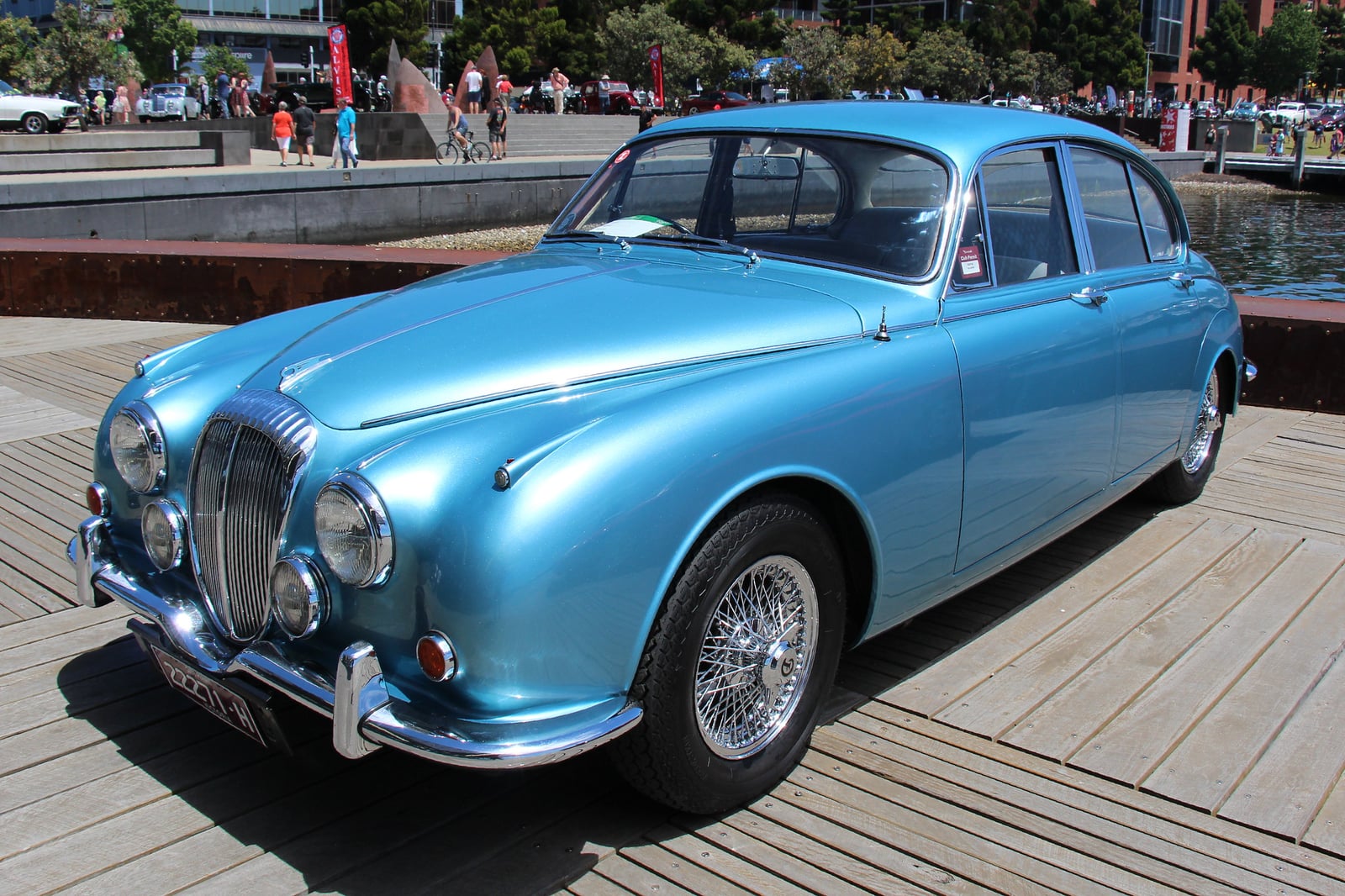
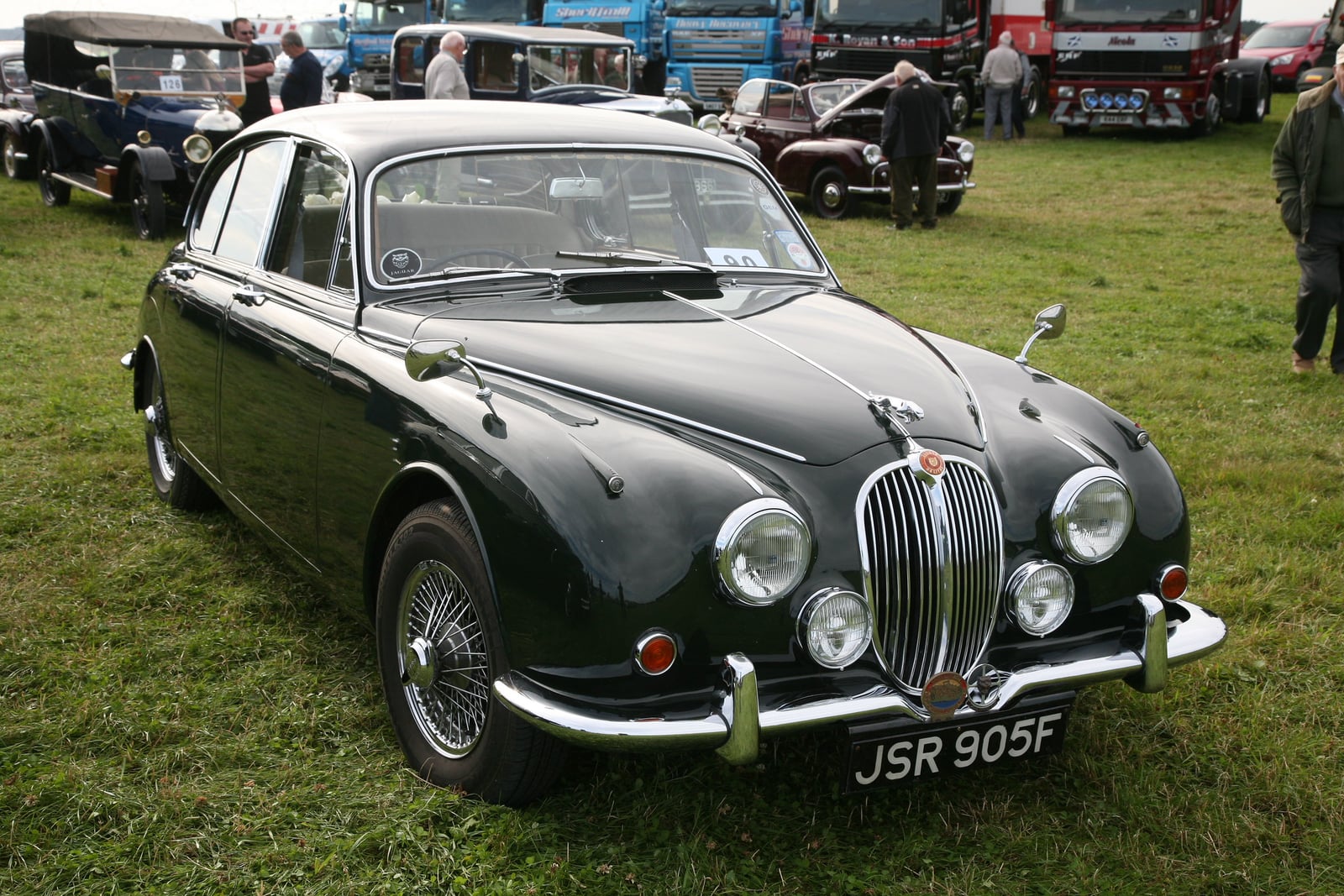
The Jaguar Mk2 (the Jaguar Mark 2, as period sources write it) is the car that invented the fast saloon as we understand it. In 1959 Jaguar took a compact four-door, gave it the wood, the leather and the leaping cat, and then dropped in an engine that could see off most sports cars of the day. The result was a car equally at home outside a country hotel and outside a bank being robbed, and it became the definitive Jaguar of the 1960s.
This is the guide to the Mk2. For the wider marque story, see the main classic Jaguar guide.
From the Mk1 to the Mk2
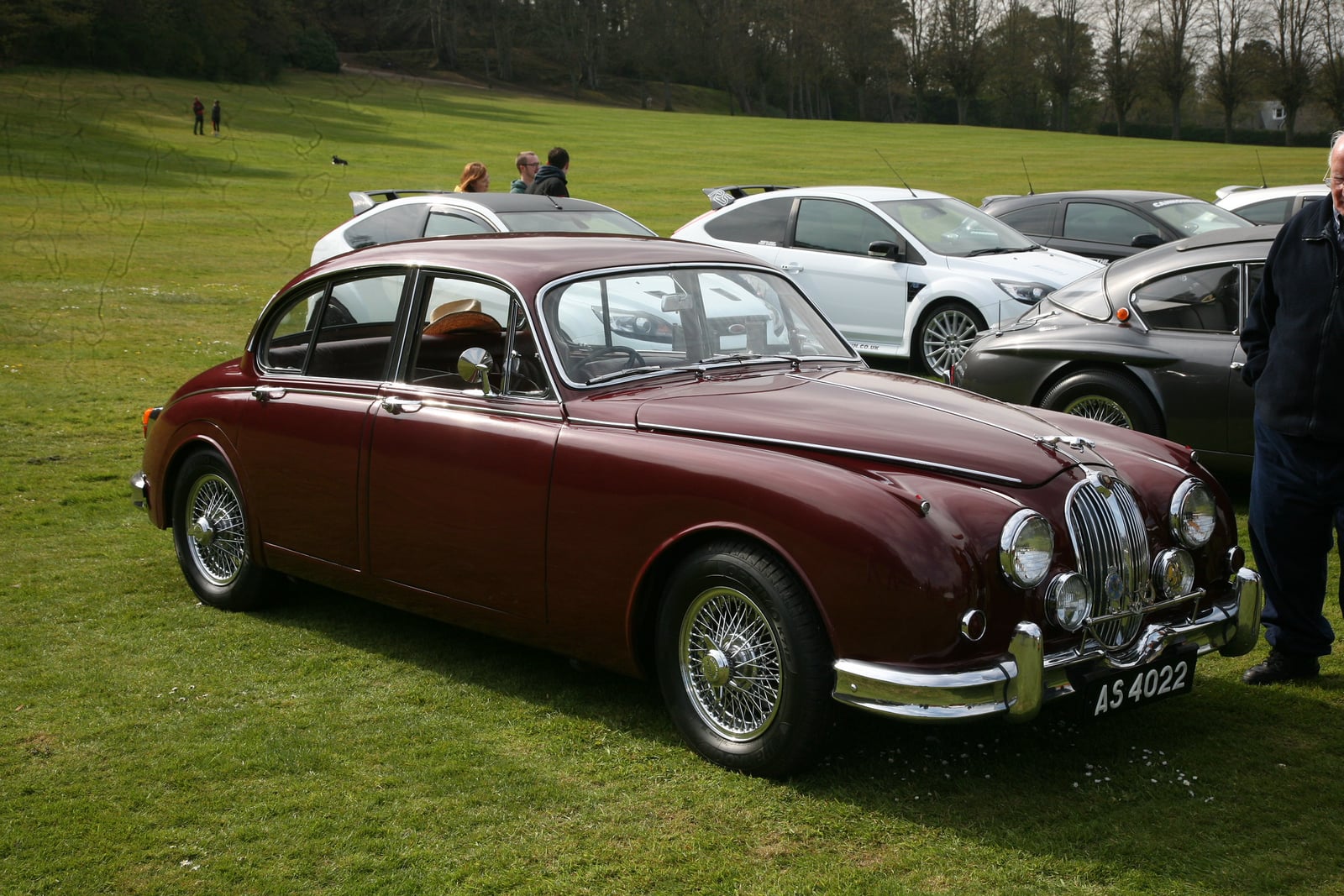
The Mk2 was a development of the saloon Jaguar had launched in 1955, the 2.4 and 3.4, cars that are now called the Mk1 but were never badged that way at the time. The original had a narrow rear track that made it twitchy at speed, and the Mk2 of 1959 fixed it, widening the rear track for far better handling and, in the process, exposing the rear wheels where the Mk1 had hidden them under spats. Jaguar also enlarged the glass area for a lighter, airier cabin and a more modern look.
The transformation was complete enough that the Mk2 became one of Jaguar’s great successes, with around 84,000 built over eight years, far outselling the car it replaced.

The engines, and why the 3.8 matters
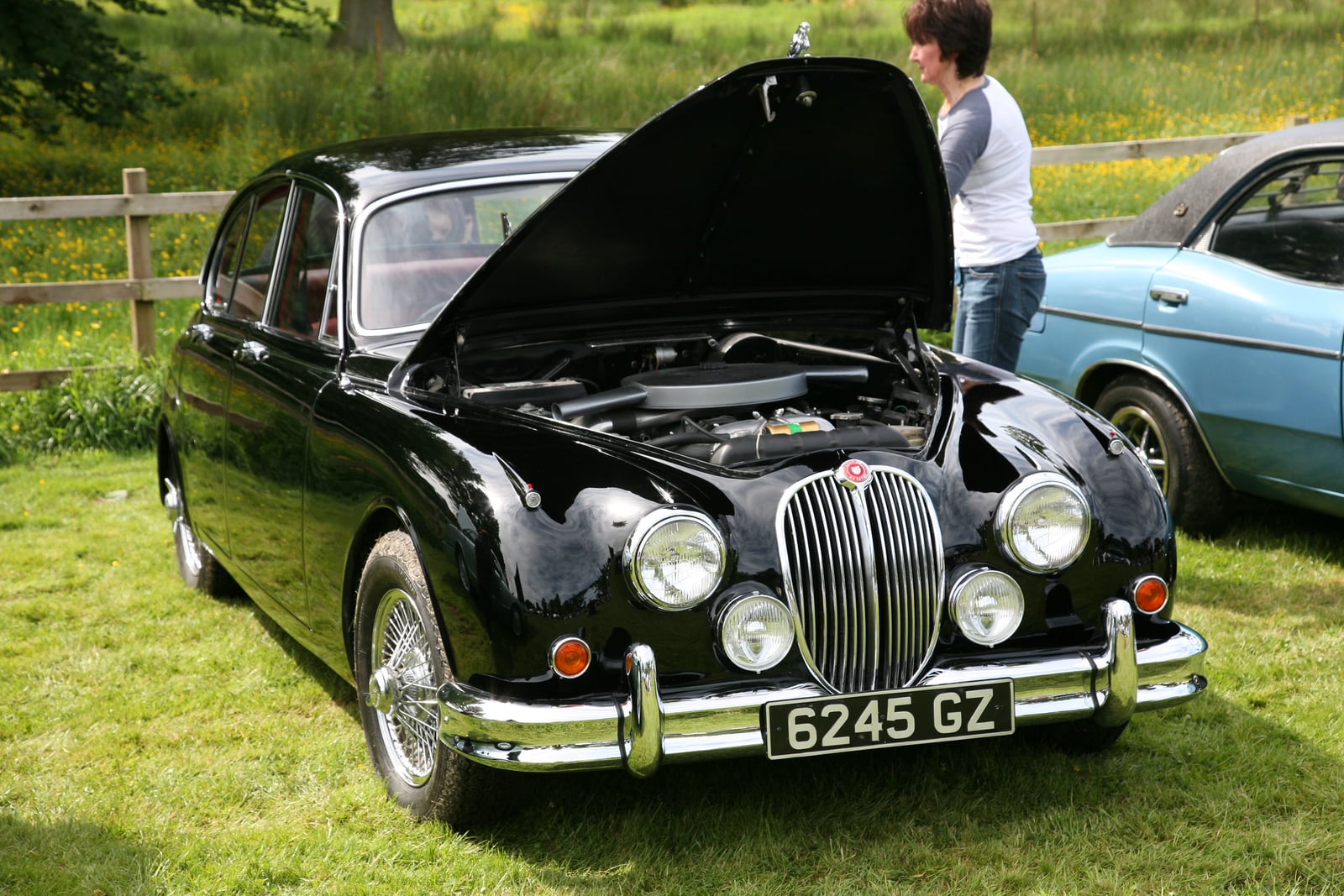
The Mk2 came with three versions of the XK twin-cam straight-six. The 2.4 was the entry point, smooth but modest and never quite a 100 mph car in original form. The 3.4 was the sweet spot for many, with around 120 mph and strong, flexible performance. The 3.8 was the star: the most powerful, the only Mk2 with a limited-slip differential as standard, and a genuine 125 mph saloon that reached 60 mph in about 8.5 seconds, pace that embarrassed sports cars. The power figures of the day were quoted by the optimistic gross standard, so treat them as period figures rather than modern ones, but the 3.8’s reputation was thoroughly earned.

Grace, space, pace: the gentleman’s express and the getaway car
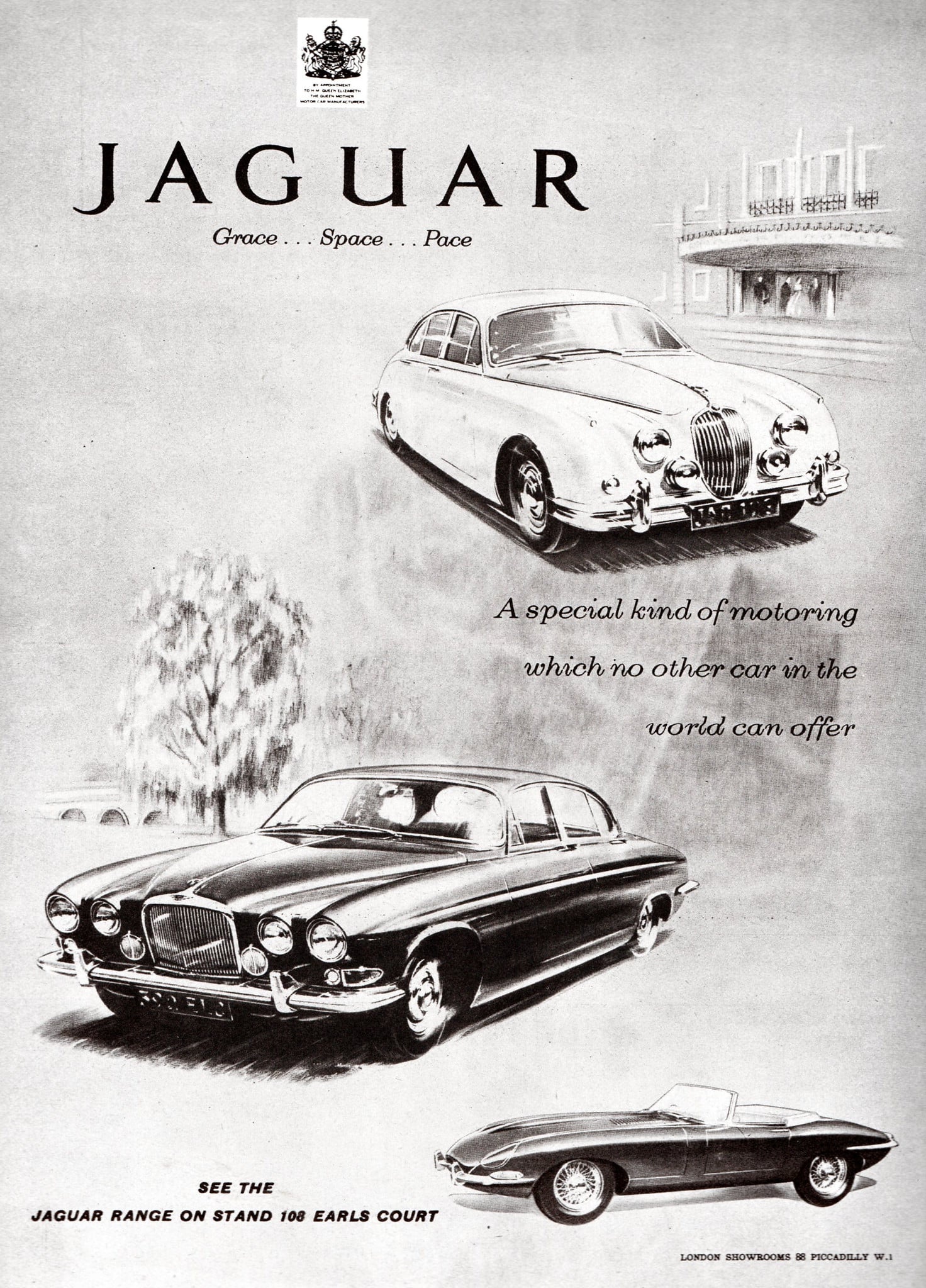
“Grace, space, pace” was Jaguar’s slogan, and the Mk2 lived it better than anything. It was a properly luxurious car, with a burr-walnut dashboard and leather seats, yet it would out-accelerate most things on the road. That combination gave it a double life. It was the choice of the prosperous and the establishment, and at the same time it earned a lasting reputation as both the getaway car of choice and the saloon the police used to chase it, a folklore that has stuck to the model ever since even where the specific stories are hard to pin down.

The Coombs cars and saloon racing
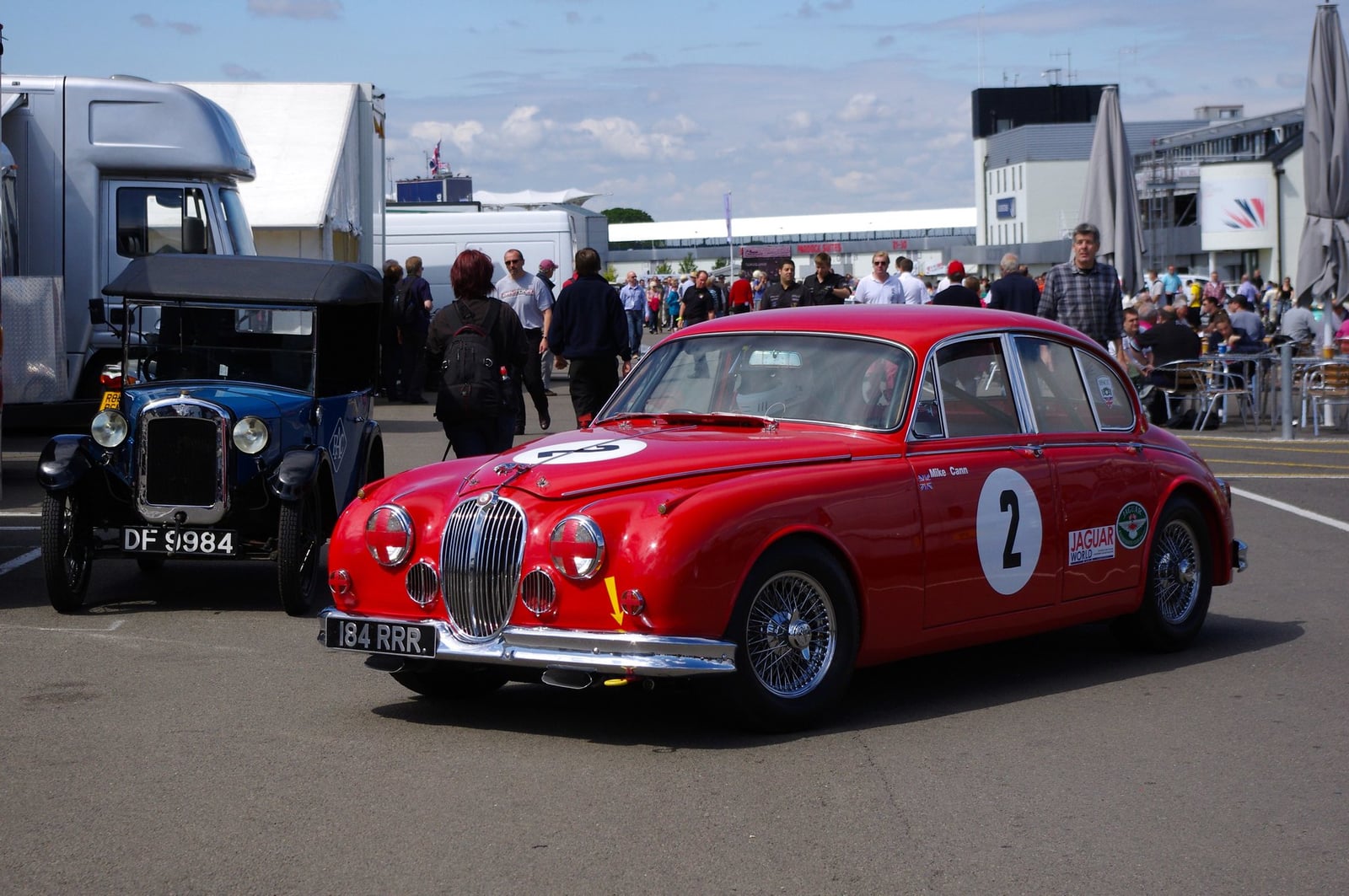
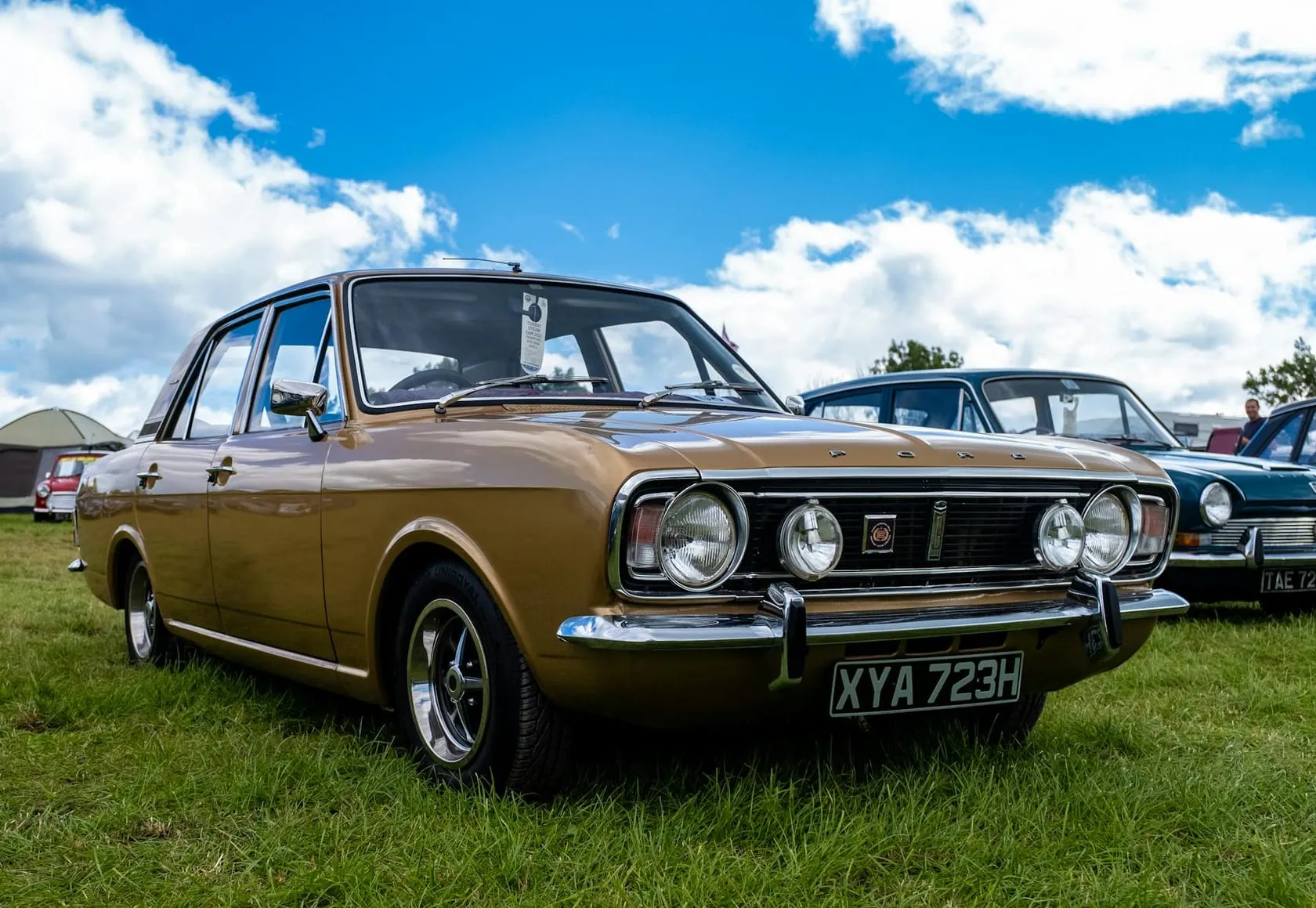
On the track, the Mk2 was a dominant force in saloon racing at the turn of the 1960s. The most celebrated were the lightened, tuned cars prepared by the Jaguar dealer John Coombs, raced by drivers including Graham Hill and Roy Salvadori, whose registration numbers became famous in their own right. The Mk2 ruled British saloon racing until the big American cars and the Lotus Cortina arrived to end the run in 1963. A genuine Coombs or competition Mk2 is now among the most valuable of all, worth many times an ordinary road car.

The run-out cars: 240, 340 and the Daimler
In 1967 the Mk2 was lightly facelifted into the 240 and 340, named for their engine sizes, with slimmer bumpers and a slightly simplified interior to keep the price competitive against newer rivals. The 240 was the better of the two as an engine: a new cylinder head lifted the 2.4 to 133 bhp and finally gave it honest 100 mph performance. The 3.8 was dropped. Alongside them ran the Daimler V8 250, the same bodyshell with Daimler’s smooth 2.5-litre V8 and a fluted grille, a lighter and in some ways sweeter car that is often overlooked. The line finally ended in 1969.

Buying a Mk2 now
Rust is the great enemy, and the Mk2 has plenty of places to hide it. Check the inner and outer sills, worst where they meet the rear wheelarch, the floors, the door bottoms, the front valance and the chassis legs and front crossmember around the nose, an area where several structures meet and corrosion is both common and serious. The jacking points, rear spring mounts and spare-wheel well also need a look, and the front wings are expensive to replace.
Mechanically the XK six is tough, with a rear oil seal that tends to weep and a timing chain that rattles when it is tired and due attention. The gearbox matters: the early Moss unit has no synchromesh on first and is slow, while the all-synchromesh box from 1965 is much nicer, and overdrive is the cruiser’s choice. Disc brakes were standard from launch, ahead of most rivals. Many cars now wear sensible modern upgrades such as a five-speed gearbox or power steering, which divide owners between purists and those who want to use the car, so decide which camp you are in before you buy.

Where the Mk2 sits today
The Mk2 market is led firmly by the 3.8, which commands roughly double the price of a comparable 3.4. A good 3.4 runs from around £10,000 to £60,000 depending on condition, the best 3.8s approach £100,000, and the 2.4 and 240 sit at the affordable end. Genuine Coombs and competition cars are in a different league, well into six figures. Most ordinary cars at auction change hands below £30,000, so condition and originality, not engine size alone, decide value. The full record, 867 recorded sales by engine, what the Coombs cars and the restomods make and why the market has slipped since 2020, is on the page covering Jaguar Mk2 values.
Key dates for the Mk2
- 1959The Mk2 widens the rear track that made the 1955 car twitchy, exposes the rear wheels and enlarges the glass area for a lighter cabin.
- 1959Three XK sixes are offered: the modest 2.4, the flexible 3.4, and the 3.8 with a limited-slip differential as standard.
- Early 1960sJohn Coombs prepares lightened, tuned cars raced by Graham Hill and Roy Salvadori; the Mk2 rules British saloon racing.
- 1963The big American cars and the Lotus Cortina end the racing run.
- 1965An all-synchromesh gearbox replaces the Moss unit.
- 1967The facelifted 240 and 340 arrive with slimmer bumpers and a simplified interior; a new cylinder head lifts the 2.4 to 133 bhp and the 3.8 is dropped.
- 1969The line ends after around 84,000 Mk2s plus the run-out cars.
What to check on a Mk2
Rust, the great enemy
- Inner and outer sills, worst where they meet the rear wheelarch
- Chassis legs and front crossmember around the nose, where several structures meet
- Floors, door bottoms and the front valance
- Jacking points, rear spring mounts and the spare-wheel well
Mechanical
- The XK six weeps at the rear oil seal and rattles its timing chain when tired
- The Moss gearbox has no synchromesh on first; the 1965-on all-synchromesh box is far nicer
- Overdrive is the cruiser's choice and worth seeking
- Front wings are expensive to replace, so damage there is a real cost
Specification and identity
- The 3.8 commands roughly double a comparable 3.4, so verify what is fitted
- Genuine Coombs and competition cars are worth many times an ordinary road car and need documentation
- Many cars wear five-speed gearboxes or power steering; decide whether you are a purist or a user before you look
- The 240 and 340 run-out cars and the Daimler V8 250 sibling are different propositions at different money
Related
The Mk2 is the classic Jaguar saloon at the heart of the classic Jaguar story and one of the defining British classic cars of the 1960s. It shares its XK engine with the XK120 and the E-Type, and was eventually replaced, along with Jaguar’s other saloons, by the XJ6.
More photos