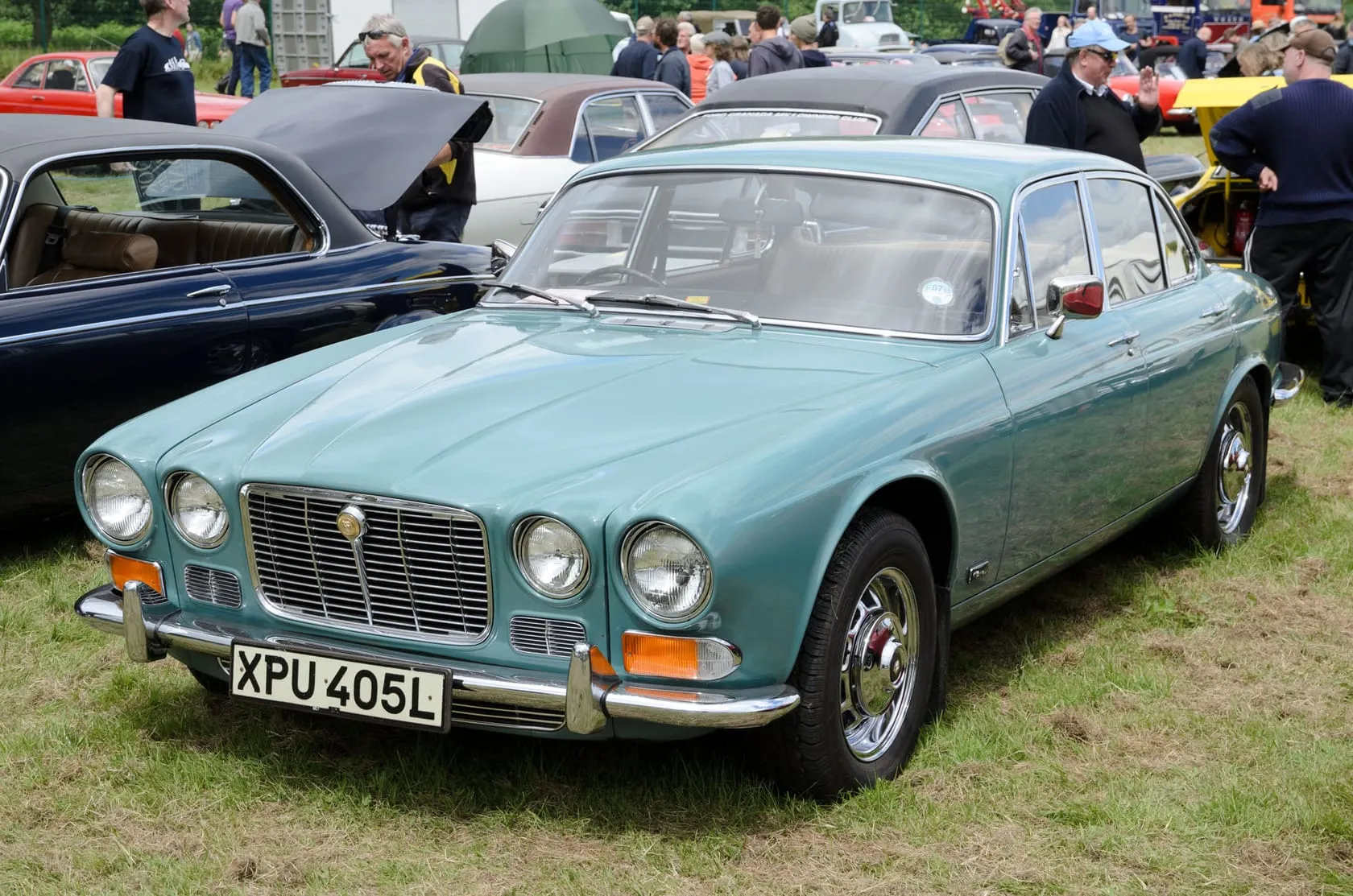
Jaguar XJS (1975–1996): the grand tourer that outlived its critics
The XJS was never meant to be an E-Type, and the long, controversial grand tourer divided opinion at launch before time turned it into a sought-after classic. The V12 and the six, the cabriolet and the convertible, the TWR racing cars, and what to look for when buying one now.
Built 1975–1996

At a glance
- Years
- 1975–1996
- Body styles
- Coupe; cabriolet (1983–1988); convertible (from 1988)
- Drivetrain
- Rear-wheel drive
- Engines
- 5.3 and 6.0 V12; 3.6 and 4.0 AJ6 straight-six
- Power
- Around 220 bhp (six); around 285-308 bhp (V12)
- Production
- More than 115,000 over 21 years
- Assembly
- Coventry
- Designer
- Malcolm Sayer (early styling), completed by Doug Thorpe's team
- Values
- From around £5,000 for a project to £20,000-£30,000 for the best late cars and V12 convertibles
The models
The XJS asked Jaguar’s buyers to accept something difficult: that the car replacing the E-Type would not be a sports car at all. Launched in 1975 into the teeth of an oil crisis, with a thirsty V12 and a shape nobody quite knew what to make of, it had every reason to fail. Instead it ran for twenty-one years, outsold the E-Type, and has aged into one of the most appreciated grand tourers of its era.
This is the guide to the XJS in all its forms. For the wider marque story, see the main classic Jaguar guide.
Not an E-Type replacement
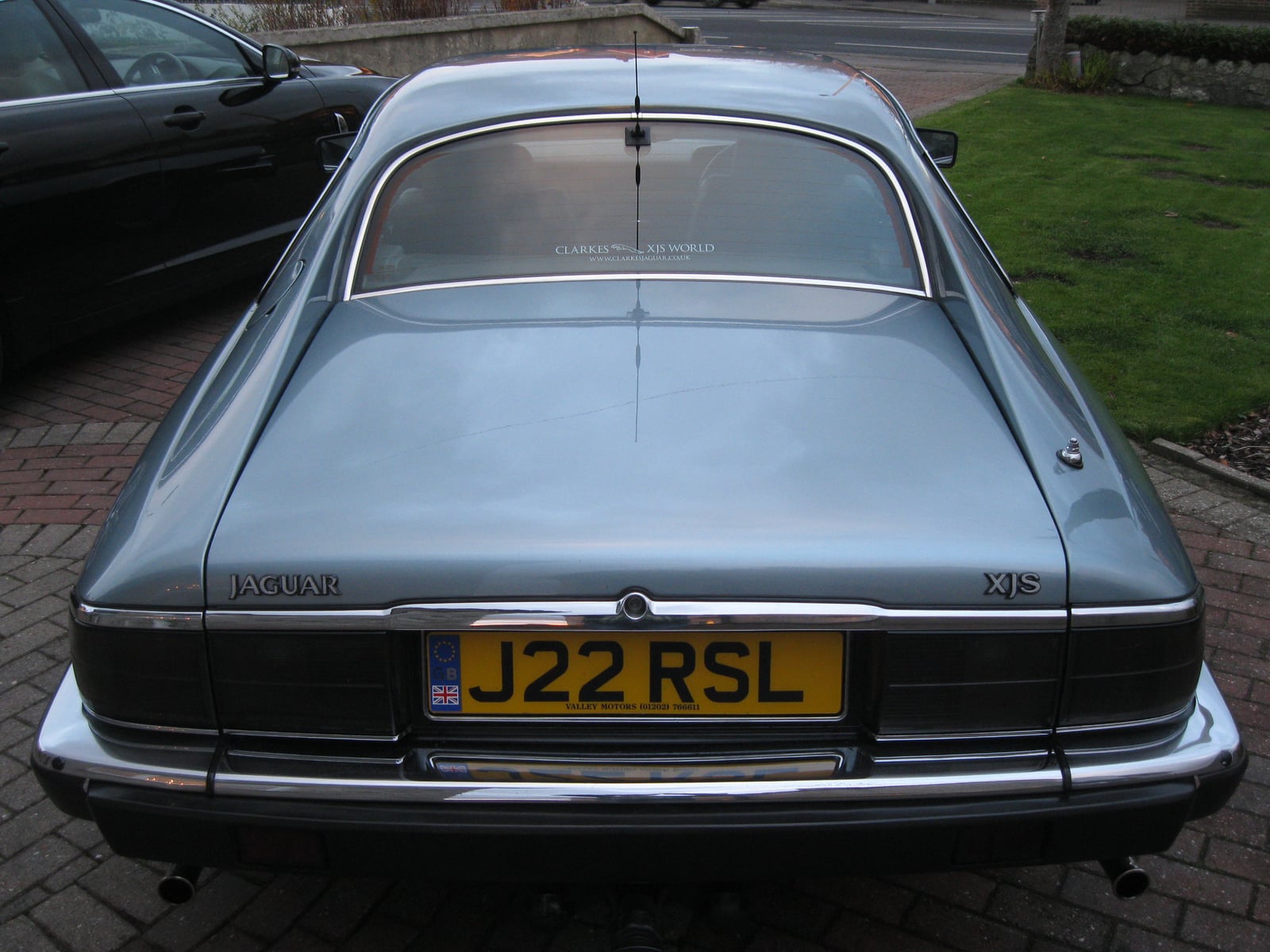
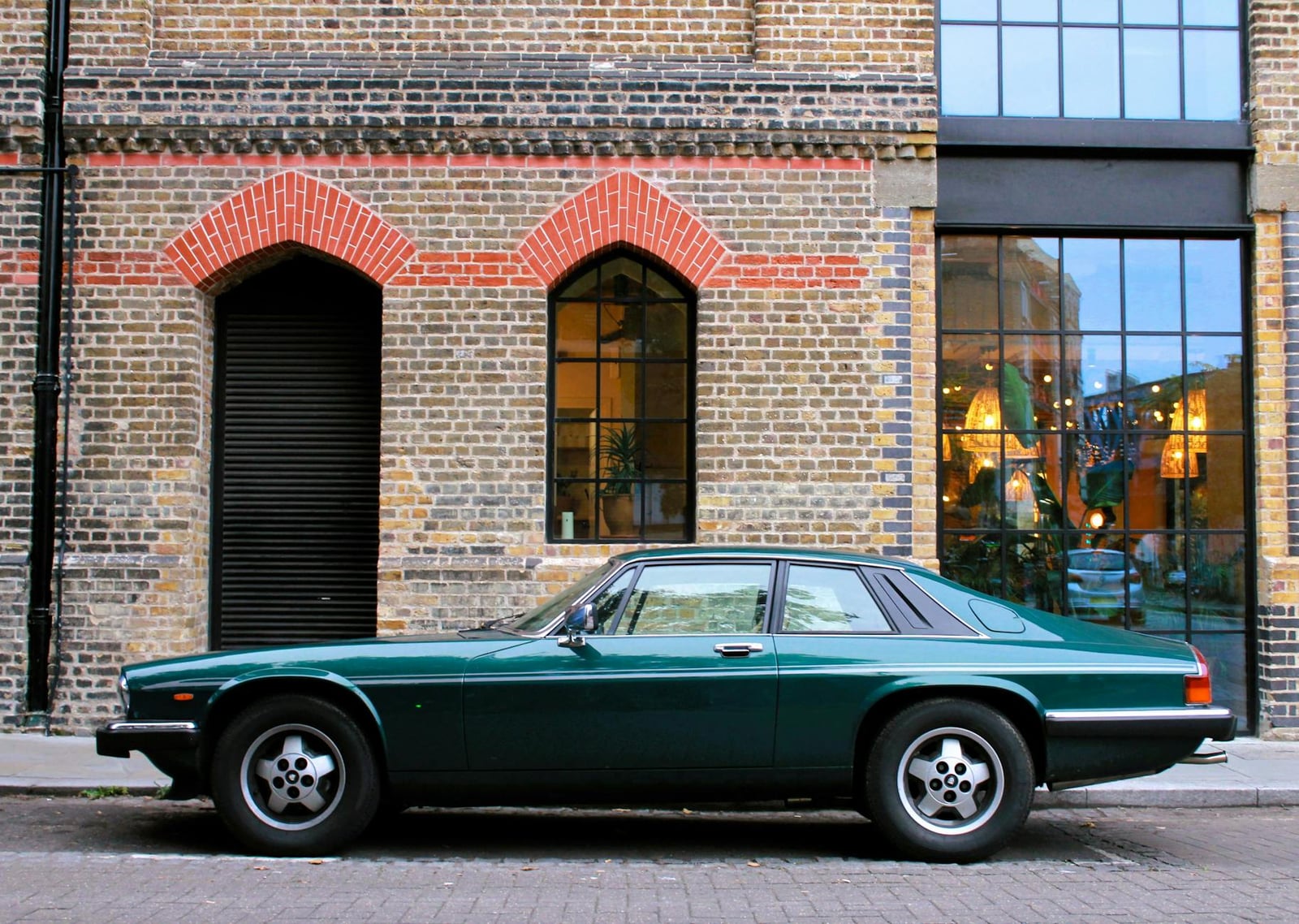
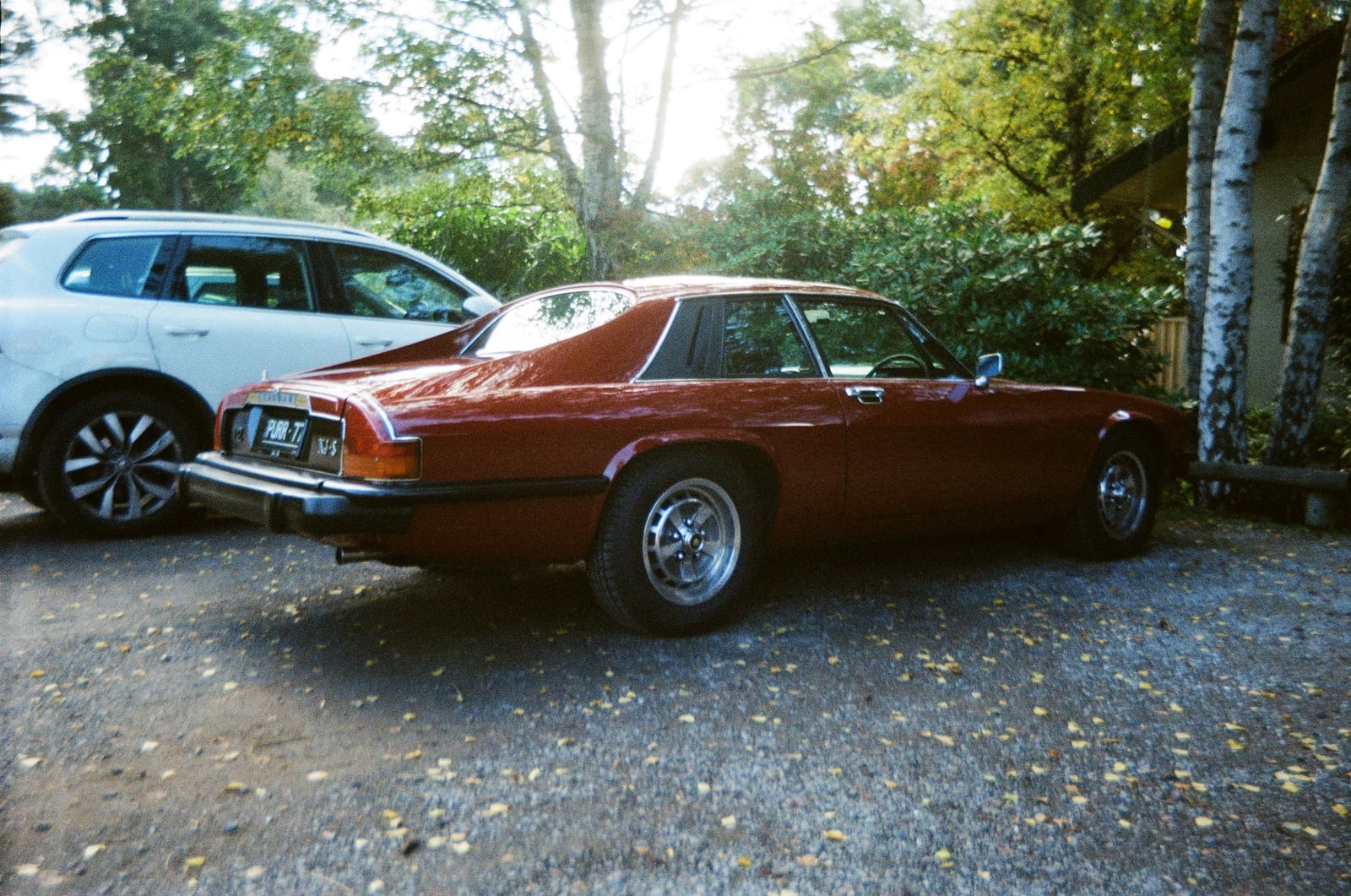
The key thing to understand about the XJS is what it was meant to be. When the E-Type ended in 1974, Jaguar did not try to build another sports car. The XJS was conceived as a luxury grand tourer, a fast, refined, long-legged car for covering big distances in comfort, and it was built on a shortened version of the XJ6 saloon’s underpinnings. Its early styling came from Malcolm Sayer, the aerodynamicist behind the E-Type, who died in 1970 before the design was finished; it was completed in-house under Doug Thorpe. The distinctive rear sail panels, the “flying buttresses”, were Sayer’s, an aerodynamic feature rather than a leftover from some abandoned mid-engined plan.
Launched in September 1975, it arrived at the worst possible moment, just as fuel prices spiked, with a 5.3-litre V12 as its only engine. That it survived at all is a tribute to how good it was to drive.

The styling, and the 1991 facelift
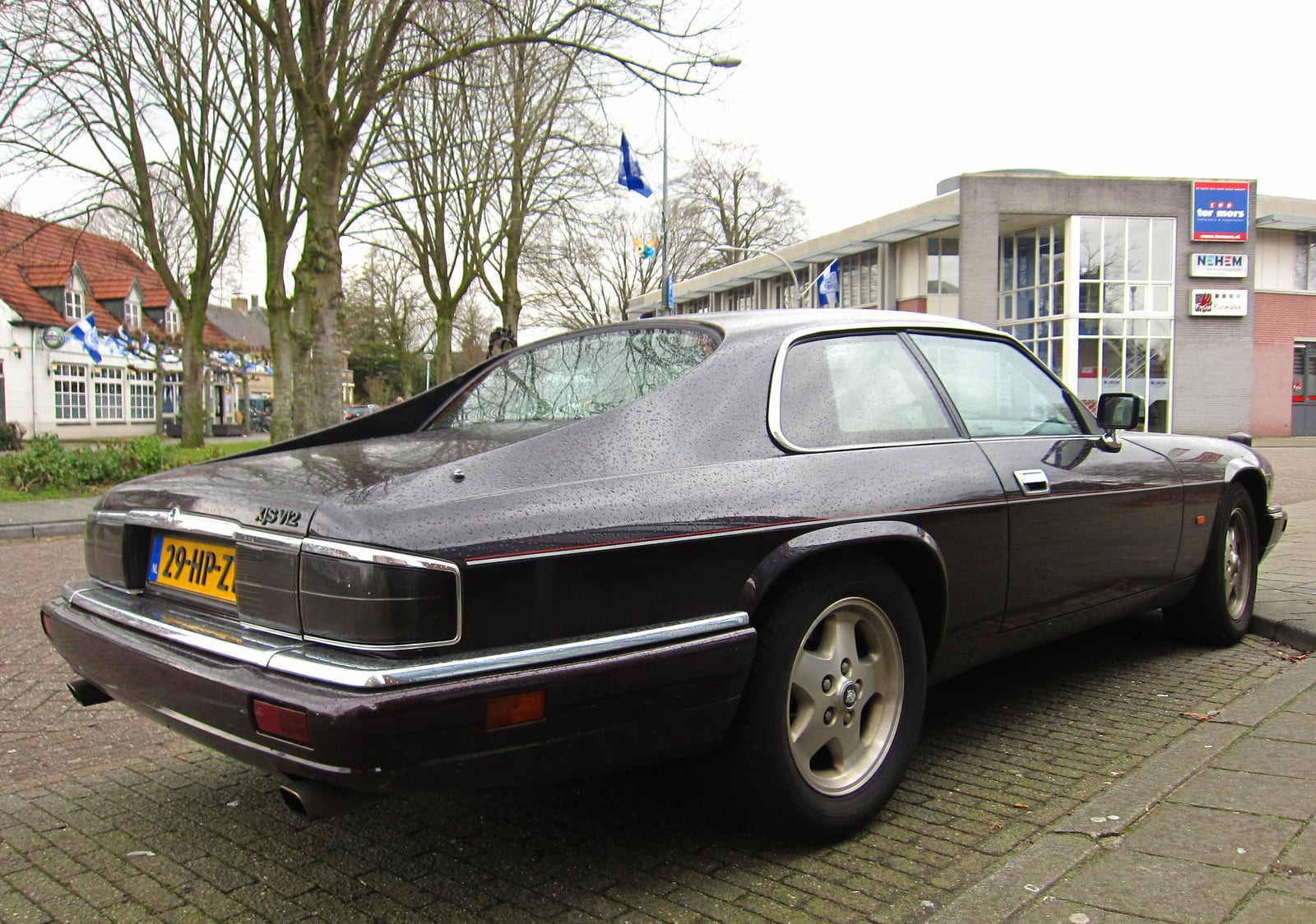
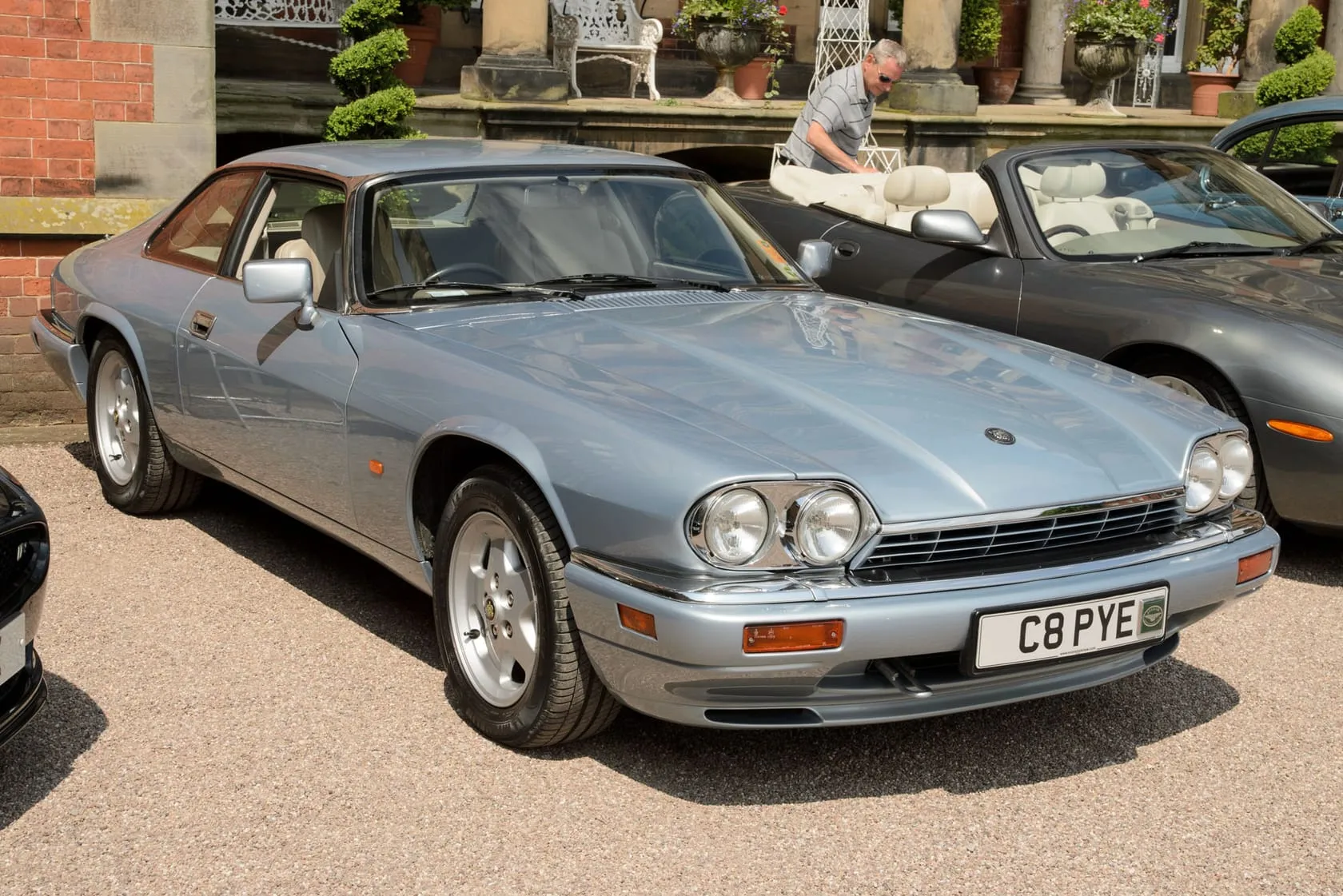
The looks divided people from the start. After the E-Type, the long overhangs and the buttresses struck many as heavy and awkward, and the XJS spent years living down its own launch reviews. The turning point was partly time and partly the 1991 facelift, carried out under Ford ownership, which dropped the hyphen from the name and cleaned up the shape: a flush windscreen, a restyled and more rounded tail, and revised rear side windows that made the glass look larger and the buttresses less dominant. The facelifted shell was galvanised, which is one reason later cars survive better. Today the XJS is widely admired, and the late convertibles in particular are genuinely glamorous.

Engines: V12 and the six
The XJS launched with Jaguar’s 5.3-litre V12, the same smooth, near-silent engine that powered the XJ12 saloon. In 1981 it gained the High Efficiency, or HE, specification, which used a special cylinder head to raise compression and improve the V12’s notorious thirst, the main benefit being economy rather than extra power. In 1992 the V12 grew to 6.0 litres.
From 1983 a six-cylinder option transformed the car’s prospects: the 3.6-litre AJ6, later enlarged to 4.0 litres in 1991, gave the XJS a cheaper-to-run, nearly-as-smooth alternative that broadened its appeal enormously. The six launched with a five-speed manual gearbox, a rarity in a car otherwise sold mostly as an automatic. Most V12s used a three-speed automatic, later a four-speed, and a manual V12 is very rare indeed.
A word on the figures: the V12’s quoted outputs vary with the measuring standard and the market, and the highest power numbers, around 333 bhp, belong to the hot JaguarSport XJR-S rather than the standard car, so treat any single headline figure with care.

Body styles: coupe, cabriolet, convertible
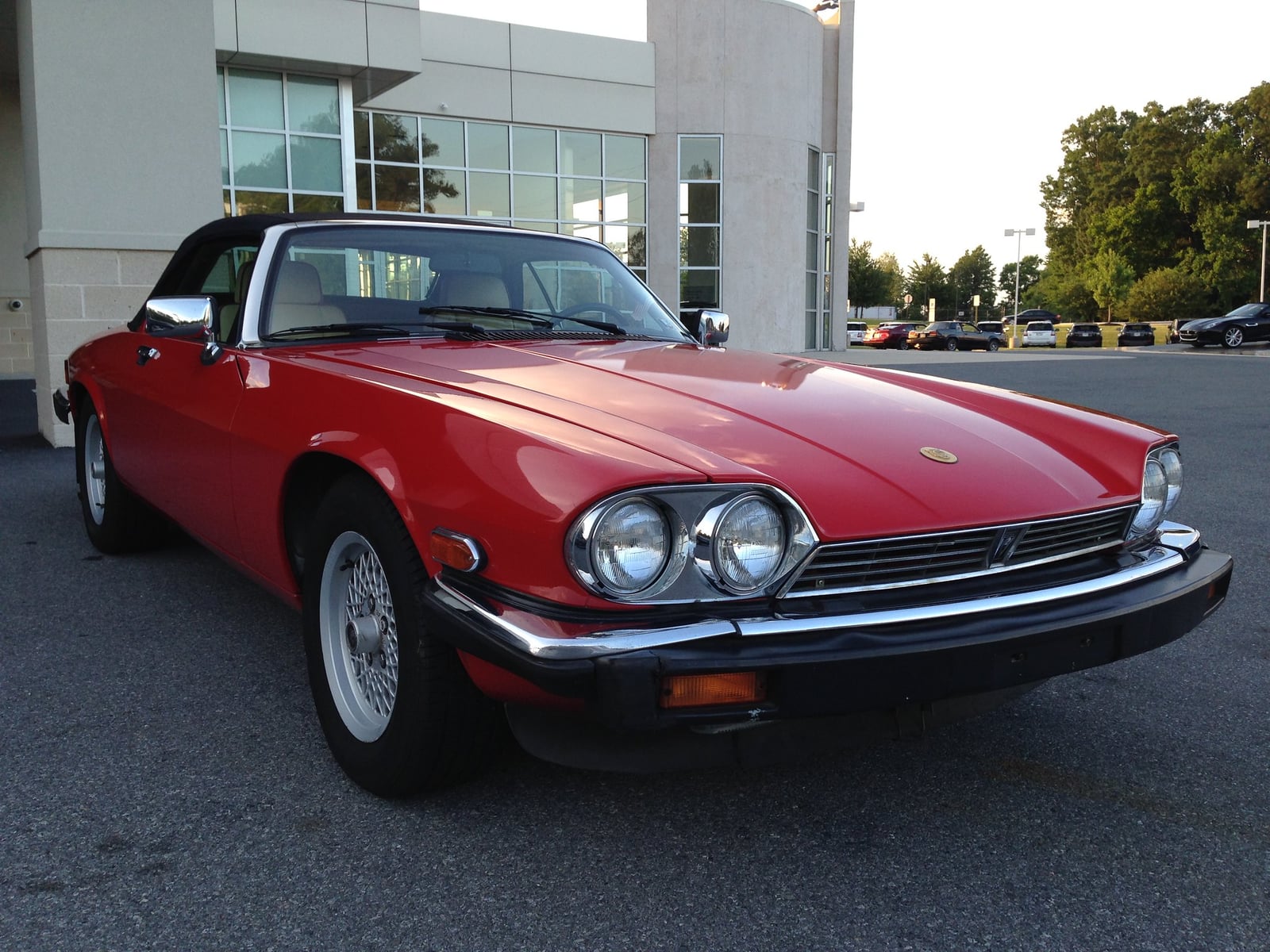
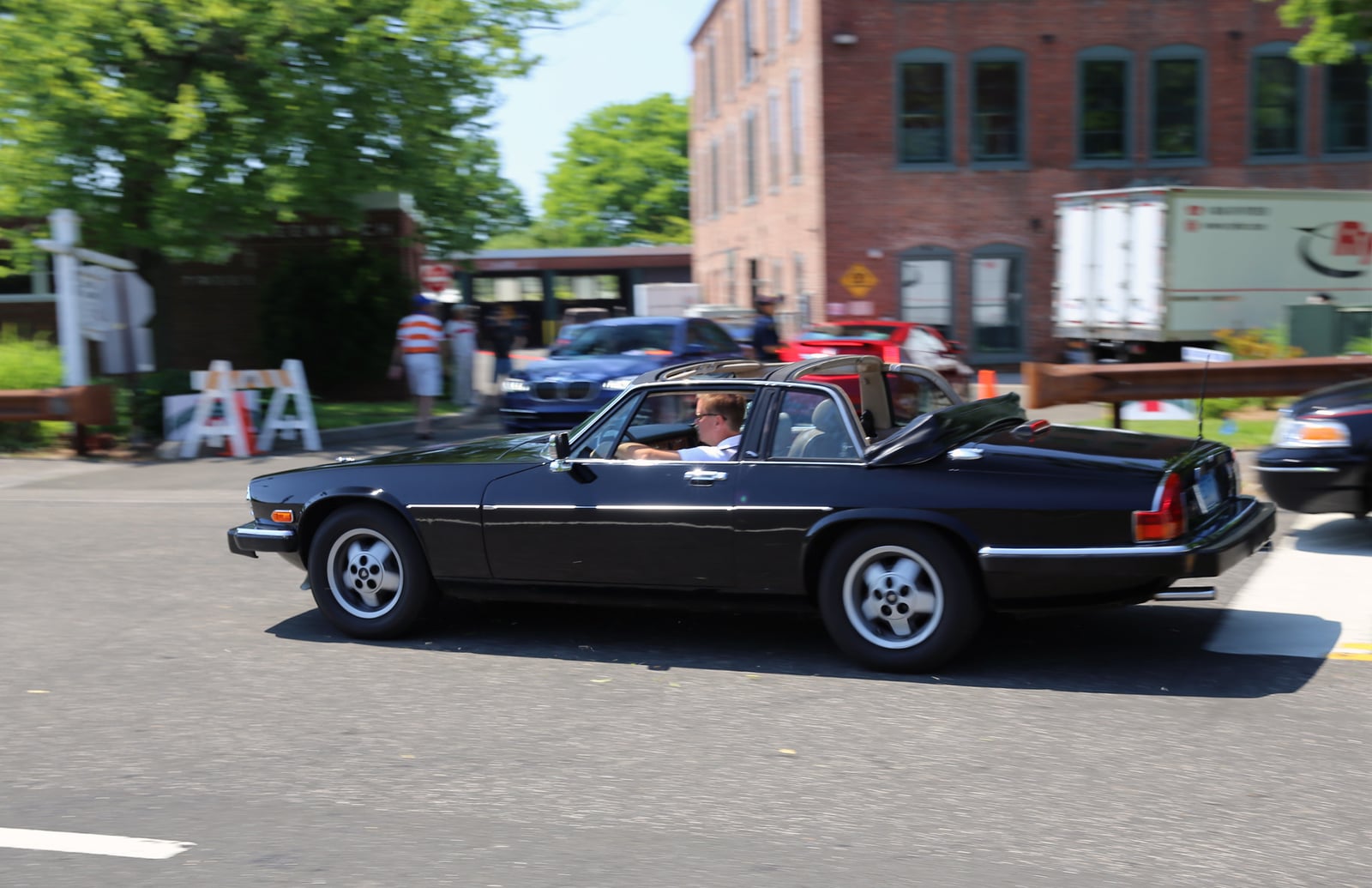
The XJS began as a fixed-head coupe, a 2+2 with small rear seats. In 1983 came the XJ-SC cabriolet, a targa-style car with a fixed roll-over structure and removable roof panels rather than a full soft-top, offered first with the six and later the V12. The car most people want, though, is the full convertible of 1988, with a proper folding roof and a much stiffer shell, which was a strong seller and remains the most desirable body style today.

TWR and the racing XJ-S
The XJS earned real competition credibility. Tom Walkinshaw Racing campaigned the V12 in the European Touring Car Championship from 1982, and in 1984 Walkinshaw took the drivers’ title and the team won the Spa 24 Hours, Jaguar’s first 24-hour win since Le Mans in 1957. It was an unlikely competition car, a big luxury GT turned racer, and it gave the road cars a hard edge of motorsport history they wear well.

Buying an XJS now
The XJS reputation for complexity and cost is real, but mostly for the V12. The six-cylinder cars are far cheaper and simpler to own. On any XJS, rust is the structural concern: check the jacking points, the floors and the seatbelt-mounting areas, the sills, the bottoms of the front wings where they meet the sills, the rear wheelarches, the lower rear wings and valances, the doors, and especially the windscreen scuttle, a tricky and expensive area to repair properly.
On the V12, the cooling system is everything. The radiator silts up if the coolant is not changed regularly, so brown, neglected coolant is a reason to walk away, and the complex ignition and fuelling need to be right. The desirability ladder runs from the rare early pre-HE and manual cars, prized for originality, through the better-driving HE, to the most usable facelift cars, with the V12 convertibles at the top. The run-out Celebration convertibles and coupes of 1995–96 (diamond-turned wheels and upgraded trim, marking Jaguar’s sixtieth anniversary) are the best-supported late cars at auction and a sound way in. The trap is the same as on every big Jaguar: a cheap car with deferred maintenance and hidden corrosion is no bargain.

How the market sees the XJS now
The XJS spans a wide range. Projects start around £5,000, usable cars including V12 convertibles sit around £10,000 to £15,000, and the best late, low-mileage examples reach £20,000 to £30,000. Good V12 convertibles and the early pre-HE cars carry the strongest premiums, while the bottom of the market is rough, rusty six-cylinder coupes. The six trades below the equivalent V12 but is cheaper to own. Auction data and the price guides confirm the pattern, with condition, the state of the cooling and fuel systems, and bodywork the decisive factors. The full record, 1,921 recorded sales by body and engine, the convertible and V12 premiums and what the market has done since its 2021 peak, is on the page covering Jaguar XJS values.
The XJS in dates
- Sept 1975Launched into a fuel-price spike with the 5.3-litre V12 as its only engine, on shortened XJ6 underpinnings, with Sayer's flying-buttress rear sail panels.
- 1981The High Efficiency specification raises compression to improve the V12's thirst, the main gain being economy rather than power.
- 1983The 3.6-litre AJ6 six broadens the car's appeal enormously, launching with a five-speed manual; the XJ-SC cabriolet arrives with removable roof panels.
- 1984Tom Walkinshaw takes the European Touring Car drivers' title and the team wins the Spa 24 Hours, Jaguar's first 24-hour win since 1957.
- 1988The full convertible arrives with a proper folding roof and a much stiffer shell.
- 1991The Ford-era facelift drops the hyphen, adds a flush windscreen and a rounder tail, and galvanises the shell; the six grows to 4.0 litres.
- 1992The V12 grows to 6.0 litres.
- 1996Production ends after more than 115,000 cars in twenty-one years.
Before you buy an XJS
Rust
- The windscreen scuttle, which is tricky and expensive to repair properly
- Jacking points, floors and the seatbelt-mounting areas
- Sills, and the bottoms of the front wings where they meet them
- Rear wheelarches, lower rear wings, valances and doors
V12 specifics
- The radiator silts if the coolant is not changed regularly; brown coolant is a walk-away
- Complex ignition and fuelling both need to be right, not nearly right
- Pre-HE cars are thirstier; the HE drives better and is the sensible V12
- A manual V12 is very rare indeed, so verify before paying for one
Which one
- Six-cylinder cars are far cheaper and simpler, and the 1983 AJ6 is what broadened the model's appeal
- Facelift cars from 1991 have the galvanised shell and survive better
- V12 convertibles sit at the top, and the 1995 to 1996 Celebration cars are the best-supported late buys
- The bottom of the market is rough, rusty six-cylinder coupes, and they are not bargains
Related
The XJS is the grand tourer in the classic Jaguar range and one of the defining British classic cars of the 1980s. It followed the E-Type, shared its V12 and its underpinnings with the XJ6, and went on to outlast both.
More photos