Jaguar
-
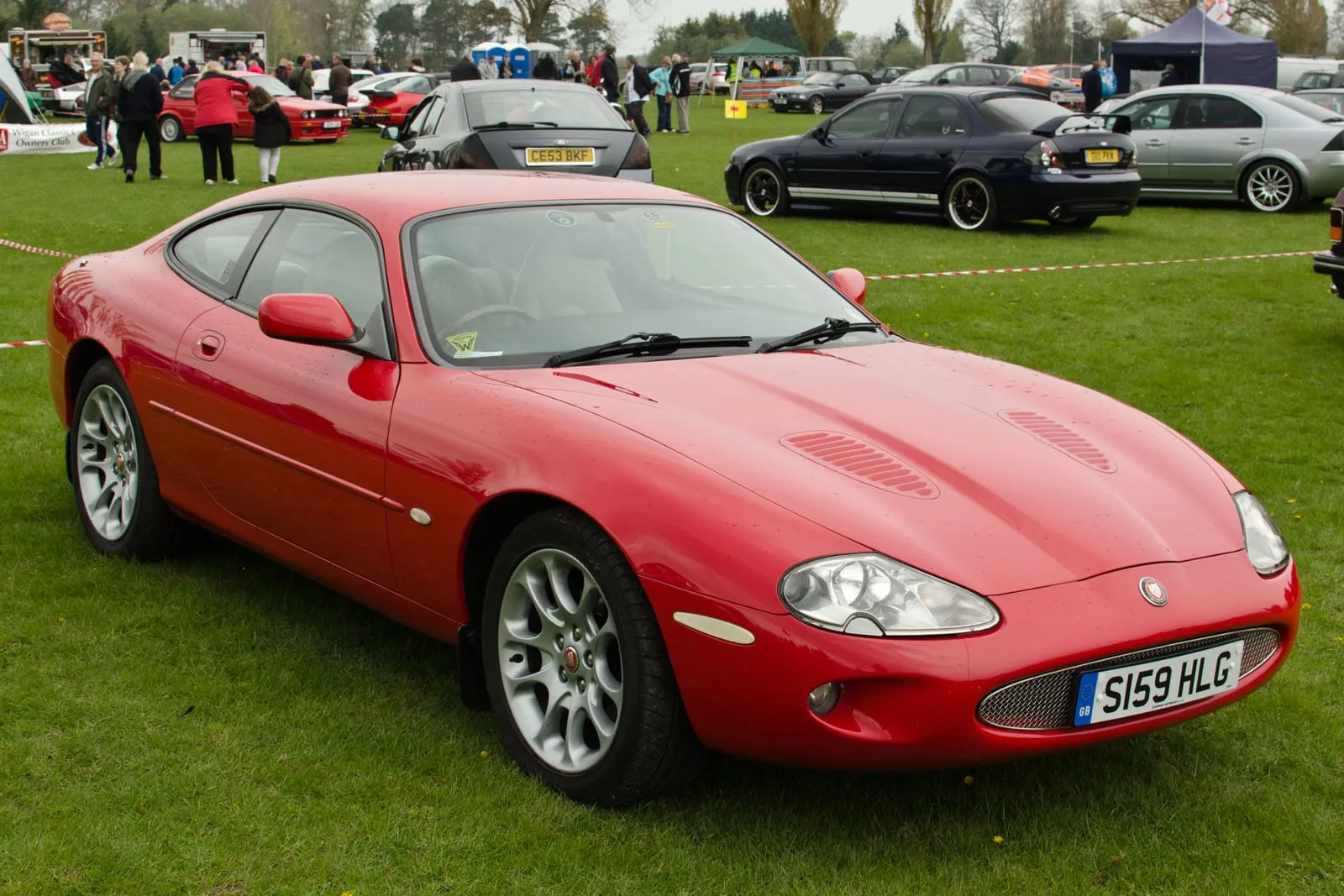 Jaguar XK8 and XKR: the V8 that replaced a legend (1996–2006)
The XK8 gave Jaguar its first V8, replaced the twenty-year-old XJS and put the XK name back on a grand tourer, with the supercharged XKR adding Bond-film fame. A guide to the X100 generation, the Nikasil question, buying checks and today's remarkable values.
-
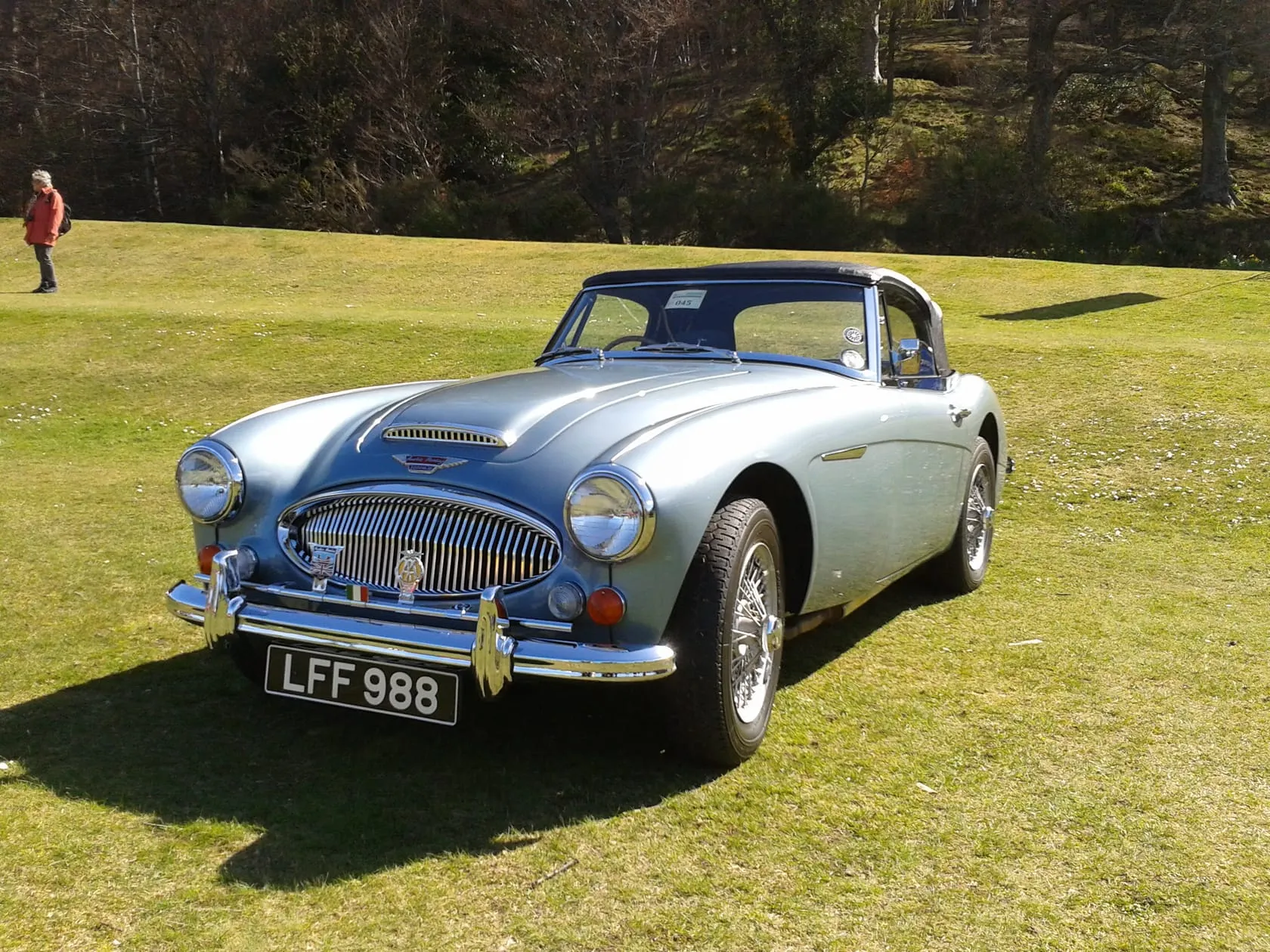 Jaguar E-Type vs Austin-Healey 3000: the two big British sixes, and what the auction record says about each
A twin-cam monocoque that claimed 150 mph against a pushrod six on a separate chassis that claimed 115. Both sold mostly to America, both were killed by American rules, and both have lost a third or more of their real value since 2014. Five thousand auction results on which is the better buy now.
-
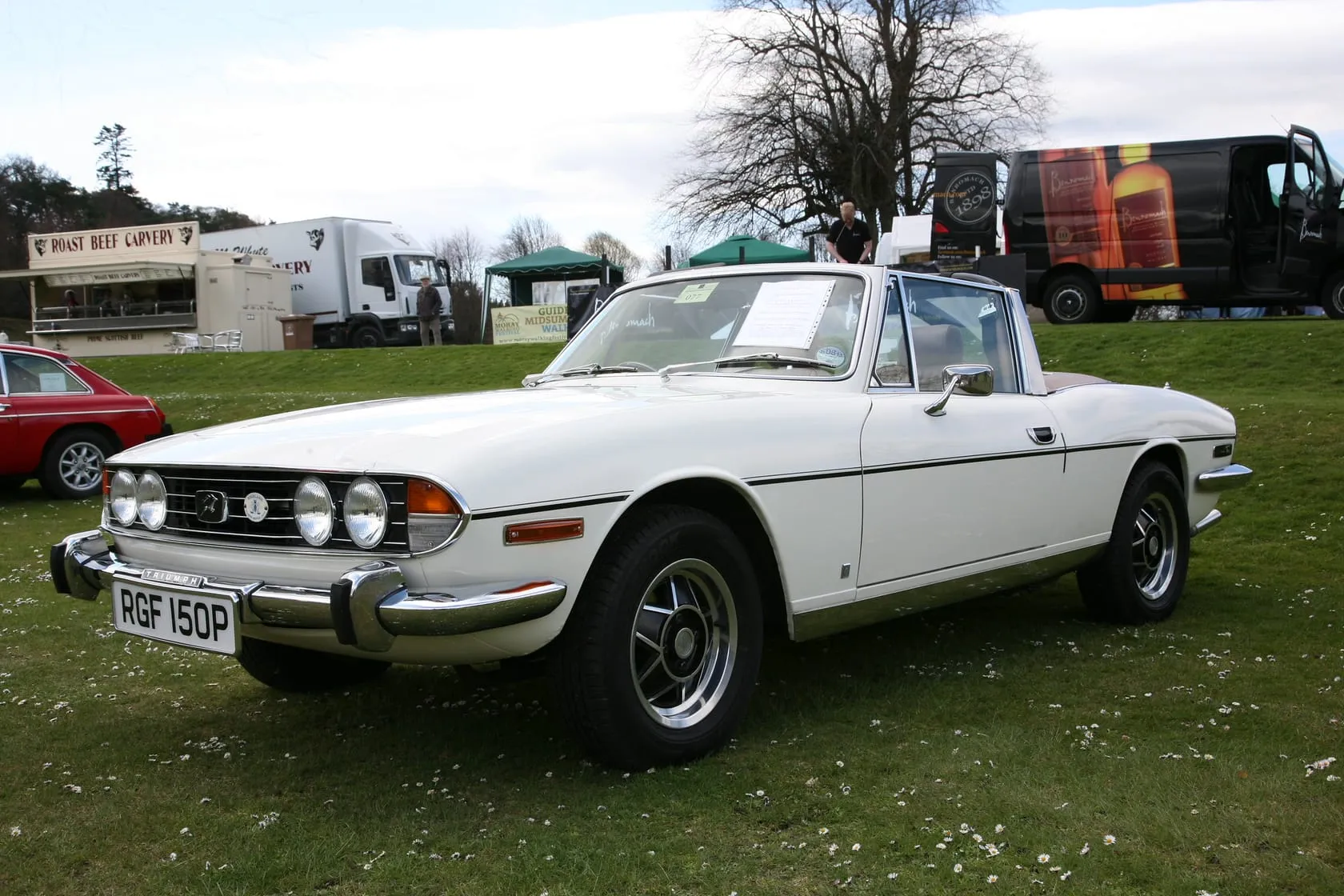 Jaguar XJS vs Triumph Stag: two British grand tourers with a reputation to live down
A V12 coupe and a V8 convertible, both born in the 1970s, both once dismissed as unreliable, and both now priced within a few hundred pounds of each other at auction. Which reputation was deserved, what was fixed, and which is the better car to buy in 2026.
-
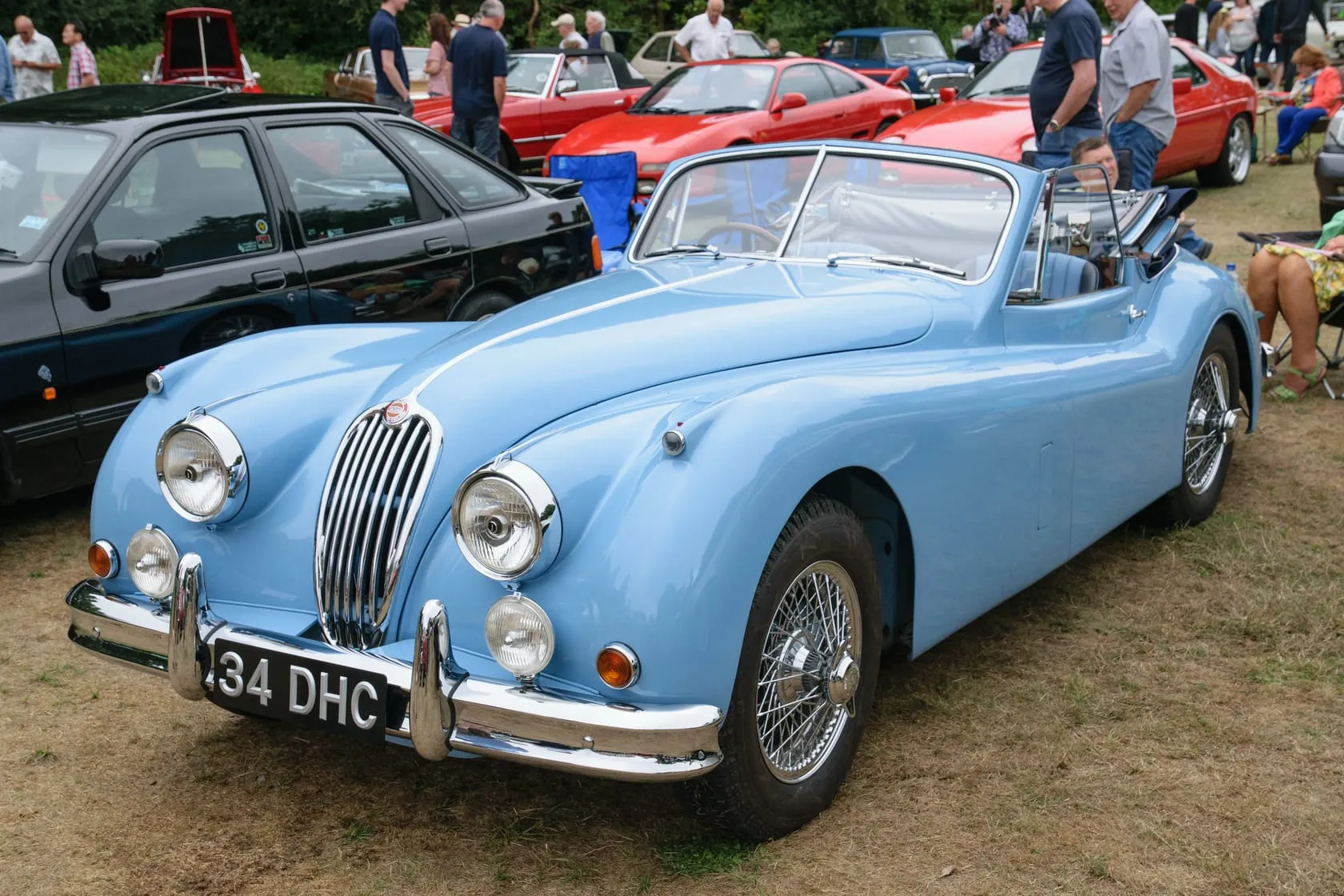 Jaguar XK140 values: the one XK where the drophead beats the roadster, and the cheapest of the three at the median
Here alone among the XKs, the drophead coupe outsells the roadster. Jaguar XK140 values across 451 recorded auction sales, what the fixed-head, the SE and the home-market cars make, how the middle XK sits against the XK120 and XK150, and why it has halved in real terms since 2017.
-
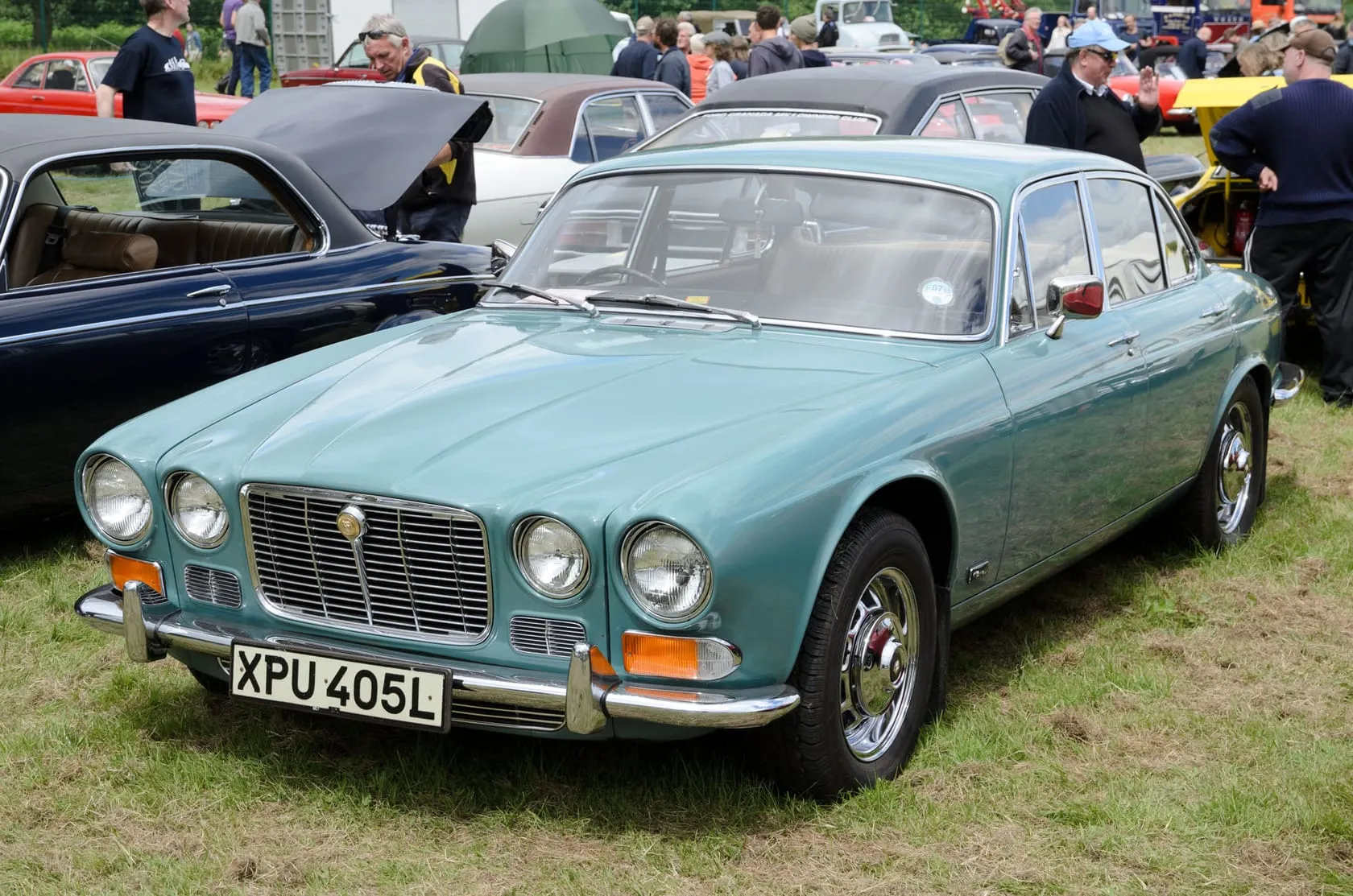 Jaguar XJ values: the cheapest big Jaguar, 1968 to 2009, and the coupé at three times the saloon
A sound Jaguar XJ saloon costs less than a Mini. Prices from 1,818 recorded auction sales across the 1968 to 2009 line, what an XJ6, XJ8, XJR, XJ12 and XJ-C each make, and why the family has lost half its money in real terms since 2022.
-
 Jaguar XJ6 Series 3: the Pininfarina polish on Lyons' last saloon (1979–1992)
The Series 3 was the XJ6 perfected, the 1979 Pininfarina reskin of Sir William Lyons' saloon that outlived its own replacement, carried Jaguar through the Egan quality revival and ran to 1992 as the V12. A guide to what changed, the 3.4, 4.2 and 5.3 engines, the Sovereigns and Daimlers, what to check, and why the Series 3 is the XJ to use.
-
 Jaguar XK150 values: the S premium, roadster over drophead over coupé, and a market that has halved since 2019
A 3.4 S roadster sells for two and a half times a 3.4 fixed-head. Jaguar XK150 prices from 628 recorded auction sales, what the 3.8 and the S badge add by body, how the XK150 compares with the XK120 and XK140, and why it has lost more than half its value in real terms since 2019.
-
 Jaguar XK120 values: the alloy premium, roadster over coupé, and a market half what it was
The 240 aluminium-bodied roadsters sell for nearly three times a steel car. Jaguar XK120 prices from 802 recorded auction sales, the roadster, drophead and fixed-head order, what competition history is worth, and why the XK120 has lost half its value in real terms since 2017.
-
 Jaguar Mk2 values: 3.8 over 3.4 over 2.4, the restomod premium, and a market back to 2010 prices
The 3.8 premium is a quarter, not double. Jaguar Mk2 prices from 867 recorded auction sales, what the 3.4 and 2.4 make, what the Coombs cars and the Vicarage and Beacham restomods sell for, and why the Mk2 is cheaper in real terms than it was fifteen years ago.
-
 Jaguar C-Type and D-Type: five Le Mans wins and the replica industry they built (1951–1957)
The Jaguar C-Type and D-Type won Le Mans five times in seven years, pioneered disc brakes and aviation monocoques, and became some of the most valuable British cars ever sold. A guide to both racers, the XKSS, the continuation cars and the replica industry that keeps the shapes on the road.
-
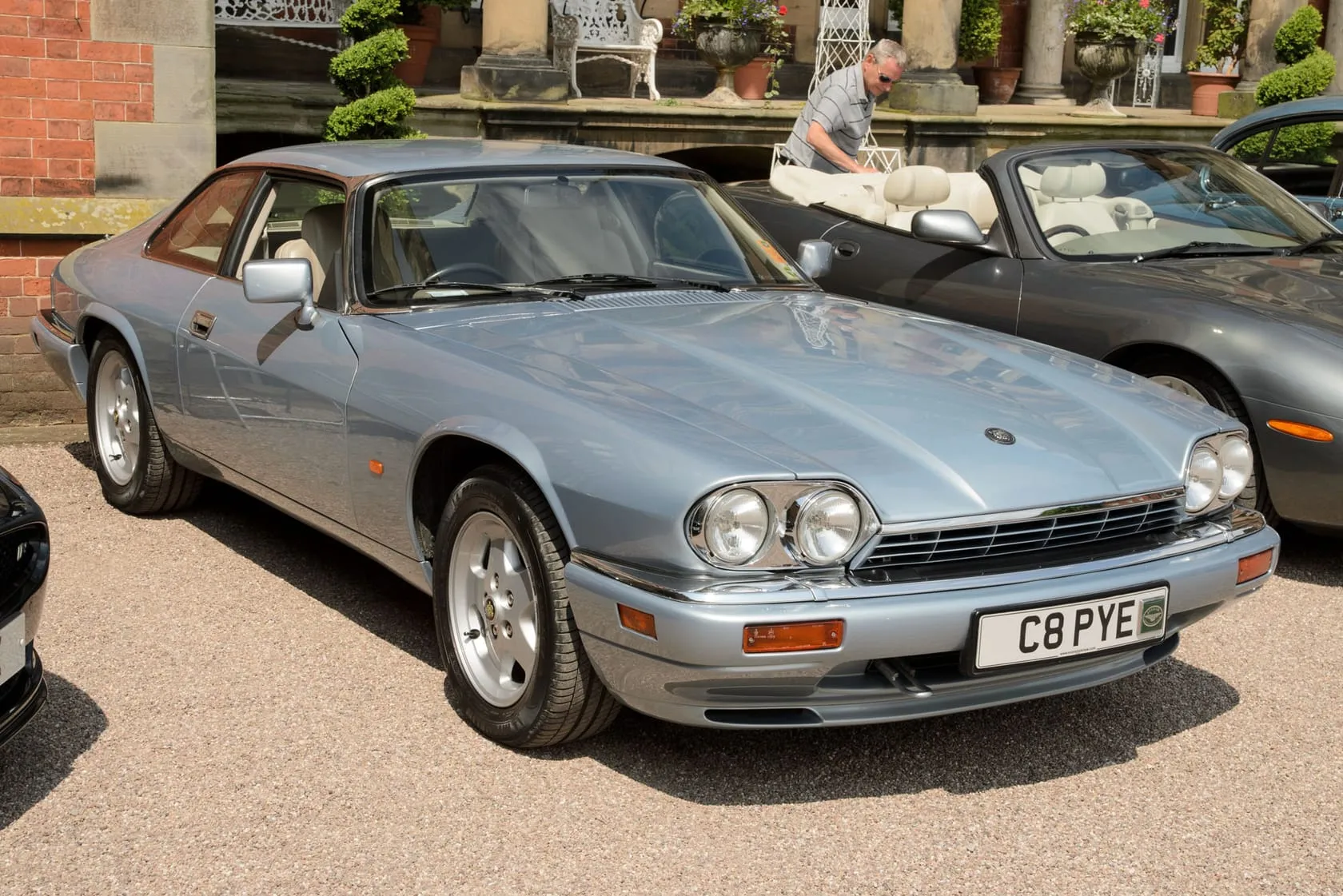 Jaguar XJS values: convertible over coupé, V12 over six, and why it is still the cheapest big Jaguar
Cheaper in real terms than it was twenty years ago. Jaguar XJS values from 1,921 recorded auction sales, the convertible and V12 premiums, the run-out Celebration and the Lynx Eventer at the top, and what rust and a V12 plumbing job do to the price.
-
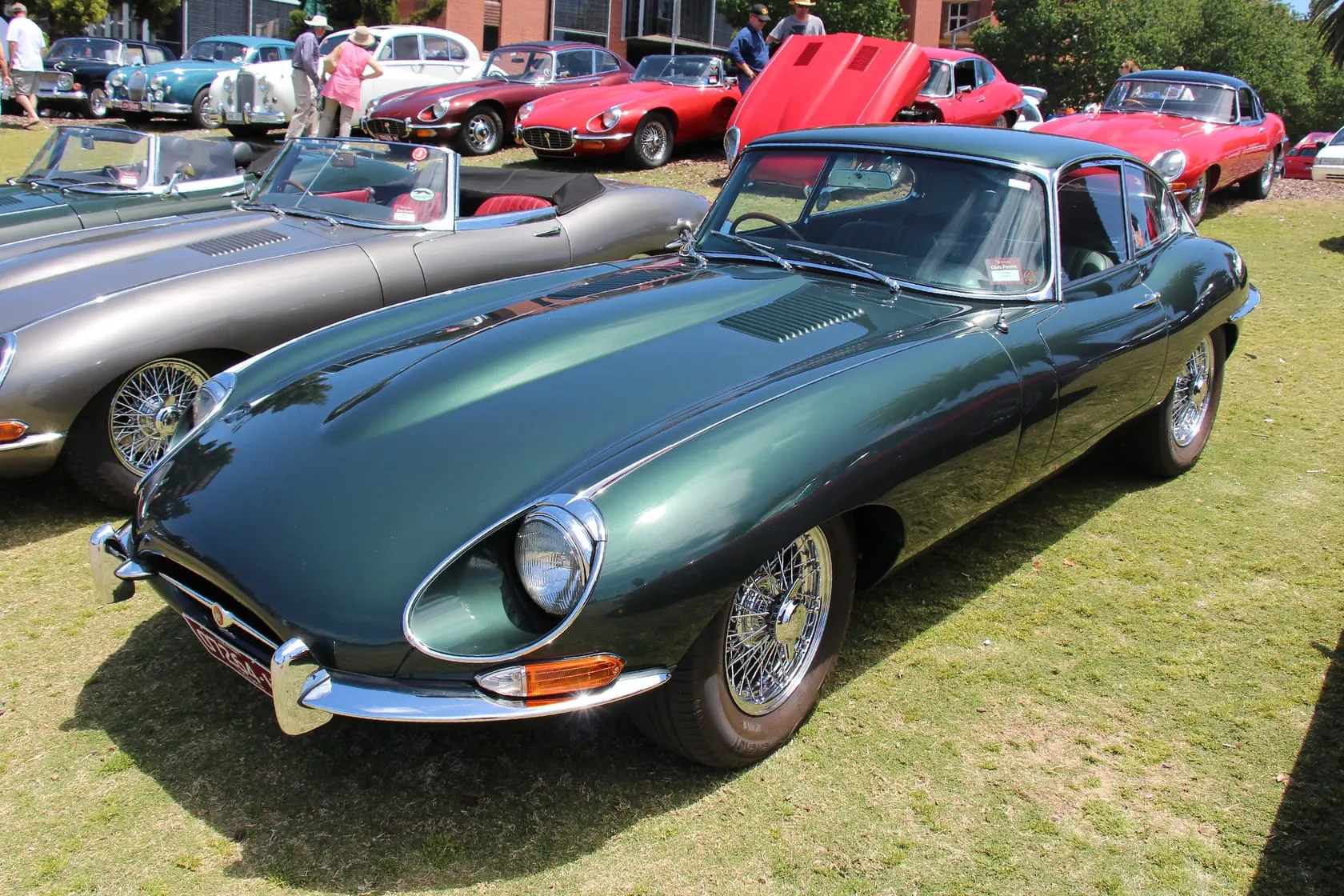 Jaguar E-Type values: what every series sells for, and why the price has fallen
One order never changes, roadster over coupe over 2+2 and Series 1 over everything. Jaguar E-Type prices from 4,029 recorded auction sales, what a right-hand-drive car or a restoration does to the value, and why the E-Type is cheaper in real terms now than in 2010.
-
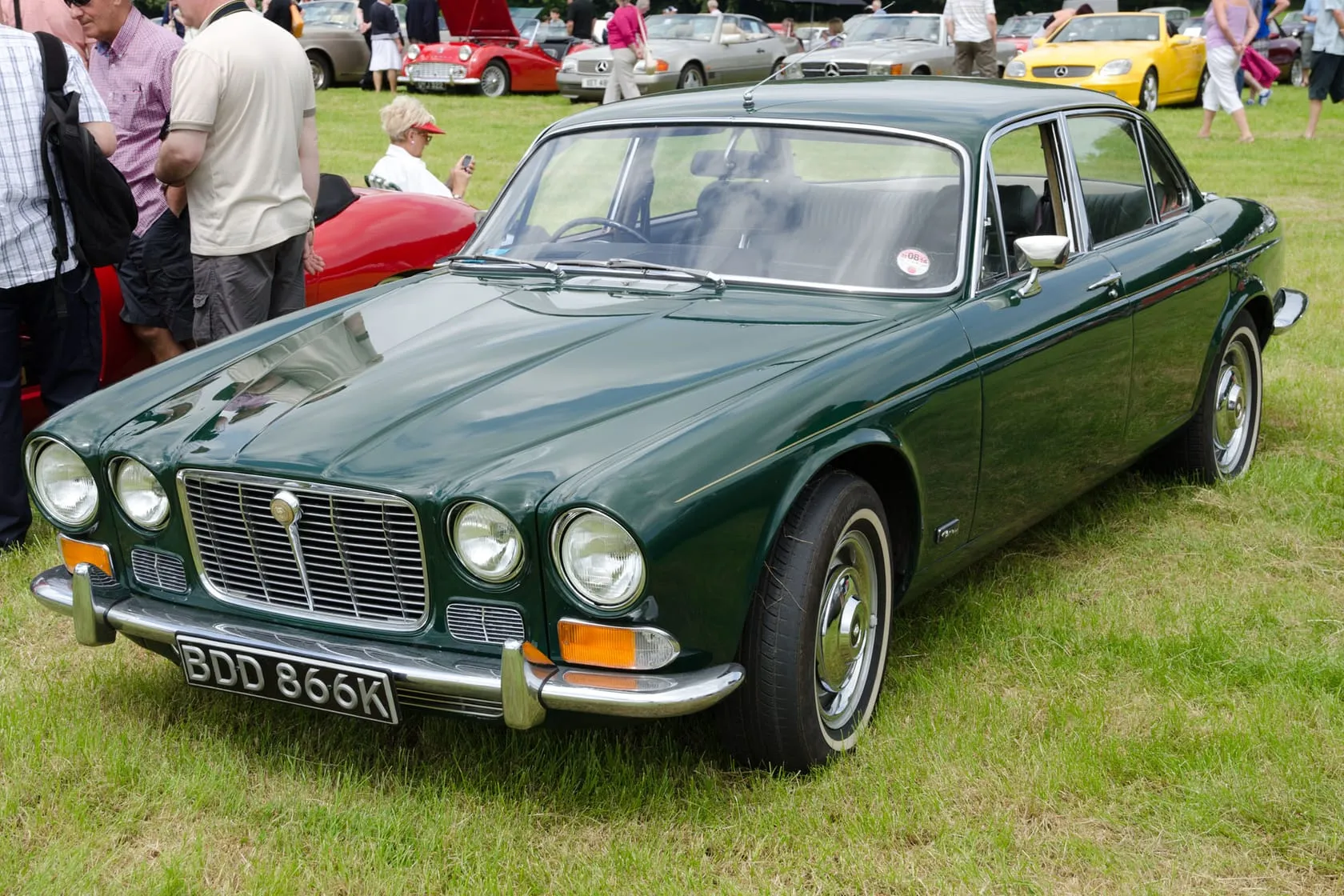 Jaguar XJ: the series that carried the company (1968–2009)
The Jaguar XJ series began in 1968 as the saloon that replaced Jaguar's entire range and stayed the company's flagship for four decades. This overview decodes the family, Series 1 to 3, the coupe, the XJ40 and the X300/X308, links to our detailed guides on each, and explains which classic XJ suits which buyer.
-
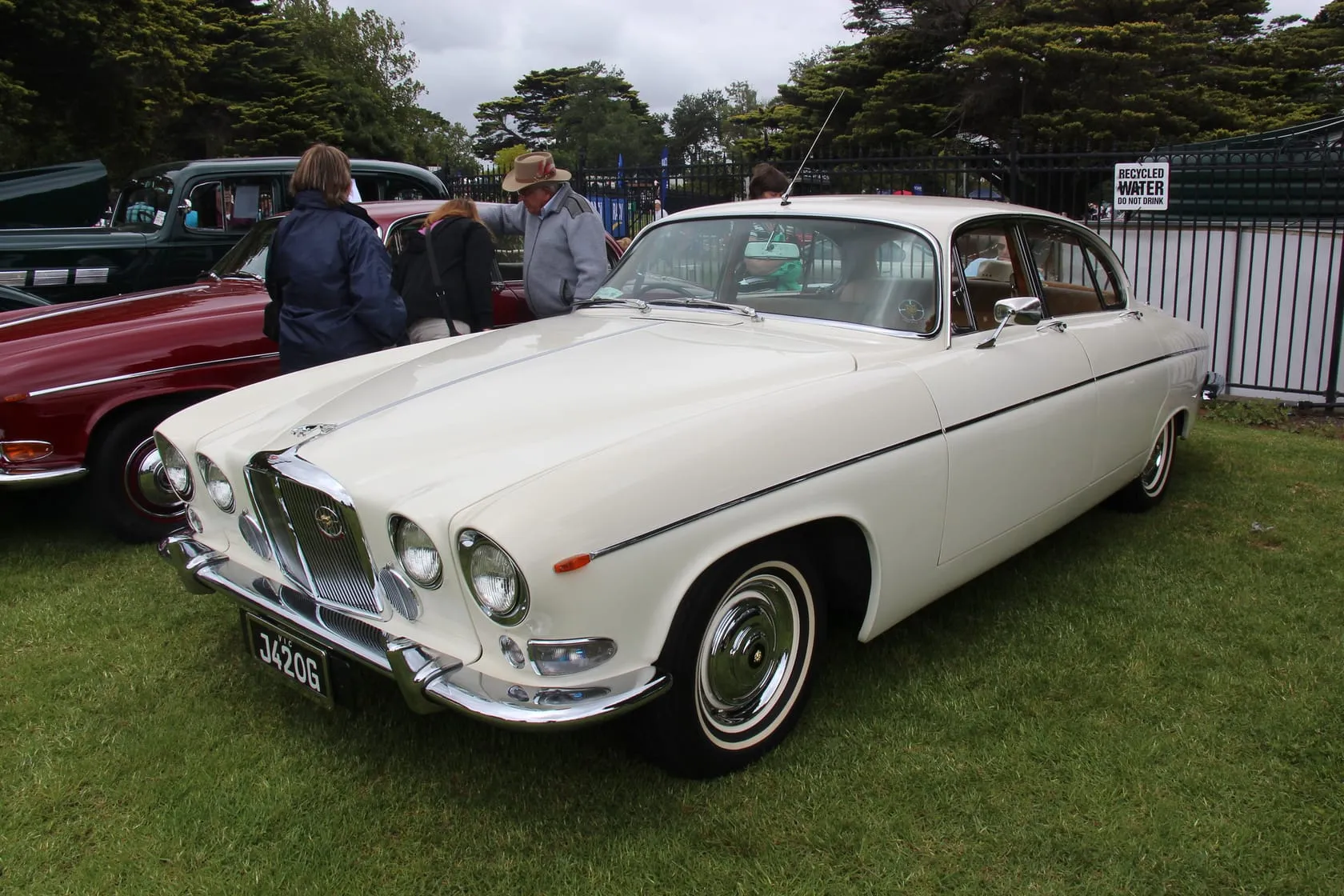 Jaguar Mk X and 420G: the biggest Jaguar of them all (1961–1970)
The Jaguar Mk X was the widest car Britain had ever put into production, an E-Type-engined limousine-sized saloon built for America that became the 420G in 1966. A guide to the Mk 10 and 420G, the confusingly-named compact 420, what they are like to run, and what to check before buying one.
-
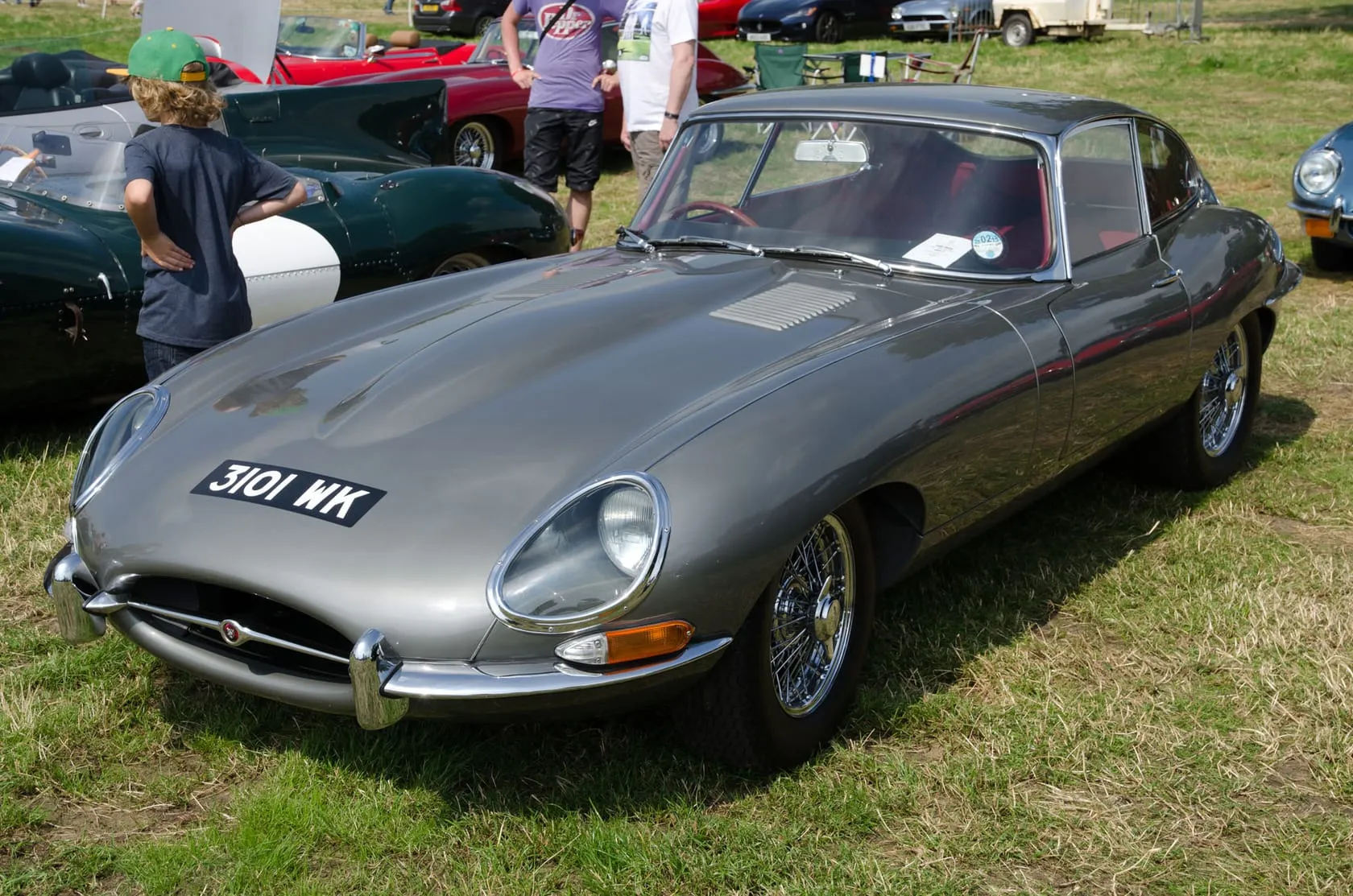 Jaguar E-Type Series 1: the original of the most beautiful car (1961–1968)
The Series 1 is the E-Type as Geneva first saw it, covered headlamps, slender bumpers and the 150 mph legend, and it is the generation the collector market prizes above all. A guide to the 3.8 and 4.2 cars, flat floors and 2+2s, buying checks and what the deepest E-Type market pays.
-
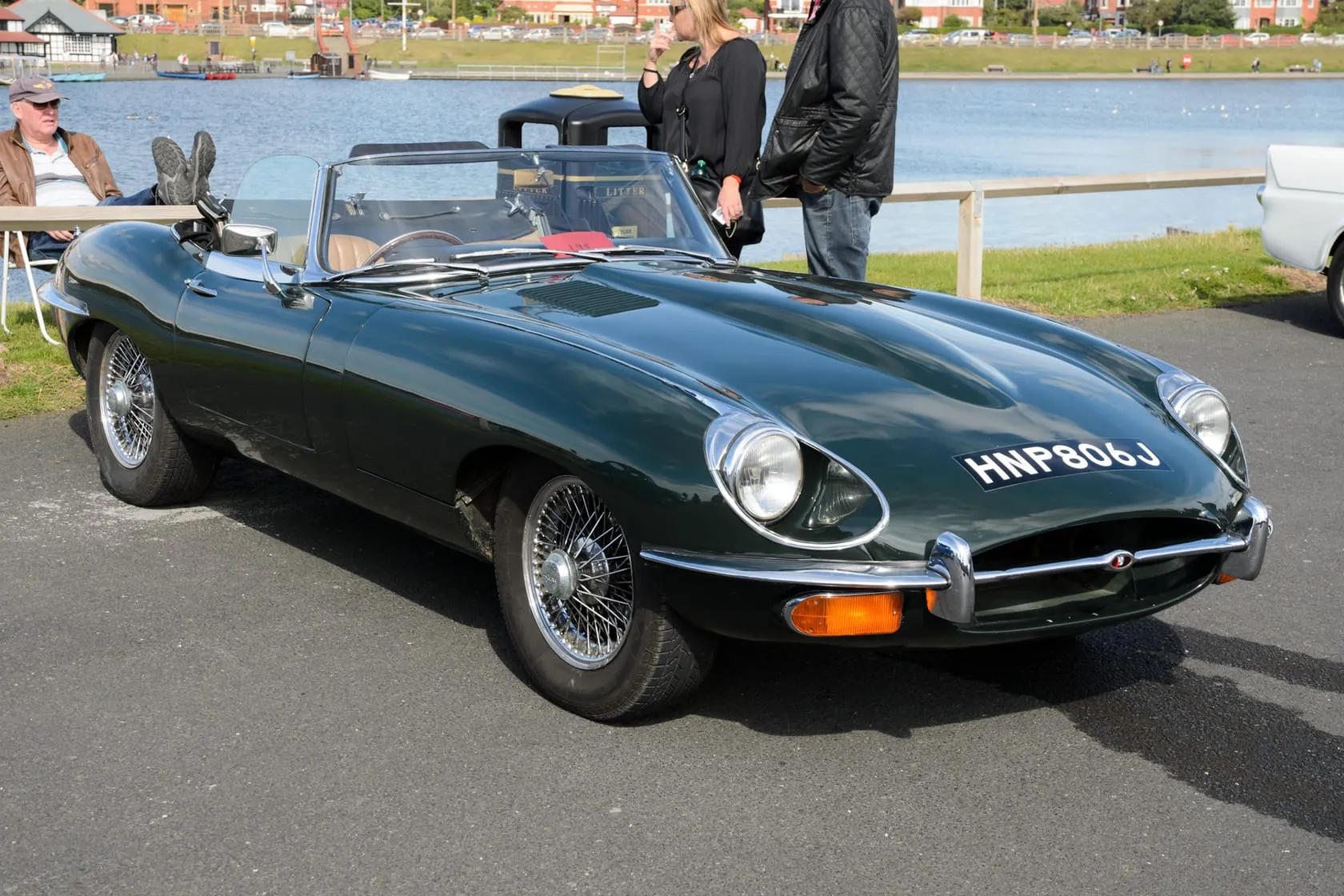 Jaguar E-Type Series 2: the sensible one, and the shrewd way in (1968–1971)
The Series 2 is the E-Type that American regulators redrew, open headlamps, bigger mouth, better brakes and cooling, and it remains the most usable route into six-cylinder E-Type ownership. A guide to what changed, why collectors rate it below the Series 1, and the buying checks that matter.
-
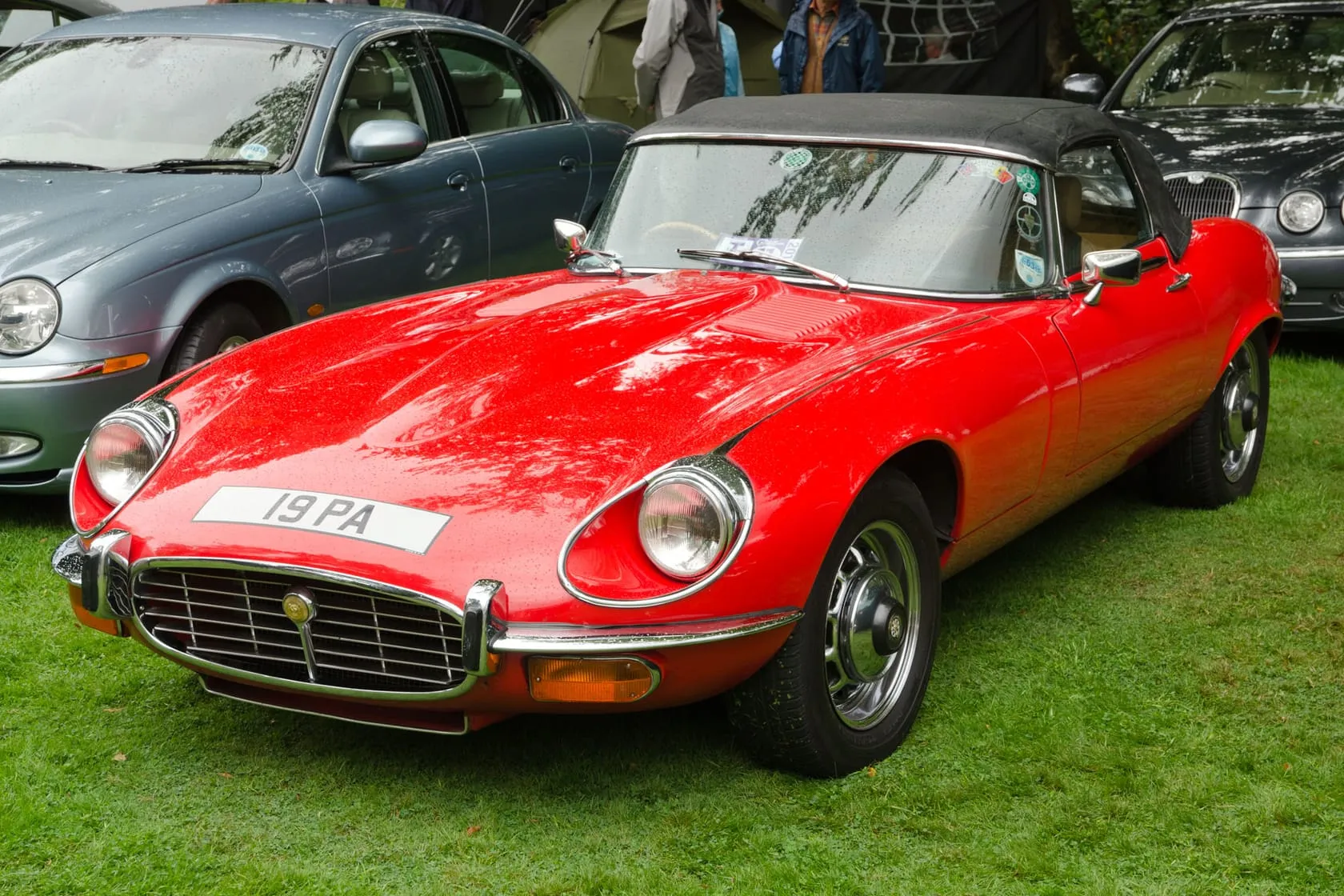 Jaguar E-Type Series 3: twelve cylinders for the grand finale (1971–1975)
The Series 3 gave the E-Type a 5.3-litre V12, a longer wheelbase and flared arches, trading the original's rawness for turbine-smooth grand touring. A guide to the V12 cars, the commemorative final fifty, what the market pays and how to buy the last of the line.
-
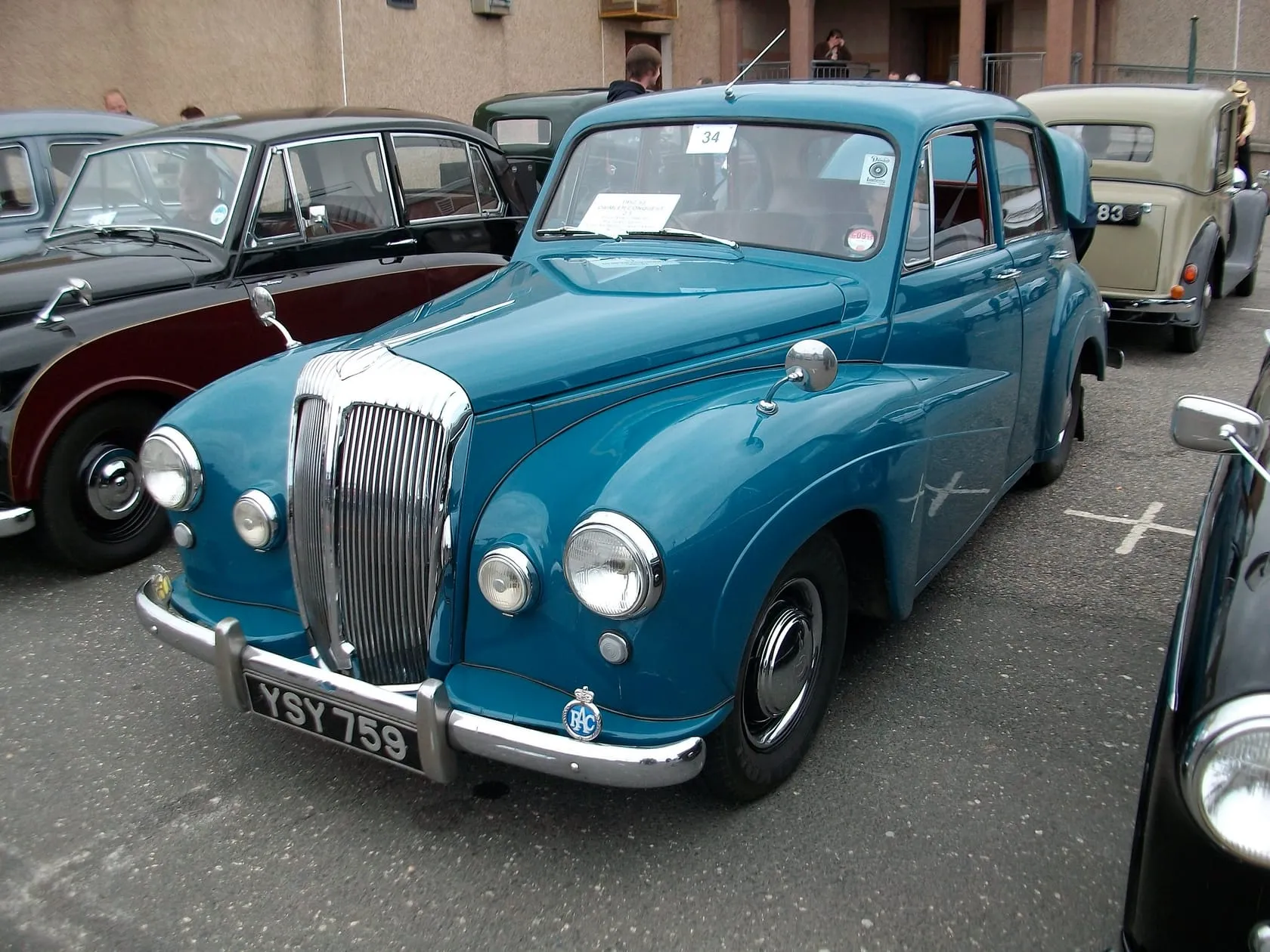 Daimler Conquest: the old guard's last graceful stand (1953–1958)
The Daimler Conquest was the grand old marque's mid-1950s bid for the professional classes, a dignified 2.4-litre saloon with Daimler's silken preselector transmission, plus the quicker Century and a startling roadster. A guide to the range, the famous name, what to check when buying, and what a Conquest costs today.
-
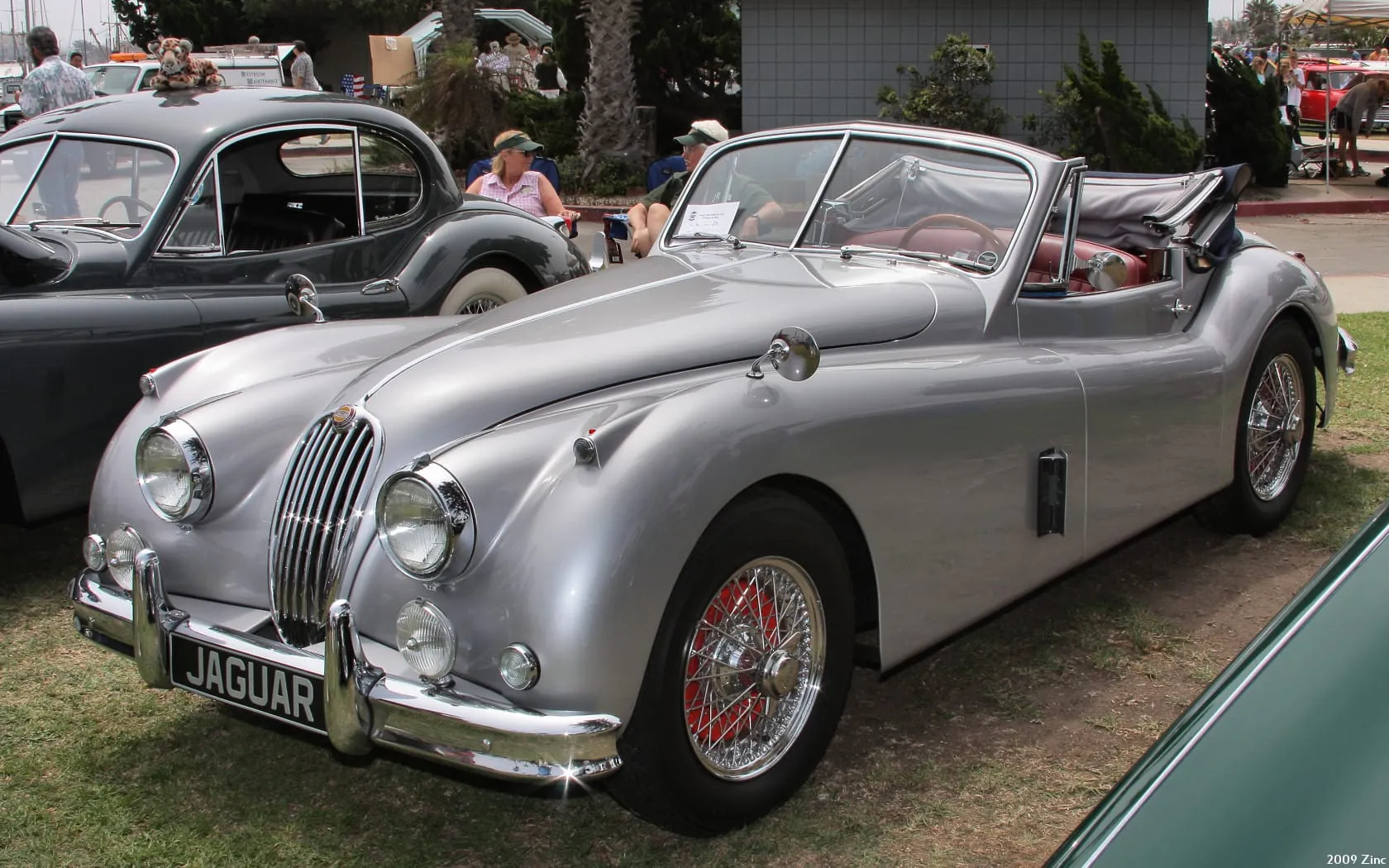 Jaguar XK140: the XK120 finished properly (1954–1957)
The Jaguar XK140 took the sensational XK120 and fixed everything owners had grumbled about, rack-and-pinion steering, cabin room, cooling, without losing the looks or the pace. A guide to the roadster, drophead and fixed head coupe, the SE upgrades, what year XK to avoid and why, and what to check before buying one.
-
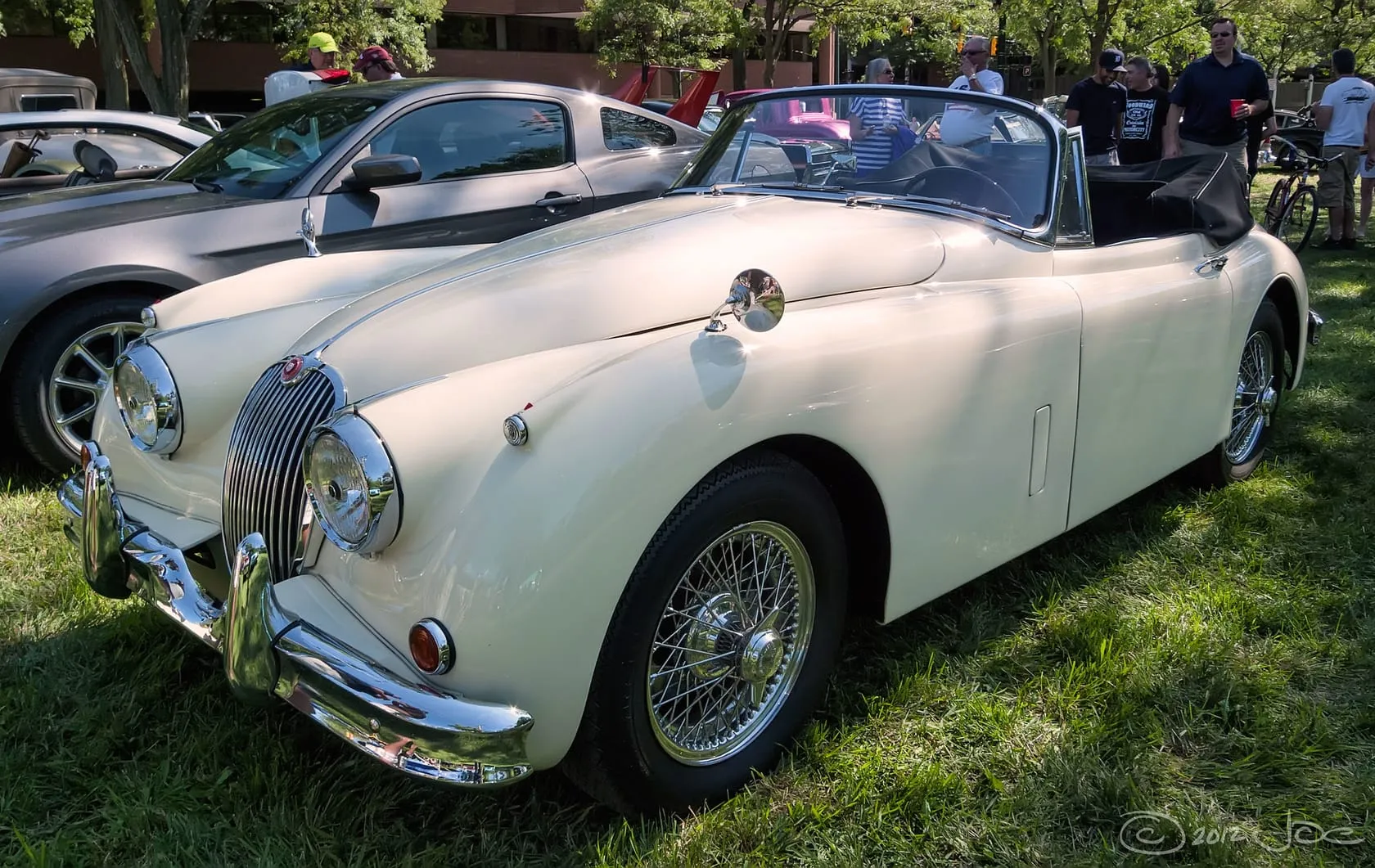 Jaguar XK150: disc brakes, wider shoulders and the last of the line (1957–1961)
The Jaguar XK150 closed the XK story with four-wheel disc brakes, a wider modern body and, in 3.8 S form, the pace that previewed the E-Type. A guide to the 3.4 and 3.8 cars, the S models, how the 150 differs from the XK140, what to check when buying, and what one costs today.
-
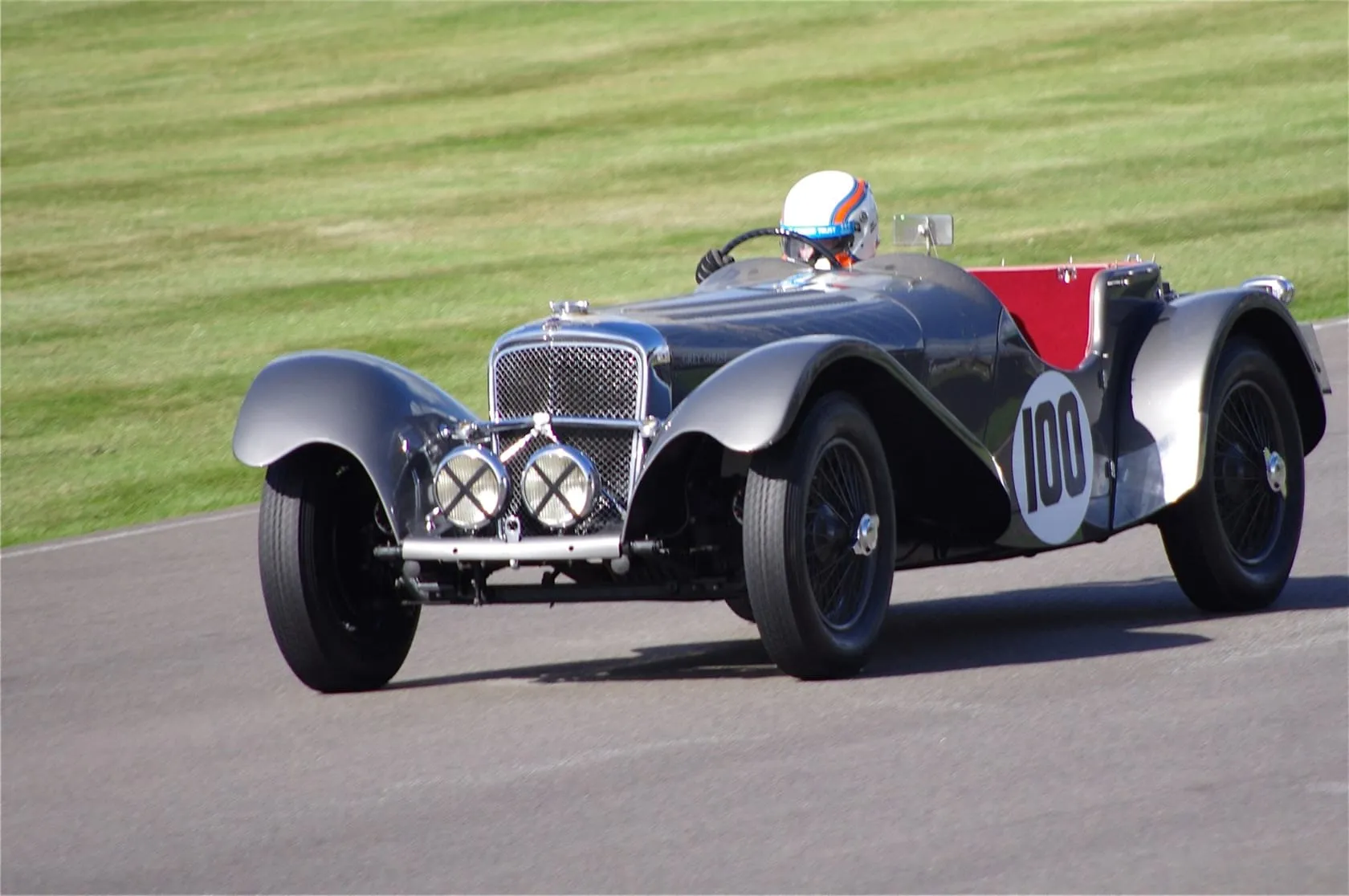 Jaguar SS 100: the pre-war sports car that named the marque (1936–1939)
The SS Jaguar 100 was William Lyons' pre-war sports car, a short, fast open two-seater whose name claimed a genuine 100 mph and which carried the Jaguar name from 1936. A guide to the SS 100, the SS Jaguar saloons, the replica question, and what they are worth.
-
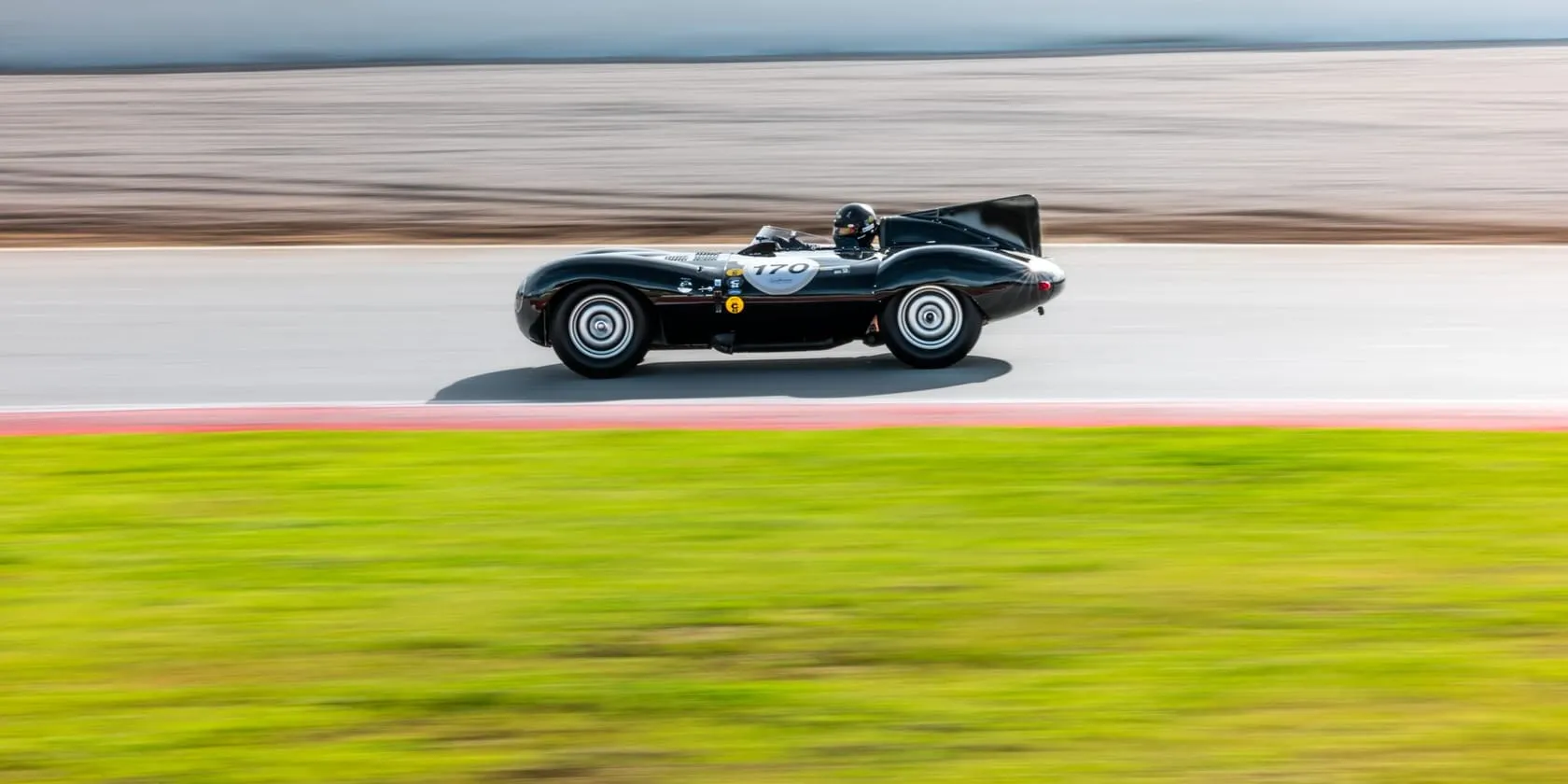 Ecurie Ecosse, explained
Who Ecurie Ecosse were, the Edinburgh privateer team that ran Jaguars to back-to-back Le Mans wins in 1956 and 1957.
-
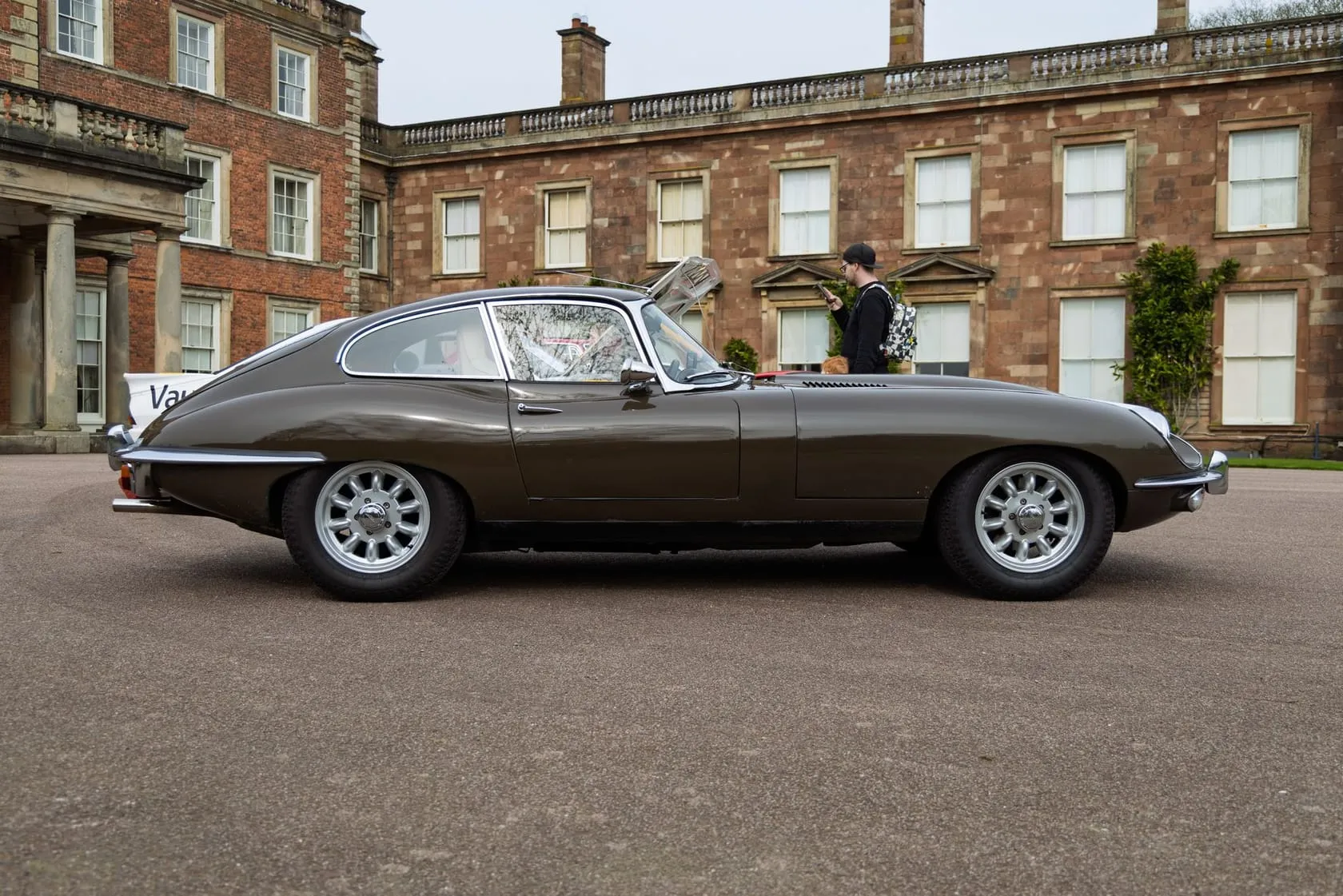 Classic Jaguar: the cars, the history, and what they are like to own
Jaguar built cars that looked and felt like they cost twice the money, from the XK120 and the E-Type to the Mk2 and the XJ6, and won Le Mans along the way. A guide to the classic Jaguars worth knowing, what each one is like to own and run now, and where it sits in the marque's story.
-
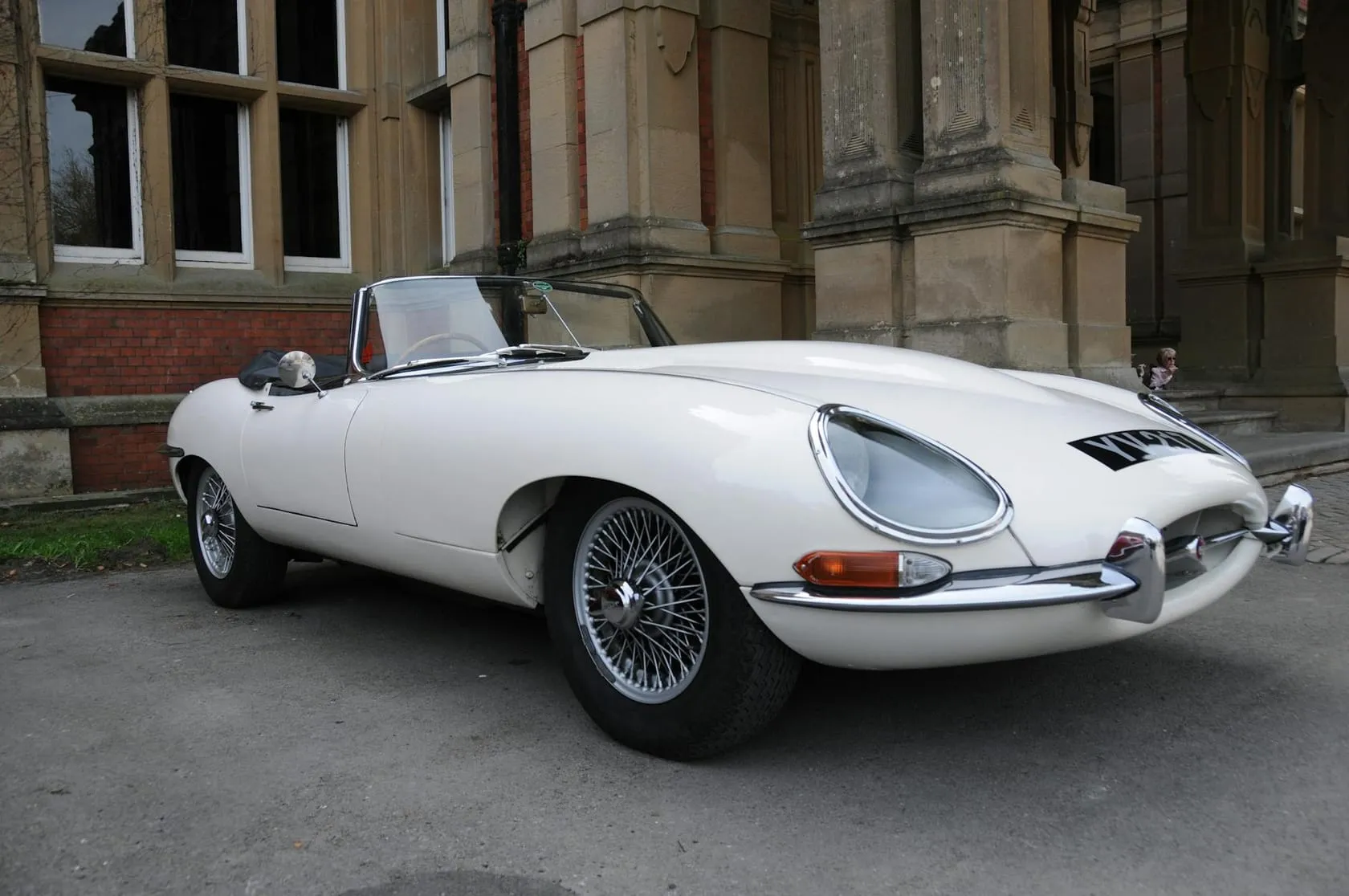 Jaguar E-Type (1961–1975): the complete guide to the series
The Jaguar E-Type was the most beautiful car of its age and one of the fastest, and it ran from the covered-headlamp Series 1 to the V12 Series 3 across fourteen years. The development story, the differences between the series, the myths sorted from the facts, and what the survivors are like to buy now.
-
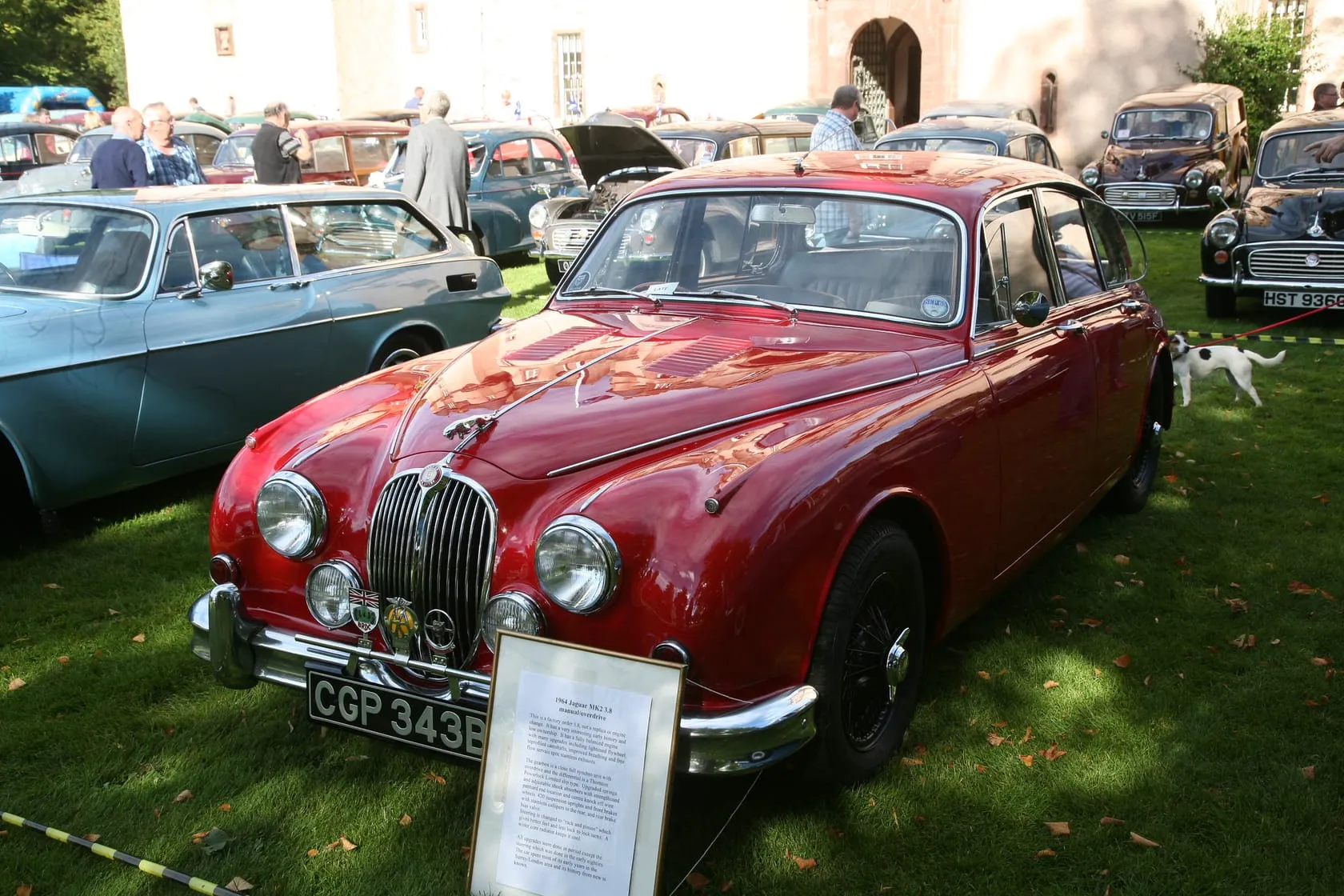 Jaguar Mk2 (1959–1967): grace, space, pace and the gentleman's express
The Mk2 was the compact sports saloon that, in 3.8 form, would see off most sports cars of its day, and it became the definitive 1960s Jaguar, beloved of bank managers, getaway drivers and saloon racers alike. The engines, the Coombs racers, the run-out cars, and what to look for when buying one.
- Jaguar XJ6 and XJ12 (1968–1992): Sir William Lyons' last saloon
The XJ6 of 1968 replaced Jaguar's entire saloon range with one car, and the period press could not find anything that drove better at any price. The three series, the smooth XK six and the V12, the Daimler siblings, and what to look for when buying the last Jaguar saloon designed under William Lyons.
-
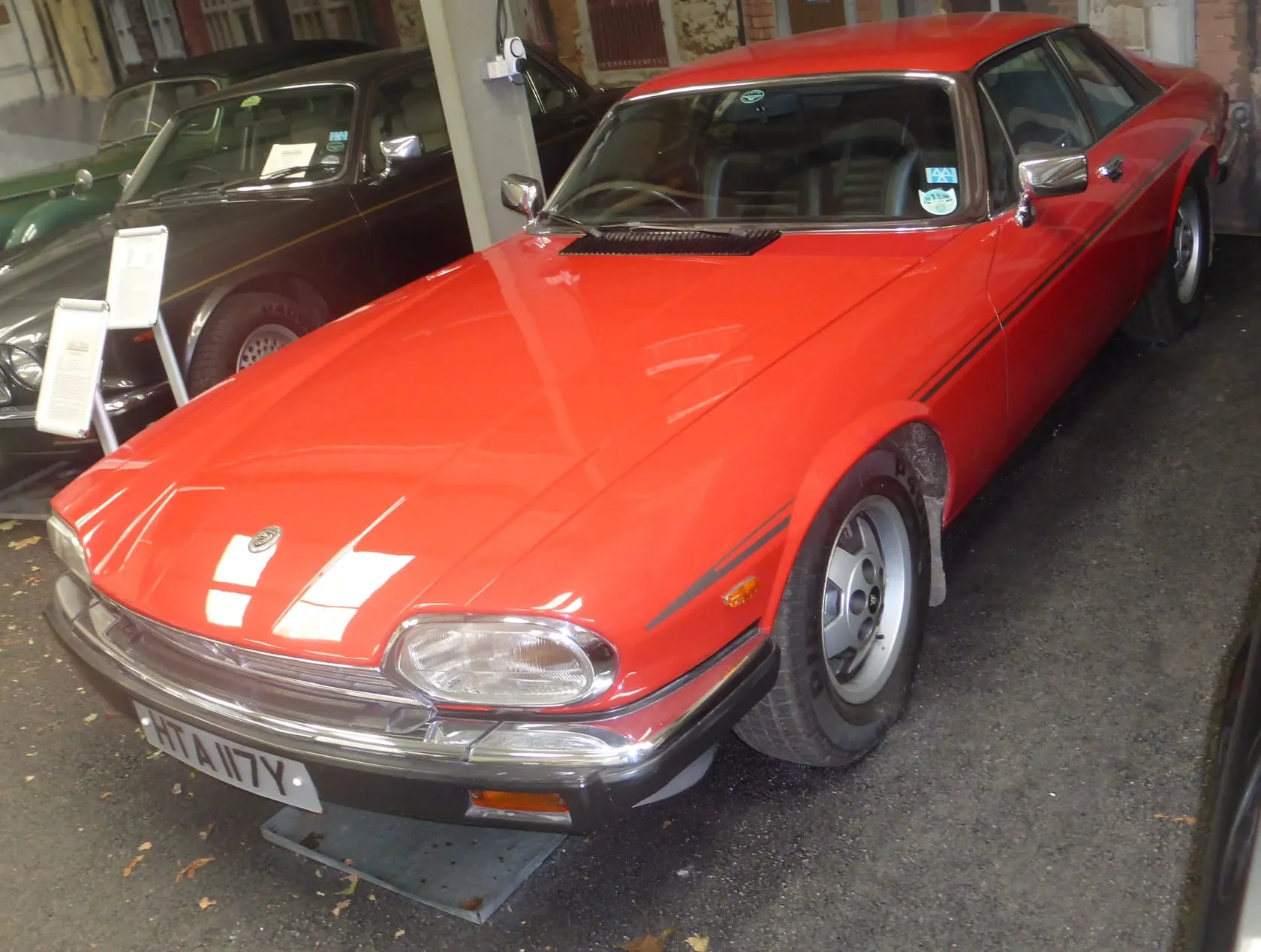 Jaguar XJS (1975–1996): the grand tourer that outlived its critics
The XJS was never meant to be an E-Type, and the long, controversial grand tourer divided opinion at launch before time turned it into a sought-after classic. The V12 and the six, the cabriolet and the convertible, the TWR racing cars, and what to look for when buying one now.
-
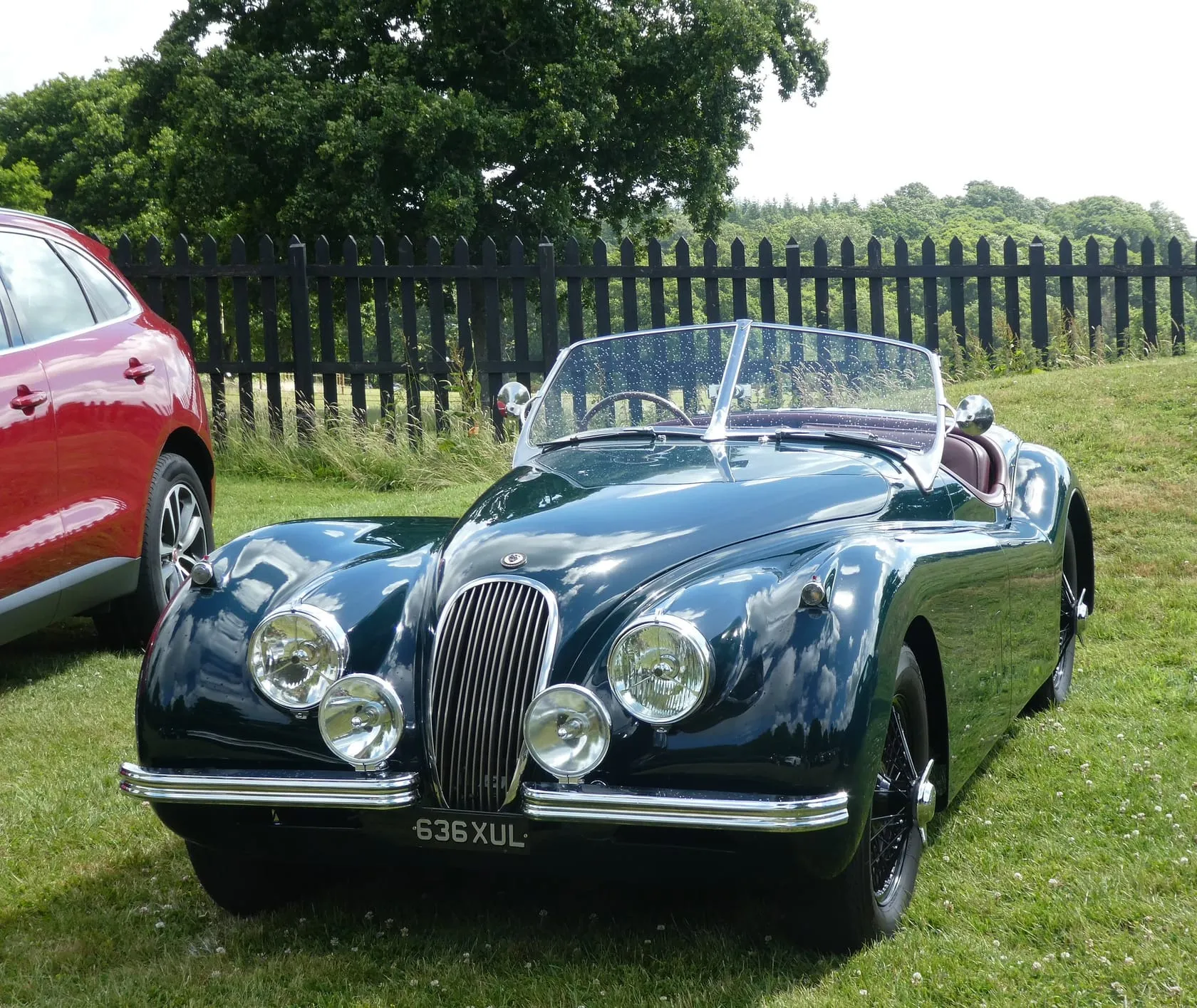 Jaguar XK120 (1948–1954): the fastest car in the world
The XK120 was meant to be a low-volume showcase for Jaguar's new twin-cam engine and became a sensation, billed as the fastest production car in the world. The Jabbeke speed runs, the aluminium and steel cars, the body styles and the famous XK engine, and what to look for when buying one.