A Coventry company, an Italian pen
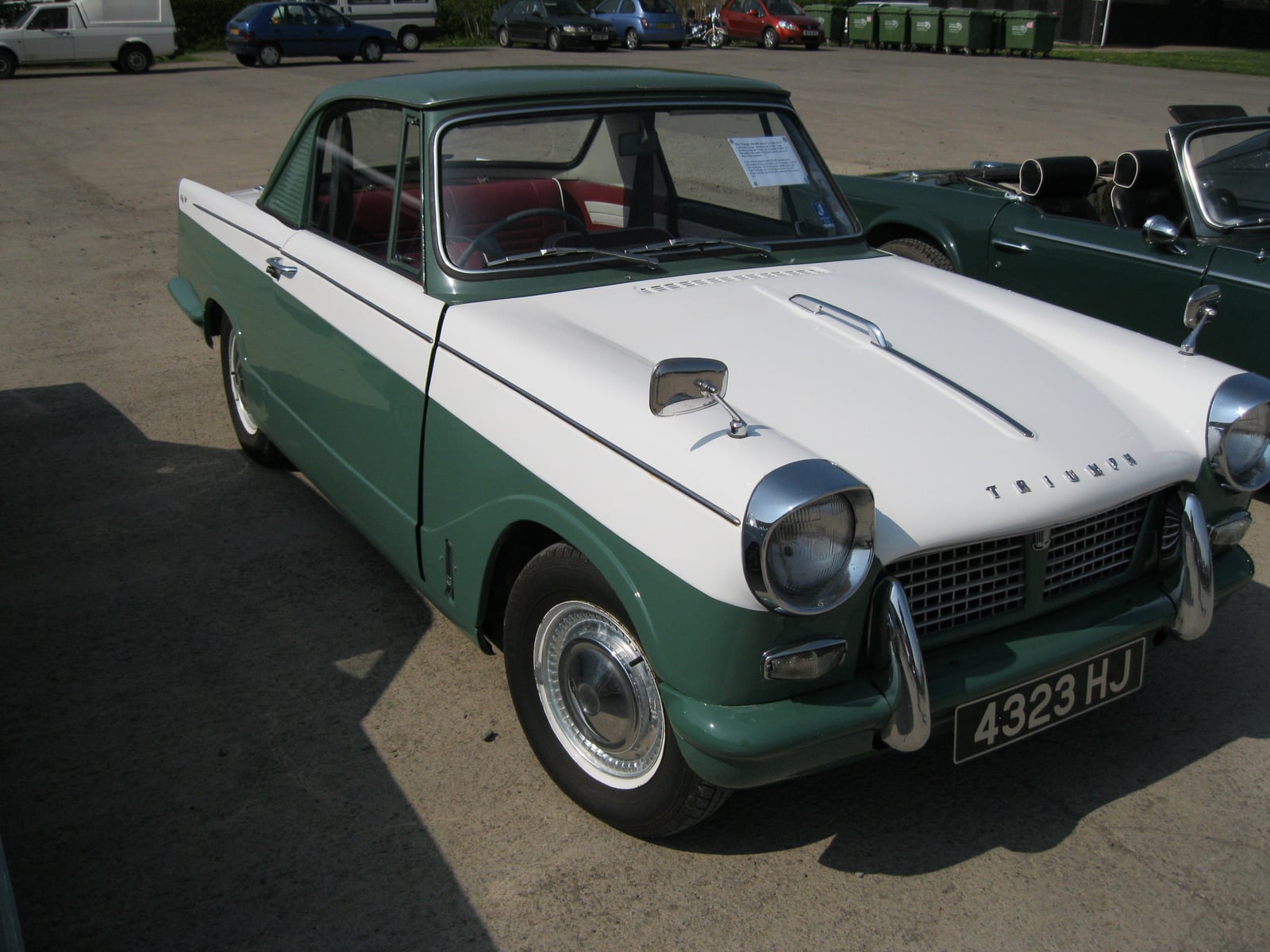
Triumph began building cars in Coventry in the early 1920s, but the marque most enthusiasts care about was born after the war. In 1944 the Standard Motor Company bought the Triumph name, and through the 1950s Standard-Triumph used “Triumph” for its sporting cars while the saloons wore the Standard badge. The Triumph name proved the more marketable, so when the company launched its important new small car in 1959 it was a Triumph, the Herald, and the Standard name was retired.
Leyland Motors bought Standard-Triumph in 1960, and in 1968 the whole business became part of British Leyland. That is the backdrop to almost every classic Triumph: a Coventry sporting-car maker absorbed into a vast, troubled conglomerate, building cars that were often better designed than they were built. The one constant through the range was its styling. Most new Triumphs from the late 1950s onward were shaped by the Turin designer Giovanni Michelotti, who gave the Herald, the Spitfire, the TR4, the 2000 saloon and the Stag their family look.

Triumph at auction
What a classic Triumph sells for at auction
- Median sale, 2025
- £10,084 Down from £14,000 in 2021
- Sales in 2025
- 538 544 in 2024, the most we have recorded
- Sold when offered
- 76.7% Of the cars put up for auction since 1995
- The record
- £259k TR2 Works, Silverstone Auctions, November 2019
The cars worth knowing
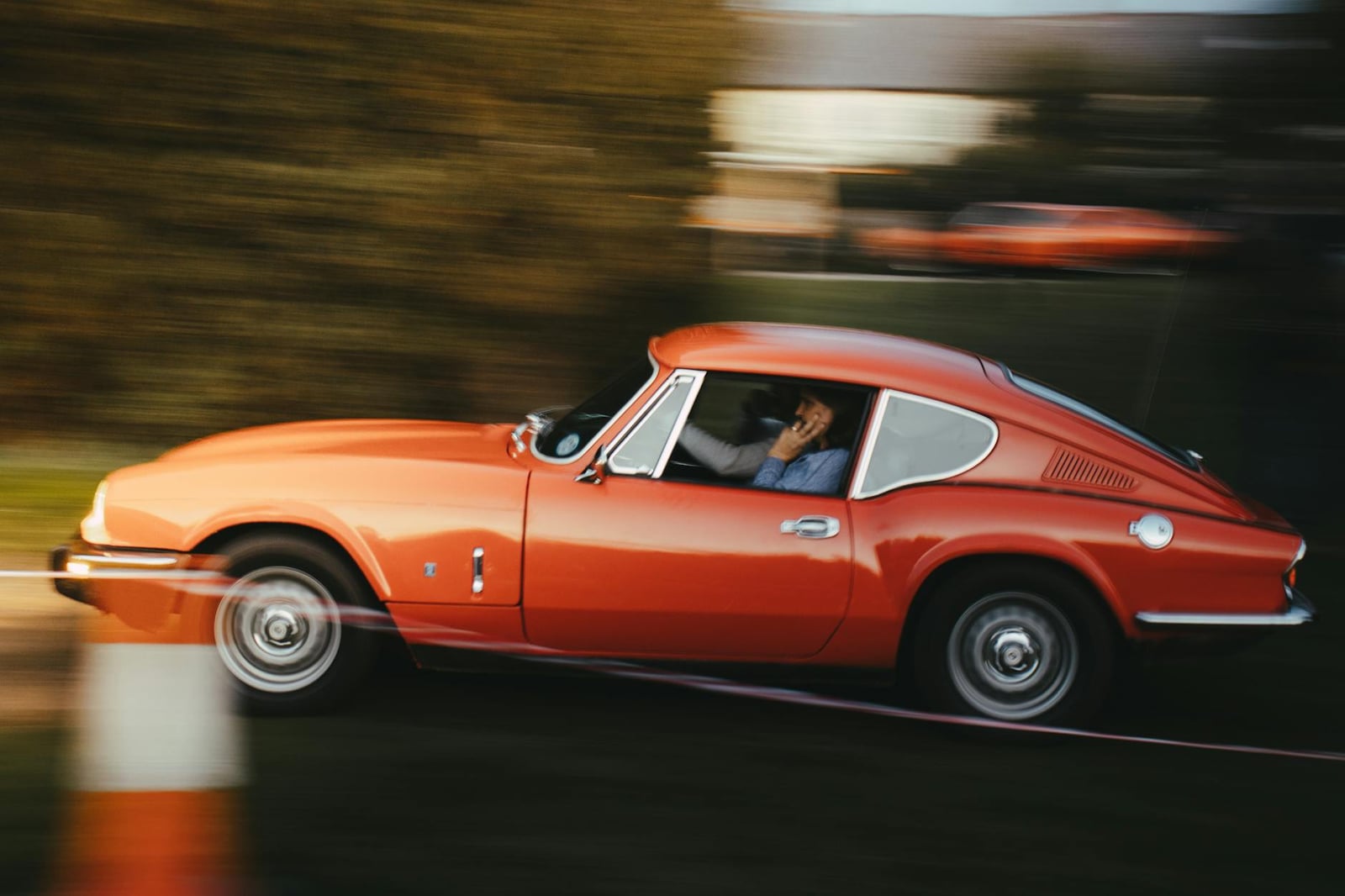
The heart of the range was a family of small sports cars built on a clever separate chassis. The Triumph Herald came first: a simple, charming saloon and convertible whose bolt-together chassis, born of a body-supply crisis, turned out to be the basis for a whole sporting family. From it came the Triumph Spitfire, the affordable open two-seater that outsold every other sporting Triumph, and the Triumph GT6, a six-cylinder fastback coupe so handsome it earned the nickname “the poor man’s E-Type”.
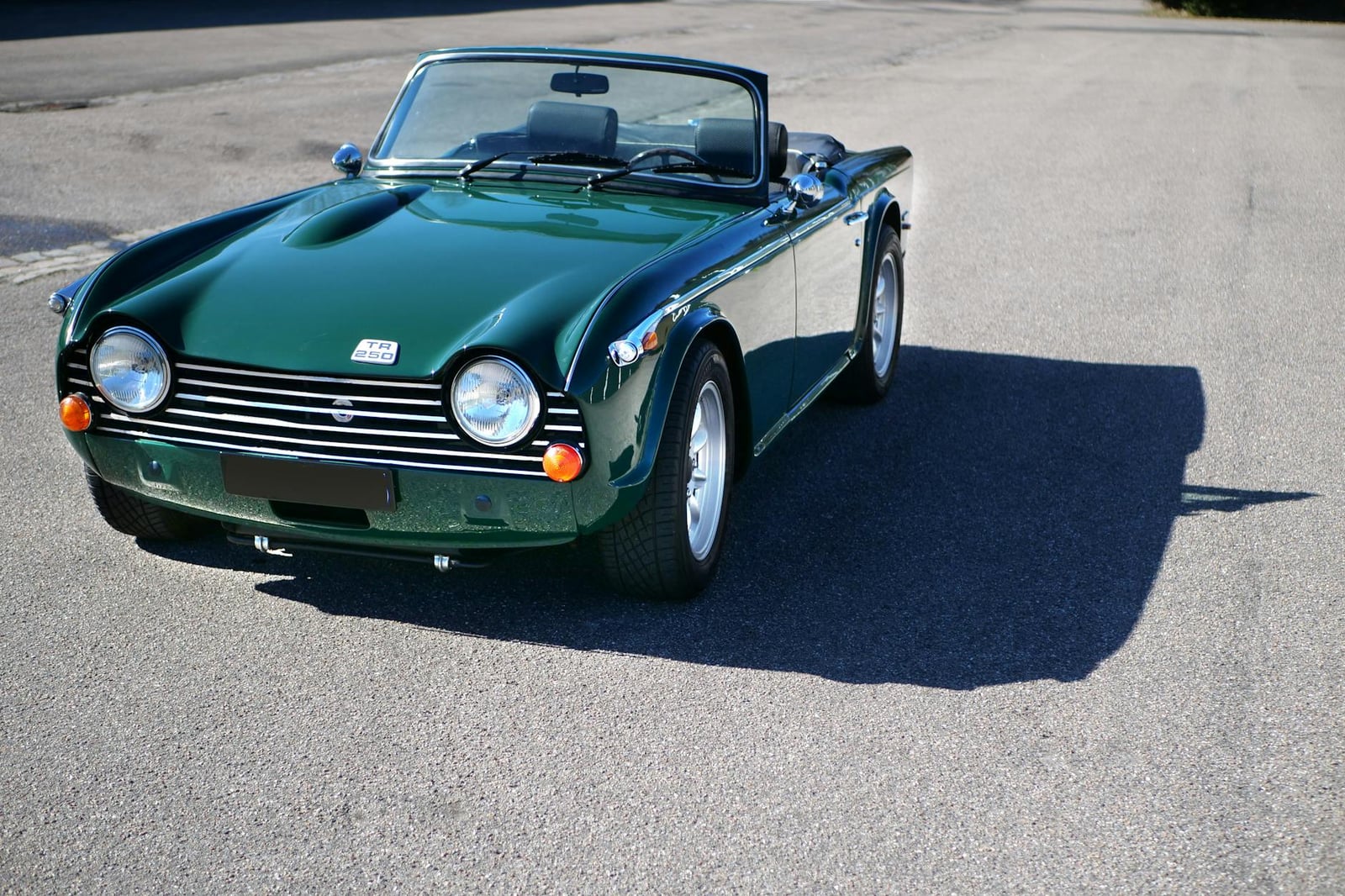
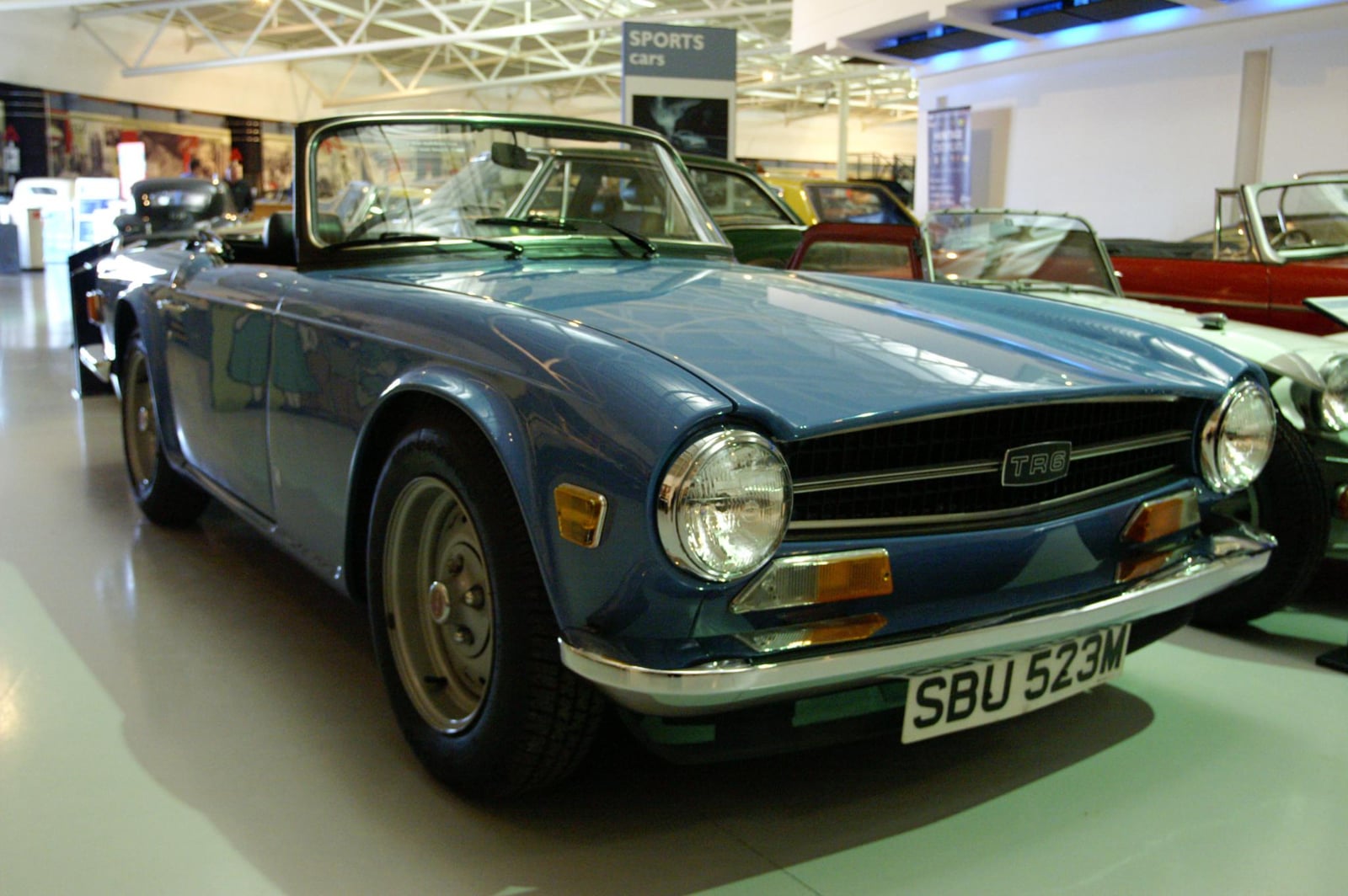
Above them sat the TR sports cars, the rugged, separate-chassis roadsters that built Triumph’s name in America. The line began with the side-screen Triumph TR2 of 1953, the cheapest 100 mph car of its day, and the Triumph TR3, the first British car with front disc brakes. The Triumph TR4 of 1961 brought modern Michelotti styling, the rare fuel-injected Triumph TR5 added a six-cylinder engine (America took it carburetted as the Triumph TR250), and the Triumph TR6 of 1968 closed the line: a muscular straight-six remembered as the last of the traditional hairy-chested British sports cars. To weigh one against another, see which Triumph TR to buy.
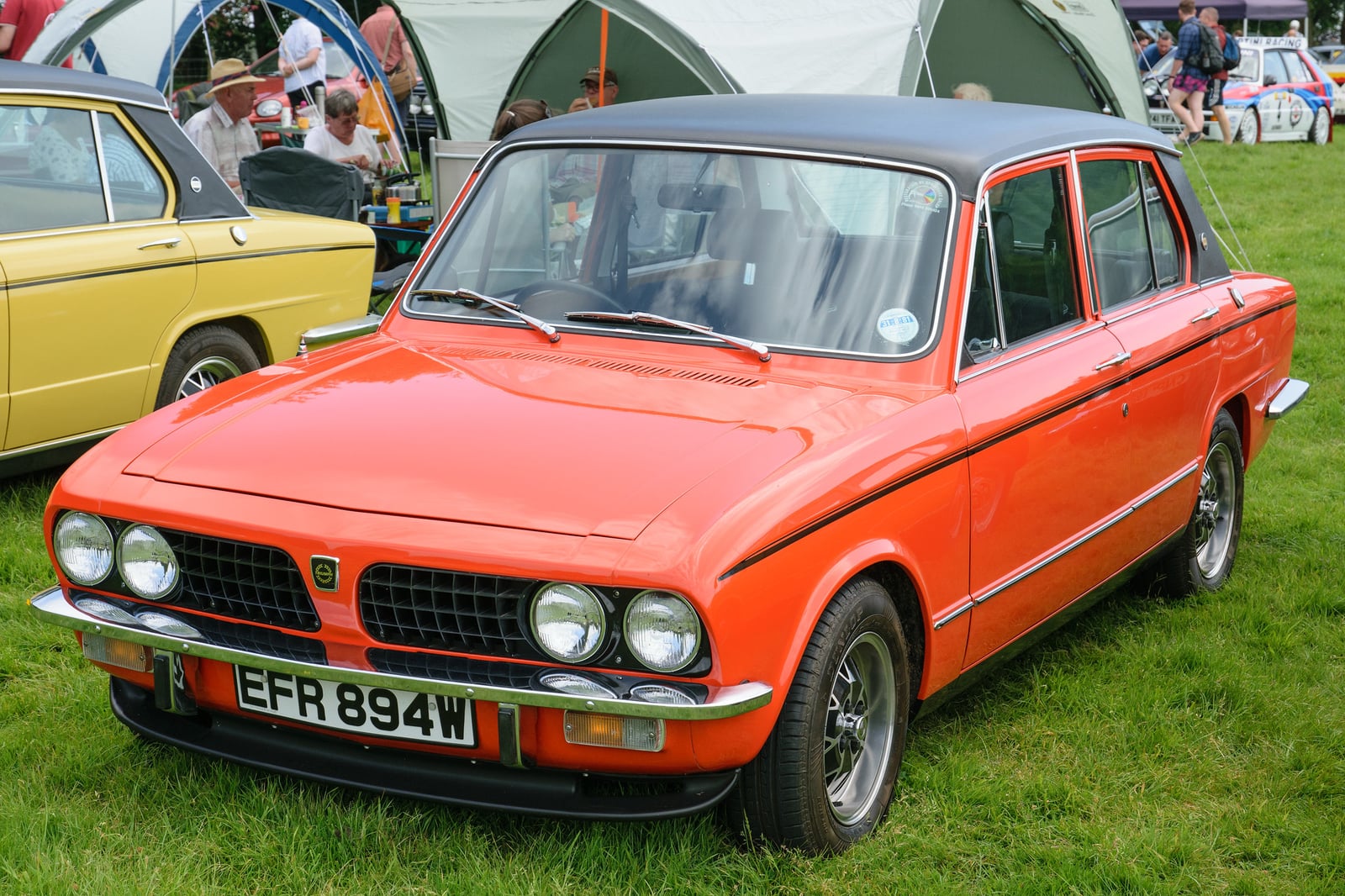
Then there were the cars that aimed higher. The Triumph Stag was a glamorous 2+2 grand tourer with a bespoke 3.0-litre V8, meant to rival the Mercedes SL. The Triumph Dolomite Sprint was a compact sporting saloon built to beat the BMW 2002, and its 16-valve engine was one of the genuine engineering high points of the whole British industry.
The catalogue ran wider than the famous names, and the rest of the family matters to collectors now. The sporting side included the Triumph Vitesse, the Herald’s six-cylinder brawnier twin; the Triumph TR3A, the best-selling of the side-screen TRs; the TR4A with its independent rear end; and the rare left-hand-drive Triumph TR8, the Rover-V8 send-off built mostly for America. The saloon side ran from the razor-edge Triumph Renown and the tiny Triumph Mayflower of the late 1940s, via the pretty 1800/2000 Triumph Roadster of Bergerac fame, to the front-drive Triumph 1300, the Toledo and the big 2000 and Triumph 2500 executive cars (the fuel-injected Triumph 2.5 PI the quick one) that carried the marque’s respectable side until the Rover SD1 took over. Most await pages of their own; the auction record already tracks them all.
For the practical side of ownership, see our guide to Triumph parts, specialists and restoration.

The end of Triumph
Triumph’s decline is a British Leyland story. The wedge-shaped TR7 of the mid-1970s, built first at a strike-troubled new plant at Speke on Merseyside, never recovered the affection the older cars enjoyed, and TR production ended in 1981. The big saloons had gone in 1977 and the Dolomite in 1980. That left a single model wearing the Triumph badge: the Acclaim, launched in 1981. It was a rebadged Honda Ballade, built at Cowley under the new British Leyland and Honda alliance, and the first fruit of a partnership that would reshape the company. When the Acclaim was replaced in 1984, its successor was badged a Rover 200, and the Triumph car marque was finished. The name passed, via the breakup of the Rover Group, to BMW, which owns it still. (Triumph Motorcycles, rebuilt from 1983 by John Bloor, is an entirely separate company.)
Why they are collected now
Classic Triumphs are among the most rewarding cars to own precisely because they are accessible. A sound Spitfire or Herald costs a fraction of most classics, the mechanicals are simple enough to maintain at home, and parts supply is exceptional: the small cars and the TR sports cars are among the best-served British classics for new and remanufactured parts. Every model has an active owners’ club, the Triumph Sports Six Club and the TR Register the largest of them, and the cars qualify as historic vehicles like any other forty-year-old classic, with the tax and MOT exemption that brings.
They also tell the British motoring story in miniature: the Michelotti glamour, the export drive to America, the brilliance of the engineering and the tragedy of the build quality, and the slow absorption into British Leyland that eventually killed the marque. The cars span the heart of the classic era, the 1960s, 1970s and into the 1980s.

More photos