Restomod, explained
How a restomod differs from a faithful restoration, the British firms building them, and the originality-versus-usability trade-off.
Part of: the British classic car glossaryThe terms
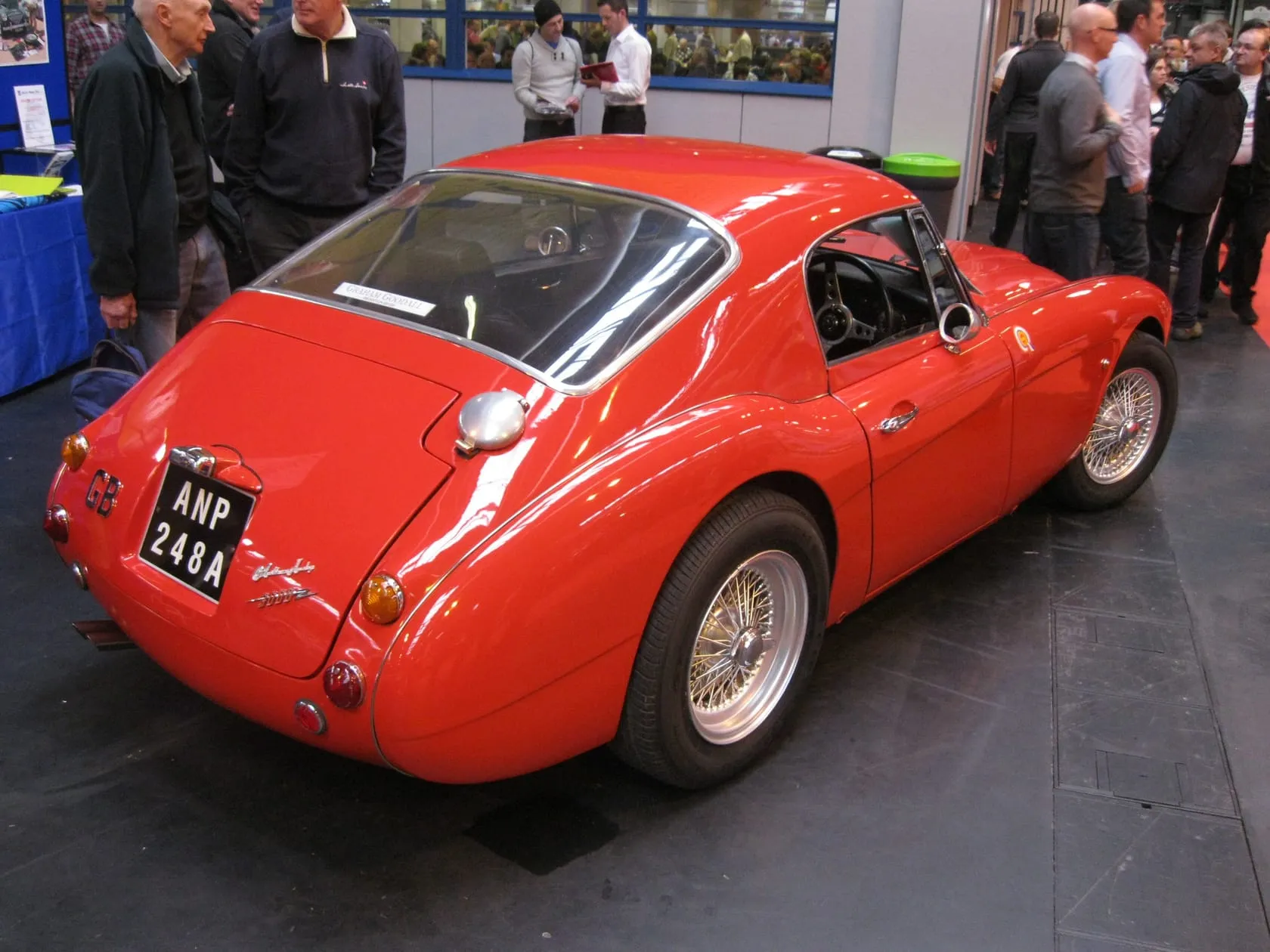
A restomod is a classic car rebuilt to keep its original looks while gaining modern mechanical parts underneath. The word is a blend of restoration and modification, and that is exactly what it describes: a car restored in appearance but updated in the way it goes, stops and steers.
It has become one of the busiest corners of the British classic-car trade, and one of the more divisive. To some owners it is the best of both worlds, the character of an old car with the manners of a new one. To others it is the loss of the very originality that makes a classic worth keeping.

What a restomod is
The idea is to leave the parts you fall in love with and replace the parts that frustrate. A typical restomod keeps the bodyshell and cabin looking close to standard, perhaps subtly improved, while underneath it gains some mix of:
- a rebuilt or uprated engine, or sometimes a modern replacement, and in a growing number of cases an electric conversion
- a stronger gearbox, better brakes and revised suspension
- modern cooling, wiring and sometimes air conditioning
- discreet safety and comfort improvements
The skill, and the cost, is in doing all of that without spoiling the character of the original. A good one still feels like the car it started as. A clumsy one feels like neither one thing nor the other.
Restomod versus a faithful restoration
A faithful restoration has the opposite goal. It aims to return the car to the specification it left the factory in, with correct parts, correct finishes and correct details, so that the finished car is as close as possible to how it was when new. The benchmark there is authenticity, and the highest expression of it is a car prepared to concours condition.
A restomod sets authenticity aside on purpose, and is judged on how it drives and how cleanly the modern parts are integrated, not on whether every bolt is period-correct. The two approaches can overlap in quality and craftsmanship, but they are aiming at different things, and it is worth being clear which one a given car is before you buy it.
The British scene
Britain has become a centre for the craft, particularly at the high end:
- Eagle has spent decades reworking the Jaguar E-Type into a series of beautifully engineered cars that keep the shape but modernise almost everything else, and they set the standard for what the term can mean.
- The classic Mini supports a whole industry of restomods, from mild upgrades to fully re-engineered cars built to order.
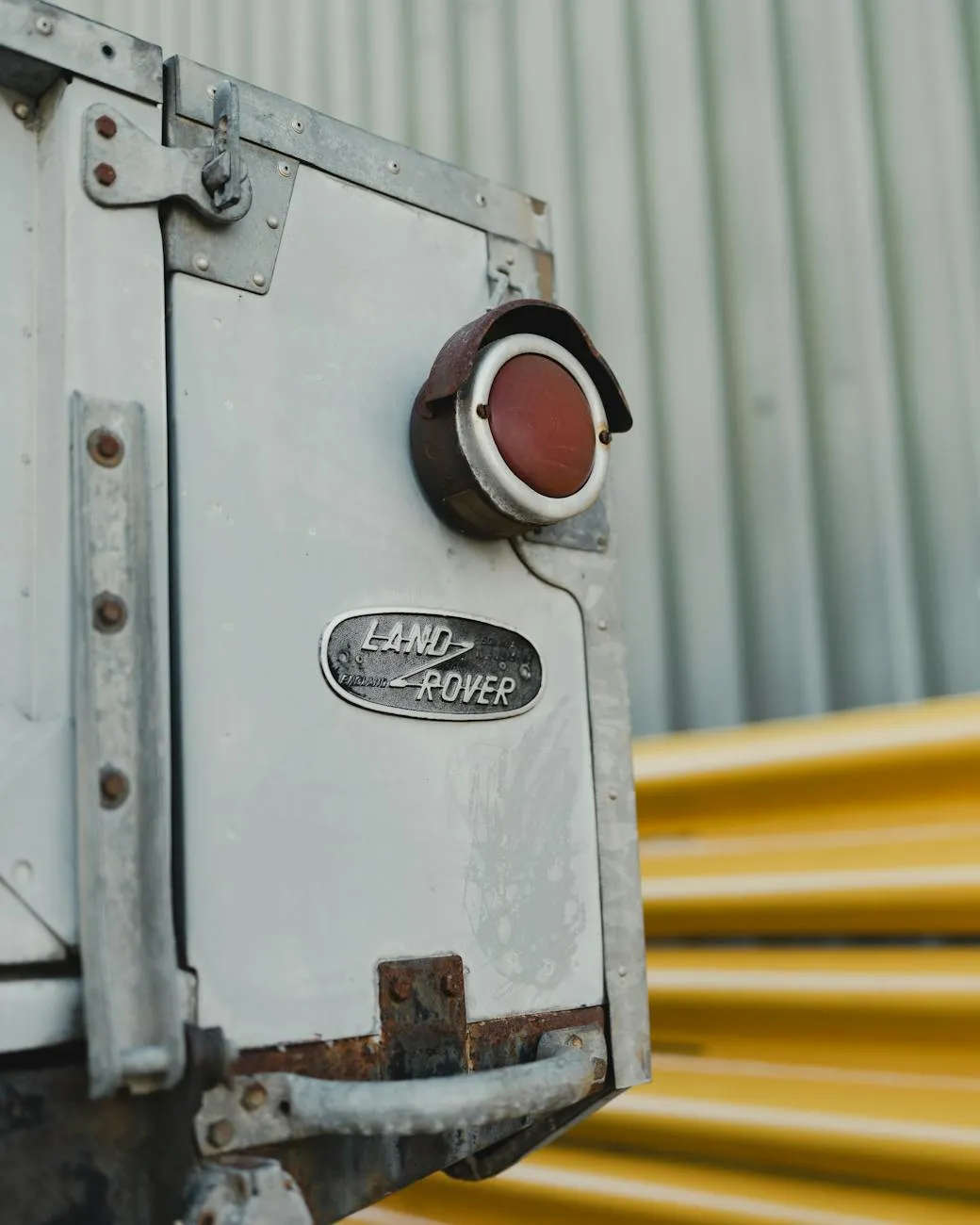
- The Land Rover Defender and Series have become favourite bases, rebuilt with modern drivetrains for buyers who want the look without the period running gear.
Smaller specialists cover most of the popular British sports cars too, so the choice is no longer limited to a handful of famous names.
The value and originality trade-off
The financial picture splits two ways. A well-known builder’s restomod of a sought-after car can sell for far more than a standard example, because the work is expensive, the cars are scarce, and they can be used hard without the worry that comes with an untouched original.
Against that sits the originality question. It cannot win a class judged on authenticity, its modifications are not always reversible, and for the rarest and most valuable models an original car will usually be worth more than a modified one. The sensible questions to ask are who did the work, how well documented it is, and whether the changes could be undone if a future owner wanted the car back to standard.
Related
- For the broader question of which cars count as British classics, see the scope guide.
- On the timing question, when does a car become a classic sets out the rules.