Austin-Healey parts, specialists and restoration: keeping a Healey on the road
Classic Austin-Healeys are well served for parts, because they share their BMC mechanicals with MG and other BMC cars. A practical guide to parts availability, the Big Healey's chassis and aluminium-shroud restoration, the simpler Sprite, running costs, the clubs, and how the cars are insured.
Part of: Austin-Healey, the Big Healey and the Frogeye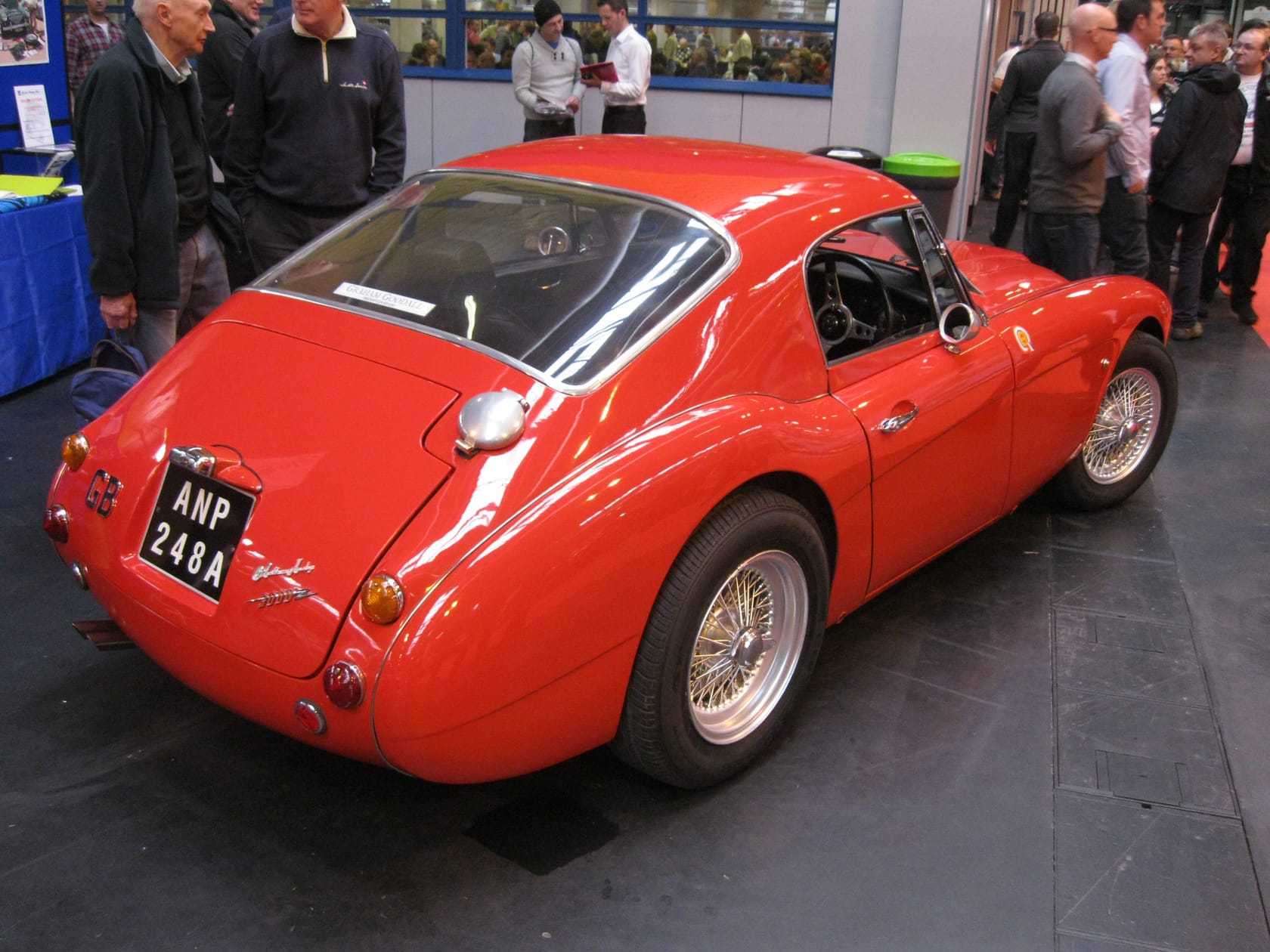
The models
A classic Austin-Healey is a genuinely usable old car, because few marques are as well served for parts and knowledge. The combination of simple BMC mechanicals and a deep specialist network means a good Healey can be kept on the road, and restored when needed, without the fabrication headaches some rarer classics bring. This is a guide to what is available, what restoration involves, and how the cars are insured.
BMC mechanicals, shared with MG
The great practical strength of an Austin-Healey is that very little of it is unique to the marque. The Sprite uses the BMC A-series engine it shares with the MG Midget, the two being mechanically near-identical “Spridgets”, and with the wider BMC range, so most Spridget parts interchange. The Big Healey 100-6 and 3000 use the BMC C-series straight-six, related to the units in larger BMC saloons, while the original 100 uses an Austin four. Gearboxes, axles, brakes and electrics are shared across the BMC sports and saloon family, which is why these cars are so well supported.

Parts availability across the range
Parts supply for Austin-Healey is among the best of any classic. A deep, mature specialist network supplies remanufactured and new-old-stock components, full body panels, trim and mechanical parts, and even complete replacement chassis and chassis rails for the Big Healey, so in principle a whole car can be built from parts. The Sprite has a particular advantage: because it shares almost everything with the MG Midget, owners draw on the very large Midget parts ecosystem, which is cheap and plentiful.
The Big Healey body: chassis and aluminium shrouds
The 100 and 3000 are built on a separate steel chassis with a steel body, and curved aluminium shrouds over the nose and tail. Two things define their restoration. The first is structural rust: the chassis rails and the outriggers that support the sills are the critical areas, with trapped mud rotting chassis and body together, and a weak chassis betrays itself by doors that bind or gaps that close up when the car is jacked. The second is the aluminium shrouds: the alloy itself does not rust, but galvanic corrosion attacks the steel where the two metals meet, which is why the factory isolated them with tape and why correct re-isolation matters on any rebuild. The shrouds also dent easily and are skilled, expensive panels to repair.

The Sprite: a simpler monocoque
The Sprite is a different and easier proposition. It is a unitary, monocoque car with no separate chassis, so restoration is cheaper and more approachable, with rust concentrated in the sills, floors, A-posts and front-suspension mounting areas typical of a small BMC sports car. For a first restoration, or a first classic, the Spridget Sprite is far less daunting than the Big Healey.

Running costs
Running costs depend heavily on which Healey. The Sprite is cheap to own, with low parts prices and simple, DIY-friendly mechanicals. The Big Healey is dearer, both to buy and to maintain, and a chassis-and-shroud restoration is a serious, skilled job, so the golden rule is to buy on structure: a sound car is almost always cheaper than restoring a rotten one. Older cars also benefit from the historic vehicle tax and MOT exemptions, which every Austin-Healey now qualifies for. For the broader picture, see owning and running a classic car.
The owners’ clubs
Austin-Healey has a strong, organised community, with an active owners’ club, regional centres and model registers for the 100, the 100-6 and 3000, and the Sprite, plus large clubs abroad reflecting the marque’s export history. Joining the relevant club and register before you buy is one of the best moves any prospective owner can make, for the technical knowledge and the dating and authentication help, which matters especially on the valuable 100M and 100S.

Insuring a classic Austin-Healey
Classic Austin-Healeys are usually insured on an agreed-value classic-car policy rather than a standard market-value motor policy, which fixes the payout in advance and suits an appreciating car driven sparingly. Such policies typically come with limited mileage and the expectation that the car is a cherished second vehicle. Premiums are generally modest, and club membership often brings a discount.
Related
This page supports the classic Austin-Healey guide and its model pages: the 100, the 3000 and the Sprite. For the broader practical side of classic ownership, see owning and running a classic car.
Frequently asked questions
Are Austin-Healey parts easy to get?
Is a Big Healey or a Sprite cheaper to restore?
Do classic Austin-Healeys need an MOT?
How do you insure a classic Austin-Healey?
Related across themes
More from Austin-Healey


Recently added

Bentley S-series: the quiet twin with the beautiful secrets (1955–1965)

Rolls-Royce Silver Spirit and Silver Spur: the last Crewe bargain (1980–1999)

Rolls-Royce Corniche: the coachbuilt survivor that outlived its makers (1971–1995)
