Austin-Healey 100: the original Big Healey (1953–1959)
The Austin-Healey 100 is the car that started the marque, the original Big Healey, named for its 100 mph top speed. A guide to the four-cylinder 100/4 (BN1 and BN2), the high-performance 100M and the rare 100S, the six-cylinder 100-6, what one is like to own, and what to look for when buying.
Built 1953–1959
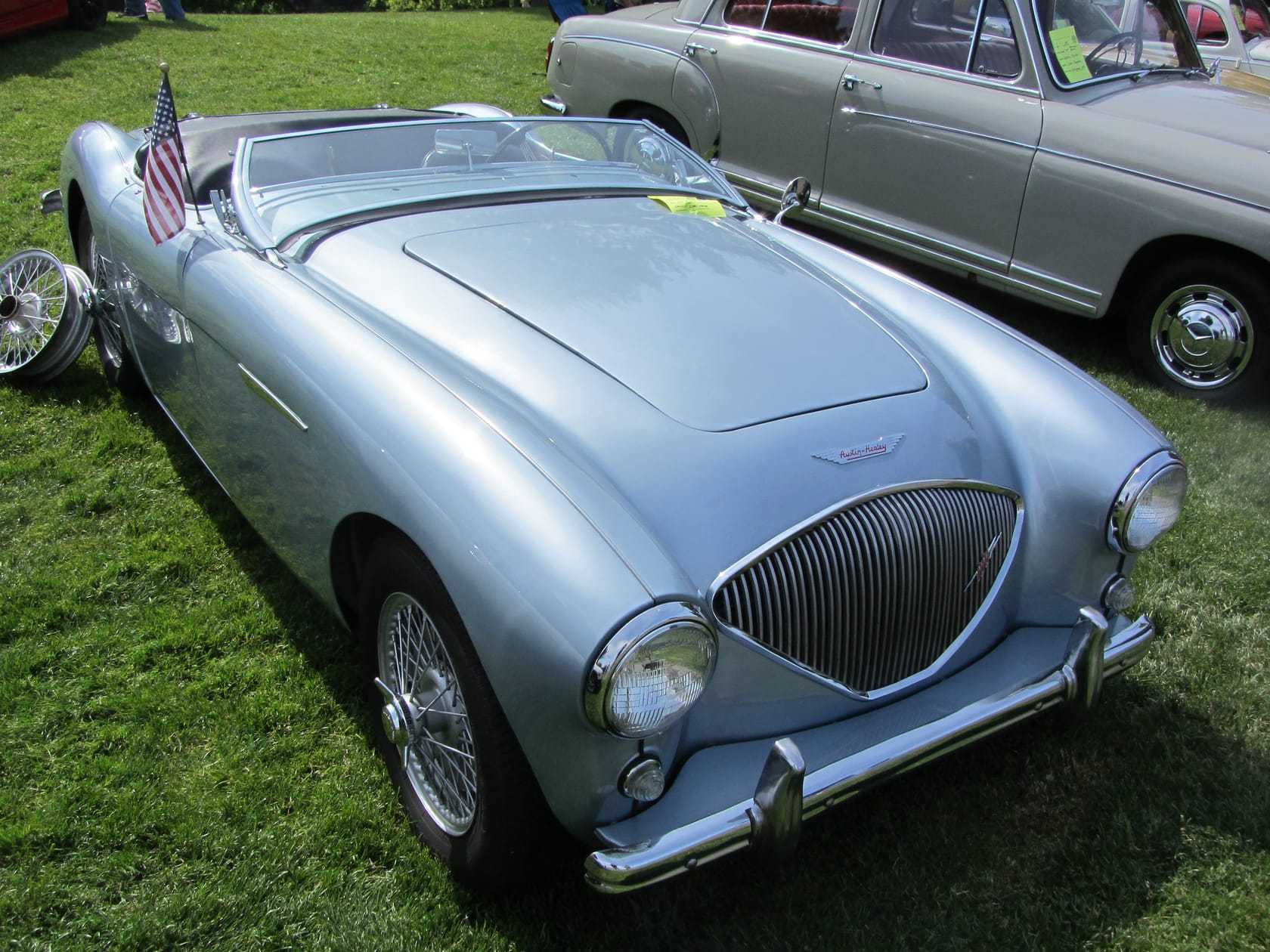
At a glance
- Years
- 1953–1959
- Body styles
- Two-seater roadster; 2+2 added on the 100-6
- Drivetrain
- Front engine, rear-wheel drive, overdrive
- Engines
- 2660cc four-cylinder (100/4); 2639cc BMC C-series six (100-6)
- Power
- Around 90 bhp (100/4); 110 bhp (100M); 132 bhp (100S); 102 to 117 bhp (100-6)
- Top speed
- Around 103 to 110 mph
- Production
- About 14,600 (100/4) and 14,400 (100-6)
- Assembly
- Bodies by Jensen; built at Longbridge, then Abingdon (100-6 from late 1957)
- Designer
- Donald Healey Motor Company (Gerry Coker body)
- Values
- 100/4 good around £50,000, excellent into the high tens of thousands; a genuine factory 100M six figures; the rare 100S far higher again
- Construction
- Separate chassis, with aluminium shrouds over a steel body
- The holy grail
- The 100S: about 50 built, all-aluminium, disc-braked competition car
The models
The Austin-Healey 100 is the car that started it all: the original Big Healey, a low, handsome two-seater that turned Donald Healey’s show prototype into one of the great post-war British sports cars. Named for its 100 mph top speed, it earned dollars in America, wins in competition, and a place among the most desirable classics of its era.
It is the founding model of the Austin-Healey range, the four-cylinder original that grew into the six-cylinder 3000, and the big brother to the little Sprite.
The Healey Hundred
Donald Healey built the prototype, the Healey Hundred, for the 1952 London Motor Show, using the engine and gearbox of the Austin A90 Atlantic and a body styled by Gerry Coker. It was the star of the show, and Leonard Lord of BMC struck a deal to mass-produce it as the Austin-Healey 100. The “100” referred simply to the car’s ability to reach 100 mph, which it comfortably did. Bodies were built by Jensen and the cars assembled first at Longbridge.
100/4: BN1 and BN2
The original cars are the 100/4, named for their four-cylinder engine, a 2.66-litre Austin unit of around 90 bhp. The first version, the BN1 (1953–55), used an unusual three-speed gearbox with overdrive on the upper gears, a detail often misremembered as a four-speed. The earliest cars had aluminium bonnets and boot lids, were lighter still, and are prized by purists. The BN2 (1955–56) brought a proper four-speed gearbox, again with overdrive, the key change between the two.

100M and 100S
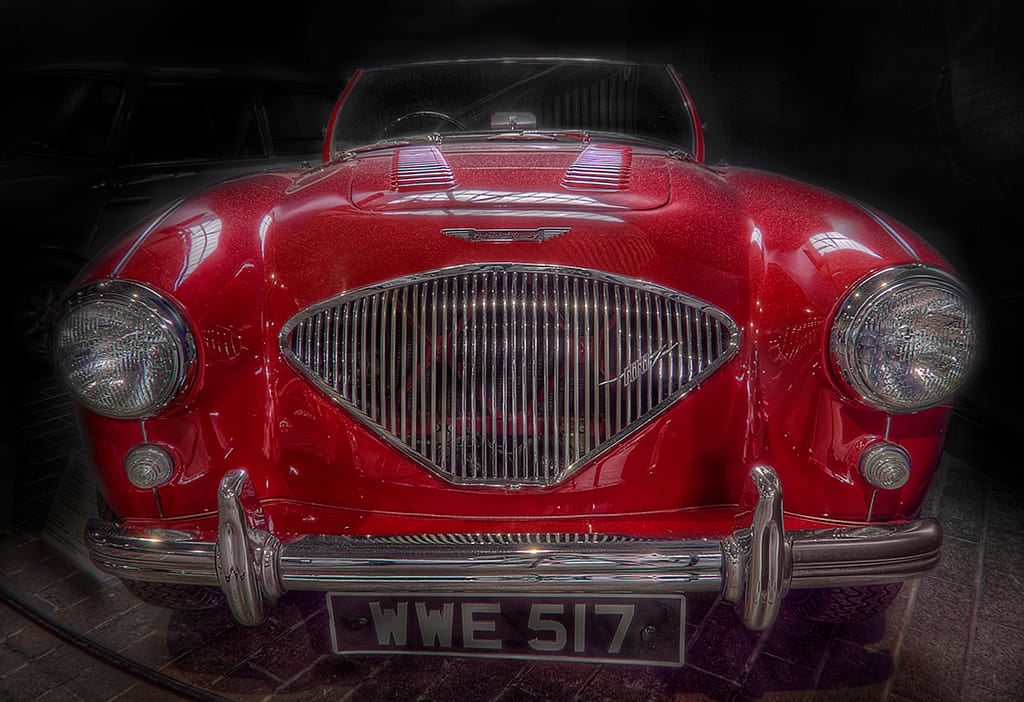
Two high-performance versions stand apart. The 100M (1955–56) was the “Le Mans” car, with larger carburettors, a high-lift camshaft, raised compression and a louvred, strapped-down bonnet, good for around 110 bhp. Genuine factory 100Ms are valuable and the subject of careful authentication, because many more cars were later converted using the dealer “Le Mans” kit, so originality matters greatly. Rarer and more valuable still is the 100S of 1955, of which only about fifty were built: an all-aluminium competition car, lightened by around 200 lb, with a Weslake-developed alloy cylinder head, around 132 bhp and disc brakes on all four wheels, one of the first production cars so equipped. The 100S is one of the most valuable British sports cars of all.

100-6: the six-cylinder
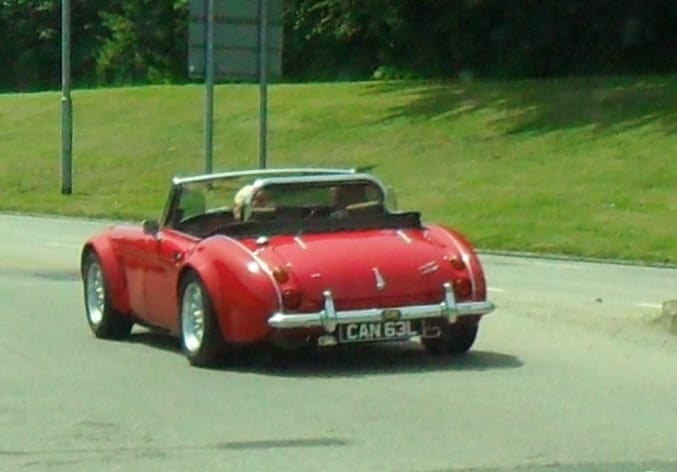
In 1956 the 100 gained a new heart: BMC’s 2.6-litre C-series straight-six, creating the 100-6 (written 100/6 in many registers and auction listings, just as the four-cylinder car is the 100/4). It came as the 2+2 BN4 and, from 1958, the two-seater BN6, the two-seater being the more collectible today. Early cars made around 102 bhp; a revised six-port cylinder head from 1957 lifted that to around 117 bhp, the significant mid-life improvement. Production moved to Abingdon in late 1957, and in 1959 a larger 2.9-litre engine arrived to create the 3000, and the Big Healey reached its final form.

What it is like to own
The 100 is a proper 1950s sports car: low, fast, physical and full of character, with a torquey engine and a wonderful shape. It is more demanding to drive than a modern car, with heavy steering and a close-to-the-ground stance, but hugely rewarding for it. As with all the big cars, the cockpit runs hot and the low build means care over speed bumps and kerbs. A good one is a special thing, and the values reflect it.


Buying guide: what to look for
The 100 has a separate steel chassis with aluminium shrouds over the nose and tail, and both rust and corrosion matter. Check the chassis rails and the outriggers that carry the sills, where trapped mud rots chassis and body together, and watch for a chassis that flexes (door gaps that change when the car is jacked are the tell). The classic Big Healey trap is electrolytic corrosion where the aluminium shrouds meet the steel wings, often hidden under paint, so treat a cheap respray with suspicion. Inspect the floors, footwells and the lower few inches of the body throughout. On a 100M, demand evidence of genuine factory specification rather than a later kit conversion. Mechanically, check the overdrive engages promptly and the steering and dampers are sound.


The original Big Healey in the market
The standard 100/4 is a valuable classic, a genuine factory 100M a different tier again and the rare 100S in a world of its own, while the 100-6 generally sits a little below the four-cylinder car. Across the range, condition, originality and provenance drive the figure, and the market is full of indifferent restorations, so buy carefully. The full record, 618 recorded sales by version, what the M and S premiums and the BN2-over-BN1 step actually are, and what the market has done since 2013, is on the page covering Austin-Healey 100 values.
For the period, see British classic cars of the 1950s and 1960s, and past forty the 100 is a historic vehicle like any other.

Owners’ clubs and parts
The 100 is well supported by active clubs and a deep specialist network, with good parts supply including remanufactured panels, though the valuable cars demand careful dating and authentication. For the practical side of ownership, see our guide to Austin-Healey parts and restoration.

The 100 timeline
- 1952Donald Healey's Healey Hundred prototype stars at the London Motor Show; Leonard Lord strikes the deal to mass-produce it as the Austin-Healey 100.
- 1953The BN1 enters production with the A90 Atlantic's 2.66-litre four and an unusual three-speed gearbox with overdrive; bodies come from Jensen.
- 1955The BN2 brings a proper four-speed gearbox; the 100M Le Mans car adds larger carburettors, a high-lift camshaft and a louvred, strapped-down bonnet.
- 1955The 100S appears: about fifty all-aluminium competition cars with a Weslake alloy head, 132 bhp and disc brakes on all four wheels.
- 1956BMC's 2.6-litre C-series six creates the 100-6, as the 2+2 BN4 and later the two-seater BN6.
- 1957A six-port cylinder head lifts the 100-6 to around 117 bhp, and production moves to Abingdon.
- 1959The 2.9-litre engine arrives and the car becomes the 3000.
Buying checklist: the 100 in front of you
Structure
- Chassis rails and the outriggers that carry the sills, where trapped mud rots chassis and body together
- Door gaps that change when the car is jacked are the tell for a flexing chassis
- Floors, footwells and the lower few inches of the body throughout
- Electrolytic corrosion where aluminium shrouds meet steel wings; treat a cheap respray with suspicion
Authentication
- On a 100M, demand evidence of genuine factory specification rather than a later kit conversion
- The 100S is a fifty-car registry world of its own
- Earliest BN1s with aluminium bonnets and boot lids are prized by purists
- 100/4 versus 100-6, BN1 versus BN2 and BN4 versus BN6 all step the value
Mechanical
- Check the overdrive engages promptly on any car
- The BN1's three-speed box is correct, not a fault; the BN2's four-speed is the change to know
- Steering and dampers should be sound, because worn ones spoil the car
- Low ground clearance means checking the underside and exhaust for impact damage
Related
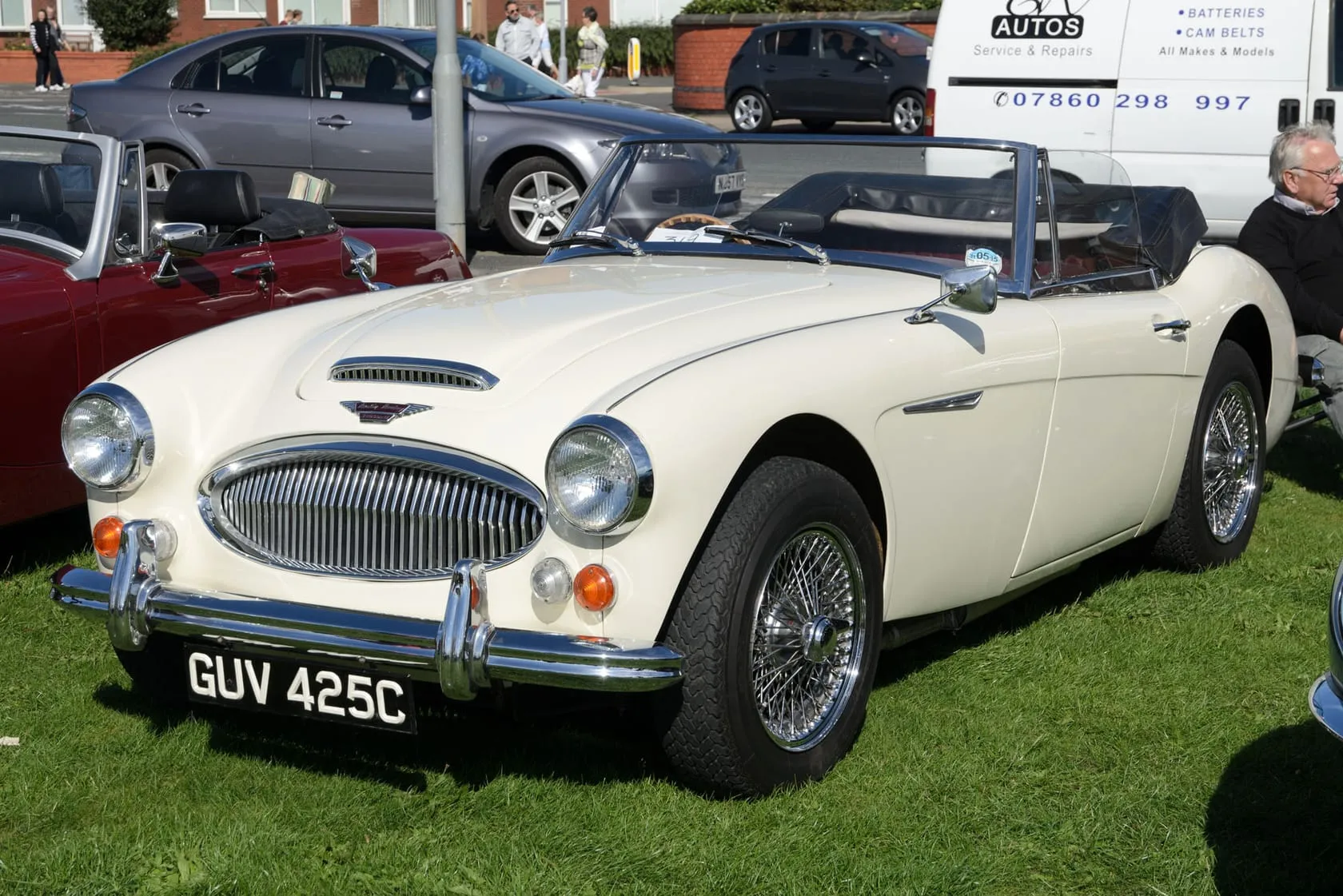
The 100 is the founding car of the Austin-Healey line, the four-cylinder original that became the six-cylinder Austin-Healey 3000, with the little Austin-Healey Sprite below it. For the wider period, see British classic cars of the 1950s and the 1960s.
More photos
Frequently asked questions
What is the difference between the Austin-Healey 100/4 and the 100-6?
What is an Austin-Healey 100M and 100S?
Why is the Austin-Healey called the "100"?
Related across themes


More from Austin-Healey


Recently added

Bentley S-series: the quiet twin with the beautiful secrets (1955–1965)

Rolls-Royce Silver Spirit and Silver Spur: the last Crewe bargain (1980–1999)

Rolls-Royce Corniche: the coachbuilt survivor that outlived its makers (1971–1995)
