MG MGA: 100,000 built, almost all for export, and the prettiest MG of all (1955–1962)
The MG MGA was the sleek, aerodynamic sports car that swept away MG's upright pre-war look, sold over a hundred thousand almost entirely for export, and remains the prettiest of the affordable classic MGs. A guide to the 1500, 1600 and 1600 MkII pushrod cars, the rare and troubled Twin Cam, and what to look for when buying one.
Built 1955–1962

At a glance
- Years
- 1955–1962
- Body styles
- Two-door roadster or fixed-head coupe
- Drivetrain
- Front engine, rear-wheel drive
- Engines
- 1489, 1588 and 1622cc B-series; 1588cc twin-cam (Twin Cam)
- Power
- 68 to 90 bhp (pushrod); around 108 bhp (Twin Cam)
- Top speed
- Around 95 to 105 mph
- Trim levels
- 1500, 1600, 1600 MkII, Twin Cam, De Luxe
- Production
- 101,476, the great majority exported
- Assembly
- Abingdon, Oxfordshire
- Designer
- Syd Enever
- Values
- Pushrod roadster project around £6,000, good around £18,000, excellent to £35,000; the Twin Cam much higher
- Construction
- Separate steel chassis (body-on-frame), unlike the later MGB
- The collector's MGA
- The twin-cam-engined Twin Cam, rare, fast and once troublesome
The models
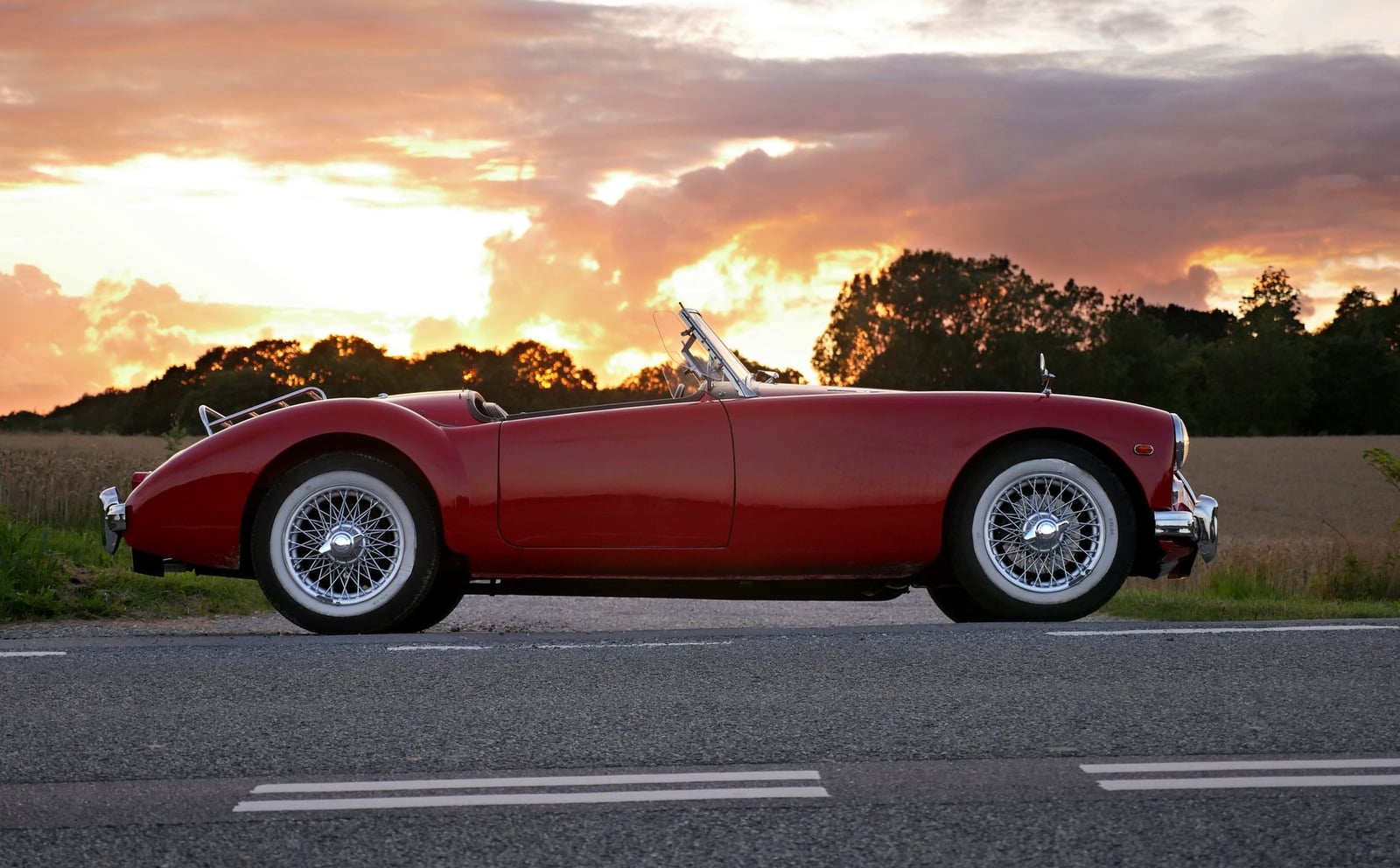
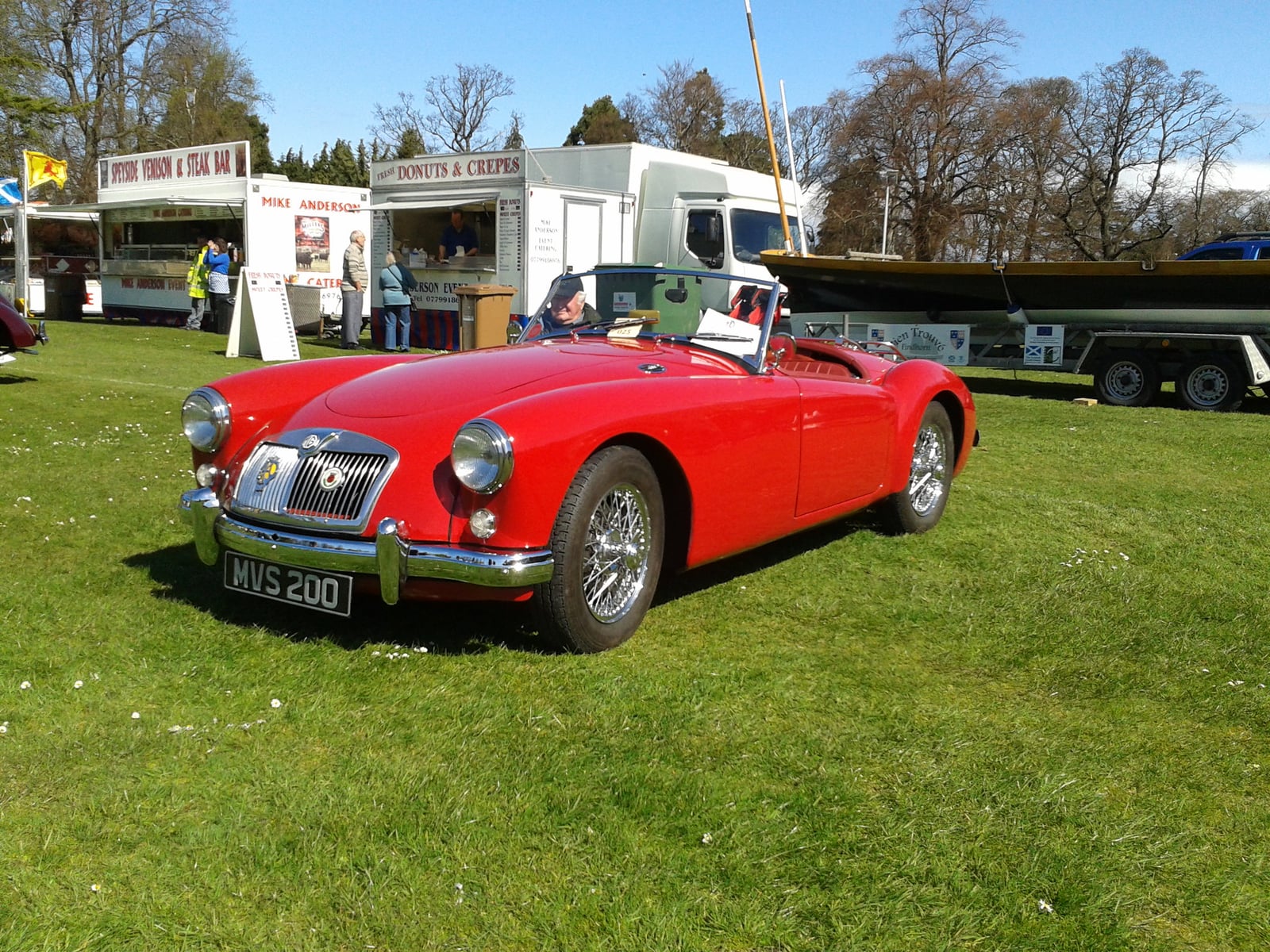
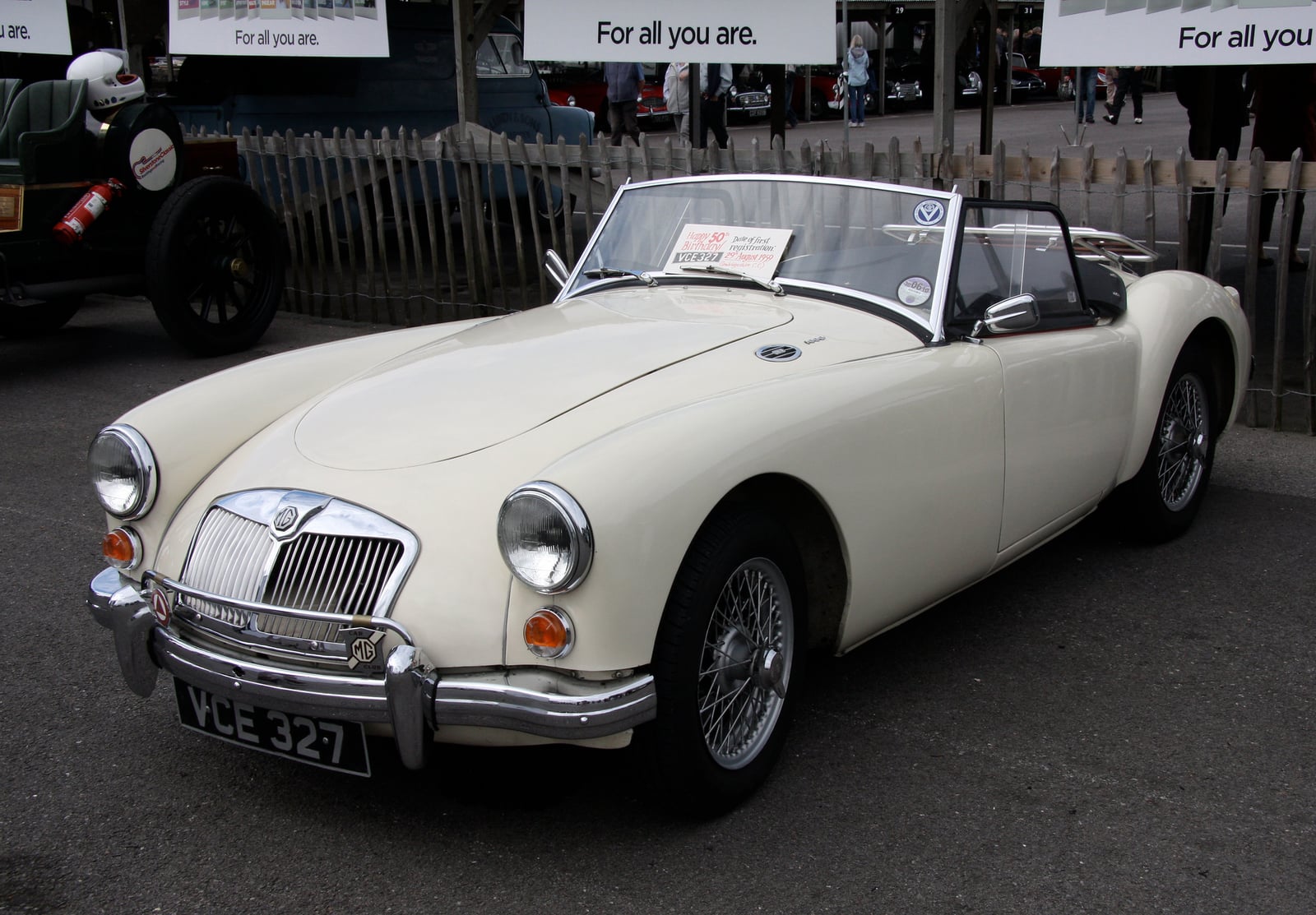
Park an MGA beside the upright, pre-war-shaped T-series it replaced and the leap is obvious. Where the older cars looked back to the 1930s, the MGA was low, smooth and aerodynamic, a clean-sheet design that looked like nothing MG had built before. It dragged MG into the modern age, sold over a hundred thousand almost entirely for export, and remains the prettiest of the affordable classic MGs, the car that set up the MGB that followed.
The MGA is part of the classic MG range, the sports car that bridged the pre-war tradition and the modern era, and a genuine 1950s beauty that remains within reach.
A clean break from the past
The MGA was the work of MG’s chief designer Syd Enever, and its shape grew out of competition. Enever had bodied a streamlined special on a T-series chassis for the 1951 Le Mans race, and that aerodynamic thinking led through a series of prototypes to the EX182 works cars that ran at Le Mans in 1955. The production car, launched later that year, carried the same low, flowing lines, a complete styling break from the cars before it.
Underneath, though, the car was traditional in one important way: it used a substantial separate steel chassis, with the body bolted on top, rather than the monocoque construction of the later MGB. That makes it feel solid and a little heavier, and it means the body and frame can be separated for restoration. It was built at Abingdon, and it was above all an export car: of the 101,476 made, only around 5,869 were sold on the home market, the rest going abroad, overwhelmingly to the United States. It was one of the great dollar-earners of the British post-war export drive.

The pushrod cars: 1500, 1600 and 1600 MkII
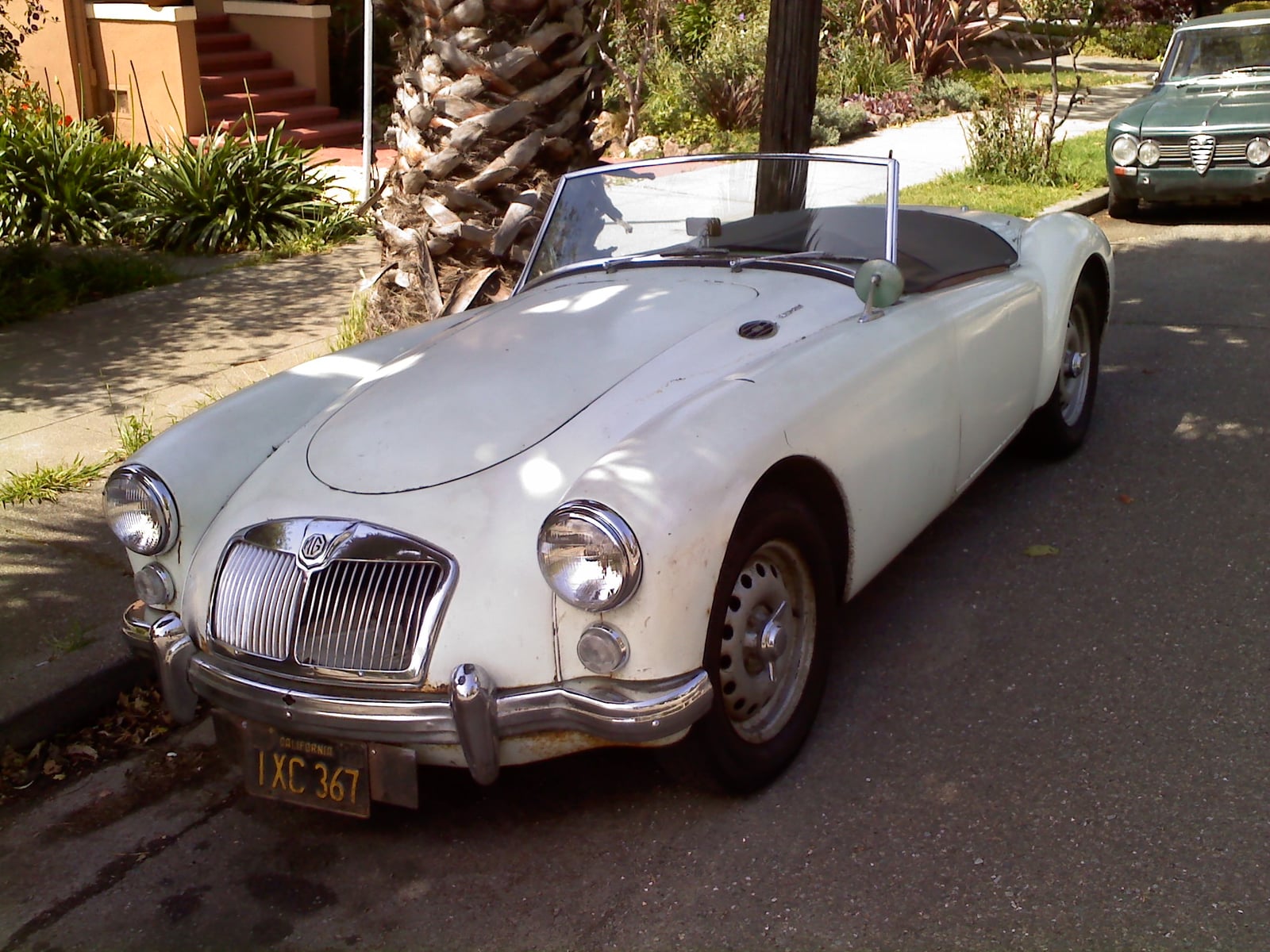
Most of these cars use the BMC B-series pushrod engine, and the range developed steadily. The original 1500 (1955–1959) had a 1489cc engine of 68 and later 72 bhp, with drum brakes all round. The 1600 (1959–1960) brought a 1588cc engine of around 80 bhp and, crucially, front disc brakes, a worthwhile safety improvement. The 1600 MkII (1960–1962) used a larger 1622cc engine of around 90 bhp and is recognised by its recessed grille and offset rear lamp cluster.
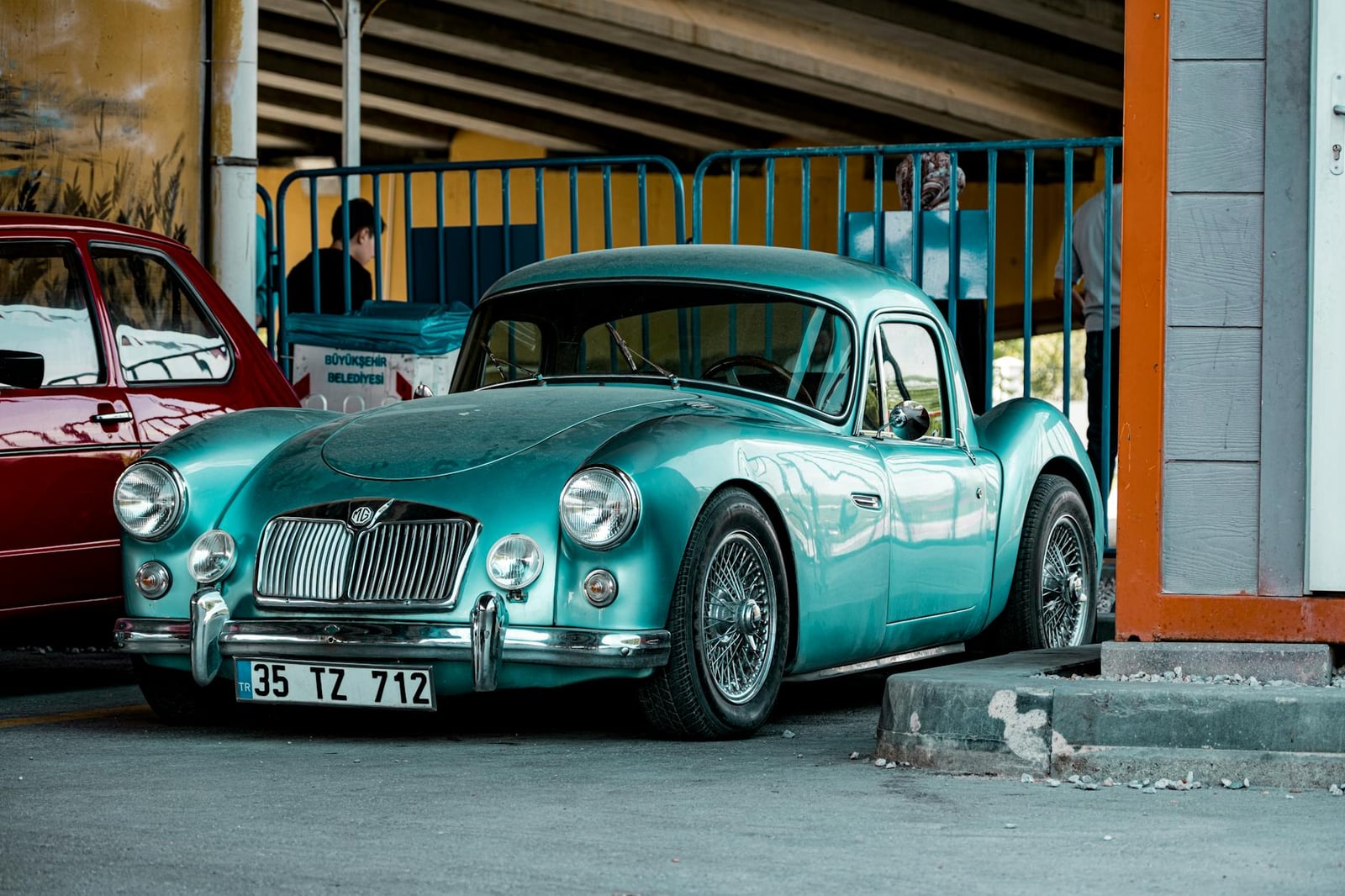
Both the open roadster and a handsome fixed-head coupe were offered throughout. The coupe is the rarer and usually cheaper choice, and a genuinely practical way to enjoy an MGA in cooler weather.

The MGA Twin Cam
Above the pushrod cars sat the MGA Twin Cam, built from 1958 to 1960, and it is the one the collectors chase. It used a 1588cc twin-overhead-camshaft engine of around 108 bhp, with four-wheel disc brakes and centre-lock wheels, genuinely advanced equipment for the late 1950s.
It should have been the star of the range, but the highly tuned engine developed a damaging reputation. Run on the wrong fuel or with the ignition slightly out, it would consume oil heavily and could hole its pistons, problems rooted in its high compression and need for careful maintenance. Sales collapsed and only about 2,111 were built before the model was dropped. The faults are now thoroughly understood, and a correctly set-up Twin Cam is a reliable and sparkling car, which is exactly why it is the most valuable MGA today. When the Twin Cam ended, the factory used up remaining chassis as the rare De Luxe models, which kept the four-wheel disc brakes and centre-lock wheels but fitted the dependable pushrod engine.

What it is like to own
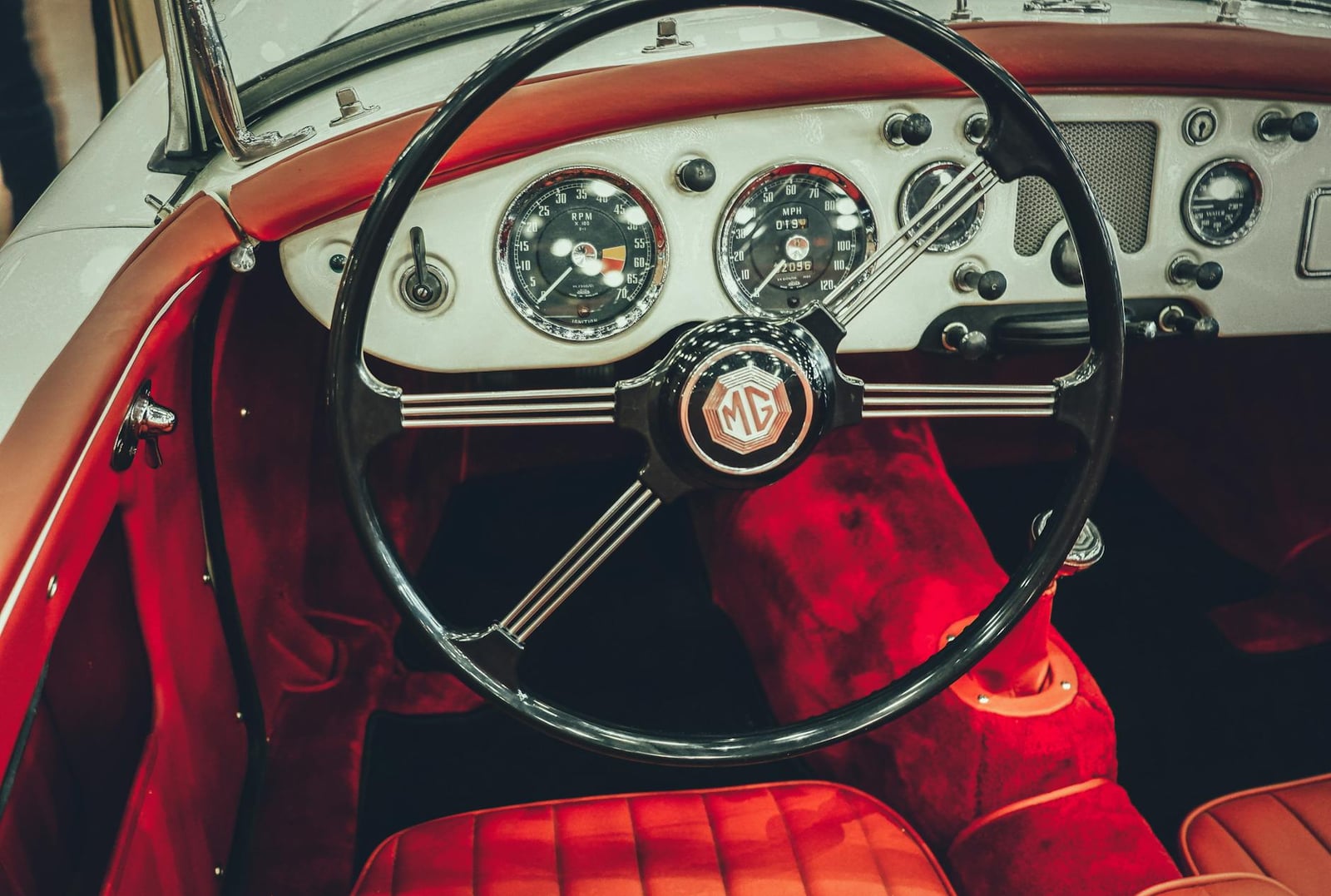
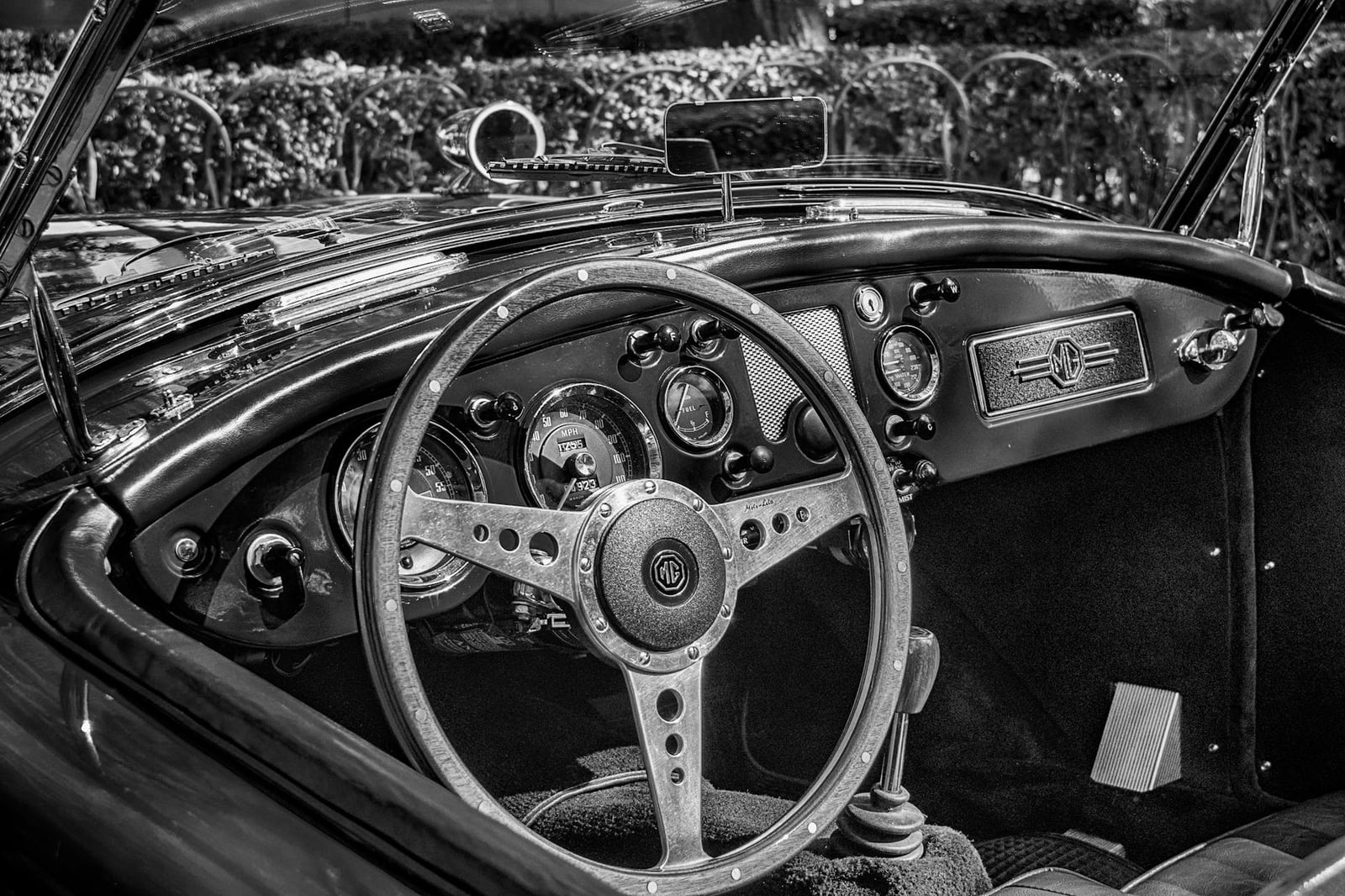
The car is a delight precisely because it is so simple and so pretty. The B-series engine is tough and easy to work on, the controls are honest, and the separate chassis gives it a planted, solid feel. It is slower than a modern car, of course, and the cockpit is snug, but the appeal is the classic 1950s sports-car experience in one of the best-looking shapes of the era. Parts supply for the pushrod cars is excellent, which makes ownership far easier than the car’s age suggests.

Buying guide: what to look for
Rust is the main enemy, and on these cars it lives in the chassis, the sills and the floors. Check the chassis frame carefully, including the side members and the area around the sills, because structural corrosion here is the expensive problem. Inspect the floors, which on this car were partly made of wooden floorboards, an unusual feature worth knowing, and the battery and boot areas. Because the body bolts to a separate frame, a proper restoration can separate the two, but that is a major job.
Mechanically the pushrod cars are straightforward and well supported. Check the usual oil pressure, smoke and bottom-end condition on the B-series engine. On a Twin Cam, parts are scarcer and dearer and the engine demands knowledgeable care, so buy one with a known history and evidence of correct set-up. Originality counts on the MGA, so matching numbers and correct specification add value.

Its place in the market
The pushrod cars are now sought-after but still attainable classics: a roadster runs from around £6,000 as a project to about £18,000 for a good car and up to £35,000 for the best, with the coupe a little less. The Twin Cam sits well above, with the finest cars beyond £40,000, and the rare De Luxe models also command a premium. Across the range, condition, originality and a sound chassis drive the value. The full record, 890 recorded sales by engine and body, the Twin Cam premium in figures and a decade of slipping prices, is on the page covering MGA values.
In the wider story this is the car that made MG modern, the pretty export success that paved the way for the half-million-selling MGB. For the wider period it belongs to, see British classic cars of the 1950s and 1960s.
Owners’ clubs and parts
The MG Car Club, through its dedicated MGA Register, and the MG Owners’ Club both support the model with technical help, dating and events. Parts supply for the pushrod cars is excellent and reasonably priced, with most panels and mechanical parts remanufactured; Twin Cam-specific parts are scarcer and more expensive, but the specialist network is strong.
MGA: what changed and when
- 1951Syd Enever bodies a streamlined special on a T-series chassis for Le Mans, beginning the aerodynamic thinking that leads to the MGA.
- 1955EX182 works cars run at Le Mans; the production 1500 follows later that year with a 1,489cc B-series and drums all round.
- 1958The Twin Cam arrives with a 1,588cc twin-overhead-camshaft engine of around 108 bhp, four-wheel discs and centre-lock wheels.
- 1959The 1600 brings a 1,588cc pushrod engine of around 80 bhp and, crucially, front disc brakes.
- 1960Twin Cam production ends after a reputation for oil consumption and holed pistons; the 1600 MkII arrives with 1,622cc, a recessed grille and offset rear lamps.
- 1962Production ends at 101,476 cars, only around 5,869 of them sold on the home market.
What to check on an MGA
Chassis and structure
- The chassis frame, including the side members and the area around the sills
- Structural corrosion in the frame is the expensive problem on this car
- Floors, which were partly wooden floorboards, plus the battery and boot areas
- Body-on-frame construction allows a proper separated restoration, which is a major job
Engine, by type
- Pushrod cars: oil pressure, smoke and bottom-end condition on the B-series
- Twin Cam: buy one with a known history and evidence of correct set-up
- The Twin Cam's high compression and ignition sensitivity are what earned its reputation
- Twin Cam parts are scarcer and dearer, though the specialist network is strong
Originality
- Matching numbers and correct specification add real value here
- 1500, 1600 and 1600 MkII differ in engine, brakes and grille details
- The fixed-head coupe is rarer and usually cheaper than the roadster
- Rare De Luxe models command a premium of their own
Related
The MGA is one of the classic MGs, the pretty 1950s sports car that preceded and set up the MGB. For the wider period it belongs to, see British classic cars of the 1950s and the 1960s.
More photos
Frequently asked questions
What is an MGA Twin Cam?
Is the MGA a good classic to buy?
What is the difference between the MGA 1500, 1600 and 1600 MkII?
Related across themes



More from MG

MG MGC: an MGB with a straight-six, and a reputation it never deserved (1967–1969)

MG T-Series: the traditional sports car from TA to TF (1936–1955)

MGF and MG TF: the mid-engined comeback (1995–2011)


