MG
-
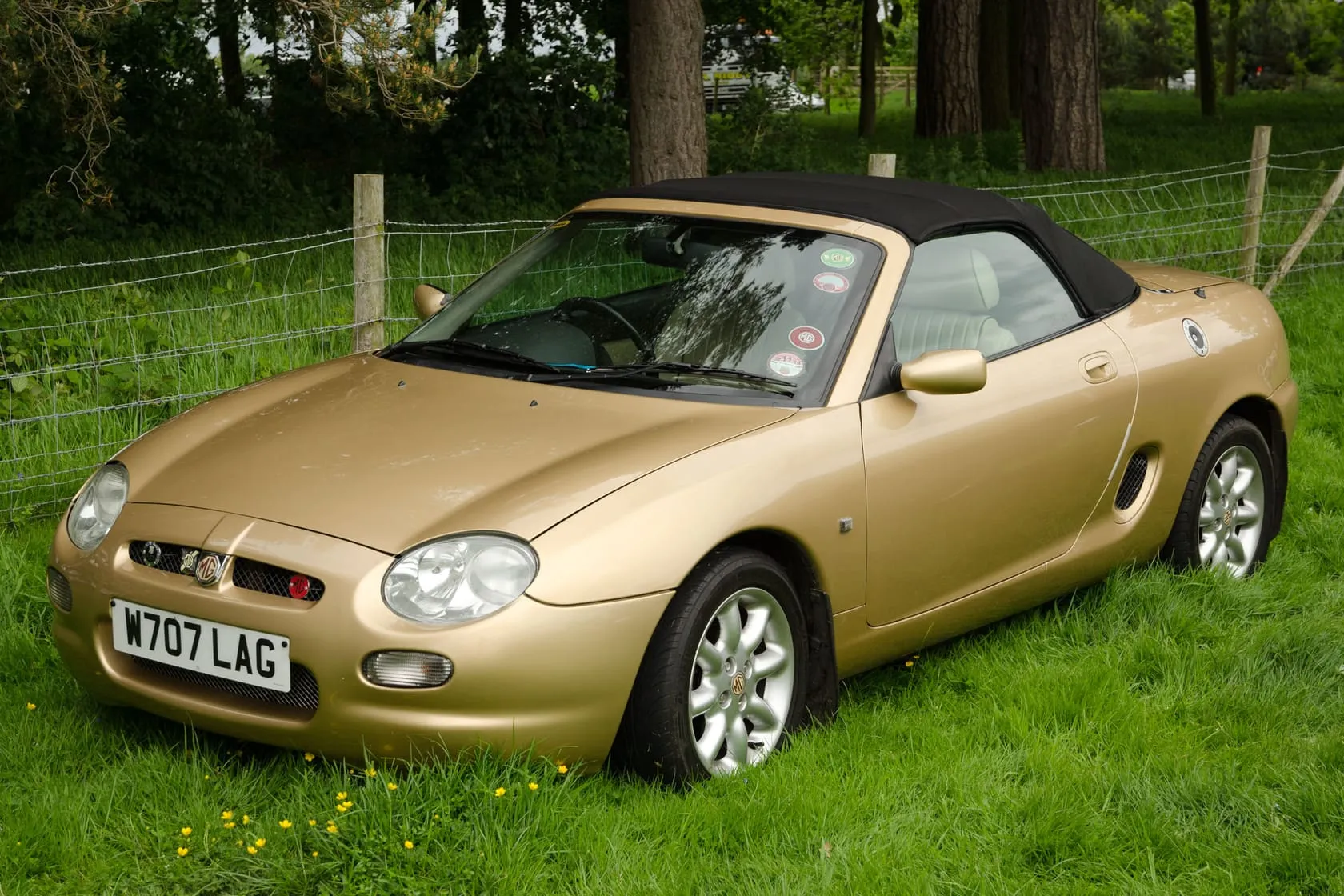 MGF and TF values: the cheapest sports car in the record, where a head gasket costs more than the car
The cheapest cars in this whole record. MGF and MG TF prices across 369 recorded auction sales, the TF small premium over the MGF, what a head gasket does to the arithmetic, and why a falling median and a falling survivor count are the same story.
-
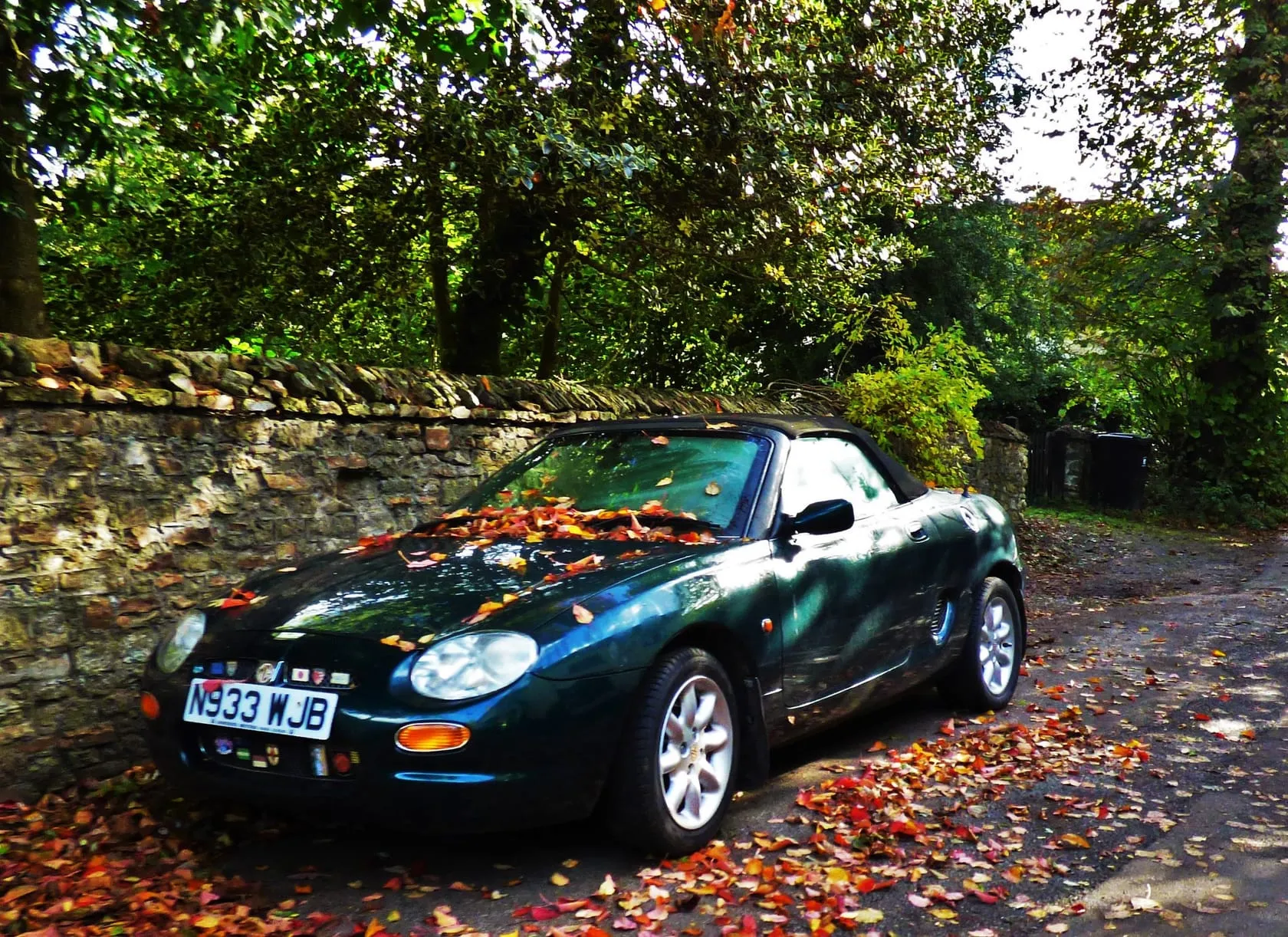 MGF and MG TF: the mid-engined comeback (1995–2011)
The MGF put MG back into sports car production for the first time since the MGB died, mid-engined on Hydragas with the K-series twin-cam, and the TF carried the line to the last MG built at Longbridge. A guide to the 1995–2011 roadsters, the Hydragas suspension and the K-series head gasket, the TF editions, and what to check before buying.
-
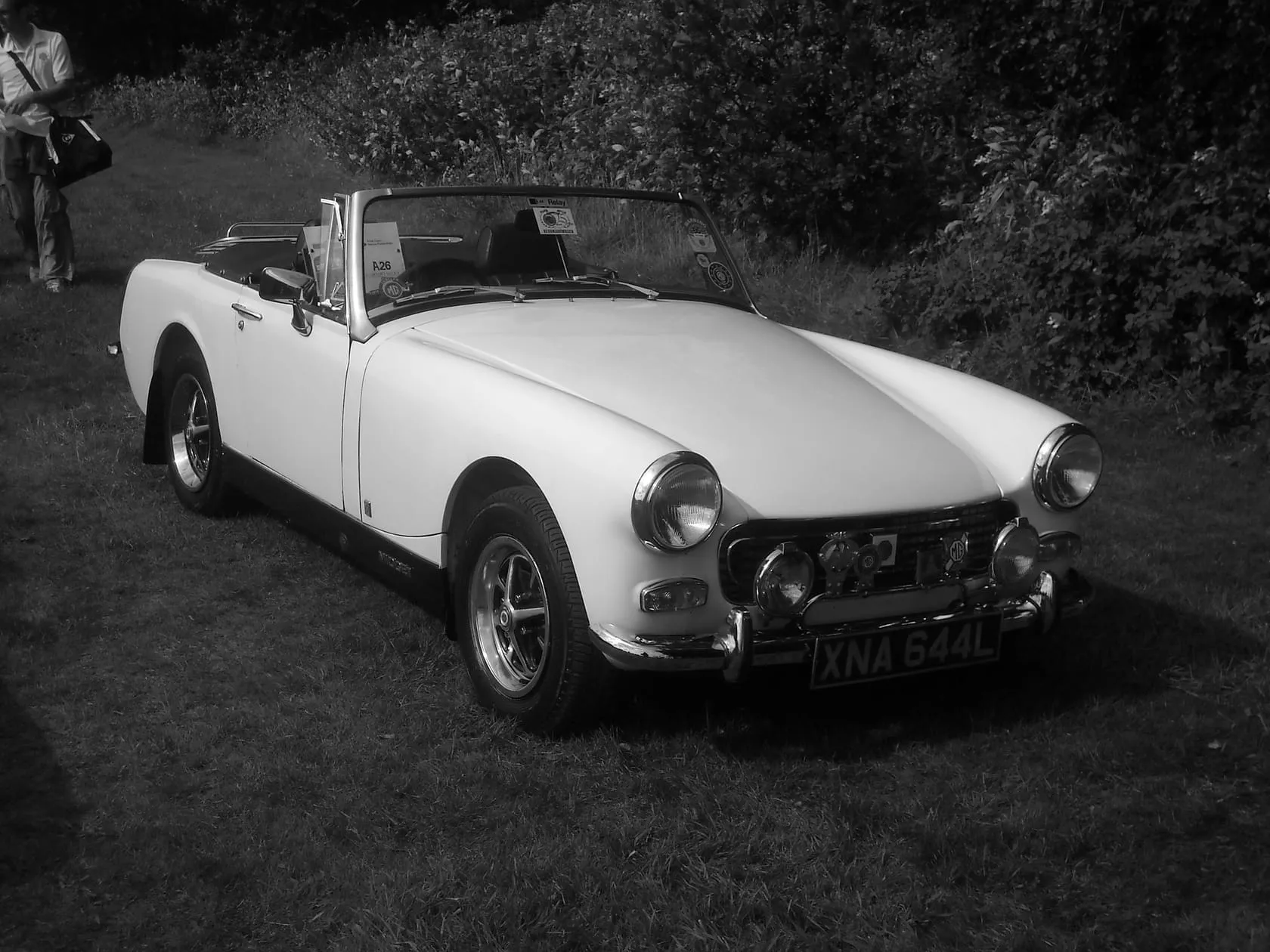 Triumph Spitfire vs MG Midget: the cheapest way into a British sports car, compared
Two small roadsters built to the same brief, sold against each other for eighteen years, and in their final form sharing the same engine. Backbone chassis against monocoque, swing axle against live axle, and which is the better first classic at under £6,000.
-
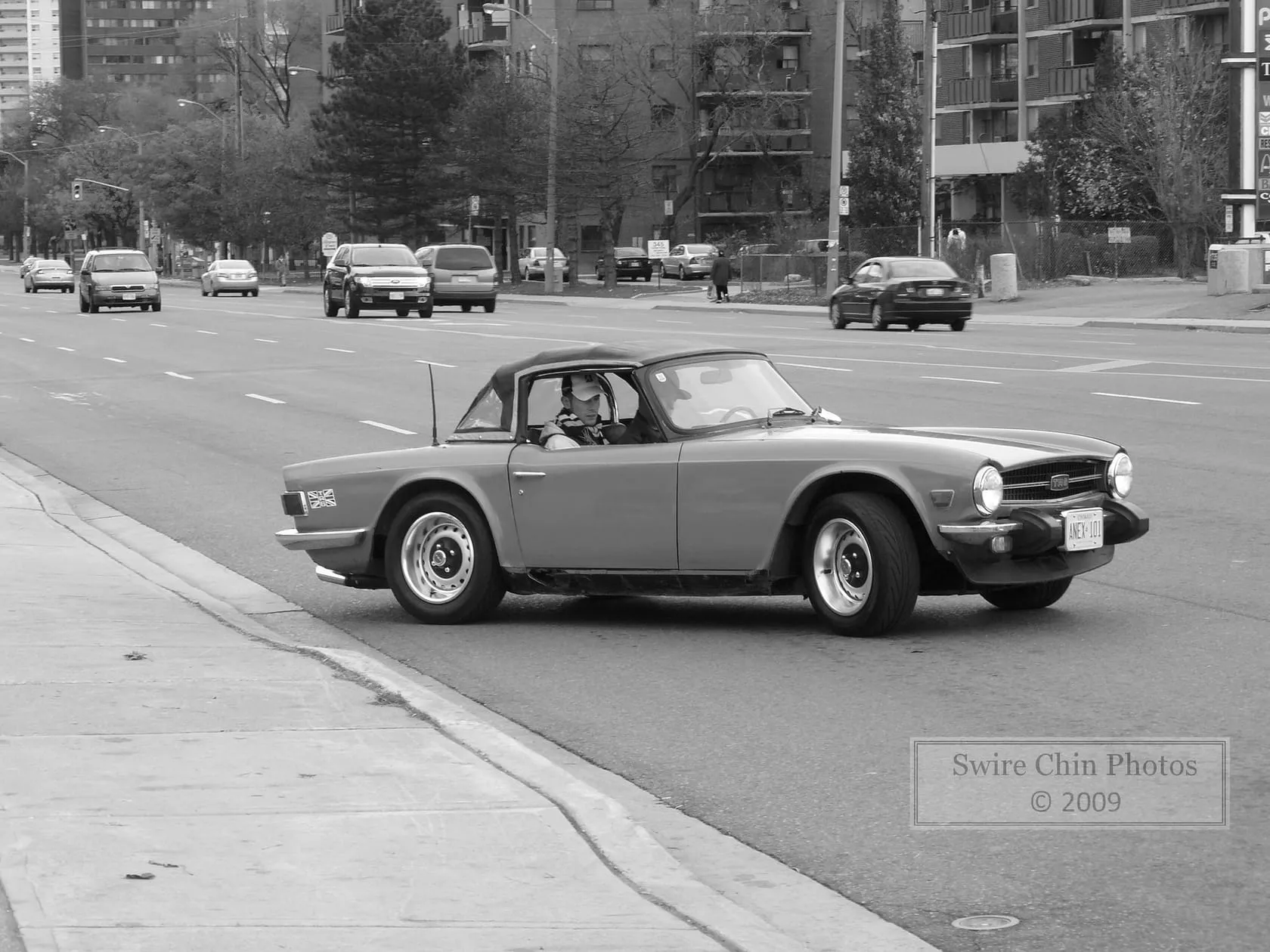 MGB vs Triumph TR6: the two British roadsters everybody cross-shops, compared on the numbers
One sold half a million, the other sold ninety thousand and costs nearly twice as much. Four cylinders against six, Abingdon against Canley, and what four thousand auction results say about which is the better buy today.
-
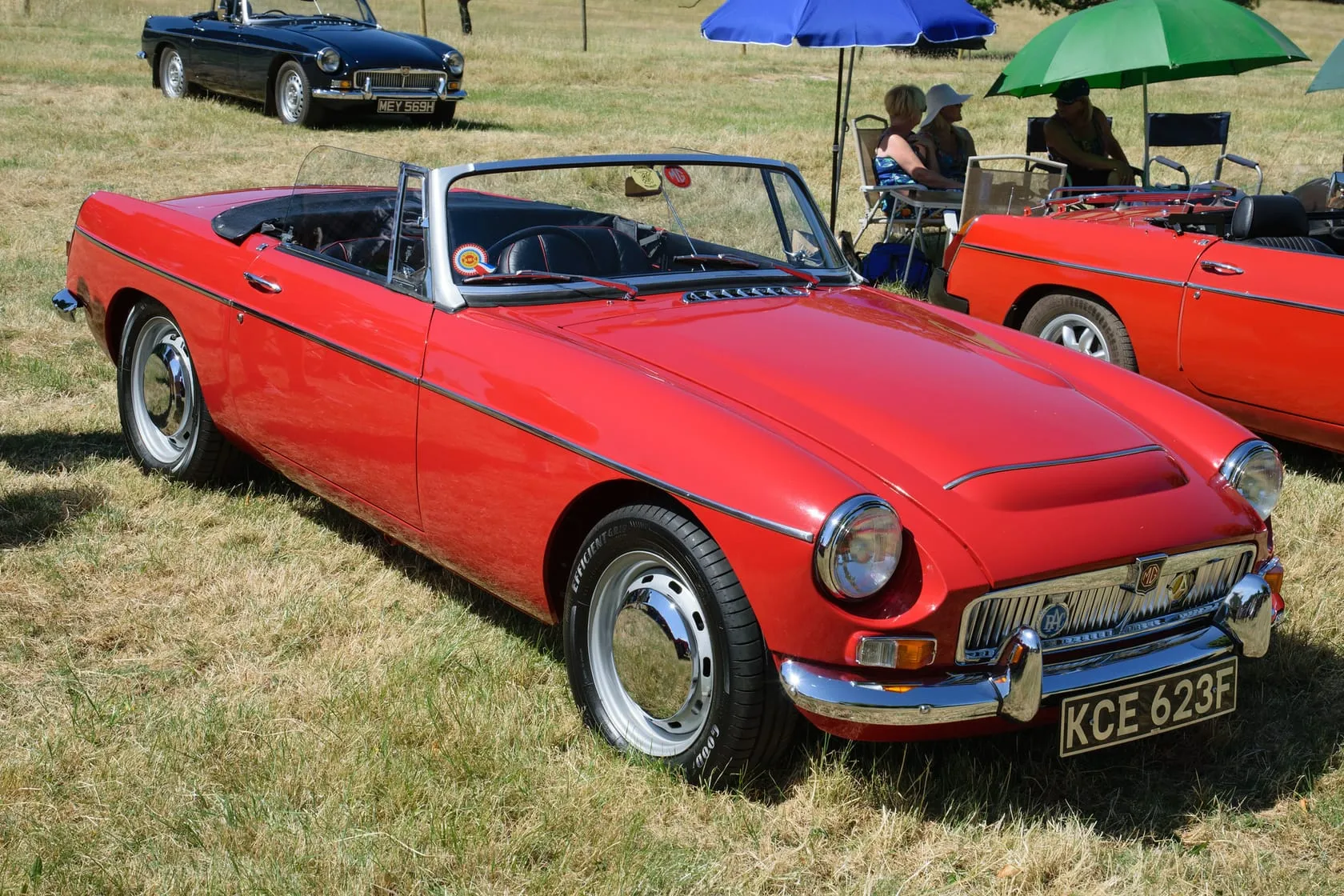 MGC values: roadster over GT, double the MGB, half the Healey, and the GTS in a class of its own
The six-cylinder MG sits between the MGB below it and the Austin-Healey 3000 it replaced. MGC values from 261 recorded auction sales, the roadster premium over the GT, what the University Motors Specials and the Sebring GTS cars make, and why the MGC has come down by nearly half in real terms since 2017.
-
 MG Maestro: the hot hatchback with the talking dashboard, and the Tickford Turbo that outran them all (1983–1991)
The MG Maestro put the octagon on Austin's family hatchback, first with the troublesome twin-carb 1600, then the 115 bhp 2.0 EFi, and finally the 152 bhp Tickford-finished Maestro Turbo of 1989, the fastest production MG there had been. A guide to the whole Maestro family, what survives, what to check, and what the handful of sale-room results say a good one is worth.
-
 MG Midget values: the cheapest MG sports car, chrome over rubber, and a market back where it started
The chrome-bumper Mk III sells for more than the rubber-bumper 1500, and the early cars more still. MG Midget values from 693 recorded auction sales, what the Sprite badge does to the same car, what moves a Midget price, and why it is cheaper in real terms today than in 2014.
-
 MG T-Series values: TC over TF over TD, the Tickford premium, and a market that has halved
Three letters set the price order, TC above TF above TD. MG T-type values across 1,451 recorded auction sales, what the pre-war TA and TB and the Tickford dropheads make, what the ash frame does to the figure, and why the T-Series has lost half its worth in real terms since 2016.
-
 MGA values: the Twin Cam premium, the coupé discount, and a market that has slipped
The 1500, 1600 and Mk II sell for almost the same money. MGA prices across 890 recorded auction sales, what the Twin Cam makes, the coupe discount, what a right-hand-drive car is worth in a record dominated by exports, and why MGA values have halved in real terms since 2016.
-
 Austin Metro: the car that had to save British Leyland (1980–1998)
The Austin Metro carried British Leyland's survival on its back in 1980 and delivered, selling past two million across Austin, MG and Rover eras, with the Group B 6R4 as its unhinged rally cousin. A guide to the Metro's generations, the MG versions, the 6R4, why survivors vanished, buying checks and values.
-
 MGB GT values: the coupé discount, the V8 premium, and the special editions that aren't
The cheapest sound classic sports car money can buy. MGB GT values from 992 recorded auction sales, why the coupe sells for a quarter less than the roadster, what the GT V8 makes, and why the Jubilee and Limited Edition carry no premium at all.
-
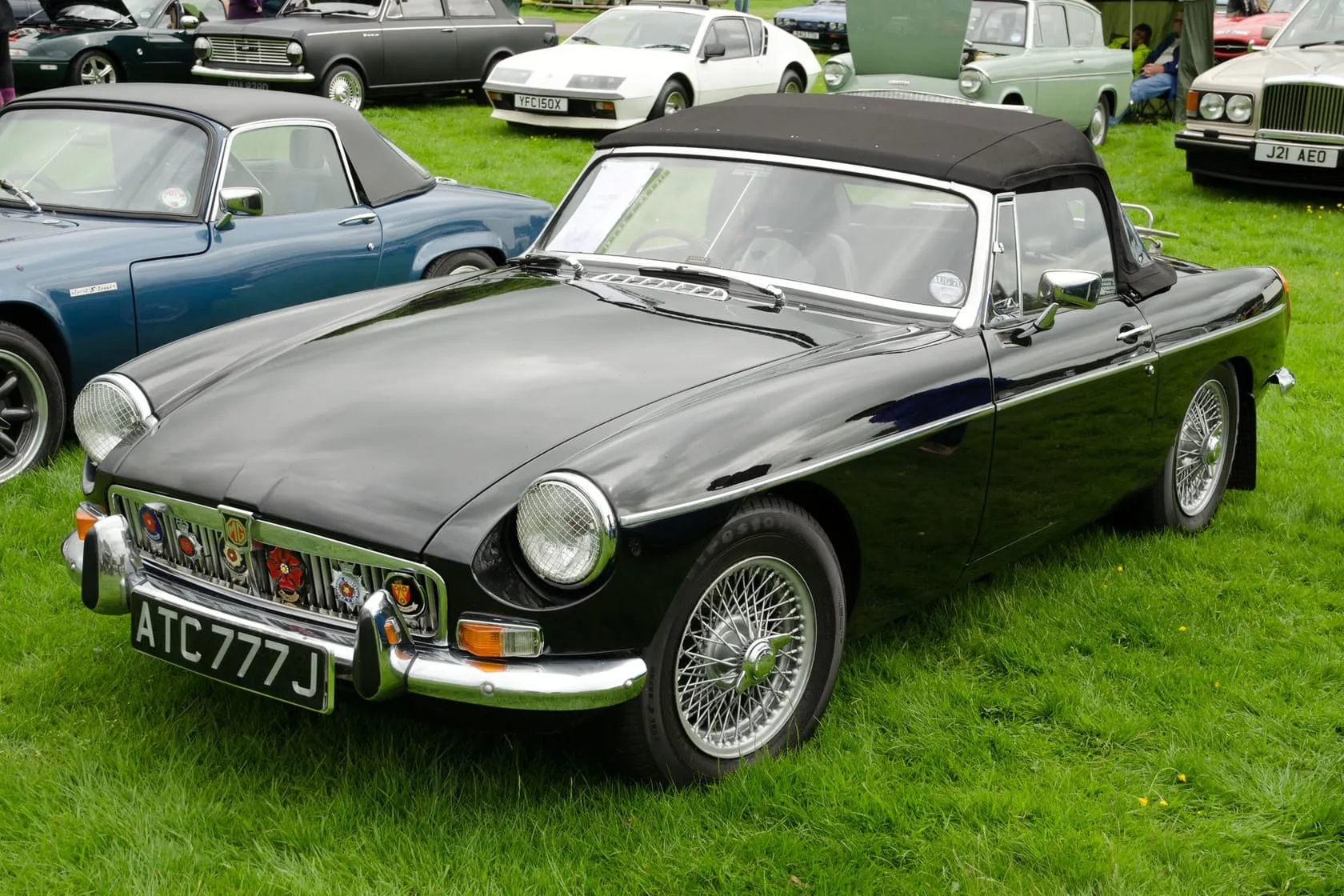 How much is an MGB worth? The sold prices, 1997 to 2026
Chrome bumpers, a V8 conversion and a Heritage shell all move the number. MG MGB roadster prices from 1,831 recorded auction sales, the usual range, what each of those is worth in figures, and why the typical MGB has got cheaper in real terms since 2020.
-
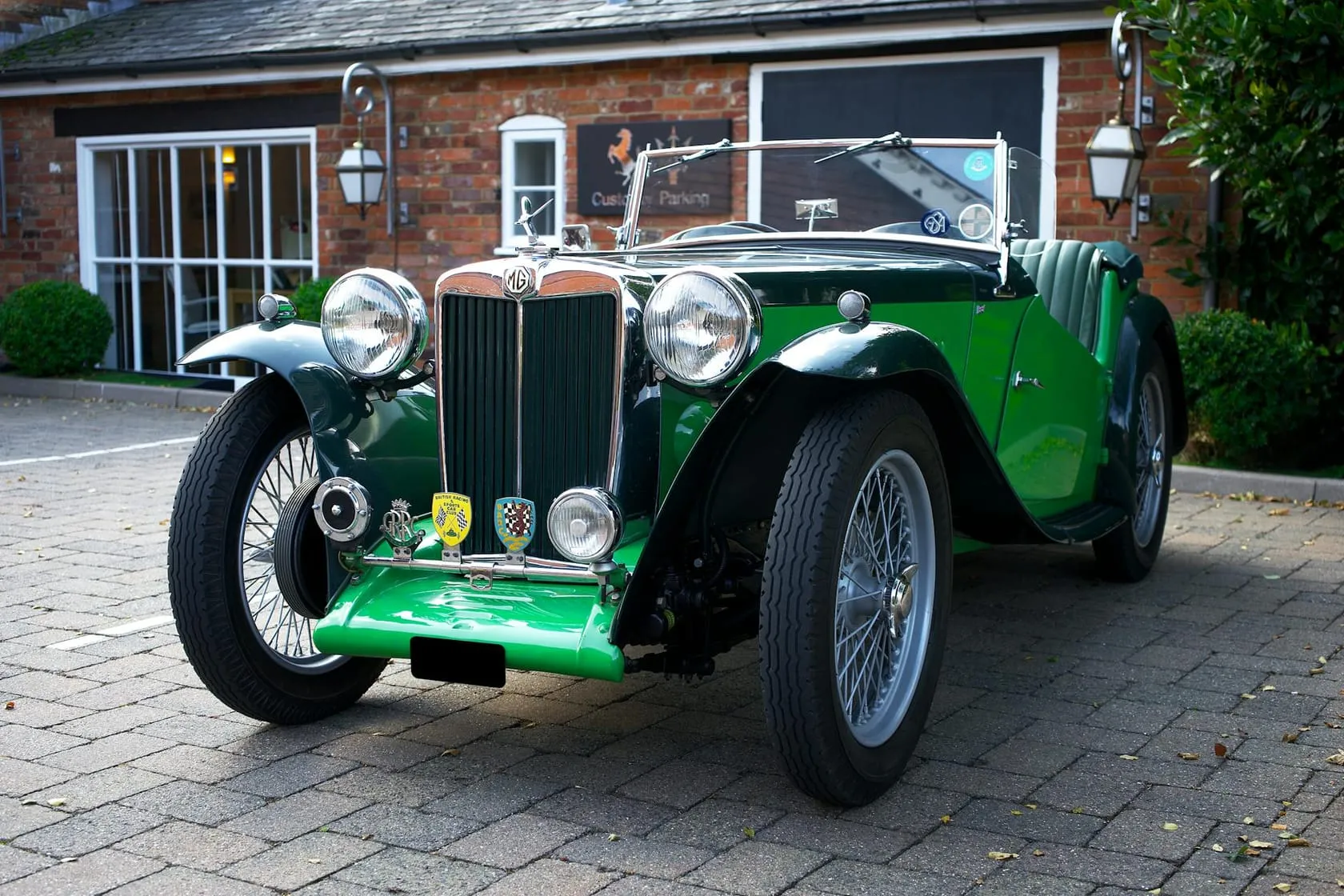 MG T-Series: the traditional sports car from TA to TF (1936–1955)
The MG T-Series, from the pre-war TA and TB through the TC that opened America to the TD and TF, was the classic folded-body British sports car on an ash frame. A guide to the T-types, what separates them, what one is like to own, and what to look for when buying.
-
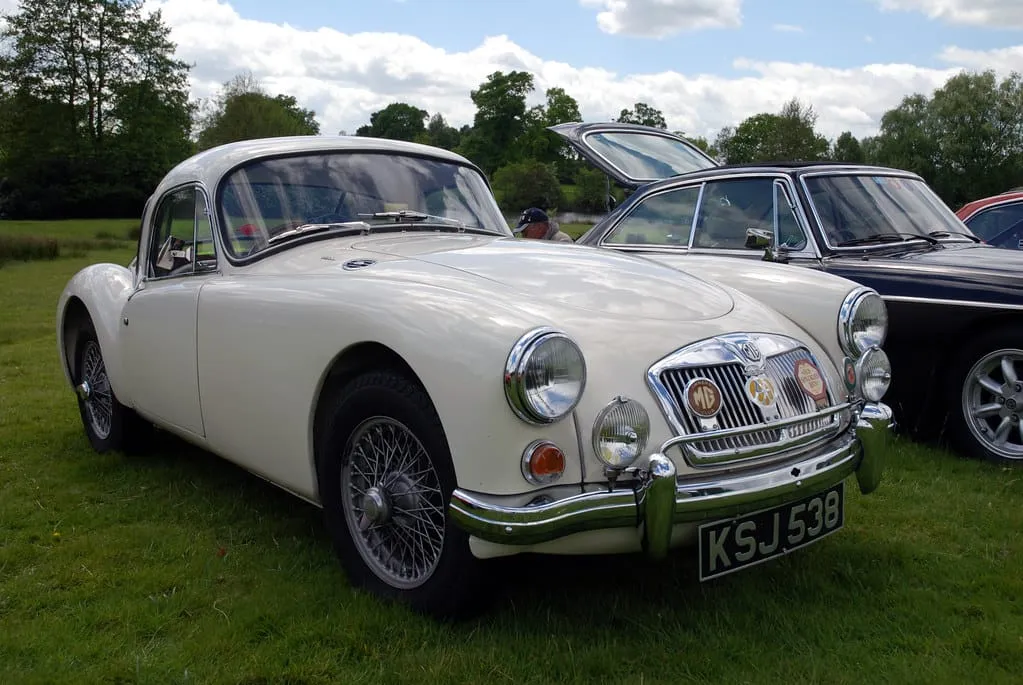 MG MGA: 100,000 built, almost all for export, and the prettiest MG of all (1955–1962)
The MG MGA was the sleek, aerodynamic sports car that swept away MG's upright pre-war look, sold over a hundred thousand almost entirely for export, and remains the prettiest of the affordable classic MGs. A guide to the 1500, 1600 and 1600 MkII pushrod cars, the rare and troubled Twin Cam, and what to look for when buying one.
-
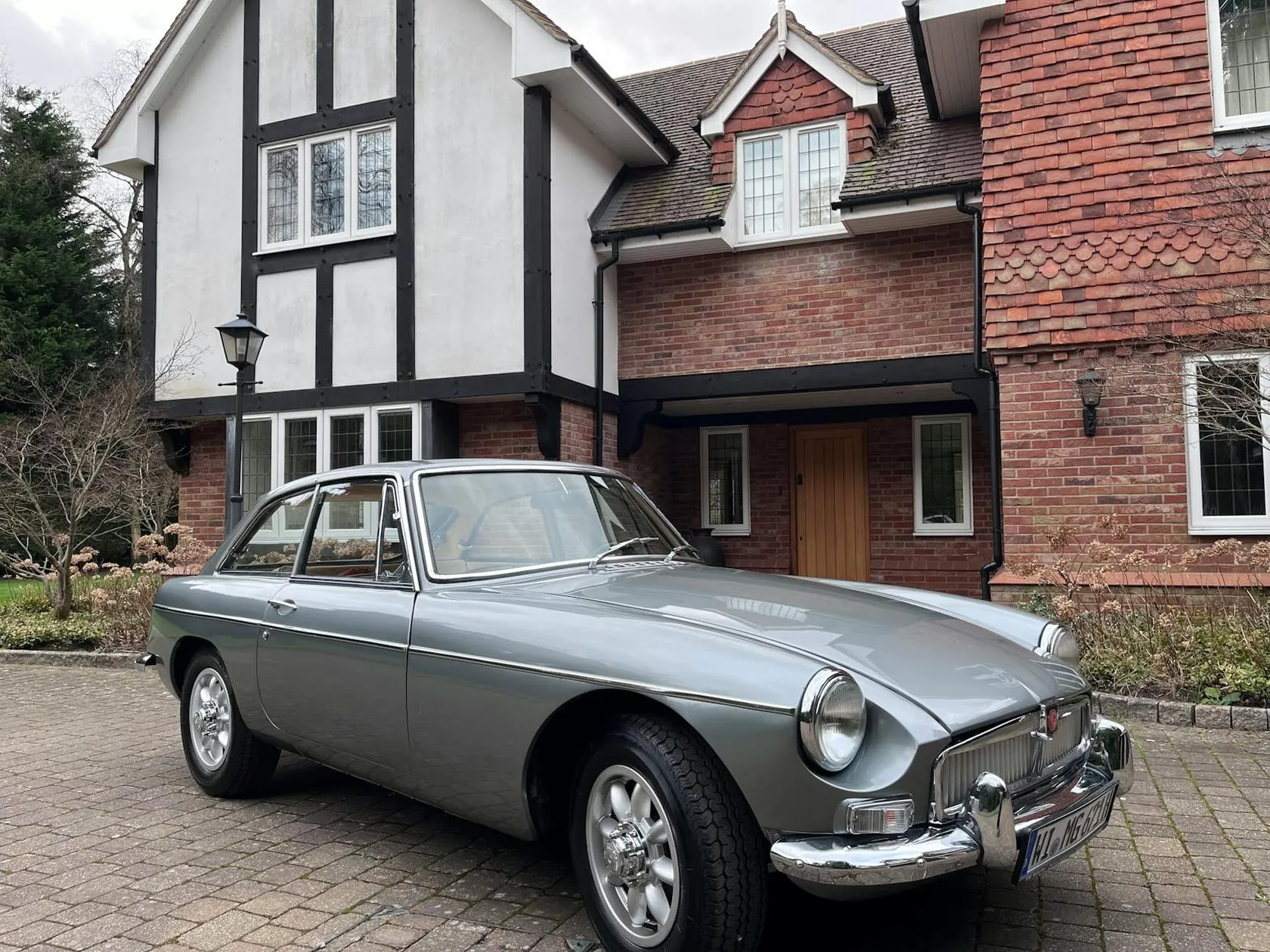 MG MGB GT: Pininfarina looks and a hatchback, for roadster money (1965–1980)
The MG MGB GT added a handsome Pininfarina-styled fastback roof and a practical hatchback to the MGB, making a refined 2+2 that is one of the most underrated classics there is, and the rare MGB GT V8 gave it real pace. A guide to how the GT differs from the roadster, the V8, and what to watch for when buying.
-
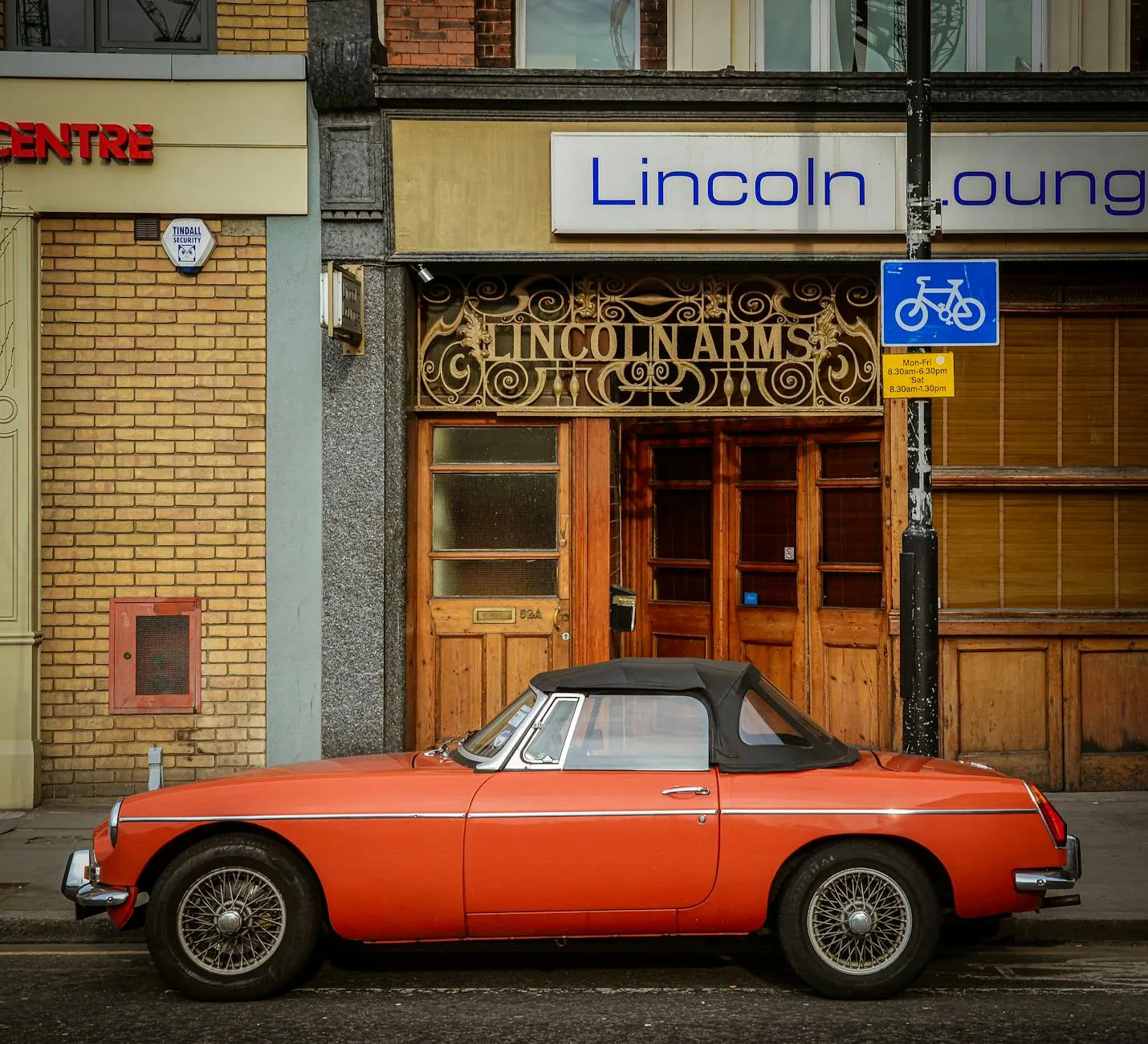 MG MGB: over half a million built, and still the easiest classic to own (1962–1980)
The MG MGB was the modern monocoque roadster that sold more than half a million and became, for years, the best-selling sports car in the world. A guide to the 1.8-litre B-series, the three-bearing and five-bearing engines, the all-important chrome-bumper versus rubber-bumper divide, and the checks that matter before buying one.
-
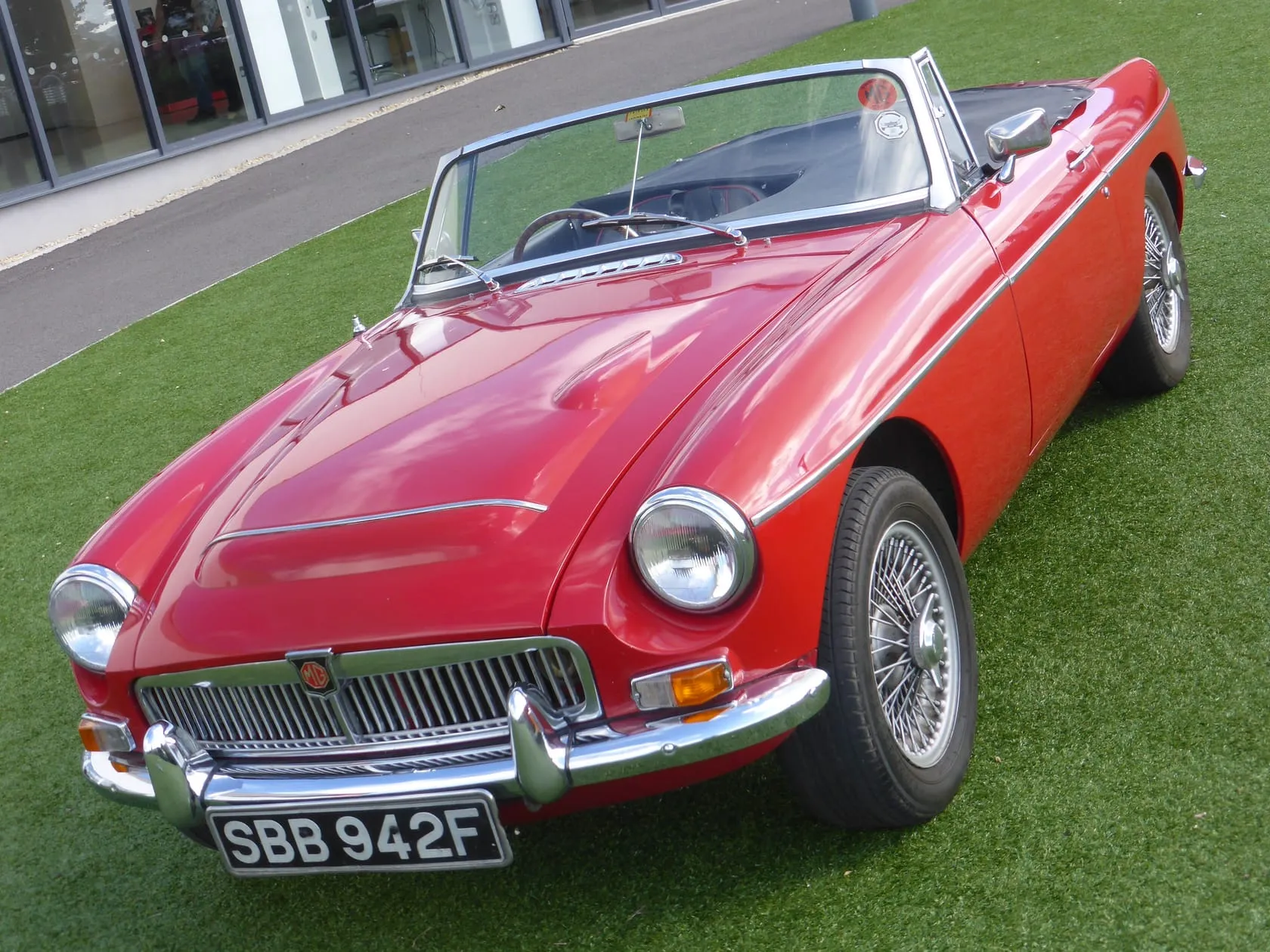 MG MGC: an MGB with a straight-six, and a reputation it never deserved (1967–1969)
The MG MGC was the MGB given a 3.0-litre straight-six, conceived as a replacement for the big Austin-Healey 3000 and damned in period for nose-heavy handling. A guide to the redesigned six-cylinder engine, the truth about the handling reputation, the roadster and GT, what to look for when buying, and why a sorted MGC is now a sought-after grand tourer.
-
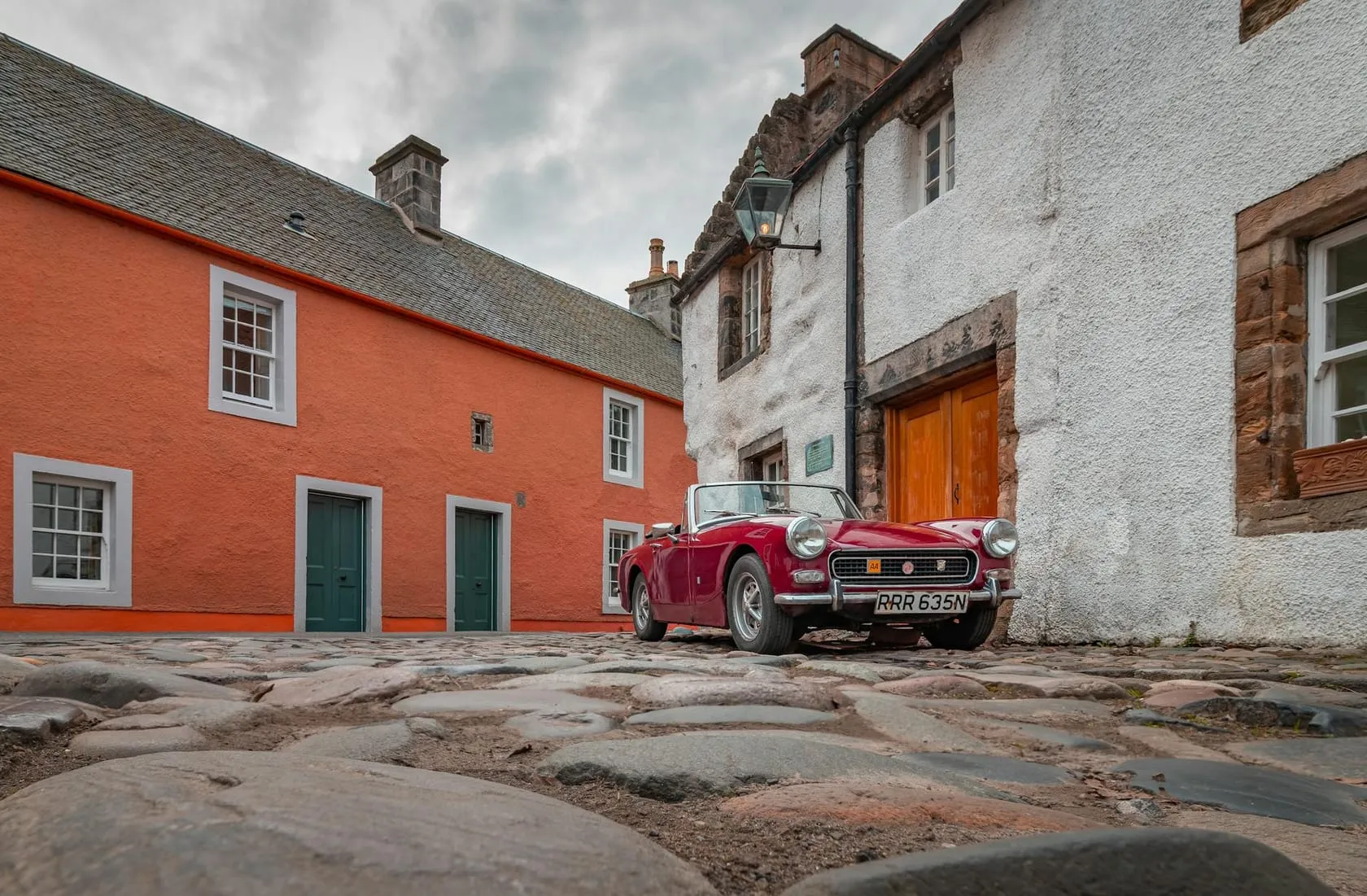 MG Midget: a Sprite in MG clothing, and the cheapest way into the marque (1961–1979)
The MG Midget was the tiny, nimble, affordable roadster built alongside its near-identical twin the Austin-Healey Sprite, and the cheapest way into classic MG ownership. A guide to the marks and engines, the curious 1500 that used a Triumph engine, the chrome and rubber bumper cars, the round and square arches, and what to look for when buying.
-
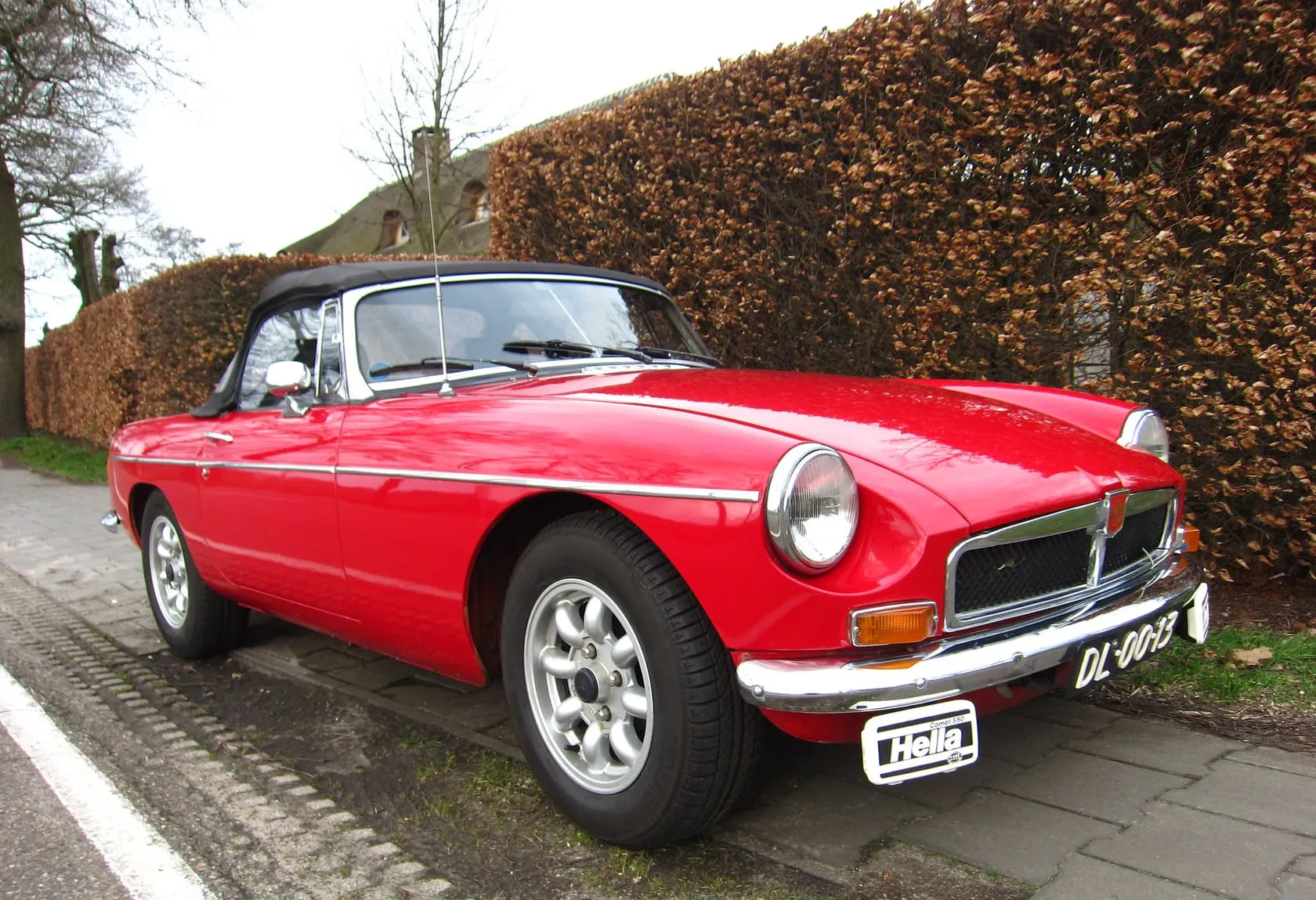 MG parts, specialists and restoration: keeping a classic MG on the road
Classic MGs are among the best-supported old cars on the road. A practical guide to MG parts availability by model, the specialists and club spares that serve the marque, what restoration involves for the monocoque and separate-chassis cars, and how the cars are insured.
-
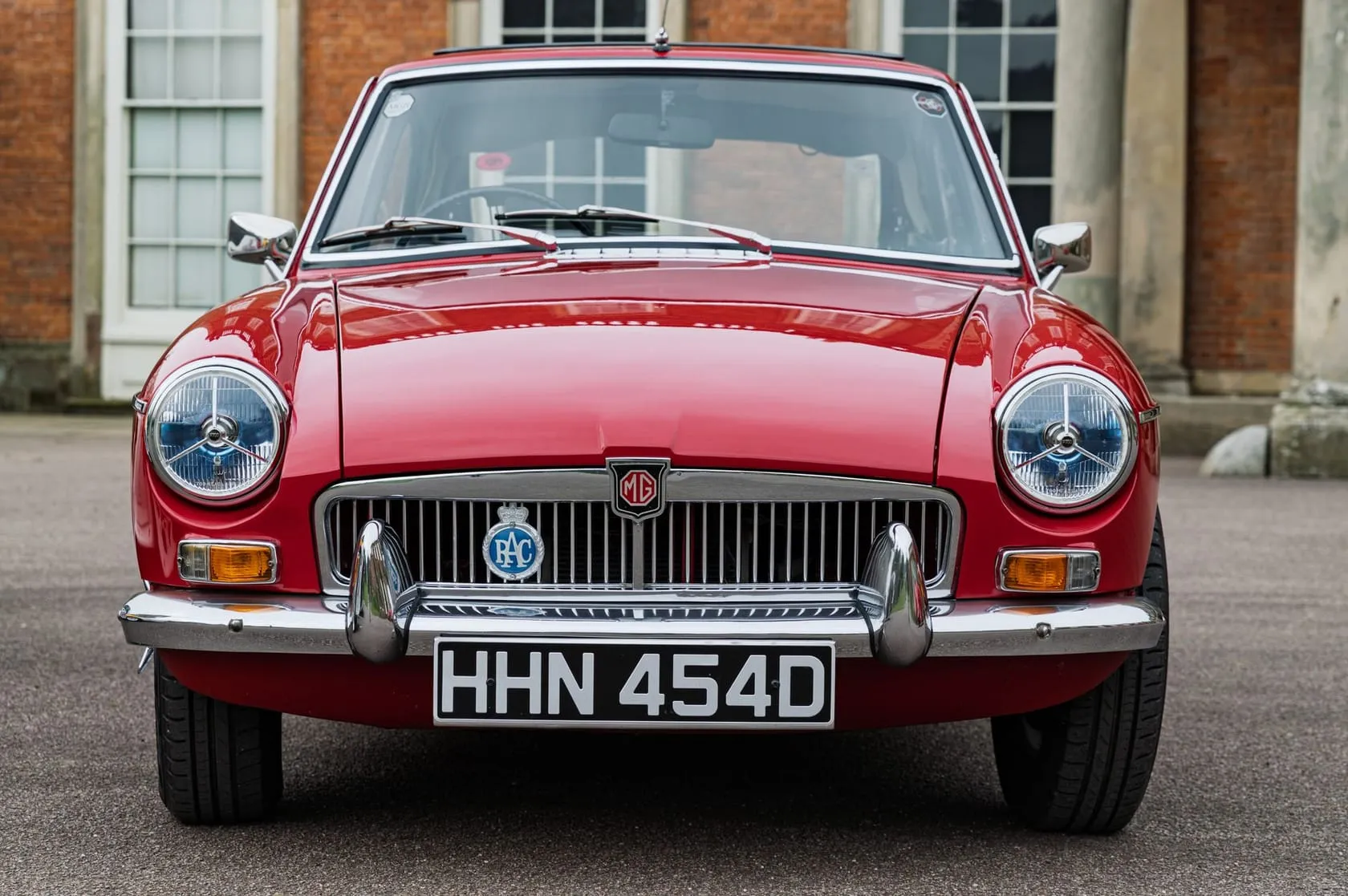 MG: the marque that put the sports car in the driveway
MG built some of the most loved and most affordable sports cars Britain ever made, from the pretty MGA and the half-million-selling MGB to the cheap-and-cheerful Midget and the six-cylinder MGC. A guide to the classic MGs worth knowing, the Morris Garages-to-Abingdon story, and why a good one is still one of the friendliest ways into classic ownership.