MGC values: roadster over GT, double the MGB, half the Healey, and the GTS in a class of its own
The six-cylinder MG sits between the MGB below it and the Austin-Healey 3000 it replaced. MGC values from 261 recorded auction sales, the roadster premium over the GT, what the University Motors Specials and the Sebring GTS cars make, and why the MGC has come down by nearly half in real terms since 2017.
Built 1967–1969
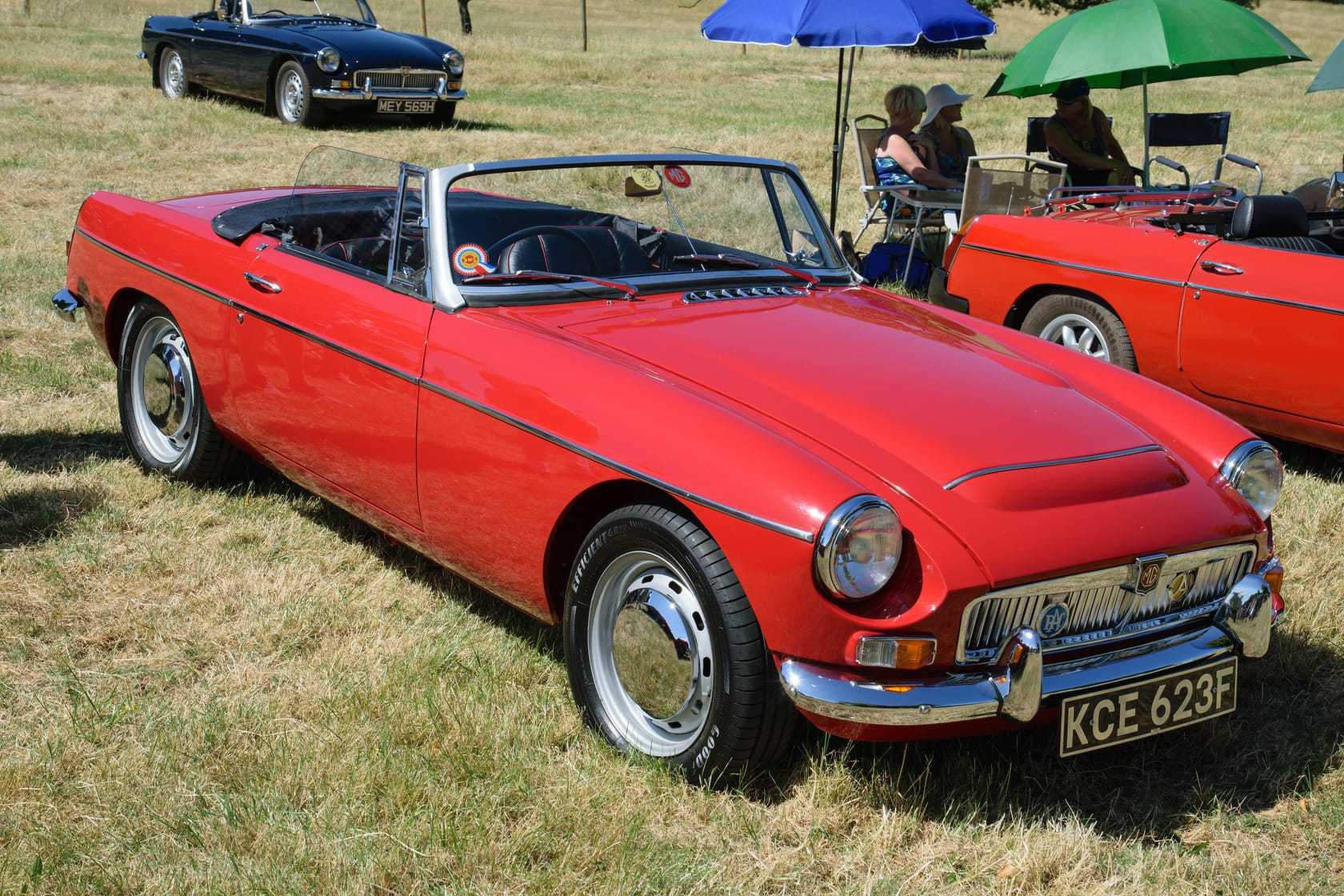
What the MGC sells for at auction
In 2025 the median MGC sold for £14,000 across 25 sales, 4% up on 2024. In real terms, typical MGC prices were down about 37% over the five years to 2025, once inflation is accounted for.
| Variant | Sold | Typical range | Median |
|---|---|---|---|
| C GT | 119 | £10,282 - £17,485 | £14,092 |
| C Roadster | 118 | £12,043 - £18,843 | £15,821 |
| C | 15 | £12,070 - £19,205 | £14,871 |
| C GTS Replica | 6 | £29,811 - £38,528 | £35,878 |
Show the year-by-year mediansHide the year-by-year medians
| Year | Sold | Median | In 2025 money |
|---|---|---|---|
| 2026 (so far) | 17 | £12,348 | |
| 2025 | 25 | £14,000 | £14,000 |
| 2024 | 21 | £13,500 | £14,018 |
| 2023 | 18 | £17,151 | £18,405 |
| 2022 | 22 | £17,171 | £19,665 |
| 2021 | 33 | £15,548 | £19,226 |
| 2020 | 17 | £17,500 | £22,176 |
| 2019 | 25 | £17,920 | £22,940 |
| 2018 | 14 | £17,430 | £22,692 |
| 2017 | 9 | £19,969 | £26,600 |
| 2016 | 13 | £16,310 | £22,285 |
| 2015 | 6 | £13,700 | £18,906 |
| 2014 | 9 | £12,375 | £17,146 |
| 2013 | 8 | £7,968 | £11,197 |
| 2012 | 5 | £14,625 | £21,023 |
| 2011 | 5 | £11,250 | £16,587 |
| 2010 | 4 | £10,125 | £15,508 |
| 2005 | 3 | £7,988 | £13,883 |
| 2004 | 3 | £9,562 | £16,961 |
- £8,000C GT
- £11,750C GT
- £9,660C GT
- £12,348C Roadster
- £9,000C Roadster
Strong evidence. 261 recorded sales and a dozen or more a year: the median and the range are well founded. Based on 261 sold results from public classic car auctions (2002 to 10 August 2026). Sold prices, not asking prices, and not a valuation: condition, history and specification vary from car to car. Inflation-adjusted figures use the ONS CPIH index, in 2025 money.
The MGC is the six-cylinder MG the road testers never forgave and the market has slowly learned to, and MGC values still carry both verdicts: 261 recorded sales since 2002, about 24 a year lately, at a median of £15,100, with the middle half between £11,300 and £18,700. Seven in ten of the cars offered find a buyer. The spread runs from a £350 project to £110,300 for a Sebring GTS racer, and the ordinary car’s position is the argument its defenders have always made: double the MGB, two-fifths of the Austin-Healey 3000 it was built to replace.
The MGC model guide covers the engine, the handling reputation and the truth of it, the University Motors cars and what to check. This page is about the money, and about a market that peaked in 2017 and has drifted since.
Roadster over GT, and the GTS apart
The variant table on this page splits almost evenly. The roadster, 118 recorded sales, has a median of £15,800; the GT, 119 sales, sits at £14,100; and the fifteen cars the source never narrowed sit between. The open car’s premium is about a tenth and holds across the range, which is modest by 1960s standards because the GT is the body that suits the MGC’s grand-touring character, and its buyers know it. Projects start around £5,000, good usable cars sit between £11,000 and £18,000, and the best restored examples of either body reach £25,000 to £32,000.
Above the standard cars sit the specials. The University Motors Specials, the modified cars the London dealer built from unsold stock after production ended, trade on their provenance above the ordinary range; the works Sebring GTS lightweights are collector’s pieces, with the £110,300 sale in 2016 the record in the data; and the six GTS replicas in the record, at a median of £35,900, sell on the quality of the build and the honesty of the description. Every one of them is a market of a single car and its file.

What moves the price of an MGC
The shell first, because it is an MGB shell and rots the same way: sills, floors, rear spring hangers, A-posts, inner wings and the front chassis legs, with the C’s extra nose weight finding every soft repair. A car with its structure done properly, with the receipts, sits in the upper half of its range whatever the paint. Then the C-specific hardware: the torsion-bar front suspension and its adjusters, and the 2.9-litre six’s cooling, because the engine runs hot in traffic and a neglected one costs real money. The gearbox and axle are strong; overdrive is the option every buyer asks for first.
Then originality and identity. Matching numbers, a heritage certificate, wire wheels, a period colour and an honest interior all add; the carburettor and camshaft conversions that wake the six up, and the modern cooling that keeps it calm, add with the users who drive their cars and subtract with the purists who show them. A genuine UMS car is its paperwork; a “Sebring-style” car is a modified MGC and sells as one. Mileage, on a car that has usually been restored once, means little.

Down by half since 2017
The chart shows the 1960s market in miniature. The yearly median rose from £10,000 to £14,000 in the early 2010s to £20,000 in 2017, the peak, and held between £17,200 and £17,900 through the pandemic years to 2023; it then fell to £13,500 in 2024 and £14,000 in 2025, with the 2026 figure so far about £12,300. Restated in today’s money the MGC has lost nearly half its value since 2017.
The cause is the generation’s, the same one moving every record in this series: the buyers who remembered the MGC new are leaving the market. Within the fall the MGC has held up a little better than the Healey it undercuts, because its bargain argument keeps recruiting, and the GTs have drifted more than the roadsters. A sound GT at today’s £10,000 to £12,000 is the cheapest six-cylinder British sports car of its decade by a distance.

Where MGCs change hands
The MGC is a British car in a mostly British record. The regional sale rooms and the clubs trade the ordinary cars, and the summer of 2026 shows the level: GTs at £8,000, £9,700 and £11,800 at Yorkshire and southern sales, a roadster at £9,000, and another at £12,300 on an American platform, where the left-hand-drive export cars circulate. The UMS cars, the GTS replicas and the best restorations pass through the MG specialists and the catalogued sales at prices above the recorded range. Whether a recorded price includes the buyer’s premium varies by sale, which is one more reason to read the usual range rather than any single result.

Insuring, restoring, selling
For an agreed-value policy a good GT belongs around its median and a roadster or a restored car in the upper half of the range; a UMS or GTS-connected car is insured on its file. On restoration the MGB’s arithmetic applies with a six-cylinder surcharge: a full shell restoration costs more than any standard MGC is worth, so the sensible buy is the car with the structure done, and the project is for the owner who wants the doing of it. If you are selling, the spring is the season, the heritage certificate and the overdrive sell the car, and the honest expectation for an ordinary GT is its median, not the figure a restored roadster fetched in 2017.
Related
The MGC sits between the MGB, which sells for half as much, and the Austin-Healey 3000, which sells for two and a half times more; MG’s own other answer, the MGB GT V8, sells level with the C on that page’s record. For the decade, see British classic cars of the 1960s. For how all the figures on this site are compiled, see what classic cars sell for.
Frequently asked questions
How much is an MGC worth?
Is an MGC roadster worth more than a GT?
What are the University Motors and GTS MGCs worth?
Is the MGC still undervalued?
Are MGC prices falling?
What should I look for when valuing an MGC?
What is the most expensive MGC ever sold at auction?
How often does an MGC come up for sale?
Related across themes


More MG values

MG Midget values: the cheapest MG sports car, chrome over rubber, and a market back where it started

MG T-Series values: TC over TF over TD, the Tickford premium, and a market that has halved

MGA values: the Twin Cam premium, the coupé discount, and a market that has slipped

How much is an MGB worth? The sold prices, 1997 to 2026
Recently added

MGB vs Triumph TR6: the two British roadsters everybody cross-shops, compared on the numbers

TVR M-series: the cars that kept Blackpool alive (1972–1979)

Land Rover Series I values: the 80-inch premium, the factory Reborn cars, and a market off its 2021 peak
