No company in this hobby ran closer to the edge for longer, or made the edge look better. Aston Martin spent its classic decades hand-building small numbers of the most desirable cars in Britain while going broke, by the traditional count, seven times, and the classic Aston Martin canon that survived, DB4 to DB6 and the long V8 era, now sits at the summit of the British market. This page indexes our Aston guides and tells the story of the firm that beauty kept rescuing.
Aston Clinton to David Brown
Lionel Martin and Robert Bamford named their 1913 venture for the Aston Clinton hillclimb where Martin’s specials excelled, and the interwar company built beautiful, money-losing sports cars through a parade of rescuers. The turning point was a 1947 classified advert: Yorkshire gear magnate David Brown bought the company, added Lagonda for W.O. Bentley’s twin-cam six, and stamped his initials on everything that followed. The DB era had begun, and with it the classic Aston formula: racing engineering, coachbuilt beauty, heroic pricing, negligible profit.
Aston Martin at auction
What a classic Aston Martin sells for at auction
- Median sale, 2025
- £140,714 Down from £165,344 in 2021
- Sales in 2025
- 107 220 in 2023, the most we have recorded
- Sold when offered
- 73.7% Of the cars put up for auction since 1995
- The record
- £17.5m DBR1, RM Sotheby's, August 2017
Feltham first: the DB2 years
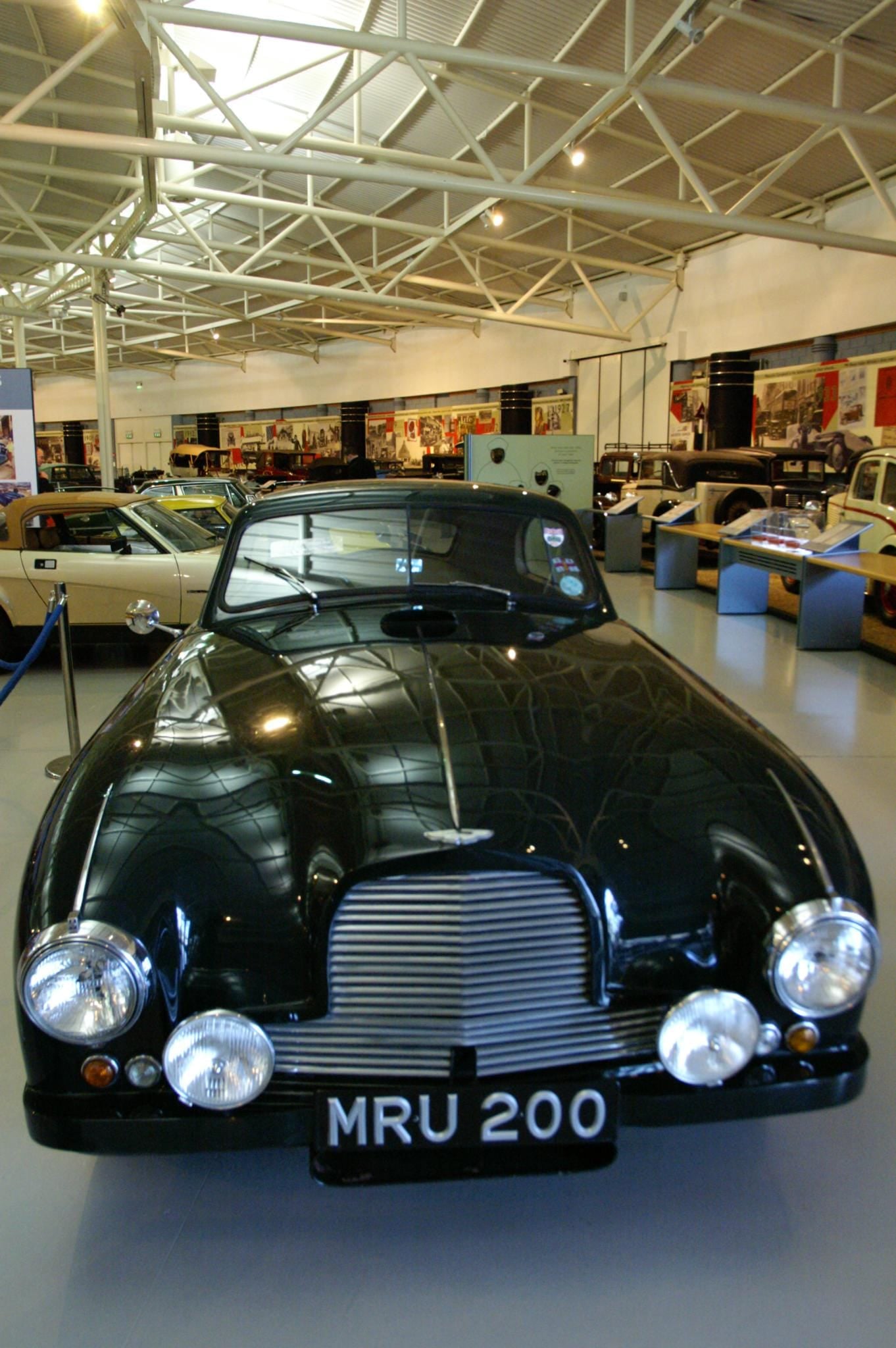
The Feltham-built DB2 of 1950 set the template: the Lagonda 2.6-litre six in a fastback body of genuine elegance, raced at Le Mans in works trim while carrying gentlemen to Goodwood in tweed. The DB2/4 added occasional seats and a practical hatch rear, the Mk III refined the recipe, and roughly 1,700 Feltham cars established the marque’s post-war character. They remain the connoisseur’s entry to classic Aston ownership, trading below the Newport Pagnell glamour era while sharing its bloodline; a full DB2 guide joins the wave 2 shelf.

Le Mans 1959 and the racing spine
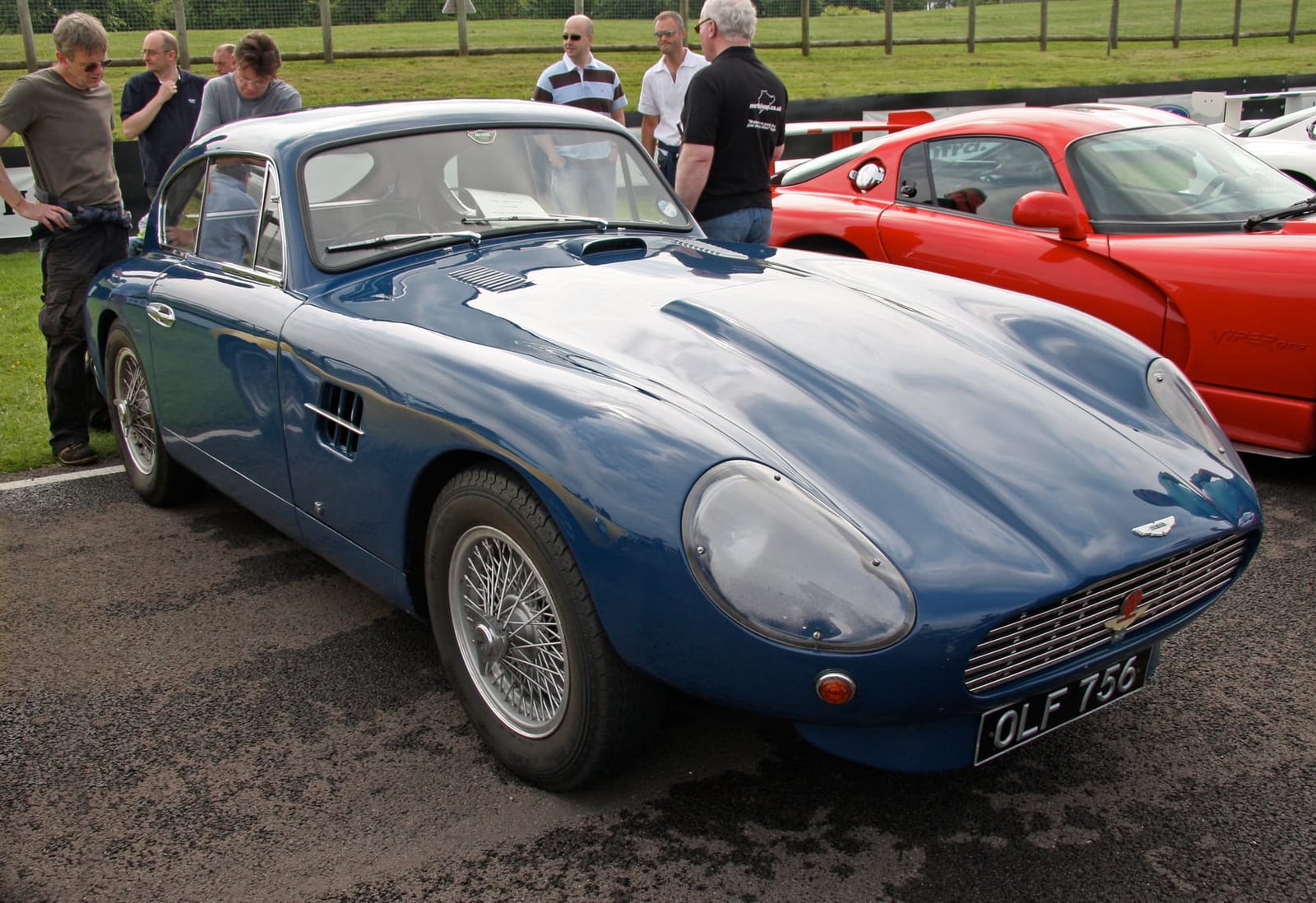
The racing programme peaked in 1959: Carroll Shelby and Roy Salvadori won Le Mans outright in the DBR1, the sister car came second, and Aston Martin took the World Sportscar Championship, the only British marque victory of its kind in the era. That pedigree flowed straight into the showroom cars: the DB4’s engine and the whole Newport Pagnell generation carried Tadek Marek’s racing metallurgy, and the DB4 GT and Zagato took the fight back to Ferrari. Racing green remains the marque’s moral colour, and the 1959 win its proudest hour.

Newport Pagnell: the DB glamour years
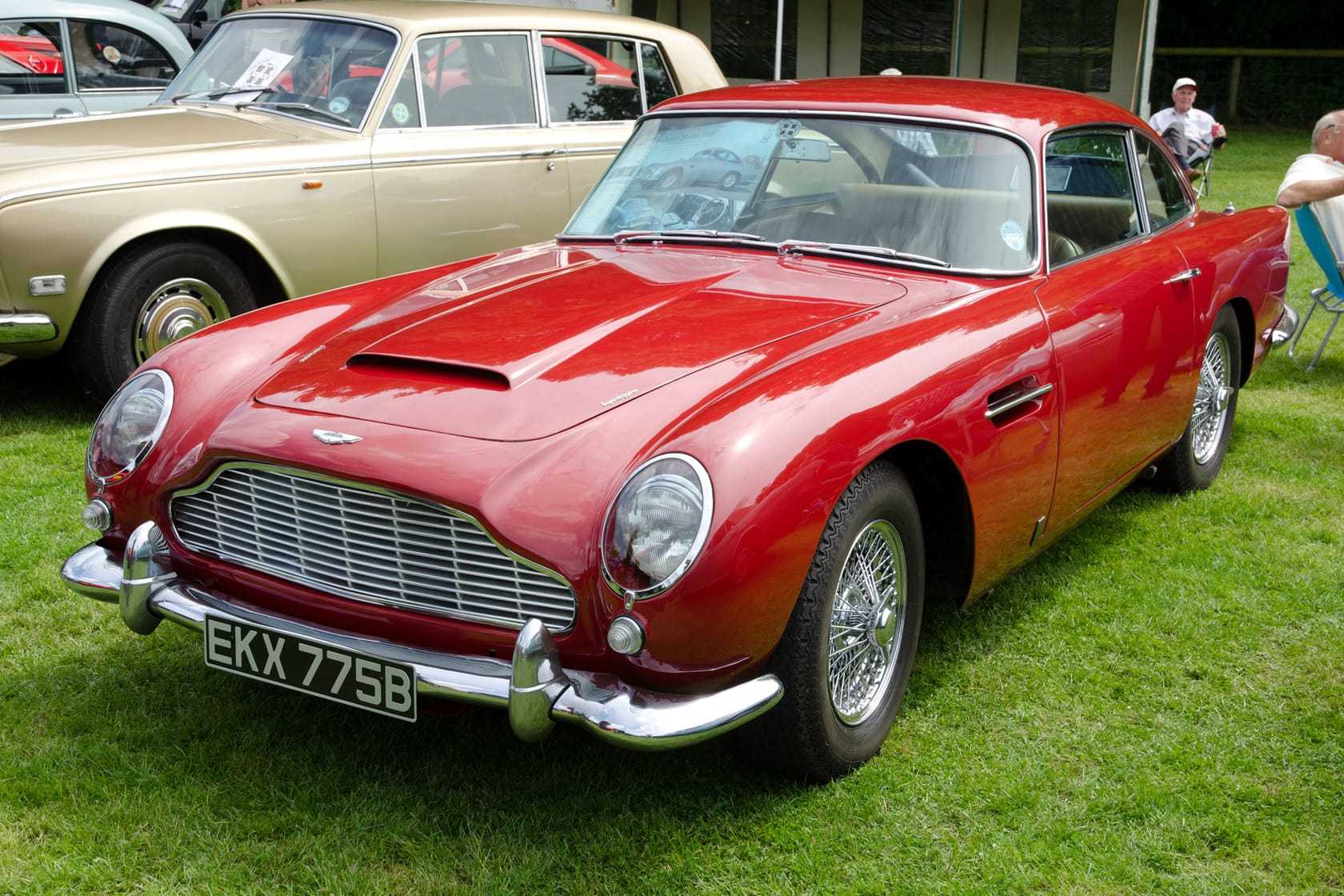
The move to Newport Pagnell and the 1958 DB4 began the imperial phase: Touring of Milan’s Superleggera construction, Marek’s new 3.7 six, and a shape that made every rival look provincial. The DB5 added 4.0 litres and, via Goldfinger, immortality; the DB6 stretched the family into its most usable form. Hand-built in hundreds rather than thousands, the DB cars were priced like property and sold to exactly the clientele the films implied, and their values today lead the whole British classic market.
Crisis, wedge and survival: the seventies and eighties
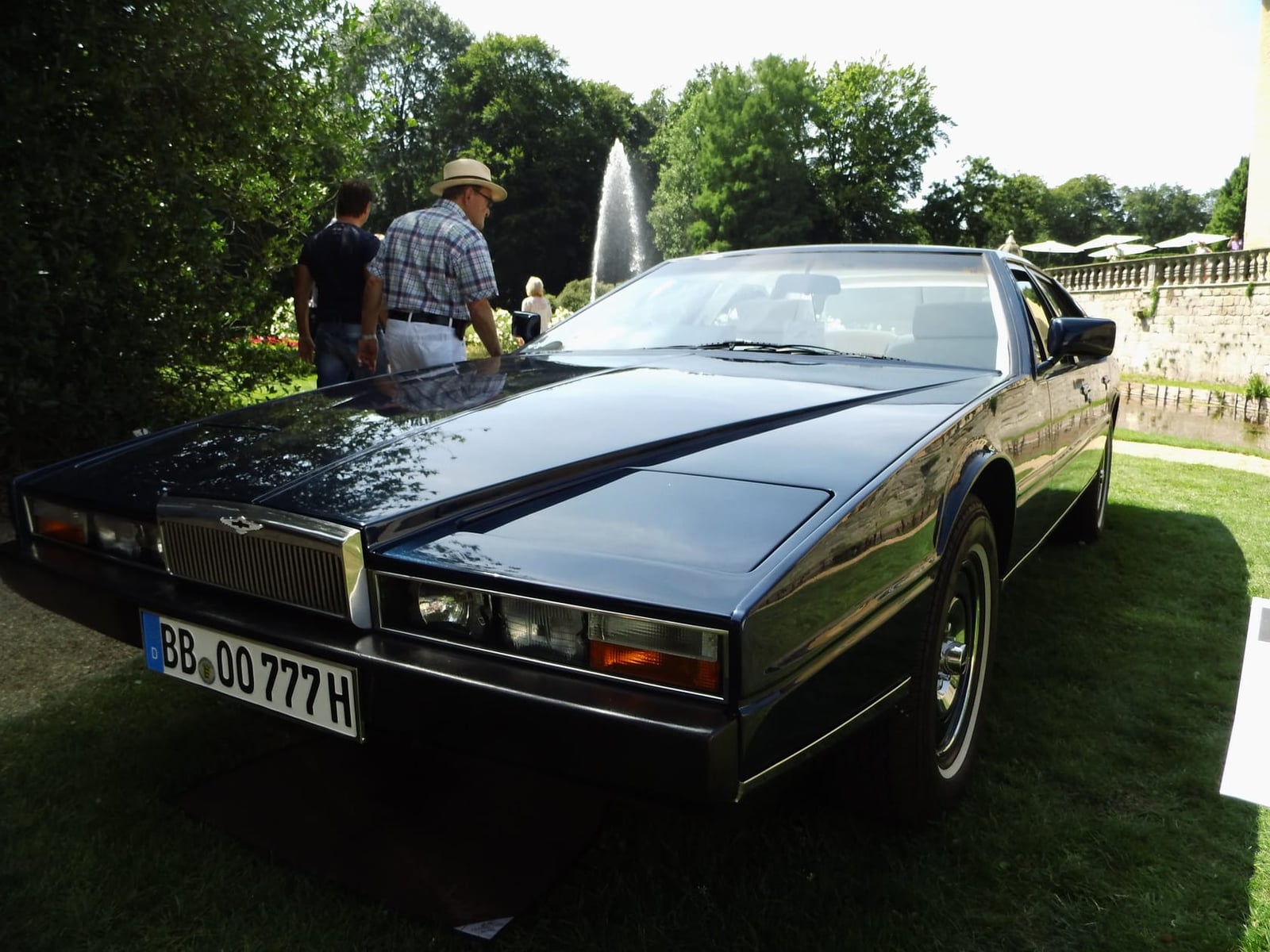
David Brown sold in 1972 and the familiar peril returned: receivership in 1975, rescue consortiums, and survival on the strength of the V8 era cars, the muscular Towns-bodied coupes and Volantes that carried Newport Pagnell for two decades, plus the astonishing Lagonda wedge, whose futurist electronics and razor styling sold hope to new markets. Victor Gauntlett’s stewardship and the 1986 V8 Vantage Zagato kept the flame theatrical until Ford’s 1987 arrival brought, at last, money. The classic era closes in 1989 with the last V8s; everything after belongs to a different, better-funded story.

Owning a classic Aston
Ownership at this level is provenance management: matching numbers verified against factory records, continuous history, and restoration by the recognised specialists, whose invoices are reassurance rather than warning. The heritage operation supports the classics with records and parts, the owners club is among the most established anywhere, and values, over 2,300 measured sales at a £134,000 median across the classic era, run from V8-era entry points in the tens of thousands to DB rarities in the millions. The model guides above carry the detail; the common thread is that documentation is worth nearly as much as metal.
More photos