Aston Martin DB5: the most famous car in the world (1963–1965)
The DB5 refined the DB4 into 4.0 litres of hand-built glamour, and then Goldfinger made it cinema's most famous car and fixed its silhouette in global culture forever. A guide to the 1,059 cars built, the Bond story, buying checks and what half a million pounds actually buys.
Built 1963–1965 208 recorded sales
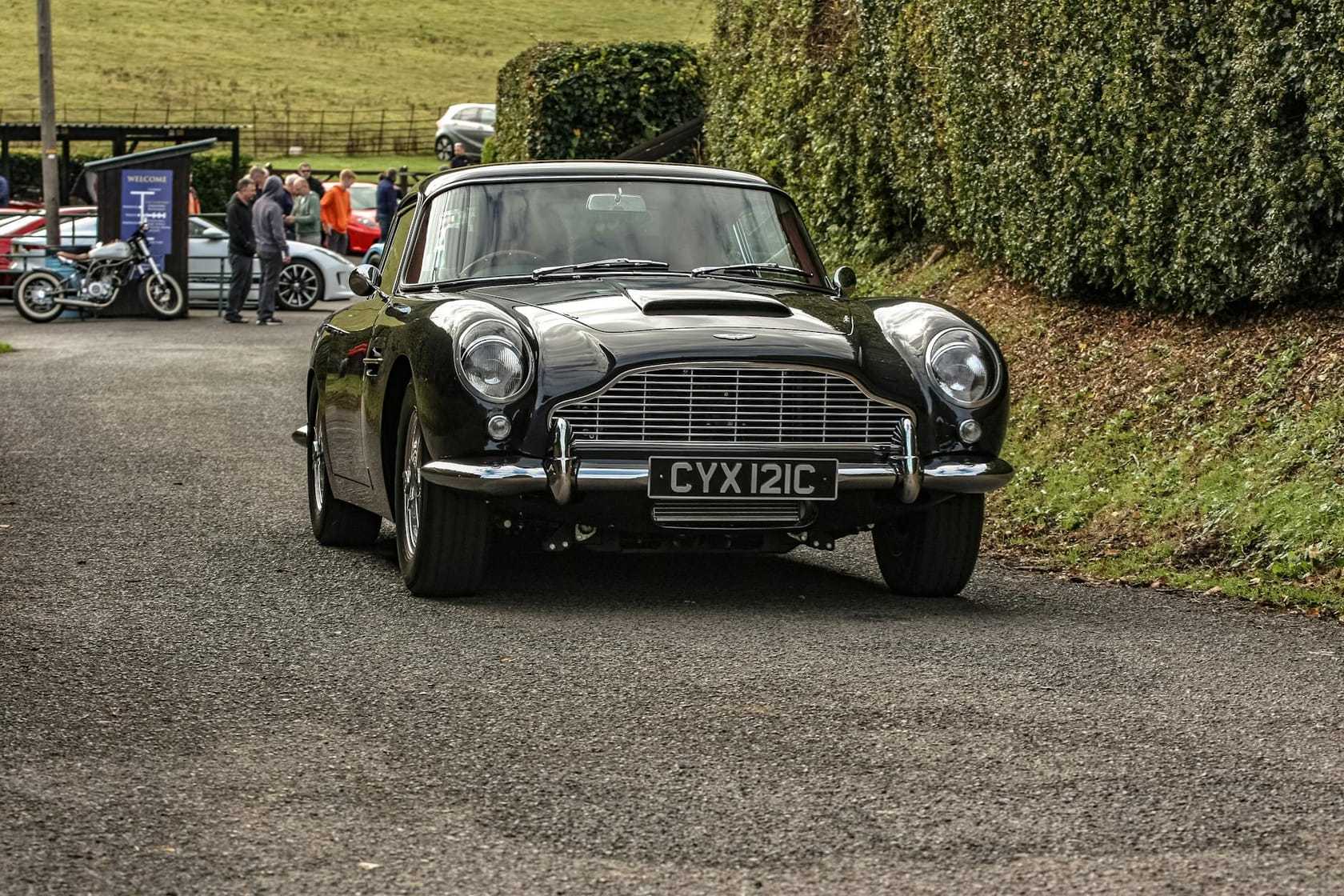
At a glance
- Years
- 1963–1965
- Body styles
- Two-door saloon, convertible; 12 shooting brakes
- Drivetrain
- Front engine, rear-wheel drive; Superleggera construction
- Engines
- 3995cc Tadek Marek twin-cam six, triple SU (Vantage triple Weber)
- Power
- 282 bhp (314 bhp Vantage, claimed)
- Top speed
- Around 145 mph
- Trim levels
- Saloon, Vantage, Convertible; Harold Radford shooting brakes
- Production
- 887 saloons, 123 convertibles, 12 shooting brakes
- Assembly
- Newport Pagnell, Buckinghamshire
- Designer
- Touring of Milan lines, evolved from the DB4 Series 5
- Values
- Saloons from around £400,000; good cars £450,000-£600,000; convertibles and Vantages beyond
- The fame
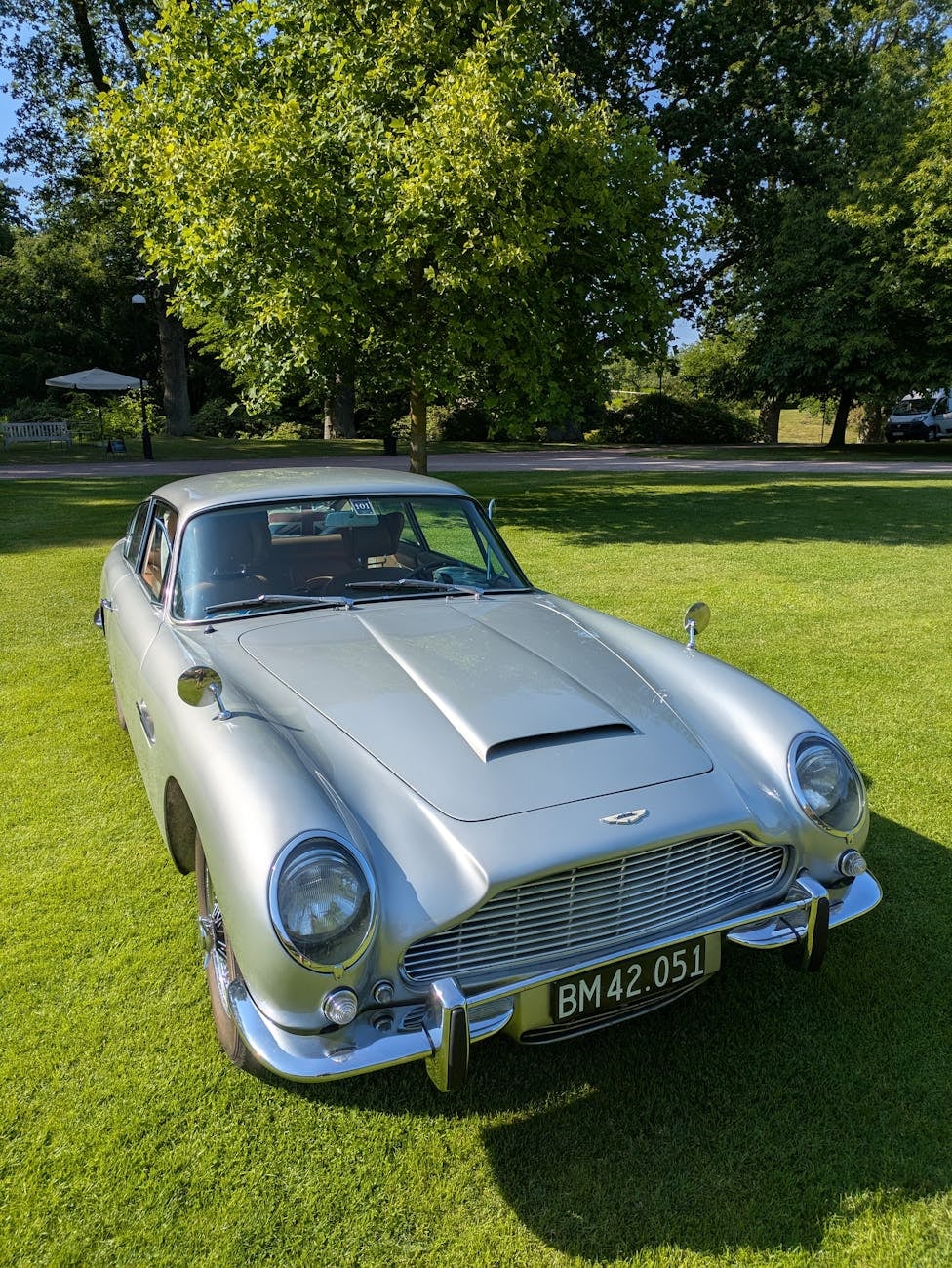
- Goldfinger, 1964: the silver birch DB5 became the most famous car in the world
- The scarcity
- 1,022 coupes and convertibles, hand-built in barely two years
The models
Some cars earn fame; one had it thrust upon it so completely that the car and the myth became inseparable. The Aston Martin DB5 of 1963 was the DB4 perfected, 4.0 litres, 282 bhp, hand-built at Newport Pagnell in barely a thousand copies, and then Goldfinger happened, and the silver birch Aston Martin with the BMT plates became, by common consent, the most famous car in the world. Six decades later the DB5 leads the British collector market, and the myth shows no sign of tiring.
The 4.0-litre finishing touch
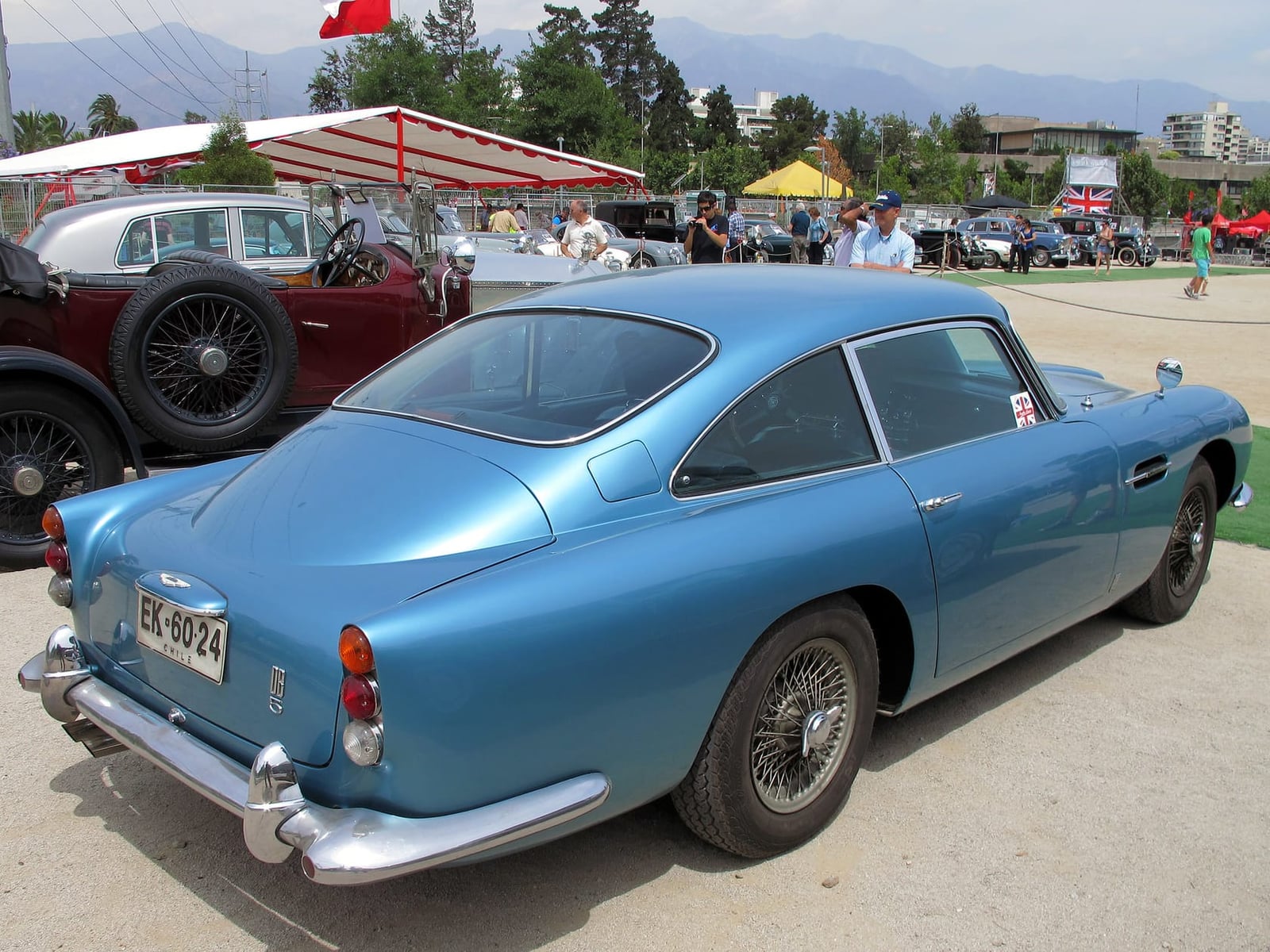
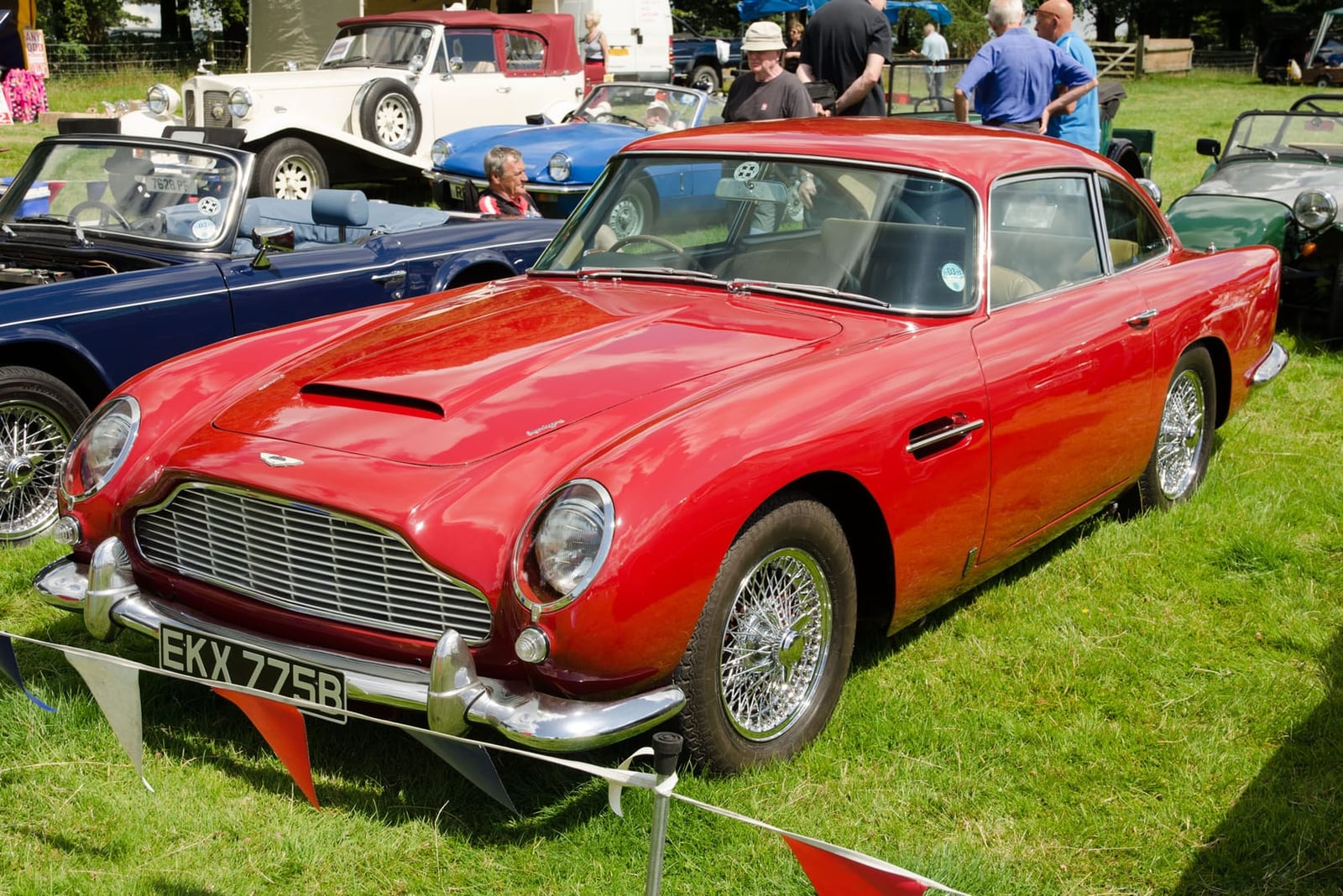
The DB5 arrived in 1963 as evolution executed perfectly: Marek’s six bored to 3,995cc for 282 bhp, a five-speed ZF gearbox soon standard, the faired headlamps of the last DB4s adopted wholesale, and luxury details, electric windows, optional air conditioning, that matched the price to the promise. Touring’s Superleggera construction continued underneath, and Newport Pagnell’s craftsmen built each car by hand: 887 saloons, 123 convertibles and 12 Radford shooting brakes in just two years before the DB6 took over. Scarcity was built in from the start.

Goldfinger: the accident of immortality
The film partnership began as product placement reluctantly granted: Eon borrowed a DB5 for 1964’s Goldfinger, the effects department fitted ejector seat, Brownings and revolving number plates, and cinema found its most famous car. Thunderball renewed the contract, the toy industry did the rest, and the DB5 became global shorthand for British glamour, revisited by the Bond films across the decades since. The surviving promotional car sold for around 6.4 million dollars in 2019; the original gadget car, stolen in 1997, remains the collector world’s favourite unsolved mystery. No marketing budget ever bought immortality so cheaply.

Radford brakes and the coachbuilt margins
The DB5’s rarest forms came from the edges of the catalogue. Harold Radford’s shooting brakes, twelve cars converted with the factory’s blessing after David Brown wanted somewhere for his dogs, gave the DB5 an estate tail and the collector market a unicorn, trading in seven figures whenever one surfaces. The 123 convertibles, built before the Volante name existed, carry their own premium as the last open Astons without it. And the Vantage engine option, triple Webers and a claimed 314 bhp, marks out the driver’s cars within an already scarce population. Every variant multiplies the base car’s arithmetic; none of them was built in numbers that satisfy today’s demand.
What a DB5 is like to drive
Strip away the fame and a very fine grand tourer remains: the 4.0 six delivers its 282 bhp with a hard-edged surge and a soundtrack of cams and triple SUs, the ZF five-speed gives long-striding legs, and the chassis balances heavy, honest steering against genuine 145 mph stability. The Vantage engine adds Webers and urgency for the committed. It is vintage-shaded GT motoring of the highest period class, demanding enough to reward skill and civilised enough for the touring its buyers actually did, exactly the duality the films sold.

Living with half a million pounds
DB5 ownership today is stewardship with a social calendar: most cars divide their year between specialist care, climate-controlled storage and the summer circuit of concours lawns, tours and Goodwood, where a DB5 outranks nearly anything parked beside it. The specialist ecosystem is the deepest in the British classic world, the heritage operation traces and supplies every chassis, and the engineering remains honest enough that well-kept cars genuinely drive the continental tours their owners enter. The running-cost rule is the family’s: everything is available and everything is priced like the car, which is why the invoice file trades almost as hard as the metal above it.
Buying a DB5 today
At half a million pounds the checklist is institutional: factory build records and matching numbers first, continuous history second, and structural honesty in the Superleggera tube frame beneath the aluminium, assessed by the marque specialists whose restorations define the market’s upper bands. Convertibles and Vantage engines carry premiums; originality of colour and trim increasingly matters; and any Bond-history claim demands forensic verification. The heritage operation can trace every chassis, the specialist houses know most cars personally, and no purchase at this level should proceed outside that paper world.
Where the DB5 sits in the market
The 1960s produced faster exotics and rarer ones, but none with this reach into global culture, and the market has charged for the difference for sixty years without ever changing its mind. The full record, 208 recorded sales with the convertible at twice the coupe and a £278,000 gap to the mechanically similar DB6, is on the page covering what a DB5 sells for.
What that record makes plain is how little of the DB5’s premium is mechanical. It shares its 4-litre six, its Superleggera construction and most of its running gear with the DB6 that followed and the DB4 that came before, and it sits well above both. The DB4 did the harder engineering; the DB6 made the car more usable. The DB5 was in Goldfinger, and sixty years later that is still the difference.
More photos
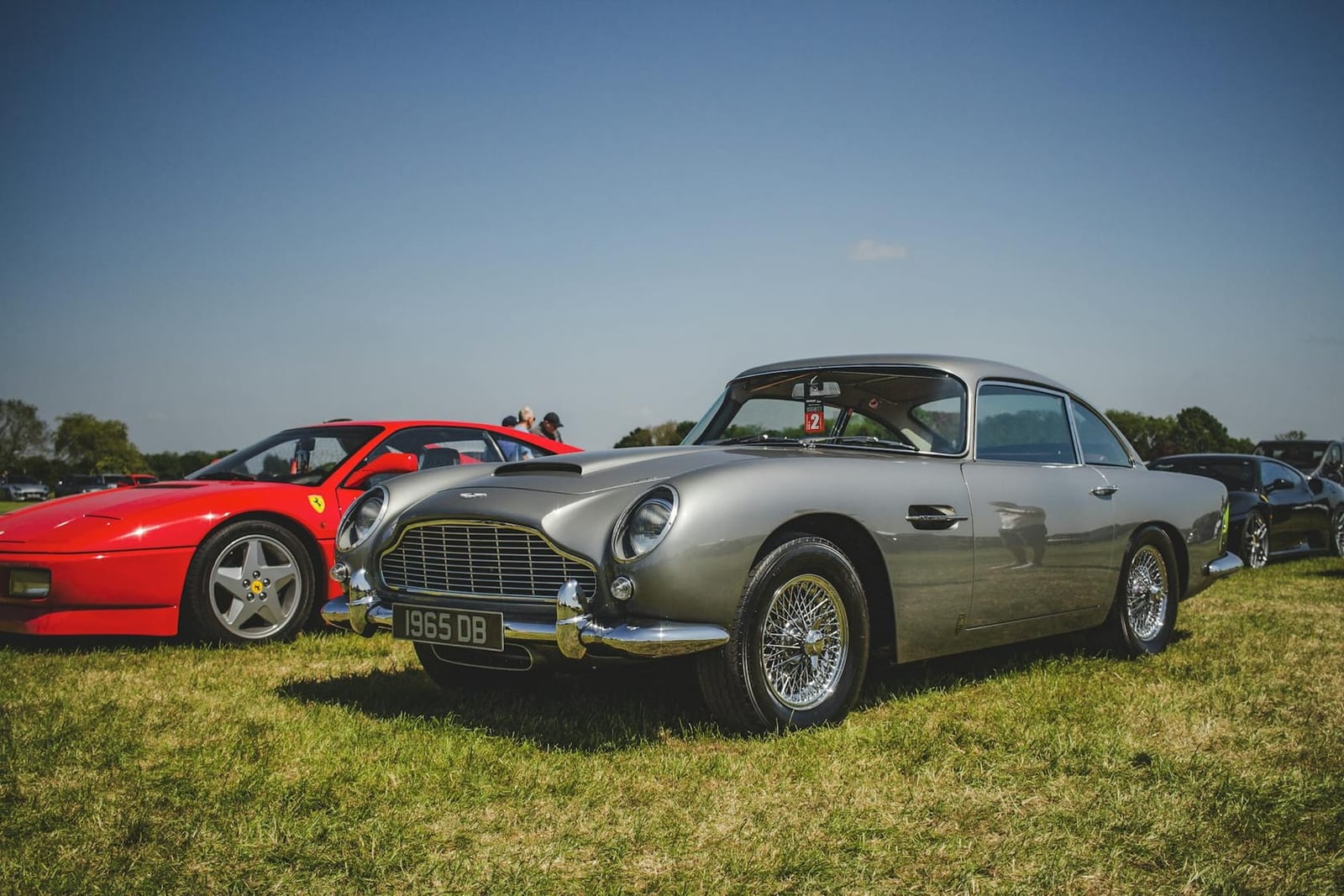
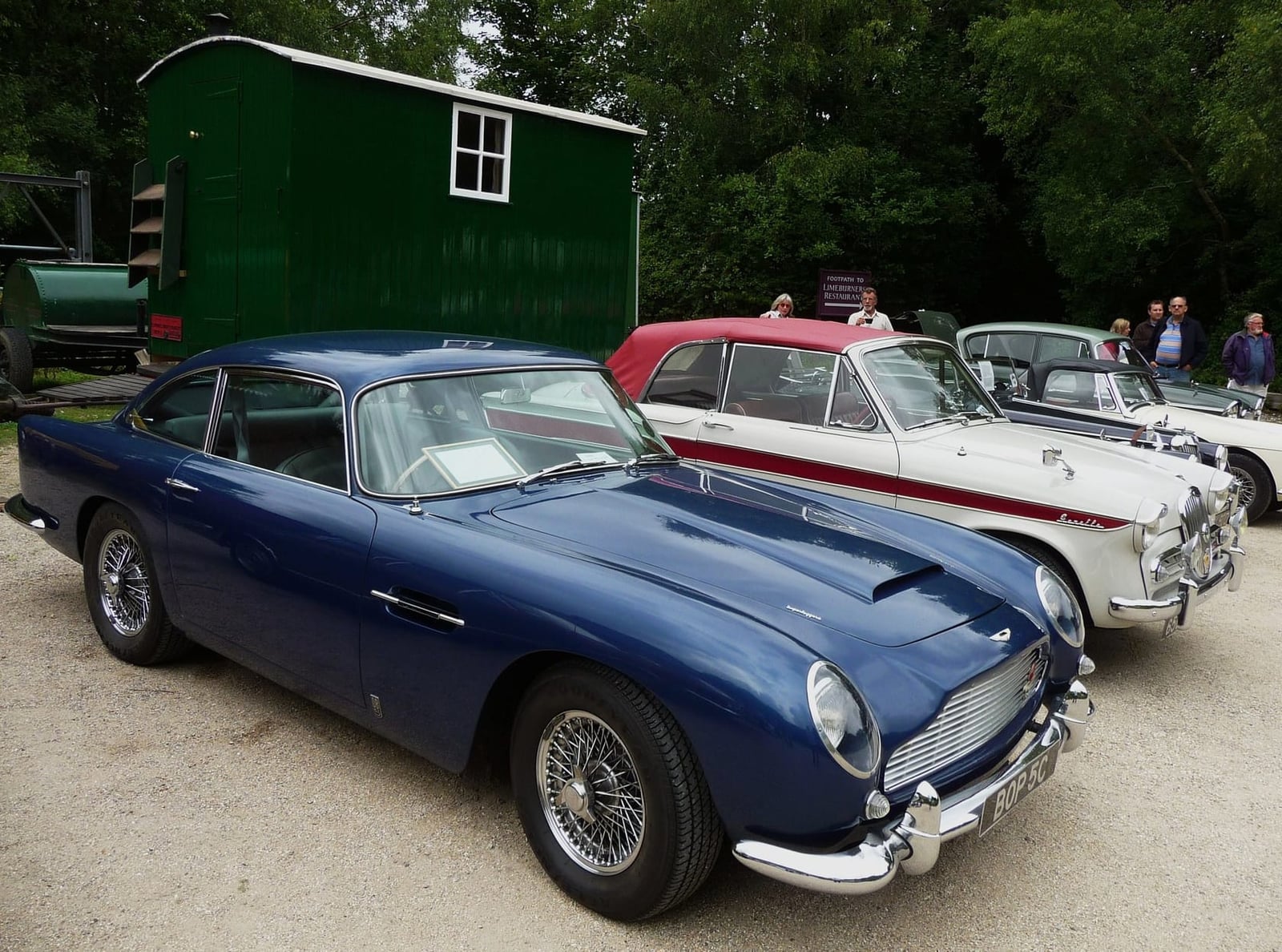
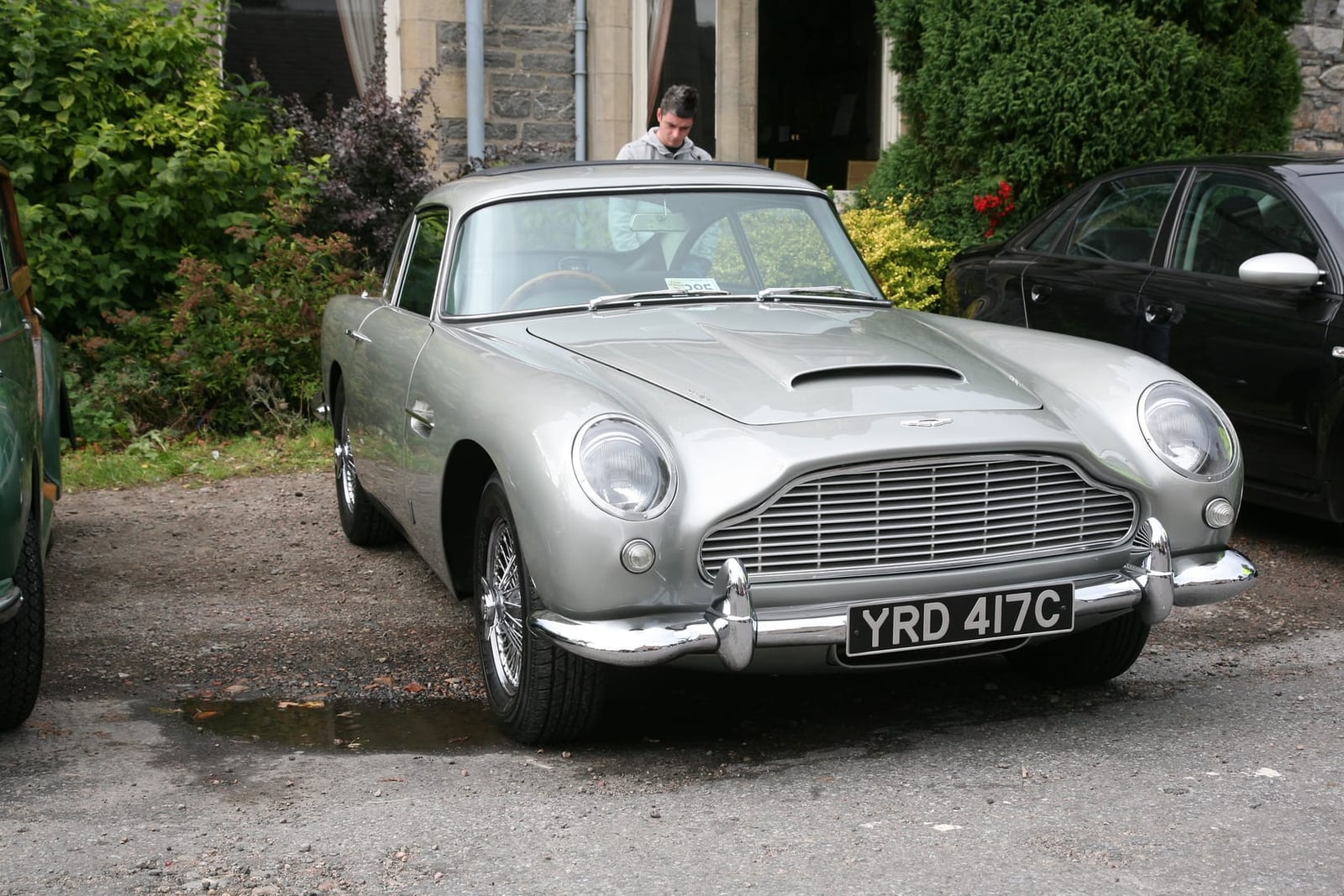
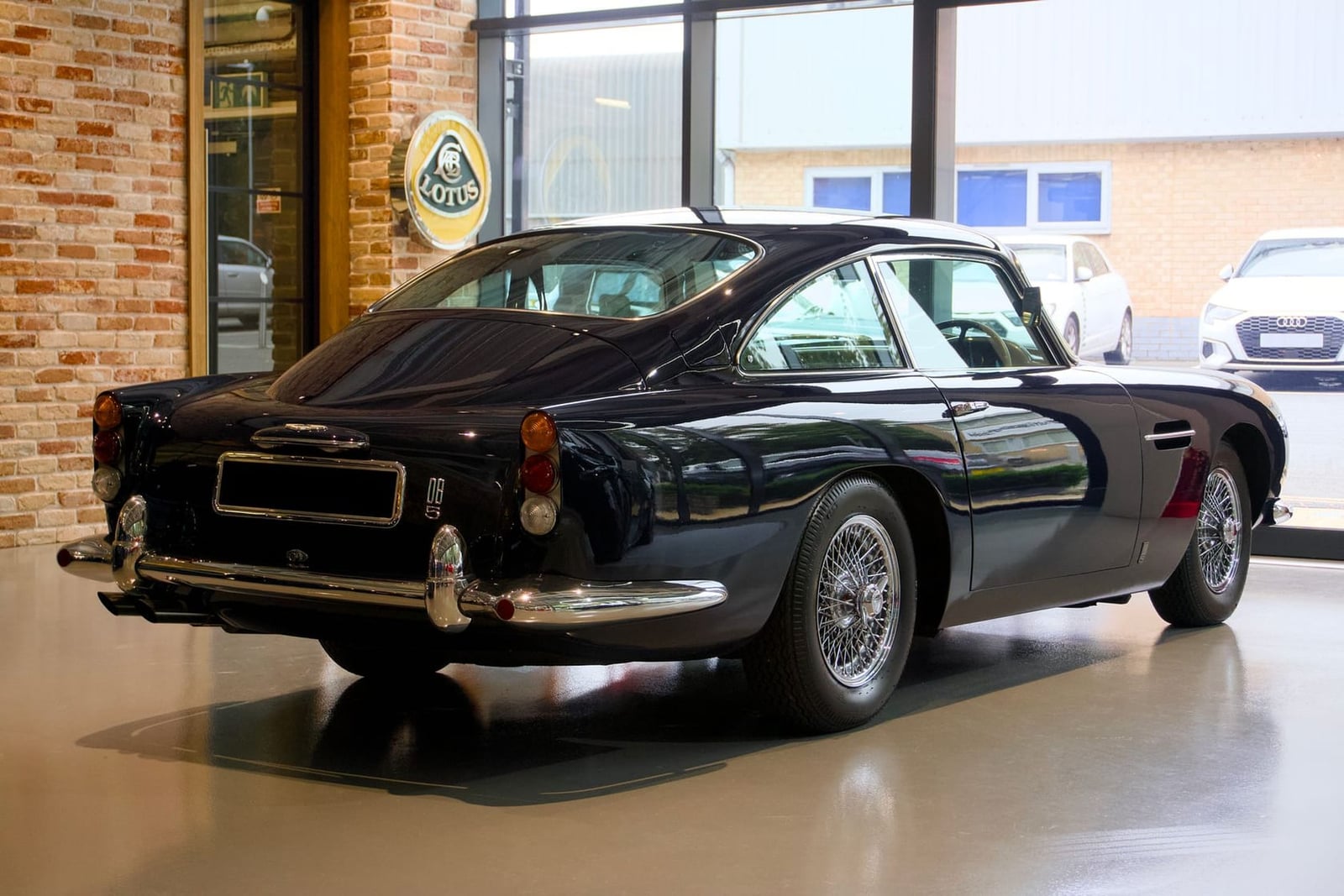
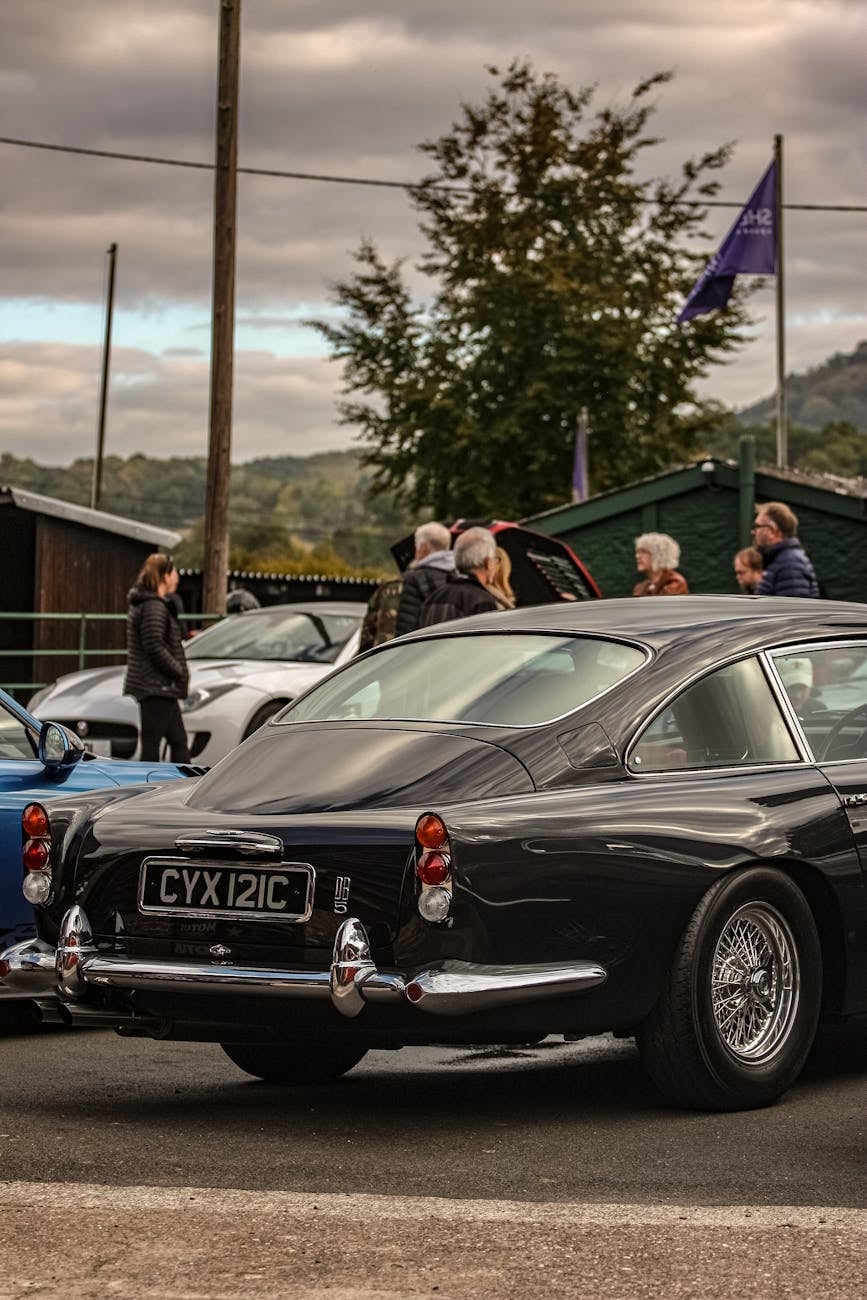
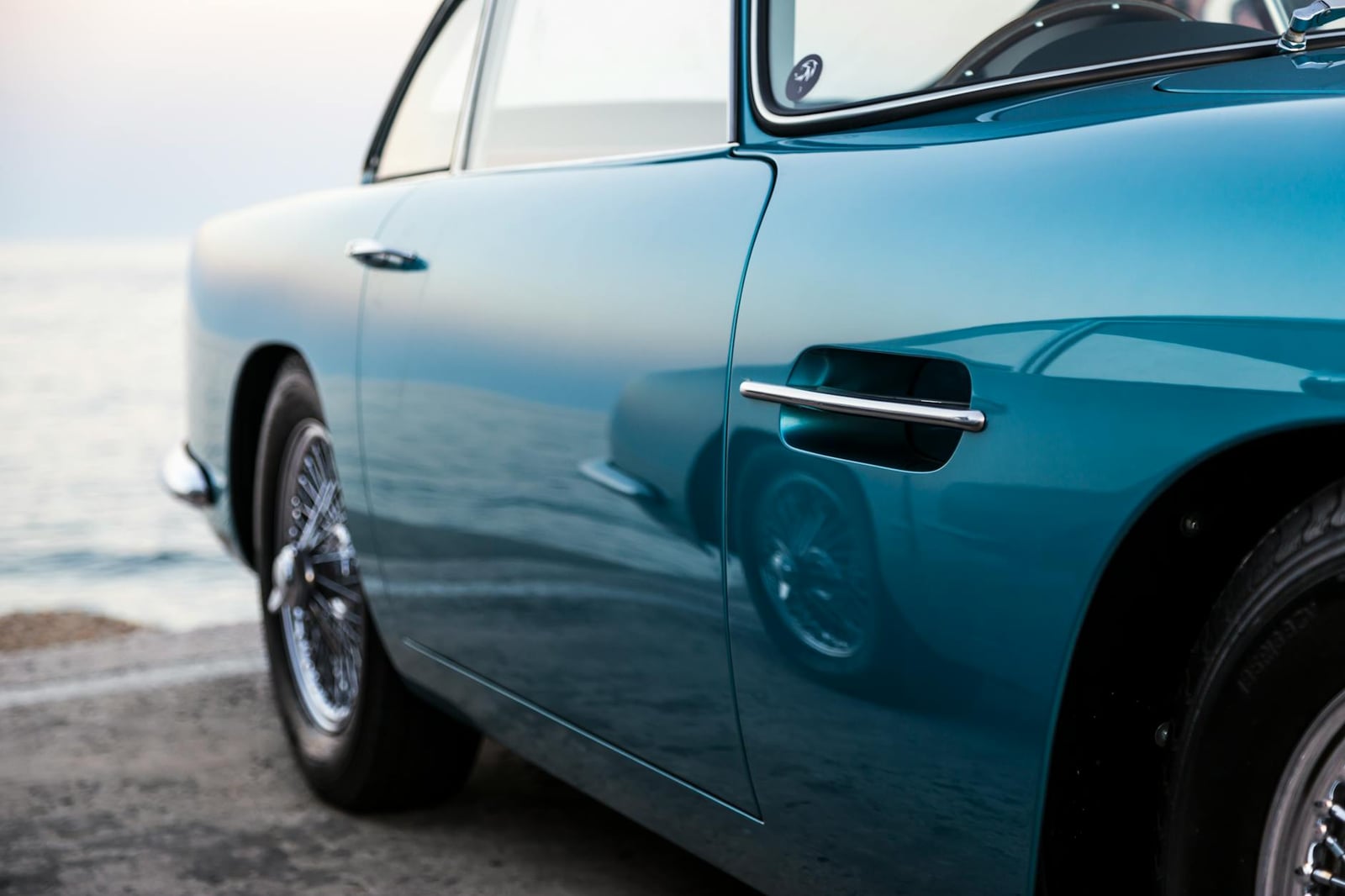
The DB5 timeline
- 1963Launched as the DB4 evolved: Marek's six bored to 3,995cc for 282 bhp, faired headlamps adopted wholesale, electric windows and optional air conditioning.
- 1964Eon borrows a DB5 for Goldfinger and fits ejector seat, Brownings and revolving plates; cinema finds its most famous car.
- 1964A five-speed ZF gearbox becomes standard; Harold Radford converts twelve shooting brakes with the factory's blessing after David Brown wants somewhere for his dogs.
- 1965Production ends after barely two years at 887 saloons, 123 convertibles and 12 shooting brakes; the DB6 takes over.
- 2019The surviving promotional car sells for around 6.4 million dollars; the original gadget car, stolen in 1997, is still missing.
Buying checklist: the DB5 in front of you
Paperwork, which comes first
- Factory build records and matching numbers before anything else
- Continuous documented history, since the invoice file trades almost as hard as the metal
- The heritage operation can trace every chassis and the specialist houses know most cars personally
- Bond-history claims need forensic verification, not anecdote
Structure
- Superleggera tube-frame corrosion hides beneath flawless aluminium
- Assessment by the marque specialists whose restorations define the market's upper bands
- Originality of colour and trim increasingly matters to value
- Restoration quality is priced directly into every band, so who did the work is part of the purchase
Specification
- Vantage engines, triple Webers and a claimed 314 bhp, carry a documented premium
- The 123 convertibles predate the Volante name and carry their own premium
- The twelve Radford shooting brakes trade in seven figures whenever one surfaces
- Confirm the ZF five-speed is the car's own, since early cars had a different box
What the Aston Martin DB5 sells for at auction
In 2025 the median Aston Martin DB5 sold for £535,277 across 8 sales, 9% down on 2024. In real terms, typical Aston Martin DB5 prices were down about 24% over the five years to 2025, once inflation is accounted for.
| Variant | Sold | Typical range | Median |
|---|---|---|---|
| DB5 | 162 | £259,100 - £574,706 | £433,750 |
| DB5 Convertible | 21 | £632,800 - £1,294,470 | £910,600 |
| DB5 Vantage | 14 | £444,260 - £823,029 | £726,407 |
Show the year-by-year mediansHide the year-by-year medians
| Year | Sold | Median | In 2025 money |
|---|---|---|---|
| 2026 (so far) | 4 | £896,061 | |
| 2025 | 8 | £535,277 | £535,277 |
| 2024 | 11 | £588,695 | £611,286 |
| 2023 | 16 | £519,211 | £557,163 |
| 2022 | 10 | £470,500 | £538,830 |
| 2021 | 14 | £586,304 | £724,999 |
| 2020 | 9 | £552,589 | £700,251 |
| 2019 | 11 | £636,600 | £814,942 |
| 2018 | 9 | £743,000 | £967,302 |
| 2017 | 11 | £830,300 | £1,105,998 |
| 2016 | 6 | £560,394 | £765,688 |
| 2015 | 11 | £595,100 | £821,238 |
| 2014 | 11 | £449,500 | £622,801 |
| 2013 | 13 | £332,500 | £467,261 |
| 2012 | 13 | £287,903 | £413,861 |
| 2011 | 11 | £263,200 | £388,051 |
| 2010 | 14 | £209,000 | £320,111 |
| 2009 | 5 | £205,545 | £322,699 |
| 2008 | 3 | £106,769 | £170,929 |
| 2007 | 6 | £154,554 | £256,044 |
| 2006 | 7 | £95,000 | £161,057 |
- £1,024,912DB5 Convertible
- £792,500DB5
- £848,750DB5 Shooting Brake
- £943,372DB5
- £828,072DB5 Vantage
Reasonable evidence. 208 recorded sales: enough for the range to mean something, though a few unusual cars can still move a single year's median. Based on 208 sold results from public classic car auctions (1998 to 10 August 2026). Sold prices, not asking prices, and not a valuation: condition, history and specification vary from car to car. Inflation-adjusted figures use the ONS CPIH index, in 2025 money.
Frequently asked questions
Why is the Aston Martin DB5 the James Bond car?
What is the difference between the DB4 and DB5?
How many Aston Martin DB5s were built?
What happened to the original James Bond DB5?
How much does an Aston Martin DB5 sell for?
What is the most expensive Aston Martin DB5 ever sold at auction?
How often does an Aston Martin DB5 come up for sale?
Related across themes
Recently added

Ford Capri vs Escort Mk2: the same engines in two different bodies, and the plain saloon now costs more

Aston Martin DB4: the car that made Newport Pagnell immortal (1958–1963)

Jaguar E-Type vs Austin-Healey 3000: the two big British sixes, and what the auction record says about each
