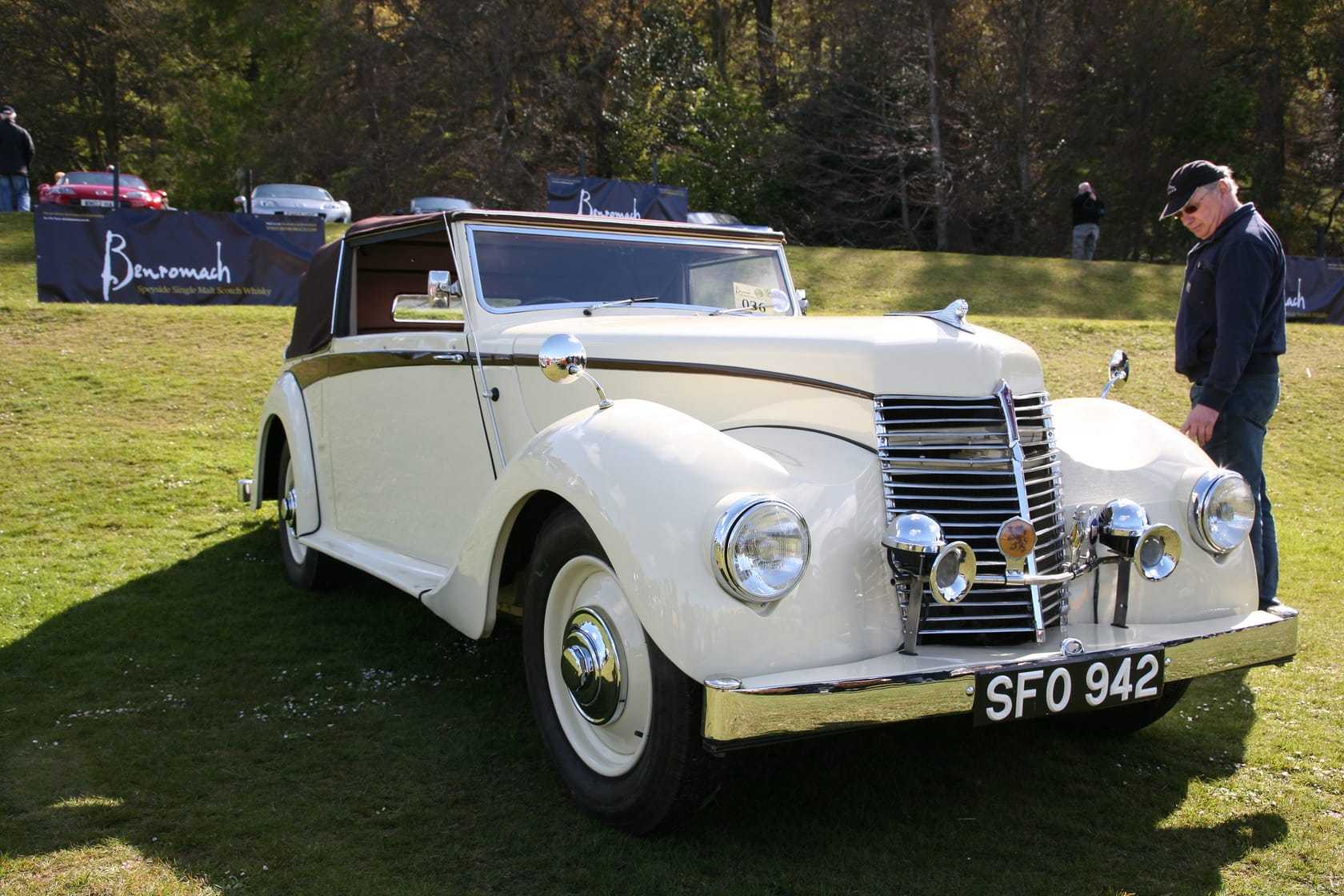
Coventry built one company that measured cars by aircraft standards because it built the aircraft too. Armstrong Siddeley put its recumbent Sphinx mascot on four decades of dignified, superbly made motor cars, named the post-war range after its own warplanes, and bowed out in 1960 with the Star Sapphire, a genuine Rolls-Royce rival killed by boardroom priorities rather than buyers. The survivors offer hand-built British luxury at prices that make no obvious sense, which is exactly why the knowing quietly collect them.
Siddeley grandeur between the wars
Formed in 1919 from John Siddeley’s merger of car and aero interests, the marque built substantial, beautifully engineered cars for the professional classes and the far reaches of empire, from 30hp flagships to the popular sixteens and the pioneering Wilson pre-selector gearbox that became a company signature. The Sphinx promised silence and delivered it; the aero side, engines that powered much of British aviation, kept the standards honest and the company solvent through decades when car-only rivals failed.
Armstrong Siddeley at auction
What a classic Armstrong Siddeley sells for at auction
- Median sale, 2025
- £8,550 Up from £7,650 in 2021
- Sales in 2025
- 12 14 in 2020, the most we have recorded
- Sold when offered
- 78.3% Of the cars put up for auction since 2000
- The record
- £63,100 30hp, Bonhams, September 2015
The aircraft-named years
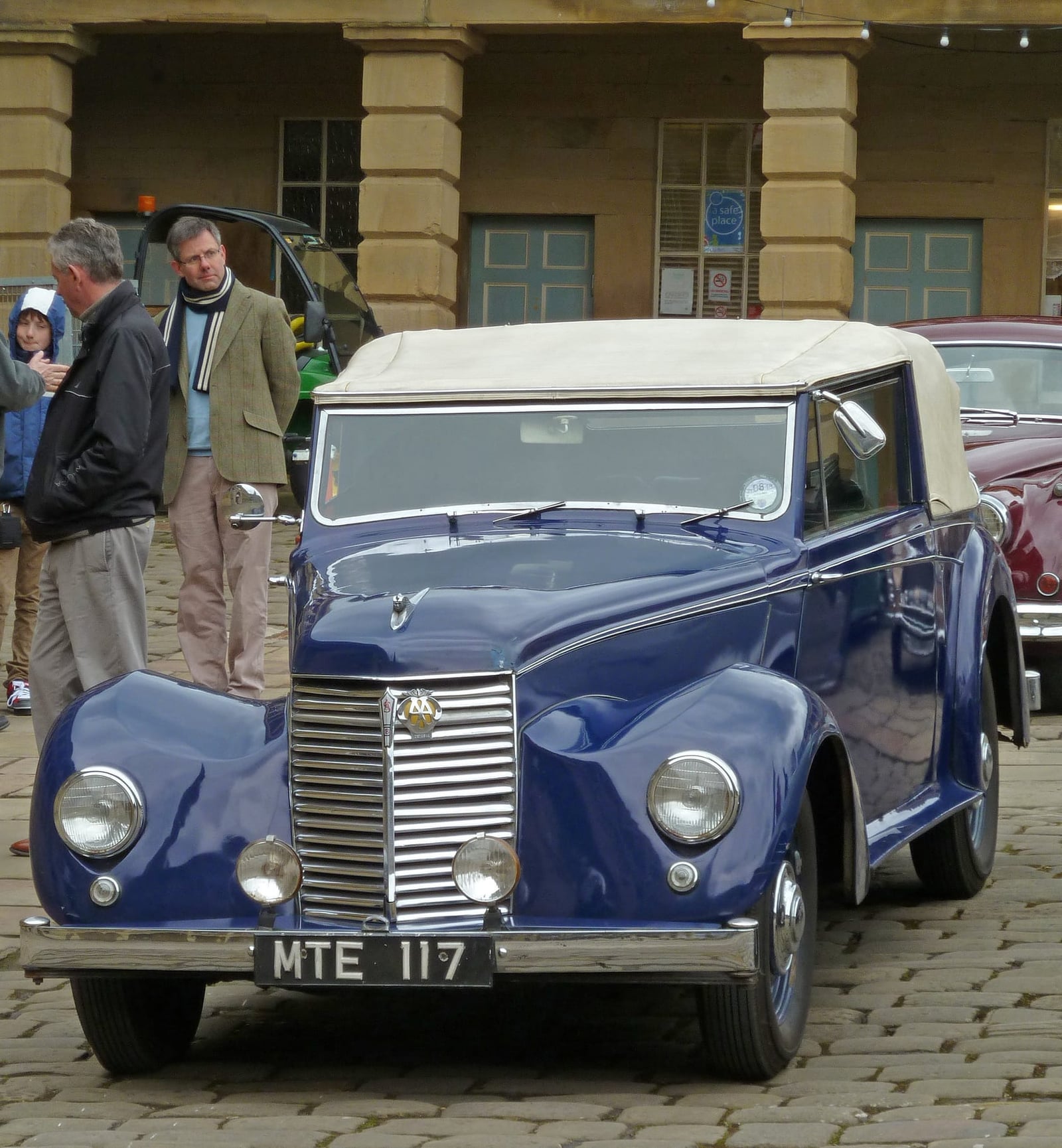
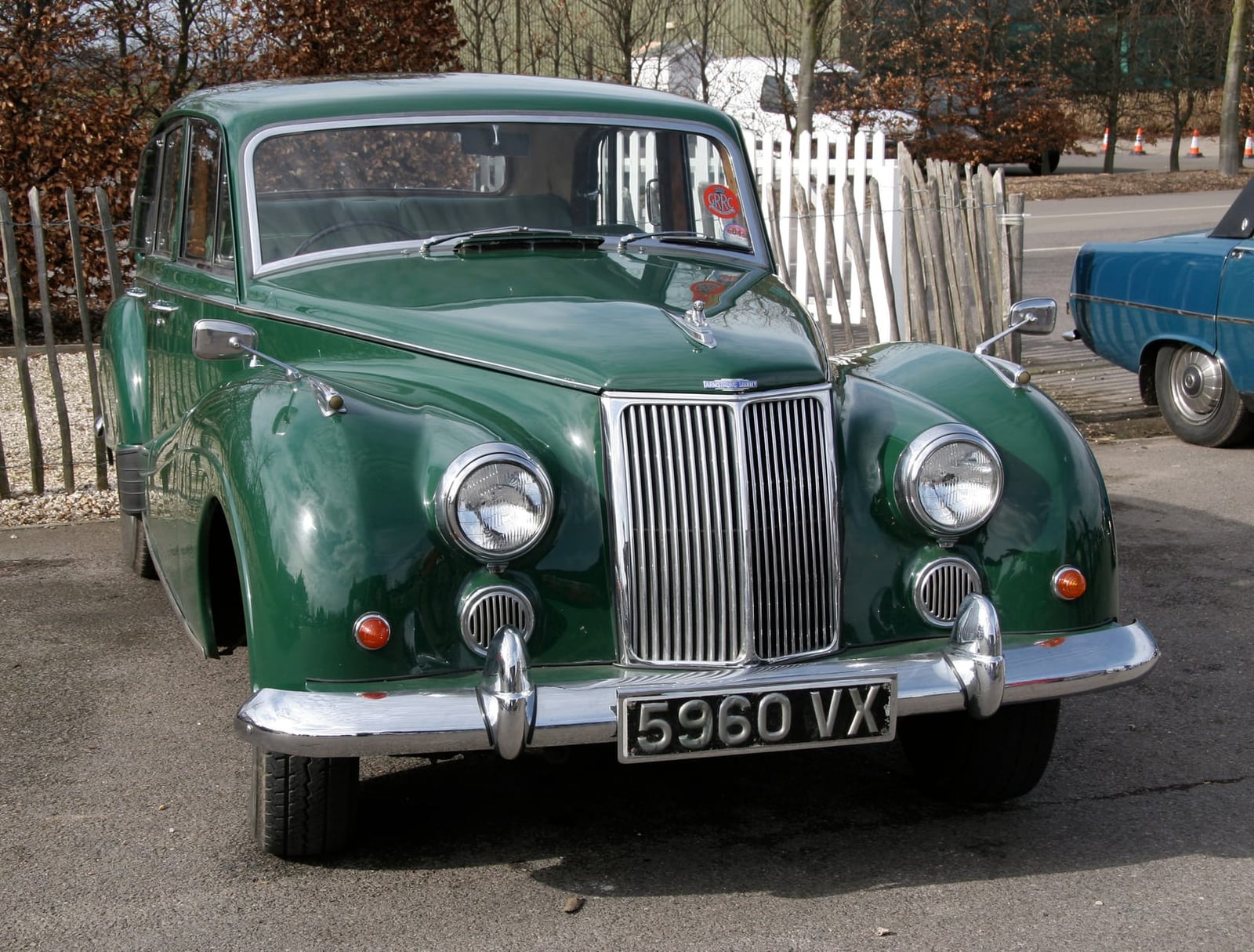
The company announced its post-war range on the day the war in Europe ended, and named it accordingly: the Lancaster saloon, Hurricane drophead, Typhoon coupe and Whitley carried bomber and fighter names their own factories had helped make famous. The cars matched the gesture with advanced touches, pre-selector or synchromesh transmissions, quality trim through austerity, and the Hurricane in particular gave Britain one of its most charming post-war dropheads. The 1952 Sapphire 346 then raised the game entirely, a 3.4-litre luxury saloon whose refinement pressed Bentley at two-thirds of the price.

Sapphire to Star Sapphire: the dignified finale
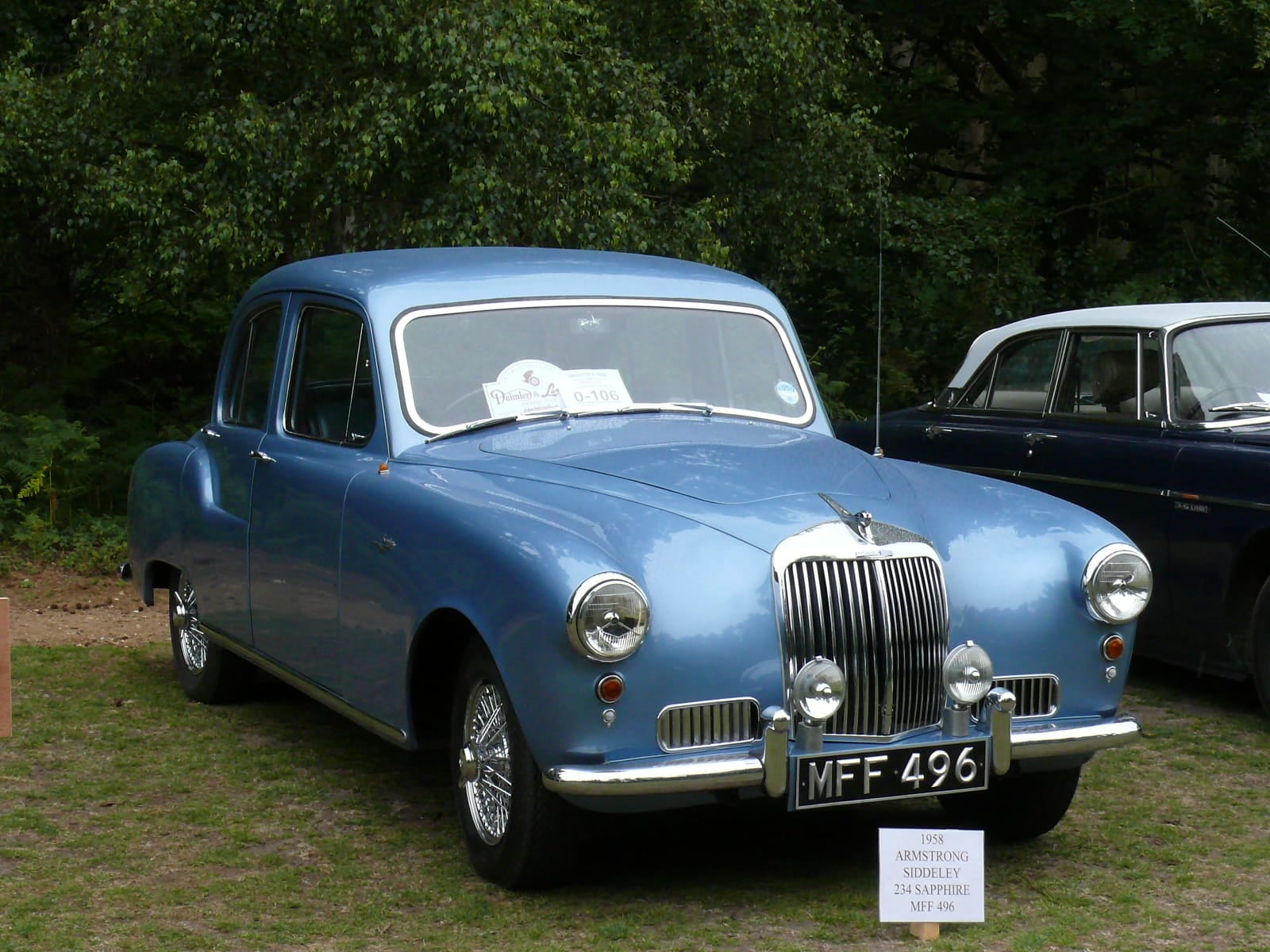
The fifties range spread from the compact 234 and 236 to limousine Sapphires, and culminated in the 1958 Star Sapphire: four litres, automatic transmission, disc brakes and coachwork of quiet magnificence. It deserved a long life and got two years; the parent group’s aero-engine consolidations of 1959–60 made cars expendable, and production ended in 1960 with the marque’s reputation intact and its followers bereft. The Sphinx retired undefeated, which collectors have been quietly exploiting ever since.

What an Armstrong Siddeley is like
These are cars of deep calm: pre-selector or automatic transmissions that suit their nature, engines tuned for silence, and interiors of leather, timber and craftsmanship that outlasted the company. The owners club is the model of the breed, with spares schemes, full records and the tooling to remake what wears out, so ownership is far more practical than the marque’s rarity suggests. Rust and completeness of the marque-specific fittings, Sphinx included, are the buying checks; everything else is patience and polish.

Values: dignity at a discount
One hundred and thirty measured sales at an £8,800 median is the gentlest pricing of any hand-built luxury marque this site tracks: honest saloons from £5,000, strong Sapphires £12,000 to £25,000, and Hurricanes and the coachbuilt pre-war cars from £15,000 into the £40,000s. Against an Alvis or a Bentley of equal quality the discount is startling, and it rests on nothing but fashion, which in the classic market is the one thing guaranteed to change.
More photos