What classic cars sell for
What British classics actually make when they change hands, taken from public auction results rather than asking prices: the median, the usual range and the way prices have moved, marque by marque and model by model.
- Recorded sales
- 58,016
- Marques covered
- 17
- Sales a year
- about 5,900
- Data to
- 10 August 2026
What each marque sells for
Dearest first, on one shared scale. Every row is a link to that marque's own page.
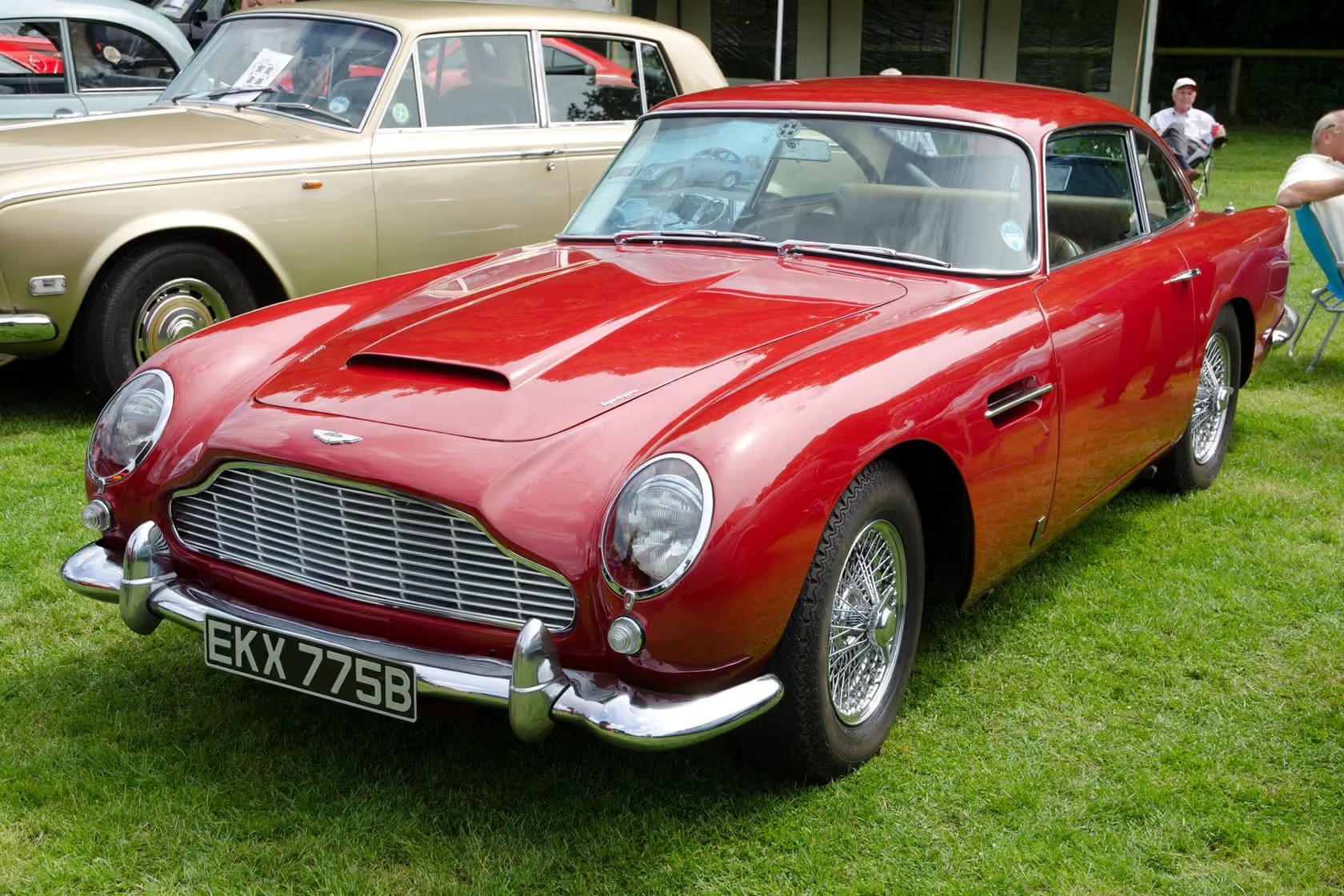 Aston Martin£133,988 median, usually £65,795 to £243,660
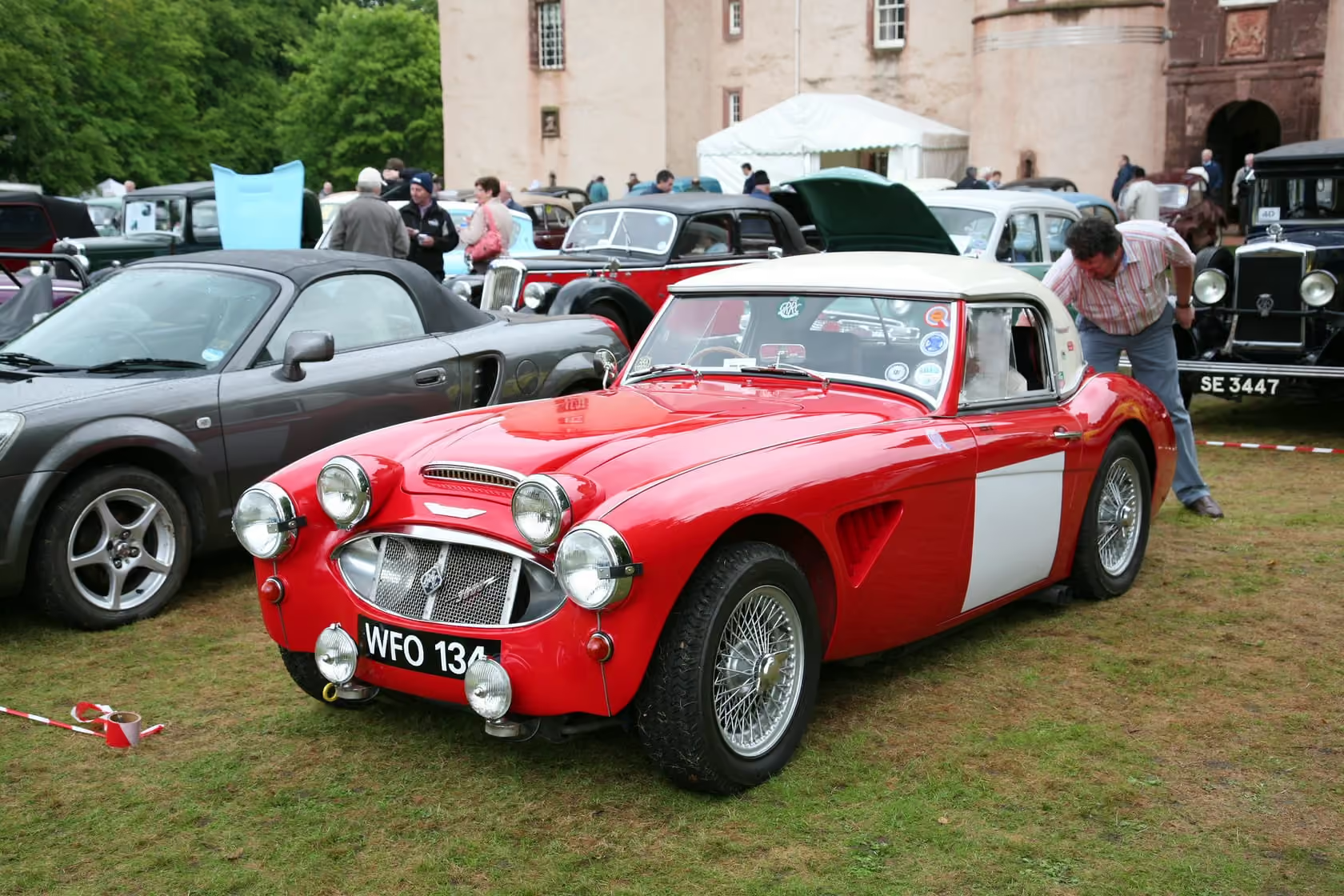 Austin-Healey£31,314 median, usually £16,365 to £45,580
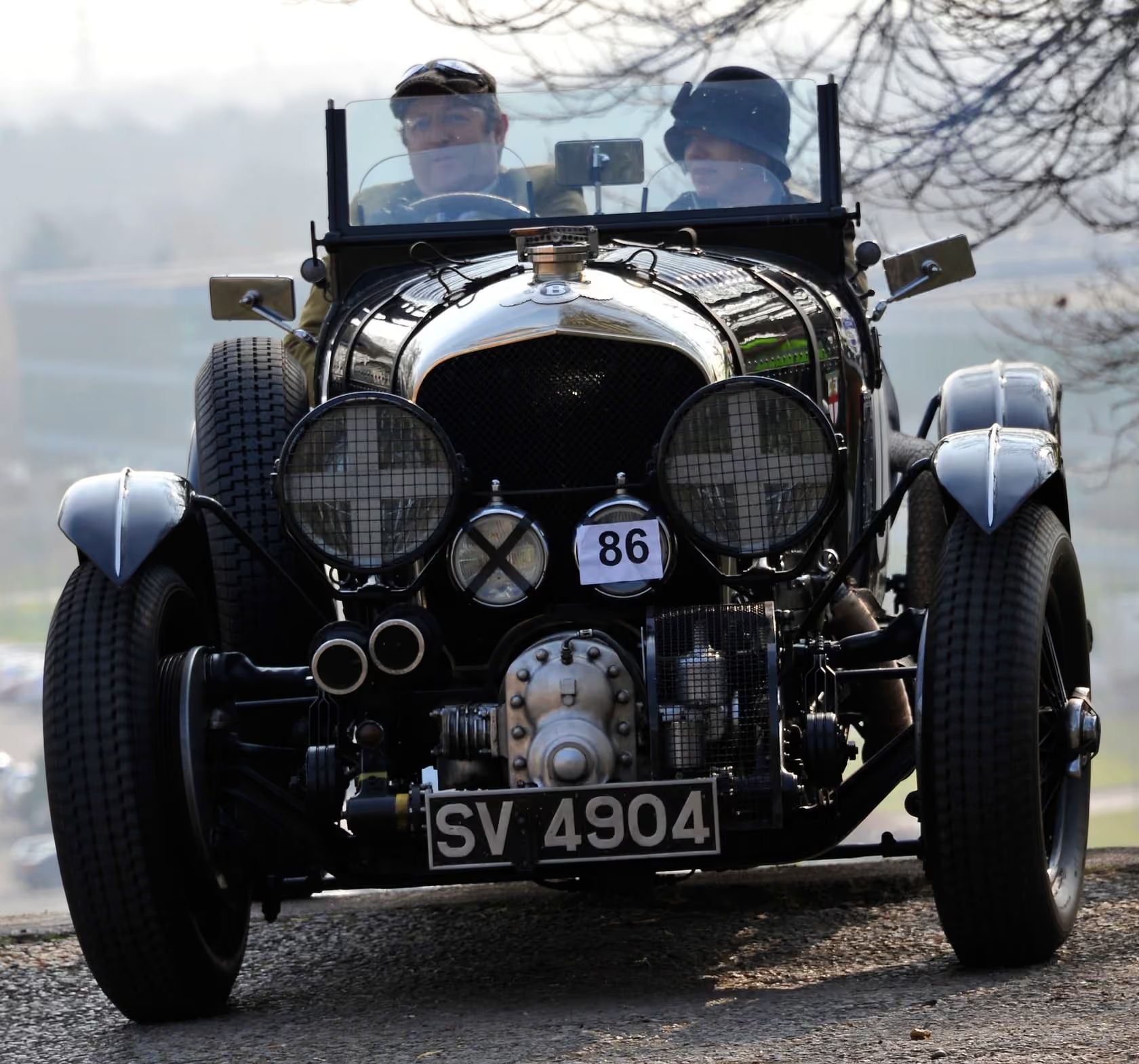 Bentley£28,125 median, usually £13,398 to £78,934
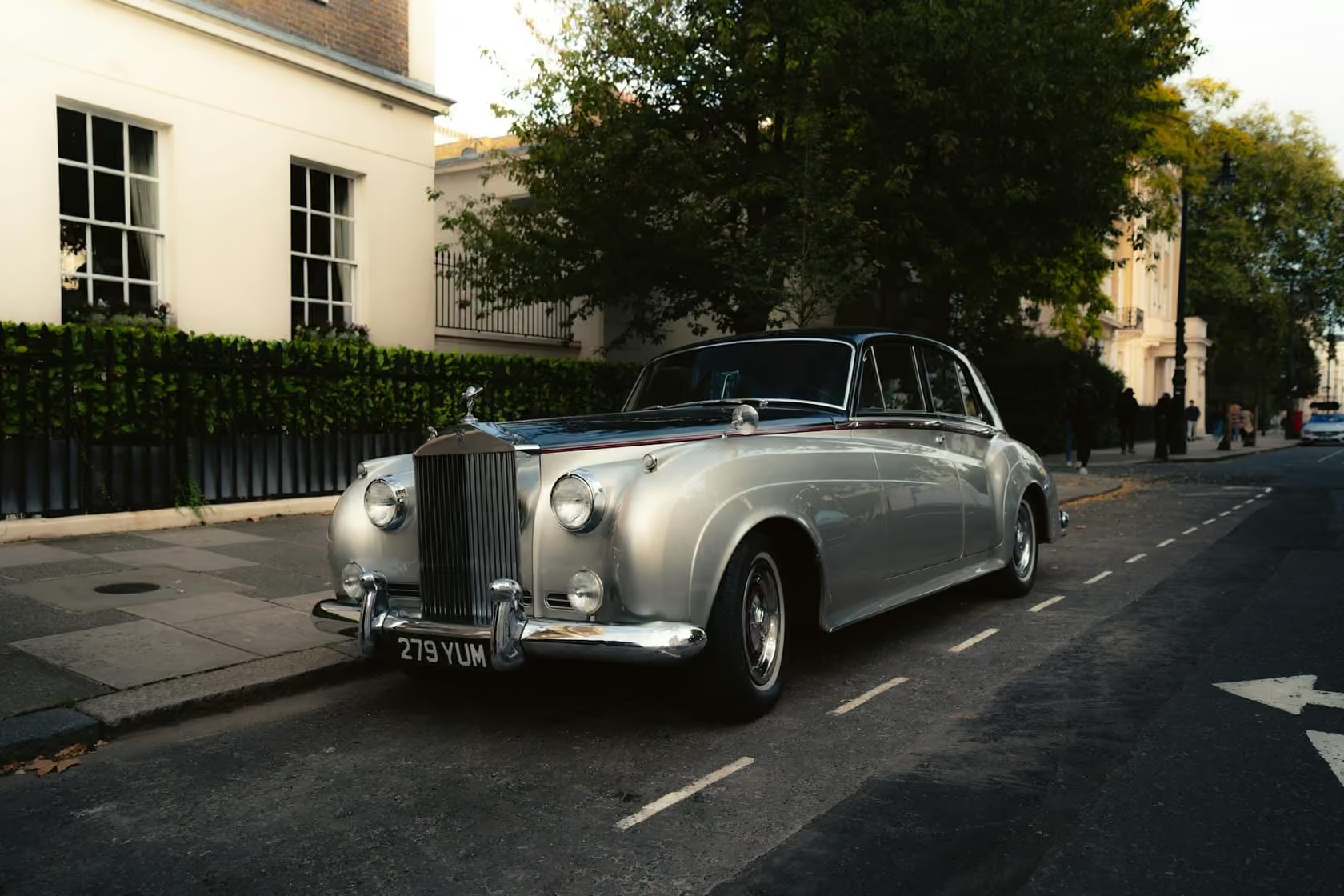 Rolls-Royce£27,600 median, usually £13,500 to £58,328
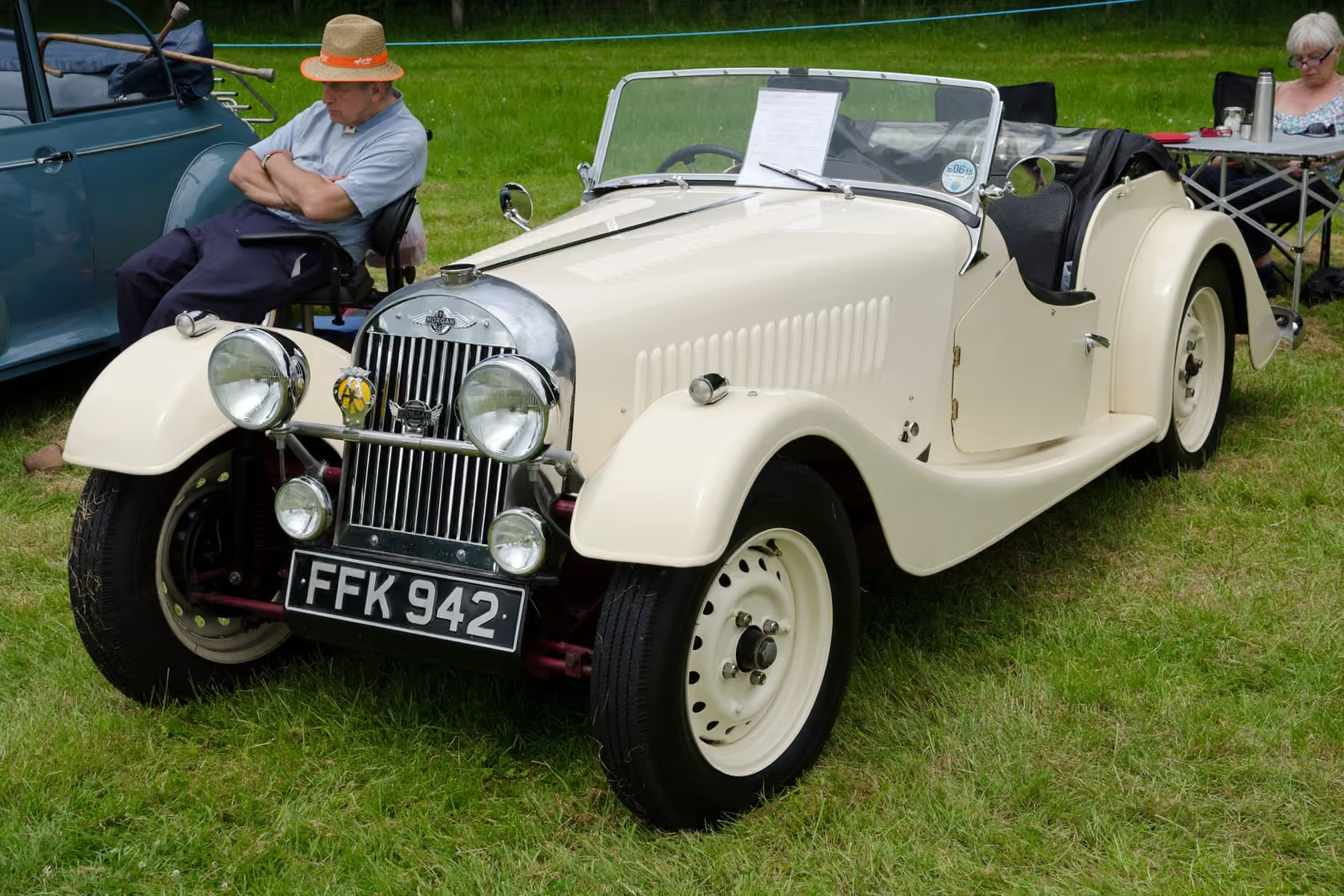 Morgan£22,627 median, usually £15,654 to £31,002
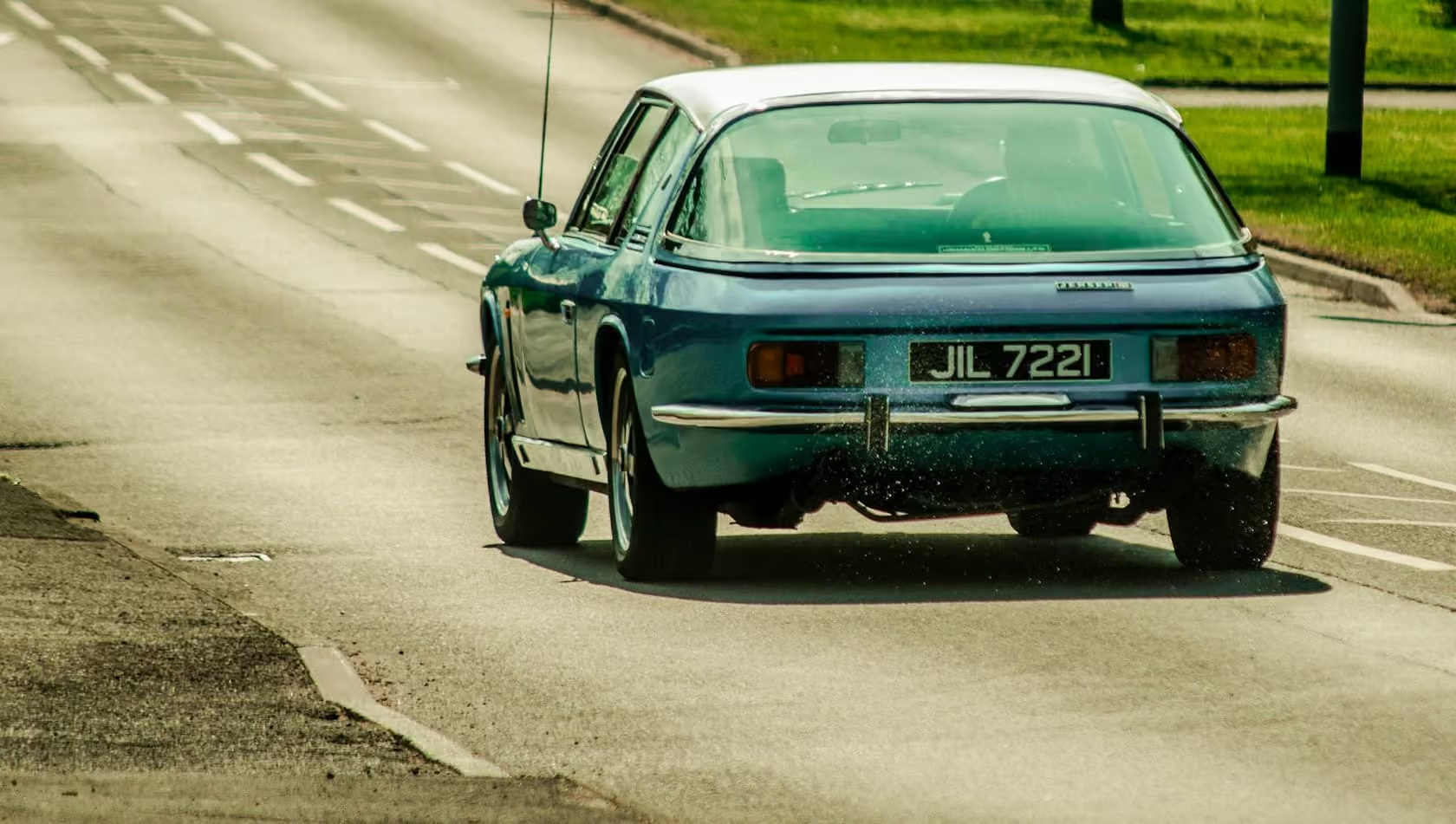 Jensen£22,400 median, usually £10,316 to £35,959
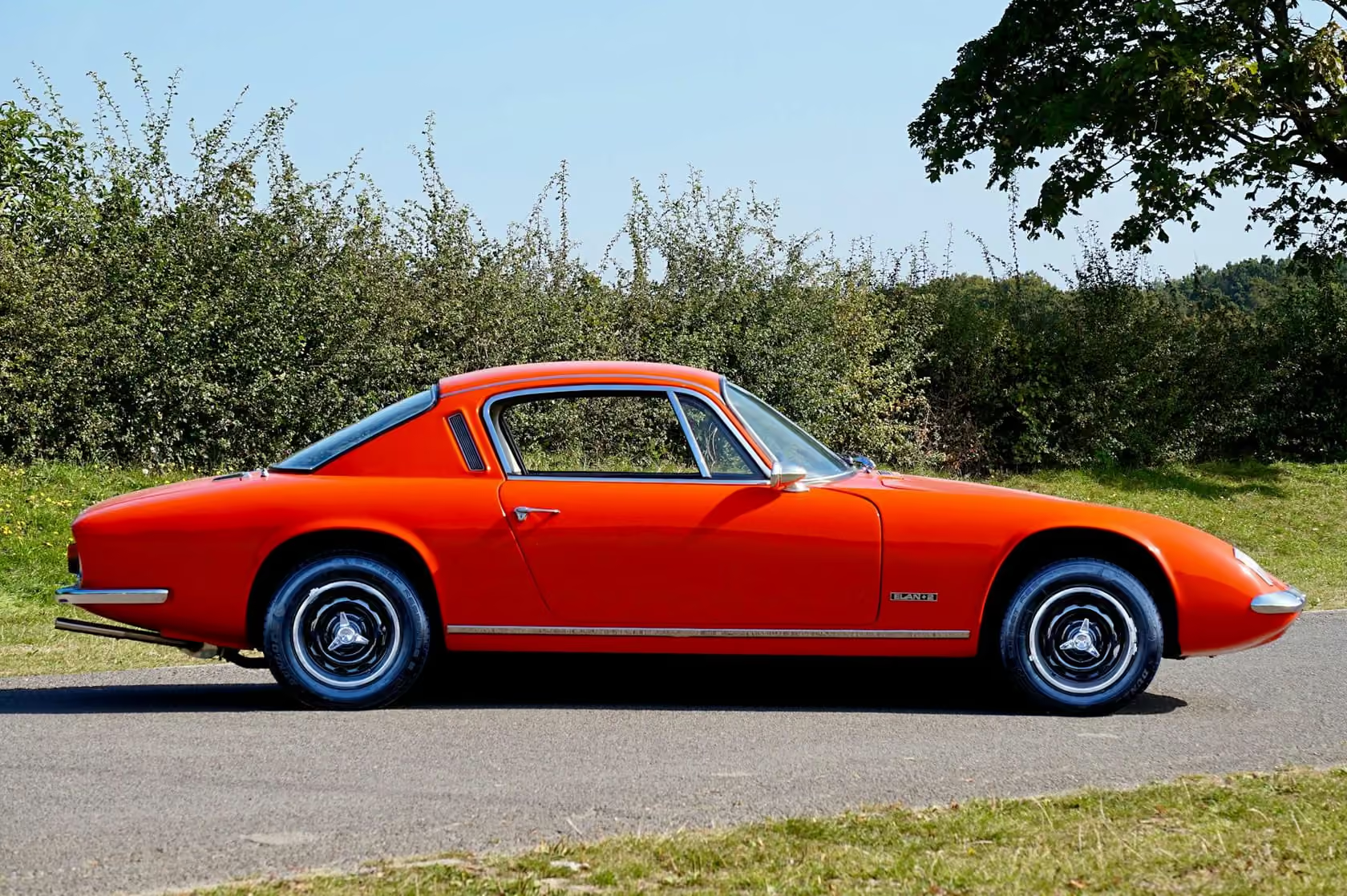 Lotus£21,848 median, usually £12,648 to £35,481
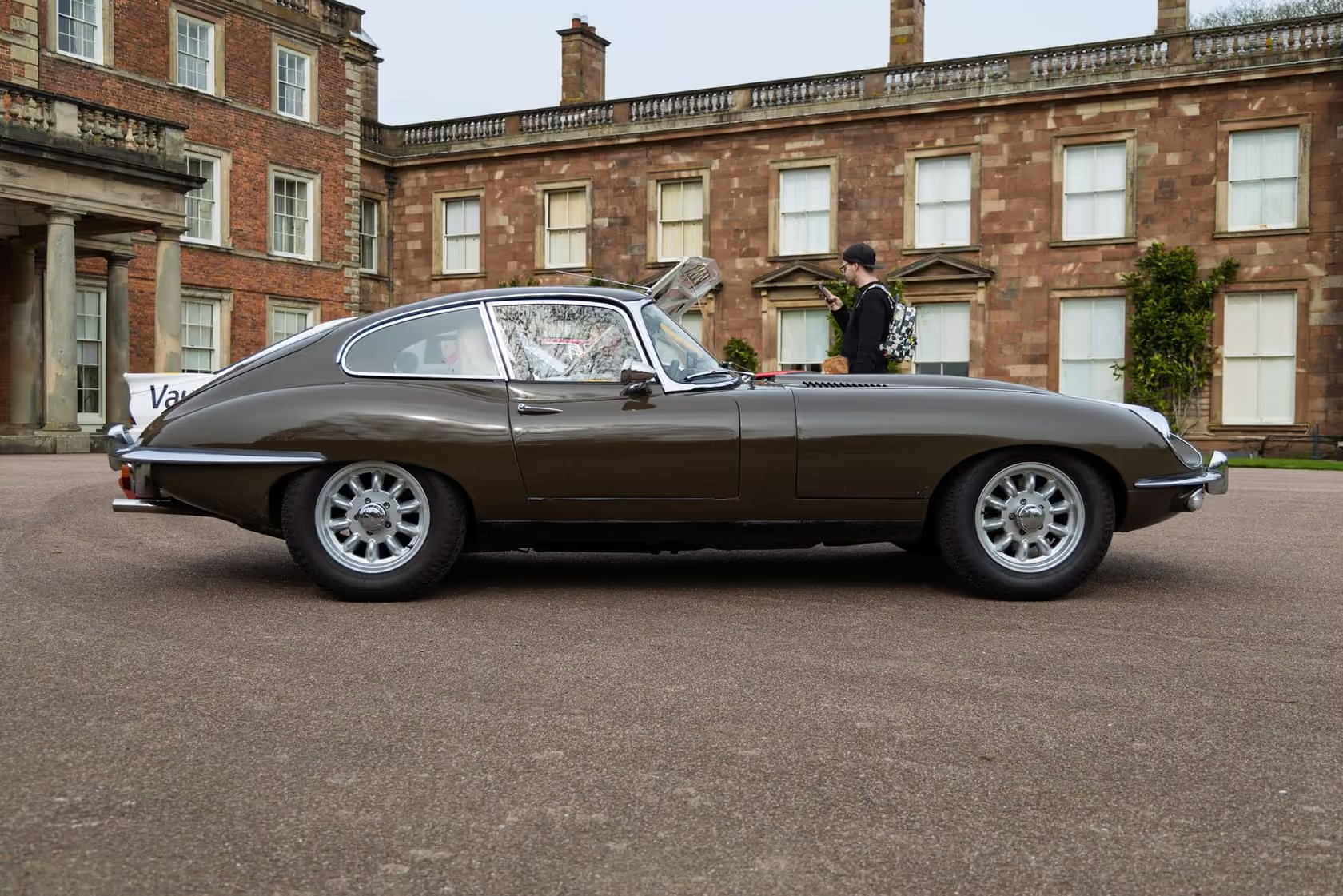 Jaguar£21,514 median, usually £8,180 to £57,375
 Land Rover£19,554 median, usually £10,125 to £35,380
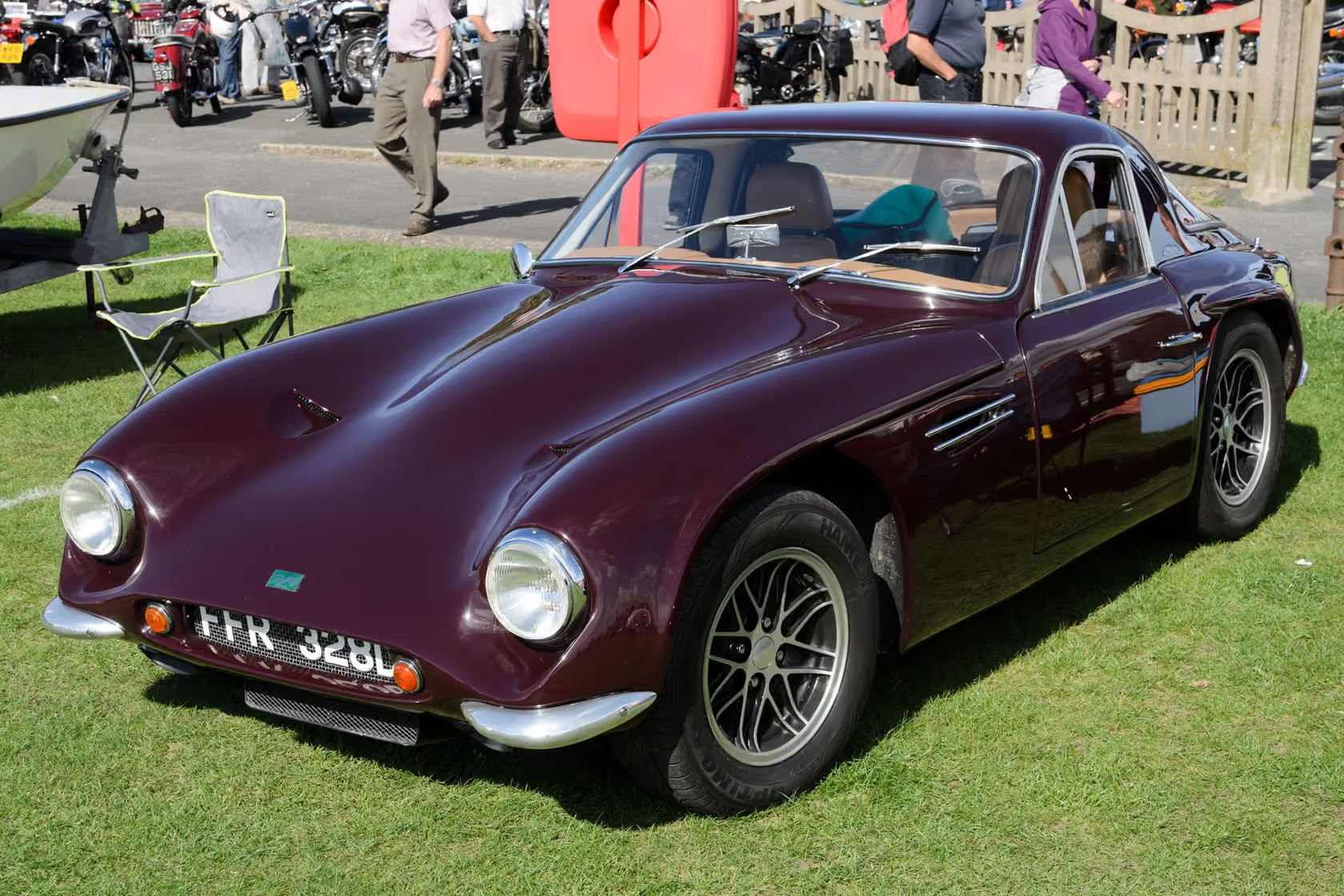 TVR£13,862 median, usually £8,595 to £20,404
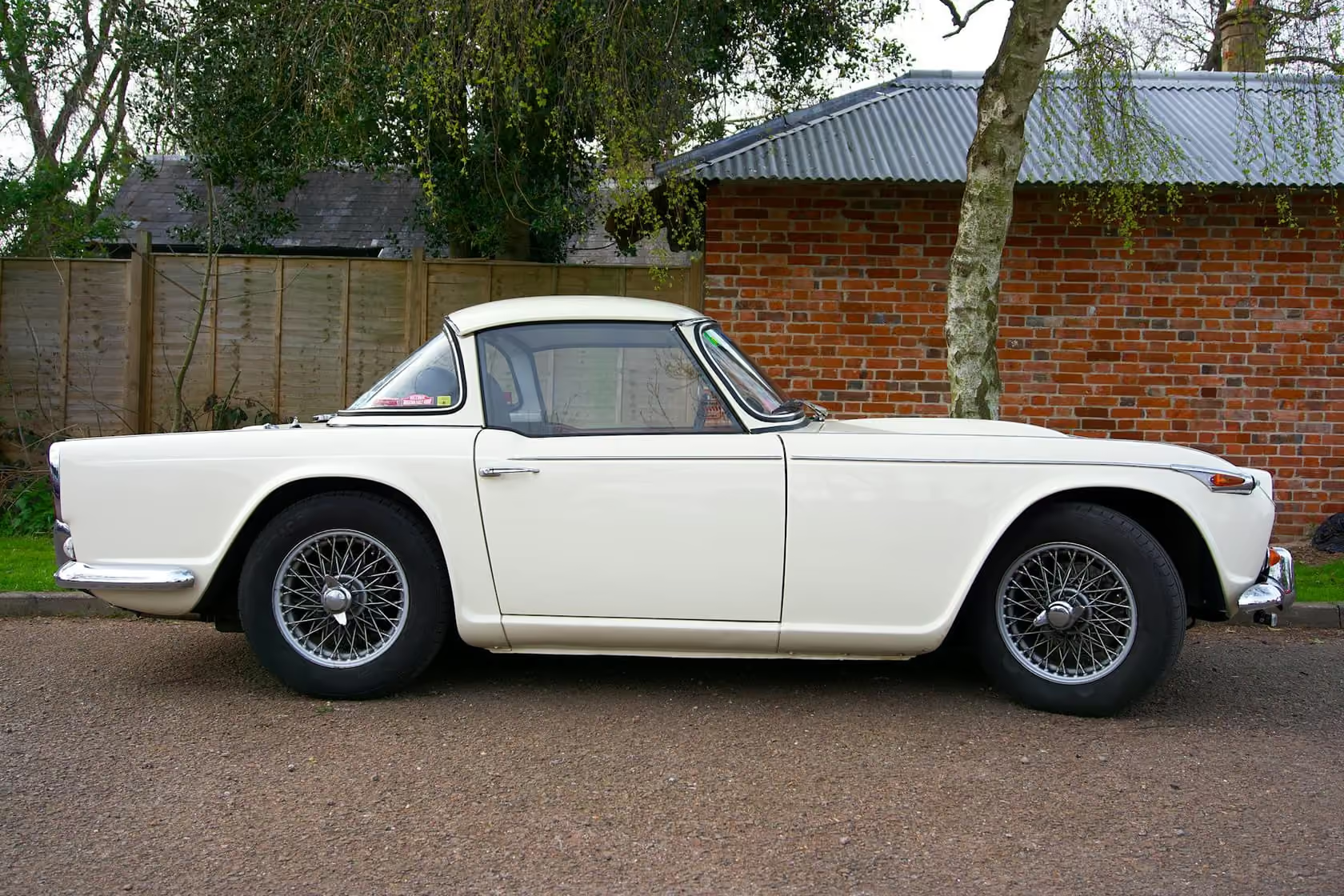 Triumph£12,098 median, usually £6,794 to £18,301
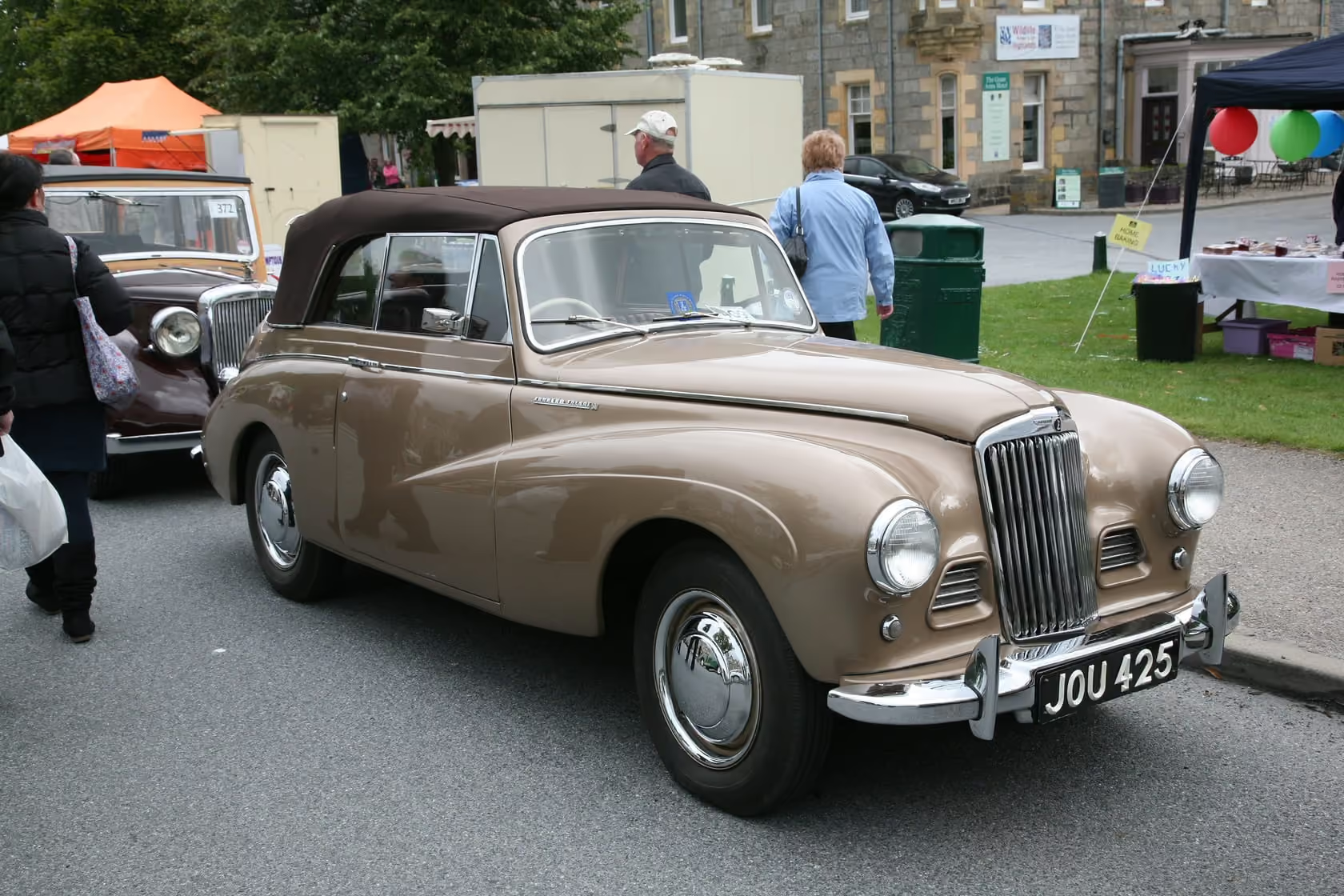 Rootes Group£11,200 median, usually £4,980 to £30,375
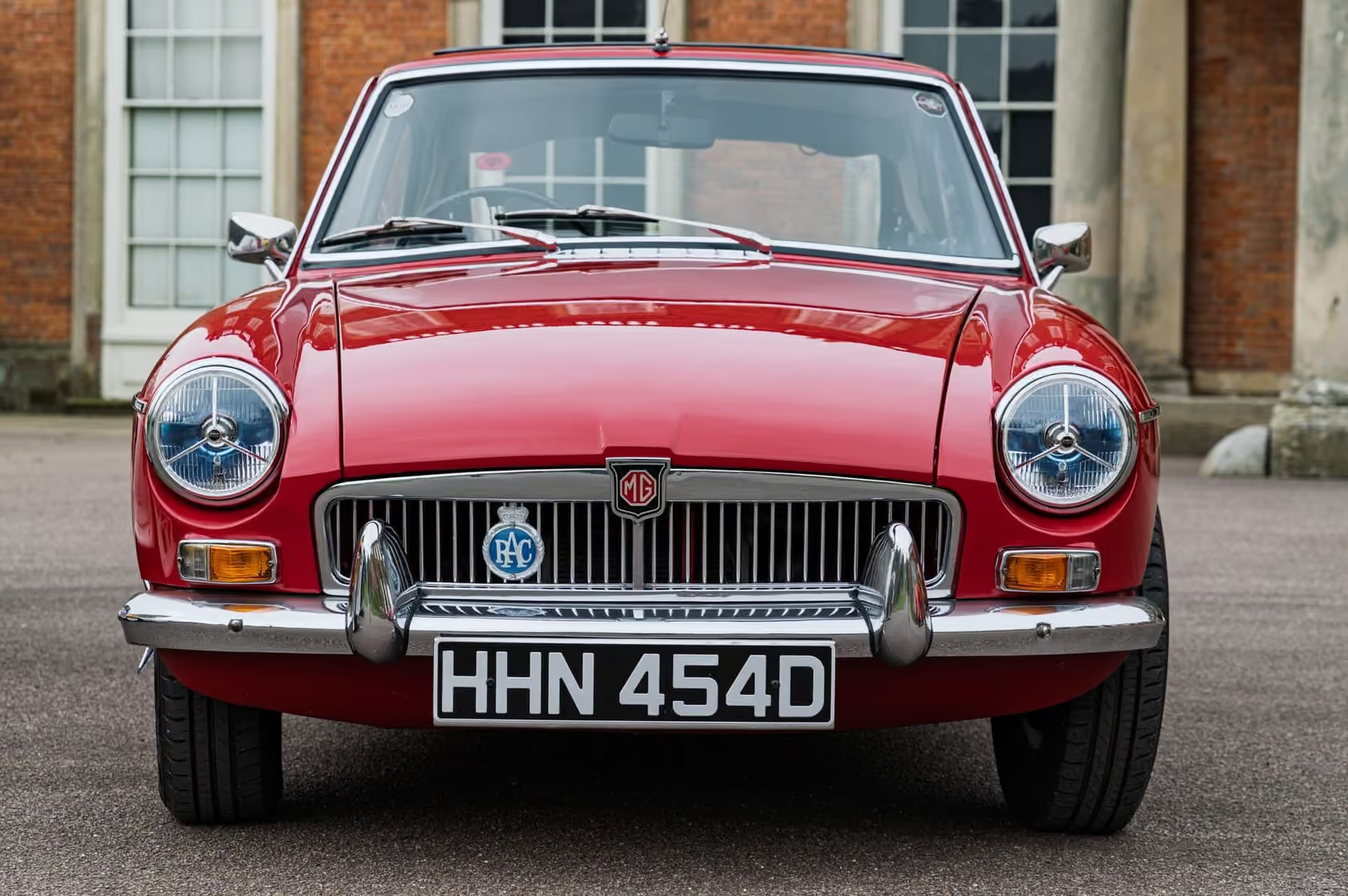 MG£10,736 median, usually £5,670 to £18,000
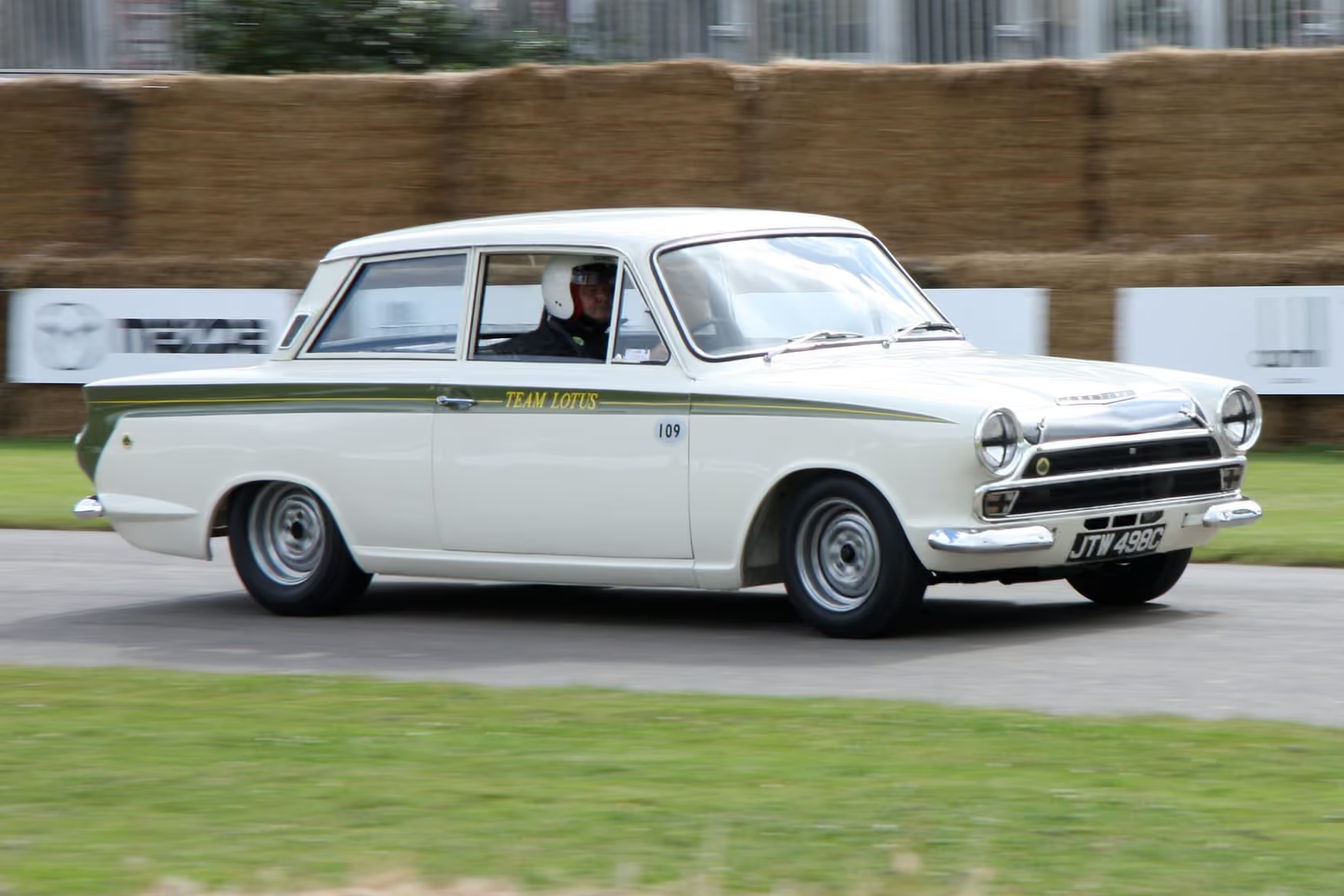 Ford£10,500 median, usually £4,928 to £24,000
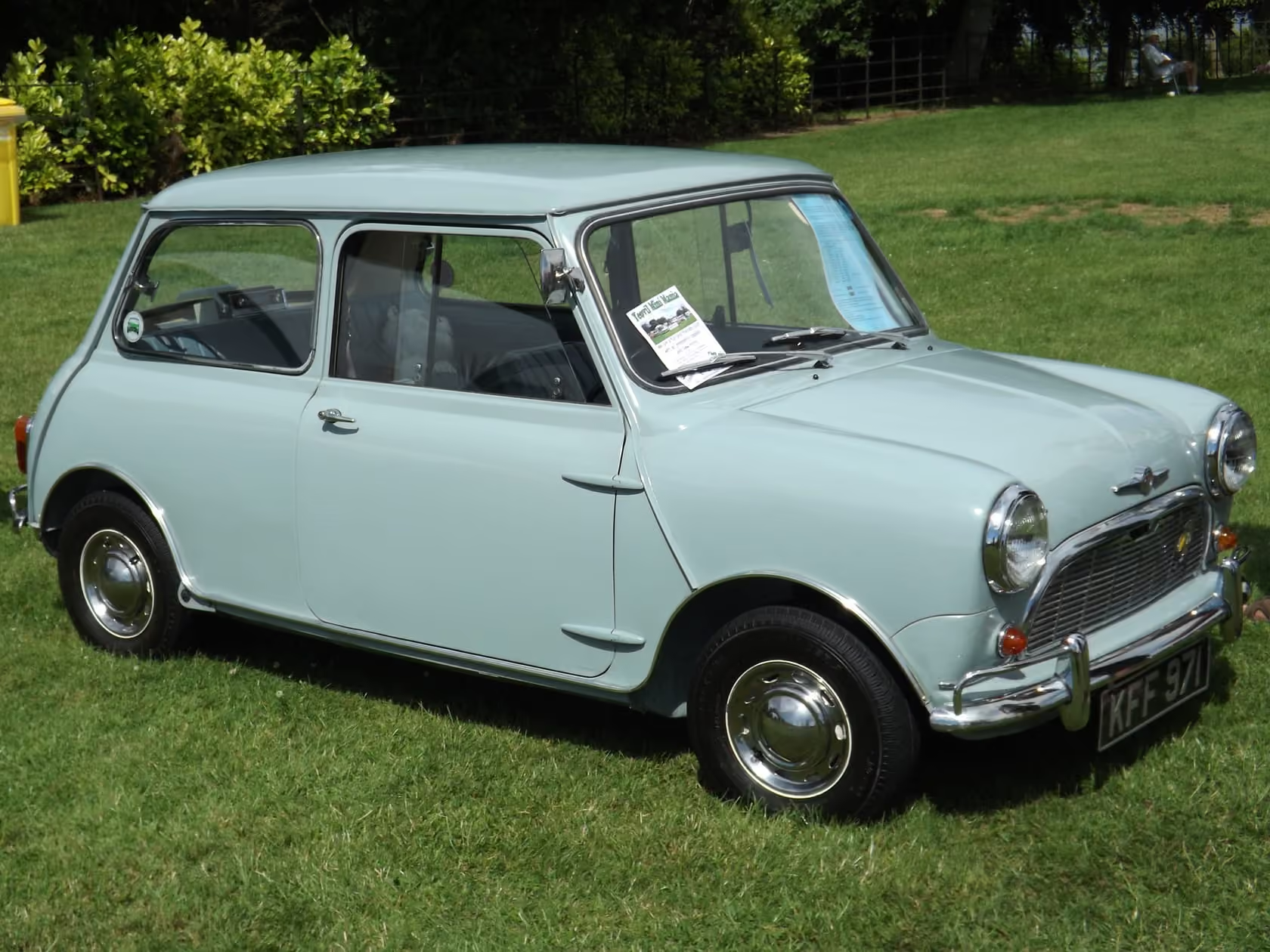 Mini£10,000 median, usually £5,710 to £16,394
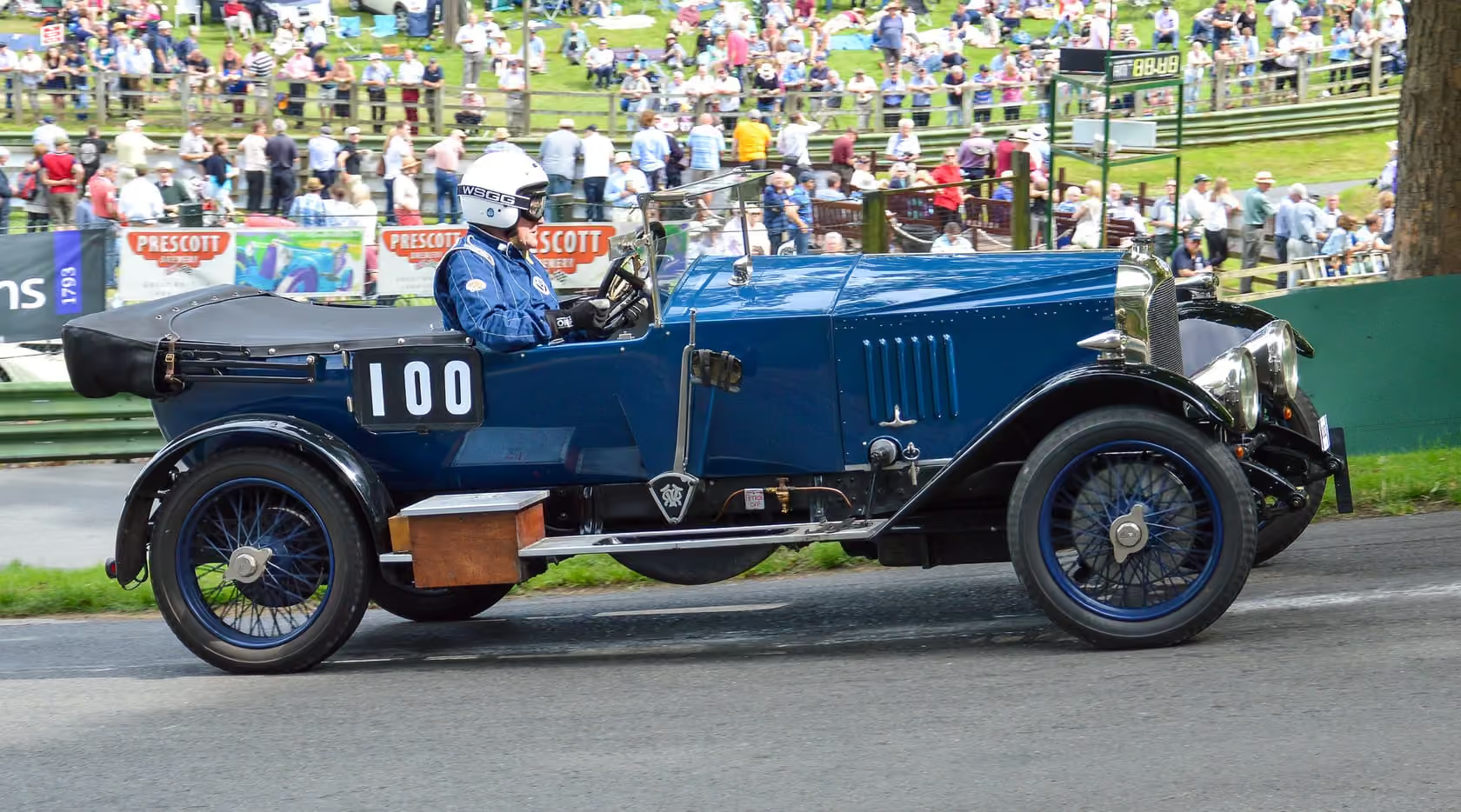 Vauxhall£6,344 median, usually £3,400 to £12,810
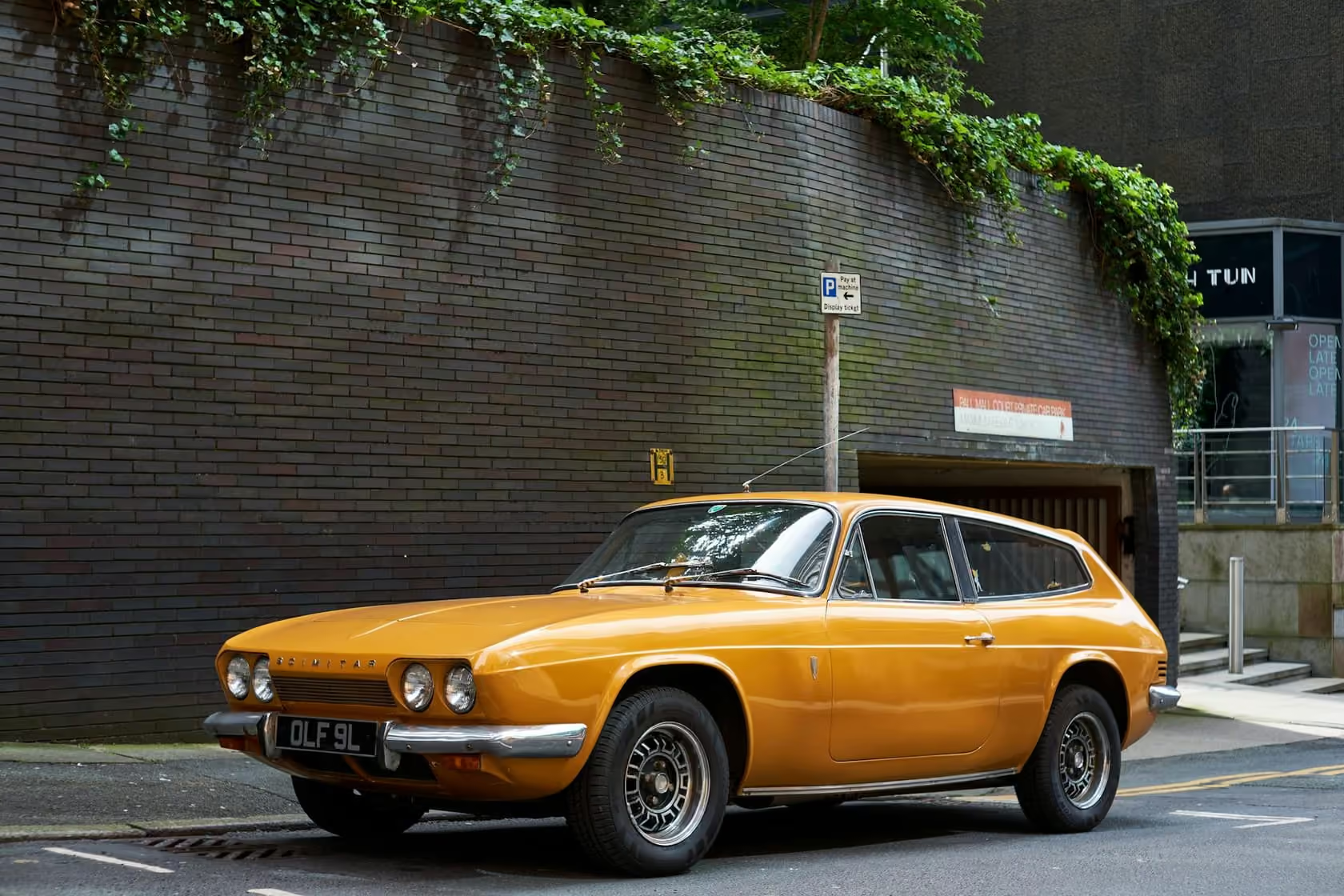 Reliant£3,500 median, usually £1,642 to £6,556
Every figure here comes from a sold result at a public auction, 58,016 of them across the marques above, going back to 1988 and updated to 10 August 2026. An asking price is a hope; a hammer price is a fact, and enough of them together show where a model's market really sits, which cars carry a premium and which way prices have been moving once inflation is taken out.
None of it is a valuation. A concours car and a project both sit inside the ranges shown, and condition, history and specification move any one car well outside them, which is what the model pages spend their time explaining.
Newest sold-price guides
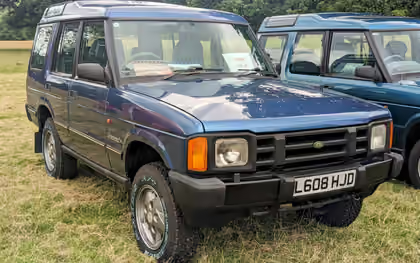
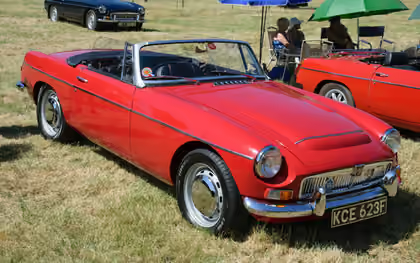
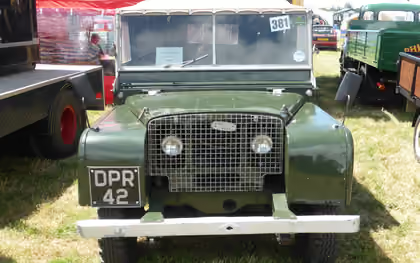
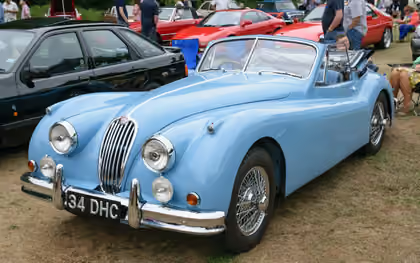
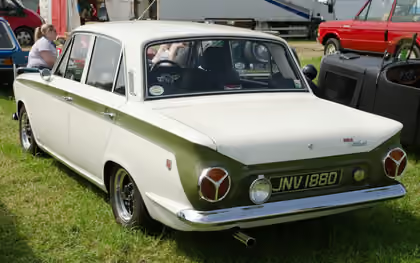
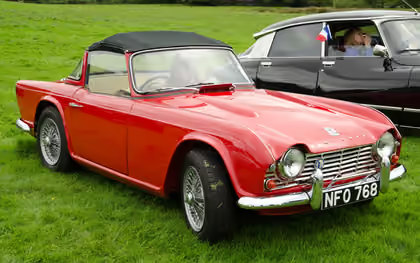
Each one takes a single model and breaks its sales down by variant and by year, with the older results restated in today's money. These are the newest, out of 35 built so far; each marque's page lists the ones under it.
How to read these figures
- Sold prices, not valuations
- Every number is a hammer price (or an online sale's closing price) for a car that actually changed hands. Unsold lots and withdrawn cars are not counted. Nothing here says what a particular car is worth; it says what cars like it have made.
- The median and the usual range
- The median is the middle sale: half the cars made more, half made less. The usual range is the middle half of all sales, which leaves out the project at the bottom and the concours car at the top. Between them they describe the ordinary market far better than an average, which a single record result would drag upward.
- Today's money
- Where a model has a long run of sales, the year-by-year chart restates each year in recent money using the ONS CPIH index, so a car that made £10,000 in 2005 is compared fairly with one that made £15,000 last year. A line that looks flat in real terms has only kept pace with inflation.
- How much weight the figures bear
- Each model page labels its evidence. Hundreds of sales and a dozen or more a year give a firm median; a few dozen give a reasonable range; fewer than that is a sketch, and any single result says more about that car than about the market. A marque too rarely seen in the sale rooms for a firm median gets no page here at all, which is why some familiar names are missing from the chart above.
The dataset behind these pages, where the listings come from and what counts as a sale, is described under where the prices come from.
Valuing your own car
Start from the model page's usual range, then place the car within it honestly. Condition does most of the work: structural rust, tired mechanicals and poor repairs push a car toward the bottom of the range or below it, while a sound, original example with a long history file sits in the upper half.
Specification and rarity matter only when buyers care about them; a scarce variant nobody wants is still a hard sale. Then look at the recent sales on the page, which show what comparable cars made in the last few months, and remember that an auction result reflects the mood of the room on the day, and may or may not include the buyer's premium depending on the sale.
If you are agreeing a value with an insurer, the upper half of the usual range is the sensible starting point for a good car; if you are selling, the median is a more realistic expectation than the record.
Before you buy or sell
- Buying a classic at auction
Why the hammer price is never the price, what Category S and N actually mean, why a clean-looking V5C proves less than buyers assume, and how to think about bidding on a car nobody has let you inspect.
- Selling a classic privately
A private seller is not a shop, and the law knows it. Which consumer protections fall away, which three rules still bind you, why selling an unroadworthy car is an offence whoever you are, the DVLA steps that end your liability, and the payment habits that keep the money.
- Agreed value insurance
The trade valuation guides insurers use do not value cars over about twenty years old, which is why a classic on a market-value policy is a claim waiting to be argued. What the Financial Ombudsman expects, what the regulator found when it looked, what agreed value actually promises, and the evidence that sets it.
- What a restoration really costs
Why restoration bills reach numbers that horrify outsiders, where the money actually goes, and the practical protections that matter when handing a valuable car to a workshop for a year. Staged payments, written scope, and what happens if the business fails.
- Inspecting a classic before buying
The two free government checks and what they reveal, why the log book proves less than every buyer assumes, the serial numbers DVLA tells you to look for, what a paid history check adds, and where your rights differ between a dealer and a private seller.
- What a classic costs to run
The fixed costs are knowable to the pound, from the zero-rated tax to the capped MOT fee to the price of petrol this week. The variable costs are where the money goes, and no official source publishes them. What can be stated, what cannot, and how to budget for a car that was built to be fixed.