Jaguar XK140 values: the one XK where the drophead beats the roadster, and the cheapest of the three at the median
Here alone among the XKs, the drophead coupe outsells the roadster. Jaguar XK140 values across 451 recorded auction sales, what the fixed-head, the SE and the home-market cars make, how the middle XK sits against the XK120 and XK150, and why it has halved in real terms since 2017.
Built 1954–1957
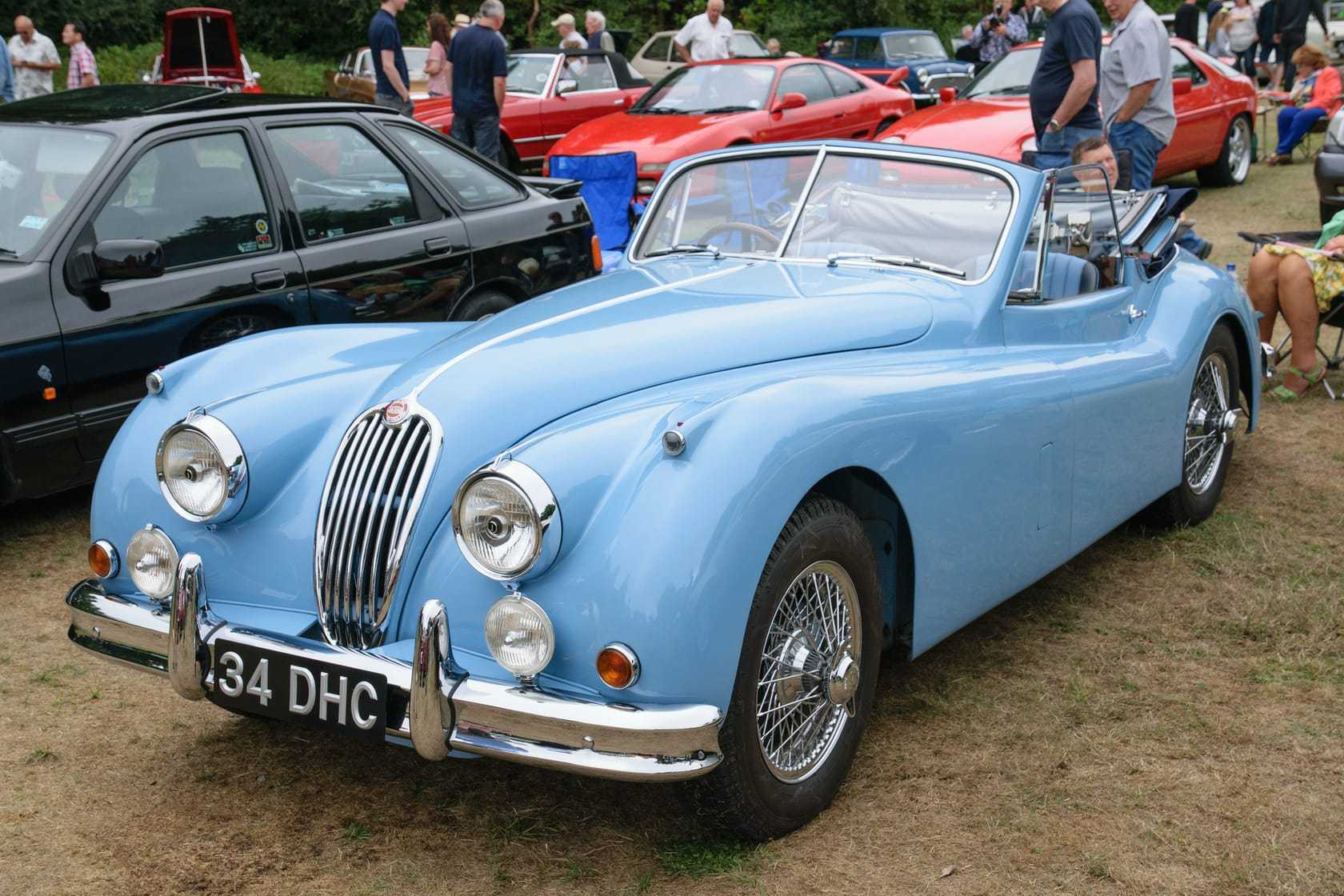
What the Jaguar XK140 sells for at auction
In 2025 the median Jaguar XK140 sold for £53,569 across 31 sales, 11% down on 2024. In real terms, typical Jaguar XK140 prices were down about 48% over the five years to 2025, once inflation is accounted for.
| Variant | Sold | Typical range | Median |
|---|---|---|---|
| XK140 Roadster | 173 | £52,693 - £90,313 | £66,026 |
| XK140 Fixed Head Coupe | 126 | £33,835 - £57,175 | £48,192 |
| XK140 Drophead Coupe | 114 | £52,316 - £97,594 | £76,741 |
| XK140 Competition | 5 | £46,935 - £62,100 | £47,812 |
Show the year-by-year mediansHide the year-by-year medians
| Year | Sold | Median | In 2025 money |
|---|---|---|---|
| 2026 (so far) | 23 | £47,812 | |
| 2025 | 31 | £53,569 | £53,569 |
| 2024 | 22 | £59,879 | £62,177 |
| 2023 | 38 | £72,202 | £77,480 |
| 2022 | 36 | £74,136 | £84,903 |
| 2021 | 32 | £63,248 | £78,211 |
| 2020 | 22 | £81,636 | £103,451 |
| 2019 | 19 | £75,847 | £97,095 |
| 2018 | 21 | £66,150 | £86,120 |
| 2017 | 23 | £80,412 | £107,113 |
| 2016 | 22 | £61,082 | £83,459 |
| 2015 | 24 | £74,098 | £102,255 |
| 2014 | 18 | £72,378 | £100,283 |
| 2013 | 20 | £58,539 | £82,265 |
| 2012 | 17 | £51,666 | £74,270 |
| 2011 | 13 | £57,050 | £84,112 |
| 2010 | 13 | £46,935 | £71,887 |
| 2009 | 10 | £47,858 | £75,136 |
| 2008 | 7 | £32,625 | £52,230 |
| 2007 | 6 | £46,454 | £76,958 |
| 2006 | 8 | £38,294 | £64,921 |
| 2005 | 9 | £36,235 | £62,978 |
| 2004 | 3 | £37,188 | £65,963 |
| 2003 | 3 | £40,609 | £73,064 |
| 2001 | 3 | £85,000 | £157,239 |
| 1995 | 3 | £19,220 | £39,825 |
- £54,147XK140 Fixed Head Coupe
- £52,978XK140 Fixed Head Coupe
- £42,850XK140 Fixed Head Coupe
- £48,000XK140 Drophead Coupe
- £47,812XK140 Competition
Strong evidence. 451 recorded sales and a dozen or more a year: the median and the range are well founded. Based on 451 sold results from public classic car auctions (1994 to 10 August 2026). Sold prices, not asking prices, and not a valuation: condition, history and specification vary from car to car. Inflation-adjusted figures use the ONS CPIH index, in 2025 money.
The XK140 is the middle XK and the one its owners actually drive, and Jaguar XK140 values carry the clearest signature of that use: 451 recorded sales since 1994, about 32 a year lately, at a median of £59,200, with the middle half between £42,800 and £84,000. Seven in ten of the cars offered find a buyer. The spread runs from a £4,100 project to £366,000 for the one-off Michelotti-bodied coupé, and the order inside it is unique in the family: this is the only XK where the drophead coupé, the usable open car, outsells the roadster.
The XK140 model guide covers what changed from the XK120, the SE and the C-type head, and what to check. This page is about the money, and about a market that has halved in real terms since 2017 while remaining the family’s value pick.
Drophead over roadster, and the coupé below both
The variant table on this page reverses the XK rule. The drophead coupé, with its lined hood, wind-up windows and walnut dashboard, leads at a median of £76,700 across 114 recorded sales; the roadster, the side-screen purist’s car, follows at £66,000 across 173; and the fixed-head coupé sits at £48,200 across 126, the value entry to the whole XK family. On the XK120 and the XK150 the roadster’s rarity keeps it on top; on the 140, the XK people buy to use, the market pays about £10,000 more at the median for the open car that works in an English summer. The five cars sold with competition history sit apart on their paperwork, and above everything is the Michelotti coupé, the Italian-bodied one-off whose £366,000 sale in 2023 describes nothing but itself.
Within each body the SE specification and the C-type cylinder head set the upper half of the range: a genuine C-type-head SE roadster or drophead is the most desirable standard XK140, and the best restored examples reach £110,000 to £130,000 against £45,000 to £80,000 for good ordinary cars. The fixed-head absorbs most of the projects and the imports, which is part of why its median sits where it does.

What moves the price of an XK140
Identity first, as on every XK. The chassis and engine numbers against the heritage certificate are the start of any serious price; SE and C-type-head claims need proving, because heads and badges have migrated between cars for seventy years; and matching numbers carry the same weight they do on an XK120. Then the steering wheel: the great majority of XK140s went to America, and a genuine home-market right-hand-drive car sells at a premium in Britain of perhaps ten to twenty per cent, with a declared conversion somewhere between.
Then the metal. The XK140 rusts where every separate-chassis Jaguar rusts, at the sills, the floors, the inner wings, the door posts, the boot floor and the chassis outriggers, and a proper restoration runs well into six figures, which is why the £80,000 finished drophead is a car somebody else has paid for and the £25,000 project rarely the bargain it looks. Because the 140’s buyers drive their cars, the market here is kinder to sympathetic upgrades than the 120’s: a five-speed gearbox, an aluminium radiator or electronic ignition rarely hurts an ordinary car, though the concours minority still pays most for untouched originality. Mileage, on a car that has always been restored, means nothing.

Half the value it had in 2017
The chart shows the whole XK story in one line. The yearly median was around £37,000 to £47,000 through the late 2000s, rose with the boom to £74,000 in 2015 and peaked at £80,400 in 2017 and £81,600 in 2020; it slipped to £74,100 in 2022 and £72,200 in 2023, then fell to £59,900 in 2024 and £53,600 in 2025, with the 2026 figure so far about £47,800. Restated in today’s money the XK140 has lost about half its value since 2017 and a third since 2022.
The cause is the family’s: the generation that wanted an XK because it remembered one is leaving the market, and the buyers who follow start at the E-Type. Within the fall the pattern holds: the dropheads and the C-type-head cars have held up best, the ordinary fixed-heads worst, and a sound FHC is now the cheapest way into any XK by a wide margin, at money that would not buy a good XK120 roadster’s restoration.

Where XK140s change hands
The record is mostly American, because the cars were. The online platforms sell the fixed-heads and the drivers’ cars, and a single week in August 2026 shows it: three FHCs at £42,900, £53,000 and £54,100 in America, a drophead at £48,000 at a Herefordshire sale and the Competition car at £47,800 at a British specialist auction. The best dropheads, the SE roadsters and the home-market cars pass through the catalogued sales and the Jaguar specialists at prices above the recorded range. Whether a recorded price includes the buyer’s premium varies by sale, which is one more reason to read the usual range rather than any single result.

Insuring, restoring, selling
For an agreed-value policy a good ordinary car belongs around its body’s median and a C-type-head SE in the upper half of the range; a home-market drophead is insured on its own figure. On restoration the arithmetic is the family’s: a six-figure rebuild produces a car worth less than the sum unless the car is an SE drophead or roadster with history, so the sensible buy is the finished car at today’s reduced prices. If you are selling, the spring is the season, the heritage certificate and the engine number are what the buyer checks first, and the honest expectation is the median for the body, not the figure the car was insured for in 2017.
Related
The XK140 sits between the XK120, which sells for a little more at the median and far more at its alloy-bodied top, and the XK150, which sells for a little more on its S cars; body for body the 140 drophead now out-prices the 120’s. For the decade, see British classic cars of the 1950s. For how all the figures on this site are compiled, see what classic cars sell for.
Frequently asked questions
How much is a Jaguar XK140 worth?
Why is the XK140 drophead worth more than the roadster?
Is the XK140 cheaper than the XK120 and XK150?
What does SE or C-type head mean on an XK140?
Are Jaguar XK140 prices falling?
What should I look for when valuing an XK140?
What is the most expensive Jaguar XK140 ever sold at auction?
How often does a Jaguar XK140 come up for sale?
Related across themes


More Jaguar values

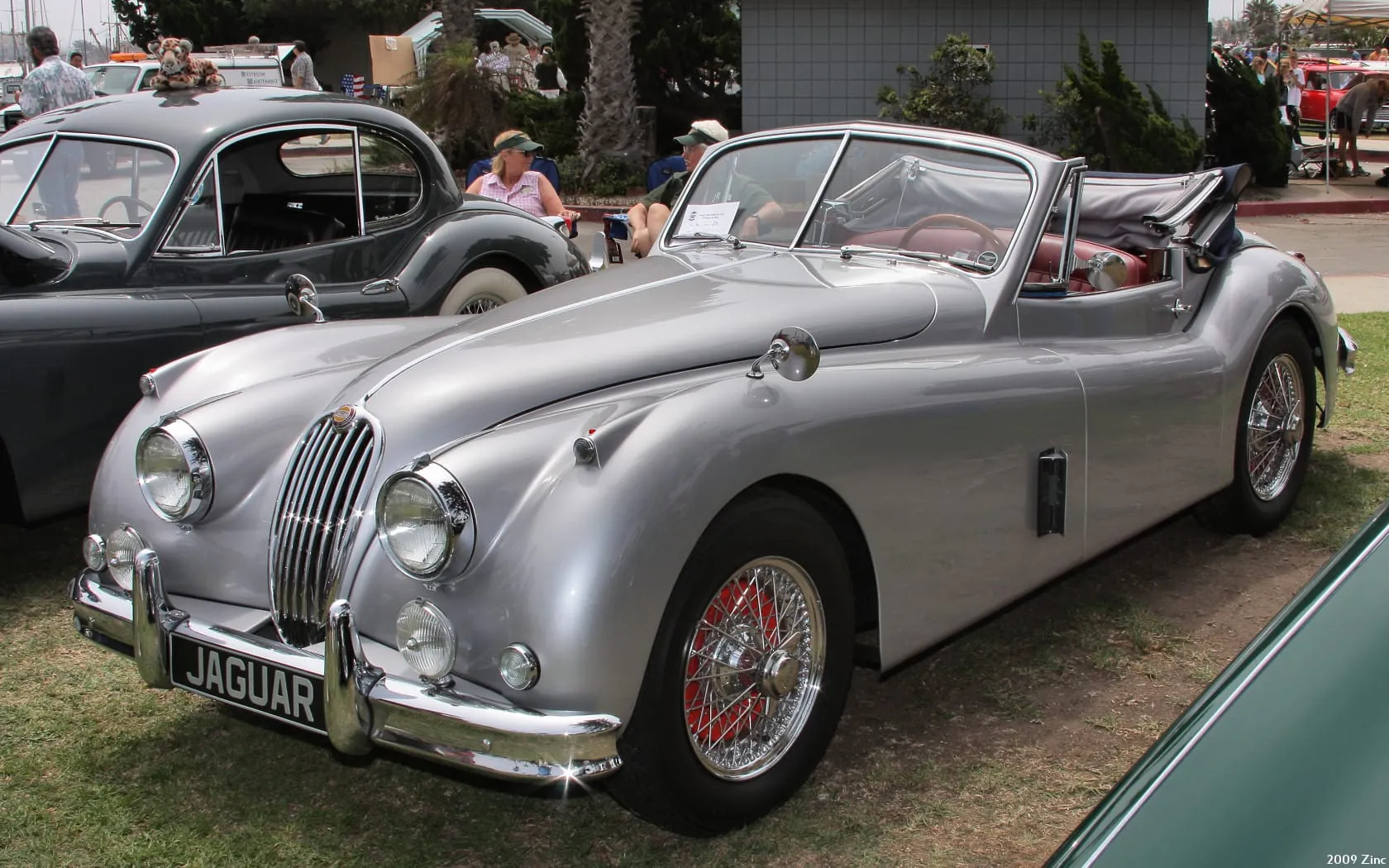
Jaguar XK150 values: the S premium, roadster over drophead over coupé, and a market that has halved since 2019

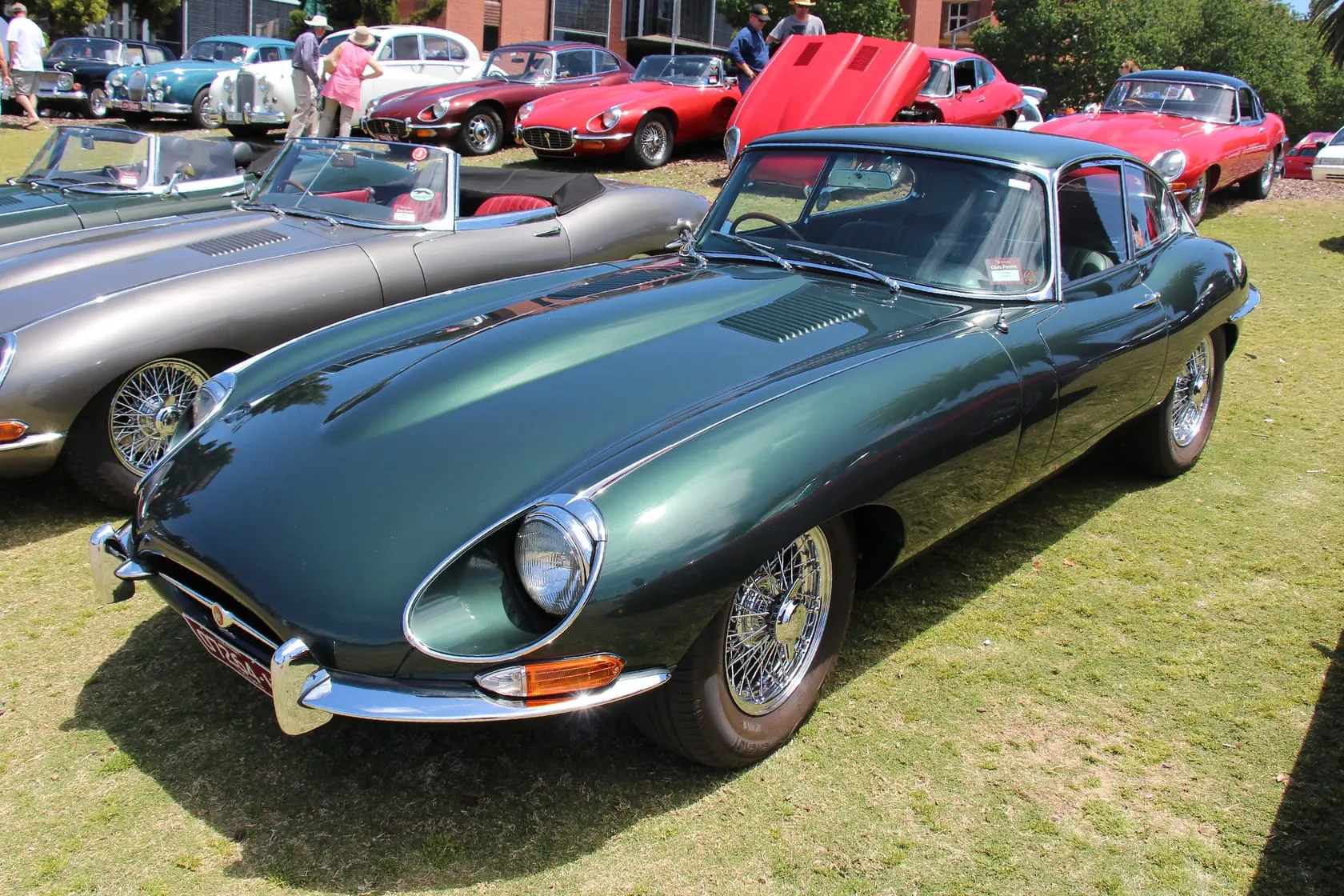
Jaguar E-Type values: what every series sells for, and why the price has fallen

Jaguar Mk2 values: 3.8 over 3.4 over 2.4, the restomod premium, and a market back to 2010 prices

Jaguar XJ values: the cheapest big Jaguar, 1968 to 2009, and the coupé at three times the saloon
Recently added

Preparing a classic for the MOT: what fails most, what the test checks on an old car, and the exempt-car question

TVR Grantura and Vixen: where Blackpool learned to build sports cars (1958–1973)

Ford Cortina values: the Lotus at three times a saloon, the Mk1 GT and 1600E next, and the ordinary Cortina at hatchback money
