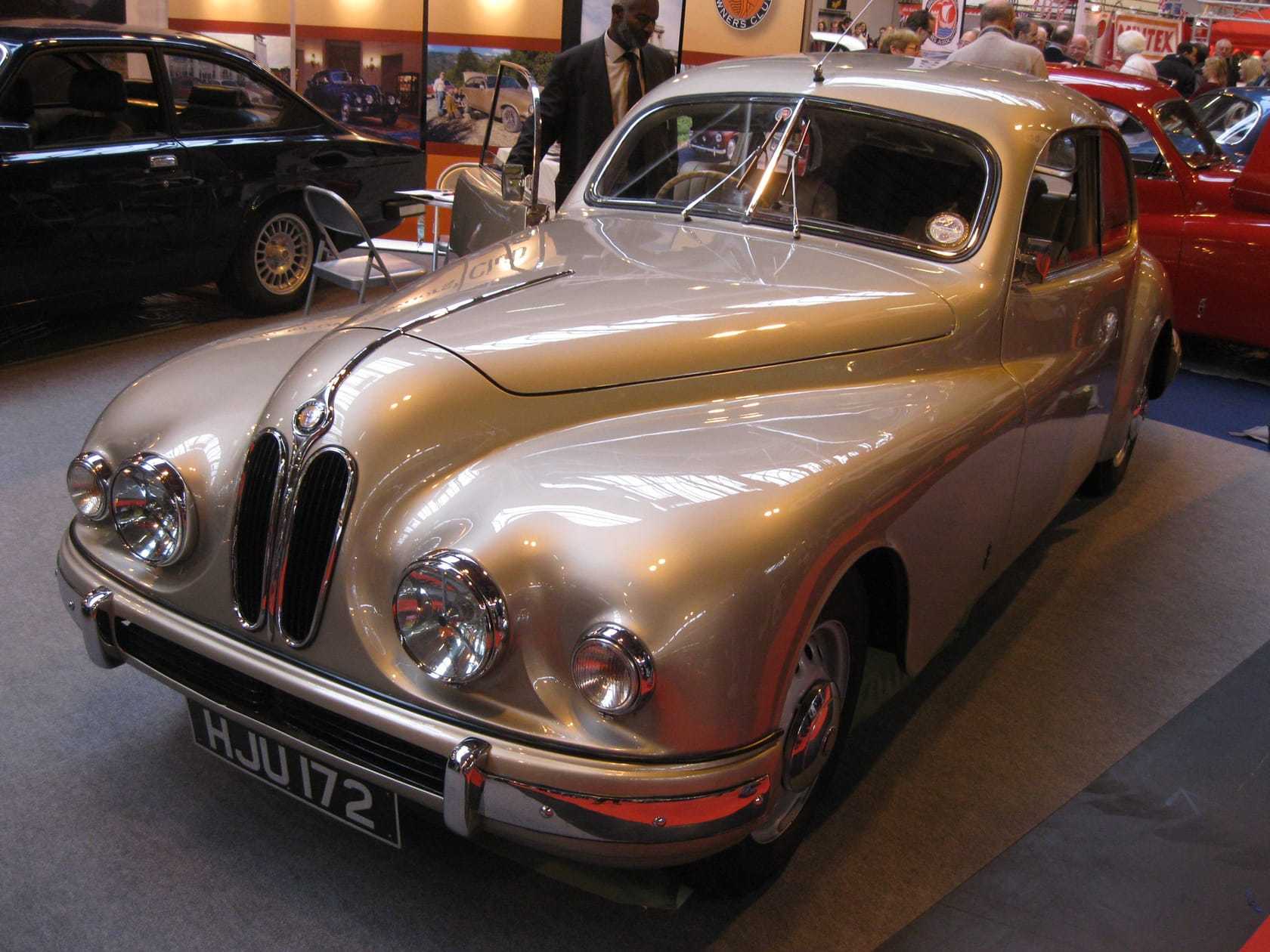
No British car company ever cared less what you thought of it. Bristol Cars grew out of the Bristol Aeroplane Company in 1945, inherited BMW’s pre-war designs as war reparations, and spent six decades building aerodynamic, aircraft-grade grand tourers in numbers a boutique would call small, selling them from one Kensington showroom to customers it chose as much as served. The classic Bristol cars are rare, superb and still quietly priced, and their cult is the most devoted in Britain.
War reparations and the BMW inheritance
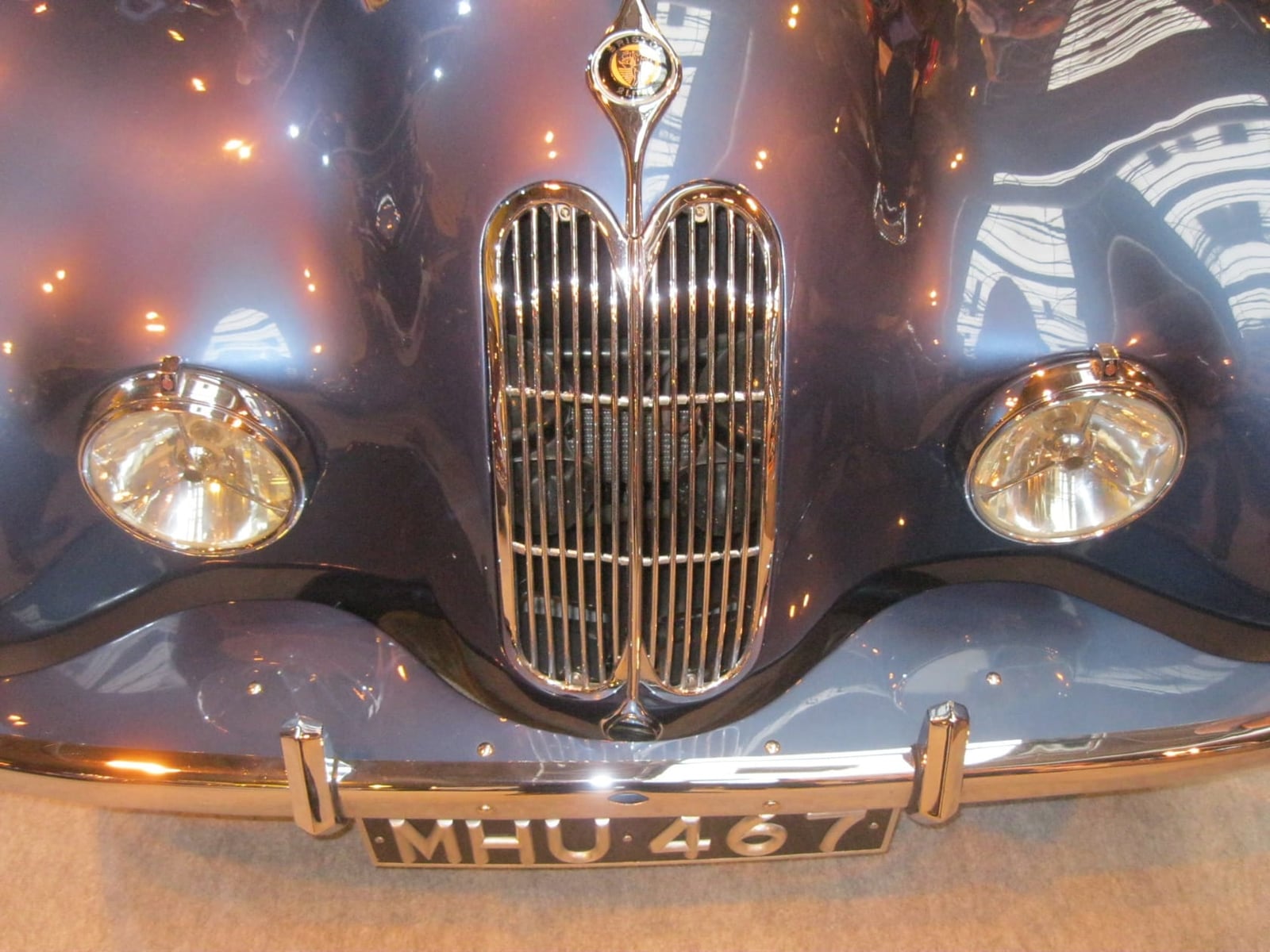
Peace left one of Britain’s great aircraft builders needing work, and the car division’s founding deal remains unique: through the Frazer Nash connection, Bristol acquired the rights to BMW’s pre-war engineering, and the 1947 Bristol 400 wore a 328-derived two-litre six in a 326-derived frame, built to Filton’s aeronautical standards. The 401 and 402 that followed added wind-tunnel-honed Superleggera-influenced bodies, slipperier than anything comparable, and established the template: fast, quiet, fastidious and rare.

Bristol at auction
What a classic Bristol sells for at auction
- Median sale, 2025
- £20,700 Down from £38,176 in 2021
- Sales in 2025
- 17 23 in 2023, the most we have recorded
- Sold when offered
- 69.7% Of the cars put up for auction since 2000
- The record
- £200k 406, Bonhams, September 2021
The six-cylinder aristocrats
Through the fifties the two-litre six carried the range, the 403, the radical short-chassis 404, the four-door 405 and the Beaufighter-windscreened cars around them, while the engine itself became a motorsport staple, powering Frazer Nashes, Cooper single-seaters and the AC Ace Bristol to class wins at Le Mans and beyond. Bristol’s own works coupes ran Le Mans too, taking class honours in the mid-fifties before the company withdrew to concentrate on its few, perfect road cars.

Chrysler V8s and the Kensington years
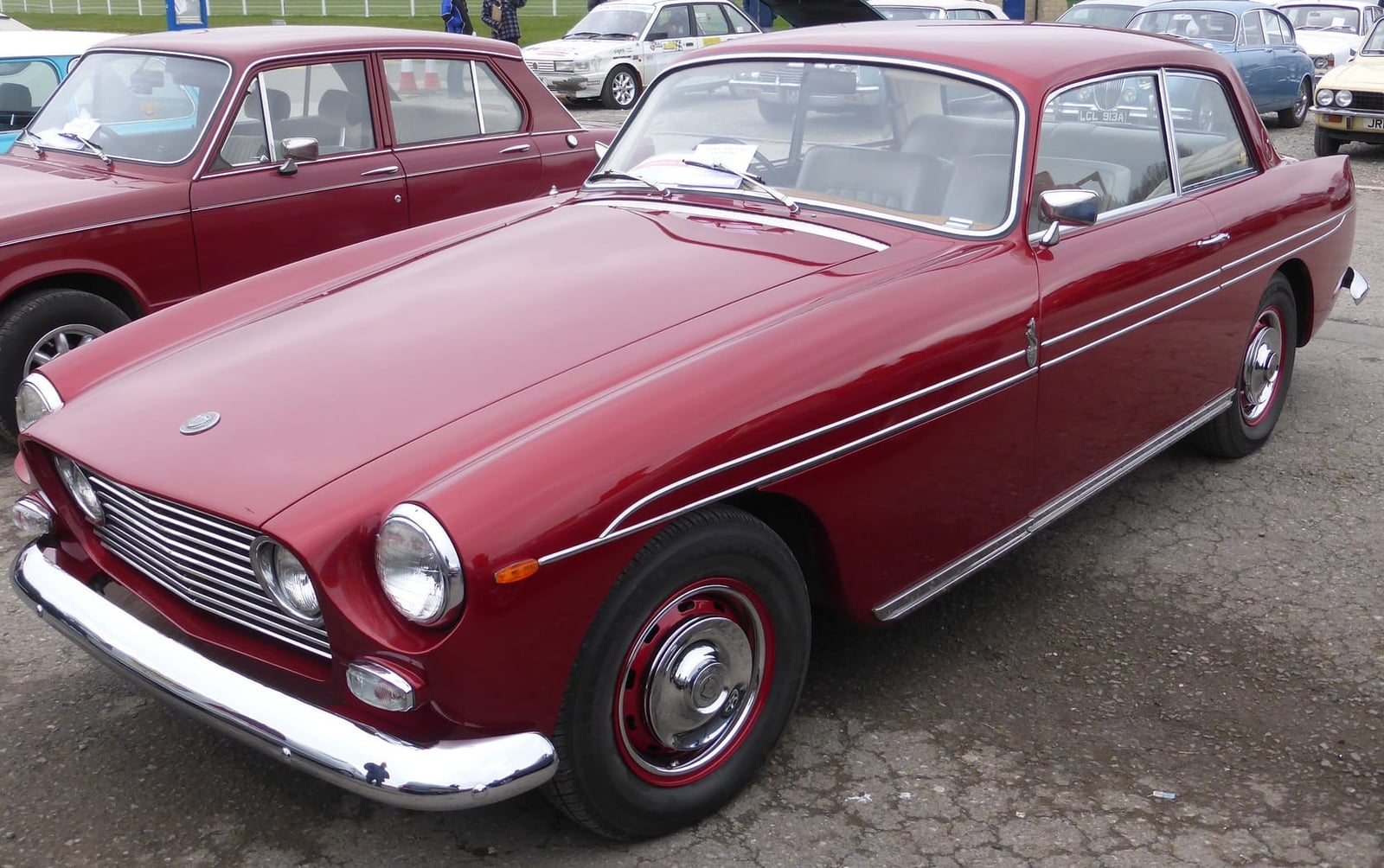
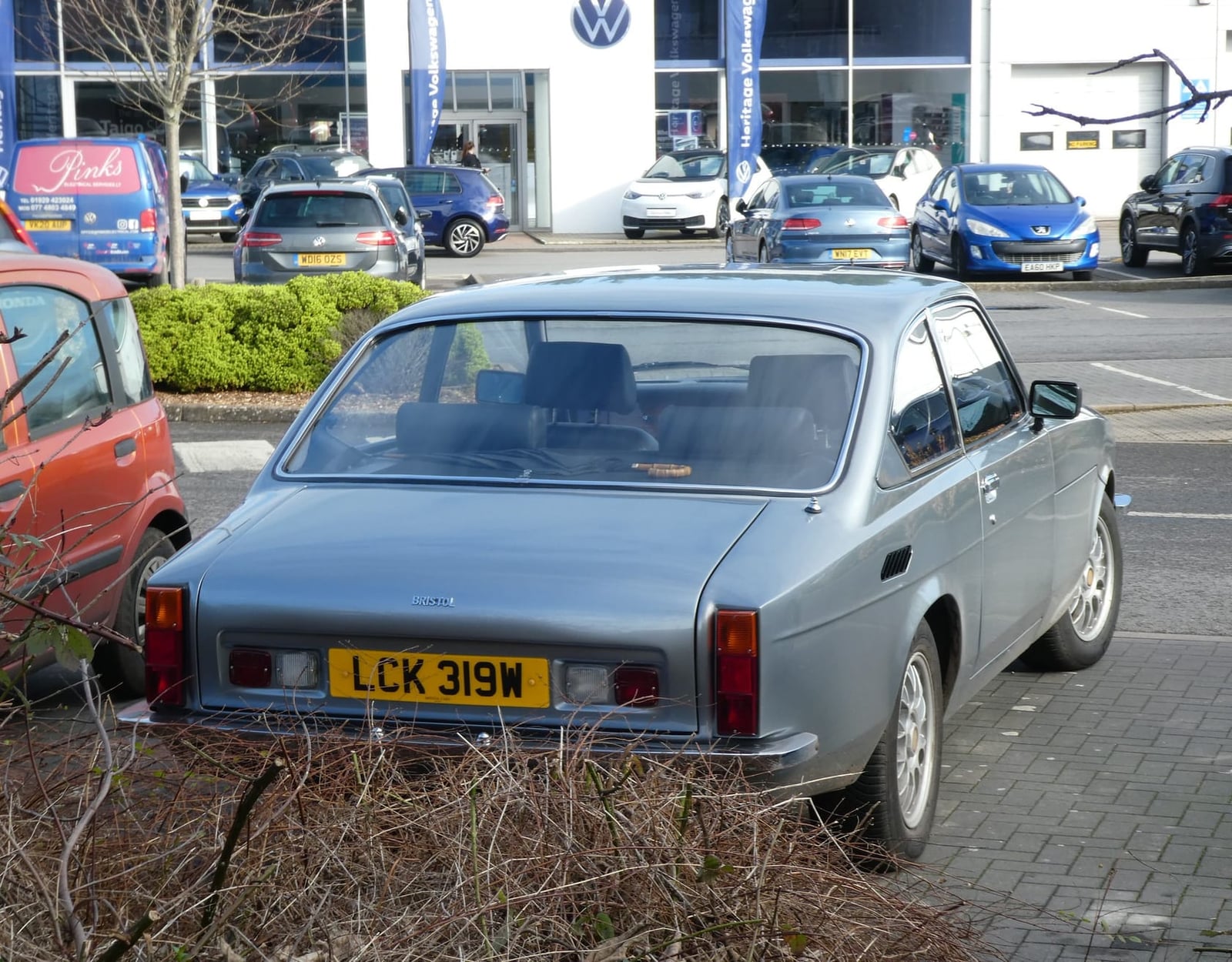
When the six reached its limits, Bristol swapped elegance of one kind for another: from the 407 of 1961 big Chrysler V8s provided effortless pace, refined through the 408, 409, 410 and the definitive 411, then the long-lived 603 and its Britannia, Brigand and Blenheim descendants. The Tony Crook era perfected the company’s famous manner, no motor shows, no press fleet, one London showroom, spare wheel in the front wing, and the marque outlived every eccentricity until administration in 2011 and final liquidation in 2020, after the Fighter supercar’s last flourish.

What a Bristol is like to own
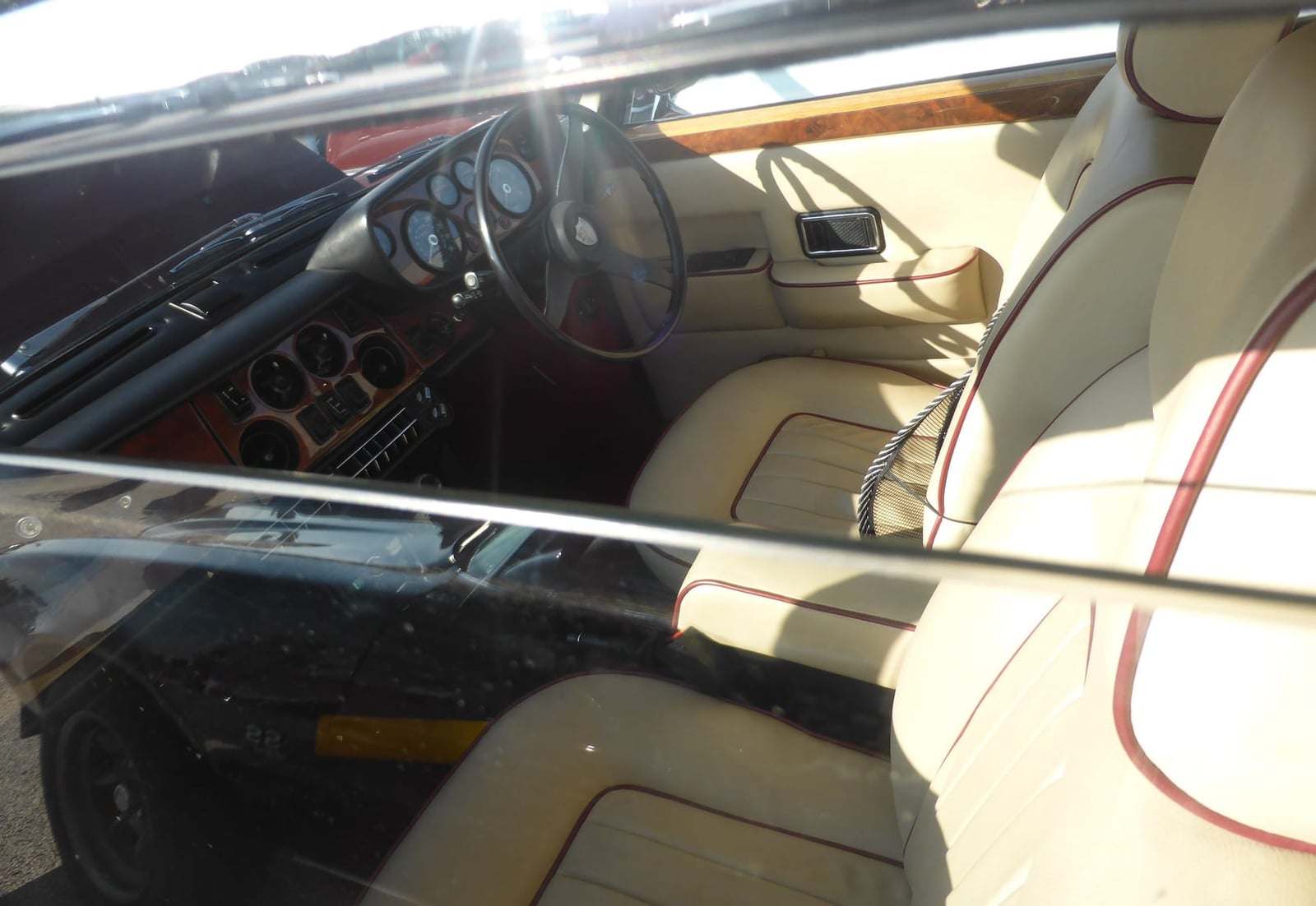
Owners describe Bristols as the sanest secret in the classic world: aircraft-quality construction that resists age, effortless long-distance manners from either engine family, and a club whose records, spares network and expertise cover most surviving chassis individually. The cars reward mechanical sympathy rather than restoration heroics, aluminium panels over steel frames ask the usual corrosion vigilance, and V8 parts remain straightforward. Few classics of this rarity are as usable, which is exactly how their first owners specified them.
Values: the cult still under-priced
One hundred and eighty-six measured sales at a £24,400 median look almost absurd against the cars’ rarity and build: later V8 saloons from the mid-teens, the 406 to 411 heartland mostly £20,000 to £50,000, and the aerodynamic 400 to 405 cars from £40,000 into six figures for the finest. Peers from Jensen upward have re-rated ahead of Bristol, the supply is finite by charter, and the marque that never advertised may be the last great British value story still running.
More photos