Some marques shout and some simply engineer, and Alvis was the quietest clever company in Coventry. Between 1919 and 1967 the red triangle produced vintage sports cars that refuse to wear out, front-wheel-drive racers a generation before the industry caught up, thirties flagships that pioneered the synchromesh gearbox in Britain, and a final line of Swiss-suited three-litres as understated as anything the sixties made. Classic Alvis cars remain the connoisseur’s open secret, and the market has never quite caught up with the engineering.
Coventry cleverness: the first decades
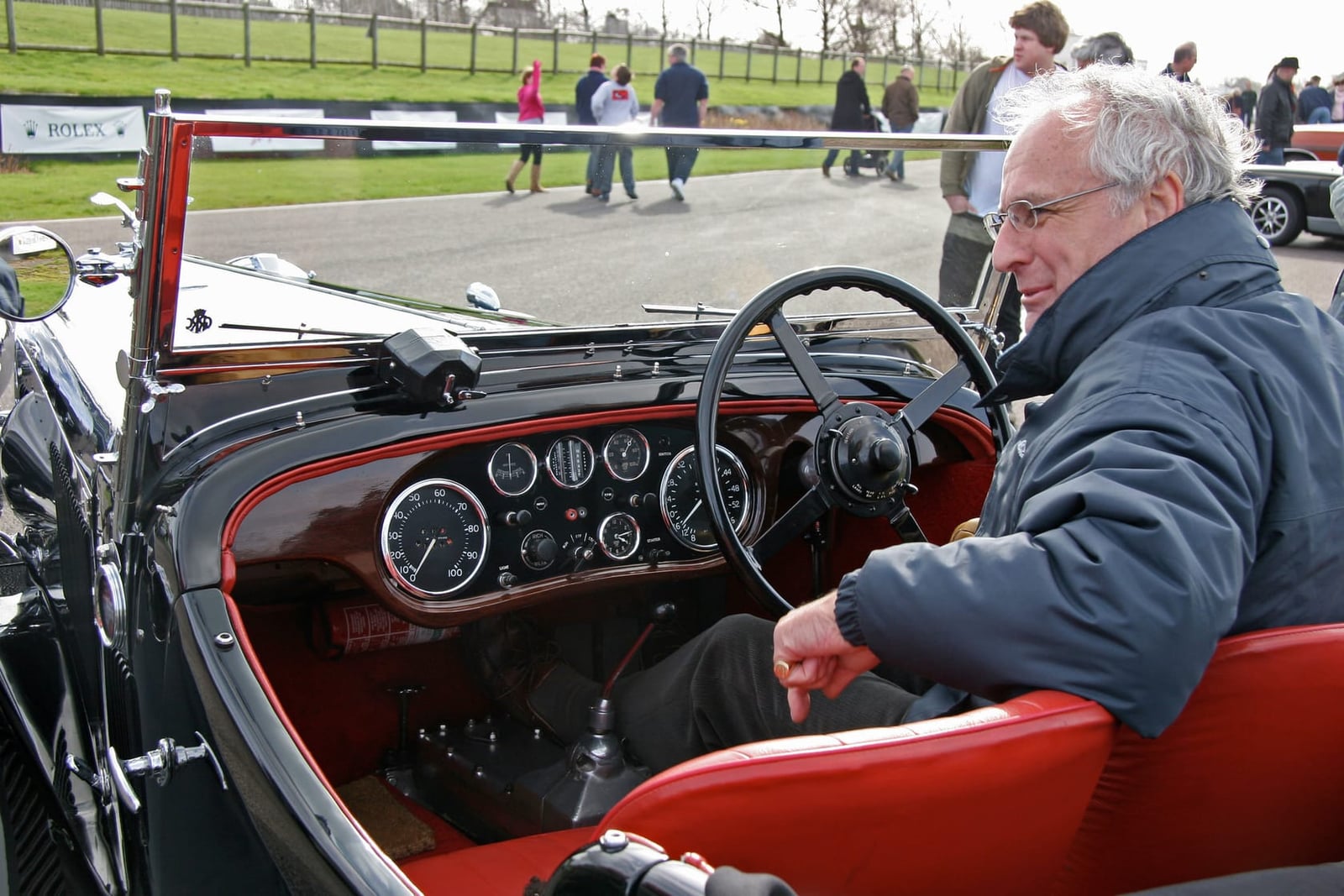
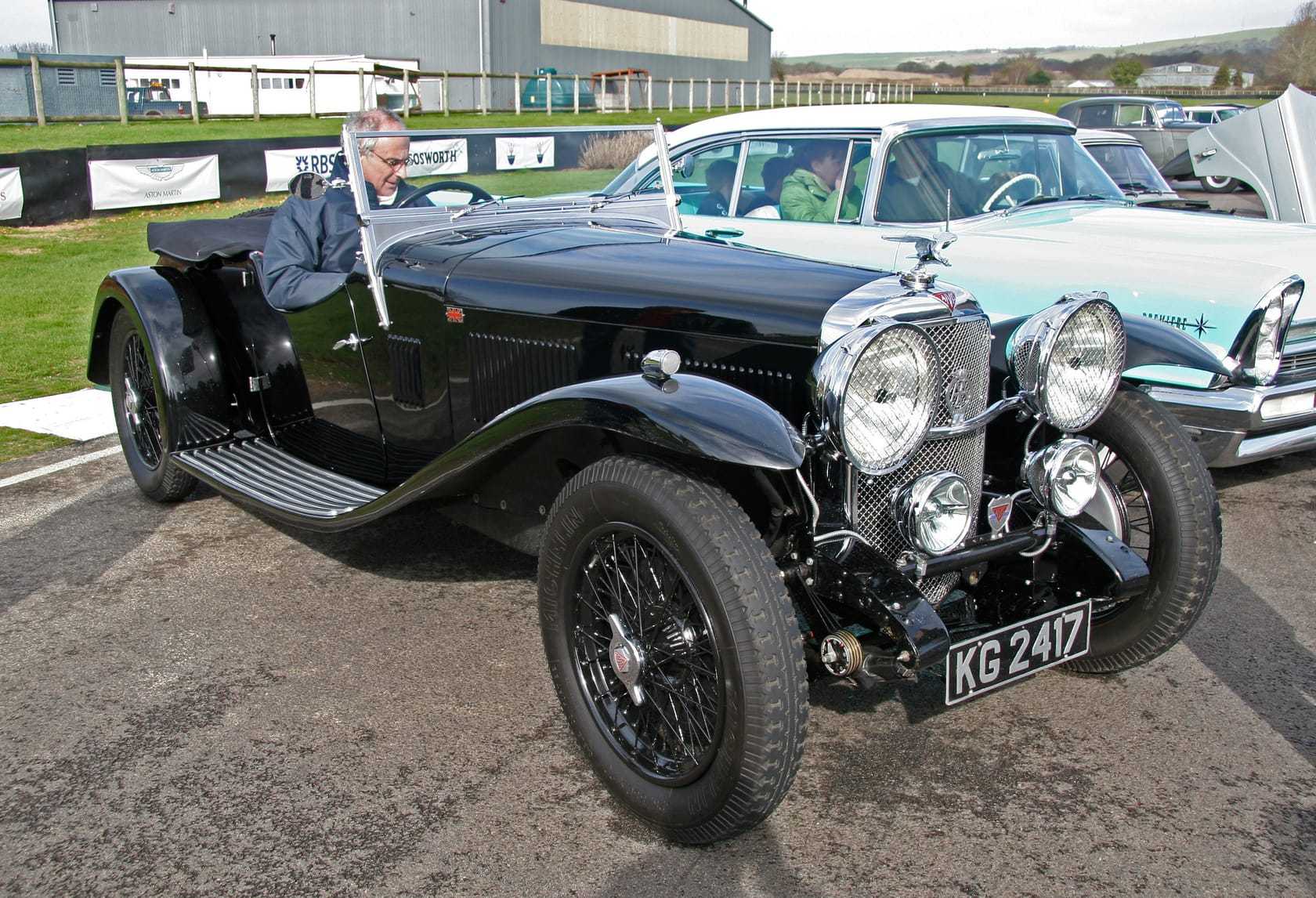
T. G. John founded Alvis in 1919 and the 12/50 of 1923 made its name: a light, beautifully made sporting car whose reputation for indestructibility survives intact at every Vintage Sports-Car Club meeting today. The engineering ambition ran far ahead of the company’s size, front-wheel-drive Alvis racers ran at Le Mans in 1928, supercharged Grand Prix experiments followed, and by the thirties the Speed 20, Speed 25 and mighty 4.3 Litre carried all-synchromesh gearboxes and independent front suspension while grander rivals still specified neither. The great coachbuilders dressed the chassis, and the pre-war Alvis earned its place beside far more expensive machinery.

Alvis at auction
What a classic Alvis sells for at auction
- Median sale, 2025
- £18,562 Down from £29,813 in 2021
- Sales in 2025
- 45 The most we have recorded in a year
- Sold when offered
- 67.7% Of the cars put up for auction since 2004
- The record
- £287k Speed 25 SB, RM Sotheby's, August 2025
TA14 to Grey Lady: the post-war rebuild
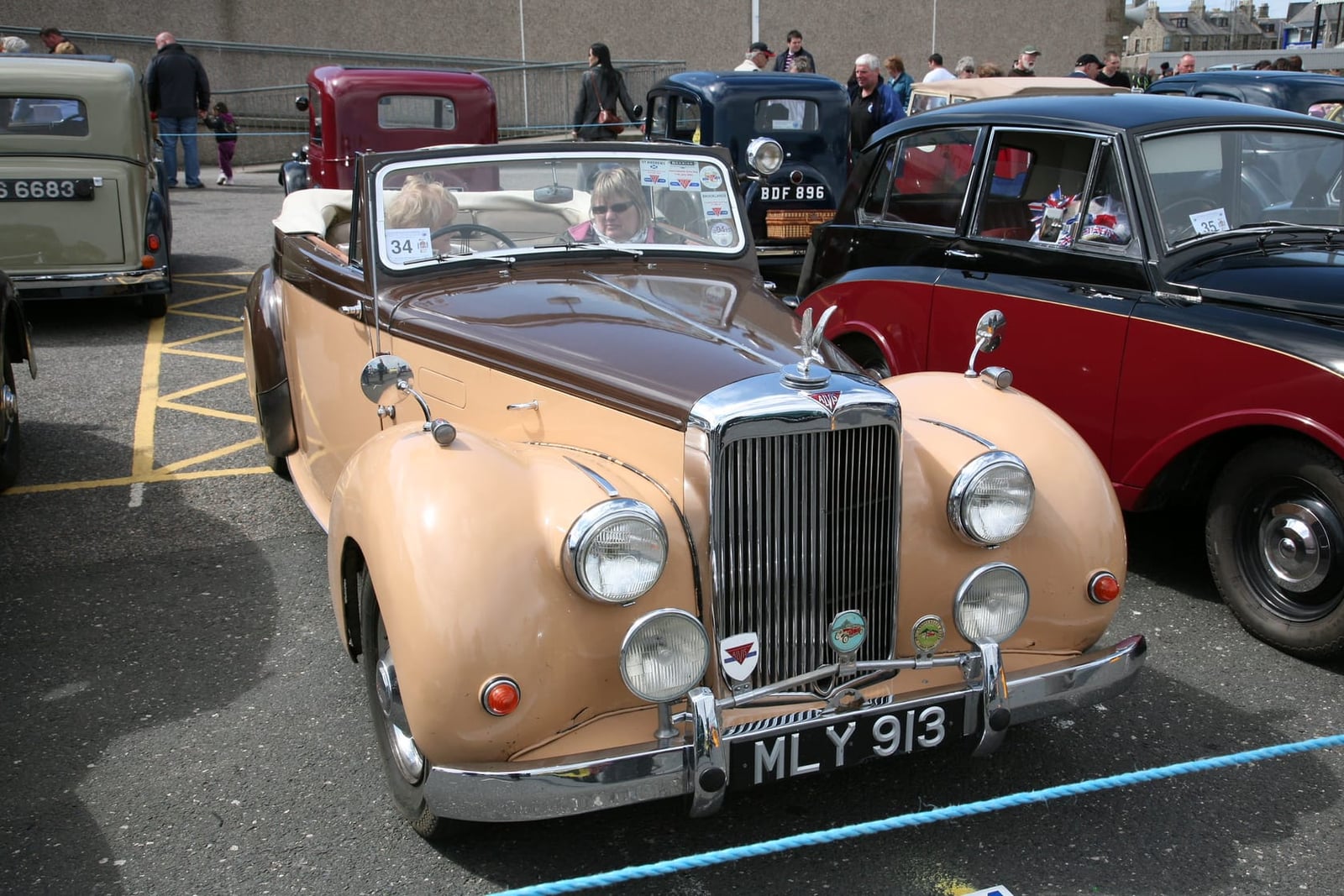
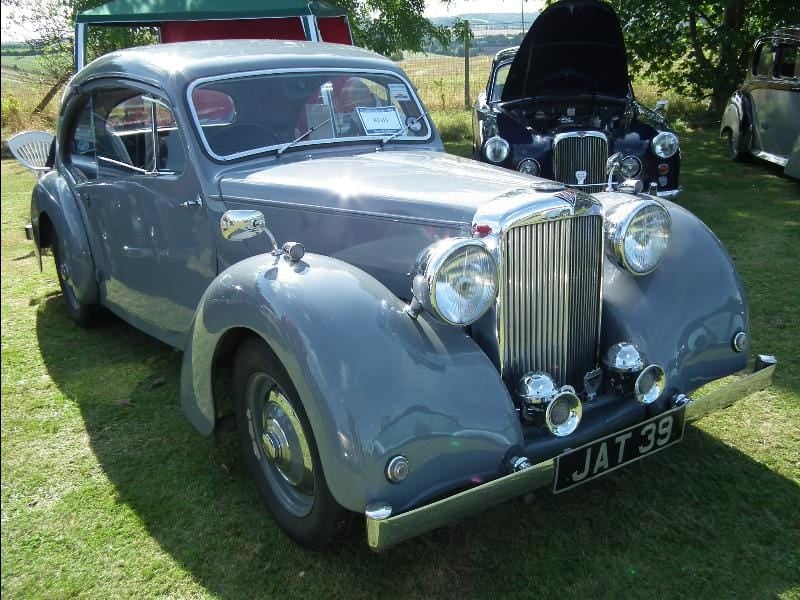
The war turned Alvis into an armoured-vehicle and aero-engine concern, and the bombed works restarted cars modestly: the TA14 of 1946 updated pre-war thinking with dignity, and the new three-litre line from 1950, TA21 through the TC21 Grey Lady, restored genuine pace. Military work increasingly paid the bills, cars were rationed to a trickle of hand-built quality, and the marque settled into its final character: a small, superb sideline run for buyers who knew exactly what they were paying for.

The Graber era: the beautiful ending
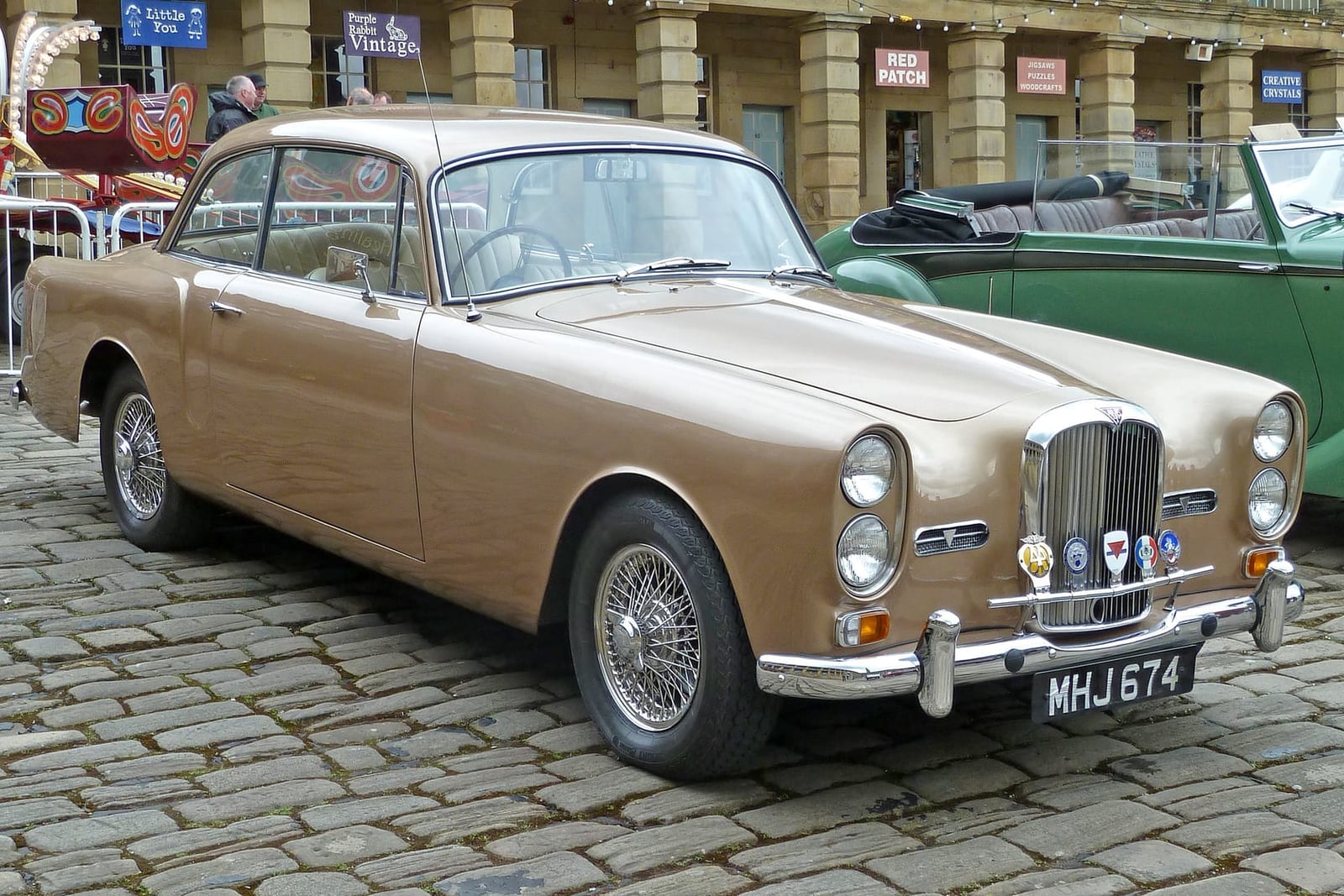
Swiss coachbuilder Hermann Graber drew the shape that defined late Alvis: his elegant three-litre proposal was adopted for production from 1958, built by Willowbrook and then Park Ward, and evolved through TD21, TE21 and the final TF21 with its quad lamps and 127 bhp. Rover took the company over in 1965, new car projects died on the drawing board, and the last TF21 left Coventry in 1967, ending 48 years of car production while the military side rolled on. Red Triangle inherited the parts, records and spirit, and today supports the survivors and builds continuation 4.3s.

What an Alvis is like to own
Alvis ownership is famously civilised: the cars were overbuilt from the start, the club and Red Triangle hold records and parts to a standard few marques match, and everything from a 12/50 to a TF21 tours hard without complaint. Vintage cars ask vintage technique; the post-war three-litres drive like gentler Bristols, quick enough, quiet and beautifully finished. Rust checks on the coachbuilt bodies and originality against the record cards are the buying disciplines, and the community’s depth makes both straightforward.
Values: quality still under the radar
Four hundred and sixty-eight measured sales at a £23,600 median price the marque below its engineering: TA14s and Grey Ladies from the low teens, Graber three-litres £20,000 to £45,000 with dropheads above, vintage 12/50s beyond that, and the thirties Speed models and 4.3 Litres running from £60,000 deep into six figures. For buyers who value how a car is made over how loudly its badge speaks, the red triangle remains one of the best-kept secrets in the British classic world.
More photos