Every marque on this site competed against rivals; one competed against its own definition of perfection. From the Silver Ghost that the press crowned the best car in the world in 1907 to the Silver Shadow that democratised the badge, classic Rolls-Royce cars were engineered to a standard rather than a price, and the survivors now span the widest value range in the hobby, from million-pound coachbuilt Phantoms to the most affordable grand luxury motoring on sale. This page indexes our Rolls-Royce guides and the story behind the radiator.
The Ghost and the title
Henry Royce’s engineering perfectionism met the Hon. Charles Rolls’ salesmanship in 1904, and by 1907 their 40/50hp model, nicknamed Silver Ghost, had settled the company’s destiny: a 14,371-mile officially observed reliability run without involuntary stops persuaded the motoring press to crown it the best car in the world, a title the company spent seventy years defending. Ghosts served as armoured cars in the Great War, carried Lawrence across Arabia, and survive today as some of the most valuable veteran machinery anywhere, individually documented by a club scene of scholarly depth.

Rolls-Royce at auction
What a classic Rolls-Royce sells for at auction
- Median sale, 2025
- £23,290 Down from £27,000 in 2021
- Sales in 2025
- 320 378 in 2022, the most we have recorded
- Sold when offered
- 70.2% Of the cars put up for auction since 1988
- The record
- £4.7m Silver Ghost, Bonhams, June 2012
Phantoms, small horsepower and the coachbuilt age
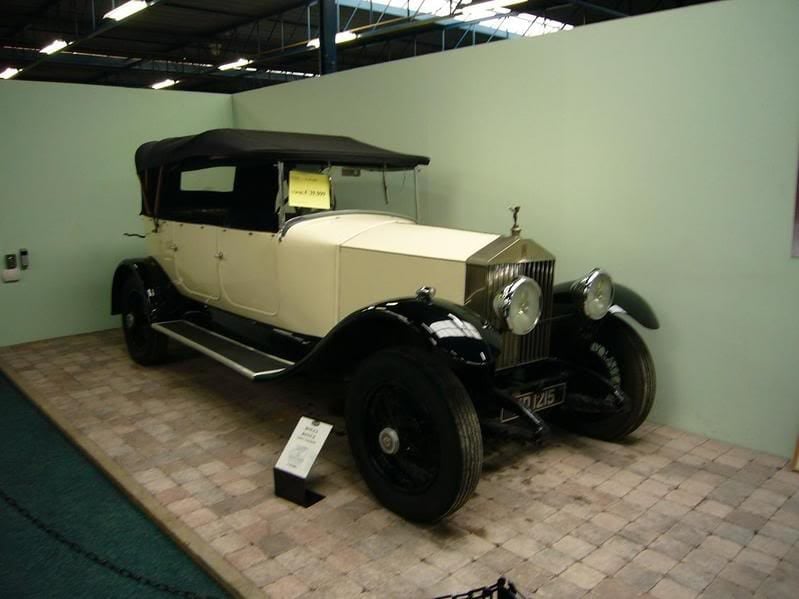
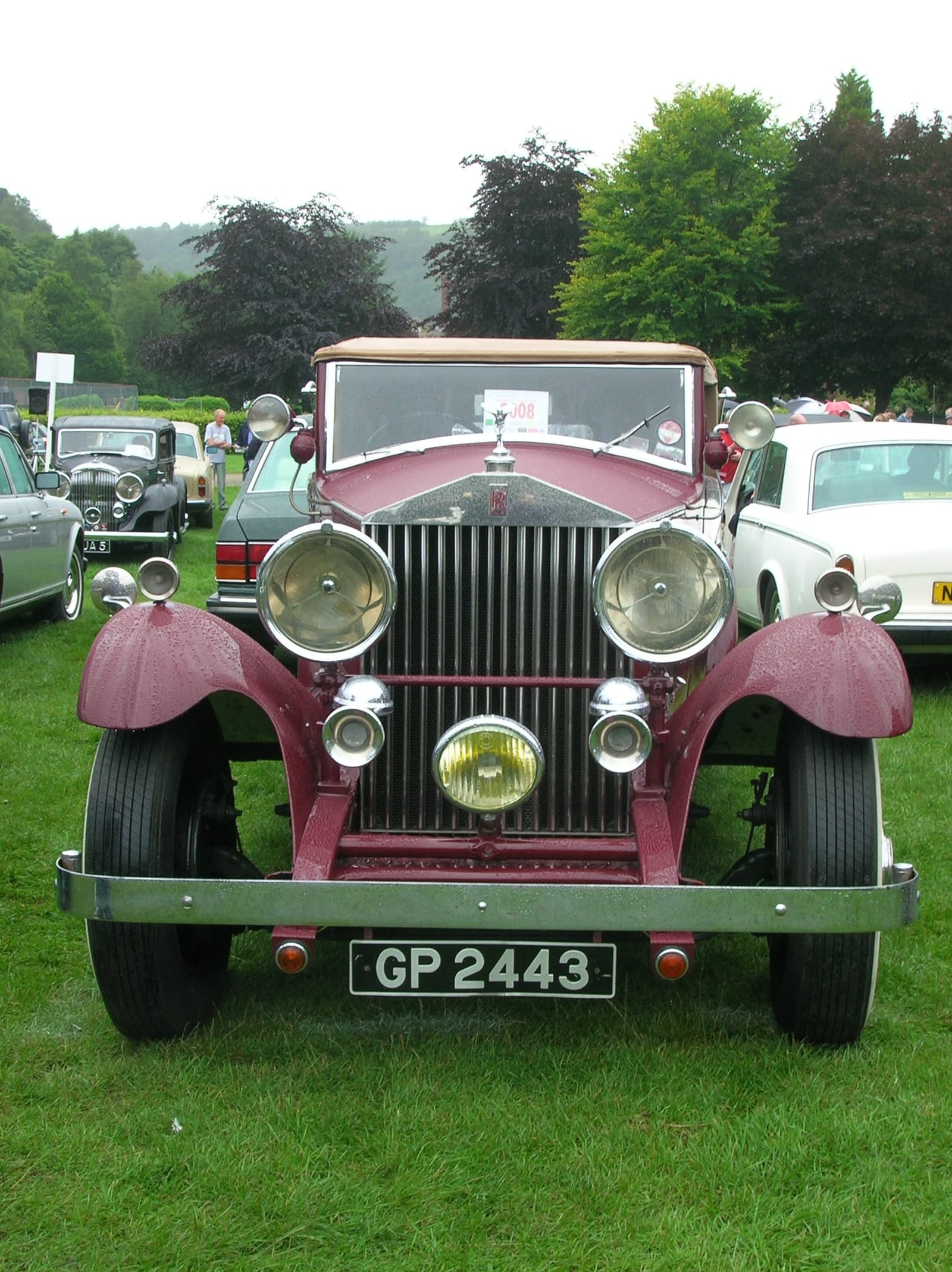
Between the wars Rolls-Royce built chassis and the great coachbuilders built everything above: Phantoms I, II and III carried maharajahs and monarchs in Hooper, Barker and Mulliner bodywork, while the small-horsepower 20hp, 20/25 and 25/30 brought the standard to the professional classes. The same Derby works developed the Merlin aero engine that would power Spitfire and Hurricane, aviation discipline feeding the cars throughout. Pre-war Rolls-Royce ownership today is coachwork connoisseurship, every body a one-off story, and the club registers read like social history.

Crewe and the modern classics
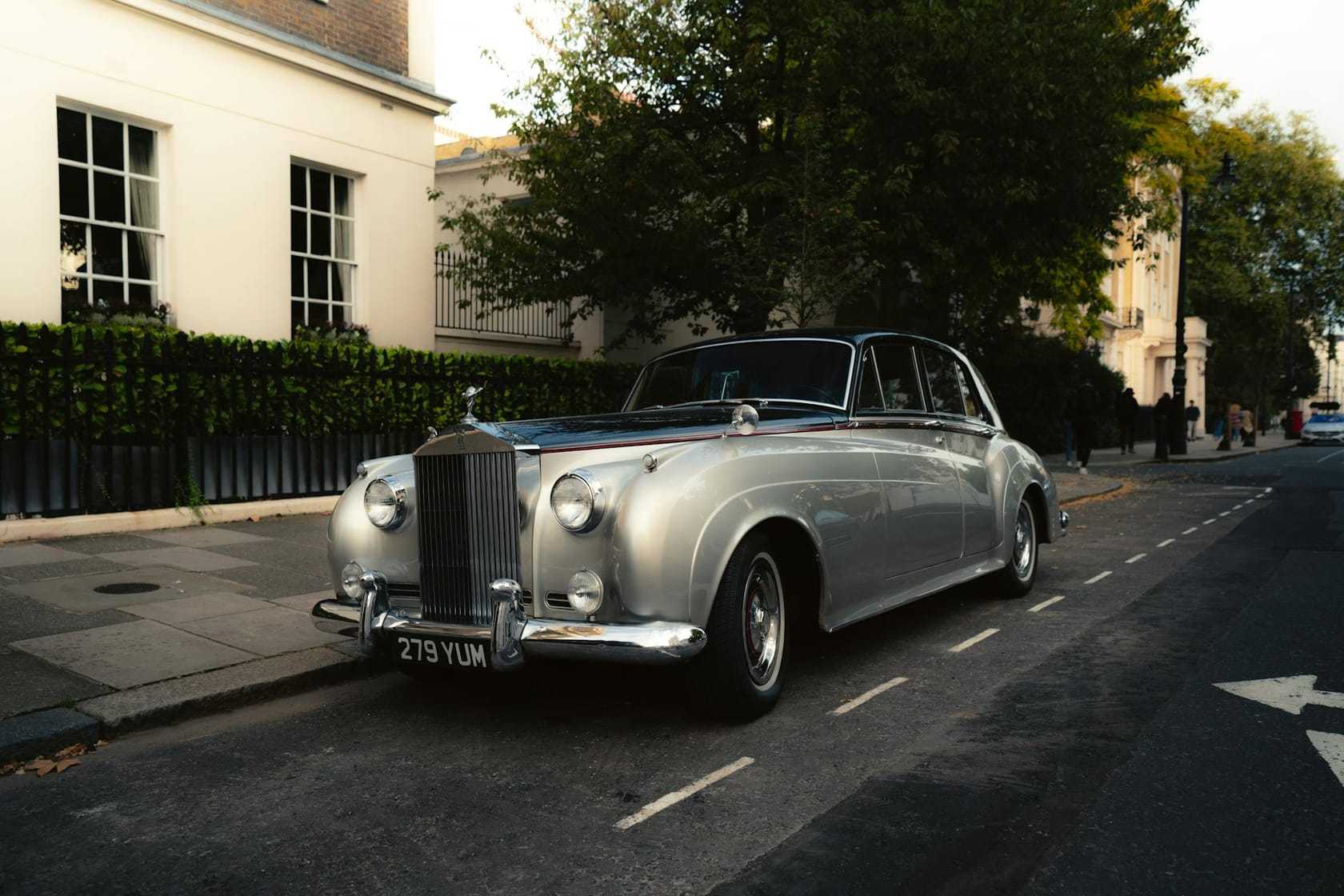
Post-war production moved to Crewe and, gradually, to complete cars: the Silver Dawn and Silver Wraith bridged the coachbuilt age, and the Silver Cloud of 1955 perfected it, the last and loveliest of the separate-chassis Rolls-Royces. The 1965 Silver Shadow then modernised everything at once, monocoque construction, disc brakes, high-pressure hydraulics, and became the most successful Rolls-Royce ever built, with the Corniche and Camargue as its coachbuilt companions and the Silver Spirit and Spur carrying the line to the nineties. Those two model guides anchor this silo; the coachbuilt-era stories join them on the shelf ahead.

Bankruptcy, Bentley and the badge
The company’s crises were never the cars’ fault: the 1971 bankruptcy came from the RB211 jet engine’s development costs, after which the car division sailed on separately under its own flag and then Vickers’. Bentley, bought from the receiver in 1931, spent the Crewe decades as the sporting twin, the S-series and T-series sharing nearly everything with Cloud and Shadow, until the 1998 auction sent the marques to different German custodians, the Rolls-Royce car name passing to BMW’s Goodwood operation from 2003. Our coverage ends where Crewe’s hand-built classic era does; the Bentley side of the family has its own hub.
Owning a classic Rolls-Royce
The ownership rule inverts the purchase price: buying can cost less than a used hatchback, running costs answer to the badge. Shadow-era hydraulics demand specialist fluency, coachbuilt restoration is measured in craftsman-years, and the marque’s fabled durability was always conditional on the maintenance schedule being honoured. The specialist network is superb, the clubs are institutions, and our measured record across the classic era, more than 4,200 sales at a £27,600 median, shows a market with room at every level. The model guides carry the detail; the constant is that history files outrank chrome.
More photos