Rolls-Royce Phantom I, II and III: the coachbuilt age at full majesty (1925–1939)
The pre-war Phantoms carried the coachbuilt age to its summit, the Phantom II under Royce's own hand and the V12 Phantom III as his final legacy, dressed by the greatest coachbuilders for maharajahs and moguls. A guide to all three, and the buying realities.
Built 1925–1939 569 recorded sales
At a glance
- Years
- 1925–1939
- Body styles
- Coachbuilt to order: limousines, sedancas, tourers, dropheads and specials
- Drivetrain
- Front engine, rear-wheel drive; separate chassis
- Engines
- 7668cc OHV six (PI and PII); 7340cc V12 (PIII)
- Power
- Around 100-165 bhp by model
- Top speed
- Around 80-100 mph by body
- Trim levels
- Chassis only; Continental short-chassis PII; every great coachbuilder represented
- Production
- About 3,500 (PI incl. Springfield), 1,680 (PII), 727 (PIII)
- Assembly
- Derby; Springfield, Massachusetts (American PI)
- Designer
- Henry Royce (PII his last complete design); the PIII V12 his final project
- Values
- Closed cars from around £60,000; good tourers £120,000-£250,000; Continentals and great coachwork far beyond
- The summit
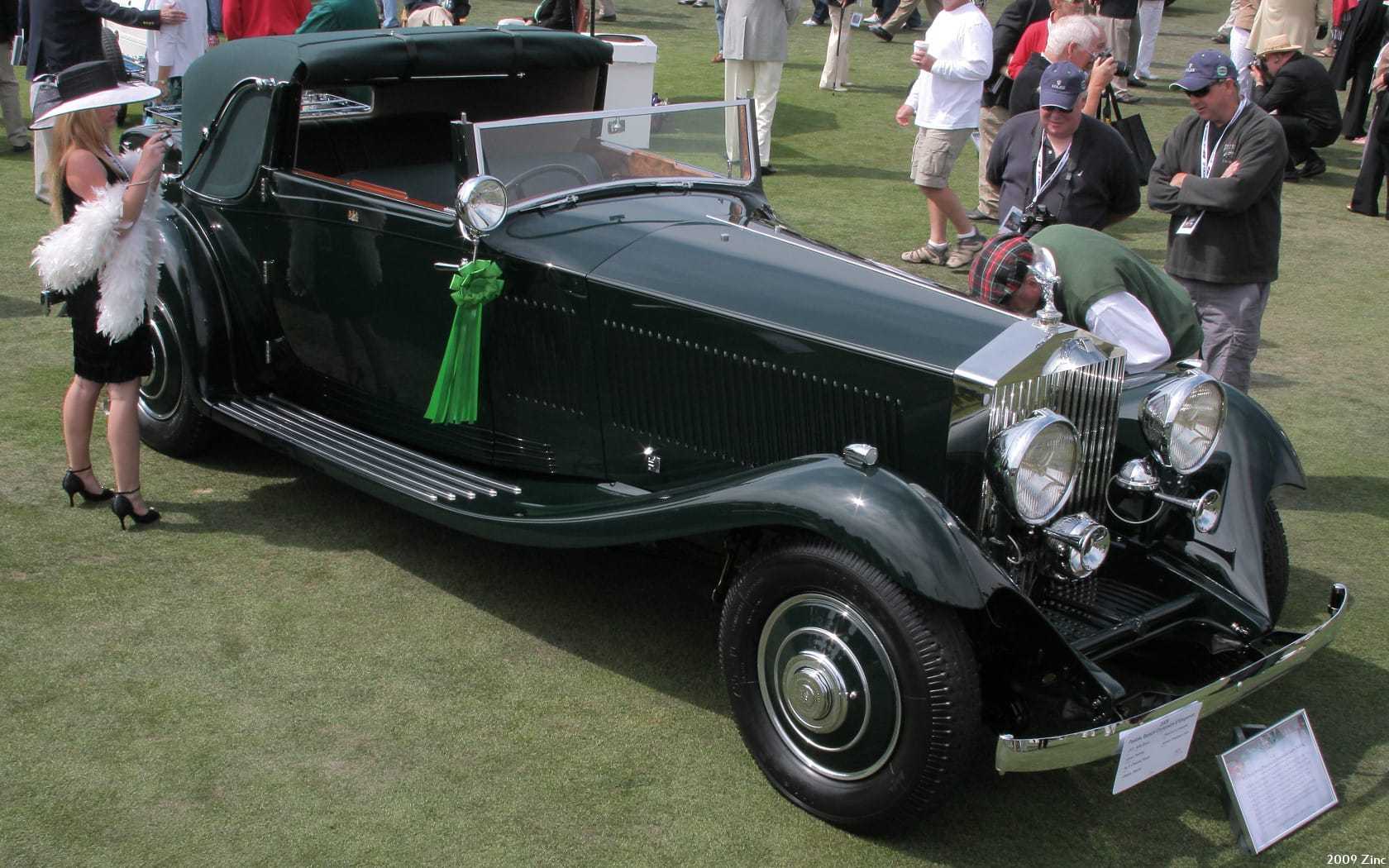
- The Phantom II Continental is many judges' finest pre-war Rolls-Royce of all
- The farewell
- The V12 Phantom III was Henry Royce's last engineering testament
The models
Between the wars the flagship Rolls-Royce was less a model than a stage: the Phantom chassis carried the greatest coachwork of the age for maharajahs, moguls and monarchs, evolving through three generations from the Silver Ghost’s successor to Henry Royce’s final V12 testament. The pre-war Phantoms, and the Rolls Royce Phantom II above all, remain the coachbuilt era’s summit, and their market spans the widest value spread in the entire hobby.
Phantom I: the New Phantom
The 1925 New Phantom, retrospectively Phantom I, answered the Ghost’s age with a new 7.7-litre overhead-valve six in familiar running gear: more power, more silence, and the same chassis-only formula for the coachbuilders. Derby built for the world while Springfield built for America, Brewster bodies gracing many US cars, and around 3,500 Phantom Is served the last years of the twenties boom. Film-star and plutocrat provenance runs thick in the registers, and the model’s transitional nature keeps it the value entry to Phantom ownership today.

Phantom II: Royce signs his masterpiece
The 1929 Phantom II was Henry Royce’s last complete design, and it shows: an entirely new low-slung frame with the six now unit with the gearbox, servo brakes refined, and proportions that let the coachbuilders draw their finest work. The short-wheelbase Continental, sprung and geared for the owner-driver, became the gentleman’s express of the age and is many judges’ finest pre-war Rolls-Royce full stop. 1,680 were built through 1936, and the Continental’s premium over formal PIIs illustrates the whole pre-war market in miniature: the chassis is shared, the coachwork decides everything.

Phantom III: the V12 testament
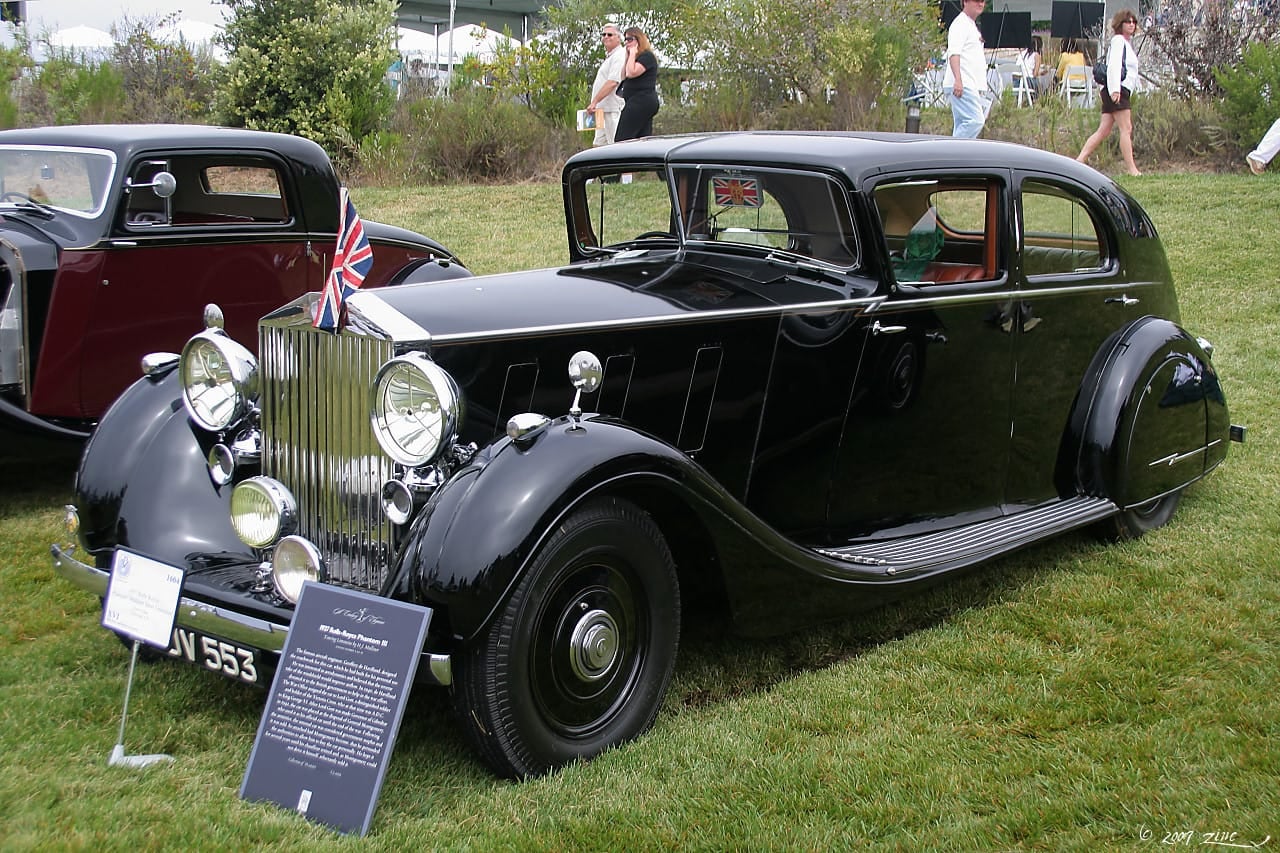
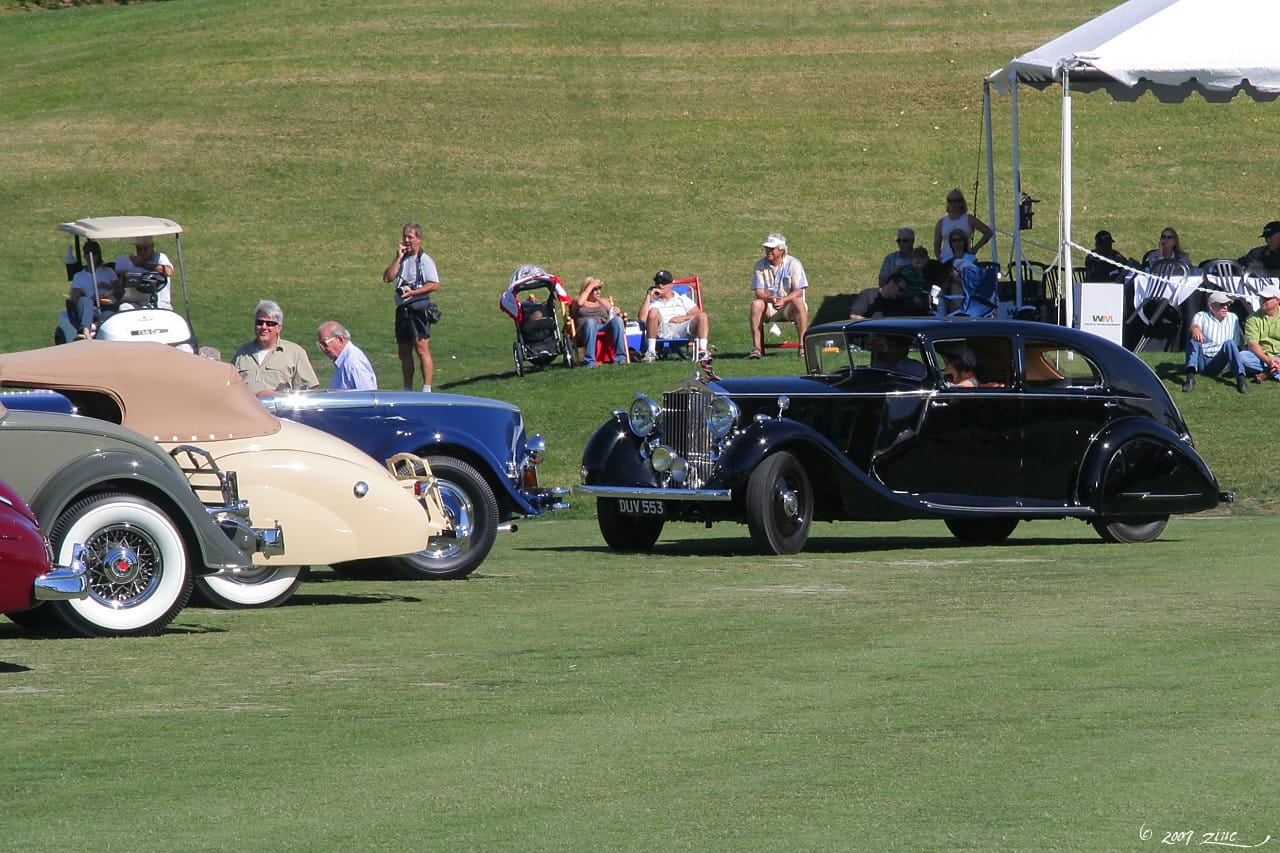
Detroit’s multi-cylinder race demanded an answer, and Royce’s final project delivered it posthumously: the 1936 Phantom III carried a 7.3-litre all-alloy V12 with hydraulic tappets and independent front suspension, engineering of aircraft sophistication that out-refined everything on the road. It was also famously exacting to maintain, which thinned survivors and now makes documented mechanical history the centre of every purchase. 727 were built before the war closed the line; Goldfinger later gave one to fiction’s most famous villain, a nice inversion for the marque Bond drove against. Sorted examples today reward the maintenance discipline with the most modern-feeling drive of any pre-war Rolls-Royce, and specialists who know the V12 regard it as Royce’s engineering high-water mark.

Maharajahs, moguls and the great commissions
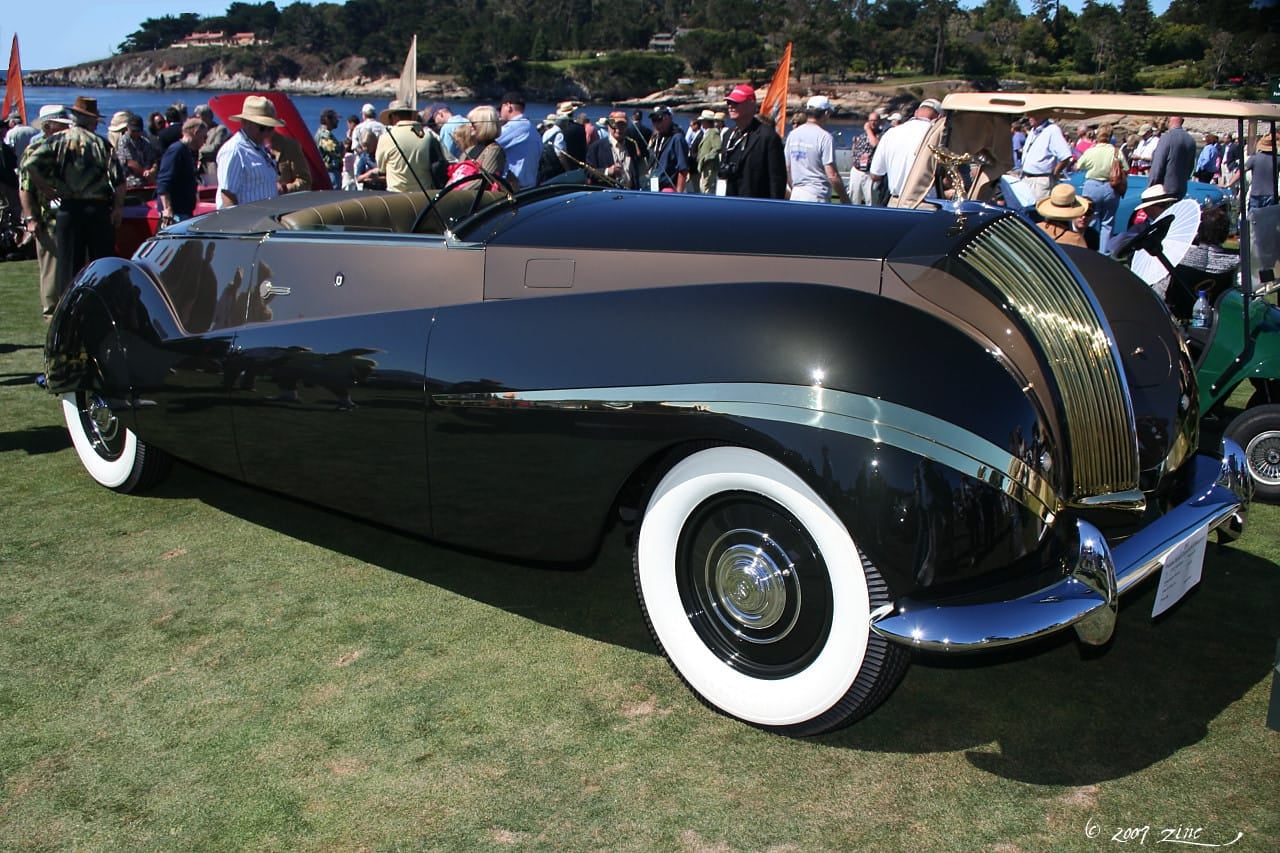
No chassis attracted patrons like a Phantom: the Indian princely states ordered them in fleets, tiger-hunting cars with spotlights and gun racks among them, Hollywood took delivery through Brewster showrooms, and European royalty treated the catalogue as a starting point for negotiation. The great houses answered with their finest work, Barker, Hooper, Gurney Nutting and Park Ward at home, Brewster in America and the French carrossiers for the avant-garde, so the surviving population reads like a museum of the coachbuilt age at its most ambitious. That provenance now trades as hard currency: a documented maharajah commission or a famous first owner can multiply a Phantom’s value several times over an identical chassis with a quiet history, and the registers’ biographical depth makes such claims checkable in a way few old-car markets can match.
The coachwork lottery
Phantom values obey the body: stately closed limousines, the majority of production, can trade below £100,000, astonishing engineering per pound, while sedancas, tourers and dropheads multiply the money and the great bespoke rarities, Continental PIIs in sporting dress, French avant-garde bodies, maharajah commissions, reach seven figures. The same chassis underneath makes the spread pure coachwork economics, and it gives buyers at every level a genuine route into the coachbuilt age, provided they buy the body, the history and the registers’ verdict together.
What a Phantom is like to drive
A Phantom drives younger than its dates: the sixes pull with silent, elastic ease, the PII Continental adds genuine sporting manners, and the PIII’s V12 delivers near-modern refinement with servo brakes and independent suspension smoothing the age away. All are vast, all reward planning, and all shrink around the driver within miles, as owners invariably report. The touring events of the pre-war movement, Alpine retracements included, are full of Phantoms being used exactly as intended, at pace, across continents, in silence.

Buying a pre-war Phantom today
The purchase is a three-part scholarship: chassis and engine verified against factory records, coachwork history established (original body, period rebody or later change), and mechanical condition assessed by the pre-war specialists, doubly so for the exacting V12. Formal cars tempt with low entry prices; their running realities suit patient owners with good sheds. Open coachwork carries the premiums and the demand. Running costs deserve honest budgeting too: these are vast, thirsty, hand-built machines whose consumables come in imperial quantities, and the difference between a cherished car and a neglected one is measured in tens of thousands. At 569 measured sales the market is liquid, learned and unforgiving of undocumented claims, and the registers’ knowledge is the buyer’s best friend.
On money, coachwork and provenance carry more of the price than the chassis does, and the ranking is not the one most people expect: the sophisticated V12 Phantom III is the cheapest of the three, because its engine is the most expensive thing in the range to put right. The full record, 569 recorded sales with a Brewster body worth nearly twice a standard one, is on the page covering what a pre-war Phantom sells for.
More photos
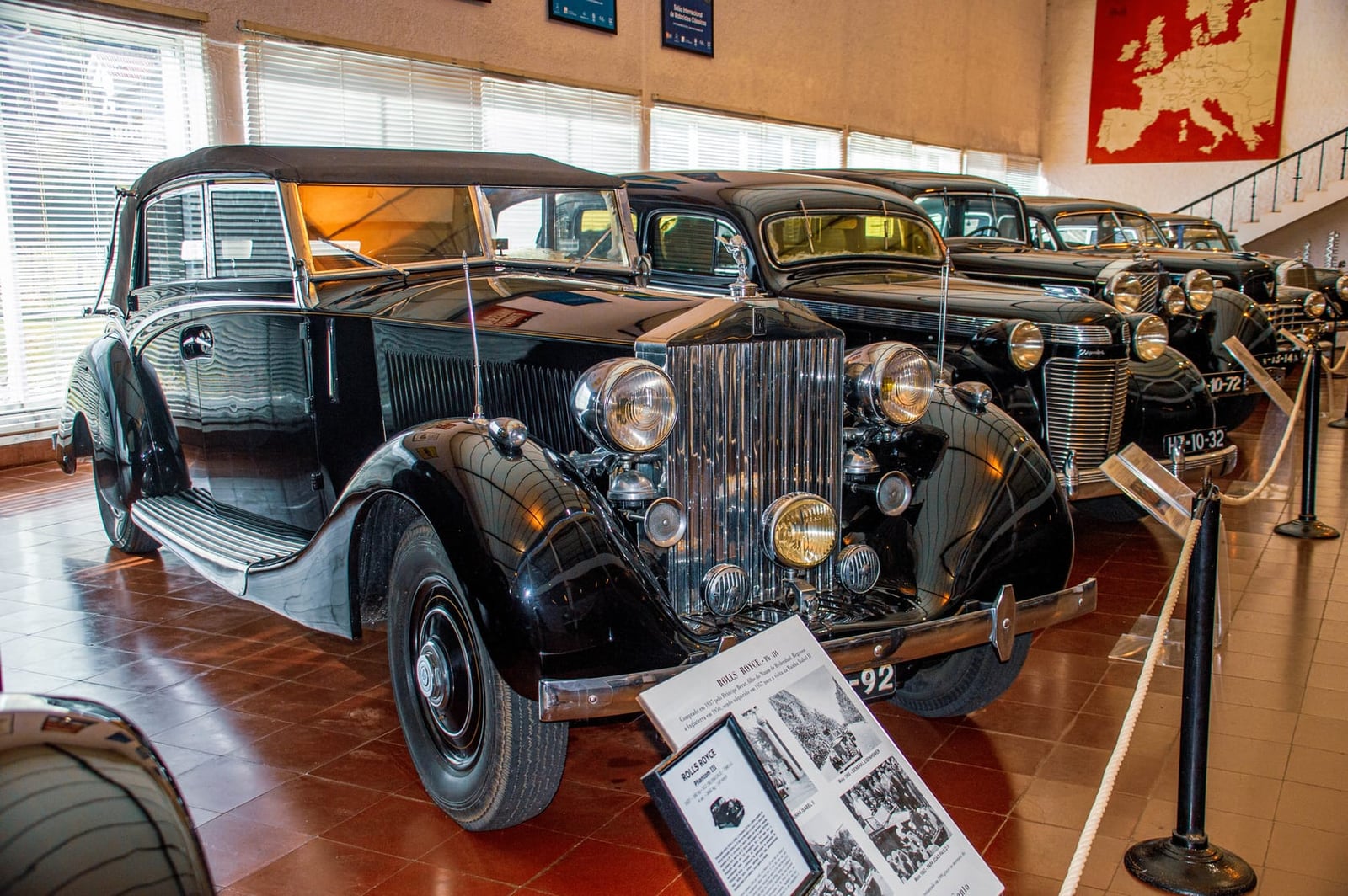
How the Phantom I-III changed
- 1925The New Phantom, retrospectively Phantom I, answers the Ghost's age with a 7.7-litre overhead-valve six in familiar running gear; Derby builds for the world and Springfield for America.
- 1929The Phantom II arrives as Henry Royce's last complete design: an entirely new low-slung frame with the six in unit with the gearbox, and refined servo brakes.
- 1930The short-wheelbase Continental, sprung and geared for the owner-driver, becomes the gentleman's express of the age.
- 1936The Phantom III delivers Royce's final project posthumously: a 7.3-litre all-alloy V12 with hydraulic tappets and independent front suspension.
- 1939War closes the line after about 3,500 Phantom Is, 1,680 Phantom IIs and 727 Phantom IIIs.
Phantom I-III: what to check before you buy
Three-part scholarship
- Chassis and engine verified against the factory records
- Coachwork history established: original body, period rebody or later change
- Mechanical condition assessed by the pre-war specialists, doubly so on a V12
- The registers' knowledge is the buyer's best friend at every level
Coachwork, which sets the price
- Formal closed limousines are the majority of production and the value entry
- Sedancas, tourers and dropheads multiply the money
- Continental PIIs in sporting dress, French avant-garde bodies and maharajah commissions reach seven figures
- Brewster bodies are worth nearly twice a standard one in the recorded market
Running realities
- Formal cars tempt with low entry prices; their running realities suit patient owners with good sheds
- The Phantom III's V12 is the most expensive thing in the range to put right
- Consumables come in imperial quantities, so budget honestly
- The difference between a cherished car and a neglected one is measured in tens of thousands
What the Pre-war Phantom sells for at auction
In 2025 the median Pre-war Phantom sold for £96,750 across 36 sales, 13% up on 2024. In real terms, typical Pre-war Phantom prices were down about 7% over the five years to 2025, once inflation is accounted for.
| Variant | Sold | Typical range | Median |
|---|---|---|---|
| Phantom II | 173 | £49,520 - £188,703 | £103,500 |
| Phantom I | 161 | £46,734 - £137,545 | £81,620 |
| Phantom III | 62 | £35,884 - £120,592 | £46,994 |
| Phantom I Brewster | 42 | £74,547 - £242,222 | £151,321 |
| Phantom II Brewster | 22 | £91,931 - £429,022 | £155,254 |
| Phantom I Hibbard & Darrin | 10 | £138,608 - £308,134 | £206,385 |
| Phantom II Thrupp & Maberly | 9 | £100,800 - £188,703 | £129,197 |
| Phantom III Hooper | 8 | £27,343 - £41,189 | £37,318 |
| Phantom I Barker | 8 | £114,154 - £274,400 | £204,403 |
| Phantom II Gurney Nutting | 7 | £137,410 - £327,936 | £279,472 |
| Phantom II Hooper | 7 | £62,426 - £214,987 | £134,021 |
| Phantom III H J Mulliner | 6 | £47,950 - £112,949 | £95,185 |
Show the year-by-year mediansHide the year-by-year medians
| Year | Sold | Median | In 2025 money |
|---|---|---|---|
| 2026 (so far) | 16 | £56,144 | |
| 2025 | 36 | £96,750 | £96,750 |
| 2024 | 31 | £85,366 | £88,642 |
| 2023 | 22 | £135,860 | £145,791 |
| 2022 | 28 | £103,500 | £118,531 |
| 2021 | 24 | £109,250 | £135,094 |
| 2020 | 15 | £81,813 | £103,675 |
| 2019 | 32 | £107,536 | £137,663 |
| 2018 | 18 | £159,496 | £207,646 |
| 2017 | 24 | £158,664 | £211,347 |
| 2016 | 16 | £110,200 | £150,570 |
| 2015 | 30 | £65,276 | £90,080 |
| 2014 | 40 | £114,398 | £158,503 |
| 2013 | 25 | £118,915 | £167,111 |
| 2012 | 24 | £124,162 | £178,482 |
| 2011 | 41 | £109,832 | £161,932 |
| 2010 | 42 | £112,928 | £172,965 |
| 2009 | 19 | £138,563 | £217,539 |
| 2008 | 15 | £101,963 | £163,235 |
| 2007 | 19 | £106,285 | £176,078 |
| 2006 | 12 | £52,674 | £89,299 |
| 2005 | 11 | £41,625 | £72,346 |
| 2004 | 16 | £33,525 | £59,466 |
| 2001 | 4 | £98,375 | £181,981 |
- £17,140Phantom I
- £25,692Phantom I
- £68,237Phantom I
- £26,629Phantom III
- £156,375Phantom II
Strong evidence. 569 recorded sales and a dozen or more a year: the median and the range are well founded. Based on 569 sold results from public classic car auctions (1994 to 10 August 2026). Sold prices, not asking prices, and not a valuation: condition, history and specification vary from car to car. Inflation-adjusted figures use the ONS CPIH index, in 2025 money.
Frequently asked questions
What is the difference between Phantom I, II and III?
Why are pre-war Phantoms comparatively affordable?
What was special about the Phantom III V12?
Did the pre-war Phantoms have famous owners?
How much does a Pre-war Phantom sell for?
What is the most expensive Pre-war Phantom ever sold at auction?
How often does a Pre-war Phantom come up for sale?
Related across themes
More from Rolls-Royce

Rolls-Royce Silver Shadow: the ten-thousand-pound best car in the world (1965–1980)

Rolls-Royce Silver Cloud: the last and loveliest of the old school (1955–1966)

Rolls-Royce Corniche: the coachbuilt survivor that outlived its makers (1971–1995)


