Rolls-Royce Silver Cloud: the last and loveliest of the old school (1955–1966)
The Silver Cloud closed the separate-chassis age with the most beautiful standard body Rolls-Royce ever wore, gained a V8 heart along the way, and became the definitive image of the classic Rolls. A guide to Clouds I, II and III, the coachbuilt cars, and what to check before buying one.
Built 1955–1966 574 recorded sales
At a glance
- Years
- 1955–1966
- Body styles
- Standard steel saloon; coachbuilt saloons, dropheads and touring limousines
- Drivetrain
- Front engine, rear-wheel drive; separate chassis
- Engines
- 4887cc straight six (Cloud I); 6230cc V8 (Cloud II and III)
- Power
- Sufficient (roughly 155-220 bhp across the run)
- Top speed
- Around 106-120 mph
- Trim levels
- Cloud I/II/III; LWB versions; H.J. Mulliner, Park Ward and James Young coachwork
- Production
- About 7,300 across the three series
- Assembly
- Crewe, Cheshire
- Designer
- John Blatchley (standard steel saloon)
- Values
- Usable saloons from around £25,000; good cars £35,000-£60,000; coachbuilt and dropheads far beyond
- The image
- The definitive classic Rolls-Royce silhouette, wedding albums included
- The farewell
- The last separate-chassis Rolls: after the Cloud, the modern age
The models
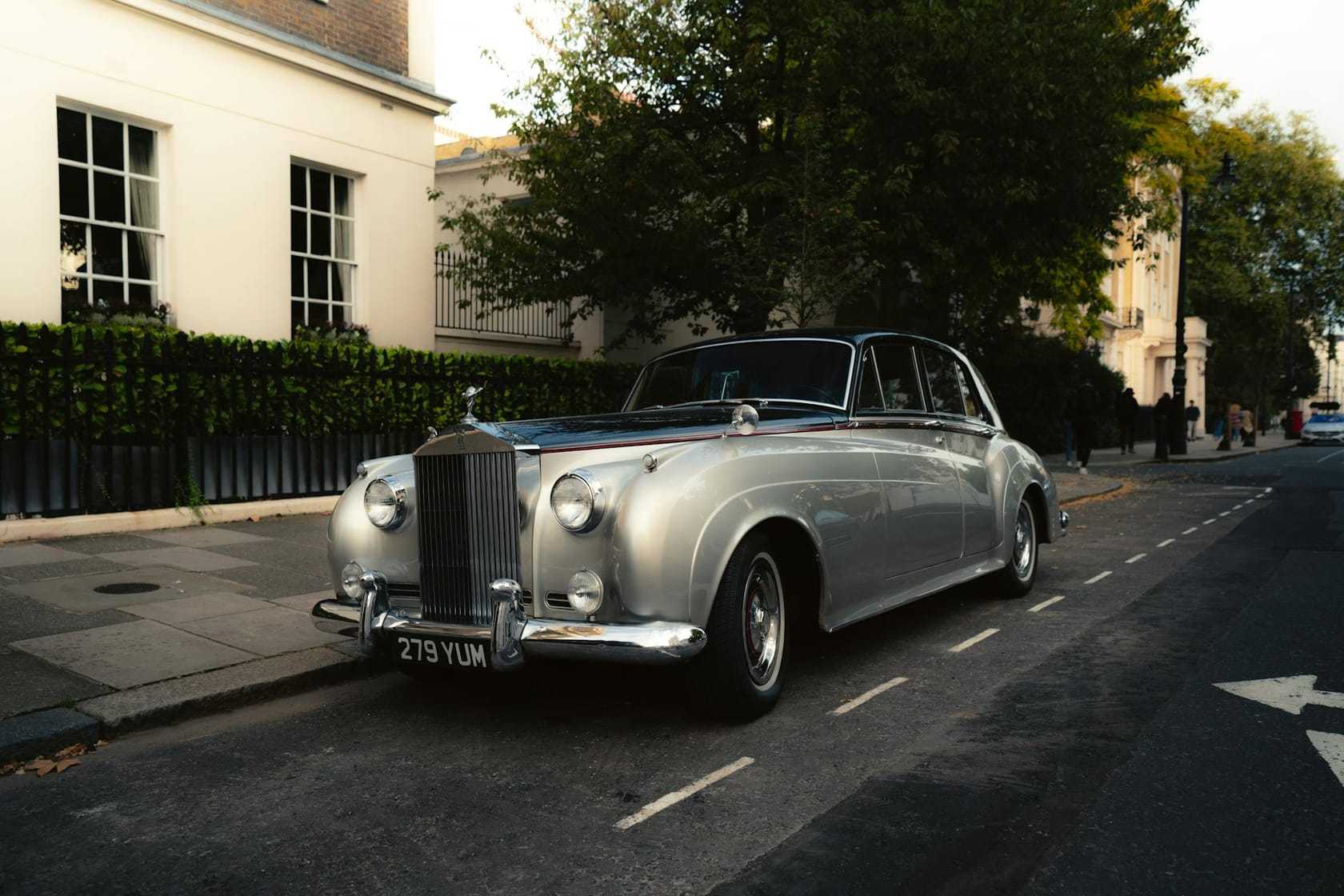
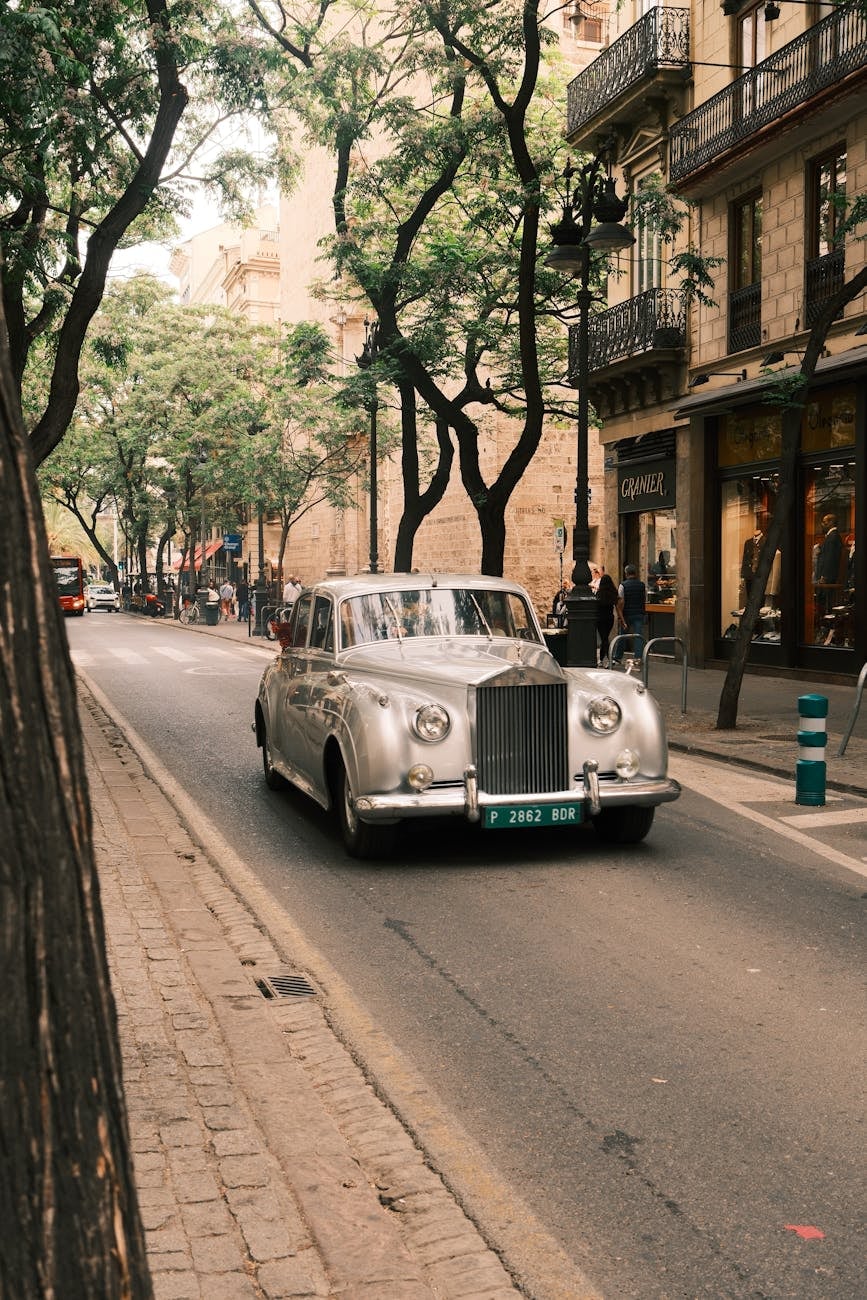
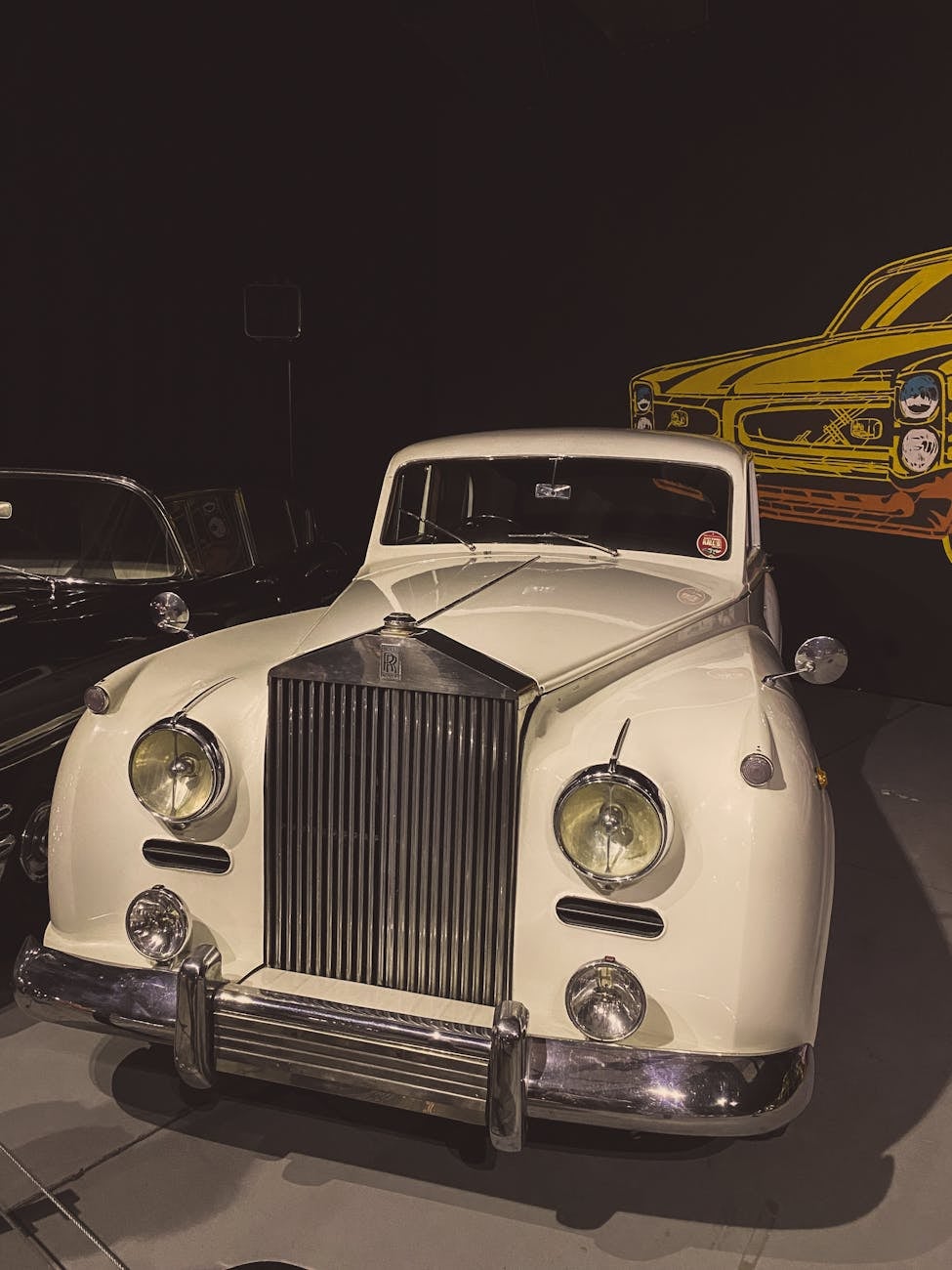
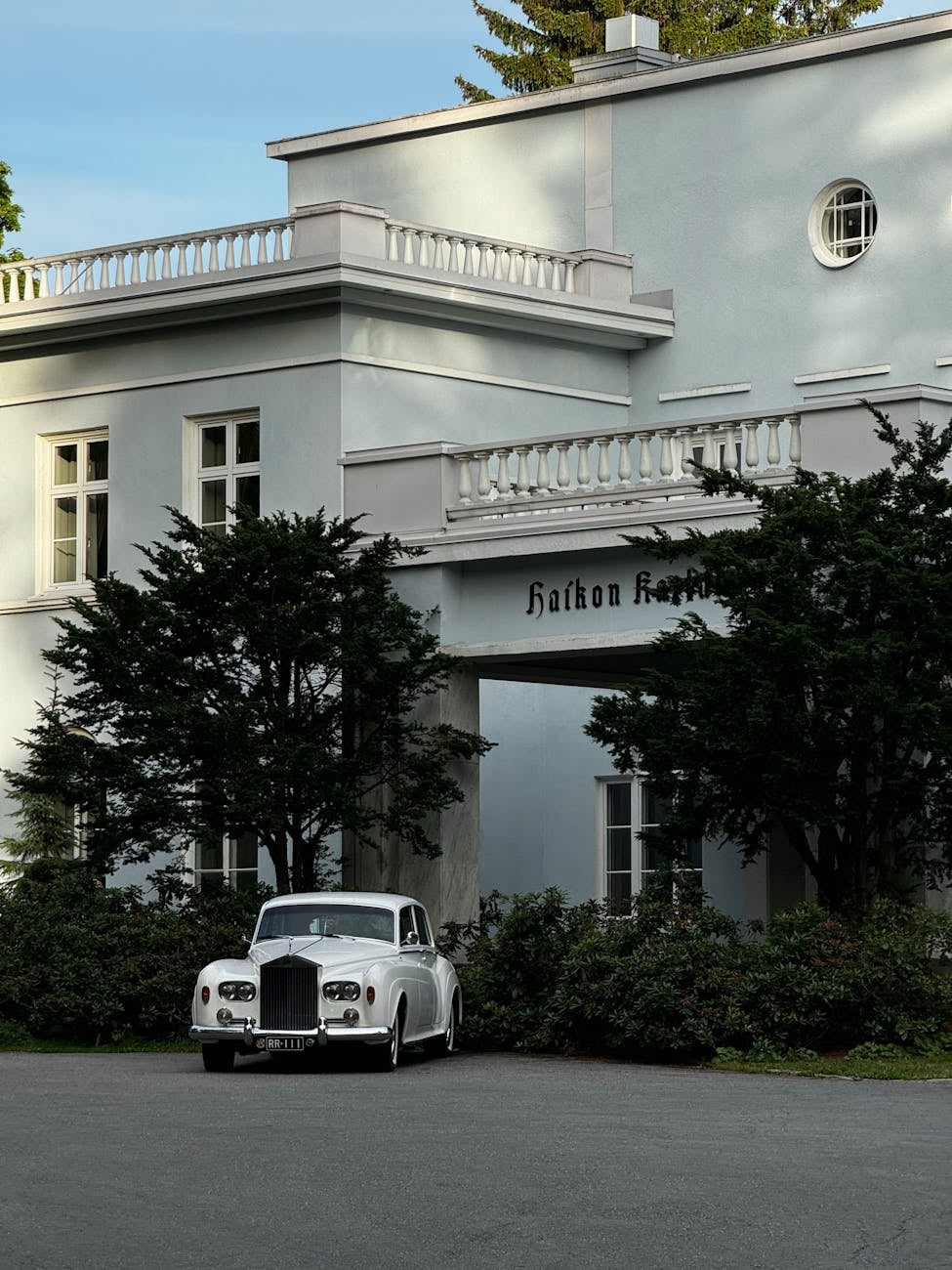
Ask anyone in the world to picture a classic Rolls-Royce and, whether they know its name or not, they will describe this car. The Silver Cloud of 1955 wore the most beautiful standard body Rolls-Royce ever made, John Blatchley’s swan-song for the separate-chassis age, gained a V8 heart in 1959, and retired in 1966 as the last of the old school. The Rolls-Royce Silver Cloud remains the definitive image of the marque, the wedding album’s eternal star, and a far more attainable classic than its silhouette suggests.
The last of the old school
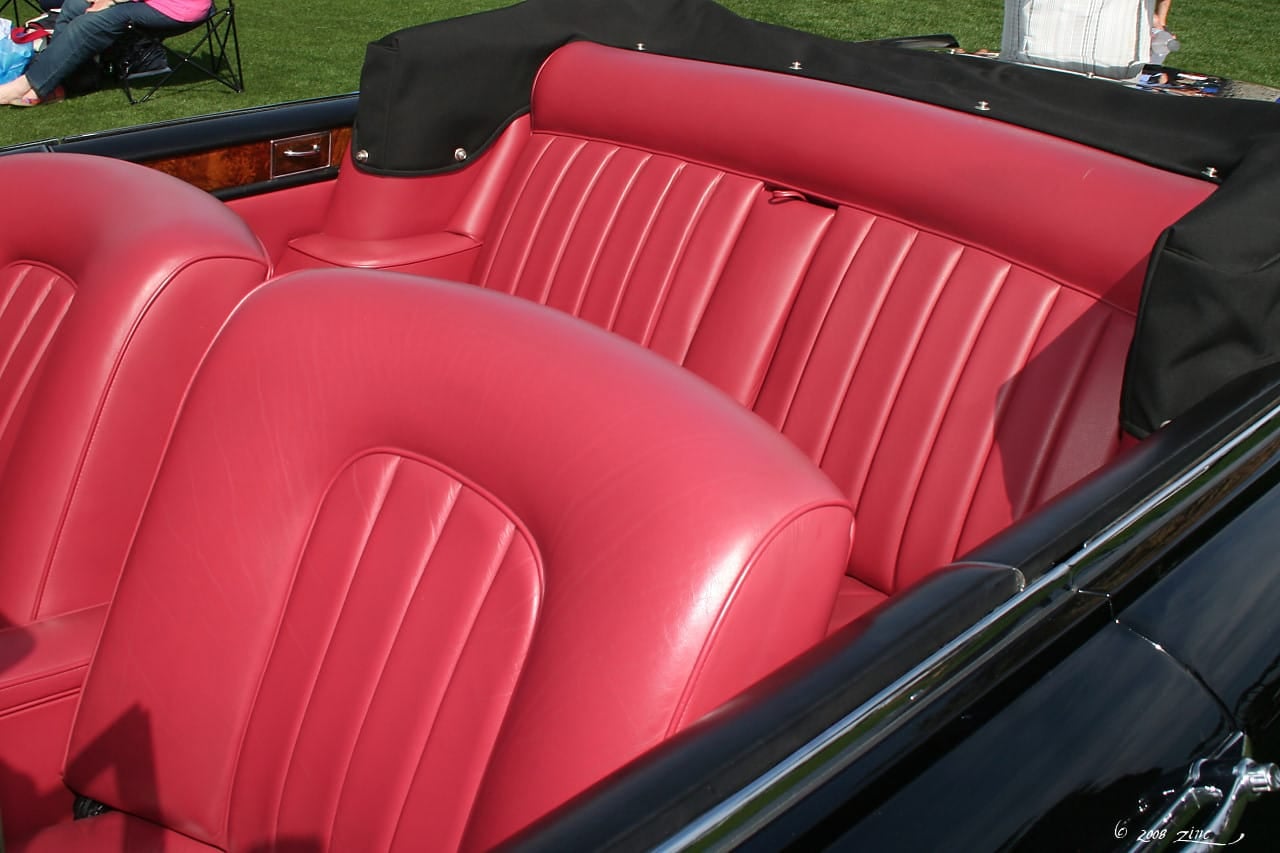
The Cloud closed out its era quite deliberately: a massive and traditional separate chassis, drum brakes with the famous mechanical servo, and Blatchley’s standard steel saloon flowing over it in curves that made rivals look like appliances. Inside, burr walnut, Connolly hide and picnic tables set the benchmark for the wood-and-leather age. Around 7,300 were built across three series to 1966, alongside the mechanically twin Bentley S-series, before the Silver Shadow’s monocoque modernity swept the old school away. Nothing about the Cloud hurried, including its exit.

Six to V8: the heart transplant
The Cloud I carried the final 4.9-litre development of the venerable straight six, velvet-smooth and adequate in the house style. The 1959 Cloud II introduced the all-alloy 6.2-litre V8 that would serve Crewe for half a century, power steering becoming standard with it, and the 1962 Cloud III added the four-headlamp face, more urge and a subtly lowered bonnet. Purists cherish the six’s refinement and the I’s unbroken line; drivers choose the V8 cars; and the III’s twin lamps still start debates at every club gathering, which is half their charm.

The coachbuilt margins
The Cloud chassis hosted the coachbuilt tradition’s grand finale: H.J. Mulliner’s drophead coupes, Park Ward’s elegant two-doors, and James Young’s saloons and touring limousines gave the era its rarities, the convertibles above all having climbed to the top of the market. When the merged Mulliner Park Ward closed the Cloud line, the craft moved on to the Corniche age in reduced form; the Cloud cars remain the last full flowering. Coachbuilt examples trade far above the standard saloons and deserve marque-expert eyes before any purchase.

Living with a Cloud
Cloud ownership is more practical than the presence suggests: the engineering is stout and deliberately simple to service by the marque’s standards, the centralised chassis lubrication eases routine care, parts supply through the specialist houses is excellent, and the wedding trade’s decades of patronage built a nationwide network of people who know these cars intimately. Running costs answer to size and thirst, mid-teens fuel figures and stately consumables, rather than to complexity, which is the Cloud’s advantage over its Shadow successor: no high-pressure hydraulics, no self-levelling, nothing a competent traditional garage cannot understand. Many Clouds work for their living, and the model wears the duty with visible contentment.
What a Silver Cloud is like to drive
The Cloud drives exactly as its silhouette promises: unhurried, upright and immensely dignified at all times, the six or V8 moving nearly two tonnes in near silence, the ride swallowing surfaces the suspension never mentions. The unassisted early steering asks shoulders at parking pace (Cloud II onward assists), the servo brakes reward planning, and 100 mph arrives with the calm of a liner making way. It is occasion motoring of the highest order, and the 1950s produced nothing else that turns every journey into an arrival quite like it.
Buying a Silver Cloud today
Bodywork rules this purchase absolutely: the massive chassis endures, but the steel body rusts in its sills, wings, floors and spring-hanger areas, and proper restoration is priced in craftsman-months, so a sound body outranks every mechanical consideration on the list. History files matter in the marque’s usual way, sixes are simpler to keep, V8s want cooling and tappet health, and ex-wedding cars with honest specialist maintenance can be shrewd buys. The clubs and specialists know the survivor population intimately, and the Bentley S-series twin offers the same car in quieter dress, often at a useful discount.
Where the Cloud sits in the market
For the single most recognisable luxury silhouette in British motoring, the standard saloon remains one of the great value positions in the whole classic market, and the wedding trade will underwrite it for as long as people marry. The coachbuilt world sits in a different bracket entirely. The full record, 574 recorded sales with the Cloud III saloon above both earlier cars and the dropheads at five to eight times any of them, is on the page covering what a Silver Cloud sells for.
More photos
Key dates for the Silver Cloud
- 1955The Cloud I arrives on a traditional separate chassis with drum brakes and the mechanical servo, wearing Blatchley's standard steel saloon and the final 4.9-litre development of the straight six.
- 1959The Cloud II brings the all-alloy 6.2-litre V8 that will serve Crewe for half a century, with power steering standard.
- 1962The Cloud III adds the four-headlamp face, more urge and a subtly lowered bonnet.
- 1955 to 1966H.J. Mulliner, Park Ward and James Young dress the chassis in dropheads, two-doors and touring limousines, the coachbuilt tradition's grand finale.
- 1966Production ends at about 7,300 cars; the Silver Shadow's monocoque sweeps the old school away.
Before you buy a Silver Cloud
Bodywork, which rules absolutely
- Sills, wings, floors and the spring-hanger areas
- The massive chassis endures; it is the steel body that decides the price
- Proper restoration is priced in craftsman-months, so a sound body outranks every mechanical point
- Coachbuilt cars add timber and craft concerns and deserve marque-expert eyes
Mechanical
- Sixes are simpler to keep and velvet-smooth; purists cherish the refinement
- V8s want cooling and tappet health checked
- Centralised chassis lubrication should be working, not merely present
- Servo brakes reward planning rather than pressure, so judge them by period standards
Series and provenance
- Cloud I carries the unbroken line the purists prefer
- Cloud II onward has power steering, which matters for actual use
- Cloud III's twin lamps still divide the clubs, and the market prices the debate
- Ex-wedding cars with honest specialist maintenance can be shrewd buys; the Bentley S-series twin often costs less
What the Silver Cloud sells for at auction
In 2025 the median Silver Cloud sold for £40,650 across 39 sales, 26% up on 2024. In real terms, typical Silver Cloud prices have been broadly level over the five years to 2025.
| Variant | Sold | Typical range | Median |
|---|---|---|---|
| Silver Cloud III Saloon | 135 | £25,938 - £55,781 | £36,545 |
| Silver Cloud II Saloon | 86 | £18,666 - £38,508 | £24,963 |
| Silver Cloud I Saloon | 49 | £18,530 - £31,749 | £24,892 |
| Silver Cloud III Drophead Coupe | 29 | £98,031 - £181,064 | £120,721 |
| Silver Cloud II Drophead Coupe | 25 | £149,681 - £212,294 | £183,616 |
| Silver Cloud III Coupe | 15 | £59,745 - £71,468 | £65,559 |
| Silver Cloud II Drophead Coupe H J Mulliner | 12 | £154,340 - £279,522 | £205,940 |
| Silver Cloud III Drophead Coupe Mulliner Park Ward | 7 | £95,082 - £274,500 | £113,067 |
| Silver Cloud II Limousine | 6 | £28,010 - £35,724 | £31,786 |
| Silver Cloud III Limousine | 6 | £49,598 - £79,251 | £70,942 |
Show the year-by-year mediansHide the year-by-year medians
| Year | Sold | Median | In 2025 money |
|---|---|---|---|
| 2026 (so far) | 15 | £28,687 | |
| 2025 | 39 | £40,650 | £40,650 |
| 2024 | 42 | £32,229 | £33,466 |
| 2023 | 67 | £36,588 | £39,262 |
| 2022 | 60 | £33,762 | £38,665 |
| 2021 | 39 | £33,755 | £41,740 |
| 2020 | 41 | £31,696 | £40,166 |
| 2019 | 21 | £38,671 | £49,505 |
| 2018 | 22 | £39,596 | £51,549 |
| 2017 | 21 | £37,267 | £49,641 |
| 2016 | 18 | £43,435 | £59,347 |
| 2015 | 26 | £35,913 | £49,560 |
| 2014 | 20 | £26,198 | £36,298 |
| 2013 | 26 | £31,738 | £44,601 |
| 2012 | 17 | £65,956 | £94,812 |
| 2011 | 19 | £40,400 | £59,564 |
| 2010 | 10 | £71,968 | £110,229 |
| 2009 | 12 | £22,840 | £35,859 |
| 2008 | 5 | £28,495 | £45,618 |
| 2007 | 7 | £28,673 | £47,501 |
| 2006 | 7 | £29,472 | £49,965 |
| 2005 | 6 | £22,156 | £38,508 |
| 2004 | 9 | £21,193 | £37,592 |
| 2003 | 6 | £30,973 | £55,727 |
| 2001 | 5 | £17,625 | £32,604 |
| 1999 | 5 | £19,982 | £37,982 |
- £61,085Silver Cloud III Saloon
- £24,250Silver Cloud III Saloon
- £40,567Silver Cloud II Saloon
- £49,822Silver Cloud III Saloon
- £13,781Silver Cloud I Limousine
Strong evidence. 574 recorded sales and a dozen or more a year: the median and the range are well founded. Based on 574 sold results from public classic car auctions (1993 to 10 August 2026). Sold prices, not asking prices, and not a valuation: condition, history and specification vary from car to car. Inflation-adjusted figures use the ONS CPIH index, in 2025 money.
Frequently asked questions
What is the difference between Silver Cloud I, II and III?
Why are Silver Clouds so popular as wedding cars?
Is the Silver Cloud the same as the Bentley S-series?
What should I check when buying a Silver Cloud?
How much does a Silver Cloud sell for?
What is the most expensive Silver Cloud ever sold at auction?
How often does a Silver Cloud come up for sale?
Related across themes
Recently added

Rolls-Royce Silver Shadow: the ten-thousand-pound best car in the world (1965–1980)

Rolls-Royce: the best car in the world, and the price of saying so

Aston Martin V8: the two decades of British muscle that saved the marque (1967–1989)
