Singer Gazelle and Vogue: the wood-and-leather Rootes (1956–1970)
The Singer Gazelle dressed the Hillman Minx in walnut, leather and a heritage badge, and the Vogue did the same one size up, giving Rootes its middle-class rung until the marque died in 1970. A guide to both cars, the Singer story, buying checks and gentle values.
Built 1956–1970 47 recorded sales
At a glance
- Years
- 1956–1970
- Body styles
- Saloon, convertible and estate (Gazelle); saloon and estate (Vogue)
- Drivetrain
- Front engine, rear-wheel drive
- Engines
- 1497cc Singer OHC (Series I-IIA), then Rootes 1494-1725cc fours
- Power
- Around 49-85 bhp by series
- Top speed
- Around 78-90 mph
- Trim levels
- One luxury specification per car: walnut, leather and deep carpet
- Production
- About 83,000 Gazelles and 47,000 Vogues
- Assembly
- Ryton-on-Dunsmore, Coventry
- Designer
- Rootes studios (Loewy-influenced Audax line)
- Values
- Projects from around £1,500; good saloons £3,500-£7,000; convertibles and the best beyond £10,000
- The recipe
- A Hillman Minx in a Savile Row suit: walnut, leather and the ancient Singer badge
- The ending
- The Singer name died in April 1970, seventy-five years after its first car
The models
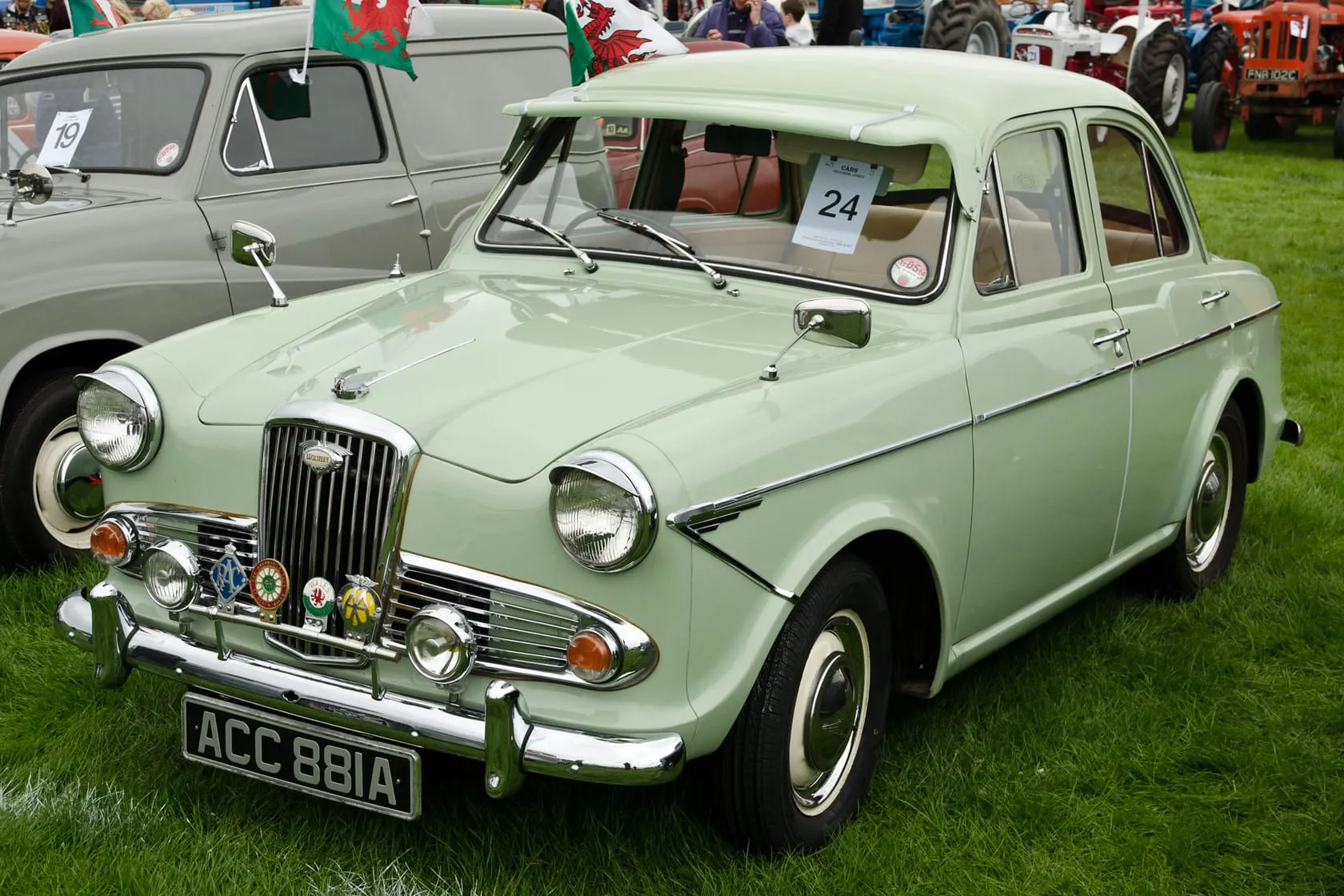
Badge engineering gets a bad name, but done with conviction it built careers, and no British badge wore its borrowed clothes better than Singer. From 1956 the Singer Gazelle dressed the Hillman Minx in walnut, leather and seventy years of heritage, the Vogue repeated the trick one size up, and together they gave the Rootes Group its middle-class rung until the marque died in 1970. The survivors are charming, club-supported, easy to keep, and very nearly the cheapest wood-and-leather motoring available anywhere in the classic world.
A Minx in a Savile Row suit
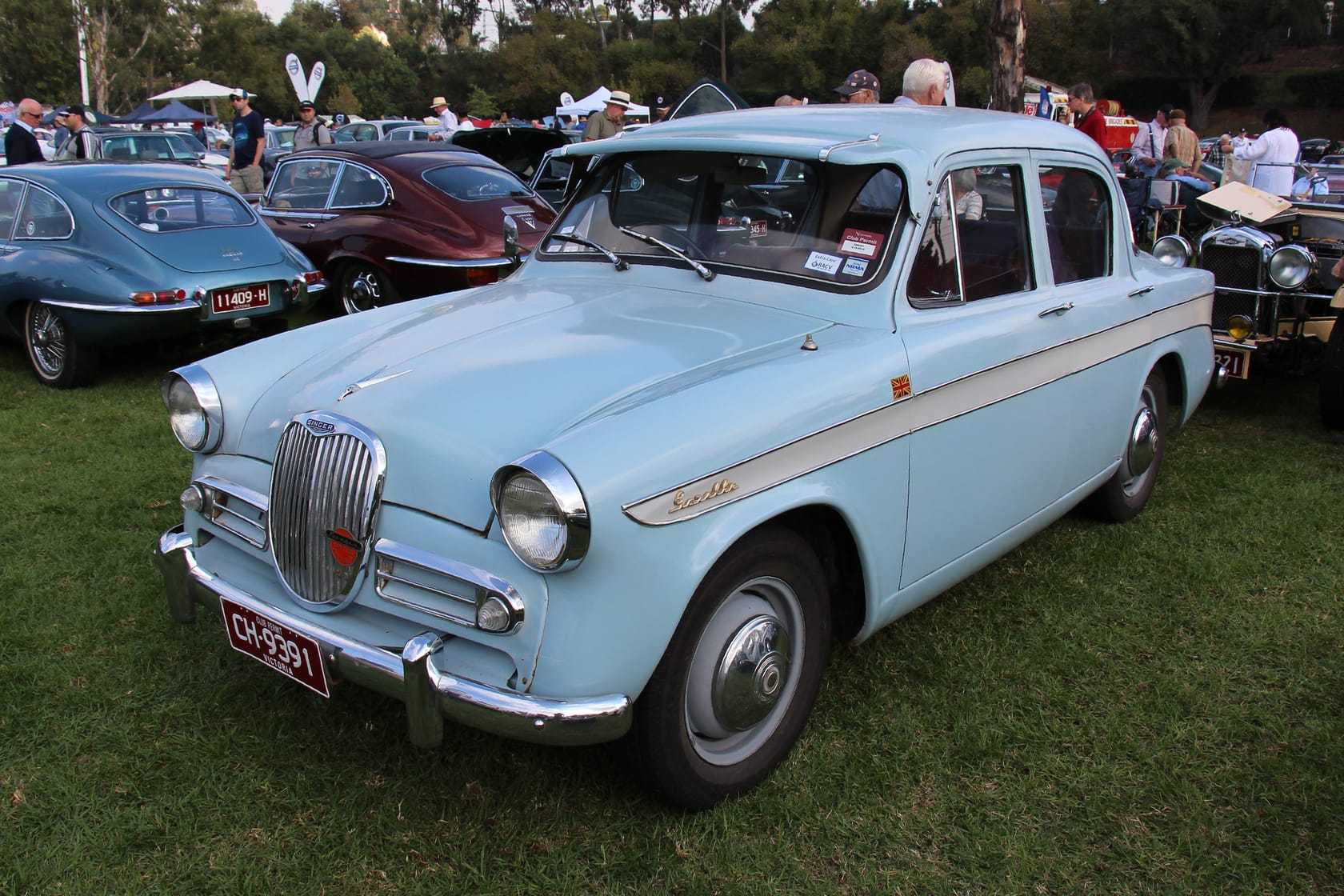
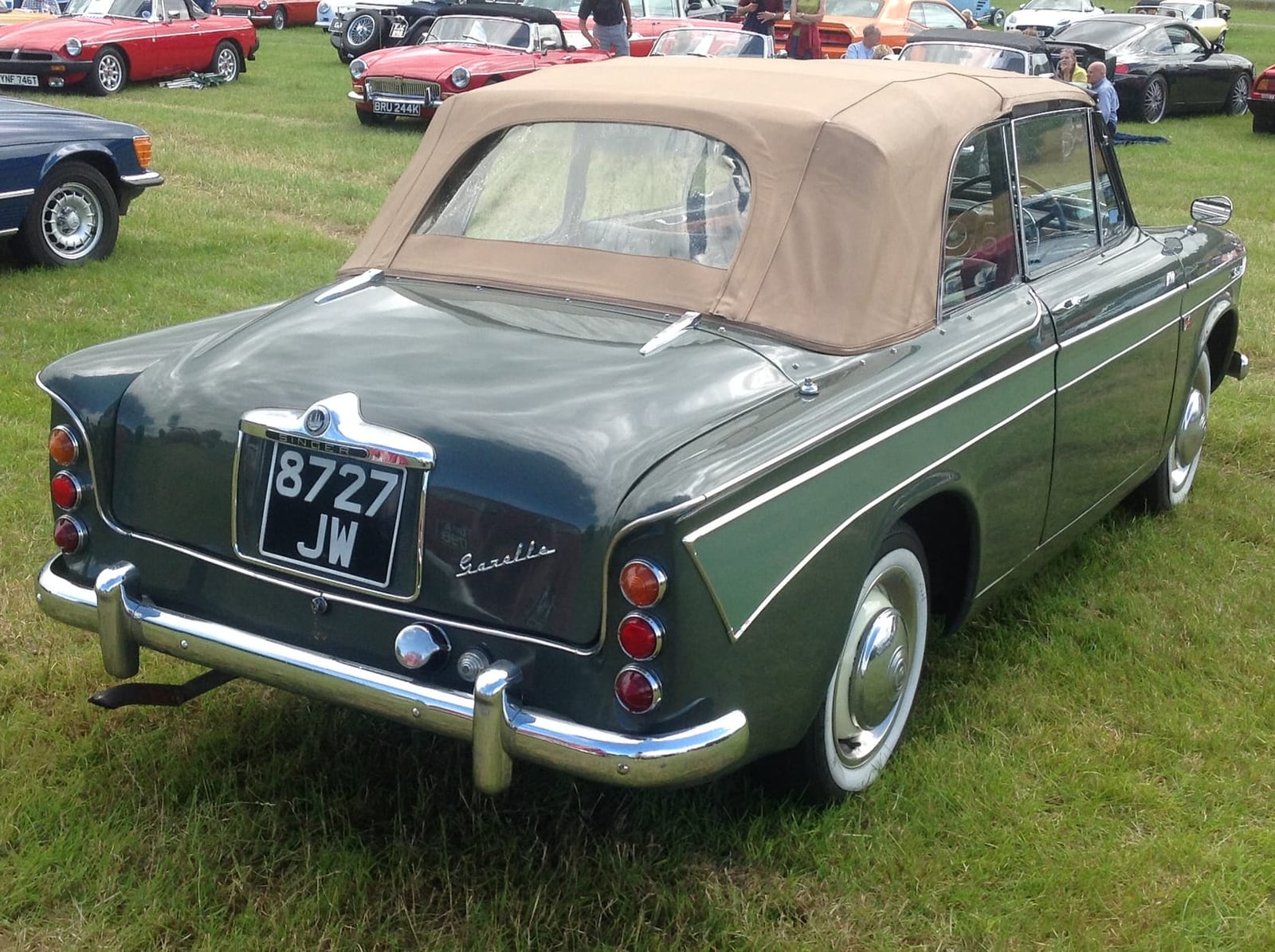
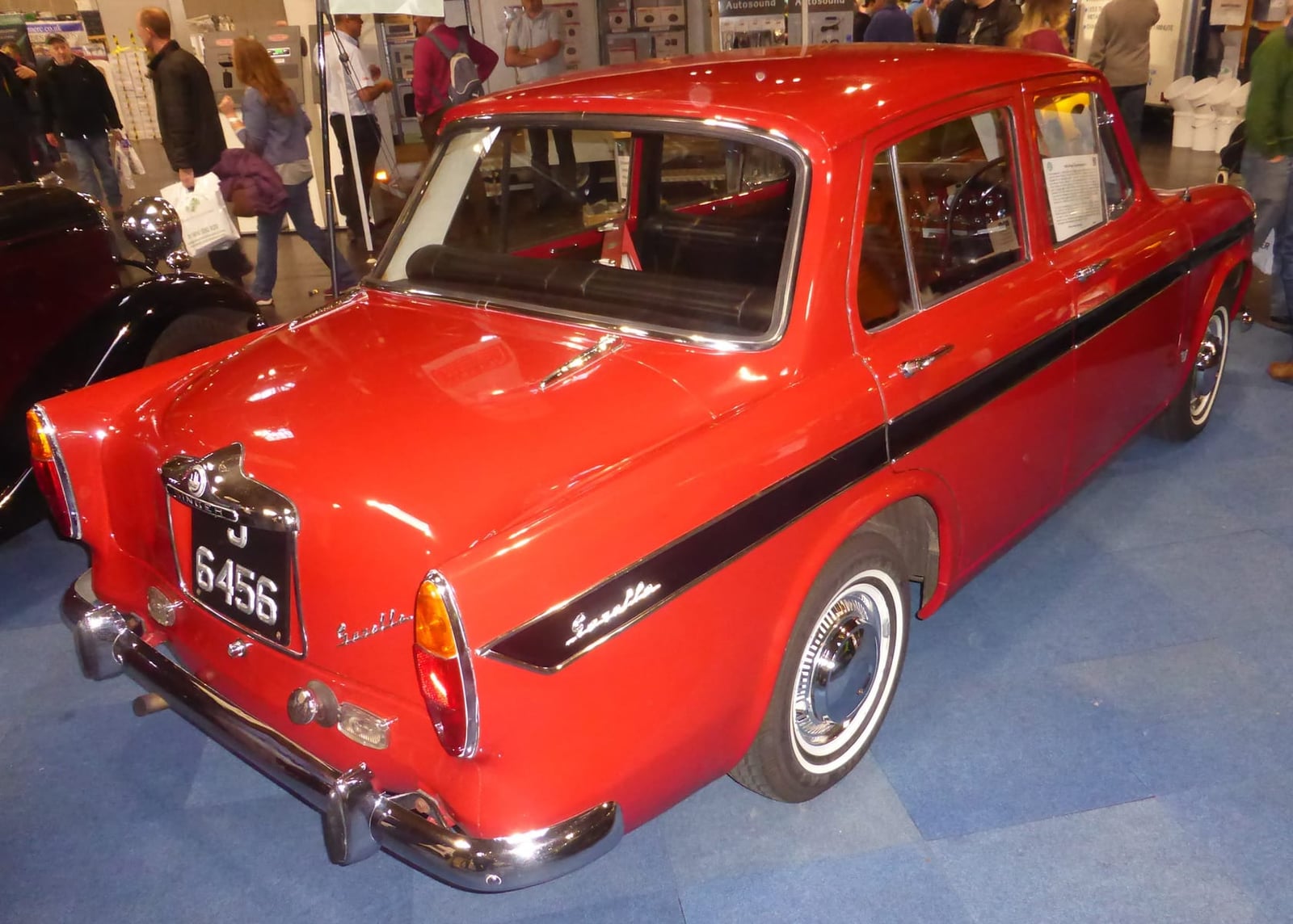
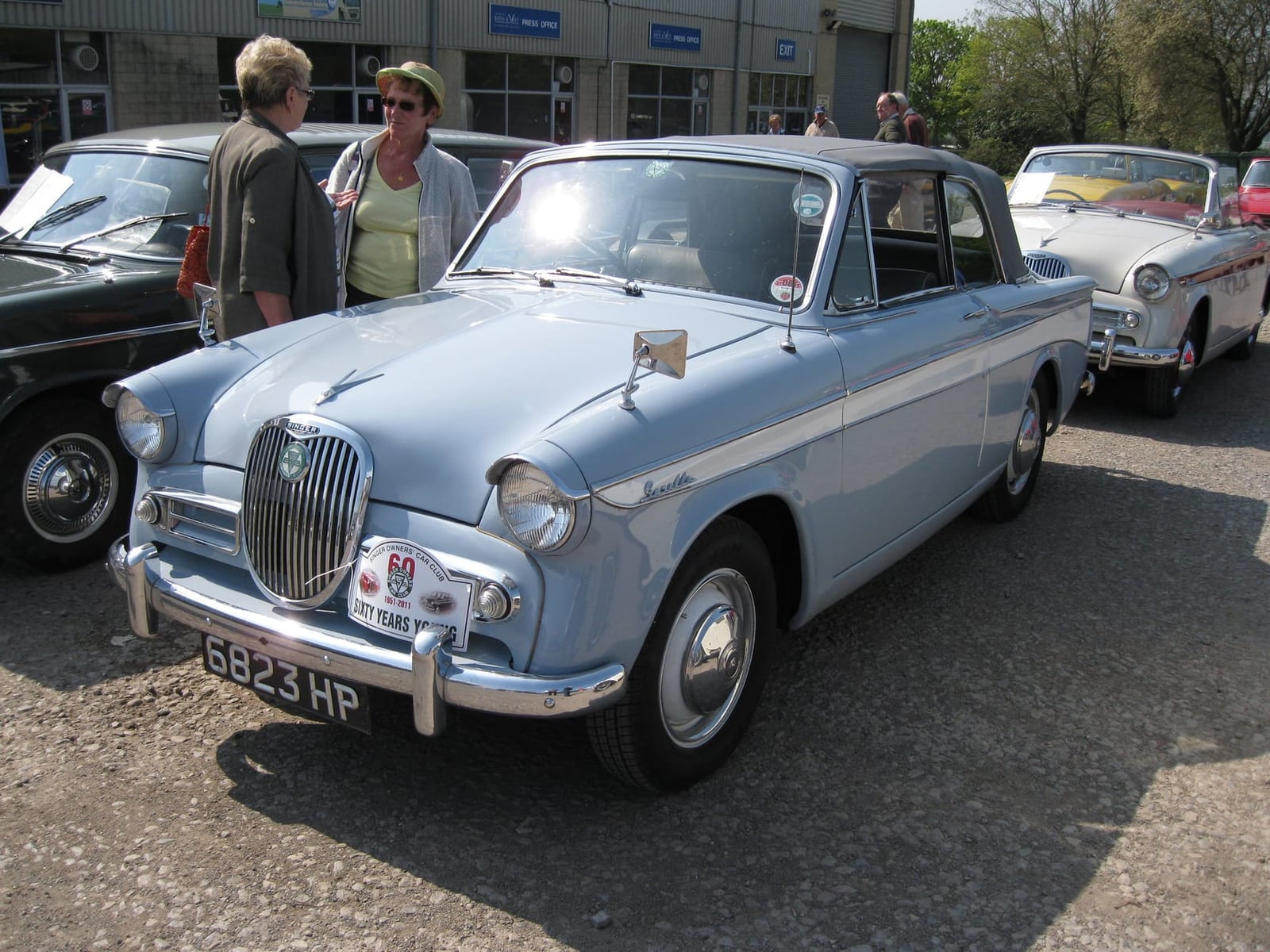
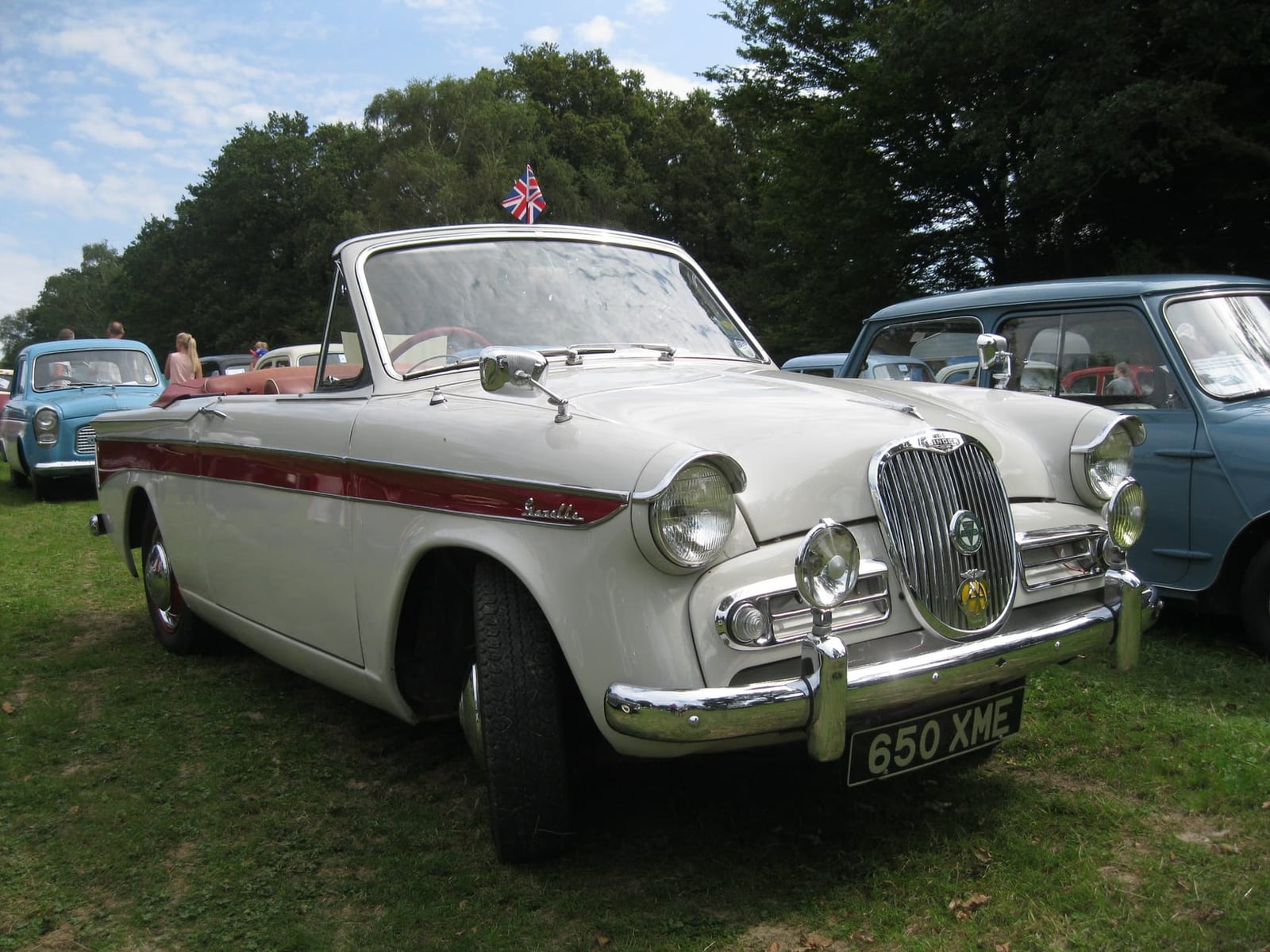
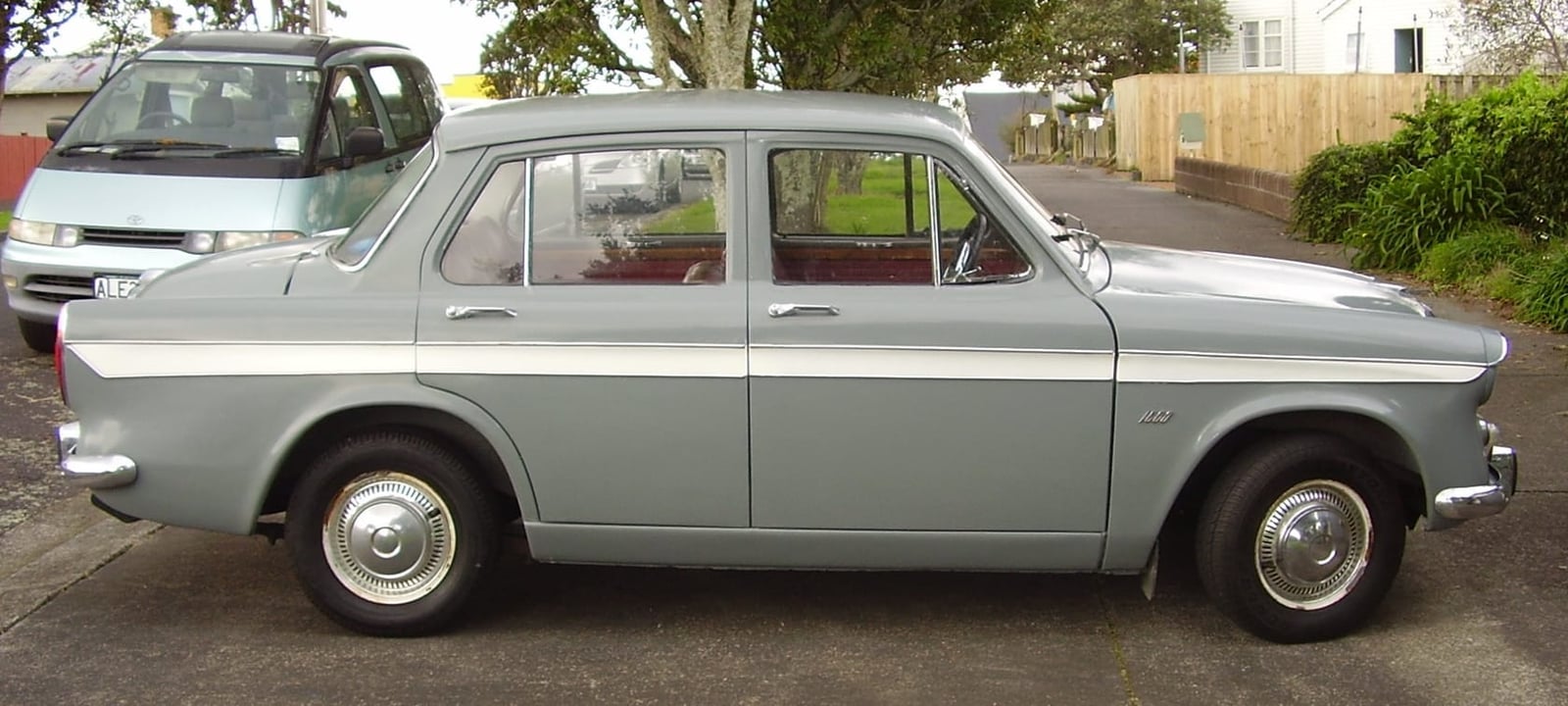
Rootes bought the ailing Singer company in 1956, one of the industry’s founding names reduced to a bargain, and wasted nothing: within months the Gazelle appeared, the Minx’s crisp Loewy-influenced Audax body wearing a traditional Singer grille, a walnut dashboard, leather seats and deeper carpets, priced neatly above the Hillman for buyers who wanted quality in a compact package. The masterstroke of the first cars was under the bonnet: Series I and II kept Singer’s own 1497cc overhead-cam engine, a genuine and deliberate link to the old company’s engineering pride, before Rootes rationalisation brought in the corporate pushrod fours from the Series IIA onward, to the lasting regret of the marque’s purists. Saloons led the range, with a pretty convertible that has become the collector favourite and a practical estate completing the family; around 83,000 Gazelles found buyers across fourteen years.

The Vogue: one size up
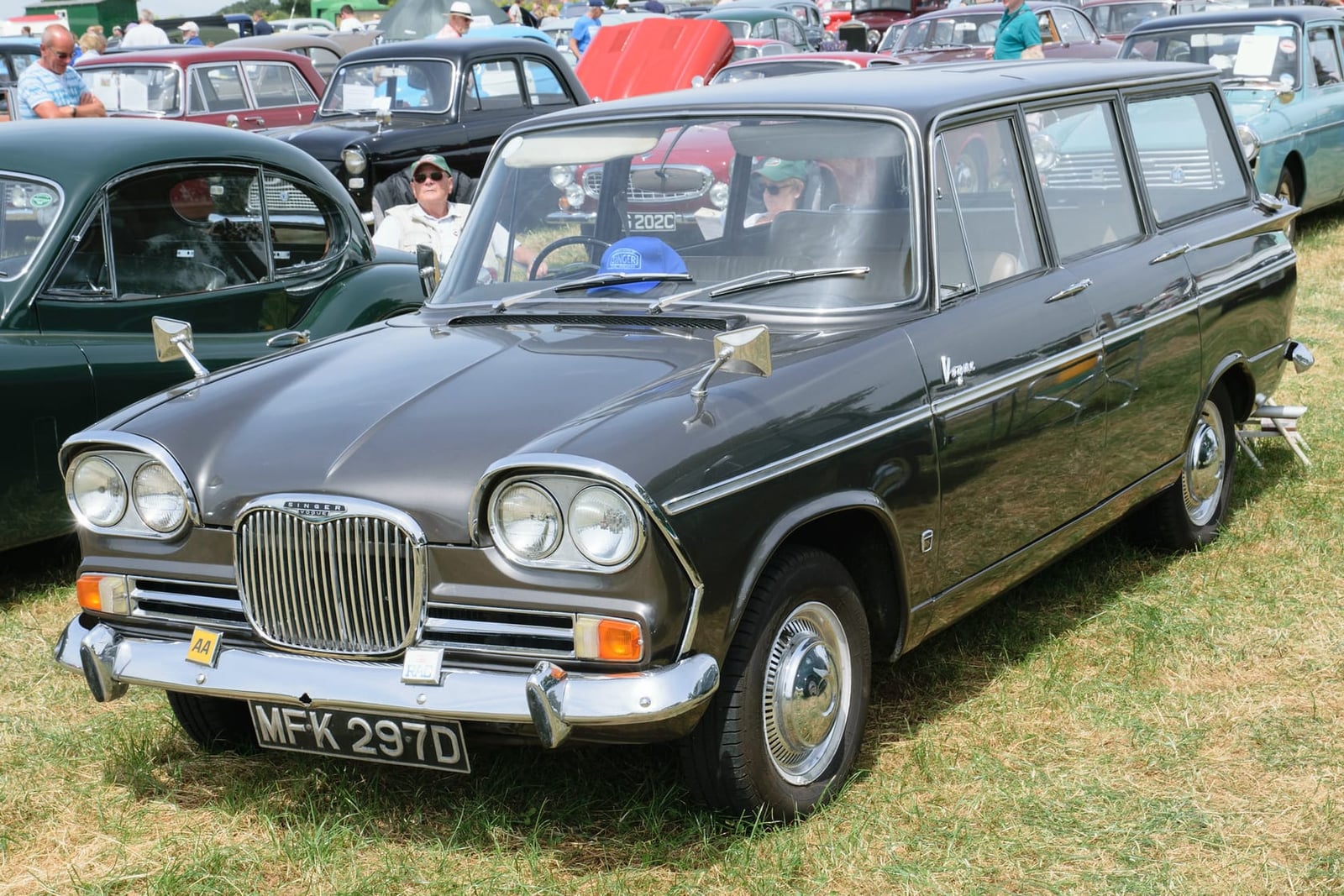
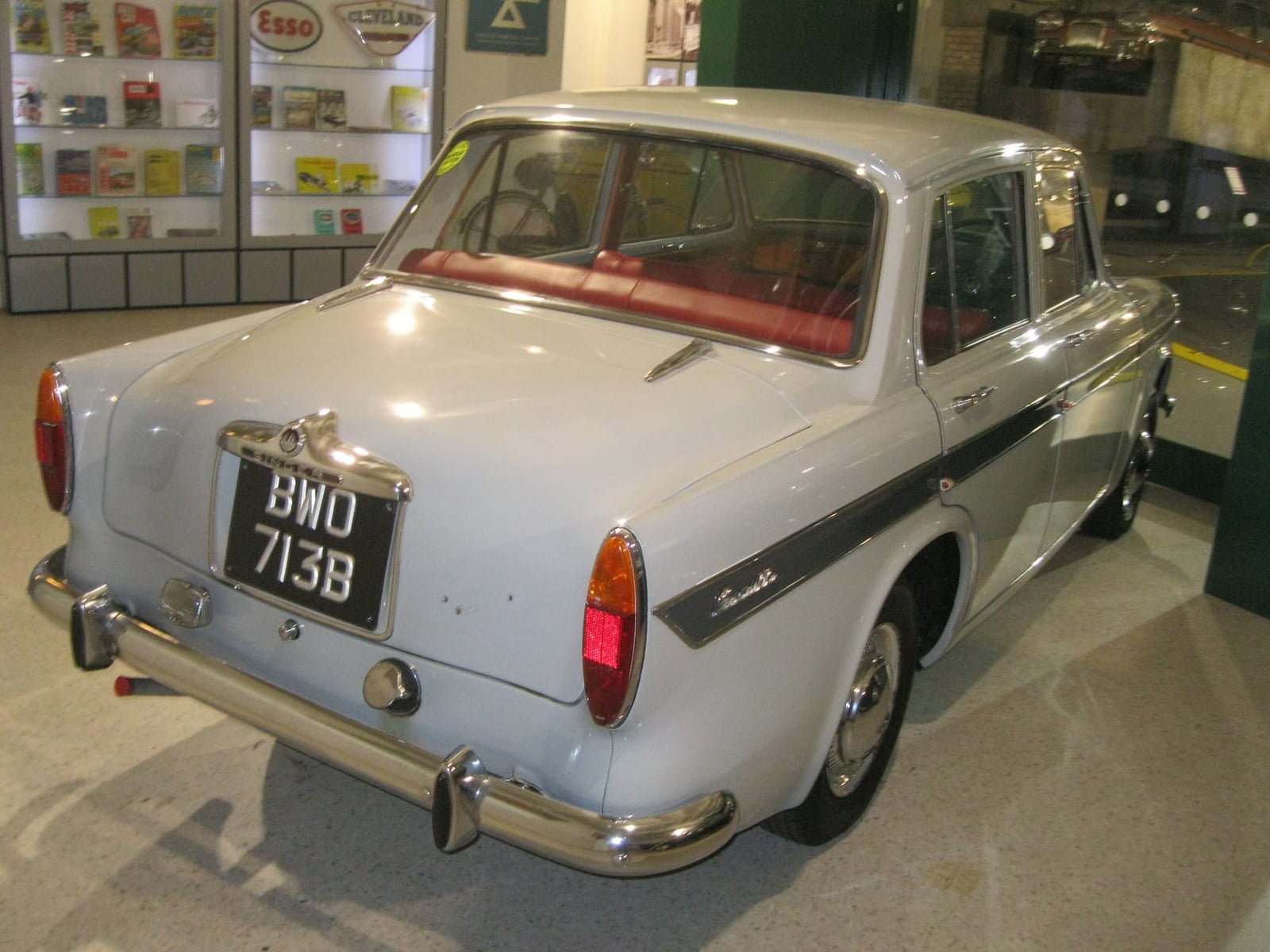
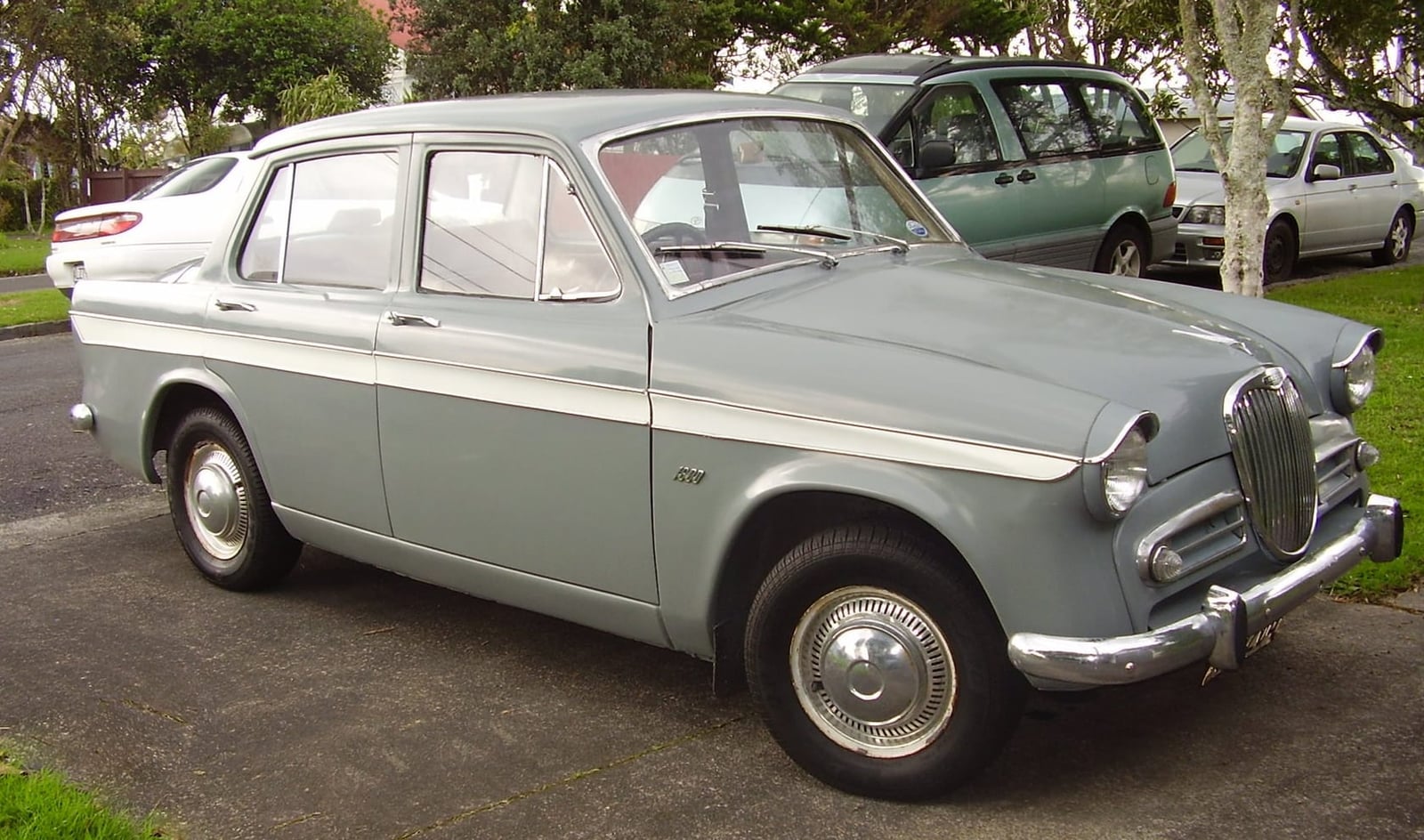
From 1961 the treatment scaled: the Singer Vogue applied the same walnut-and-leather formula to the larger Super Minx shell, with a four-headlamp face and equipment that shamed cars a class above. Four series carried it through the sixties, gaining the 1725cc engine and sharper styling, before a final Arrow-based Vogue took the name to the marque’s 1970 end. The Vogue sold more modestly than the Gazelle, about 47,000 against 83,000, and its survivors, the walnut-lined estates especially, are now the genuinely rarer sight at any Rootes gathering, prized by the sort of collector who enjoys explaining what they are.

The end of a seventy-five-year story
Singer had built cars since 1905 and once stood among Britain’s biggest makers, but under Chrysler’s control of Rootes the badge ladder faced the accountant’s eye: trim-based marques were falling from fashion, Singer sales had thinned, and in April 1970 the name was quietly retired without ceremony. The Gazelle and Vogue therefore carry an unusual weight for such gentle cars, the last products of one of the industry’s founding names, and the Singer Owners Club keeps that whole 1905–70 story alive around them.
Series by series: the spotter’s guide
Six series carried the Gazelle through fourteen years of near-annual revision, and the differences matter to buyers choosing where to land: Series I and II (1956–58) hold the Singer overhead-cam engine and the purists’ hearts; the IIA of 1958 adopted the Rootes pushrod 1494; the Series III cars of 1958–63 brought the trimmed fins, duotone paint and the convertible’s prime years across IIIA, IIIB and IIIC revisions; the Series V of 1963 (Rootes skipped IV) gained a 1592 engine, front discs and a squarer roofline; and the final Series VI of 1965–67 borrowed the Rapier’s 1725 five-bearing engine, the most usable of the lot. A brief Arrow-bodied Gazelle carried the badge to 1970 alongside the last Vogues. The club’s advice is simple: buy on condition first, series second, and let the OHC cars and convertibles carry the premiums they deserve.
What they are like to drive
Both drive exactly like their Rootes bones, gently softened: honest, light-controlled saloon manners, engines from 49 bhp early cars to the willing 1725 of the last Gazelles, comfortable cruising at 60 and a ride tuned for respectability rather than sport, all experienced from seats and surroundings a Minx owner could only envy. The Sunbeam Rapier took the same platform sporting; the Singers took it to church, and did so with a quietness and fit the price never promised. As gentle first classics go, very little is friendlier or better dressed for the money, and the convertibles add proper open-top charm to the same easy recipe.

Buying a Gazelle or Vogue today
Rust decides values: sills, floors, spring hangers, wing bottoms and screen surrounds want proper inspection, exactly as on any Audax-era Rootes product, and the mechanical side barely registers as a concern with the vast shared Hillman and Sunbeam parts network standing behind every oily component. The real hunts are Singer-specific: grilles, badges, interior wood and trim, which makes complete cars the only sensible buys. Early OHC-engined cars and convertibles carry the collector premiums; every series rewards originality, and the Singer Owners Club’s records settle most identity questions before money moves. At 47 measured sales and a £3,200 median, projects start near £1,500 and the best convertibles pass £10,000, walnut and heritage included.

More photos
Key dates for the Gazelle & Vogue
- 1956Rootes buys the ailing Singer company and within months launches the Gazelle: the Minx's Audax body with a Singer grille, walnut dashboard, leather seats and Singer's own 1,497cc overhead-cam engine.
- 1958The Series IIA adopts the Rootes pushrod 1,494, ending the link to Singer's own engineering.
- 1958Series III cars bring trimmed fins, duotone paint and the convertible's prime years across IIIA, IIIB and IIIC revisions.
- 1961The Vogue applies the same formula to the larger Super Minx shell, with a four-headlamp face.
- 1963The Series V, Rootes skipping IV, gains a 1,592 engine, front discs and a squarer roofline.
- 1965The Series VI borrows the Rapier's 1,725 five-bearing engine, the most usable of the lot.
- April 1970The Singer name is quietly retired after seventy-five years; around 83,000 Gazelles and 47,000 Vogues had been built.
Buying checklist: the Gazelle & Vogue in front of you
Rust, which decides values
- Sills, floors and spring hangers
- Wing bottoms and screen surrounds
- The same inspection as any Audax-era Rootes product
- Complete cars are the only sensible buys, because the missing parts are the hard ones
Singer-specific parts
- Grilles, badges, interior wood and trim are the real hunts
- The mechanical side barely registers, thanks to the shared Hillman and Sunbeam network
- Every series rewards originality
- The Singer Owners Club's records settle most identity questions before money moves
Series and body
- Series I and II hold the Singer overhead-cam engine and the purists' hearts
- The Series VI's 1,725 five-bearing engine is the most usable
- Convertibles are the collector favourites and carry the premium
- Walnut-lined Vogue estates are the rarest sight at any Rootes gathering
What the Singer Gazelle sells for at auction
| Variant | Sold | Typical range | Median |
|---|---|---|---|
| Gazelle | 31 | £1,865 - £4,434 | £3,400 |
| Vogue | 16 | £1,658 - £3,396 | £2,870 |
Show the year-by-year mediansHide the year-by-year medians
| Year | Sold | Median | In 2025 money |
|---|---|---|---|
| 2026 (so far) | 7 | £3,304 | |
| 2025 | 5 | £3,248 | £3,248 |
| 2024 | 13 | £3,300 | £3,427 |
| 2022 | 4 | £5,215 | £5,972 |
| 2021 | 5 | £4,409 | £5,452 |
| 2016 | 3 | £1,655 | £2,261 |
- £2,500Gazelle
- £3,304Vogue
- £3,800Gazelle
- £3,400Gazelle
- £1,092Gazelle
Thin evidence. Only 47 recorded sales: read the figures as a sketch of the market, not a price. Based on 47 sold results from public classic car auctions (2005 to 10 August 2026). Sold prices, not asking prices, and not a valuation: condition, history and specification vary from car to car. Inflation-adjusted figures use the ONS CPIH index, in 2025 money.
Frequently asked questions
What is the difference between a Singer Gazelle and a Hillman Minx?
What is a Singer Vogue?
Why did the Singer marque disappear?
Are Singer Gazelle parts easy to find?
How much is a Singer Gazelle worth?
What is the most expensive Singer Gazelle ever sold at auction?
How often does a Singer Gazelle come up for sale?
Related across themes
More from Rootes Group


Recently added

Rolls-Royce Silver Cloud values: the saloon at £34,000 and the drophead at five times that

Aston Martin DB7 values: a V12 Aston for hot-hatch money, and still falling

Wolseley Hornet and Hornet Special: the six that swarmed the thirties (1930–1936)
