Austin Cambridge: the sensible heart of BMC (1954–1971)
From the rounded A40 and A50 of 1954 to the finned Farina A55 and the long-serving A60, the Austin Cambridge carried BMC's middle classes for seventeen years. A guide to the whole Cambridge line, its Farina family, buying checks and today's gentle values.
Built 1954–1971 50 recorded sales
At a glance
- Years
- 1954–1971
- Body styles
- Four-door saloon, Countryman estate, vans and pick-ups on the same bones
- Drivetrain
- Front engine, rear-wheel drive
- Engines
- 1200cc, 1489cc and 1622cc B-series; 1.5 diesel
- Power
- 42-61 bhp
- Top speed
- Around 73-81 mph
- Trim levels
- Standard and De Luxe; duotone paint the signature option
- Production
- Around 630,000 across the line, the A60 the biggest seller
- Assembly
- Longbridge, Birmingham
- Designer
- In-house to 1959; Pininfarina for the A55 Mk II and A60
- Values
- Projects from around £1,000; good cars £3,000-£6,500; the best estates and time-warp cars beyond £9,000
- The family
- The Farina Cambridge shared its body with Morris, MG, Riley and Wolseley siblings
- The long goodbye
- The A60 outlived its replacement plans, running to 1971 and serving taxi ranks for years more
The models
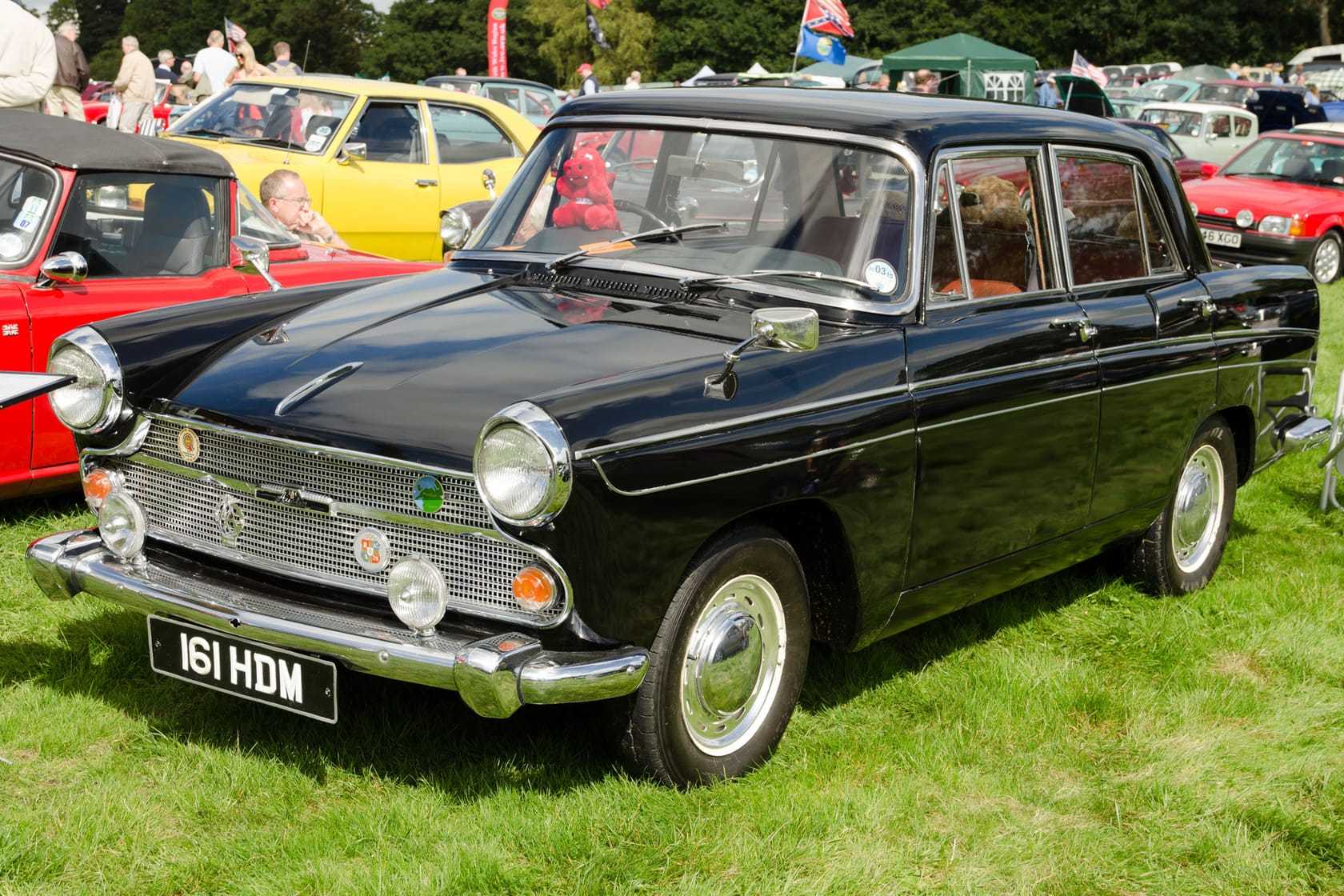
Nothing about this car ever tried to excite anybody, and that was precisely the assignment. The Austin Cambridge carried Austin’s middle classes for seventeen years through two distinct eras, the rounded A40 and A50 of 1954 and the Pininfarina-suited A55 and A60 that followed, selling around 630,000 while its Farina body clothed half of BMC’s badges. Taxi ranks and family service scrapped nearly all of them over the working decades, and the survivors now wear their deep ordinariness as the purest kind of period charm.
The rounded originals
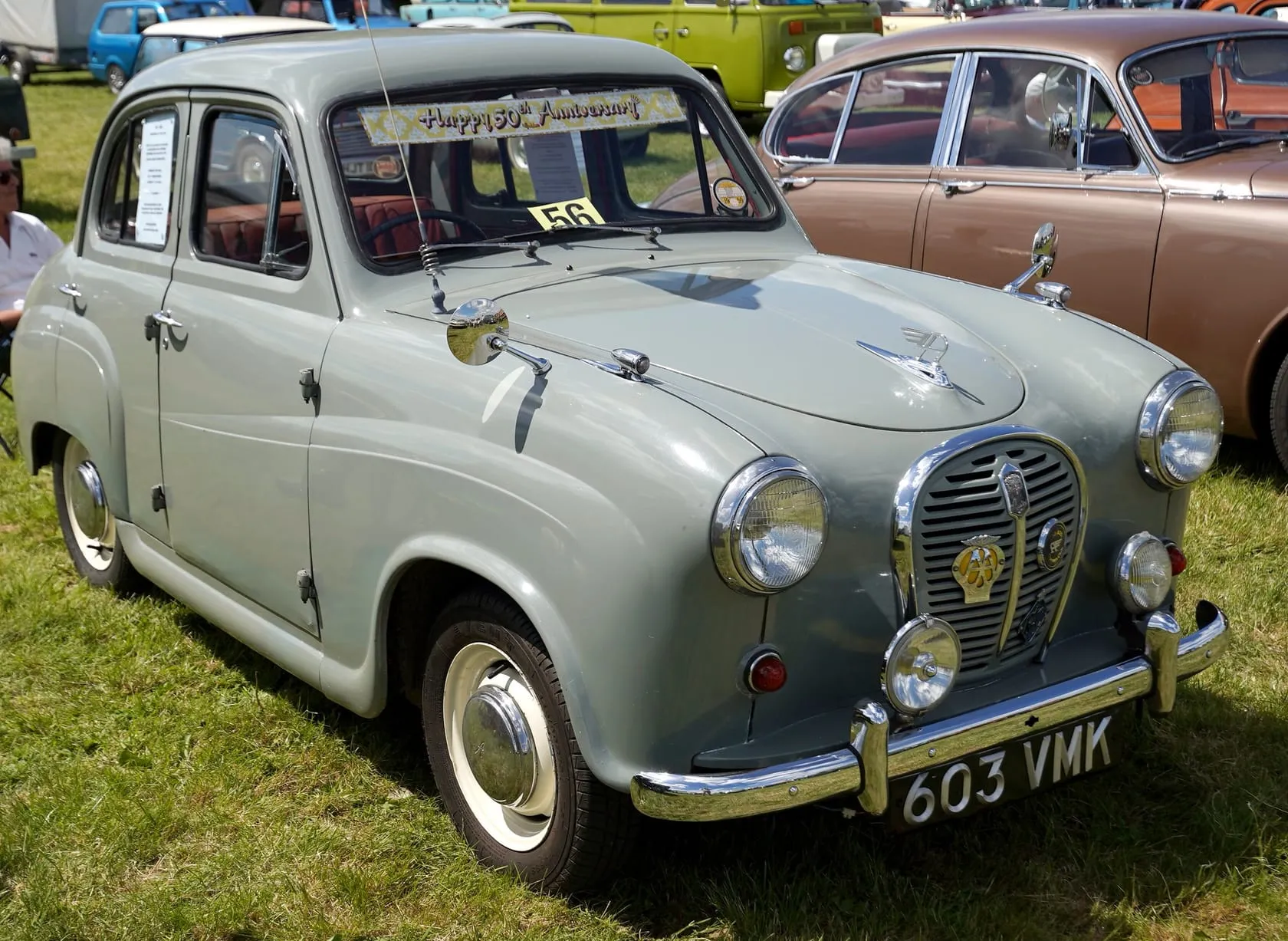
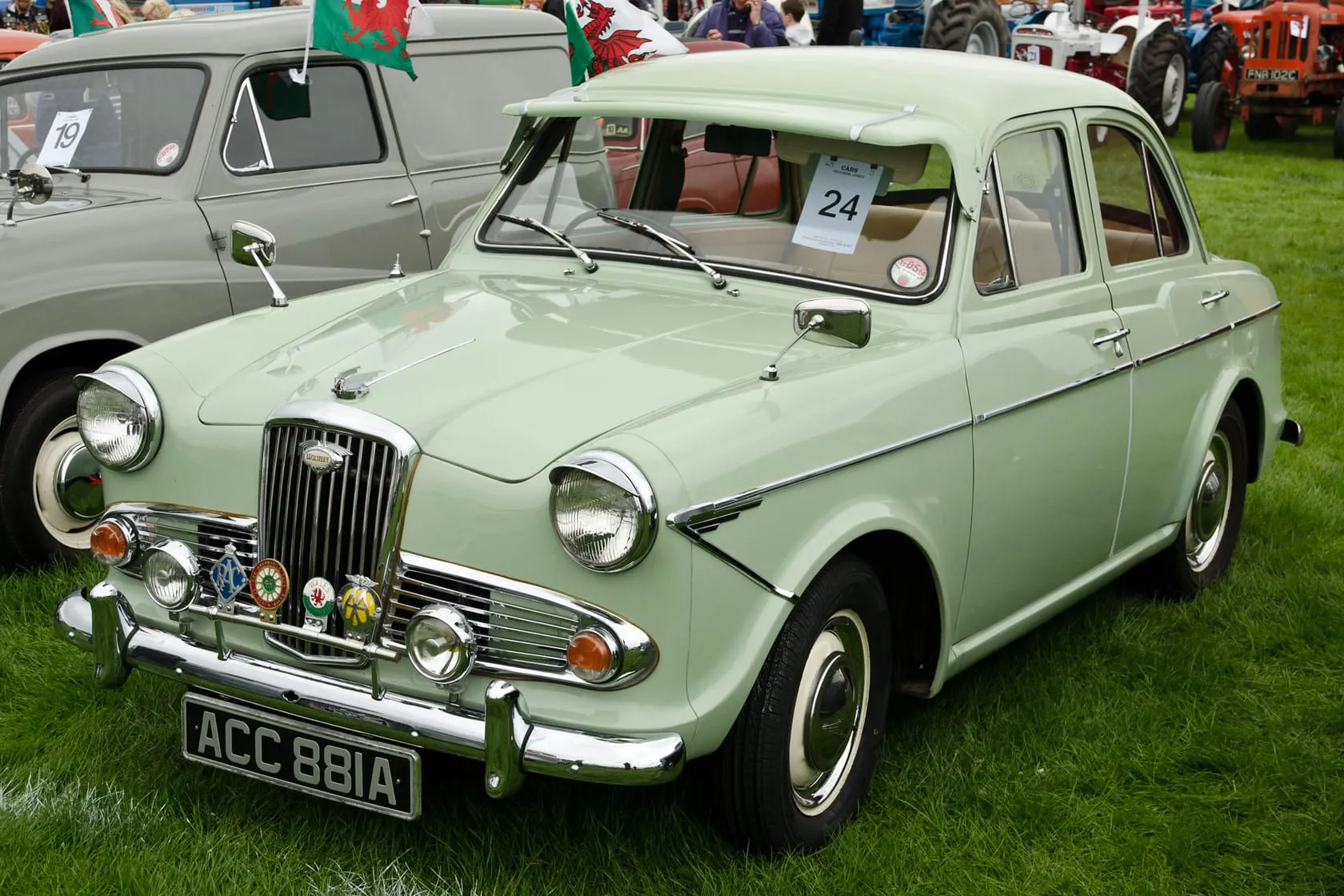
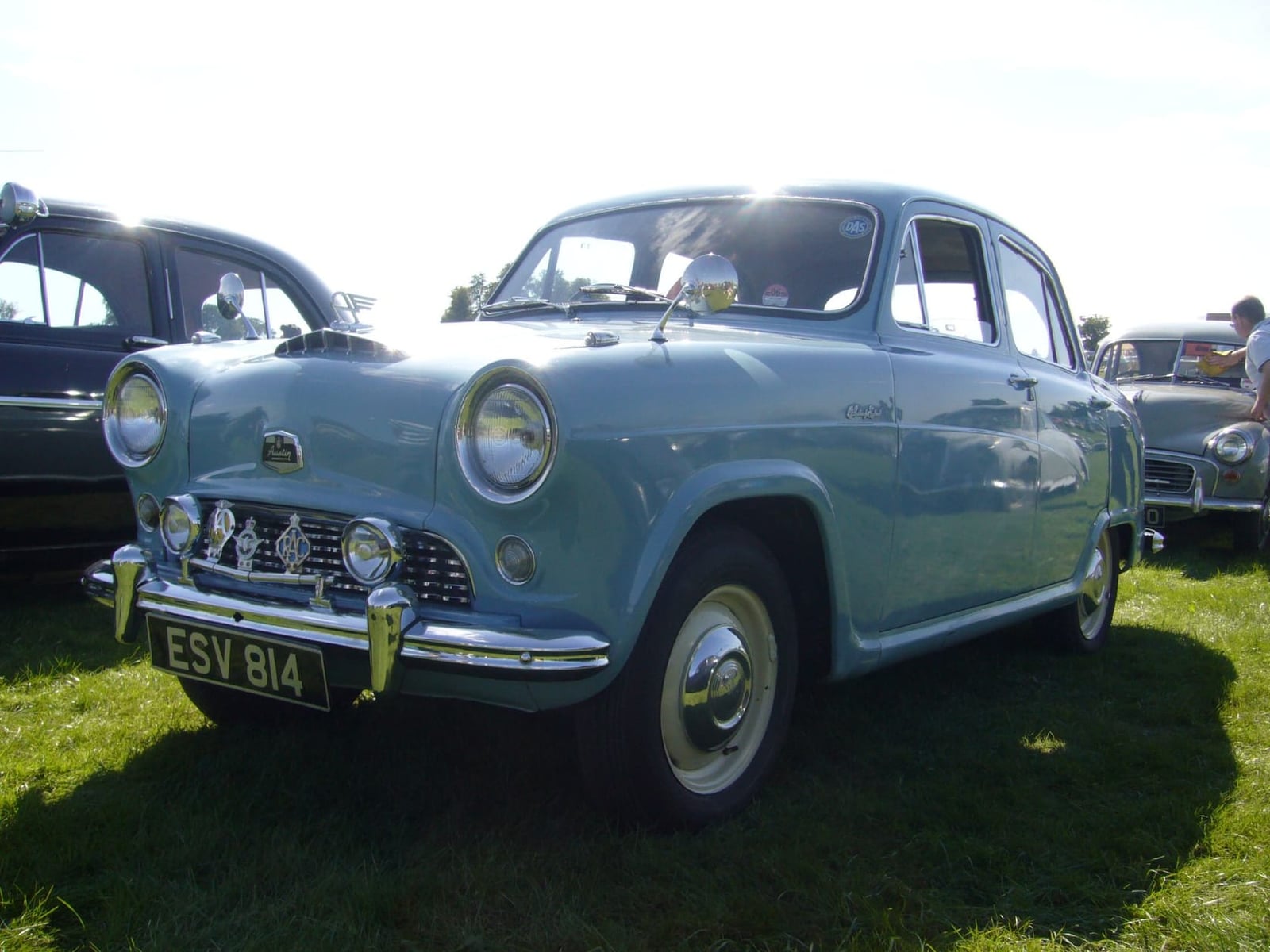
The name revived a thirties Austin Ten model for the 1954 launch: the A40 Cambridge carried a 1.2-litre B-series, the mechanically identical A50 the new 1.5-litre, both wearing soft Longbridge curves over a sturdy unitary shell with a bench front seat and column change. The 1957 A55 stretched the tail and lifted power, and the trio established the Cambridge as the sensible Austin between the small A30 and A35 and the big Westminster sixes, selling steadily to exactly the buyers it pictured: bank managers, doctors on their rounds, and families trading up from pre-war survivors into their first properly modern car.

Farina draws the fins
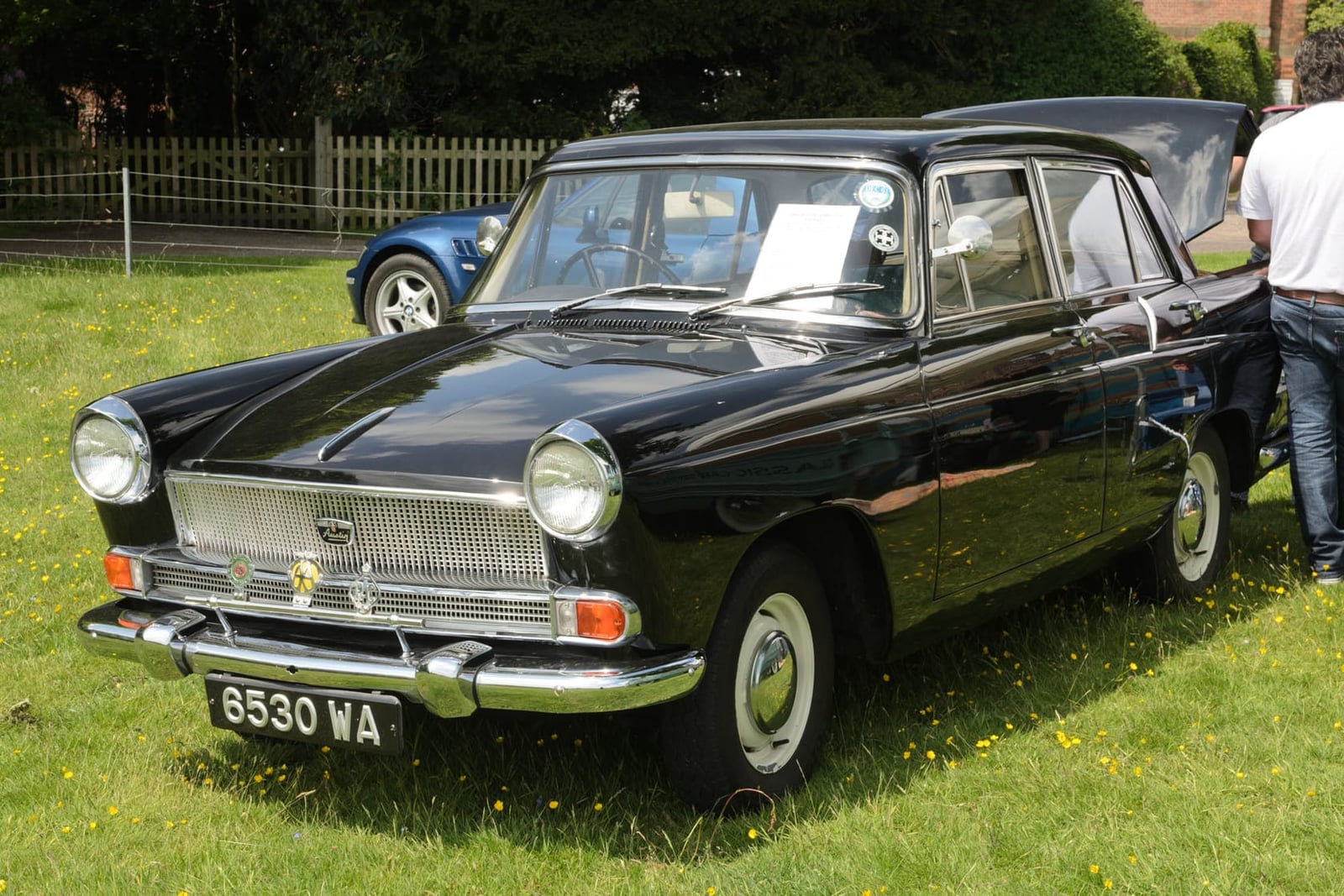
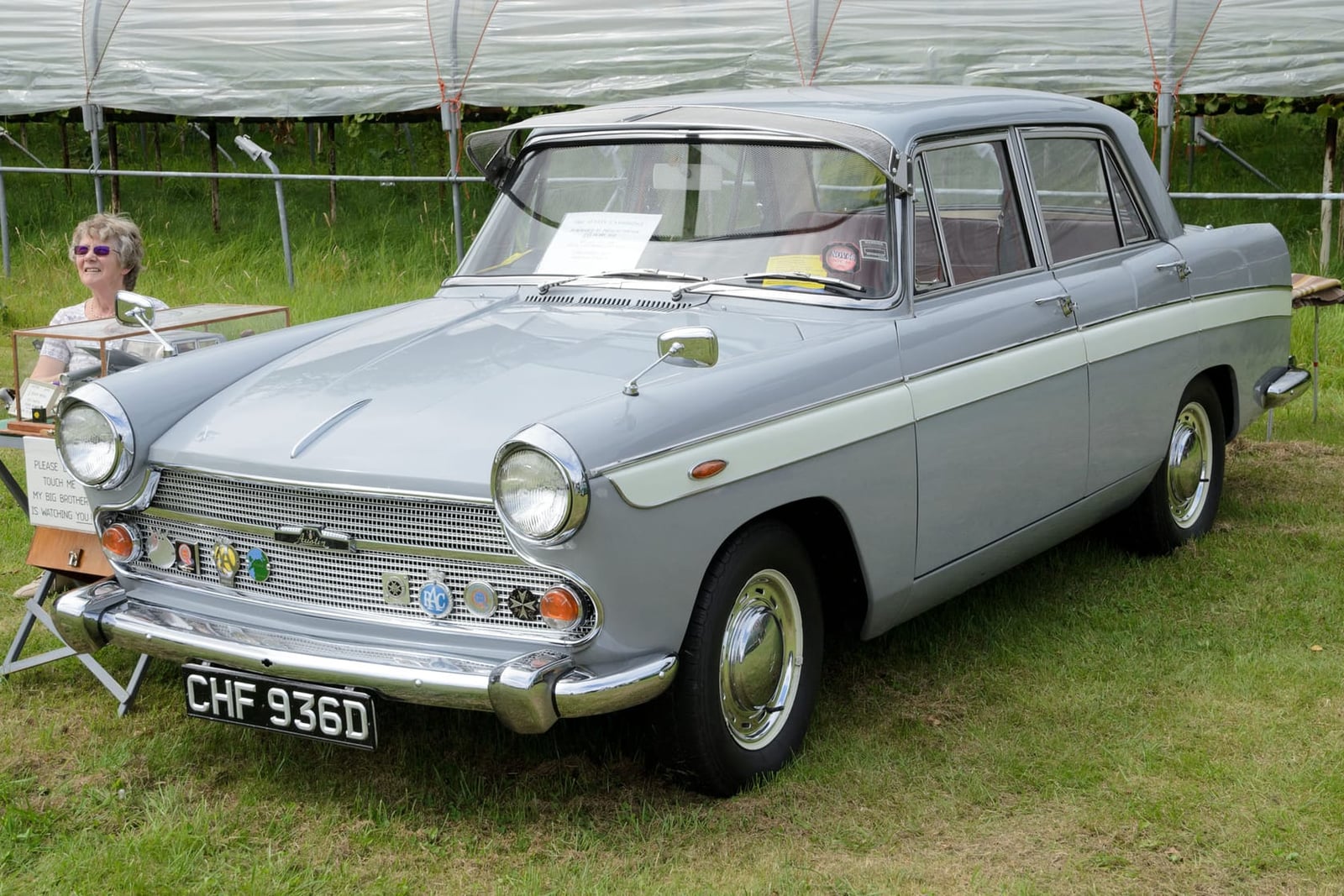
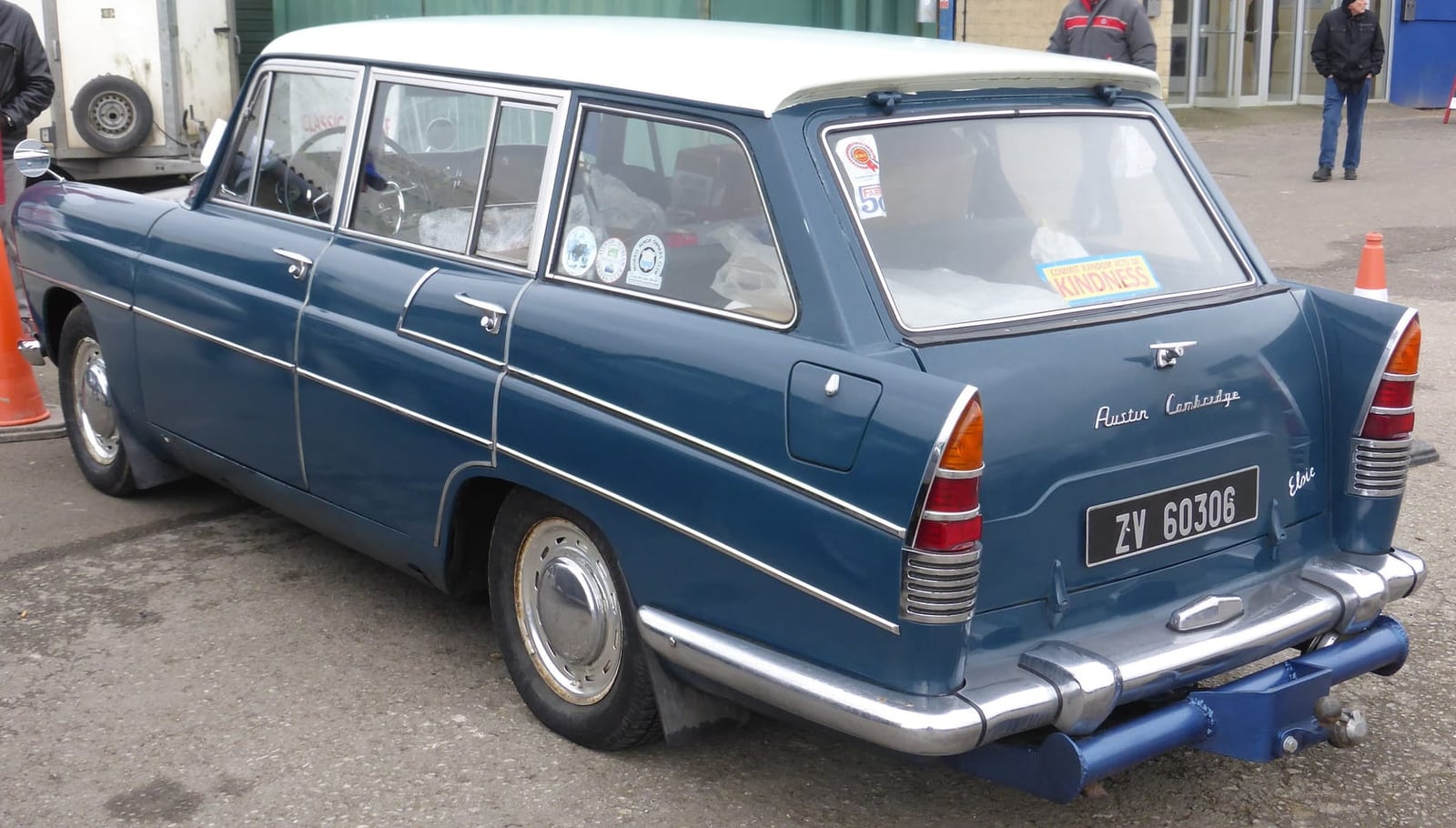
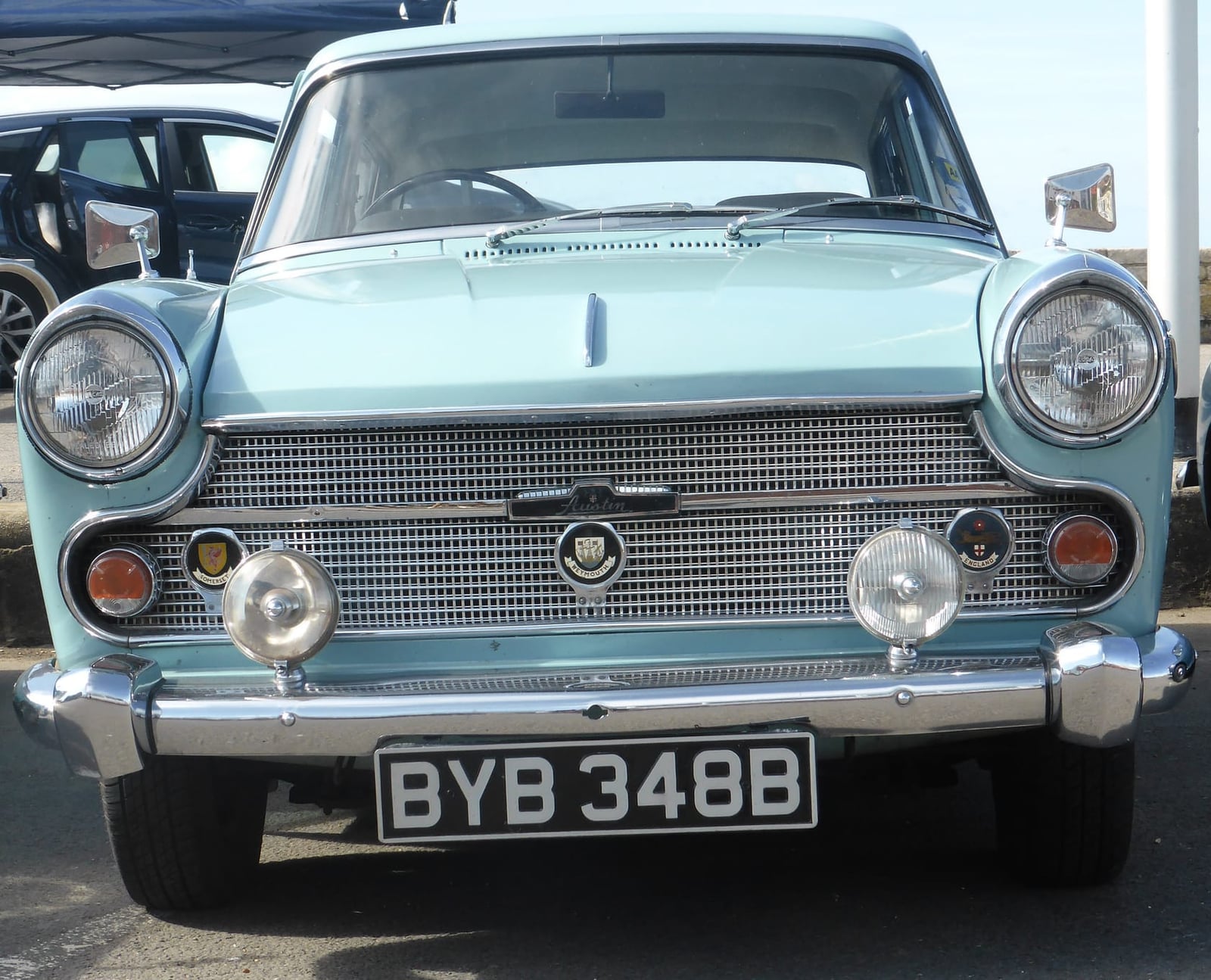
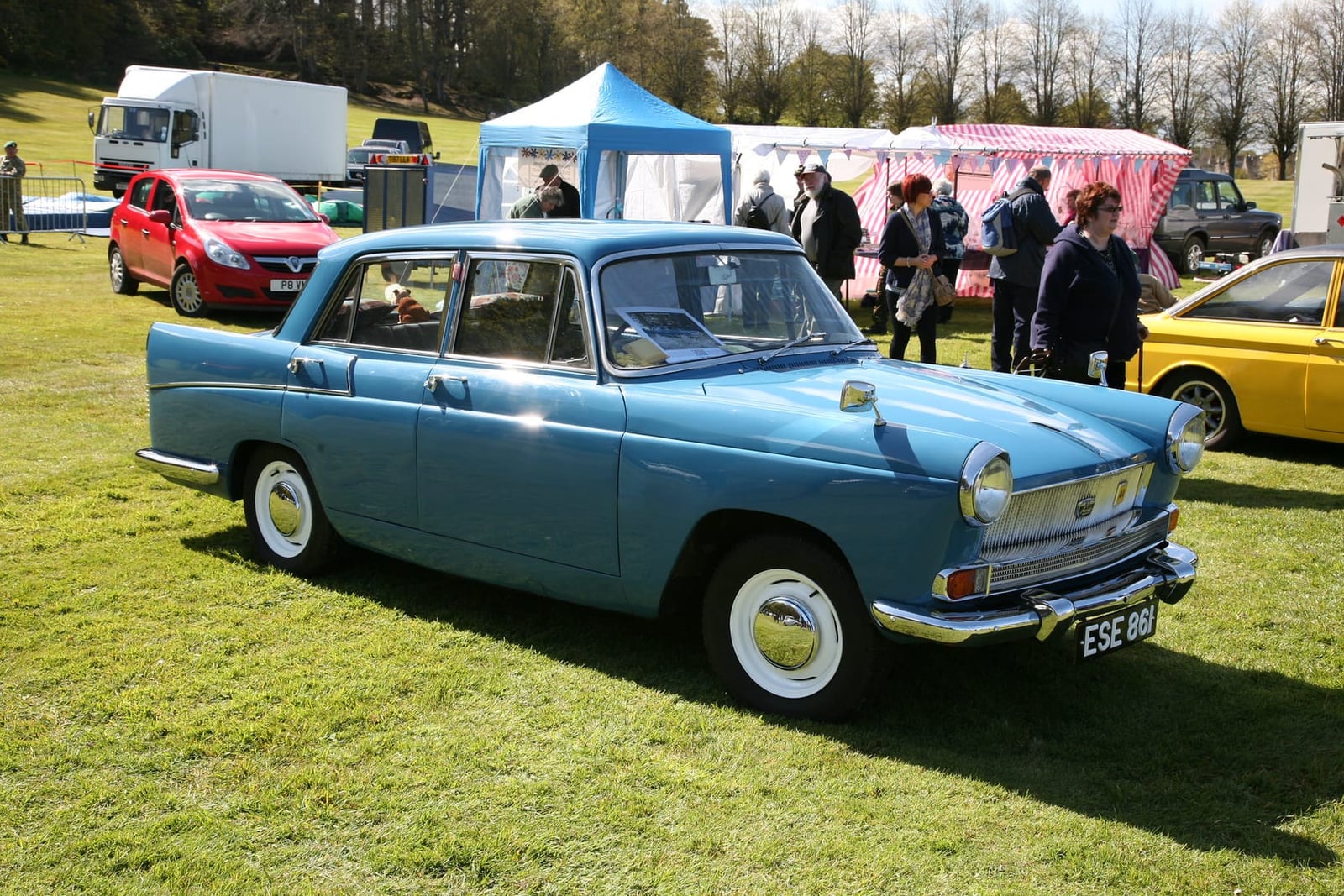
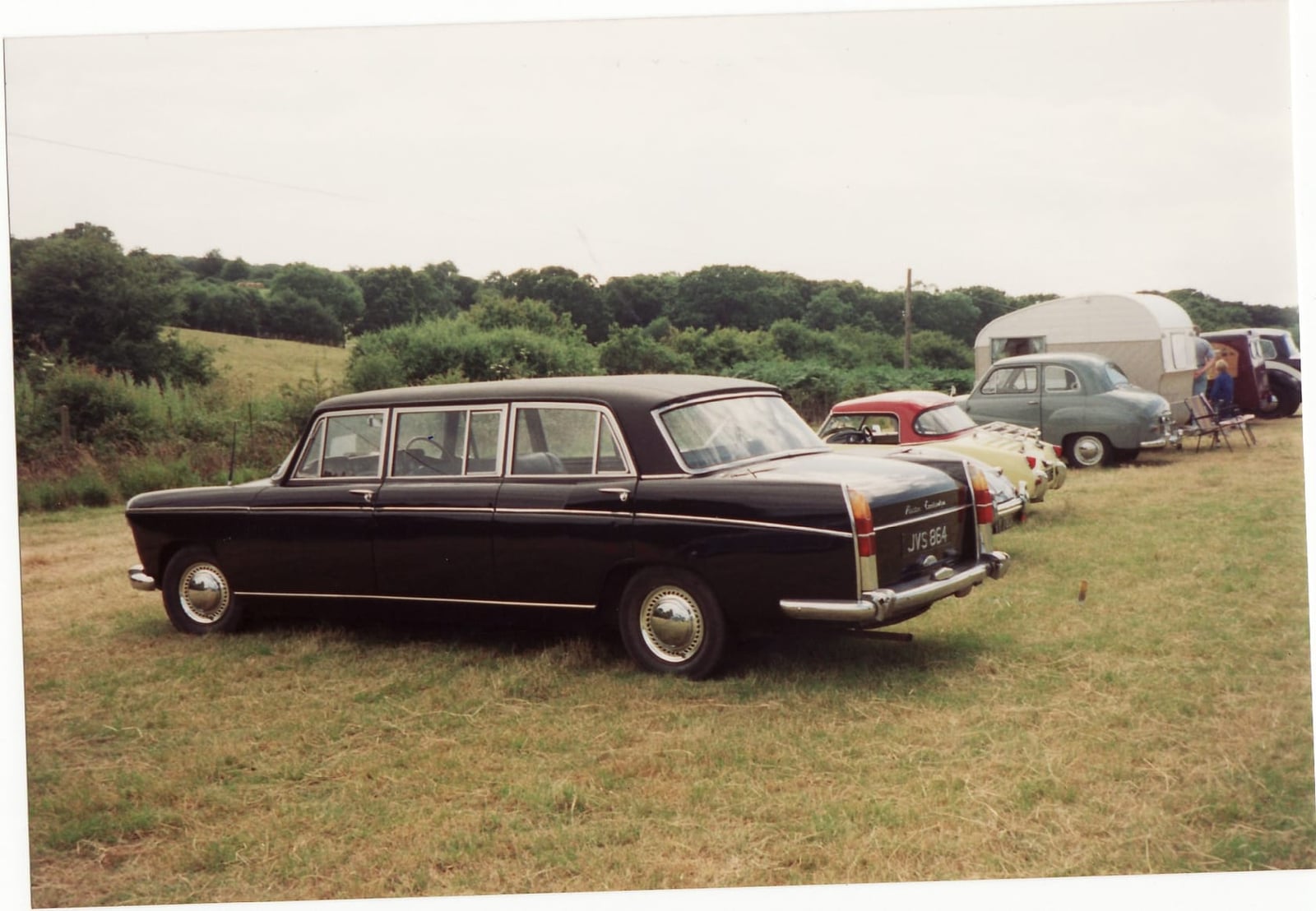
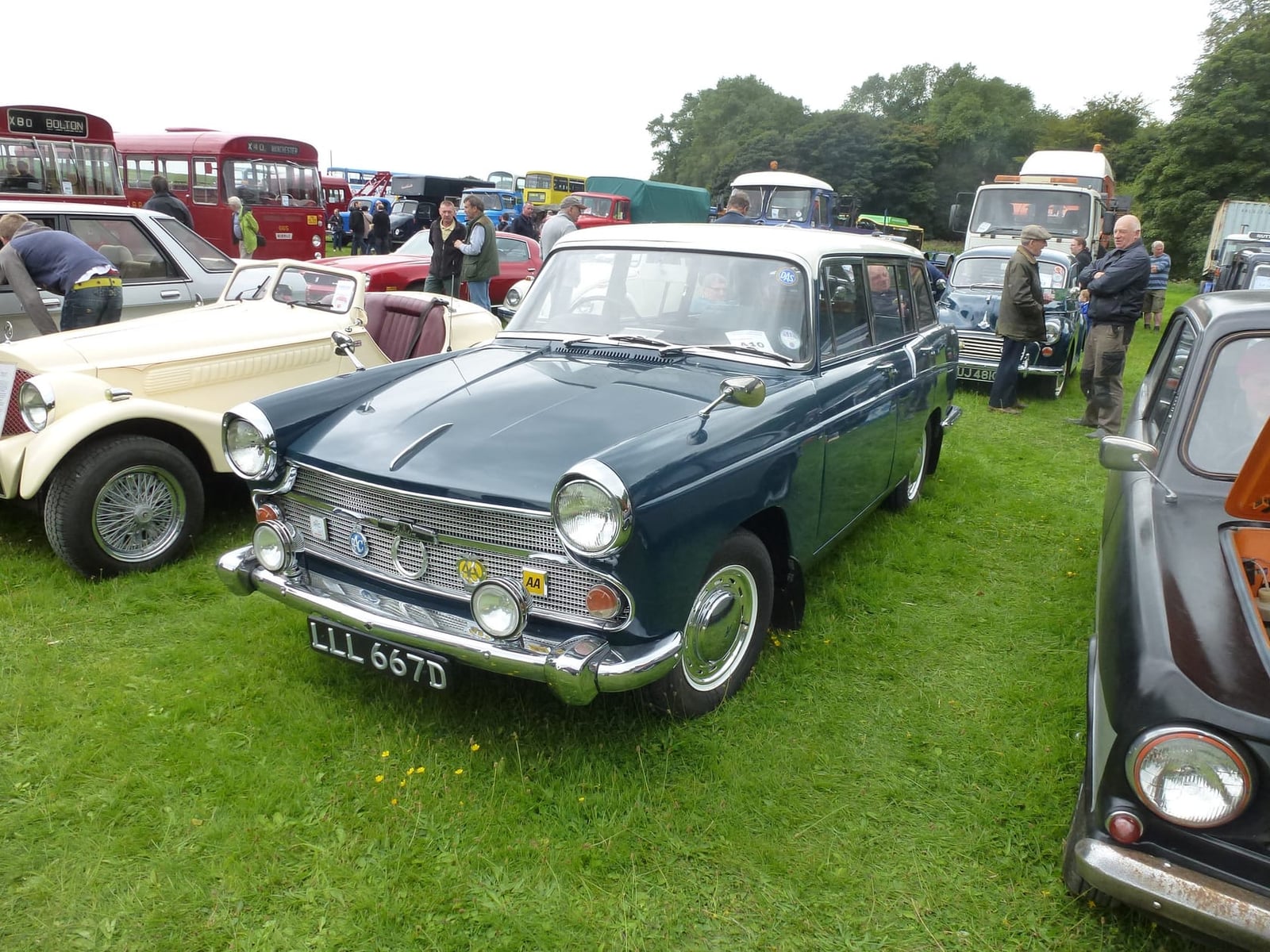
BMC’s Italian moment arrived in 1959: Pininfarina redrew the Cambridge as the A55 Mk II with crisp flanks and confident tail fins, the first of the corporation’s Farina family that would clothe the Morris Oxford, MG Magnette, Riley 4/68 and Wolseley 15/60 in the same handsome shell. The 1961 A60 completed the recipe, trimming the fins, widening the track and enlarging the B-series to 1622cc for a useful 61 bhp, then simply stayed in production for a full decade, outliving fashion, replacement plans and very nearly BMC itself, its annual changes so minor that a 1961 car and a 1971 car differ mainly in badges and upholstery patterns.

The working Cambridge
The A60’s second career defined its image: the diesel option and indestructible drivetrain made it a provincial taxi staple into the mid-seventies, the Countryman estate hauled families and trade alike, and half-ton vans and pick-ups on the same tough bones served every British high street. Hard use was the line’s honour and its undoing, consuming survivors so thoroughly that a production run of hundreds of thousands now musters show turnouts in the dozens, with estates and diesels the rarest sights of all.
What a Cambridge is like to drive
The Cambridge drives exactly as it looks: unhurried, stable and utterly without vice, the B-series pulling from low revs with a mild thrum, the column or floor change ambling through four ratios, and the soft suspension delivering a ride modern superminis cannot match. Sixty is a contented cruise, eighty a theoretical ambition best left to the brochure, and the whole car communicates the deep mechanical honesty that made it a taxi, with light controls, a huge glasshouse and steering that asks patience rather than muscle. As first classics go, few are more forgiving to drive, park or maintain, and passengers of a certain age settle into the back seat with visible recognition.

Buying a Cambridge today
Rust is the whole examination: sills, floors, spring hangers, wing bottoms and valances all want probing, because structural repair outruns values immediately, while mechanical condition barely matters when every B-series part is a phone call away. Interiors are durable but incomplete cars deserve caution, trim being the genuine hunt. The Cambridge-Oxford club network knows the family intimately, and sibling Farinas donate parts freely. Buy the soundest shell available, ideally with history, and running costs thereafter are almost token.

Living with a Cambridge
Ownership is as sensible as the car: the B-series returns thirty-plus miles per gallon driven gently, servicing is a home-mechanic afternoon with parts from stock, insurance on classic policies is minimal, and the cars tolerate regular use so well that many owners treat them as fair-weather dailies. Four adults travel in genuine comfort, the boot swallows a family holiday, and the Countryman adds estate practicality no modern crossover embarrasses. The Cambridge-Oxford Owners Club runs an active calendar and a spares scheme, sibling Farina clubs share knowledge freely, and the model’s unglamorous honesty means show-field conversations start with memories rather than money. Few classics ask less of their keepers, which was always the entire point of the thing.
Values: the gentlest Austin money
Fifty measured sales at a £3,900 median keep the Cambridge among the cheapest proper classics on the market: projects from £1,000, good saloons £3,000 to £6,500, Countryman estates and the best early cars beyond £9,000. Scarcity is quietly doing its work as the taxi generation’s survivors thin and the Farina family’s show presence grows, but the Cambridge remains what it always was, the sensible choice, and the market has priced it with the same good sense the car itself embodies: honestly, gently and without a trace of speculation.
More photos
Cambridge: what changed and when
- 1954The name revives a thirties Austin Ten model: the A40 Cambridge with a 1.2-litre B-series and the A50 with the new 1.5, both under soft Longbridge curves.
- 1957The A55 stretches the tail and lifts power.
- 1959Pininfarina redraws the car as the A55 Mk II with crisp flanks and tail fins, the first of the Farina family that clothes the Morris Oxford, MG Magnette, Riley 4/68 and Wolseley 15/60.
- 1961The A60 trims the fins, widens the track and enlarges the B-series to 1,622cc for 61 bhp.
- 1961 onwardsA diesel option and an indestructible drivetrain make it a provincial taxi staple; Countryman estates, vans and pick-ups share the bones.
- 1971Production ends at around 630,000 cars across the line, having outlived fashion, replacement plans and very nearly BMC itself.
The Cambridge viewing checklist
Rust, the whole examination
- Sills, floors and spring hangers
- Wing bottoms and valances
- Structural repair outruns values immediately, so buy the soundest shell available
- Hard working lives consumed most survivors, so history matters as much as appearance
Interior and completeness
- Interiors are durable, but incomplete cars deserve caution because trim is the genuine hunt
- Sibling Farinas donate parts freely, which helps more than it does on most cars
- Duotone paint was the signature option and correct schemes are worth confirming
- The Cambridge-Oxford club network knows the family intimately
Version and mechanicals
- A 1961 A60 and a 1971 one differ mainly in badges and upholstery patterns
- Rounded pre-1959 cars are a distinctly different car from the Farinas
- Countryman estates and diesels are the rarest sights and command premiums
- Mechanical condition barely matters when every B-series part is a phone call away
What the Austin Cambridge sells for at auction
| Variant | Sold | Typical range | Median |
|---|---|---|---|
| A55 Cambridge | 14 | £2,780 - £7,427 | £4,365 |
| A60 | 12 | £3,456 - £14,378 | £8,370 |
| A50 Cambridge | 7 | £1,675 - £3,843 | £2,800 |
| A60 Cambridge | 6 | £1,772 - £2,984 | £2,328 |
| A55 | 6 | £2,215 - £8,596 | £5,150 |
Show the year-by-year mediansHide the year-by-year medians
| Year | Sold | Median | In 2025 money |
|---|---|---|---|
| 2026 (so far) | 3 | £7,840 | |
| 2025 | 9 | £4,600 | £4,600 |
| 2023 | 5 | £4,150 | £4,453 |
| 2022 | 5 | £3,960 | £4,535 |
| 2021 | 8 | £6,424 | £7,944 |
| 2018 | 3 | £3,726 | £4,851 |
| 2016 | 3 | £2,800 | £3,826 |
- £20,592A60
- £1,736A60 Cambridge
- £7,840A55 Cambridge
- £4,580A55 Cambridge
- £4,600A55
Thin evidence. Only 50 recorded sales: read the figures as a sketch of the market, not a price. Based on 50 sold results from public classic car auctions (2005 to 10 August 2026). Sold prices, not asking prices, and not a valuation: condition, history and specification vary from car to car. Inflation-adjusted figures use the ONS CPIH index, in 2025 money.