Austin Allegro: Britain's most mocked car, reconsidered (1973–1982)
The Austin Allegro spent decades as the punchline of British motoring, the round car with the square steering wheel. The real story is stranger and kinder, taking in a lost wedge design, Hydragas suspension, the Vanden Plas 1500 and a survivor scene that adores it. A guide to the range, the reputation, buying checks and values.
Built 1973–1982 36 recorded sales
At a glance
- Years
- 1973–1982
- Body styles
- Two and four-door saloons, three-door estate
- Drivetrain
- Front engine, front-wheel drive
- Engines
- 1.0-1.3 A-series; 1.5-1.75 E-series
- Power
- Around 44 bhp to 90 bhp
- Trim levels
- De Luxe, Super, HL, HLS, Sport, Equipe; Series 1-3; Vanden Plas 1500
- Production
- Around 642,000
- Assembly
- Longbridge, Birmingham; also built in Belgium and as the Innocenti Regent
- Designer
- Harris Mann (original concept)
- Values
- Usable from around £2,000; good cars £3,500-£7,000; Vanden Plas and Equipe beyond
- The infamy
- The quartic steering wheel lasted two years and forty years of jokes
- The revenge
- Survivors now draw bigger show crowds than contemporary Cortinas
The models
Every country needs a car to laugh at, and for fifty years Britain chose the Austin Allegro. The round car with the square steering wheel became the national shorthand for industrial decline, “All Aggro” to the tabloids, fixture of every worst-car list ever printed. The record deserves better, and the classic world has slowly come round: the Allegro was a competent car launched by a company in flames, and its scarce survivors are now among the most warmly received classics at any British show.
The wedge that went soft
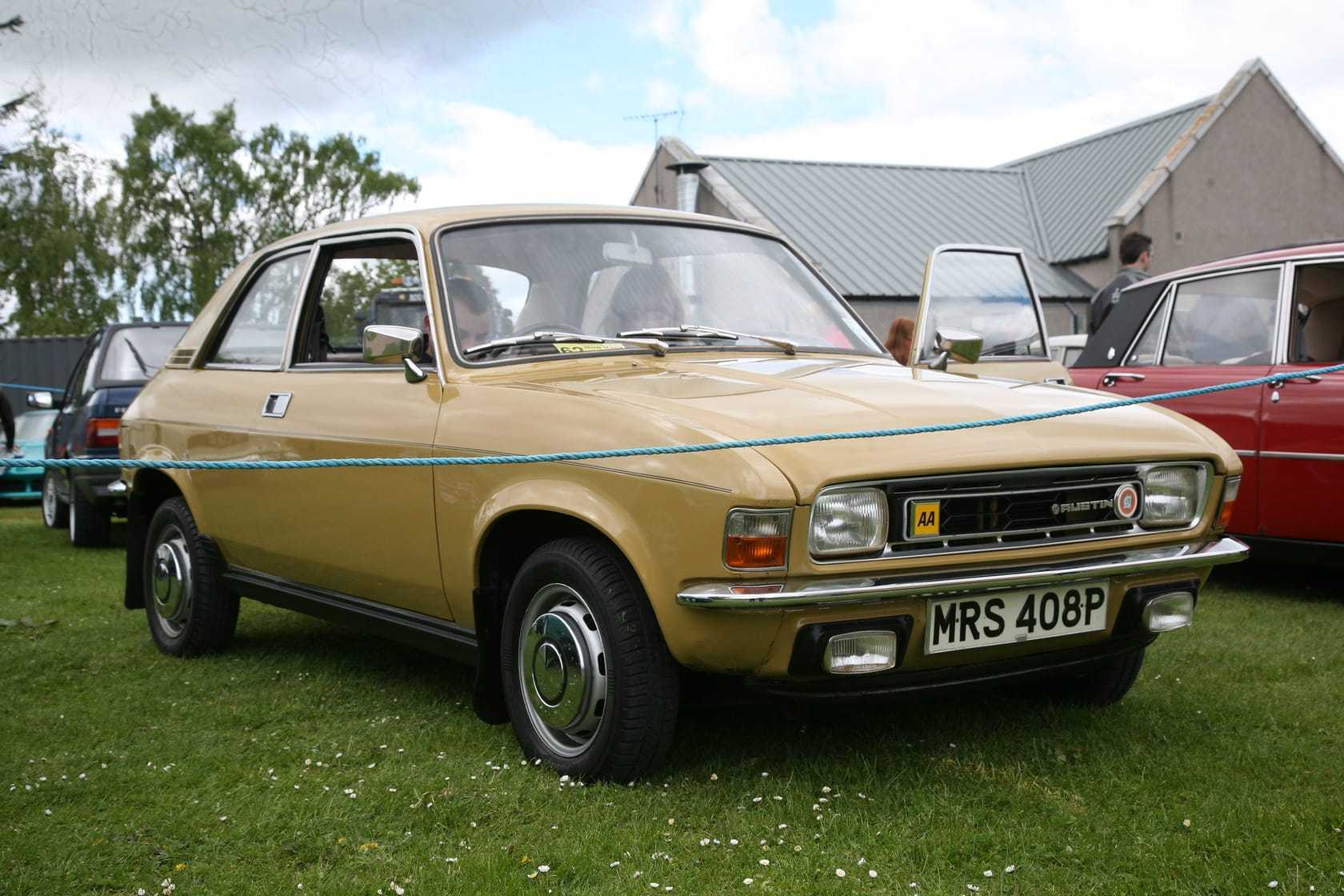
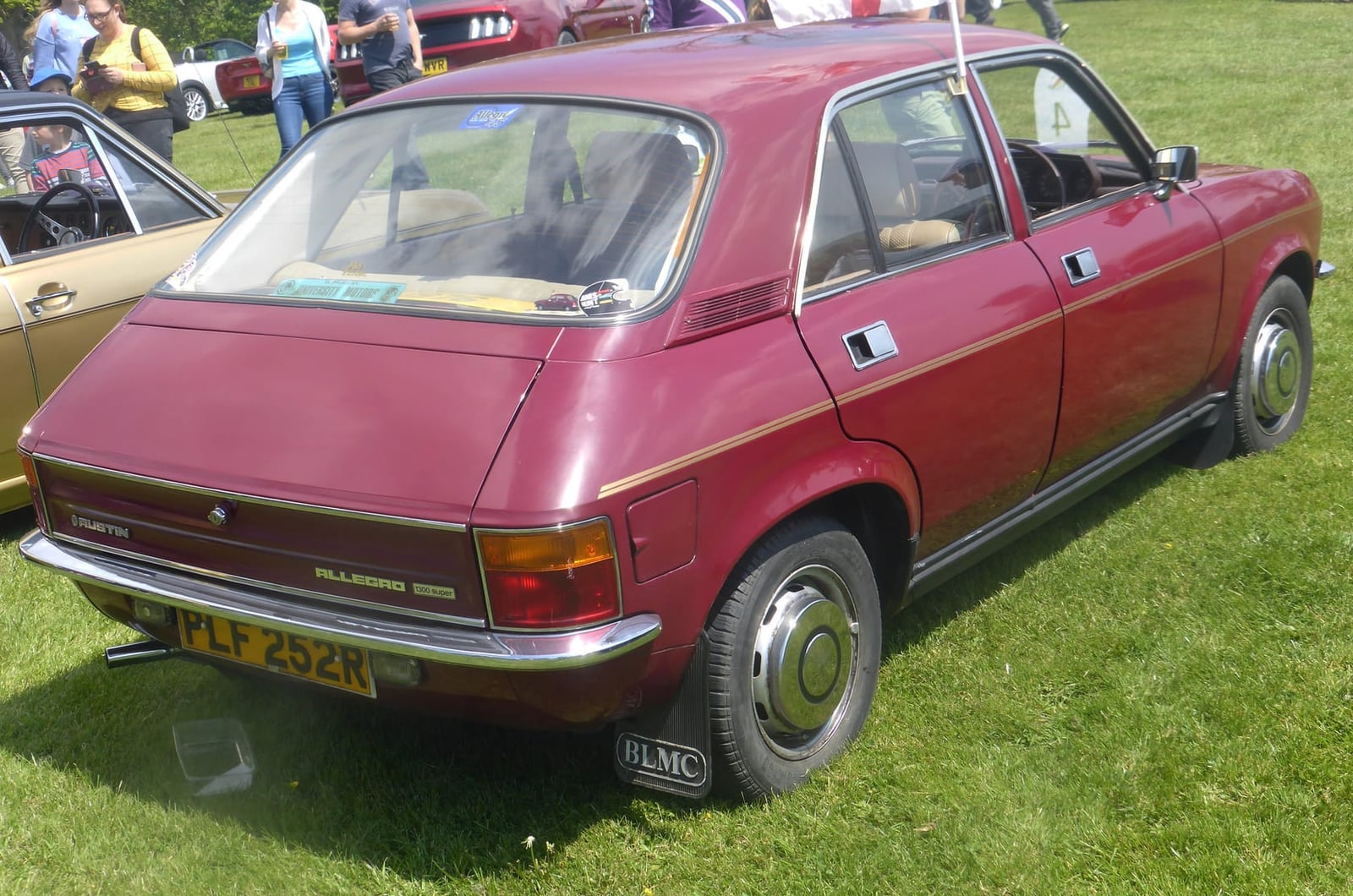
The Allegro began as a genuinely sharp idea. Stylist Harris Mann, whose wedge went on to shape the Princess and TR7, drew a low, crisp replacement for Austin’s beloved 1100/1300 range; then the packaging demands arrived. The tall E-series engine, a bulky heater borrowed from the Marina programme and cost-shared door pressings inflated the shape until the wedge became a bap, and British Leyland launched the result in May 1973 into a market that still wanted the old car. The famous quartic wheel, squared off to clear knees and sightlines, lasted barely two years against the ridicule; original examples are now sought-after fittings.

Hydragas: the clever bit
Under the dumpy body sat the Allegro’s genuine innovation: Hydragas suspension, gas springs interconnected front to rear, successor to the Hydrolastic system pioneered on the 1960s BMC cars. Well set up, it gave the little Austin a long-legged ride quality French cars were praised for, and it went on serving BL and Rover products until the MGF of the 1990s. The engineering under the jokes was real: front-wheel drive when the rival Escort and Viva were resolutely conventional, that supple ride, and useful space in a footprint shorter than the car it replaced.

The range: from 1100 to the Vanden Plas 1500
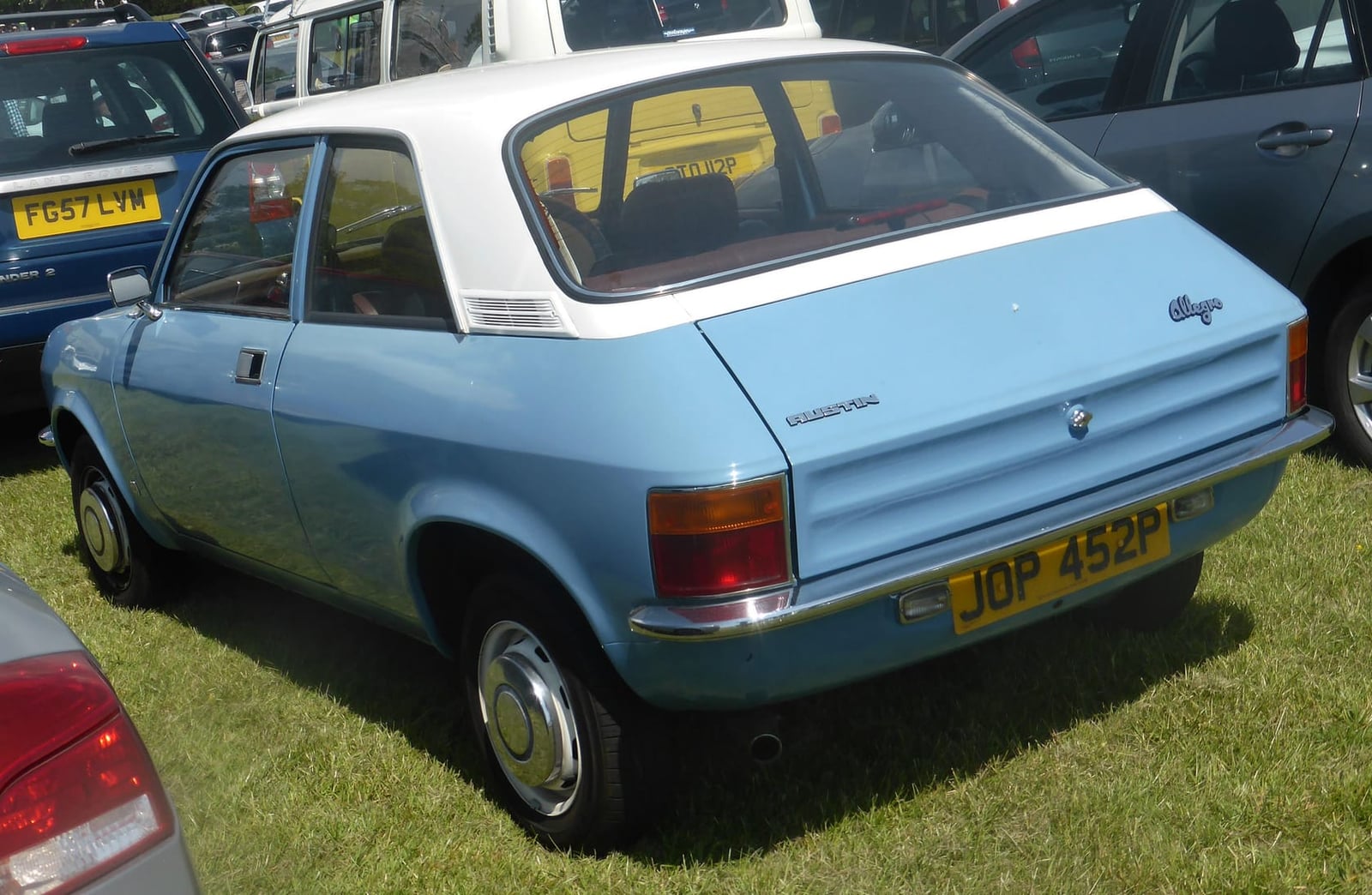
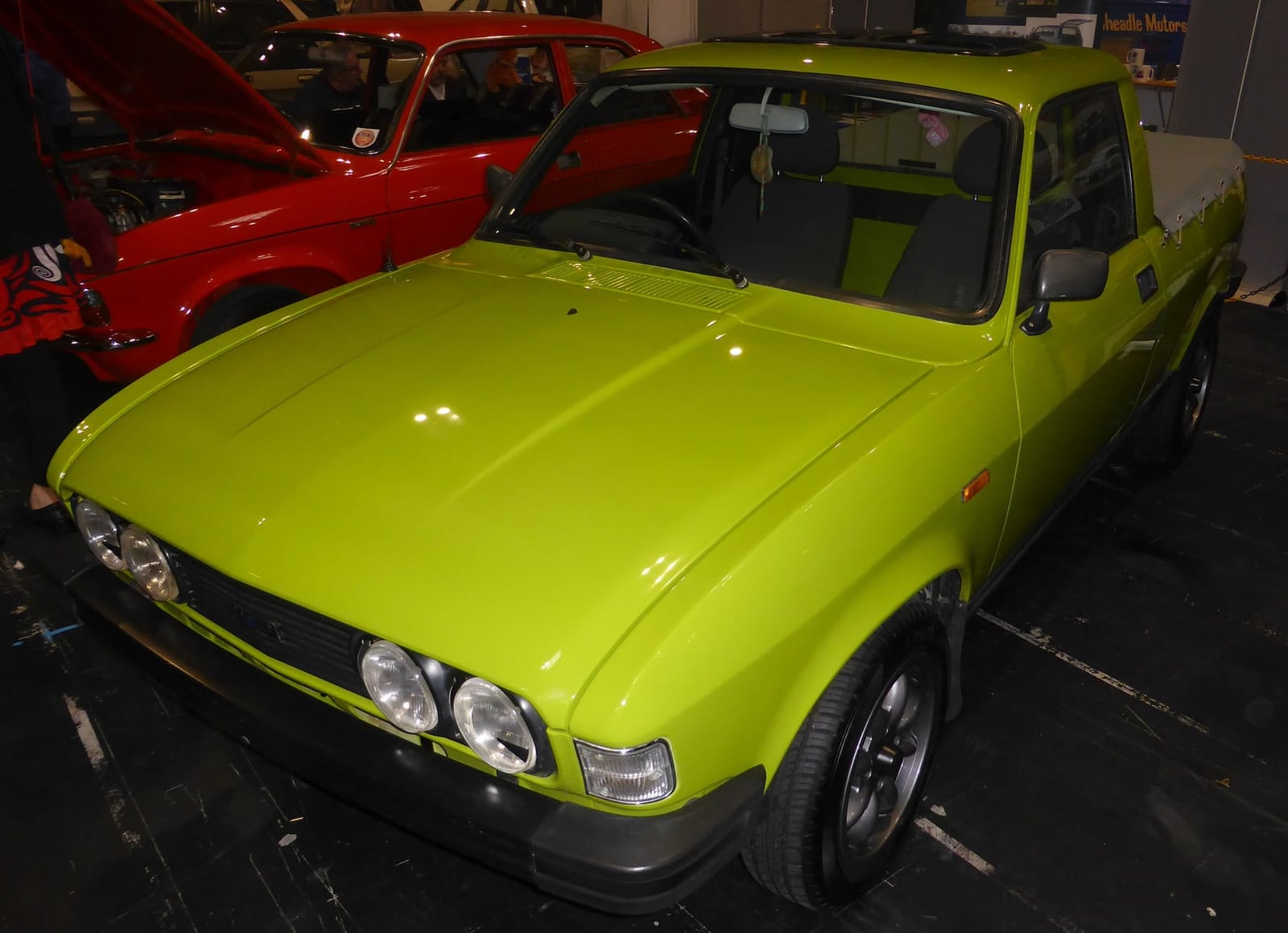
The range ran wider than memory allows. A-series 1100 and 1300 cars covered the volume end; E-series 1500 and 1750 versions chased the fleet market, with the twin-carb Sport and later Equipe adding stripes and spot lamps; a three-door estate arrived in 1975 and earned mini-hearse jokes plus a practical following; and the Series 2 of 1975 and Series 3 of 1979 progressively civilised trim, seats and detail. Italy built it as the Innocenti Regent. Above them all sat the Vanden Plas 1500, the walnut-and-leather miniature limousine whose story gets its own section in every Allegro conversation and its own premium in every auction result.

The worst car ever? The record, reconsidered
The case for the prosecution is familiar: styling nobody wanted, early build quality from a Longbridge in permanent dispute, a rear window that allegedly popped out if you jacked the car in the wrong place, and sales of 642,000 against the old 1100’s two-million-plus. The defence is quieter but solid. Period tests found it roomy, comfortable and tidy-handling; most of its notorious faults were fixed by the Series 2; and its real crime was being the flagship launch of a nationalised company the press was already burying. Its stablemate, the Morris Marina, sold more and is mocked scarcely less; both cars mostly did what their buyers asked for a decade of hard, unglamorous service.

From punchline to cult
Somewhere in the 2000s the laughter turned affectionate. The survivor count had collapsed to a few hundred, the jokes had outlived everyone who originally told them, and a generation raised on the Allegro-as-punchline discovered that an actual Allegro, in period mustard with a vinyl roof, is a deeply likeable object. Club gatherings now celebrate anniversaries with painted bonnets and record turnouts, tidy cars draw show-field crowds that 1970s family saloons twice as successful cannot match, and the market has begun, gently, to agree.

Buying an Austin Allegro today
Rust decides everything: sills, floors, subframe mounts, inner wings and the base of the A-posts want careful checking, because sound bodyshells are the scarce resource and structural repair sections are limited. Mechanically the news is good, A-series parts are everywhere, E-series cars need more patience but share much with the Maxi, and Hydragas units can be reconditioned by the marque specialists who keep the system alive. Trim is the other hunt, especially early quartic fittings and Vanden Plas interiors. Buy the most complete, least rotten car available and condition-before-specification without exception.

Values: cheap history, appreciating slowly
Allegro money remains kind: usable cars £2,000 to £3,500, good ones £3,500 to £7,000, with Vanden Plas 1500s, Equipes and the best early cars edging past £8,000. That buys full membership of the 1970s revival scene in the car that defines its era more honestly than anything glamorous, and with supply this thin, today’s prices are unlikely to be repeated. No grander Austin earns its keeper more conversation per pound.

More photos
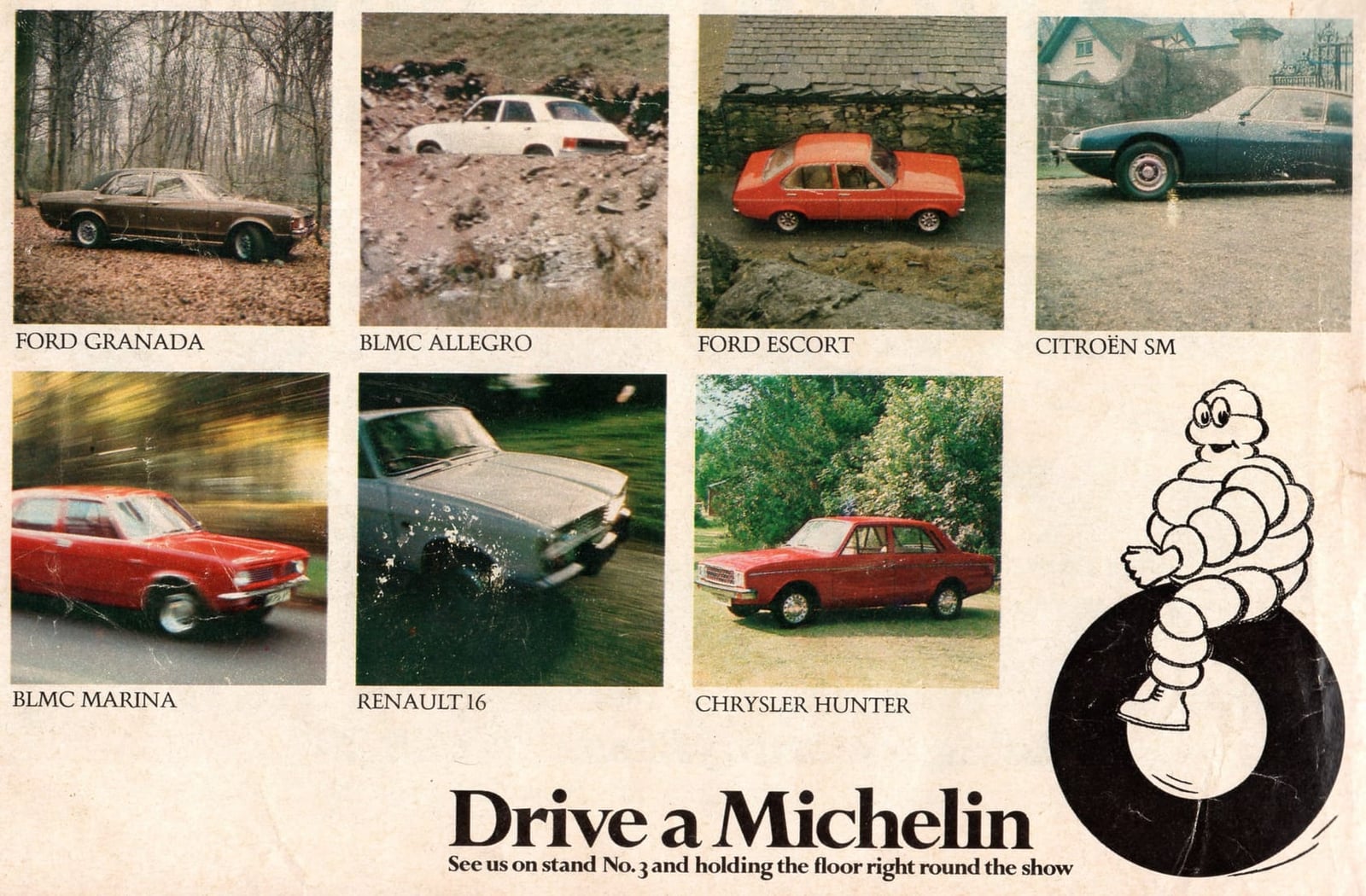
Key dates for the Allegro
- 1973Launched in May: Harris Mann's sharp wedge inflated into a bap by the tall E-series, a Marina heater and shared doors, with the quartic wheel completing the tabloids' gift.
- 1975The quartic wheel is quietly dropped after barely two years; original examples are now sought-after fittings.
- 1974The Vanden Plas 1500 adds a Kingsbury-finished grille, leather and picnic tables to the nation's amusement and later delight.
- 1975Series 2 revisions begin the long polish; the Innocenti Regent carries the design to Italy.
- 1979Series 3 brings the final form, with the Equipe's stripes and spot lamps at the sporting end.
- 1982Production ends at around 642,000 cars; the Maestro follows.
Buying checklist: the Allegro in front of you
Rust, which decides everything
- Sills, floors and subframe mounts
- Inner wings and the base of the A-posts
- Sound bodyshells are the scarce resource and repair sections are limited
- Condition before specification, without exception
Mechanical
- A-series parts are everywhere
- E-series cars need more patience but share much with the Maxi
- Hydragas units can be reconditioned by the marque specialists
- Nothing mechanical should decide against an otherwise sound car
Trim and version
- Early quartic fittings are prized and hard to find
- Vanden Plas 1500 interiors are the other hunt
- Equipes and estates carry followings of their own
- Two-door cars and early Series 1s are the period-piece picks
What the Allegro sells for at auction
| Variant | Sold | Typical range | Median |
|---|---|---|---|
| Allegro | 30 | £1,809 - £4,500 | £2,945 |
| Allegro Vanden Plas | 6 | £3,412 - £3,829 | £3,615 |
Show the year-by-year mediansHide the year-by-year medians
| Year | Sold | Median | In 2025 money |
|---|---|---|---|
| 2026 (so far) | 7 | £3,360 | |
| 2025 | 4 | £3,244 | £3,244 |
| 2023 | 4 | £2,756 | £2,957 |
| 2022 | 5 | £5,420 | £6,207 |
| 2018 | 6 | £2,546 | £3,315 |
- £7,313Allegro
- £2,754Allegro
- £1,760Allegro
- £1,860Allegro
- £5,076Allegro
Thin evidence. Only 36 recorded sales: read the figures as a sketch of the market, not a price. Based on 36 sold results from public classic car auctions (2008 to 10 August 2026). Sold prices, not asking prices, and not a valuation: condition, history and specification vary from car to car. Inflation-adjusted figures use the ONS CPIH index, in 2025 money.
Frequently asked questions
Was the Austin Allegro really that bad?
How many Austin Allegros are left?
Why did the Austin Allegro have a square steering wheel?
What is the Vanden Plas 1500?
How much is an Austin Allegro worth?
What is the most expensive Allegro ever sold at auction?
How often does an Allegro come up for sale?
Related across themes

More from Austin


Recently added

Bentley S-series: the quiet twin with the beautiful secrets (1955–1965)

Rolls-Royce Silver Spirit and Silver Spur: the last Crewe bargain (1980–1999)

Rolls-Royce Corniche: the coachbuilt survivor that outlived its makers (1971–1995)
