Bentley Mk VI and R Type: the first complete Bentley, and the fastest four-seater on earth (1946–1955)
The Mk VI was the first Bentley sold as a complete car, the machine that carried Crewe into the post-war world, and its R Type successor produced the fabled Continental, the fastest four-seater of its day. A guide to the standard steel and coachbuilt cars, the specials culture, and what to check before buying.
Built 1946–1955 567 recorded sales
At a glance
- Years
- 1946–1955
- Body styles
- Standard steel saloon; coachbuilt saloons, dropheads and the Continental fastback
- Drivetrain
- Front engine, rear-wheel drive; separate chassis
- Engines
- 4257cc, then 4566cc inlet-over-exhaust six
- Power
- Sufficient (roughly 130-155 bhp)
- Top speed
- Around 94-102 mph (near 120 mph for the Continental)
- Trim levels
- Standard steel saloon; H.J. Mulliner, Park Ward, James Young and Freestone & Webb coachwork
- Production
- About 5,200 Mk VI and 2,320 R Type, including 208 R Type Continentals
- Assembly
- Crewe, Cheshire
- Designer
- Ivan Evernden and the Crewe drawing office; Continental line by John Blatchley
- Values
- Usable saloons from around £18,000; good cars £25,000-£40,000; Continentals in the millions
- The first
- The Mk VI was the first Bentley sold as a complete car, body and all, from the factory
- The summit
- The R Type Continental: 120 mph, 208 built, and values with seven figures
The models
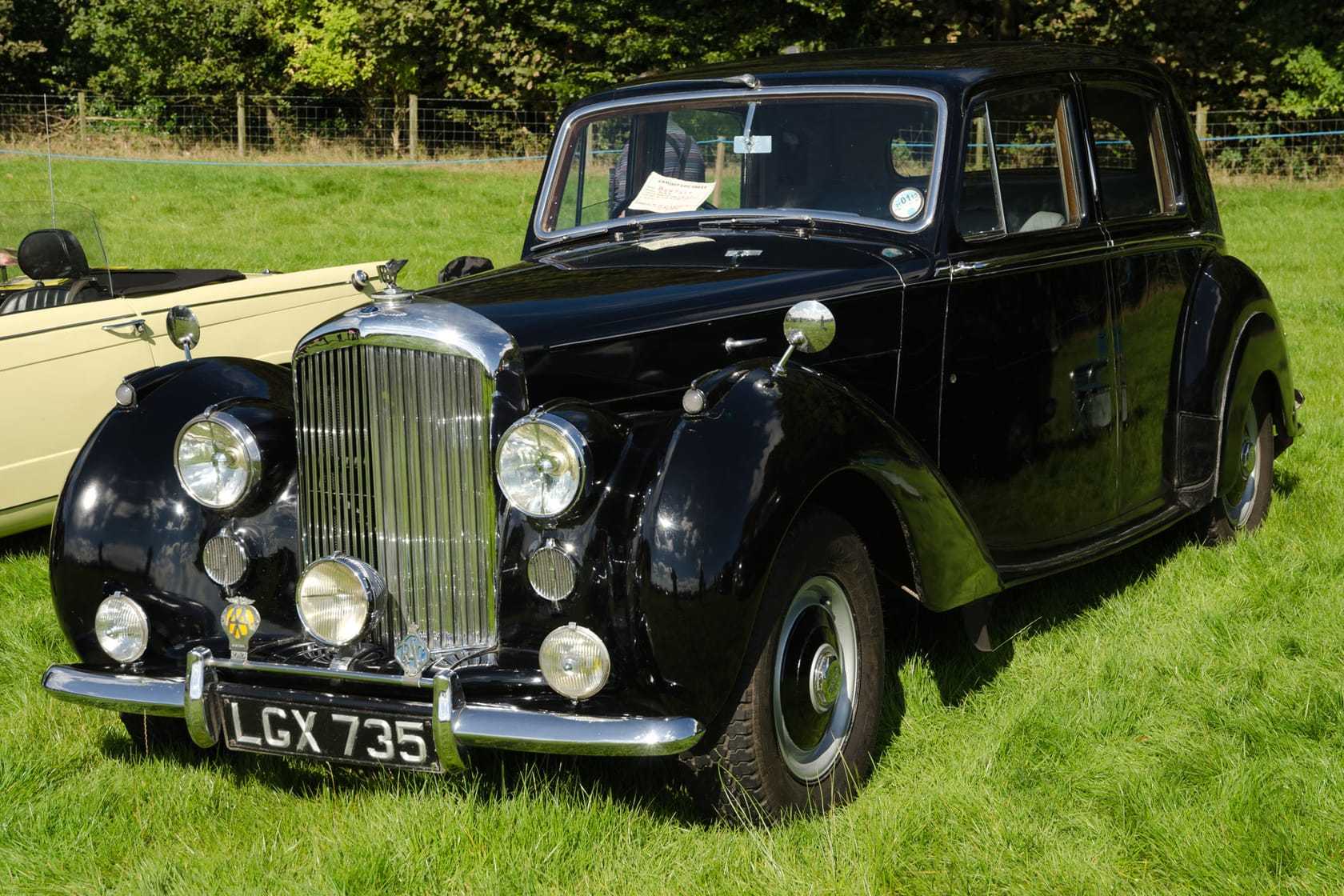
Austerity Britain seems an unlikely birthplace for a new kind of Bentley, but 1946 produced exactly that: the Mk VI, the first Bentley ever sold as a complete car, factory body and all, and the machine that carried Crewe into the post-war world. Its R Type successor then produced the family’s summit, the Continental fastback that was the fastest four-seater on earth. Between the £18,000 saloon and the seven-figure Continental, the Bentley Mk6 family spans the widest value arc of any single model line we cover.
The first complete Bentley
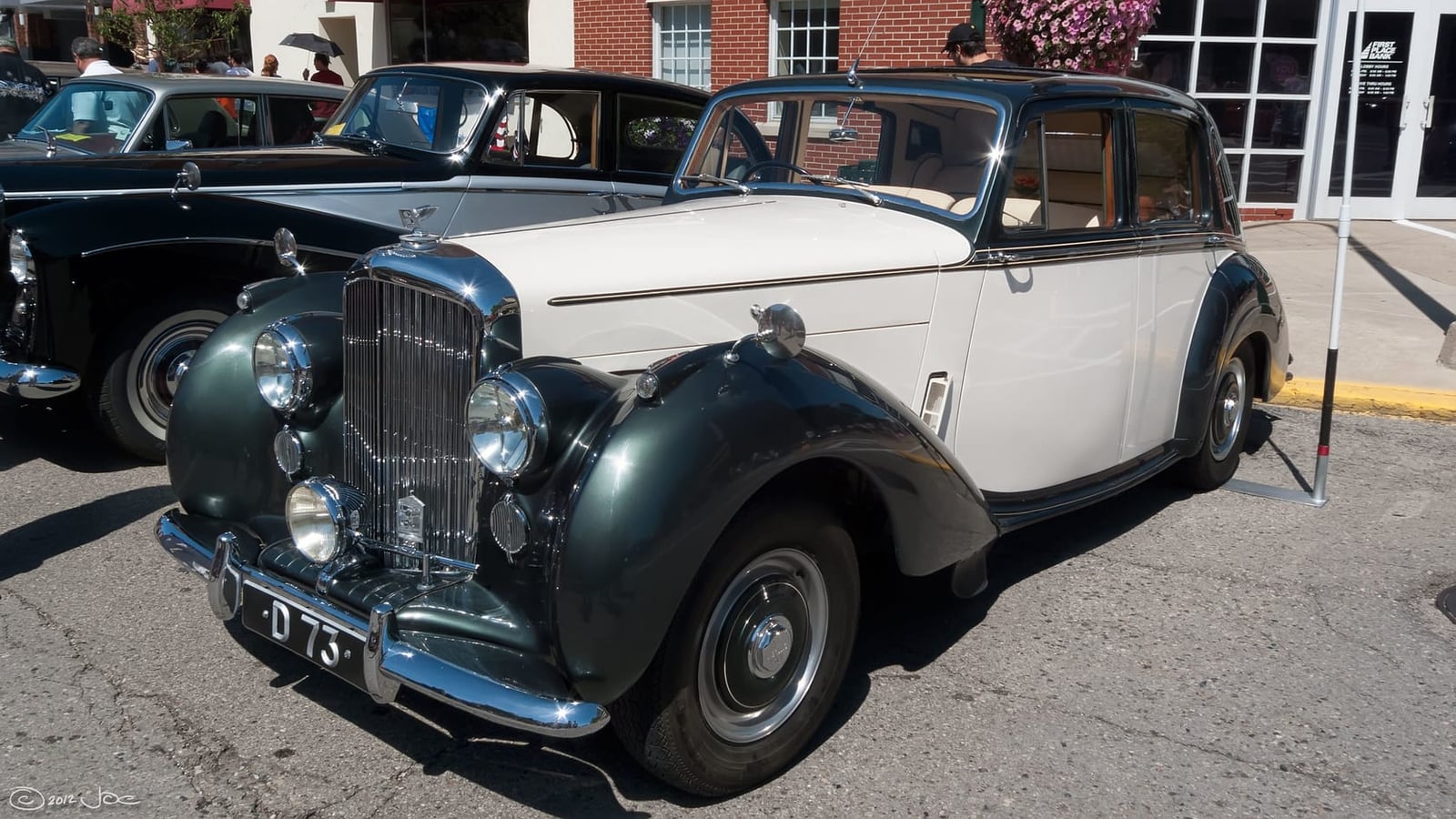
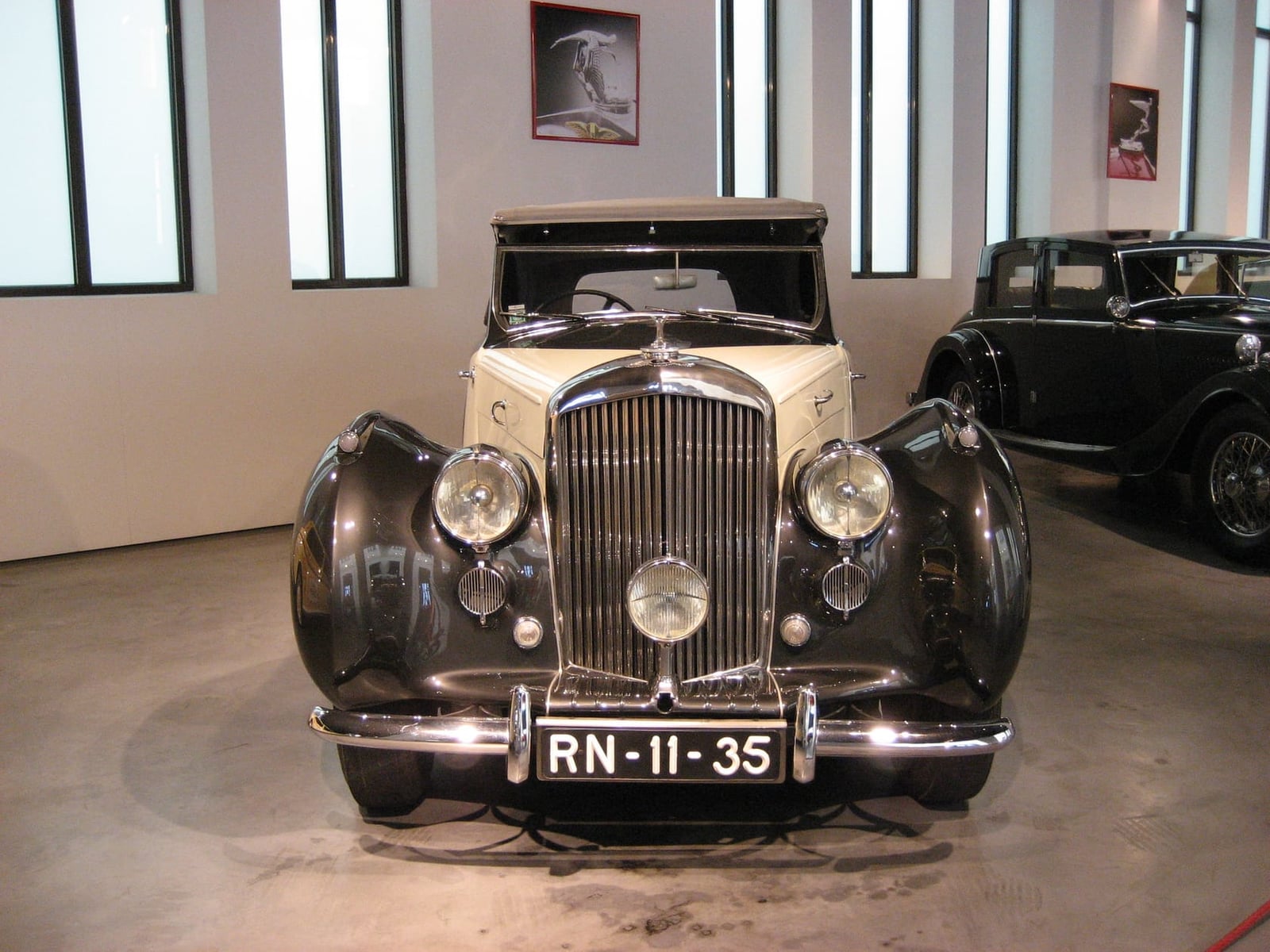
Before 1946, buying a Bentley meant buying a chassis and commissioning a body; the Mk VI changed the marque’s whole nature with its factory standard steel saloon, pressed by outside suppliers and finished at Crewe to Bentley standards. The refined 4¼-litre inlet-over-exhaust six gave silent, effortless urge, the chassis carried the company’s first factory warranty on a complete car, and about 5,200 were sold to 1952, a Bentley record. The coachbuilders still dressed bare chassis for the faithful, Mulliner, Park Ward, James Young and Freestone & Webb all serving, but the future had arrived wearing factory steel.

R Type: the finishing school
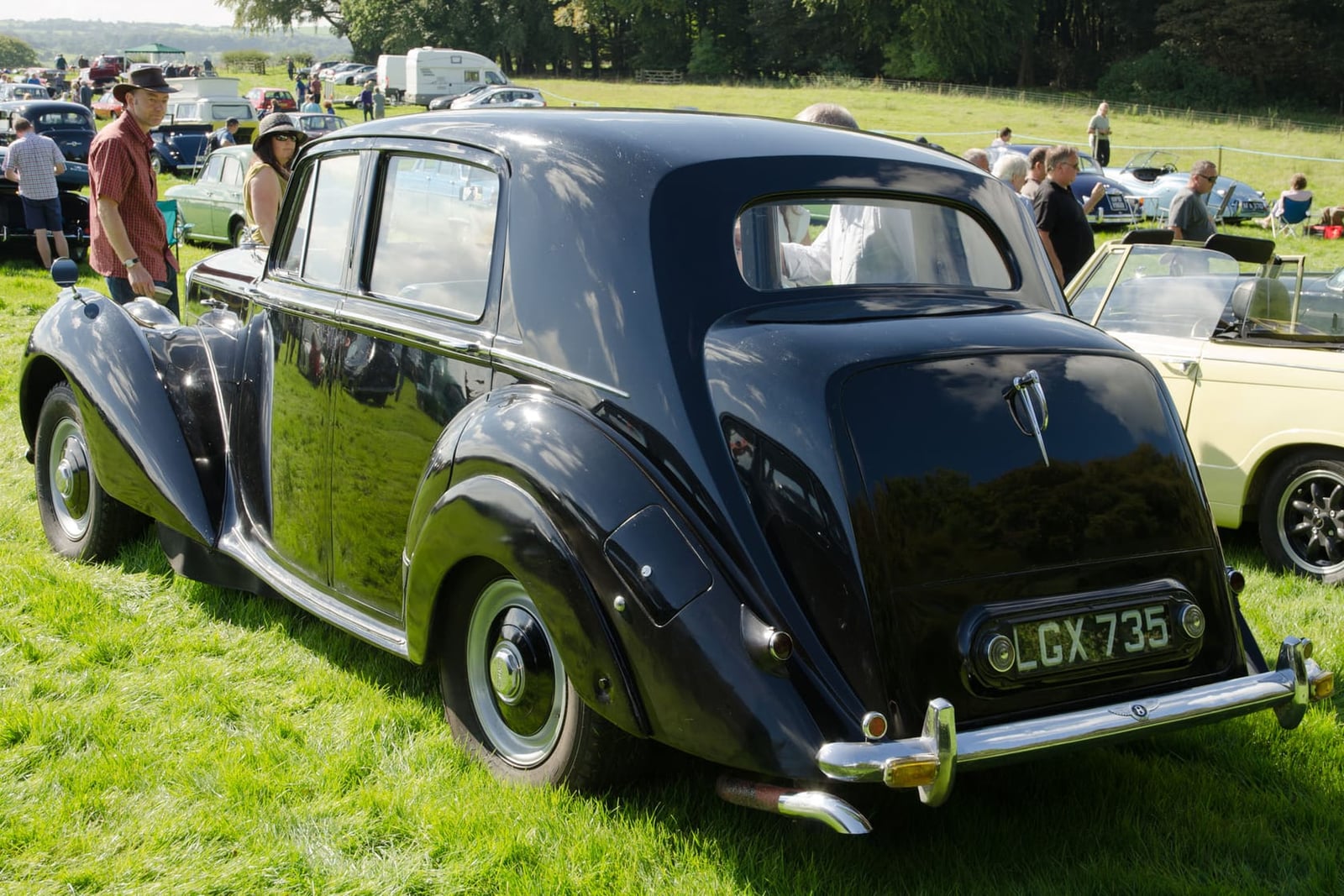
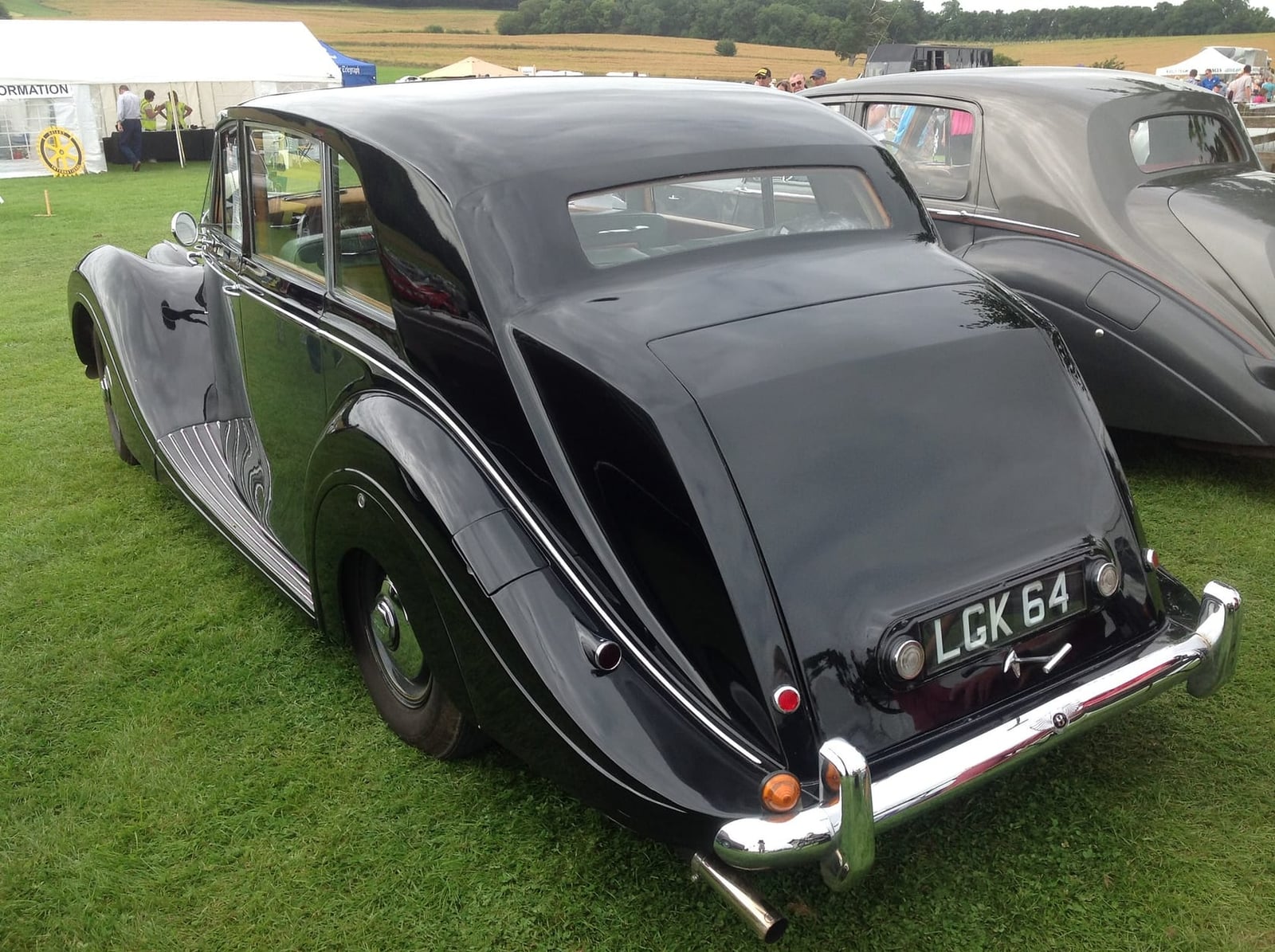
The 1952 R Type answered the Mk VI’s one criticism, the stubby boot, with an elegant lengthened tail, standardised the big-bore 4.6-litre engine, and offered an automatic gearbox to the chauffeur classes. About 2,320 were built to 1955, visually blurring with their predecessor ahead of the rear doors and improving on it everywhere behind. As the last Bentley before the S-series twinned the marque with the Silver Cloud, the R Type closed the family’s most independent post-war chapter, and today the two models trade as one market with the R Type’s practicality earning a modest premium.
The Continental: 120 mph in a dinner jacket
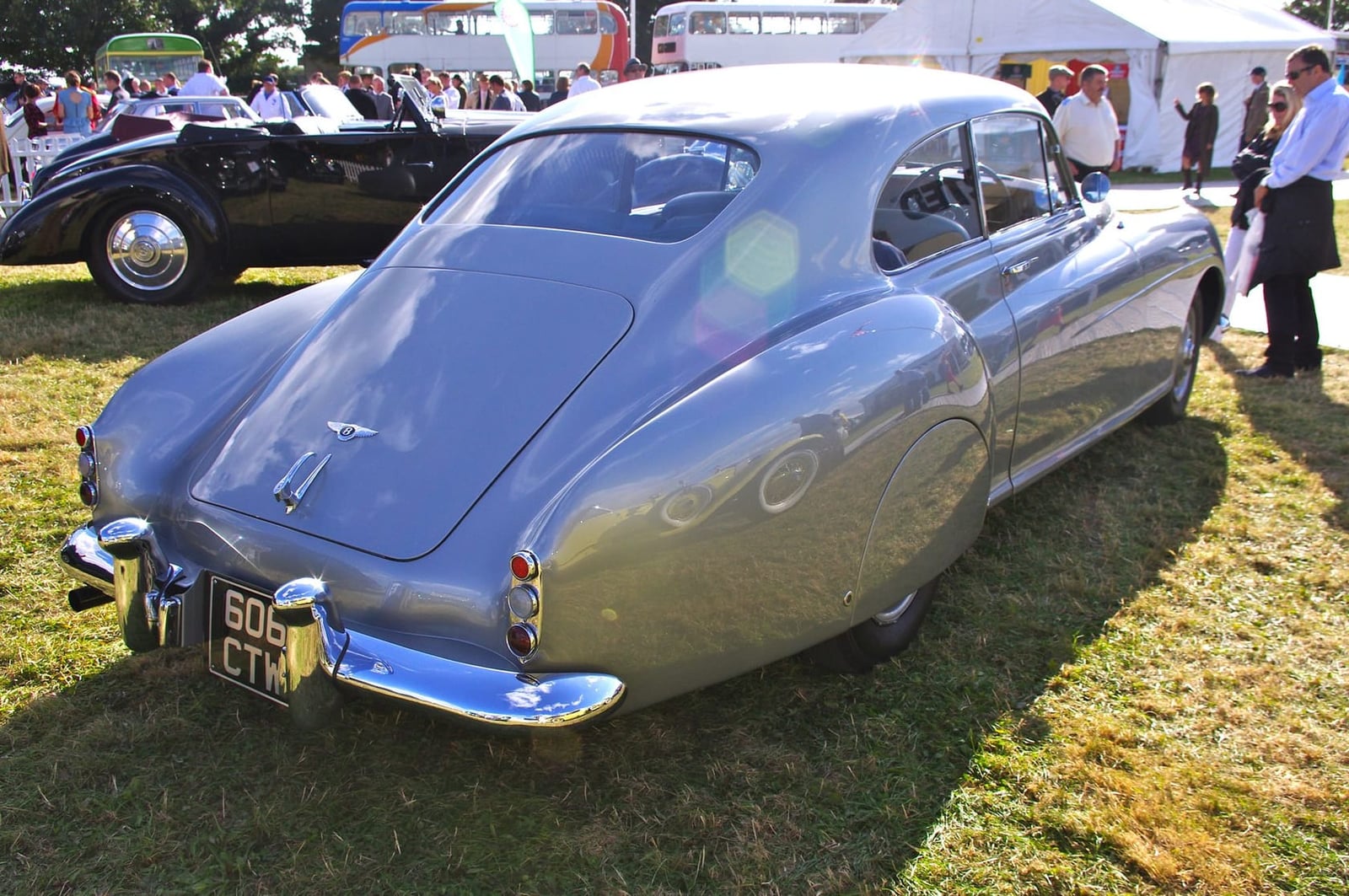
In 1952 Crewe and H.J. Mulliner distilled the R Type into legend: the Continental, a wind-tunnel-shaped alloy fastback over a tuned, lightened chassis, capable of nearly 120 mph with four aboard, the fastest four-seater car in the world. Just 208 were built for the era’s most discerning buyers, and the model’s beauty and rarity settled its destiny: R Type Continentals trade in the millions, set records for post-war Bentleys, and lent their name to everything fast Crewe built afterwards. The standard cars bask in the association at a five-hundredth of the price.

The specials culture
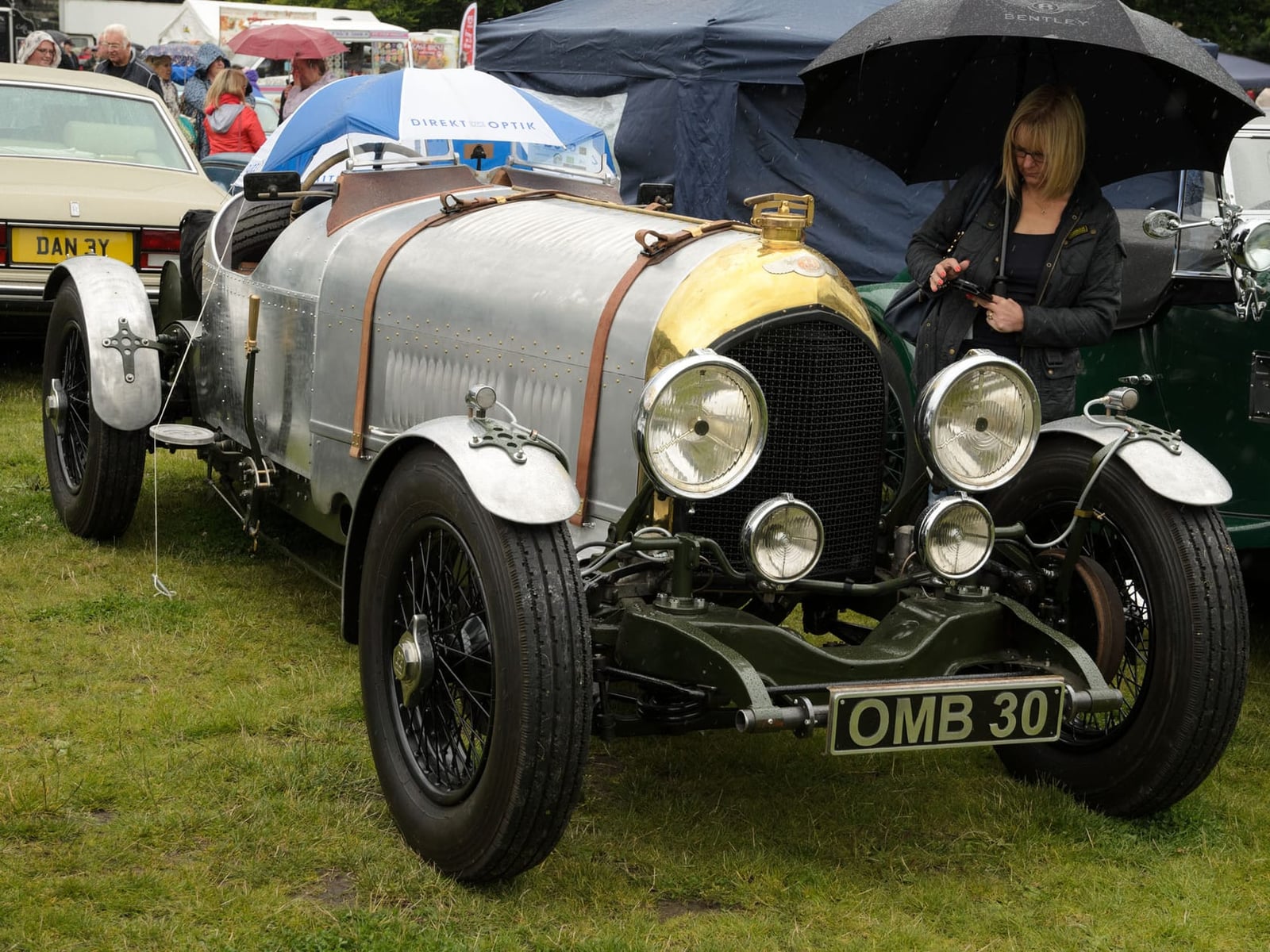
The Mk VI’s afterlife is unique: standard steel bodies rusted faster than the superb chassis beneath, so from the fifties onward derelict saloons donated their running gear to vintage-style specials, open tourers in the Cricklewood manner built by enthusiasts and professional houses alike. The culture thrives today, hundreds of chassis living second lives at hillclimbs and tours, and divides opinion the market has learned to price: originality carries the premium, good specials trade on build quality, and every buyer should establish which history a car actually carries.

Living with the first Crewe Bentley
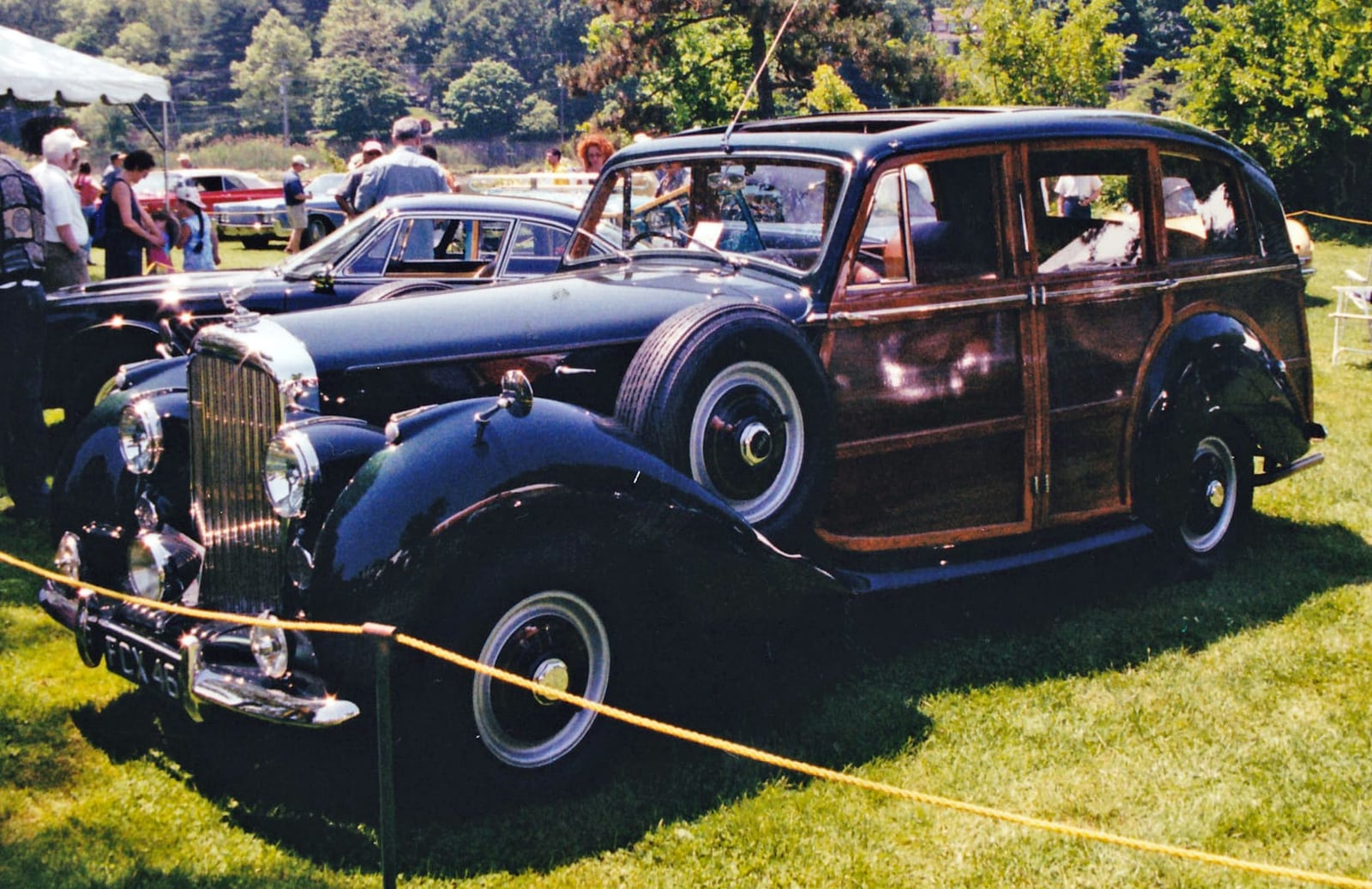
The Mk VI rewards its owners with the era’s most usable grandeur: the six-cylinder engine is unstressed and long-lived, the famous one-shot centralised lubrication system eases chassis care when kept working, and the specialist and club network, among the deepest for any post-war British car, supplies parts and pattern knowledge readily. Fuel consumption in the mid-teens and stately tyre bills are the honest running costs; the great expense lives in bodywork, which is why the buying advice never changes. Tours, rallies and the club calendar keep Mk VIs genuinely driven, and the survivors’ variety, saloon, coachbuilt, woodie or special, makes every gathering of them a small concours of histories.
What a Mk VI is like to drive
The Mk VI drives like a gentleman’s club making progress: the six delivers its sufficient power in silence, the right-hand gear lever snicks through a gate of surprising precision, and the chassis, with the company’s famous centralised lubrication easing maintenance, rides with dignity ahead of its era. R Types add touring ease; Continentals add another dimension entirely. Among 1940s luxury survivors nothing combines usability, club support and sheer presence at the money, which is why so many are actually driven.
Buying a Mk VI or R Type today
Body and identity decide: standard steel saloons rust in sills, wings, doors and boot floors, coachbuilt cars add timber-frame concerns, and restoration outruns most purchase prices, so sound metal outranks mechanical niggles. Establish originality, saloon, coachbuilt or special, against chassis records the clubs hold well. Engines and running gear are strong and supported by an excellent specialist network. The first complete Bentley remains the marque’s most accessible classic, with the Continental shining unreachably above. The full record, 567 recorded sales spanning a forty-two-fold gap from a standard steel saloon to an H J Mulliner Continental, is on the page covering what a Mk VI and R Type sell for.
More photos
The Mk VI / R Type in dates
- 1946The Mk VI changes the marque's nature: a factory standard steel saloon pressed outside and finished at Crewe, with the company's first factory warranty on a complete car.
- 1946 onwardsMulliner, Park Ward, James Young and Freestone and Webb continue dressing bare chassis for the faithful.
- 1952The R Type answers the Mk VI's stubby boot with a lengthened tail, standardises the 4.6-litre engine and offers an automatic gearbox.
- 1952Crewe and H.J. Mulliner distil the R Type into the Continental: a wind-tunnel alloy fastback capable of nearly 120 mph with four aboard, the fastest four-seater in the world.
- 1955Production ends at about 5,200 Mk VIs and 2,320 R Types, including 208 Continentals.
- 1950s onwardsDerelict saloons donate their superb chassis to vintage-style specials in the Cricklewood manner, a culture that still thrives.
Mk VI / R Type: what to check before you buy
Body and identity
- Standard steel saloons rust in sills, wings, doors and boot floors
- Coachbuilt cars add timber-frame concerns to the survey
- Establish originality, saloon, coachbuilt or special, against the chassis records the clubs hold well
- Originality carries the premium; good specials trade on build quality instead
Mechanical
- Engines and running gear are strong and supported by an excellent specialist network
- The one-shot centralised lubrication system should be working, not merely fitted
- The 4,257cc and 4,566cc engines differ; confirm which is present
- Restoration outruns most purchase prices, so sound metal outranks mechanical niggles
Version and market
- R Types earn a modest premium for the longer boot and touring ease
- Automatic gearboxes appear from 1952 and suit the chauffeur-driven cars
- Continentals are a separate market entirely, at 208 cars and seven figures
- The two standard models trade as one market, blurring visually ahead of the rear doors
What the Bentley Mk VI sells for at auction
In 2025 the median Bentley Mk VI sold for £18,958 across 36 sales, 12% down on 2024. In real terms, typical Bentley Mk VI prices were down about 34% over the five years to 2025, once inflation is accounted for.
| Variant | Sold | Typical range | Median |
|---|---|---|---|
| Mk VI | 280 | £13,944 - £38,552 | £19,844 |
| R Type | 169 | £15,120 - £32,119 | £22,000 |
| R Type Continental | 30 | £428,741 - £690,738 | £550,300 |
| R Type Continental H.J. Mulliner | 13 | £724,979 - £1,032,590 | £826,250 |
| Mk VI Park Ward | 12 | £49,787 - £102,718 | £81,576 |
| Mk VI James Young | 9 | £10,651 - £37,740 | £23,625 |
| Mk VI H.J. Mulliner | 8 | £16,172 - £35,969 | £26,948 |
| R Type Park Ward | 7 | £59,498 - £108,743 | £75,300 |
Show the year-by-year mediansHide the year-by-year medians
| Year | Sold | Median | In 2025 money |
|---|---|---|---|
| 2026 (so far) | 28 | £17,214 | |
| 2025 | 36 | £18,958 | £18,958 |
| 2024 | 40 | £21,422 | £22,244 |
| 2023 | 39 | £23,000 | £24,681 |
| 2022 | 46 | £20,890 | £23,924 |
| 2021 | 60 | £24,112 | £29,816 |
| 2020 | 19 | £22,500 | £28,512 |
| 2019 | 31 | £32,000 | £40,965 |
| 2018 | 18 | £27,780 | £36,166 |
| 2017 | 31 | £48,300 | £64,338 |
| 2016 | 23 | £37,048 | £50,620 |
| 2015 | 19 | £43,700 | £60,306 |
| 2014 | 23 | £32,625 | £45,203 |
| 2013 | 21 | £33,600 | £47,218 |
| 2012 | 23 | £39,100 | £56,206 |
| 2011 | 21 | £67,317 | £99,249 |
| 2010 | 20 | £33,350 | £51,080 |
| 2009 | 11 | £17,664 | £27,732 |
| 2008 | 10 | £20,125 | £32,219 |
| 2007 | 12 | £30,450 | £50,445 |
| 2006 | 10 | £15,525 | £26,320 |
| 2005 | 10 | £10,673 | £18,550 |
| 2004 | 10 | £13,218 | £23,447 |
- £28,826R Type
- £9,116Mk VI
- £16,875Mk VI
- £35,650R Type
- £31,625Mk VI
Strong evidence. 567 recorded sales and a dozen or more a year: the median and the range are well founded. Based on 567 sold results from public classic car auctions (1997 to 10 August 2026). Sold prices, not asking prices, and not a valuation: condition, history and specification vary from car to car. Inflation-adjusted figures use the ONS CPIH index, in 2025 money.
Frequently asked questions
What is special about the Bentley Mk VI?
What is the difference between the Bentley Mk VI and R Type?
Why is the R Type Continental so valuable?
Why are so many Bentley Mk VIs turned into specials?
How much does a Bentley Mk VI sell for?
What is the most expensive Bentley Mk VI ever sold at auction?
How often does a Bentley Mk VI come up for sale?
Related across themes


Recently added

Rolls-Royce Silver Spirit and Silver Spur: the last Crewe bargain (1980–1999)

Rolls-Royce Corniche: the coachbuilt survivor that outlived its makers (1971–1995)

Bentley: from the Bentley Boys to Crewe, the sporting side of magnificence
