Rolls-Royce Silver Spirit and Silver Spur: the last Crewe bargain (1980–1999)
The Silver Spirit and long-wheelbase Silver Spur carried hand-built Crewe motoring to the end of the century, and depreciation has made them the cheapest Rolls-Royce ownership ever offered. A guide to the SZ family, the four series, and what to check before buying one.
Built 1980–1999 570 recorded sales
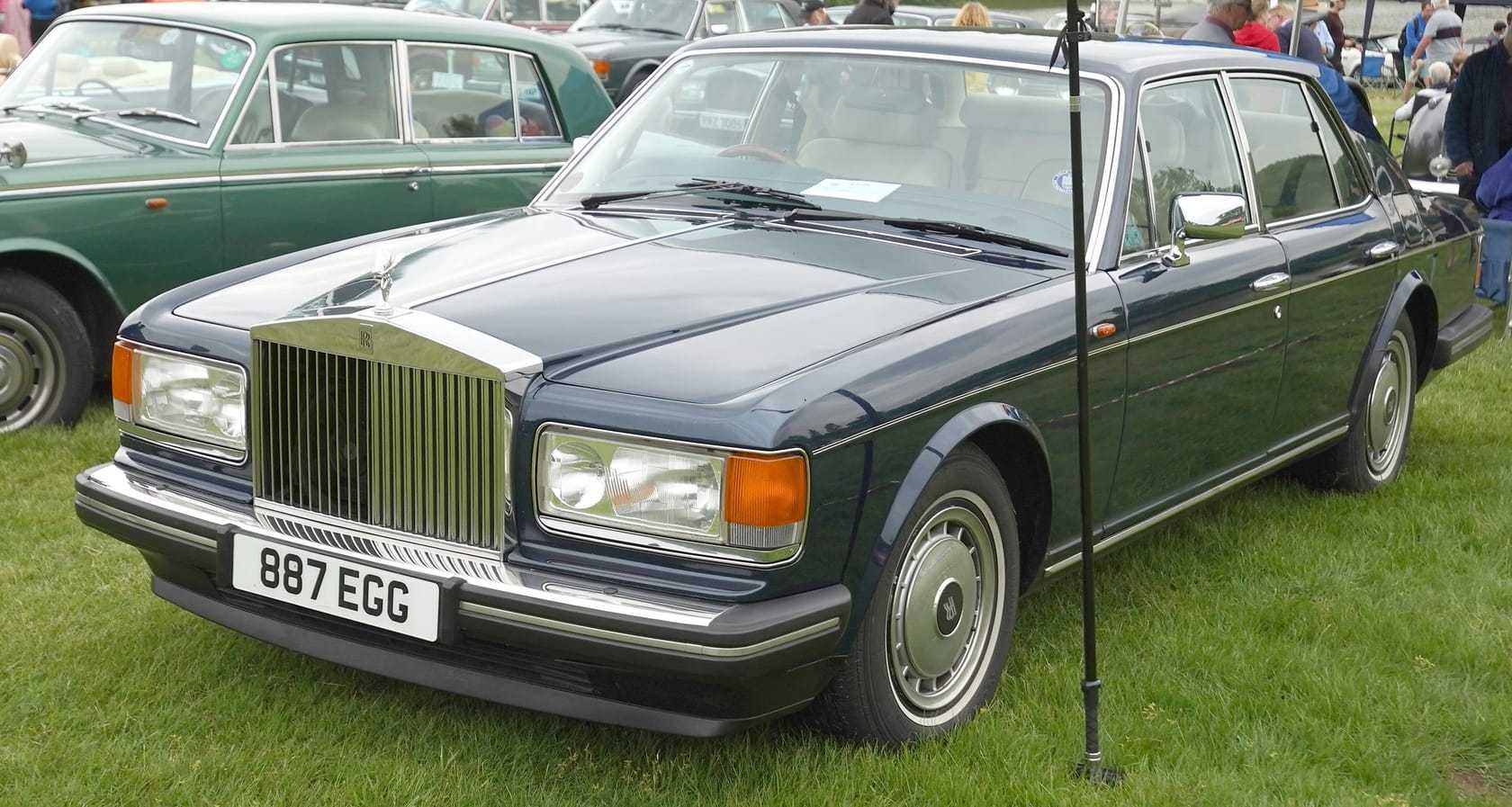
At a glance
- Years
- 1980–1999
- Body styles
- Four-door saloon; long-wheelbase Spur; limousines
- Drivetrain
- Front engine, rear-wheel drive; Shadow-derived hydraulics
- Engines
- 6750cc all-alloy V8 (injection from 1986)
- Power
- Sufficient (roughly 220-300 bhp across the run)
- Top speed
- Around 120-130 mph
- Trim levels
- Spirit and Spur I-IV; Mulliner options; Touring Limousine
- Production
- Around 22,000 across the SZ family
- Assembly
- Crewe, Cheshire
- Designer
- Fritz Feller
- Values
- Running projects from around £6,000; usable cars £10,000-£18,000; late Series IV cars beyond £30,000
- The role
- The last all-Crewe Rolls-Royce line before the 1998 sale split the marques
- The bargain
- A hand-built V8 Rolls for hatchback money, with the usual conditions attached
The models
Every generation of enthusiasts gets its own accessible Rolls-Royce, and for the current one that role belongs to the SZ family. The Silver Spirit and its long-wheelbase Silver Spur twin carried hand-built Rolls-Royce motoring from 1980 to the 1998 sale that ended Crewe’s independence, and depreciation has done its traditional work since: the Rolls-Royce Silver Spirit now trades at a median under £11,000, inheriting the Silver Shadow’s mantle as the cheapest entry to the best-car-in-the-world badge, conditions attached as ever.
Spirit and Spur: one family
Fritz Feller’s 1980 SZ body modernised the look, lower, wider, crisper glass, over proven Shadow-derived engineering: the 6.75-litre V8, the high-pressure hydraulics, the self-levelling ride. The Silver Spirit carried the standard wheelbase; the Silver Spur added four inches of rear legroom and outsold it in several markets; limousines stretched further still. The retracting Spirit of Ecstasy also arrived with this family, centuries of tradition meeting modern liability law halfway. Around 22,000 cars in four series carried the line to 1999, the Bentley side’s Mulsanne and Turbo R siblings sharing everything beneath the radiators.

Four series, rising competence
Development ran steadily: carburettor cars to 1986, then fuel injection with anti-lock brakes; the 1989 Series II adding adaptive damping; the 1993 Series III consolidating refinement; and the final Series IV cars gaining, in their last form, the light-pressure turbocharged engine that finally gave the family urgency to match its presence. Later is better as transport, and the market knows it, while honest early cars have begun attracting the period-purist money that eventually finds every Crewe product. The 1998 sale then split the marques, and the SZ retired as the last all-Crewe Rolls-Royce line.
The last Crewe bargain
The Shadow’s economics repeated one generation on: savage depreciation met badge-rate running costs, prices settled near the bottom of the ladder, and the SZ became the accessible Rolls of its era, wedding fleets included. The same arithmetic that frightens casual buyers rewards informed ones, because the engineering beneath is sound and the difference between a £7,000 gamble and an £18,000 keeper is a folder of specialist invoices. As the last-independent-Crewe story spreads, the best cars have already left the bargain bin quietly.

Living with the SZ
Ownership follows the Shadow’s template with easier edges: the specialist network built on forty years of shared engineering serves the SZ fluently, parts supply is excellent, and the later cars’ electronic systems have proven more durable than their reputation. The commitments are the familiar ones, hydraulic servicing on schedule with the correct fluids, corrosion patrol in the sills and subframes, and a steady relationship with a marque specialist, in exchange for daily-usable grandeur nothing modern replicates. Fuel in the low teens is the honest tax. Many SZ cars still work weddings and events, and the club scene has grown warmly around the family as its classic status has settled.
What a Silver Spirit is like to drive
The SZ delivers the full house experience with usefully modern manners: silent V8 thrust, a ride that treats British road surfaces as unconfirmed rumours, and a cabin of walnut, hide and deep lambswool that makes every journey feel ceremonial regardless of destination. Later cars steer, stop and handle with genuine confidence, adaptive damping earning its keep, and the turbo-era finale moves with real authority. It remains occasion motoring that works as daily transport, the trick Crewe spent the century perfecting, and at these prices nothing else performs it at all.

Buying a Spirit or Spur today
The Shadow rules apply verbatim: hydraulic history with the correct fluids, structural honesty in sills, arches and subframes, and the maintenance file outranking every cosmetic consideration; pre-purchase inspection by a marque specialist remains the best money in the deal. Series-specific: prefer injection cars for use, verify adaptive-damping health on Series II onward, and treat the turbo finale’s history with extra care. Spurs suit the chauffeured and the tall; Spirits the drivers. The specialist and club infrastructure is excellent, and the 1980s cars now clear every classic threshold.
Where the Spirit and Spur sit in the market
The maintenance file sets the price and the series sets the ceiling, exactly as with the Shadow before it, and the long-wheelbase Spur outsells the standard Spirit at every point in the range. The accessible Rolls-Royce renews itself with each generation of depreciation, and the SZ family is the current holder of the title by a wide margin: this is the cheapest car in the marque’s whole recorded history. The full record, 570 recorded sales with a Spur IV at three and a half times a Spirit I and the steepest real-terms decline on this site, is on the page covering what a Spirit and Spur sell for. The sorting of keepers from gambles is still cheap, and getting cheaper.
More photos
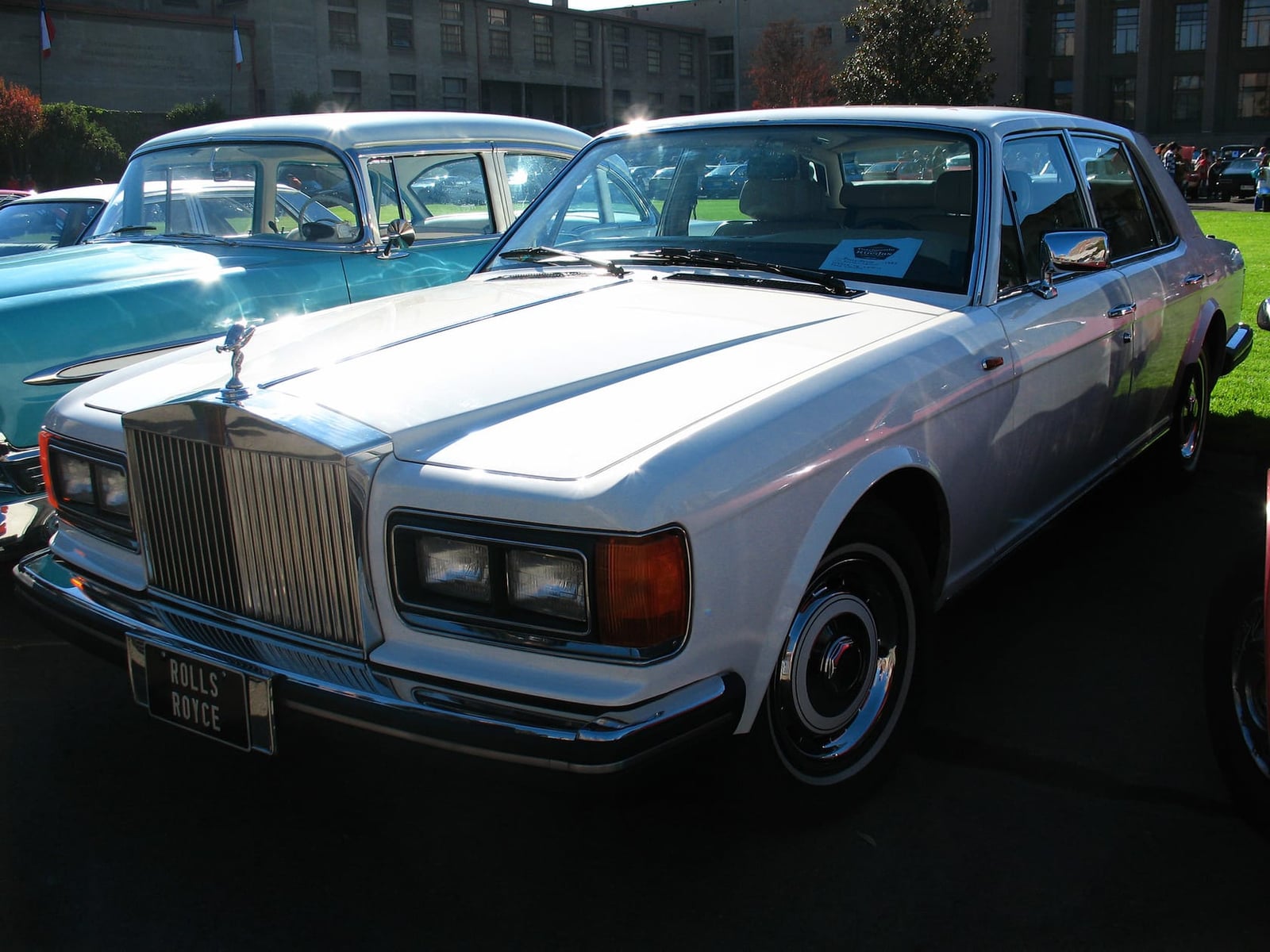
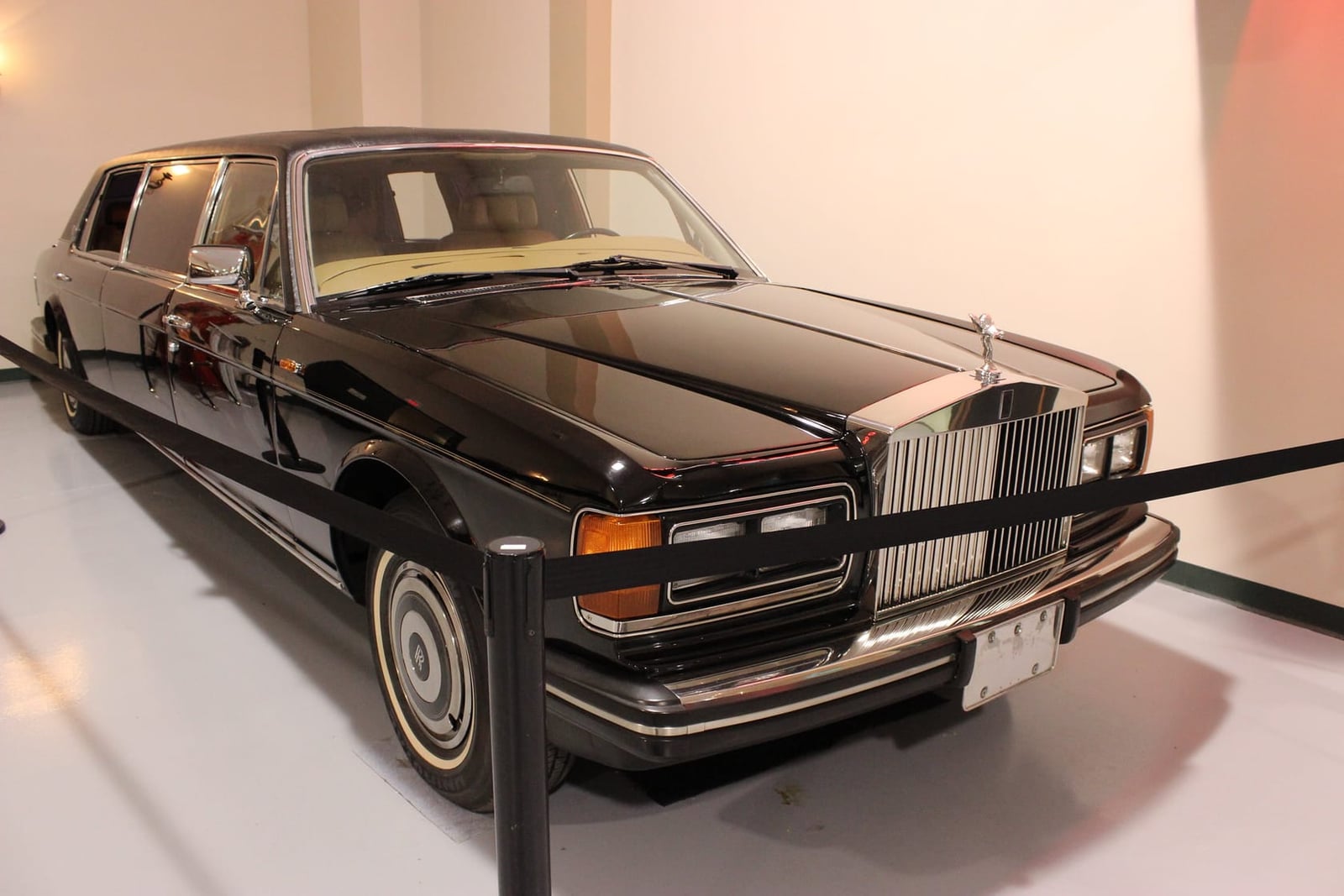
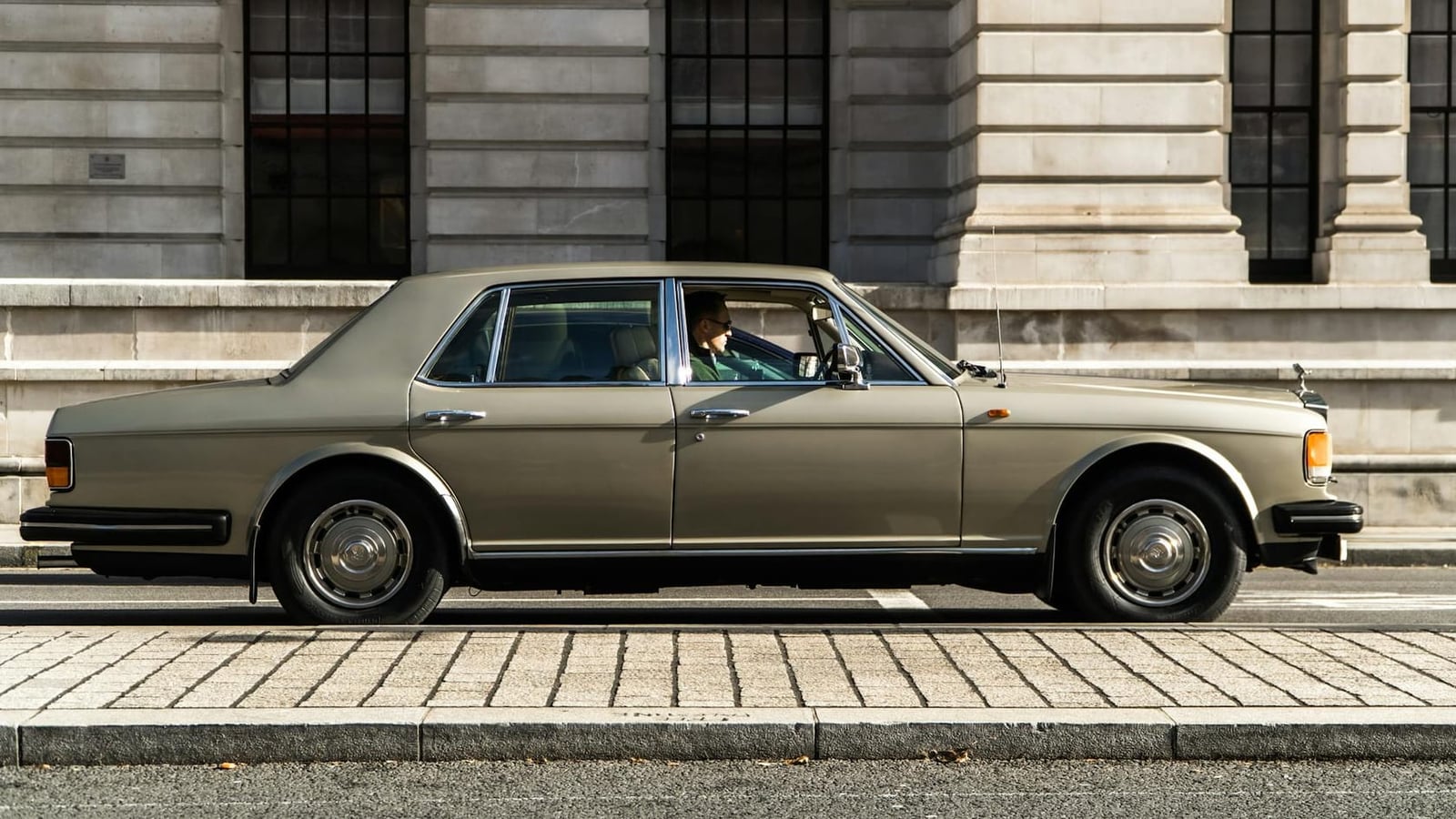
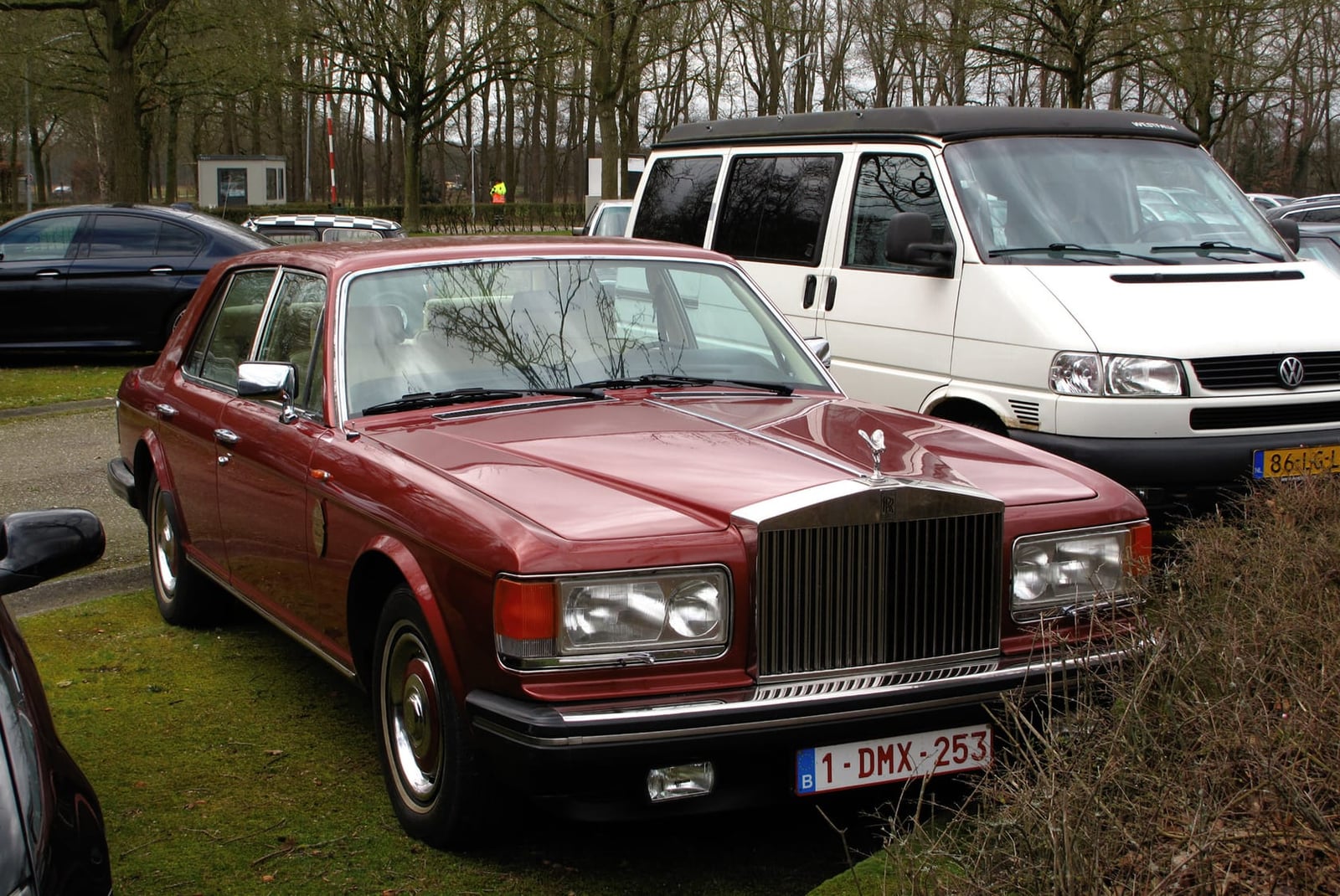
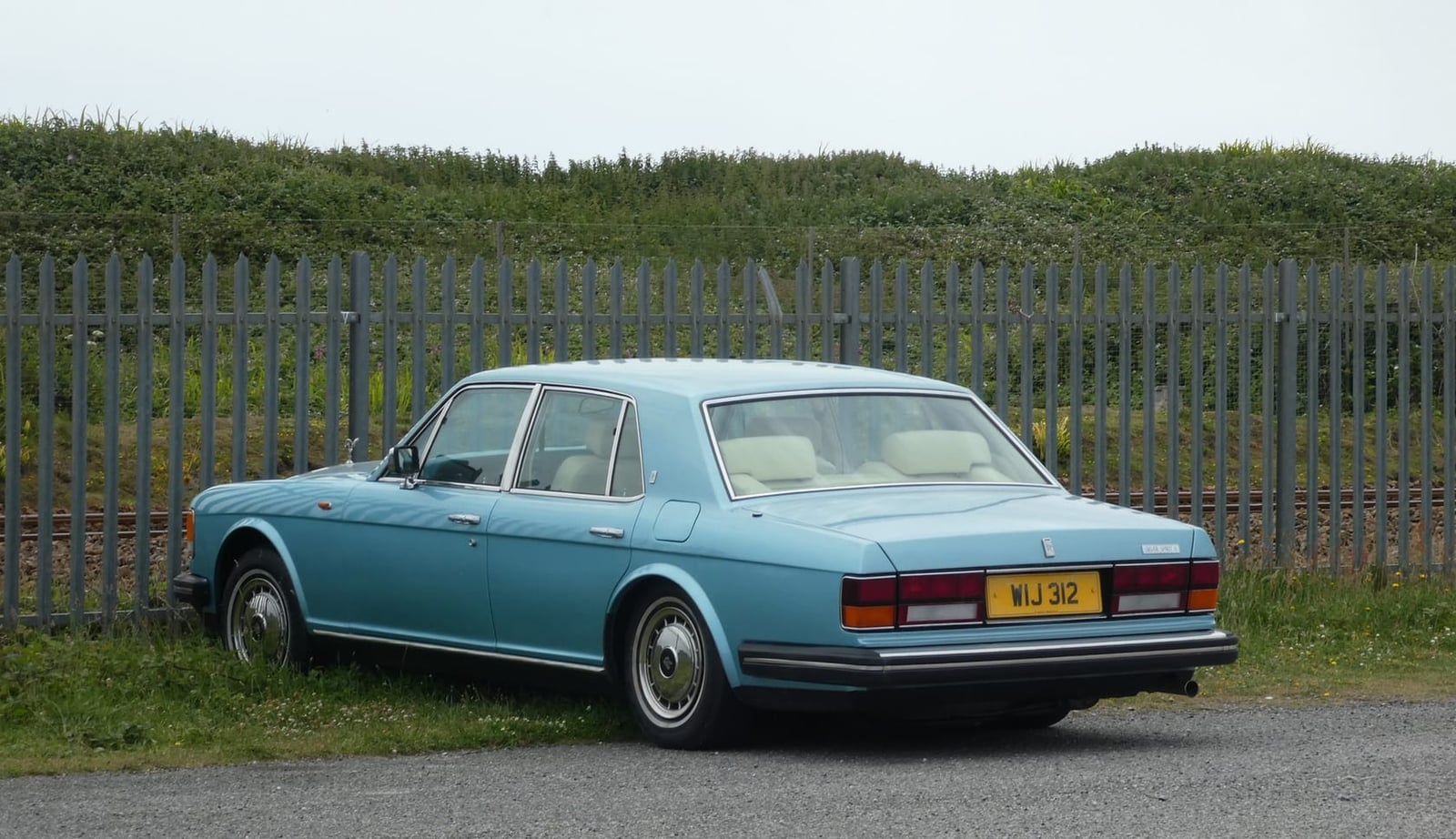
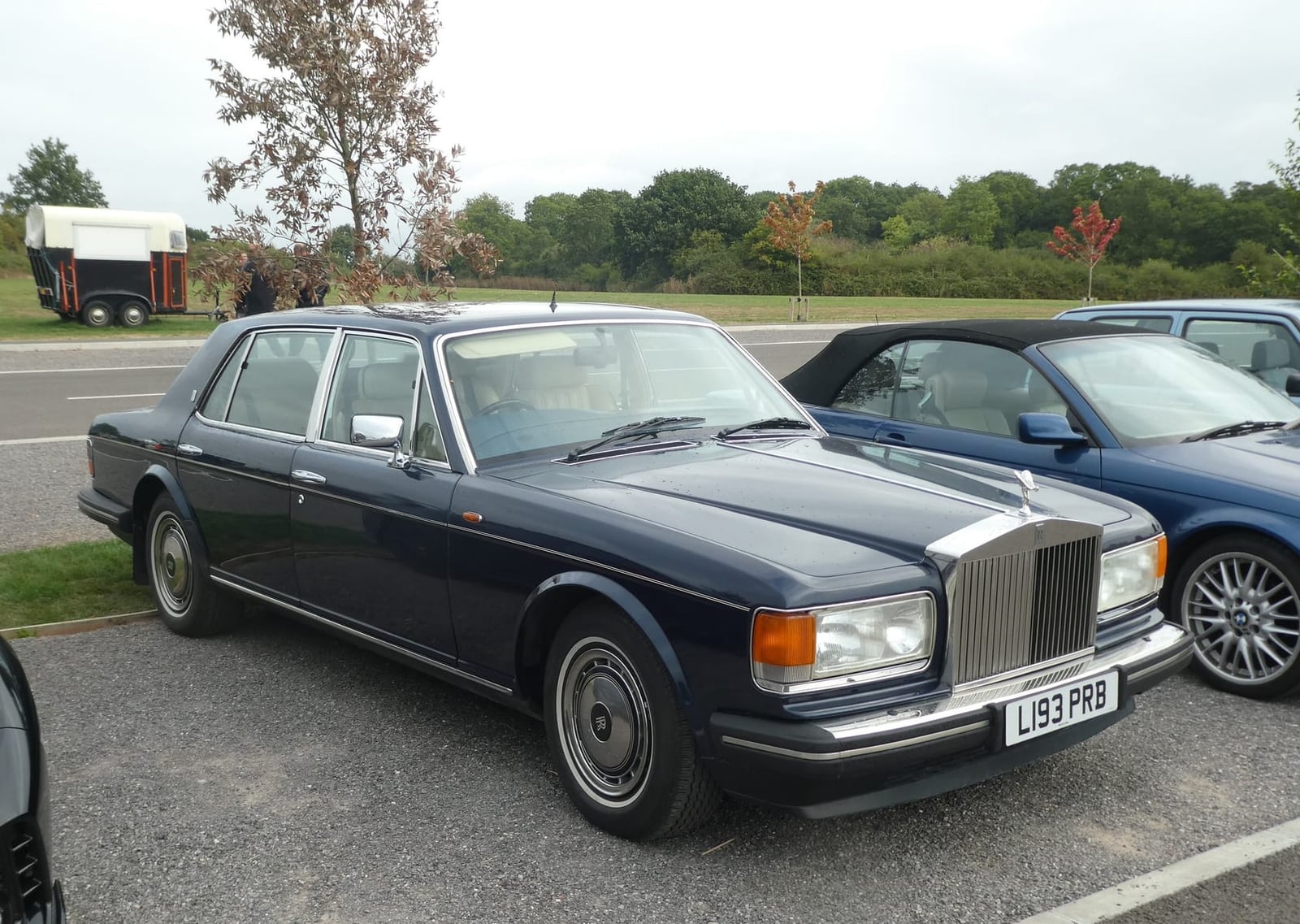
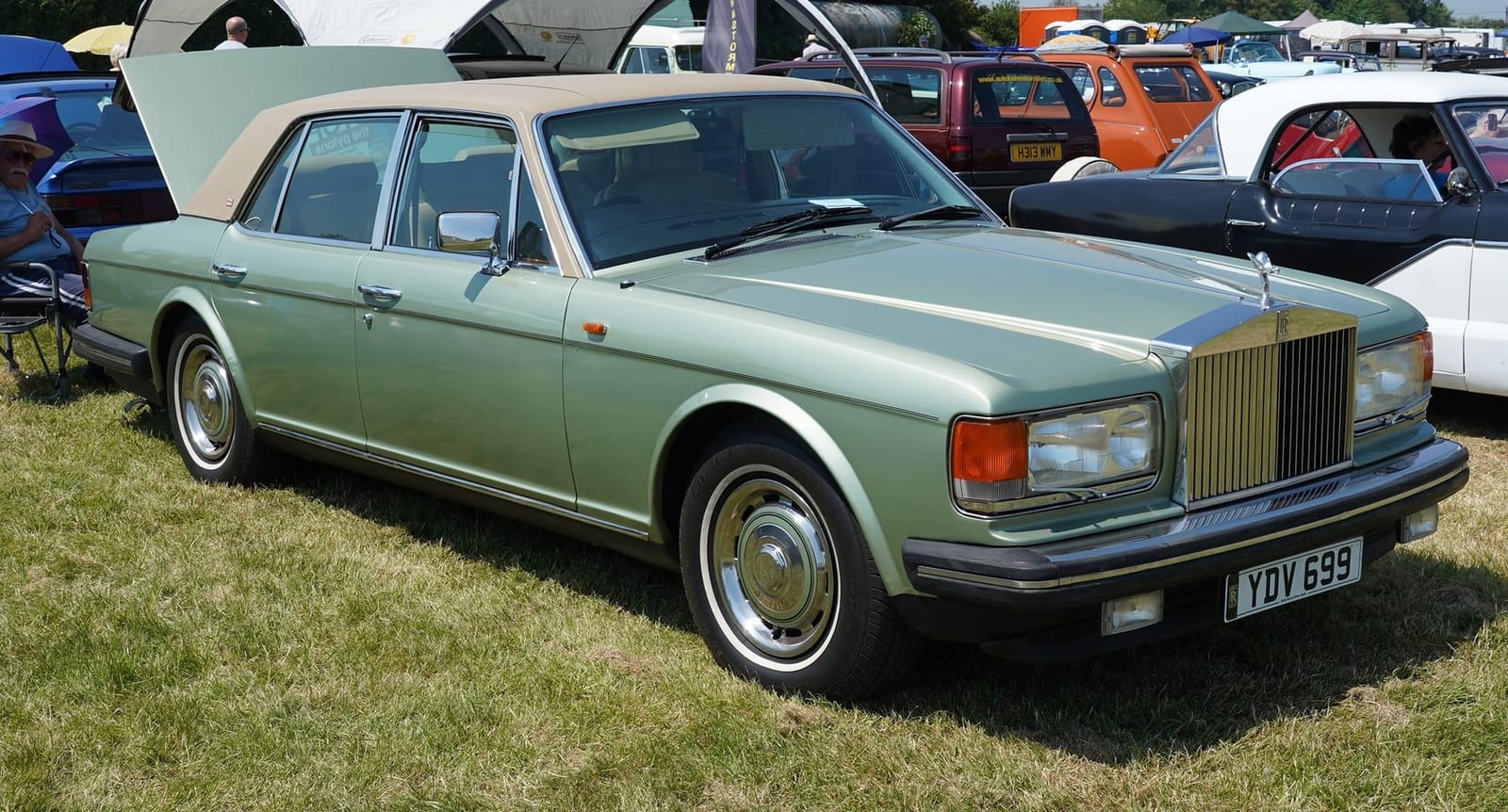
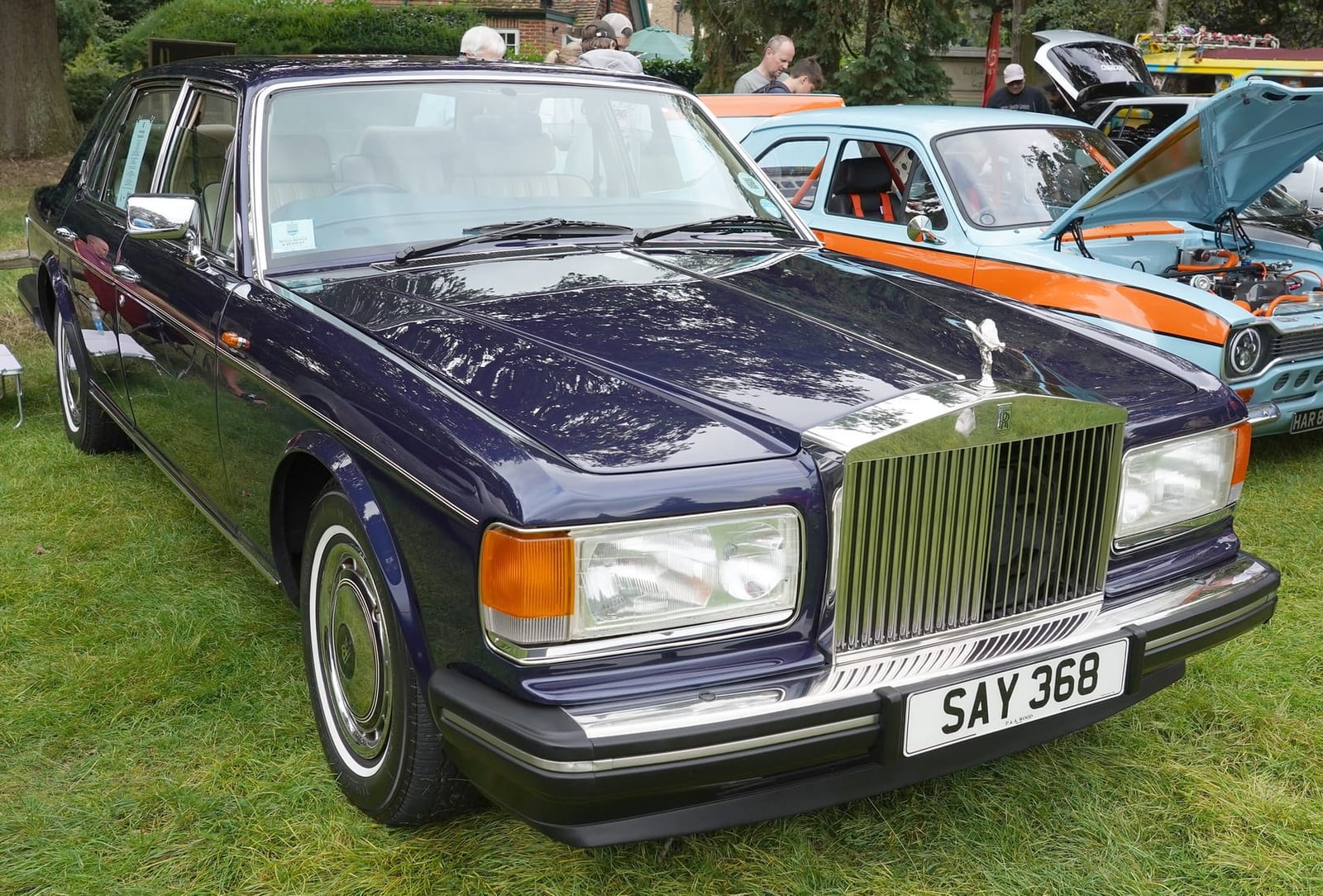
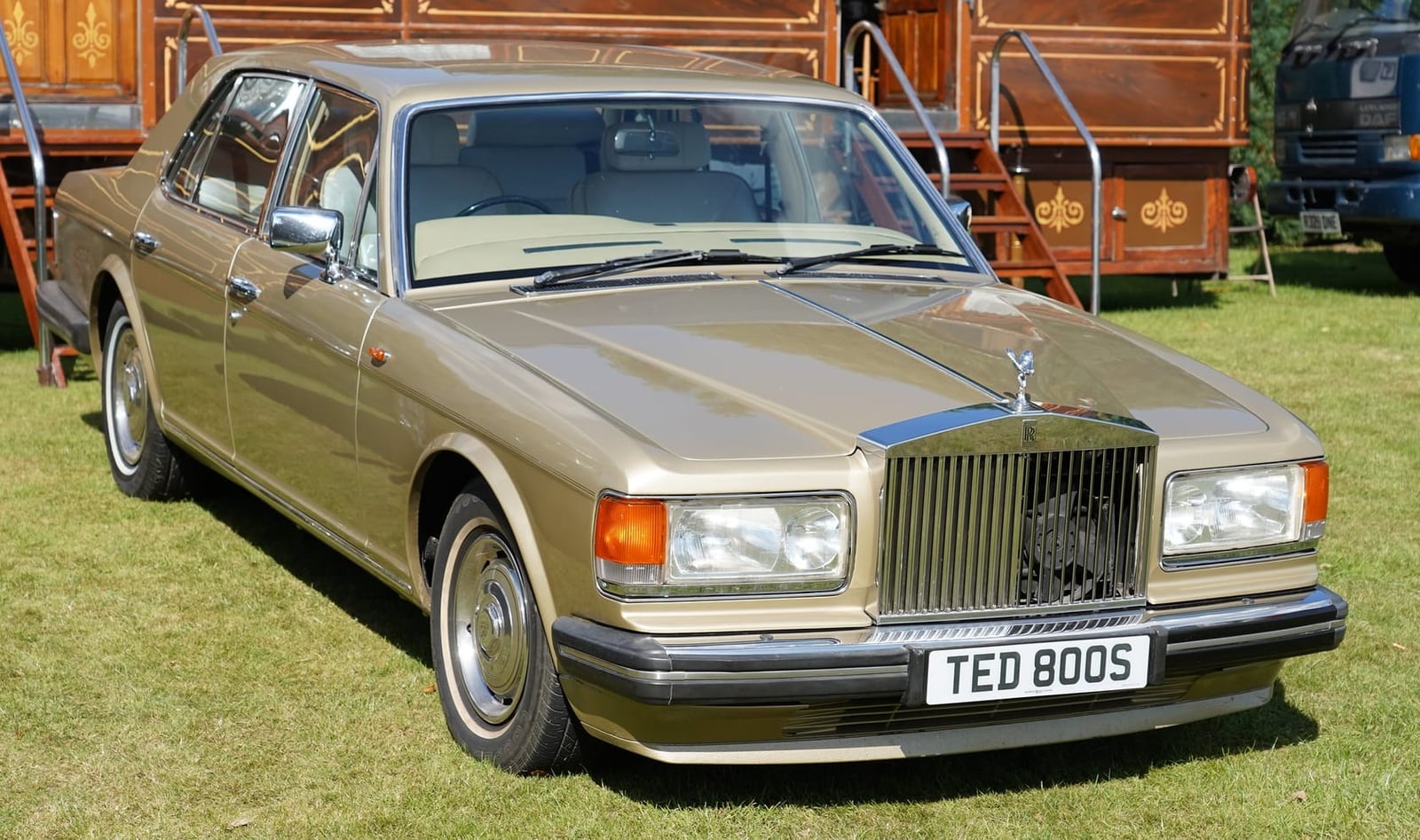
Silver Spirit / Spur: what changed and when
- 1980Fritz Feller's SZ body modernises the look over proven Shadow-derived engineering; the Silver Spur adds four inches of rear legroom and the retracting Spirit of Ecstasy arrives.
- 1986Fuel injection and anti-lock brakes replace the carburettor cars.
- 1989The Series II adds adaptive damping.
- 1993The Series III consolidates refinement.
- 1996The final Series IV cars gain, in their last form, the light-pressure turbocharged engine that finally matches urgency to presence.
- 1998The sale of Rolls-Royce splits the marques and ends Crewe's independence.
- 1999Production ends at around 22,000 cars across four series.
What to check on a Silver Spirit / Spur
The file, which sets the price
- Hydraulic history with the correct fluids
- The maintenance file outranks every cosmetic consideration
- Pre-purchase inspection by a marque specialist is the best money in the deal
- Prefer evidence of steady spending over recent cosmetic attention
Structure
- Sills, arches and subframes, in that order
- Later cars' electronic systems have proven more durable than their reputation
- Interiors of walnut, hide and lambswool are costly to redo, so originality matters
- Many cars still work weddings and events, so high-use histories are common and not disqualifying
Series and body
- Prefer injection cars, from 1986, for actual use
- Verify adaptive-damping health on Series II onward
- Treat the turbocharged Series IV finale's history with extra care
- Spurs suit the chauffeured and the tall; Spirits suit the drivers
What the Silver Spirit sells for at auction
In 2025 the median Silver Spirit sold for £9,296 across 43 sales, much where it was in 2024. In real terms, typical Silver Spirit prices were down about 39% over the five years to 2025, once inflation is accounted for.
| Variant | Sold | Typical range | Median |
|---|---|---|---|
| Silver Spirit I | 169 | £4,827 - £10,920 | £6,912 |
| Silver Spur I | 144 | £7,527 - £17,738 | £11,344 |
| Silver Spur II | 77 | £9,656 - £18,917 | £14,394 |
| Silver Spirit II | 52 | £6,381 - £11,109 | £9,038 |
| Silver Spur IV | 41 | £16,375 - £33,324 | £24,521 |
| Silver Spur III | 30 | £13,433 - £19,672 | £17,146 |
| Silver Spirit III | 18 | £10,729 - £15,000 | £11,868 |
Show the year-by-year mediansHide the year-by-year medians
| Year | Sold | Median | In 2025 money |
|---|---|---|---|
| 2026 (so far) | 33 | £6,976 | |
| 2025 | 43 | £9,296 | £9,296 |
| 2024 | 42 | £9,577 | £9,945 |
| 2023 | 51 | £12,320 | £13,221 |
| 2022 | 59 | £12,544 | £14,366 |
| 2021 | 45 | £8,540 | £10,560 |
| 2020 | 39 | £12,080 | £15,308 |
| 2019 | 32 | £17,942 | £22,968 |
| 2018 | 24 | £11,516 | £14,993 |
| 2017 | 27 | £12,000 | £15,985 |
| 2016 | 26 | £9,443 | £12,902 |
| 2015 | 25 | £8,969 | £12,377 |
| 2014 | 18 | £8,240 | £11,417 |
| 2013 | 19 | £7,990 | £11,228 |
| 2012 | 12 | £10,798 | £15,523 |
| 2011 | 12 | £8,575 | £12,643 |
| 2010 | 12 | £12,166 | £18,634 |
| 2009 | 6 | £15,382 | £24,149 |
| 2008 | 9 | £8,740 | £13,992 |
| 2007 | 6 | £14,868 | £24,630 |
| 2006 | 6 | £9,289 | £15,748 |
| 2005 | 6 | £13,054 | £22,687 |
| 2004 | 4 | £12,362 | £21,928 |
| 2003 | 4 | £20,674 | £37,196 |
| 2001 | 3 | £21,396 | £39,580 |
- £18,000Silver Spirit I
- £3,661Silver Spirit I
- £13,303Silver Spirit I
- £14,177Silver Spirit I
- £3,800Silver Spirit I
Strong evidence. 570 recorded sales and a dozen or more a year: the median and the range are well founded. Based on 570 sold results from public classic car auctions (1995 to 10 August 2026). Sold prices, not asking prices, and not a valuation: condition, history and specification vary from car to car. Inflation-adjusted figures use the ONS CPIH index, in 2025 money.
Frequently asked questions
What is the difference between the Silver Spirit and Silver Spur?
Are Silver Spirits reliable?
Which Silver Spirit series is best?
Why are Silver Spirits so cheap?
How much does a Silver Spirit sell for?
What is the most expensive Silver Spirit ever sold at auction?
How often does a Silver Spirit come up for sale?
Related across themes


More from Rolls-Royce


Recently added

Bentley Mk VI and R Type: the first complete Bentley, and the fastest four-seater on earth (1946–1955)

Bentley: from the Bentley Boys to Crewe, the sporting side of magnificence

Rolls-Royce: the best car in the world, and the price of saying so
