Most marques earn their legends over a lifetime; Bentley earned its own in eight furious years. W.O. Bentley’s Cricklewood company won Le Mans five times between 1924 and 1930, ran out of money in 1931, and spent the next half-century as the sporting twin inside Rolls-Royce before roaring back under its own thunder in the 1980s. The classic Bentley canon spans that whole arc, vintage Blowers to hand-built Turbo-era grandees, and this page indexes our guides to it.
Cricklewood: five wins and a crash
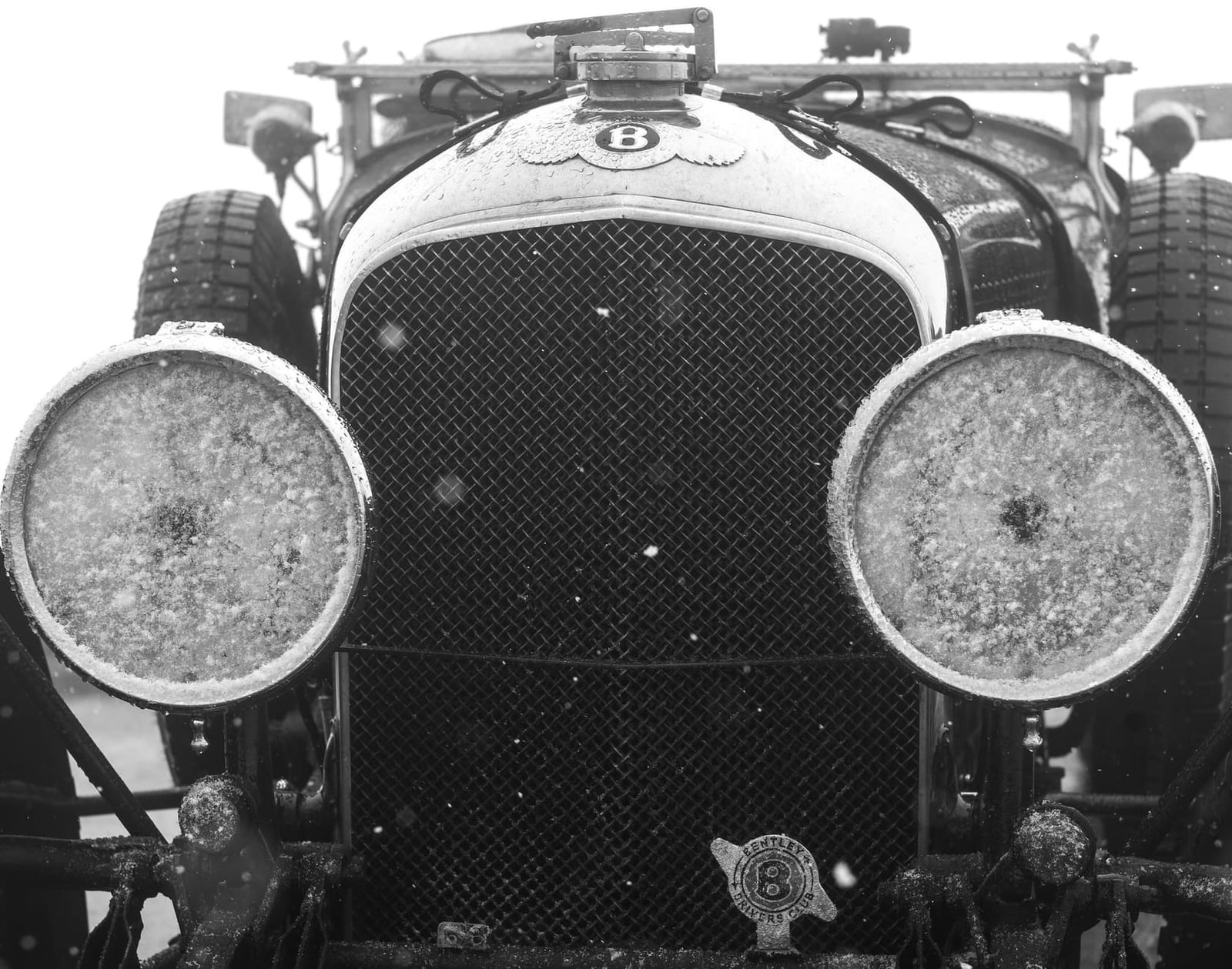
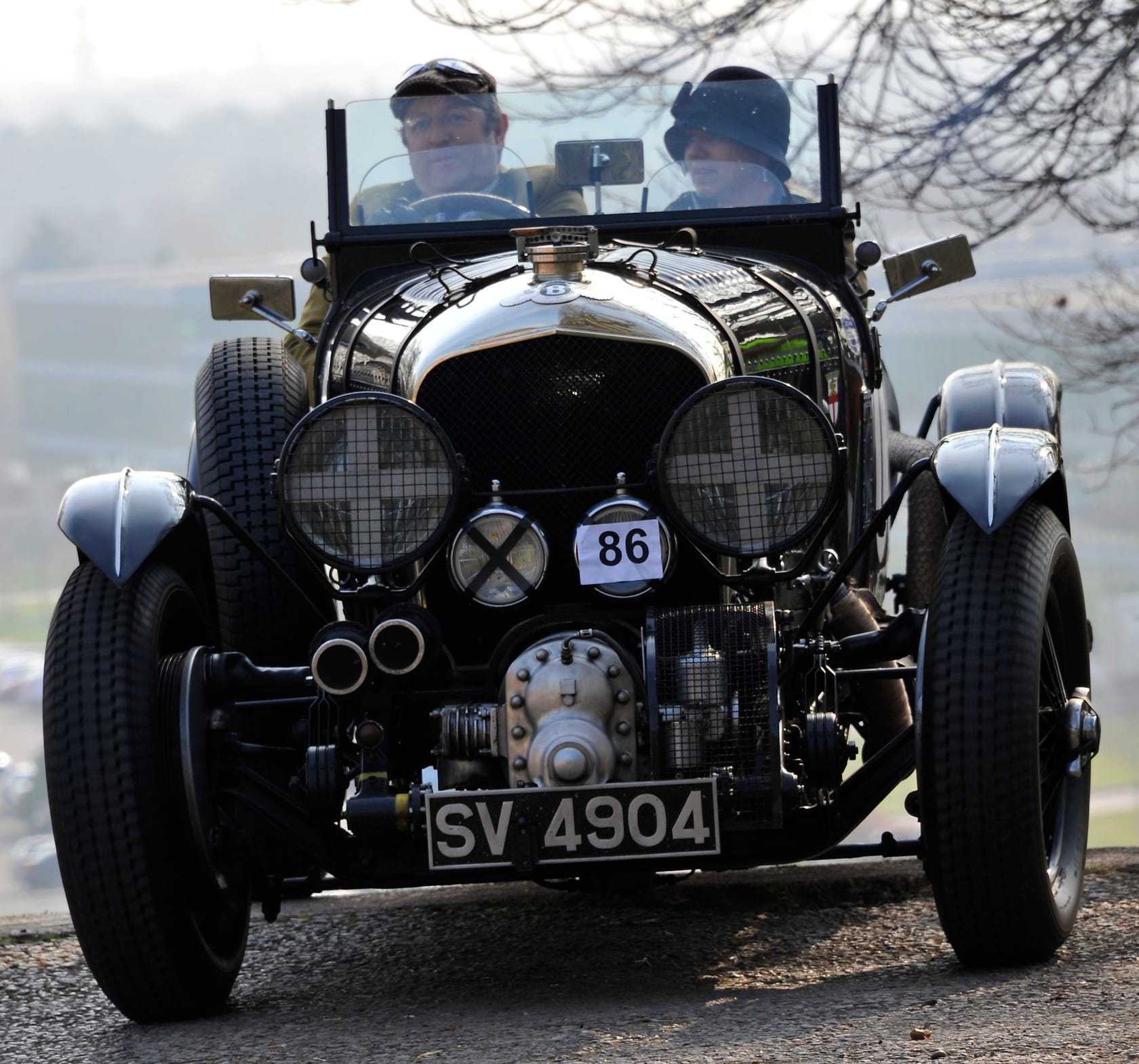
W.O. Bentley built his first 3 Litre in 1919 to a simple creed, fast, strong, unburstable, and the gentleman racers history calls the Bentley Boys did the rest: Le Mans wins in 1924, 1927, 1928, 1929 and 1930, the last two behind the mighty Speed Six, with Tim Birkin’s supercharged Blower 4½ Litre adding the romance W.O. himself distrusted. The racing bought immortality and spent the company: the Depression finished the books, and in 1931 the receiver sold Bentley Motors to Rolls-Royce. The vintage cars remain the marque’s holy relics, trading in millions and still driven hard at Brooklands and beyond.

Bentley at auction
What a classic Bentley sells for at auction
- Median sale, 2025
- £21,634 Down from £28,509 in 2021
- Sales in 2025
- 241 The most we have recorded in a year
- Sold when offered
- 68.9% Of the cars put up for auction since 1995
- The record
- £5m 4.25 Litre Supercharged 'Blower', Bonhams, June 2012
Derby and the silent sports car
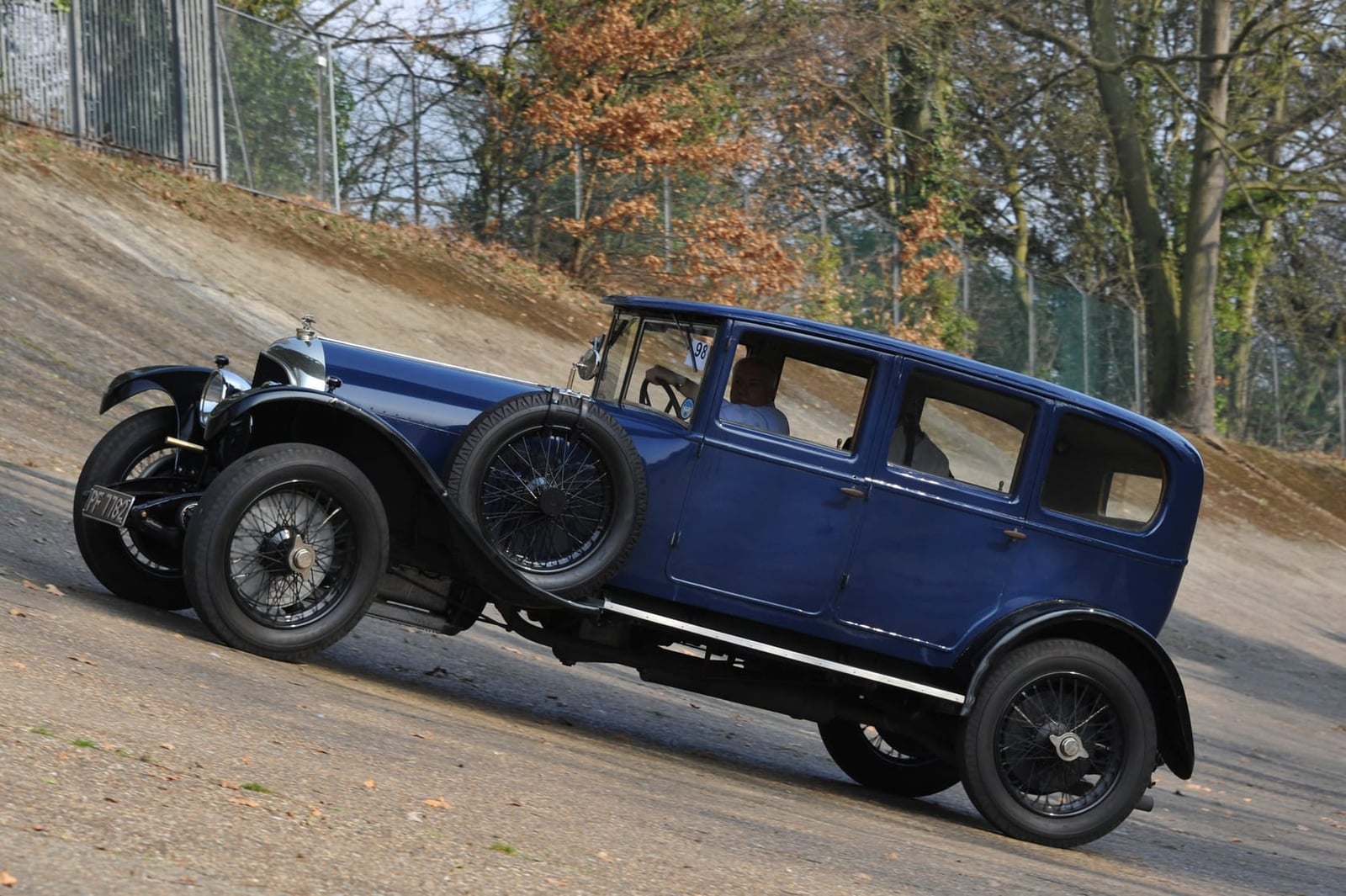
Under Rolls-Royce the marque was reinvented as the silent sports car: the Derby-built 3½ and 4¼ Litres of 1933–39 wore sporting coachwork over refined shared engineering, faster-geared and lighter-footed than their Rolls siblings, and beloved of drivers who wanted grace with urge. The pattern was set for five decades: Bentley as the driver’s expression of Crewe engineering, distinct in radiator, character and clientele if decreasingly in metal, a relationship our Rolls-Royce hub tells from the other side.
Crewe: the elegant decades
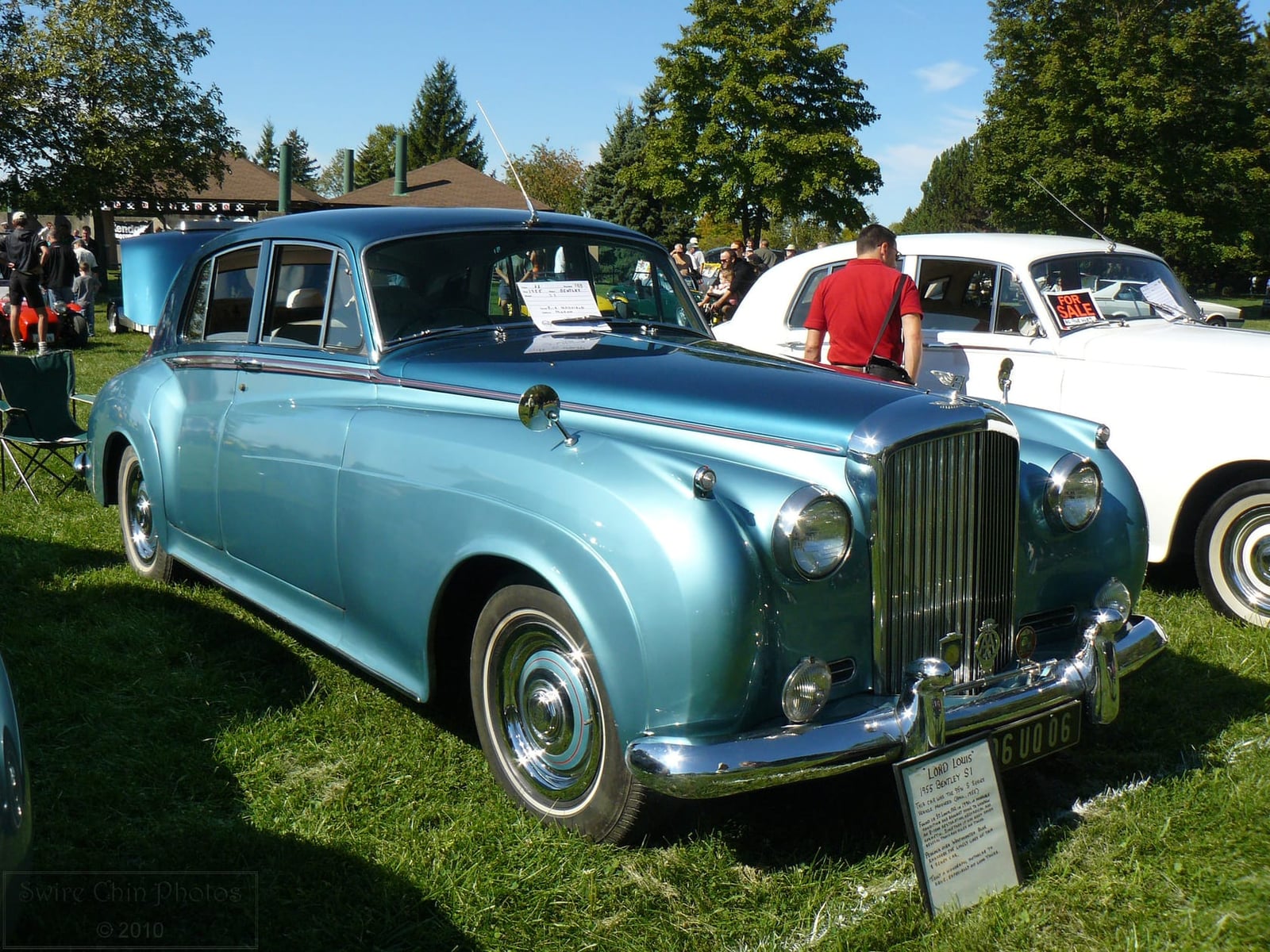
Post-war Crewe opened with the marque’s own milestone: the Mk VI, the first complete factory-built Bentley, whose story with its R Type successor anchors this silo’s model coverage. Above the standard saloons the Continental tradition took flight, the R Type Continental fastback of 1952 becoming the era’s most valuable expression, and the S-series (1955–65) twinned the Silver Cloud in discreet elegance, its own Continentals and Flying Spurs among the loveliest Bentleys ever built. The T-series then shadowed the Shadow, and the badge faded toward near-extinction, one Crewe car in twenty by the late seventies.

Near-death and the Turbo resurrection
The revival began with boost: the 1982 Mulsanne Turbo and definitive 1985 Turbo R strapped a Garrett turbocharger to the 6.75-litre V8, firmed the suspension, and rediscovered the marque’s whole point, hand-built pace with manners. Within a decade Bentley outsold Rolls-Royce at Crewe, the 1991 Continental R gave the badge its own body again, and the 1998 sale sent Bentley and Crewe to Volkswagen while the Rolls-Royce car name went to BMW. Our classic scope closes with those last hand-built nineties cars; the Turbo era’s survivors now offer the most accessible Bentley ownership of all.

Owning a classic Bentley
The ownership map follows the eras: vintage Cricklewood cars are provenance purchases in the millions, guarded by registers and specialists of institutional depth; Derby and early Crewe cars reward coachwork expertise; S and T-series twins follow our Rolls-Royce guidance at a traditional discount; and Turbo-era cars demand the maintenance-file discipline of any complex hand-built machine. Across it all, nearly 3,000 measured sales at a £28,100 median say the winged B remains attainable at more levels than its legend suggests, and the model guides above carry the detail.
More photos