Bentley S-series: the quiet twin with the beautiful secrets (1955–1965)
The S-series was the Silver Cloud in discreet dress, and its Continental and Flying Spur versions were some of the most beautiful Bentleys ever built. A guide to S1, S2 and S3, the coachbuilt aristocracy, and what to check before buying.
Built 1955–1965 537 recorded sales
At a glance
- Years
- 1955–1965
- Body styles
- Standard steel saloon; coachbuilt Continentals, Flying Spurs and dropheads
- Drivetrain
- Front engine, rear-wheel drive; separate chassis
- Engines
- 4887cc straight six (S1); 6230cc V8 (S2 and S3)
- Power
- Sufficient (roughly 155-220 bhp across the run)
- Top speed
- Around 106-120 mph
- Trim levels
- S1/S2/S3; Continental fastbacks and coupes; Flying Spur four-doors
- Production
- About 3,100 standard cars plus around 1,050 Continentals
- Assembly
- Crewe; coachwork by H.J. Mulliner, Park Ward and James Young
- Designer
- John Blatchley (standard saloon); Mulliner and Park Ward (Continentals)
- Values
- Usable saloons from around £22,000; good cars £30,000-£55,000; Continentals and Flying Spurs far beyond
- The twin
- Mechanically a Silver Cloud; traditionally the choice of those who drove themselves
- The secrets
- The Continentals and Flying Spurs, coachbuilt beauty trading in the hundreds of thousands
The models
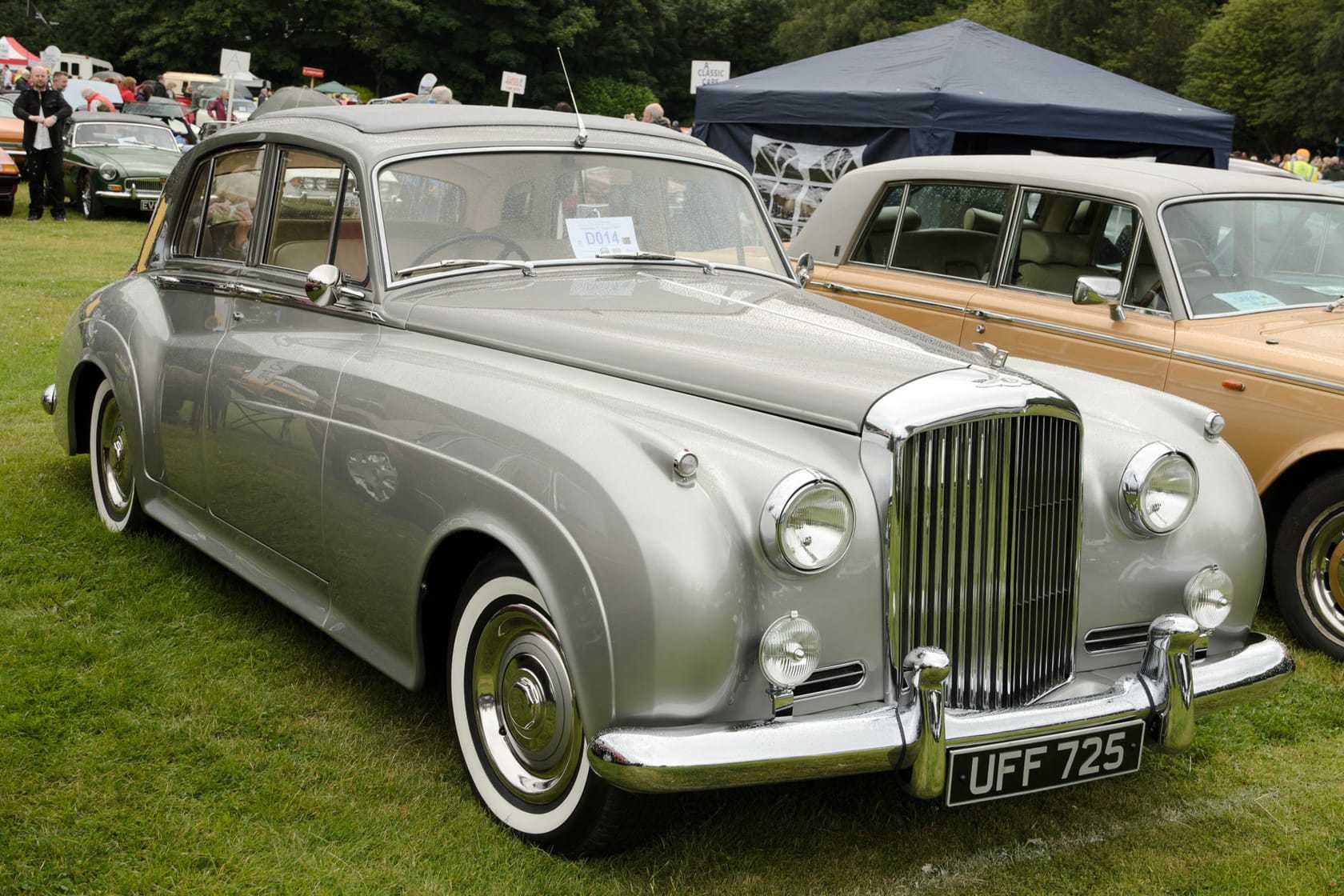
Every Bentley of the long Crewe decades had its Rolls-Royce twin, and none of them wore the arrangement with more grace than the S-series did. Mechanically a Silver Cloud behind the rounded grille, the S1, S2 and S3 served the customer who drove rather than was driven, and above the standard saloons the family kept its beautiful secrets: the Continental fastbacks, coupes and Flying Spurs that rank among the loveliest Bentleys ever built, and trade accordingly. The Bentley S1 opens the story in 1955.
The quiet twin
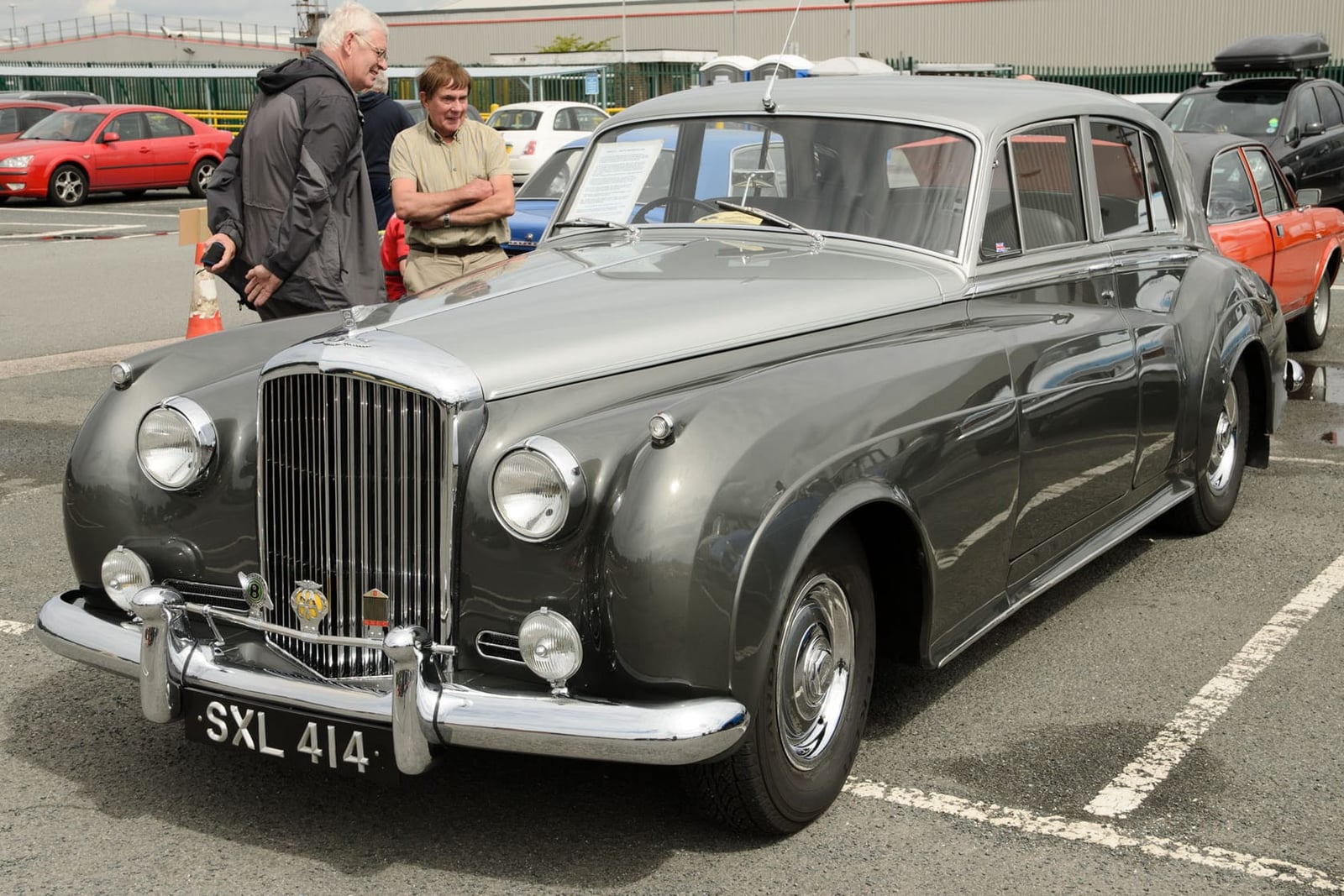
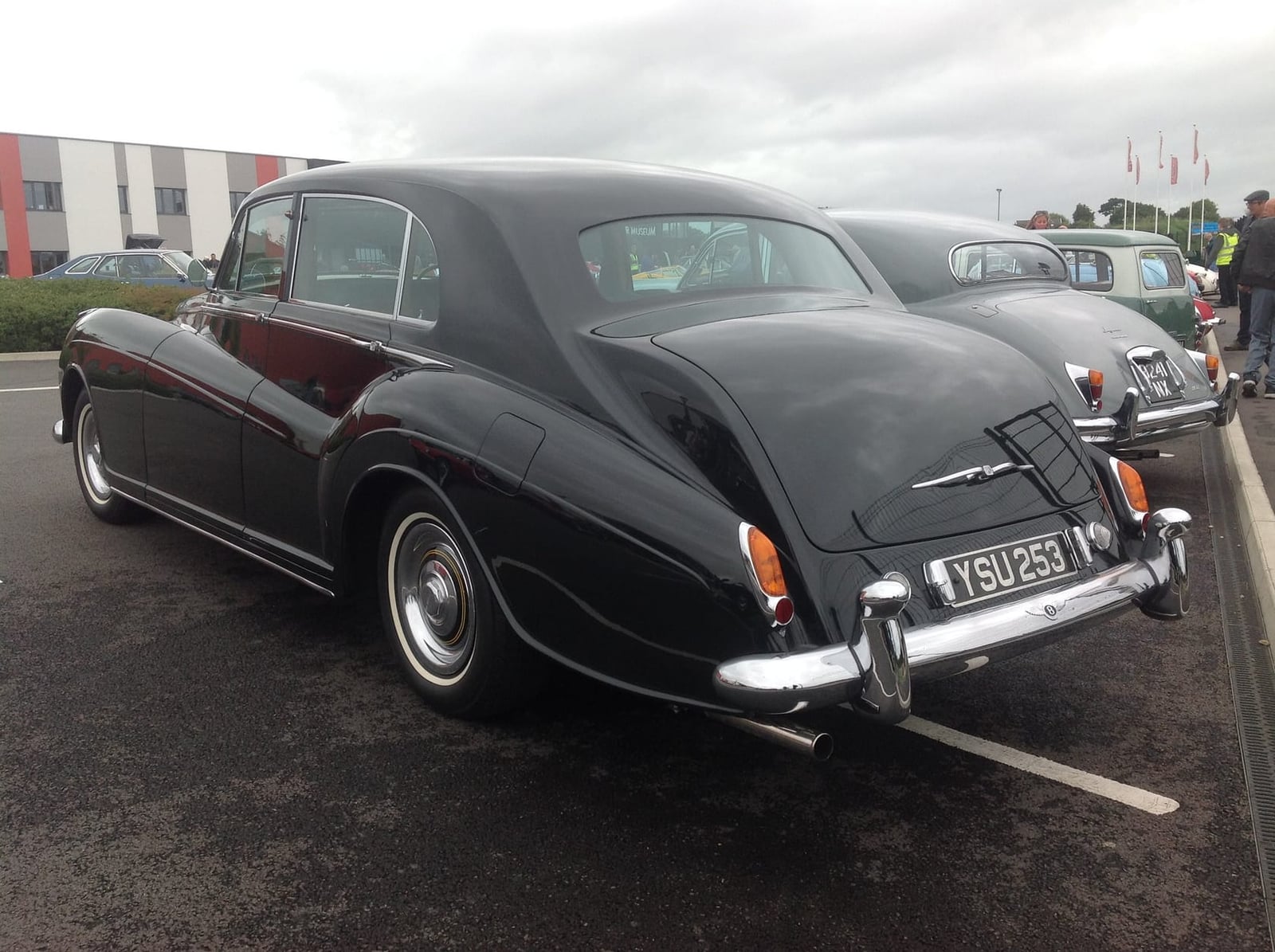
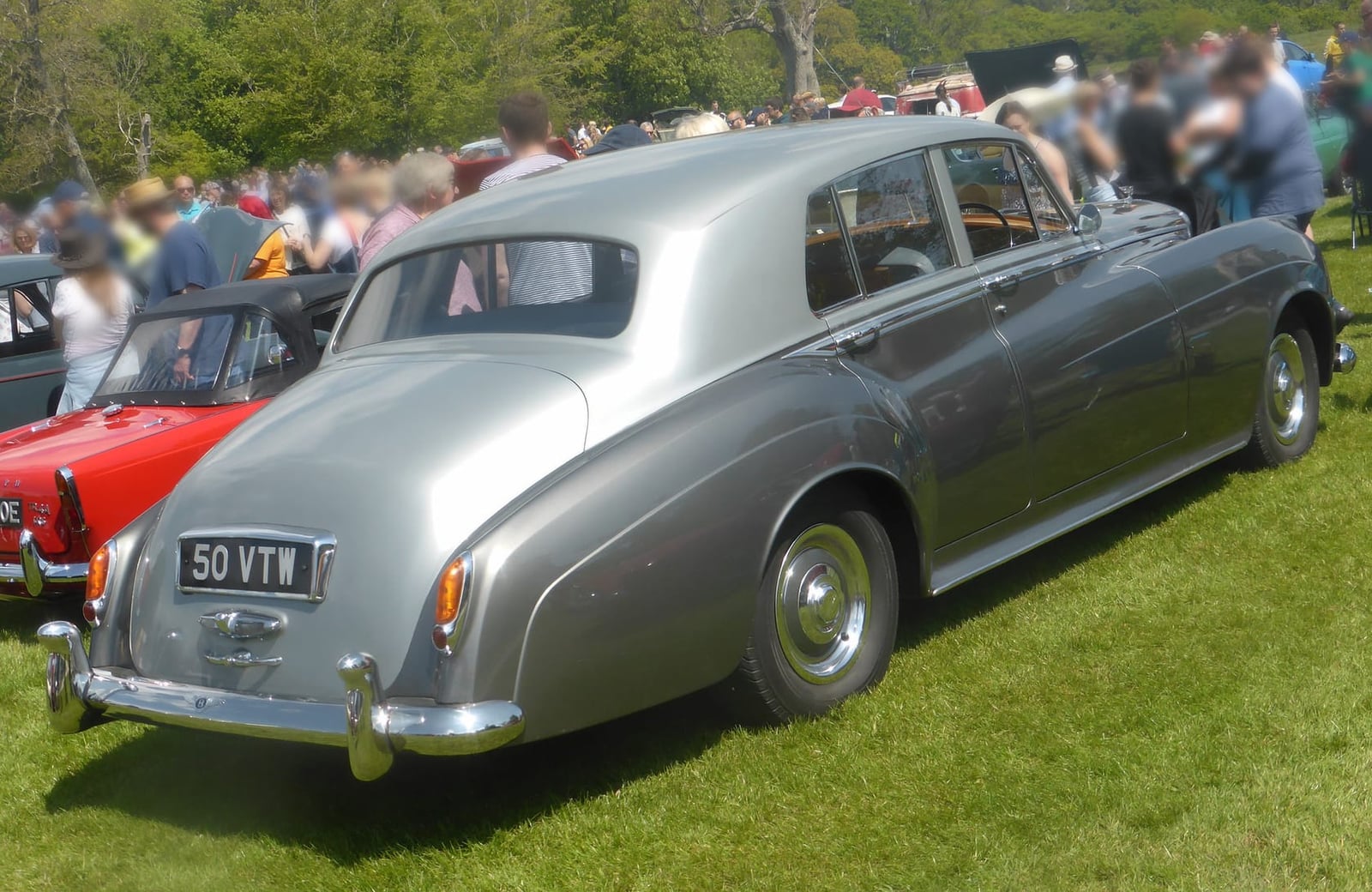
The S1 arrived alongside the Silver Cloud in 1955 sharing everything that materially mattered, John Blatchley’s standard steel body, the final 4.9-litre straight six and the massive separate chassis, while differing in its radiator, its badging and above all its clientele: Bentley buyers traditionally took the wheel themselves, and the marketing let the distinction breathe. About 3,100 standard S-series cars were built across the decade, always the smaller production, and values have long run a step below equivalent Clouds, which the knowing have treated as the quiet-money route into the same imperious machine ever since.
The beautiful secrets: Continental and Flying Spur
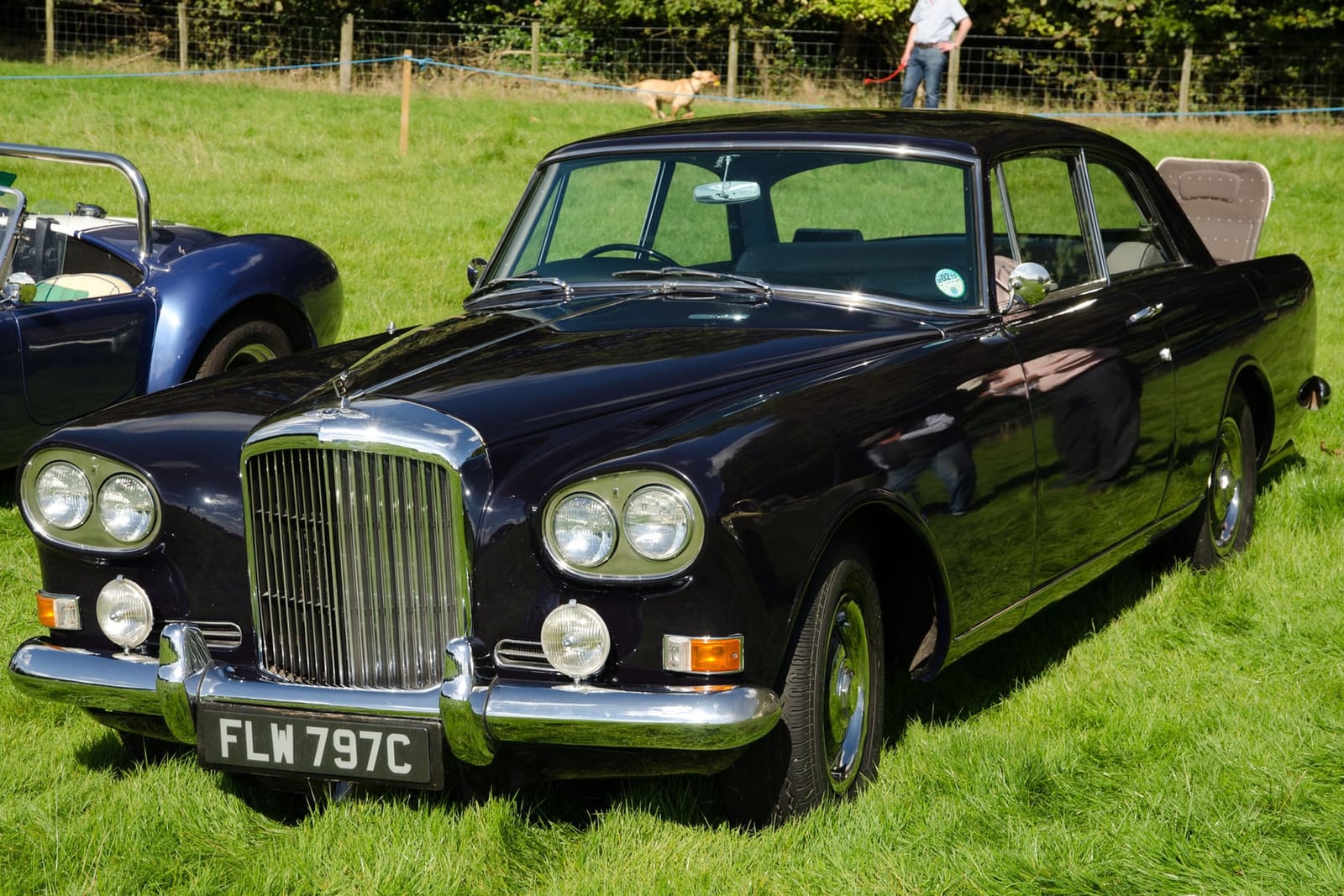
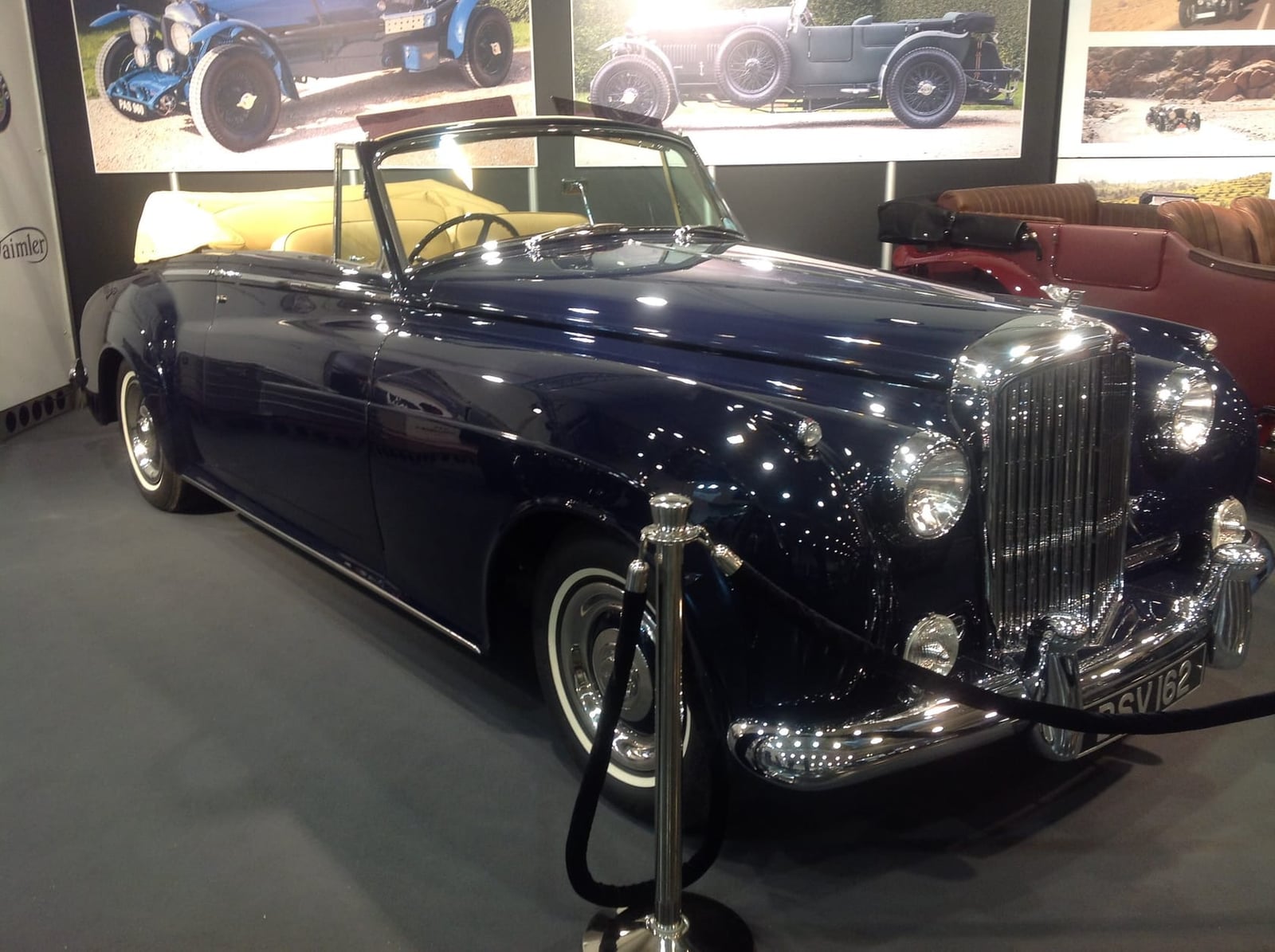
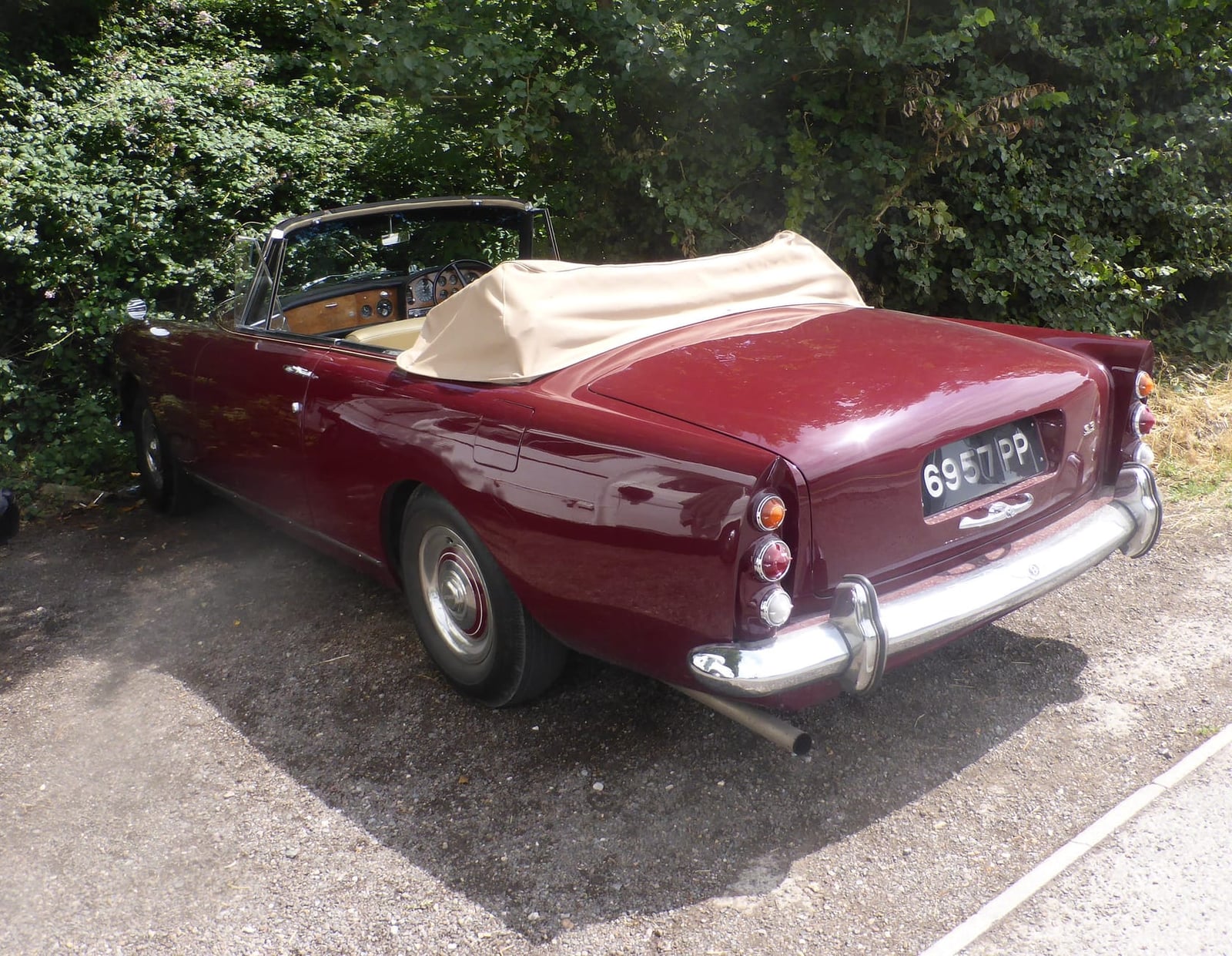
Above the saloons, the S-series carried the Continental tradition to its peak: H.J. Mulliner’s fastbacks continued the R Type line’s aerodynamic grace, Park Ward’s coupes and dropheads added modernist elegance, and from 1957 the Flying Spur put Continental lightness onto four doors, creating the fastest way in the world to carry four people in bespoke comfort. Around 1,050 Continentals crown the family, James Young adding rarities, and their market runs from the low hundreds of thousands to seven figures, the S1 fastbacks leading. The modern marque’s reuse of both names measures the originals’ aura.

S2 and S3: the V8 years
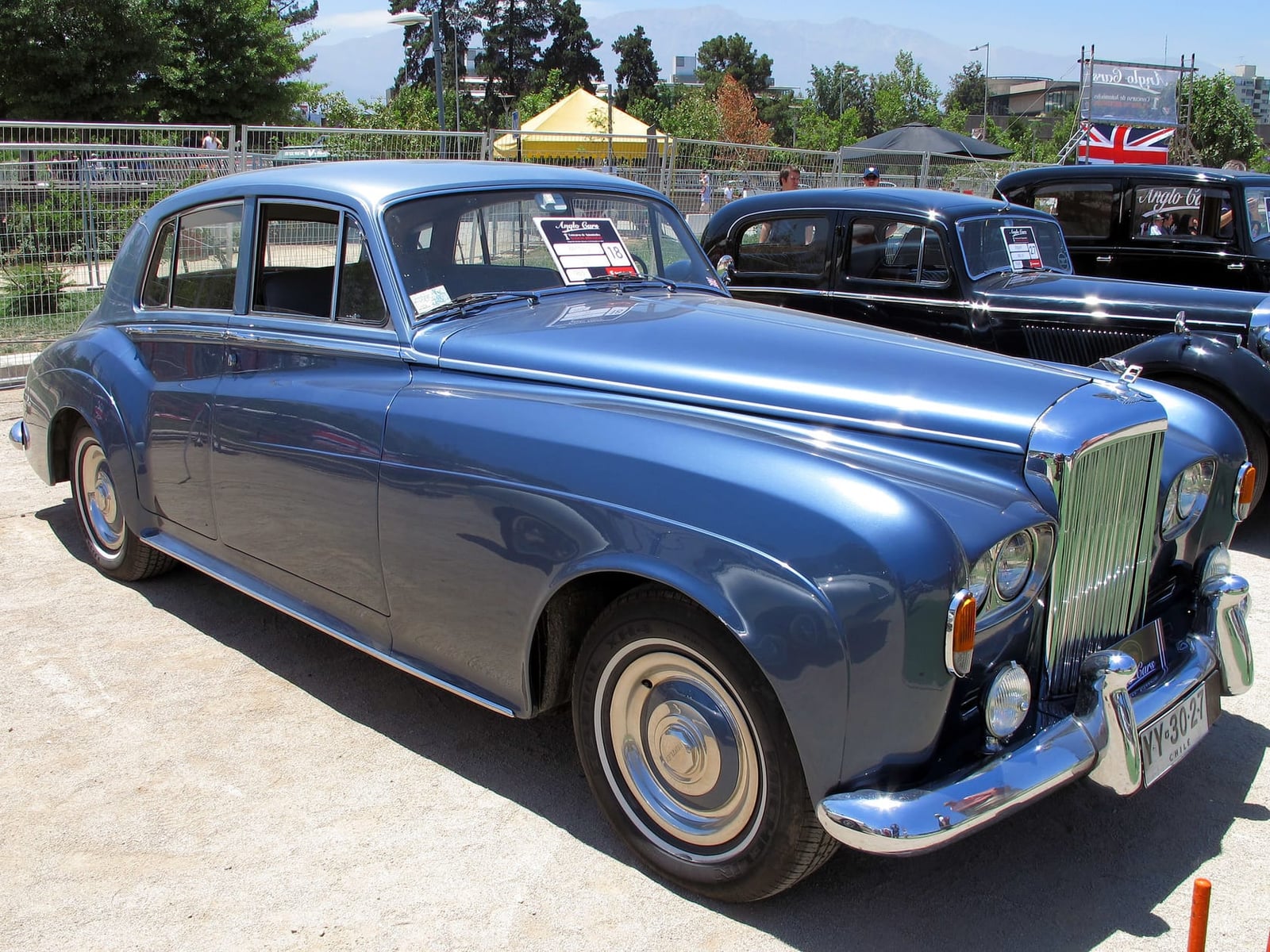
The 1959 S2 brought the great generational change, the 6.2-litre all-alloy V8 that would serve Crewe for half a century, with power steering standard and pace to match the presence; the 1962 S3 added the four-headlamp face, more power and detail polish for the final three years. The Continentals evolved alongside, Park Ward’s straight-lined S2 drophead becoming a design touchstone, until 1965, when the monocoque T-series arrived and ended the separate-chassis age for good. S1 smoothness, S2 muscle, S3 completeness: the club argument over the three is eternal, and in truth every one of the answers is right.

Living with an S-series
The S-series shares the Silver Cloud’s practical virtues whole: sturdy, deliberately serviceable engineering, the one-shot chassis lubrication easing routine care, superb parts supply through the shared specialist houses, and a club infrastructure of institutional depth on both sides of the badge. Running costs answer to scale rather than complexity, mid-teens fuel figures and stately consumables, with none of the later hydraulic systems’ demands, so a traditional garage of good sense can keep one healthy between specialist visits. Many S-series saloons still work weddings alongside their Cloud twins, survivors in regular use are increasingly the market’s preference over static storage queens, and the Bentley grille’s relative discretion suits owners who prefer their grandeur understated.
What an S-series is like to drive
It drives as the Cloud does, which is to say like a dignified force of nature: near-silent six or V8 thrust, a ride that files British roads smooth, and helm manners that reward planning over haste, power steering easing the later cars considerably. The Bentley tradition claims a subtly sportier character, firmer damping here, a higher final drive there, and drivers swear by it. A Continental adds lightness and pace that still astonish; a Flying Spur adds the rear seats to share it. Occasion motoring, in every body.

Buying an S-series today
The Cloud disciplines transfer whole: body condition rules (sills, wings, floors, spring hangers), craftsman-priced restoration makes sound cars the only bargains, and history files set prices. S-specific counsel: verify the radiator matches the chassis records, since Cloud-to- Bentley swaps exist; treat every Continental as a provenance purchase with coachwork history verified through the clubs; and remember the standard saloon’s traditional discount to the Cloud makes it the family’s value entry. The specialist network is shared, deep and excellent, and 1950s usability is among the best of the era.
Where the S-series sits in the market
Two markets share this badge. The saloons remain the quiet way into separate-chassis Crewe grandeur, and unusually the market charges the same for all three series, so choose on condition and ignore the badge. The Continentals and Flying Spurs are the beautiful secrets that stopped being secret decades ago, and they run to ten times saloon money. The full record, 537 recorded sales with three generations priced within £2,000 of each other and an S1 Continental at £194,725, is on the page covering what an S-series sells for.
More photos
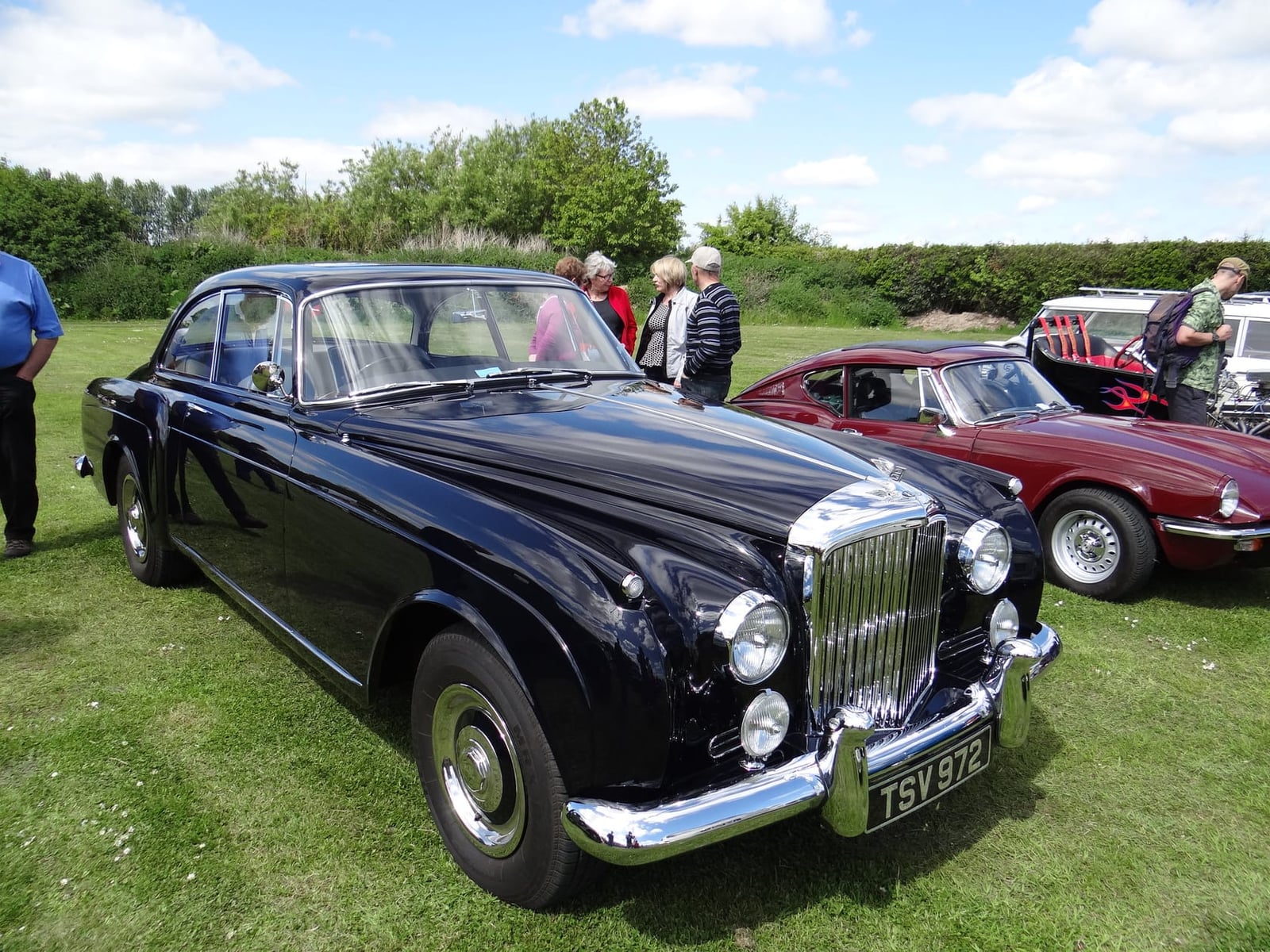
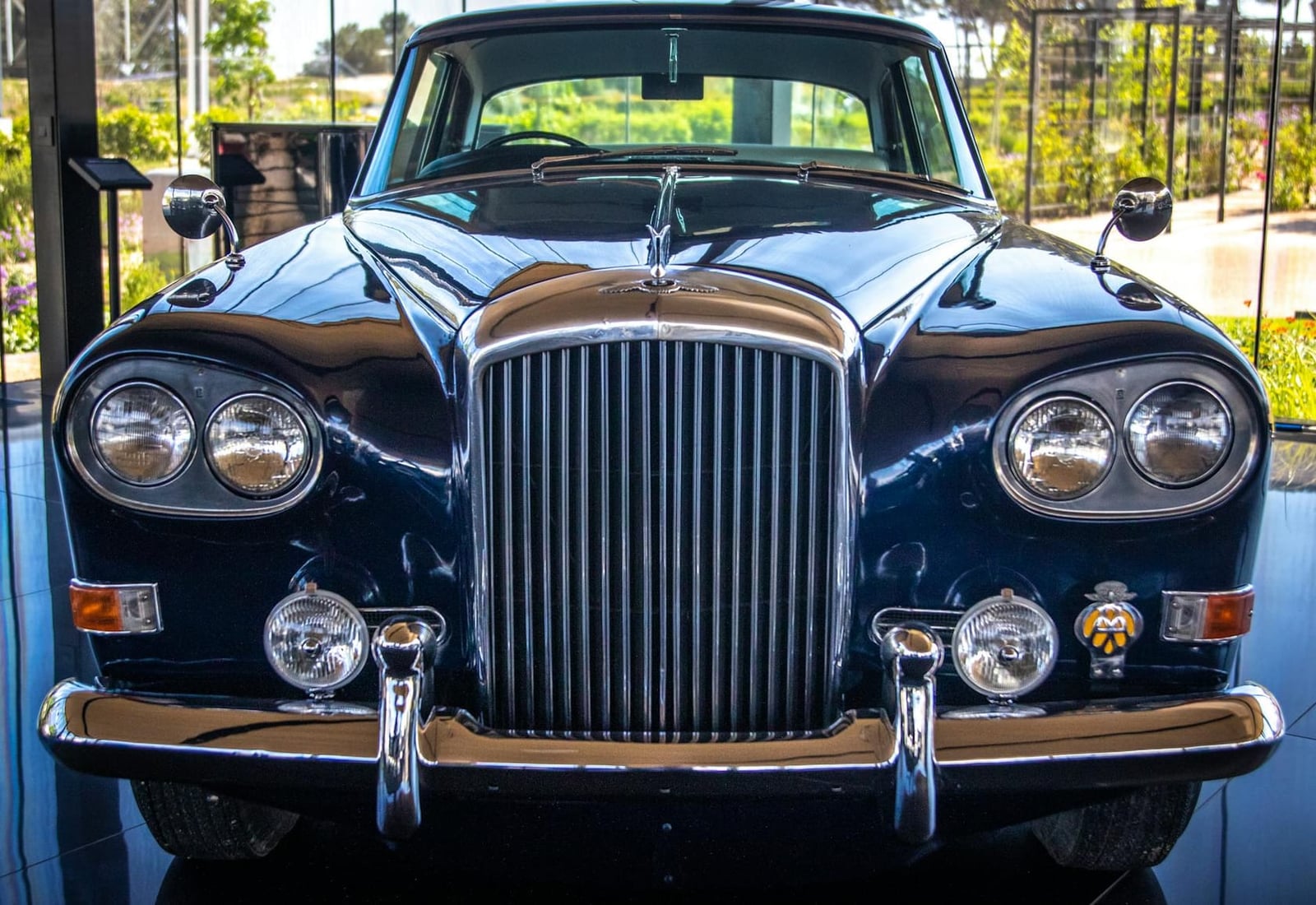
Key dates for the S-series
- 1955The S1 arrives alongside the Silver Cloud, sharing Blatchley's standard steel body, the final 4.9-litre six and the separate chassis, differing in radiator, badging and clientele.
- 1957The Flying Spur puts Continental lightness onto four doors, creating the fastest way in the world to carry four people in bespoke comfort.
- 1959The S2 brings the 6.2-litre all-alloy V8 that will serve Crewe for half a century, with power steering standard.
- 1959Park Ward's straight-lined S2 drophead becomes a design touchstone.
- 1962The S3 adds the four-headlamp face, more power and detail polish.
- 1965Production ends at about 3,100 standard cars plus around 1,050 Continentals; the monocoque T-series ends the separate-chassis age.
Before you buy a S-series
Body, which rules
- Sills, wings, floors and spring hangers
- Craftsman-priced restoration makes sound cars the only bargains
- Coachbuilt cars add their own structural concerns and need marque-expert eyes
- History files set prices here as everywhere at Crewe
Identity
- Verify the radiator matches the chassis records, since Cloud-to-Bentley swaps exist
- Treat every Continental as a provenance purchase, with coachwork history verified through the clubs
- Around 1,050 Continentals exist against about 3,100 standard cars
- James Young bodies are the rarities within the rarities
Series and mechanicals
- S1: the straight six, smoothest and most traditional, without power steering
- S2 and S3: the V8, with power steering standard and pace to match the presence
- The market charges much the same for all three series, so choose on condition
- One-shot chassis lubrication should be working; it is what keeps routine care cheap
What the Bentley S-series sells for at auction
In 2025 the median Bentley S-series sold for £33,150 across 33 sales, 47% down on 2024. In real terms, typical Bentley S-series prices were down about 42% over the five years to 2025, once inflation is accounted for.
| Variant | Sold | Typical range | Median |
|---|---|---|---|
| S1 | 109 | £14,344 - £33,220 | £20,328 |
| S3 | 95 | £15,715 - £27,000 | £21,366 |
| S2 | 77 | £14,000 - £24,750 | £19,550 |
| S1 Continental | 42 | £98,920 - £294,704 | £194,725 |
| S2 Continental | 36 | £72,650 - £180,175 | £113,938 |
| S3 Continental | 35 | £42,500 - £116,516 | £69,101 |
| S2 Continental Flying Spur | 33 | £67,613 - £127,276 | £94,300 |
| S2 Continental Park Ward | 15 | £62,140 - £158,327 | £119,100 |
| S3 Continental Flying Spur | 13 | £75,375 - £175,500 | £139,281 |
| S3 Continental Mulliner Park Ward | 13 | £57,500 - £153,887 | £126,500 |
| S1 Continental Park Ward | 12 | £423,904 - £1,077,791 | £737,496 |
| S2 Continental H.J. Mulliner | 10 | £85,680 - £178,880 | £126,150 |
Show the year-by-year mediansHide the year-by-year medians
| Year | Sold | Median | In 2025 money |
|---|---|---|---|
| 2026 (so far) | 27 | £20,000 | |
| 2025 | 33 | £33,150 | £33,150 |
| 2024 | 39 | £63,000 | £65,418 |
| 2023 | 38 | £21,995 | £23,603 |
| 2022 | 37 | £43,876 | £50,248 |
| 2021 | 27 | £37,356 | £46,193 |
| 2020 | 21 | £44,967 | £56,983 |
| 2019 | 20 | £50,424 | £64,550 |
| 2018 | 27 | £109,125 | £142,068 |
| 2017 | 39 | £92,427 | £123,117 |
| 2016 | 33 | £46,500 | £63,535 |
| 2015 | 25 | £69,101 | £95,359 |
| 2014 | 25 | £37,125 | £51,438 |
| 2013 | 22 | £26,700 | £37,521 |
| 2012 | 14 | £32,522 | £46,750 |
| 2011 | 10 | £65,800 | £97,013 |
| 2010 | 19 | £34,500 | £52,841 |
| 2009 | 12 | £31,314 | £49,163 |
| 2008 | 15 | £21,275 | £34,060 |
| 2007 | 12 | £27,631 | £45,775 |
| 2006 | 6 | £14,997 | £25,425 |
| 2005 | 7 | £31,050 | £53,966 |
| 2004 | 10 | £19,994 | £35,466 |
| 2002 | 5 | £41,125 | £74,970 |
| 2001 | 6 | £68,650 | £126,993 |
| 1996 | 3 | £35,202 | £70,918 |
- £5,843S1
- £8,251S2
- £5,153S2
- £21,440S3
- £22,000S2
Strong evidence. 537 recorded sales and a dozen or more a year: the median and the range are well founded. Based on 537 sold results from public classic car auctions (1996 to 10 August 2026). Sold prices, not asking prices, and not a valuation: condition, history and specification vary from car to car. Inflation-adjusted figures use the ONS CPIH index, in 2025 money.
Frequently asked questions
What is the difference between the Bentley S1 and the Silver Cloud?
What is the difference between the S1, S2 and S3?
What is a Bentley Continental Flying Spur?
Which coachbuilders bodied the Bentley Continental?
How much does a Bentley S-series sell for?
What is the most expensive Bentley S-series ever sold at auction?
How often does a Bentley S-series come up for sale?
Related across themes
Recently added

Rolls-Royce Silver Spirit and Silver Spur: the last Crewe bargain (1980–1999)

Rolls-Royce Corniche: the coachbuilt survivor that outlived its makers (1971–1995)

Bentley Mk VI and R Type: the first complete Bentley, and the fastest four-seater on earth (1946–1955)
