Lotus Elite: the glassfibre jewel that raced on air (1957–1963)
At a glance
- Years
- 1957–1963
- Body styles
- Two-seat coupe
- Drivetrain
- Front engine, rear-wheel drive; glassfibre monocoque
- Engines
- 1216cc Coventry Climax FWE all-alloy four
- Power
- 75-105 bhp by specification
- Top speed
- Around 112-130 mph by specification
- Trim levels
- Series 1, Series 2; SE and Super 95/100/105 states of tune
- Production
- About 1,030
- Assembly
- Cheshunt, Hertfordshire (bodies by Maximar, then Bristol)
- Designer
- Peter Kirwan-Taylor (styling); Frank Costin (aerodynamics)
- Values
- Usable from around £45,000; good cars £55,000-£75,000; competition history beyond £100,000
- The first
- The first glassfibre monocoque production car in the world
- The record
- Class wins at Le Mans six years running, 1959 to 1964
The models
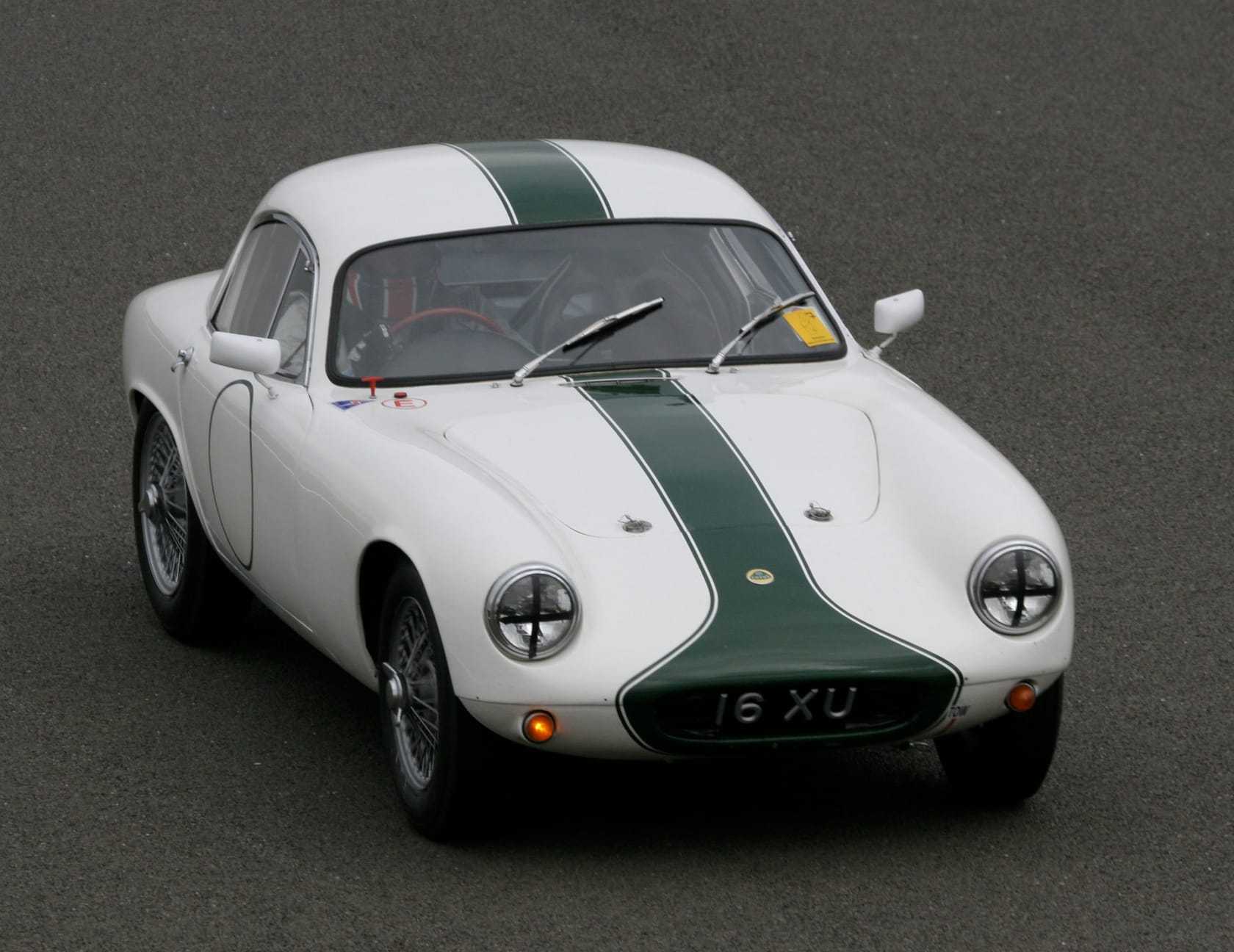
Once in a generation a small company builds something the big ones would never have dared to sign off. In 1957 Lotus, then a tiny racing constructor, launched a road car whose entire structure was moulded glassfibre, the world’s first composite monocoque, weighing 660 kilograms and shaped by an aerodynamicist to cut drag figures Detroit could not match. The Lotus Elite went on to win its class at Le Mans six years running and lose money on every car built. Genius and ruin in one shell: the Type 14 is the purest Lotus story ever told.
A monocoque of glassfibre
Chapman’s leap was structural: where rivals moulded glassfibre bodies over steel frames, the Elite’s floor, sills, roof and suspension pickups were the glassfibre, a true monocoque with only local metal reinforcement, years before composites entered the wider industry’s vocabulary. Accountant and stylist Peter Kirwan-Taylor drew the body, Frank Costin, from the aircraft industry, refined it until the little coupe slipped through the air with a drag coefficient modern cars would respect, and the all-alloy 1216cc Coventry Climax FWE gave racing breeding to match. The complete car weighed what other makers’ engines did.

Le Mans, six years running
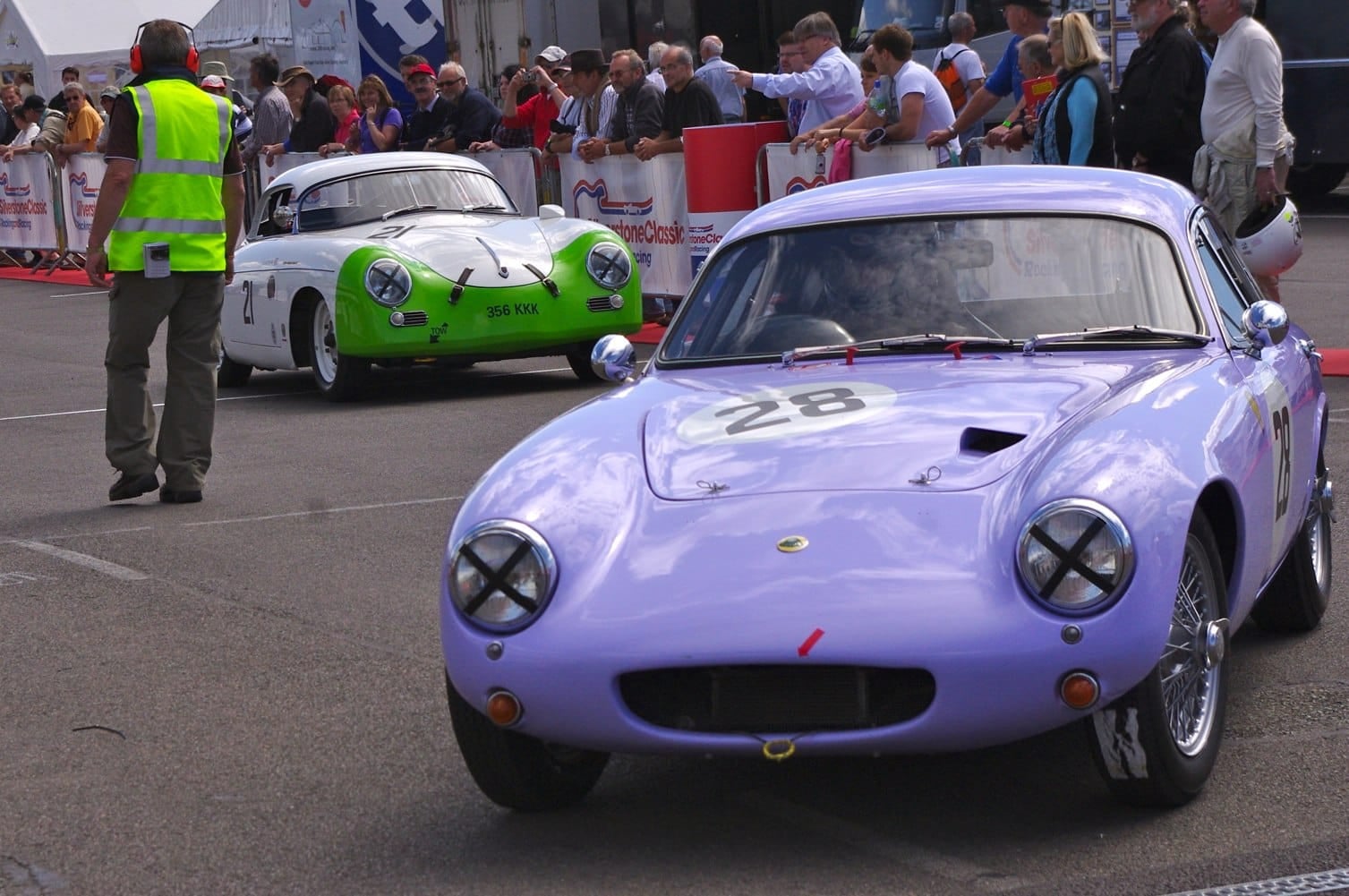
The Elite’s size was its weapon: at Le Mans the 1.2-litre coupe won its class every year from 1959 to 1964, an unbroken six-year record, twice taking the Index of Thermal Efficiency, the prize for distance covered on least fuel that might have been invented for Costin’s aerodynamics. Team Elite and privateers worldwide ran the car wherever small-capacity GTs raced, and the class record stands among the deepest of any British GT of the era. Racing pedigree is not a garnish on the Elite’s value; it is the main course.

The price of the pioneer
Commercially the masterpiece bled: the monocoque was slow to mould, early shells from Maximar brought quality troubles until Bristol took over production, and Chapman priced the car below cost, losing money, by the accepted accounts, on every one of the roughly 1,030 built before production ended in 1963. The lesson bought the Elan, simpler and profitable, and eventually the whole modern Lotus. One housekeeping note for buyers: the wedge-shaped Elite of 1974–82 is an unrelated later car, part of the Excel family, and trades at a fraction of Type 14 money.

Series, SE and the Super tunes
Elite variety lives under the skin. Series 1 cars carry the earliest construction; the Series 2 of 1960 brought a revised rear suspension with triangulated wishbones that transformed durability, and most survivors trace to Bristol-built shells. Above the standard 75 bhp car sat the SE with twin SUs, close gearing and around 85 bhp, and the rare Super 95, 100 and 105 states of tune whose numbers named their horsepower, the competition-flavoured pinnacle of the catalogue. Specification authenticity matters to value, since engines and tunes migrated over racing lives, so documentation separating a genuine Super from a tribute is worth real money at this level.

What an Elite is like to drive
Owners describe something closer to a racing car with carpets than any contemporary GT: steering alive at the straight ahead, a structure so light the 75 bhp Climax feels eager, a ride that works with the road, and at speed the aerodynamic hush of a shape doing its job. The Climax asks warm-up manners and specialist care, the cabin is snug, and the glassfibre drums road noise in period fashion. It is a demanding, delicate, completely absorbing car, and drivers of mundane classics rarely forget their first mile in one.

Buying an Elite today
Structure is everything here and true expertise is scarce: inspect the monocoque for stress cracking around suspension mounts, jack points and door apertures, and for old accident repairs in alien glassfibre, with the small circle of Elite specialists worth their fees at survey. Climax engine health is the other cost centre, parts exist but neither cheaply nor casually. Series 2 cars brought better rear suspension; SE and Super tunes add value; provenance and continuous history matter at this level. Buy on structure and history, and join the specialists’ address book before the car needs it.

Values: the dearest of the early Lotuses
Ninety-seven measured sales at a £57,500 median place the Type 14 at the top of the early-Lotus market: usable cars from around £45,000, good examples £55,000 to £75,000, and Super specifications or period competition history running well into six figures. For the world’s first composite monocoque, a six-year Le Mans class record and one of the prettiest shapes of the 1950s, the money reads fair, and the Elite’s place in engineering history is not subject to market weather.

More photos
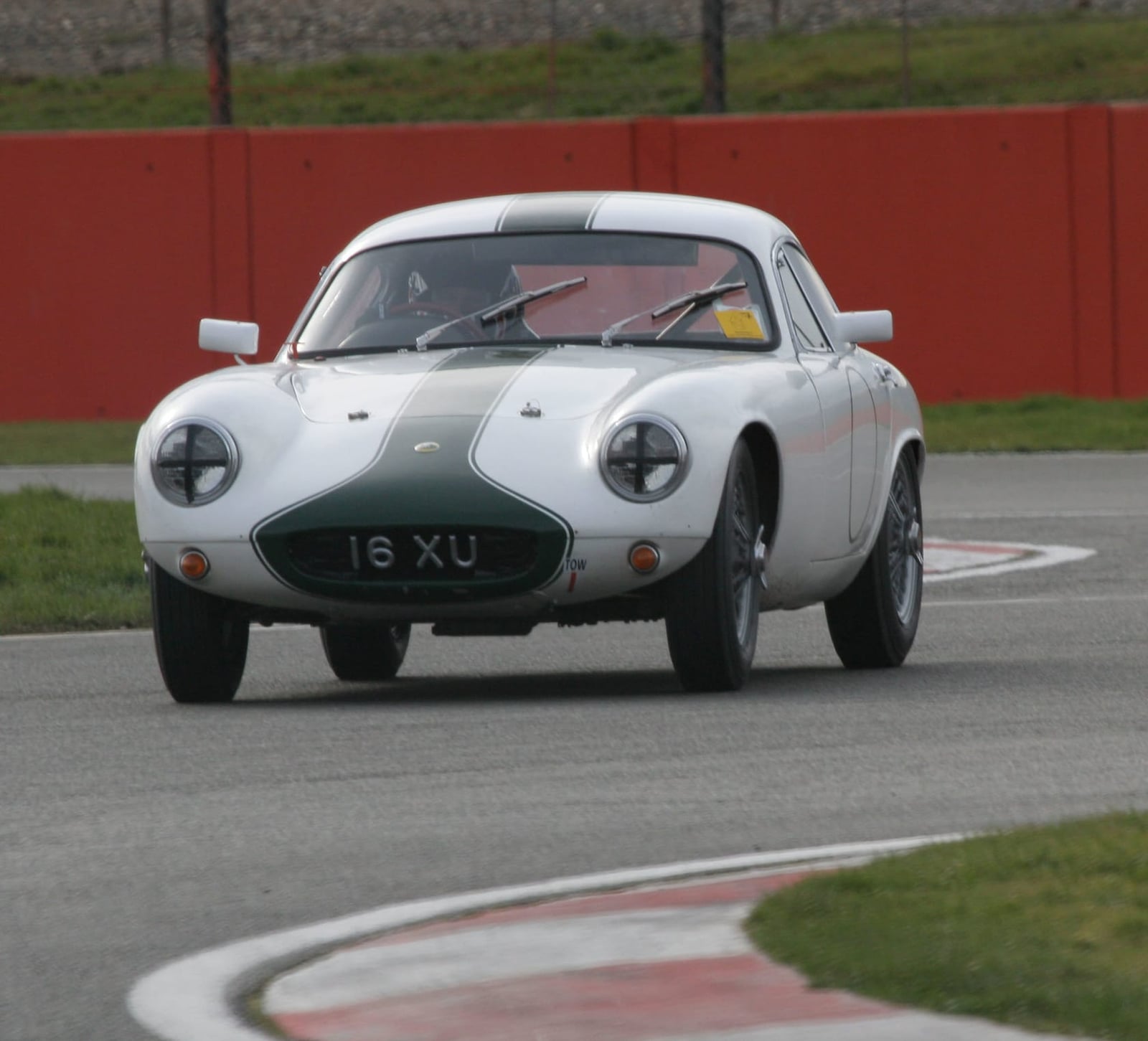
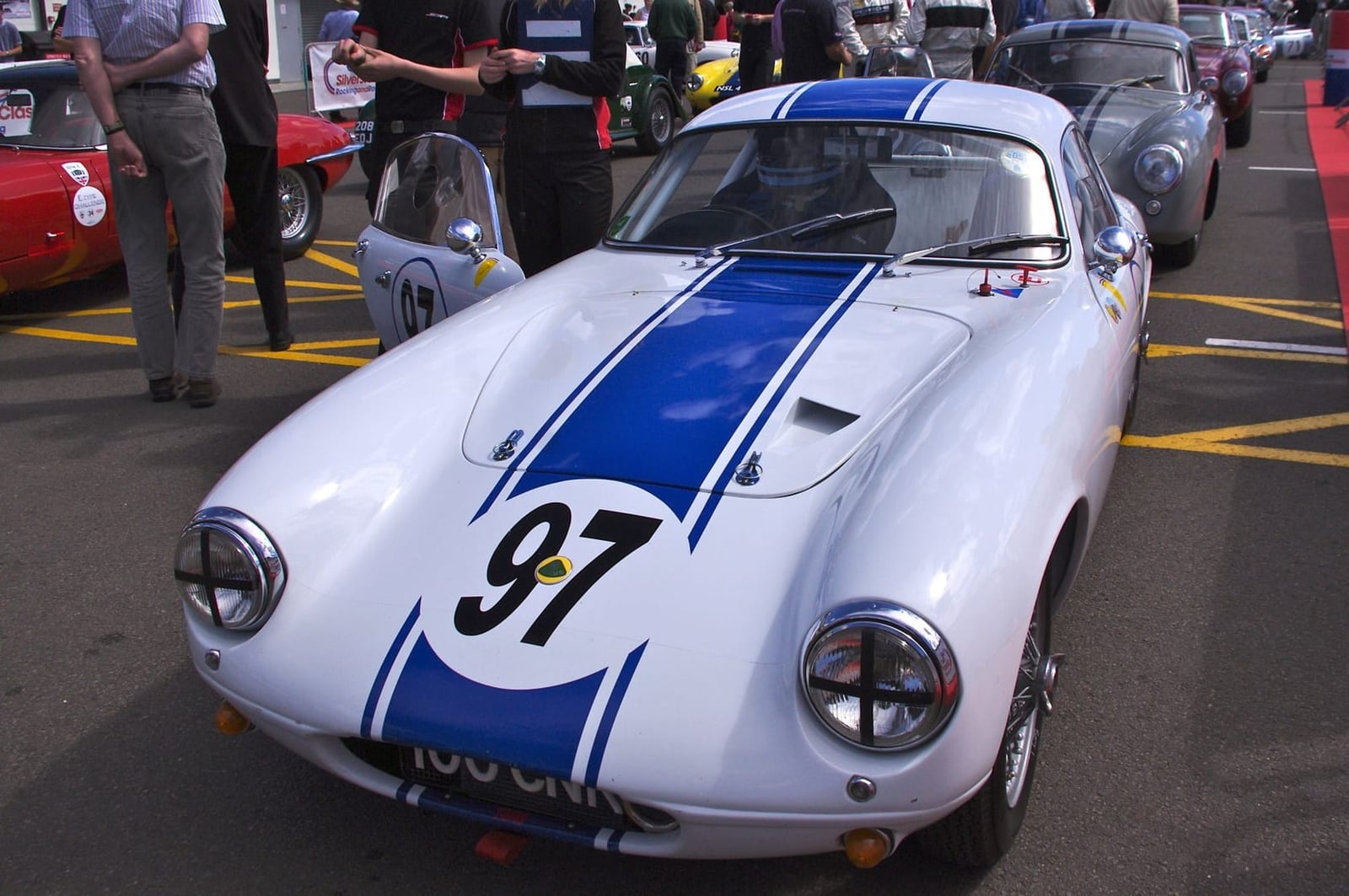
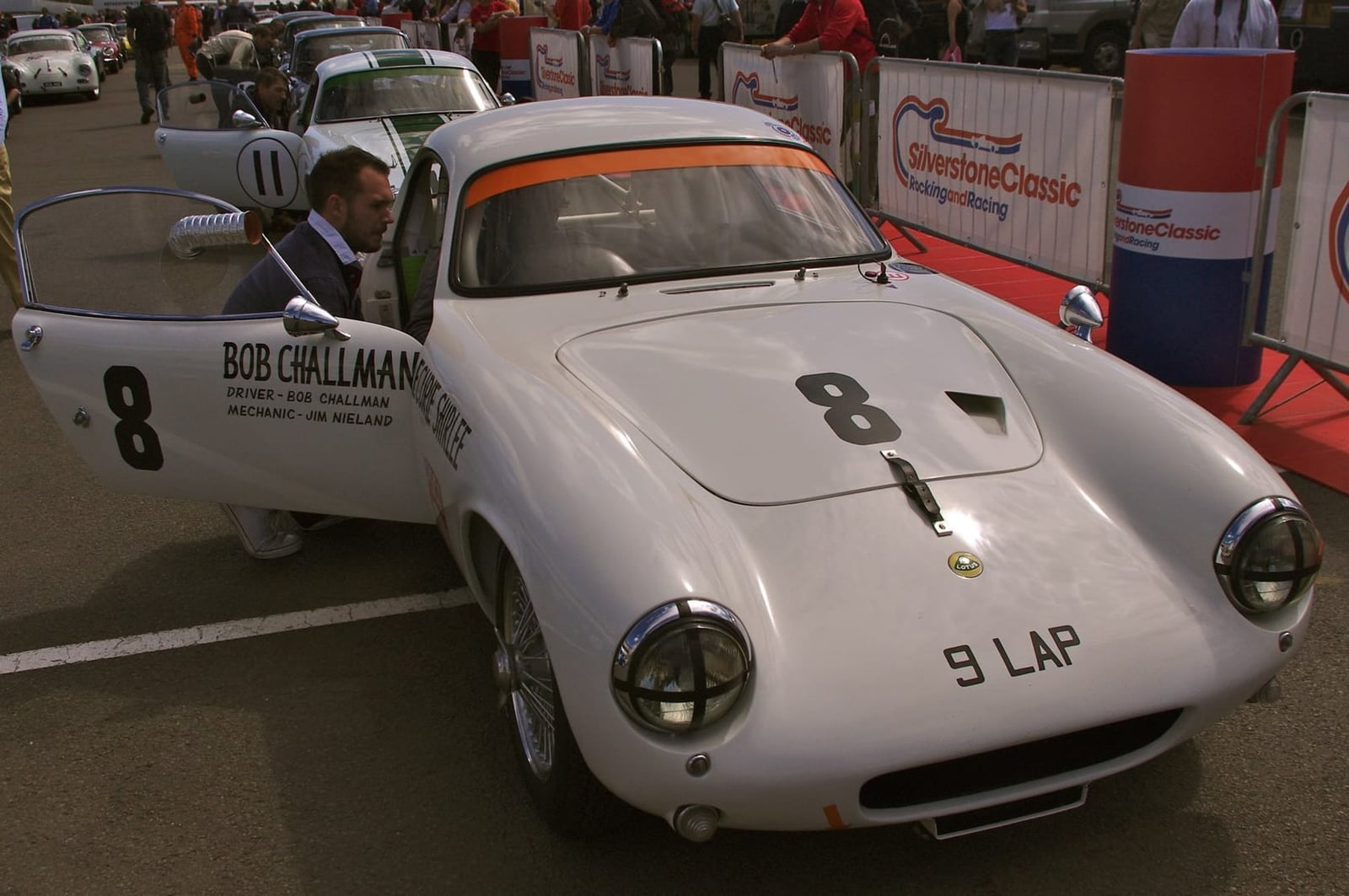
The Elite in dates
- 1957Launched by a tiny racing constructor: floor, sills, roof and suspension pickups all moulded glassfibre, with only local metal reinforcement.
- 1959The first of six consecutive Le Mans class wins, a record that runs unbroken to 1964.
- 1960The Series 2 brings a revised rear suspension with triangulated wishbones that transforms durability; body production moves to Bristol.
- 1960sSE, Super 95, Super 100 and Super 105 states of tune name their own horsepower, the competition-flavoured top of the catalogue.
- 1963Production ends at about 1,030 cars, having lost money on each; the simpler, profitable Elan follows.
Before you buy an Elite
Structure, which is everything
- Stress cracking around suspension mounts, jack points and door apertures
- Old accident repairs in alien glassfibre, which behave differently from the original lay-up
- The small circle of Elite specialists are worth their fees at survey
- Series 2 cars brought the better rear suspension, and most survivors trace to Bristol-built shells
Engine
- Coventry Climax FWE health is the other cost centre; parts exist but not cheaply
- The engine asks warm-up manners and specialist care as a matter of routine
- Engines and states of tune migrated over racing lives, so verify what is fitted
- Documentation separating a genuine Super from a tribute is worth real money at this level
Provenance and identity
- Continuous history matters at this price, and period competition history moves the car into six figures
- SE and Super tunes add value only where they are documented
- The wedge-shaped Elite of 1974 to 1982 is an unrelated later car at a fraction of the money
- Join the specialists' address book before the car needs it, not after
What the Elite sells for at auction
In real terms, typical Elite prices were down about 25% over the five years to 2025, once inflation is accounted for.
Show the year-by-year mediansHide the year-by-year medians
| Year | Sold | Median | In 2025 money |
|---|---|---|---|
| 2026 (so far) | 4 | £36,266 | |
| 2025 | 7 | £52,877 | £52,877 |
| 2024 | 7 | £43,875 | £45,559 |
| 2023 | 6 | £55,365 | £59,412 |
| 2022 | 10 | £70,477 | £80,712 |
| 2021 | 7 | £64,320 | £79,535 |
| 2020 | 5 | £55,678 | £70,556 |
| 2019 | 7 | £61,875 | £79,209 |
| 2017 | 4 | £59,456 | £79,198 |
| 2016 | 9 | £56,250 | £76,856 |
| 2015 | 9 | £57,800 | £79,764 |
| 2012 | 5 | £61,255 | £88,054 |
- £53,250Elite (1957 - 1963)
- £30,000Elite (1957 - 1963)
- £40,470Elite (1957 - 1963)
- £32,062Elite (1957 - 1963)
- £35,768Elite (1957 - 1963)
Reasonable evidence. 97 recorded sales: enough for the range to mean something, though a few unusual cars can still move a single year's median. Based on 97 sold results from public classic car auctions (2002 to 10 August 2026). Sold prices, not asking prices, and not a valuation: condition, history and specification vary from car to car. Inflation-adjusted figures use the ONS CPIH index, in 2025 money.