Lotus Eleven: the tiny sports racer that made Lotus a marque (1956–1958)
The Lotus Eleven was Colin Chapman's 1950s masterpiece, a featherweight, aerodynamic sports racer that took class honours at Le Mans and turned Lotus from a specials builder into a marque. A guide to the Eleven's engineering, its Le Mans record, Series 1 and 2, the replica question, and what genuine cars are worth.
Built 1956–1958 19 recorded sales
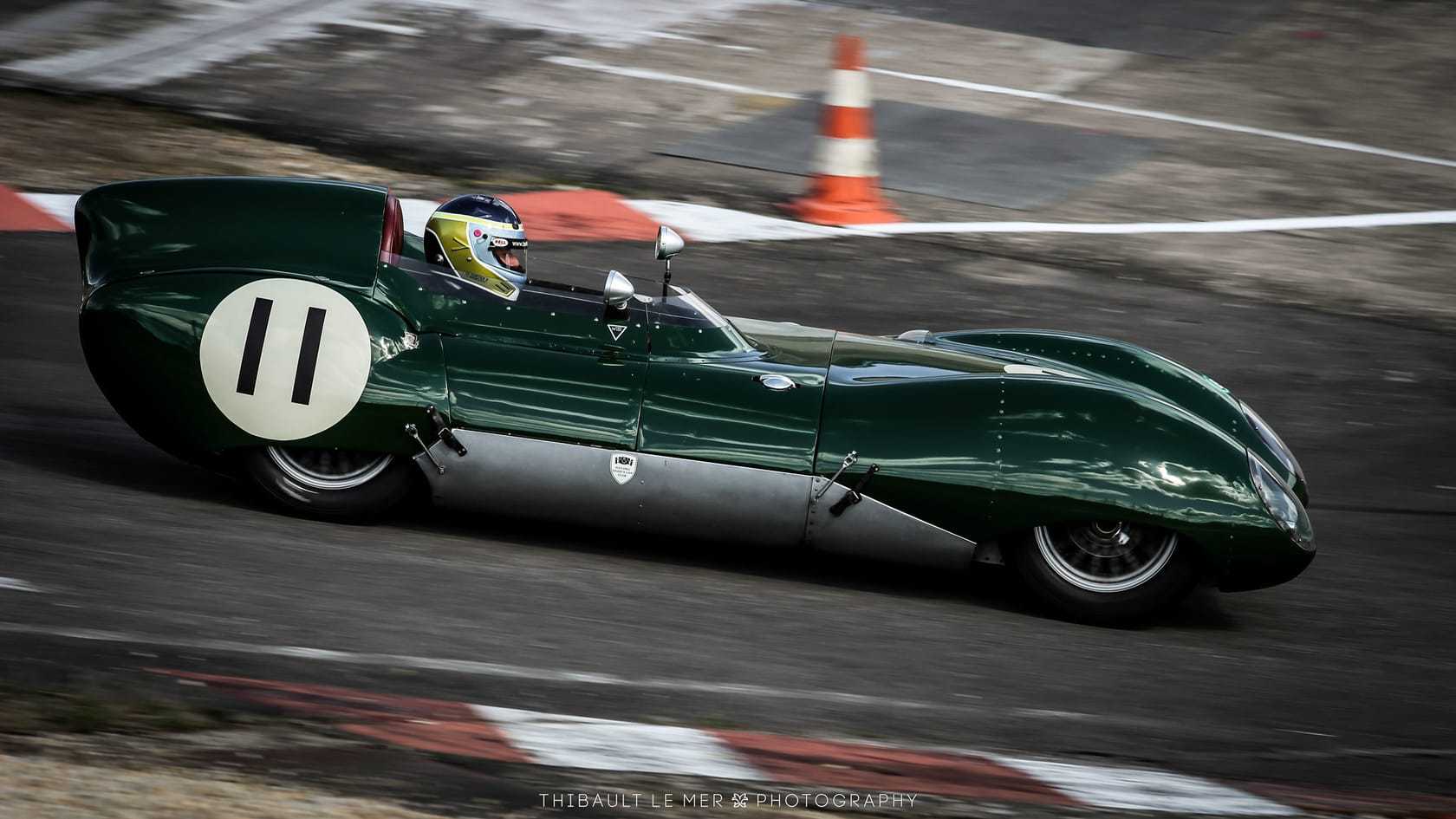
At a glance
- Years
- 1956–1958
- Body styles
- Open two-seat sports racer; Le Mans, Club and Sports specifications
- Drivetrain
- Front engine, rear-wheel drive
- Engines
- Coventry Climax 1100 (FWA) and 1500; Ford sidevalve (Sports)
- Power
- Around 37 bhp to 83 bhp
- Trim levels
- Le Mans, Club, Sports; Series 1 and Series 2
- Production
- Around 270
- Assembly
- Hornsey, north London
- Designer
- Colin Chapman; body by Frank Costin
- Values
- Genuine cars trade in six figures; replicas from around £30,000
- The achievement
- Class honours at Le Mans in 1956 and 1957 from 1100cc
- The caution
- Replicas outnumber real cars; provenance is everything
The models
Weigh the achievement rather than the car, because the car barely weighs anything: around 450 kilograms of spaceframe and hand-formed aluminium, an engine descended from a fire pump, and results that embarrassed the racing establishment. The Lotus Eleven of 1956 is where Lotus stopped being a builder of clever specials and became a marque with a world reputation, and it remains the purest early proof of Colin Chapman’s lightweight doctrine.
Costin’s shape, Chapman’s frame
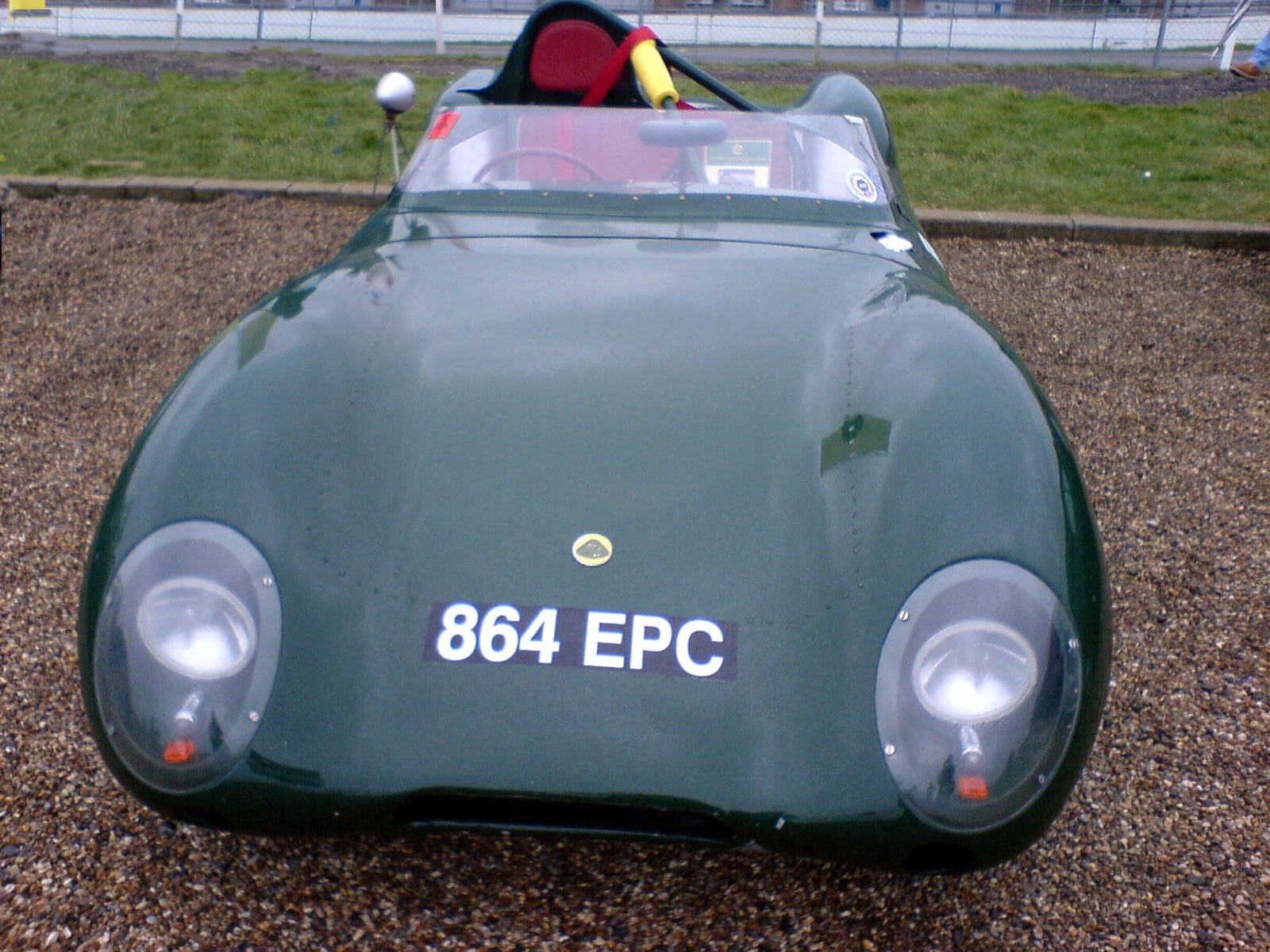
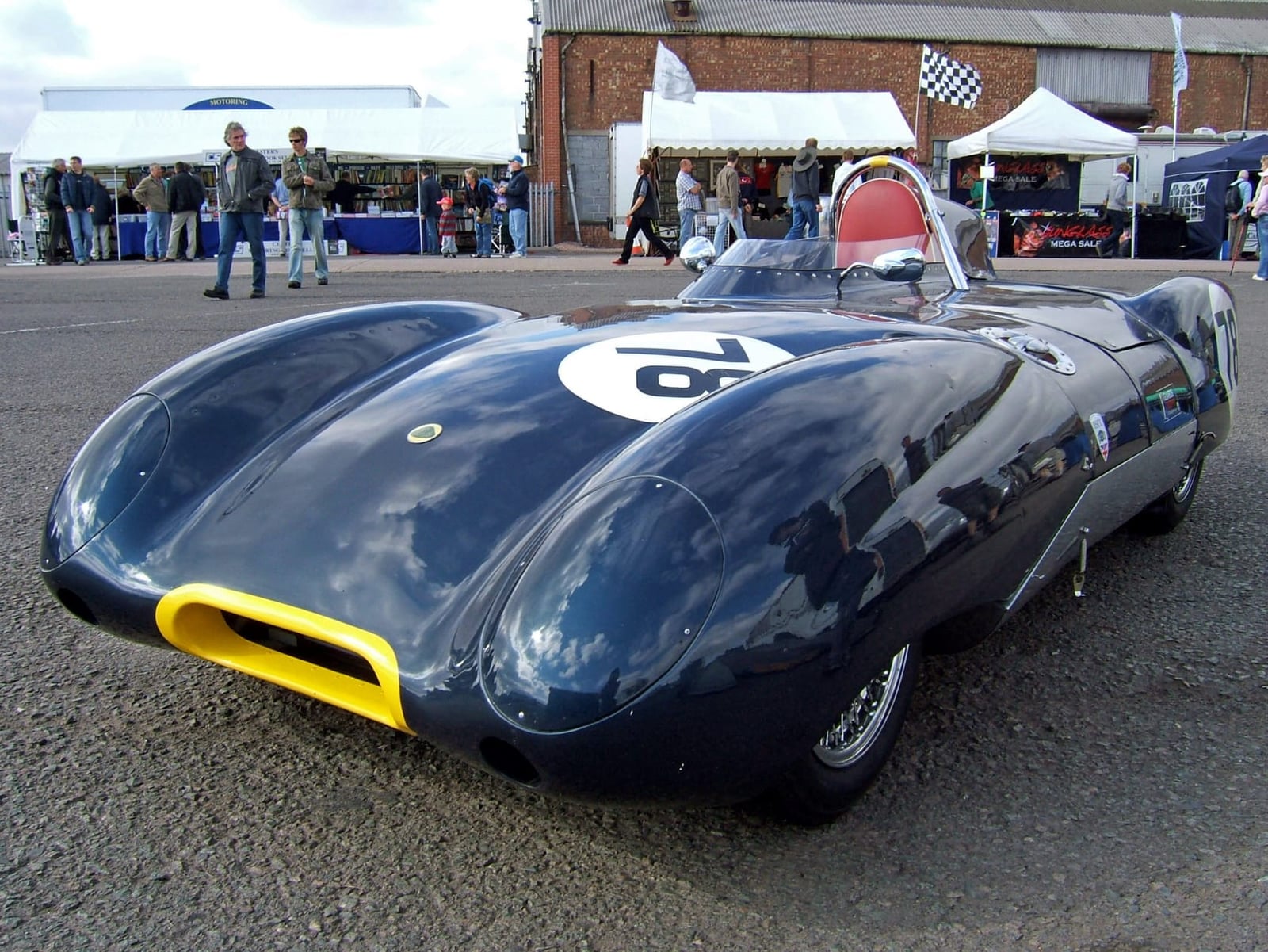
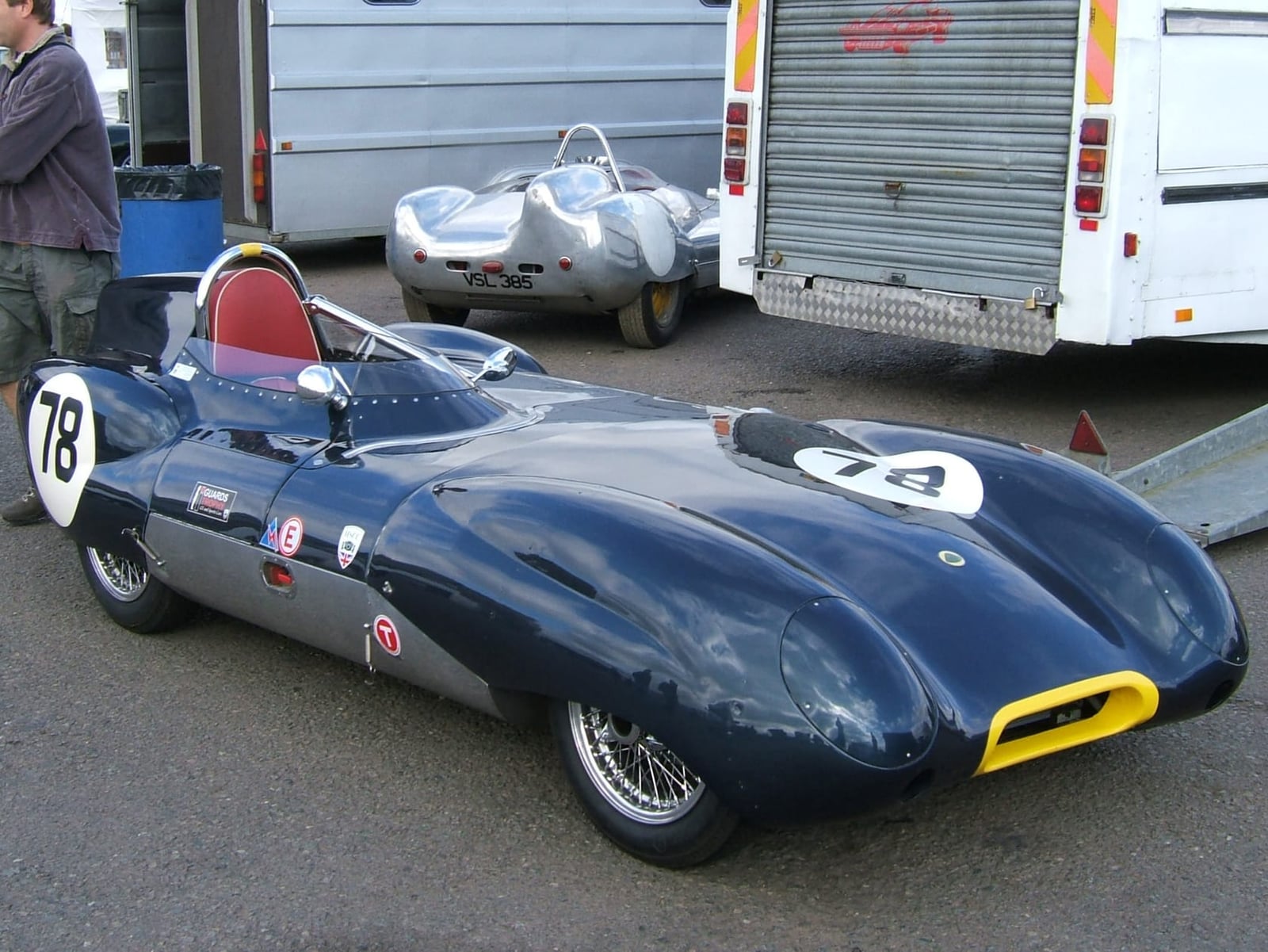
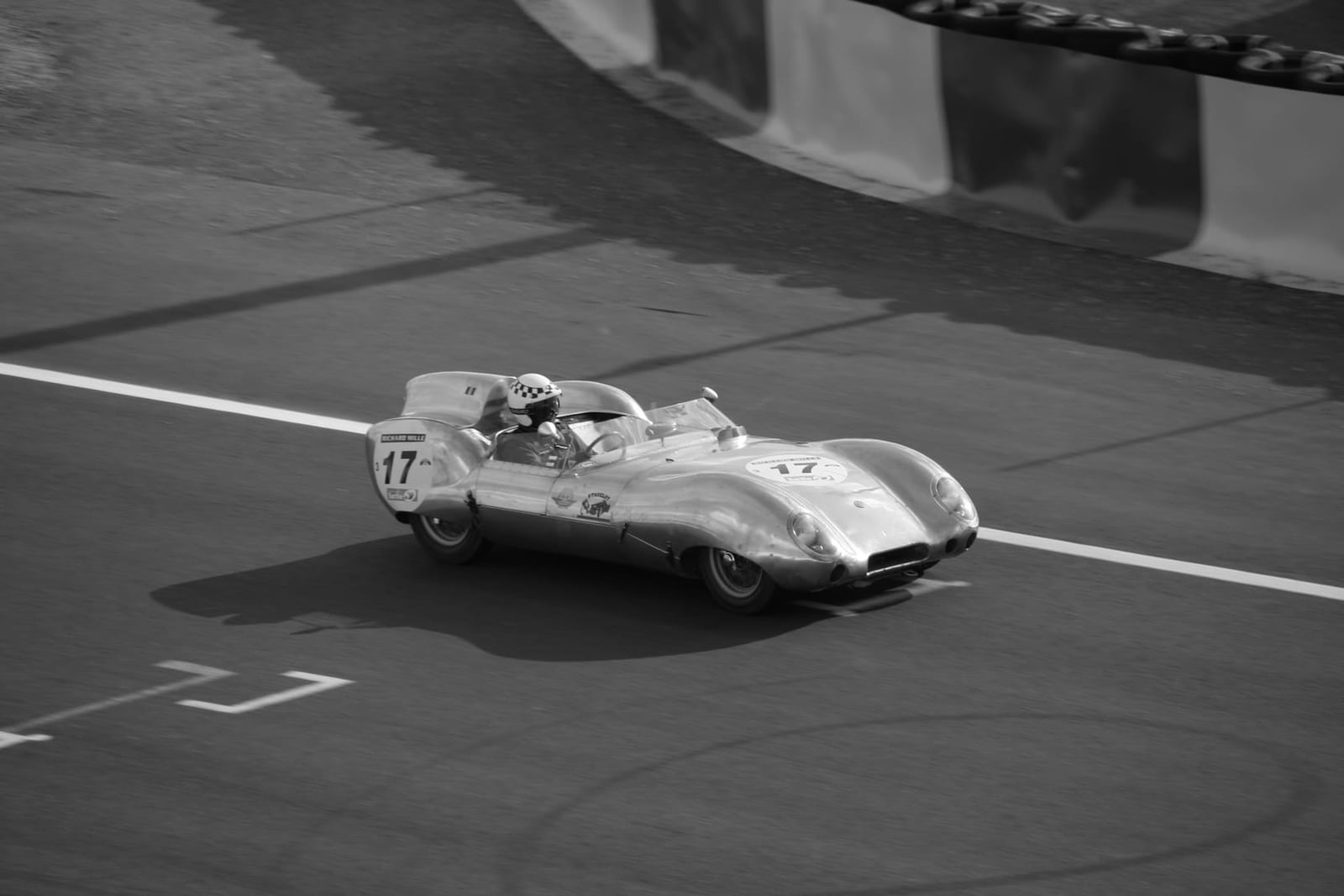
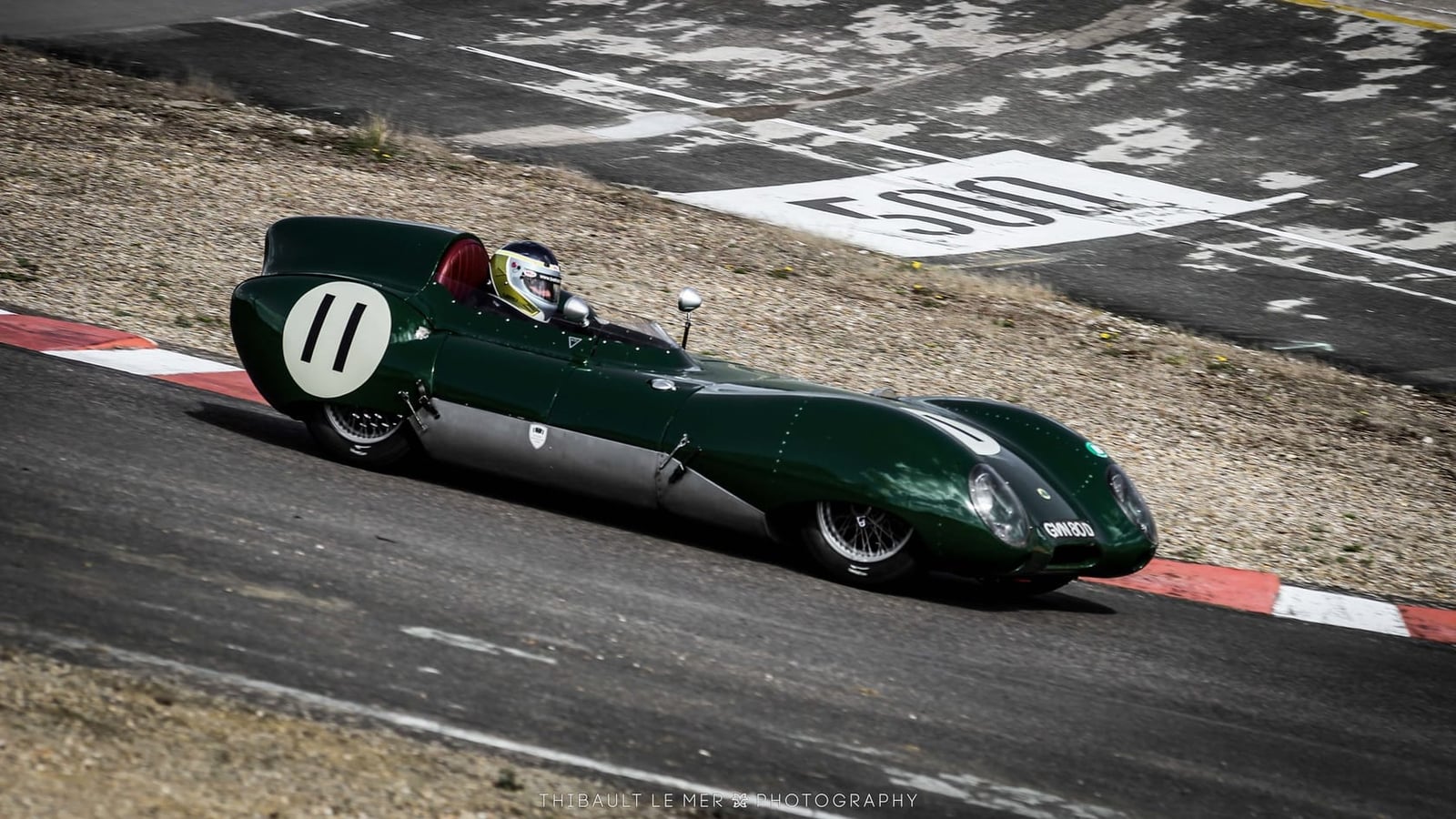
The Eleven paired two kinds of genius. Chapman’s multi-tube spaceframe took lightness to the edge of the possible, every tube loaded, nothing spare, while aerodynamicist Frank Costin, from the aircraft industry, gave it a wind-cheating envelope body years ahead of contemporary practice, all enclosed wheels, tapering tail and minimal frontal area. The combination let 83 bhp of Coventry Climax FWA do the work of twice as much power in anything else, and it looked, then as now, like nothing else in the paddock.

Le Mans, and the results that built the marque
Lotus aimed the Eleven squarely at endurance racing’s small classes and hit the target twice. Class honours at Le Mans in 1956 were followed by the famous 1957 result, Elevens sweeping the small-capacity honours with class wins including a special 750cc car, astonishing returns from a tiny north London workshop. Privateers took Elevens racing everywhere from Goodwood to Sebring, and the model’s success funded and justified everything Lotus built next.

Le Mans, Club and Sports: the range
Chapman sold the Eleven in three specifications. Le Mans meant full racing trim, Climax power and a De Dion rear axle; Club kept the Climax engine on a simpler live axle; and Sports offered the spaceframe experience with Ford’s humble 1172cc sidevalve for club-level budgets. The Series 2 of 1957 brought a stronger front end and wishbone suspension, and around 270 of all kinds were built before the Fifteen and Seventeen took over. Many raced hard, many crashed, and the survivors carry their scars as provenance.
Values in period tell their own story: an Eleven cost less than a big Healey yet routinely beat pure racing machinery, which is exactly the proposition that filled Chapman’s order book and emptied his rivals’ arguments.

The replica question
The Eleven’s shape has been recreated for decades, from faithful toolroom copies to kit-derived homages, and replicas now outnumber genuine cars many times over. There is nothing wrong with an honest replica, they deliver the experience at a fraction of the cost, but the value gap makes misrepresentation lucrative, so a purchase at original-car money demands documented chassis identity, continuous history and recognition by the marque’s registers. At these prices, specialist verification is not caution; it is the transaction.

The Eleven’s legacy
The Eleven’s influence outran its 270-car production by decades. Its success bankrolled the move to proper premises and gave Chapman the credibility, and the cash flow, to build the Elite road car and enter Grand Prix racing, so the line from this 450-kilogram club racer to seven Formula One constructors’ titles is direct. Its engineering lessons, aerodynamic bodywork measured in wind-cheating rather than styling terms, structures where every part earns its weight, became the company’s permanent method, visible in every backbone-chassised road car from the Elan onward.
The name has echoed ever since. Lotus revived the spirit with the track-focused 340R and later sold a modern 2-Eleven and 3-Eleven, each a stripped, minimal machine trading openly on the 1956 original’s reputation. And in historic racing the actual cars never stopped: an Eleven remains one of the most competitive and most welcomed entries in 1950s sports-car grids anywhere in the world, which is precisely why genuine examples command the money they do.

Owning an Eleven today
Storage and transport shape the ownership pattern: most Elevens travel to circuits on trailers and live in workshops between events, so the practical questions are a race team’s rather than a road car’s, entry fees, spares stock and a good relationship with a preparer. Some cars carry road registrations and venture out on sunny mornings, a memorable way to travel and a braver one to park.
Genuine Elevens live a busy retirement as front-line entries in historic racing, where their eligibility for the great retrospective events underwrites their six-figure values, roughly £100,000 to £250,000 depending on history, with replicas from around £30,000 serving drivers who want the sensation without the invoice. Upkeep is specialist but straightforward, spaceframe, aluminium and Climax all being well-understood crafts. As an artefact of the 1950s, few cars carry more history per kilogram, or reward their keepers with better company at the great historic meetings.

More photos
The Eleven timeline
- 1956Chapman's fully-loaded spaceframe meets Frank Costin's envelope body; class honours at Le Mans follow the same year.
- 1957Elevens sweep the small-capacity honours at Le Mans, including a class win from a special 750cc car; the Series 2 brings a stronger wishbone front end.
- 1958Production ends at around 270 of all kinds as the Fifteen and Seventeen take over.
- 1950s onwardsPrivateers race Elevens from Goodwood to Sebring, and the model's success funds everything Lotus builds next.
Buying checklist: the Eleven in front of you
Provenance, which is the transaction
- Documented chassis identity, continuous history and recognition by the marque's registers
- Replicas are honest at replica money and lucrative at original money, so verify
- Racing scars are provenance when documented, and merely damage when not
- Specialist verification before any six-figure purchase
Specification
- Le Mans: full racing trim, Climax power, De Dion rear
- Club: Climax engine on a simpler live axle
- Sports: the spaceframe with Ford's 1172cc sidevalve for club budgets
- Series 2 cars carry the stronger wishbone front end
Ownership pattern
- Most cars travel on trailers and live in workshops between events
- The practical questions are a race team's: entry fees, spares, a good preparer
- Some cars carry road registrations, a memorable way to travel and a braver one to park
- Climax engine care is a known craft, and the FWA descends from a fire pump
What the Eleven sells for at auction
The Eleven comes to auction only occasionally: 19 recorded sales since 2007, typically making between £62,024 and £129,065 . With so few sales, treat any single result as a data point rather than a market price.
- £45,000Eleven
- £140,197Eleven
- £60,013Eleven
- £52,230Eleven
- £133,056Eleven
Thin evidence. Only 19 recorded sales: read the figures as a sketch of the market, not a price. Based on 19 sold results from public classic car auctions (2007 to 10 August 2026). Sold prices, not asking prices, and not a valuation: condition, history and specification vary from car to car.
Frequently asked questions
What is a Lotus Eleven?
How did the Lotus Eleven do at Le Mans?
What engine does a Lotus Eleven have?
How do I know if a Lotus Eleven is genuine?
How much is a Lotus Eleven worth?
What is the most expensive Eleven ever sold at auction?
How often does an Eleven come up for sale?
Related across themes

More from Lotus


Recently added

Bentley S-series: the quiet twin with the beautiful secrets (1955–1965)

Rolls-Royce Silver Spirit and Silver Spur: the last Crewe bargain (1980–1999)

Rolls-Royce Corniche: the coachbuilt survivor that outlived its makers (1971–1995)
