Lotus Europa: the bread van that beat the supercars to mid-engines (1966–1975)
At a glance
- Years
- 1966–1975
- Body styles
- Two-seat mid-engined coupe
- Drivetrain
- Mid engine, rear-wheel drive; glassfibre body on steel backbone
- Engines
- 1470/1565cc Renault four (S1/S2); 1558cc Lotus twin cam (from 1971)
- Power
- Around 78 bhp (S1) to 126 bhp (Special)
- Top speed
- Around 110-123 mph
- Trim levels
- S1, S2, Twin Cam, Special (big-valve, five-speed option)
- Production
- About 9,300 all types
- Assembly
- Hethel, Norfolk
- Designer
- Colin Chapman, Ron Hickman and John Frayling
- Values
- Usable from around £13,000; good cars £16,000-£25,000; Specials and the best beyond £30,000
- The claim
- Among the first mid-engined production road cars in the world
- The nickname
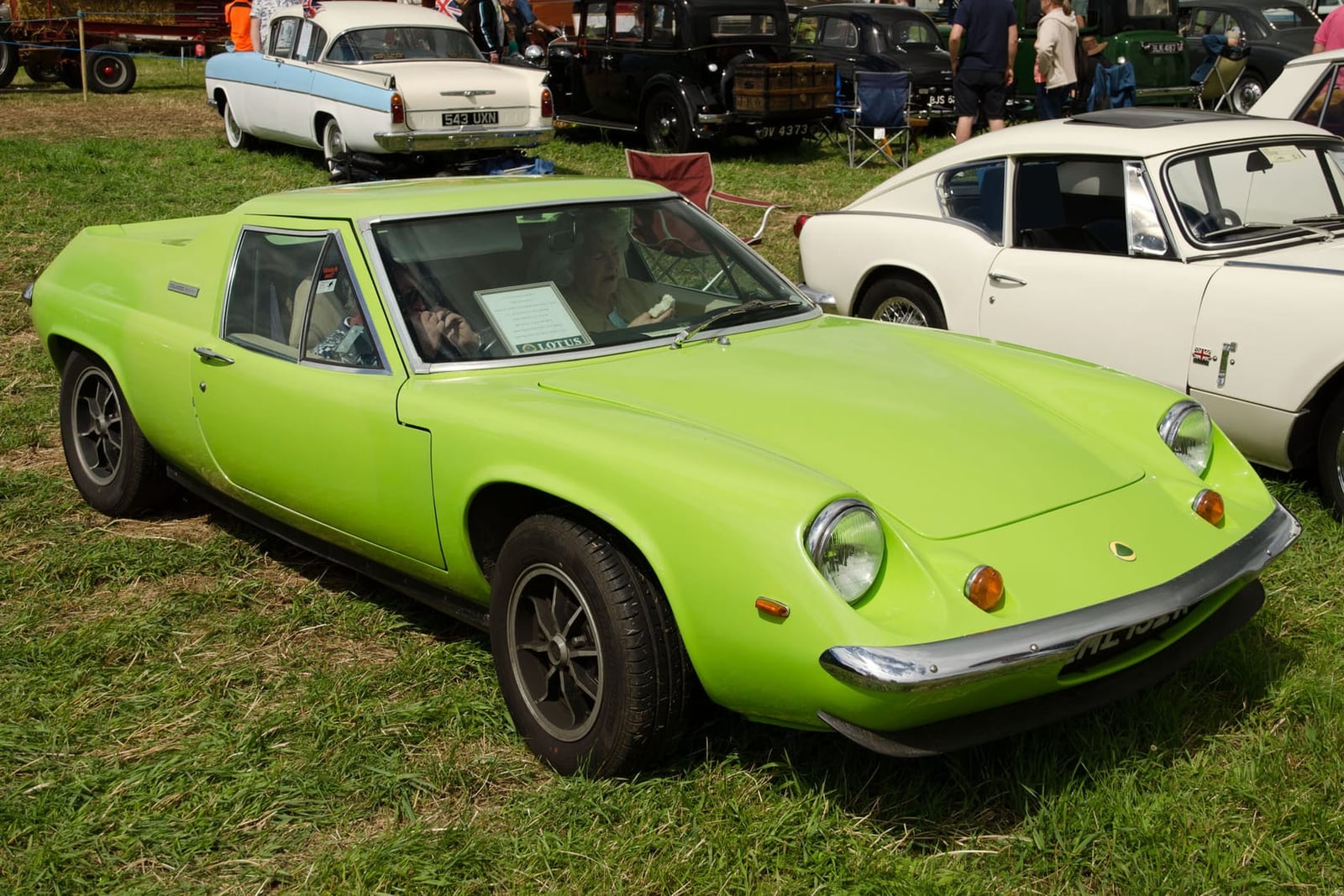
- The bread van, for the flat-sided rear buttresses everyone learned to love
The models
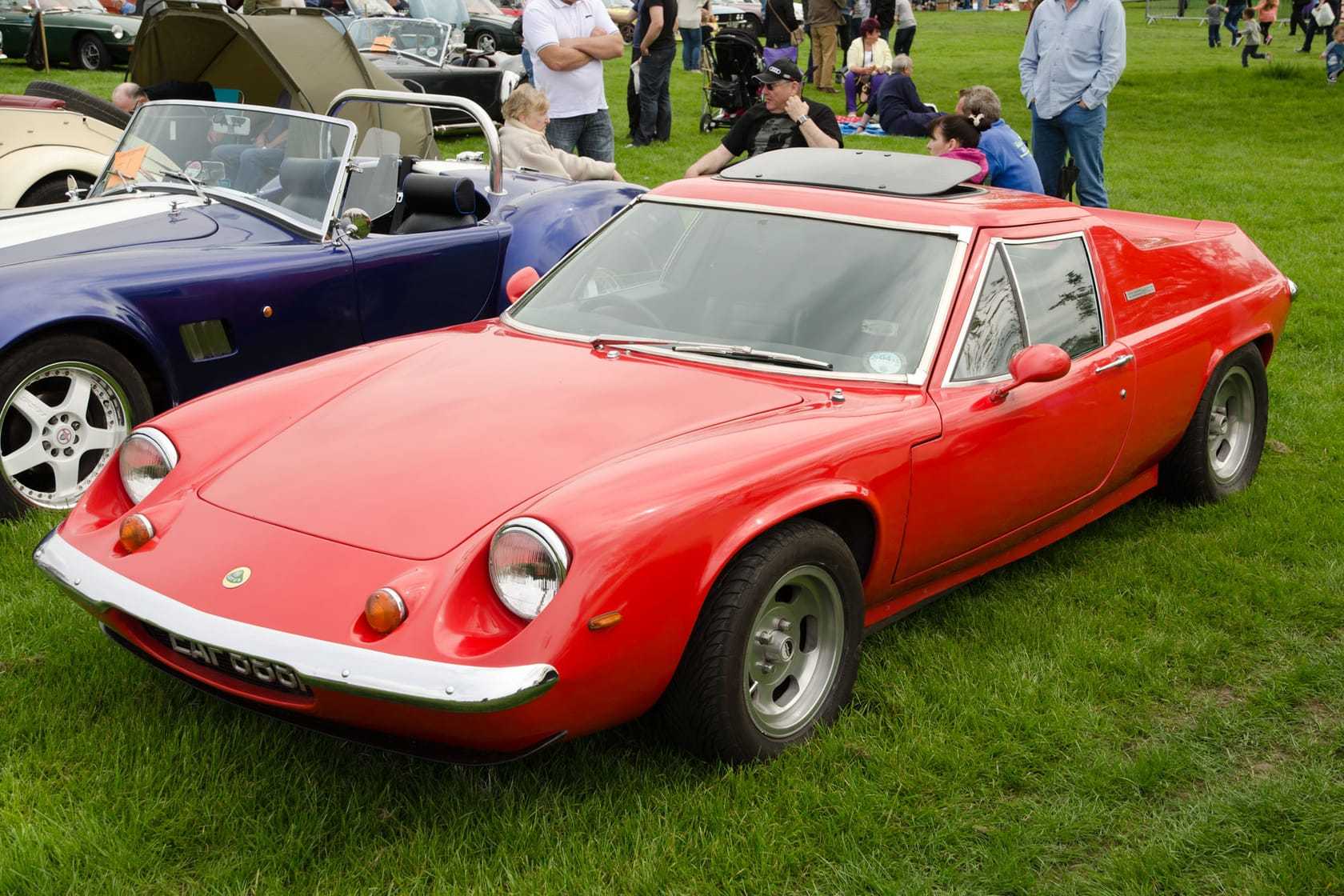
While the supercar establishment was still bolting its engines up front, Lotus quietly put one behind the driver of a road car costing honest kit-car money. The Europa of 1966 carried its Renault-derived engine amidships in a glassfibre body on a steel backbone, weighed close to nothing, and cornered like the racing cars whose architecture it borrowed. Mocked as a bread van and adored by everyone who drove one, the Lotus Europa remains the cheapest route to genuinely historic mid-engined handling.
Chapman’s road-going racing car
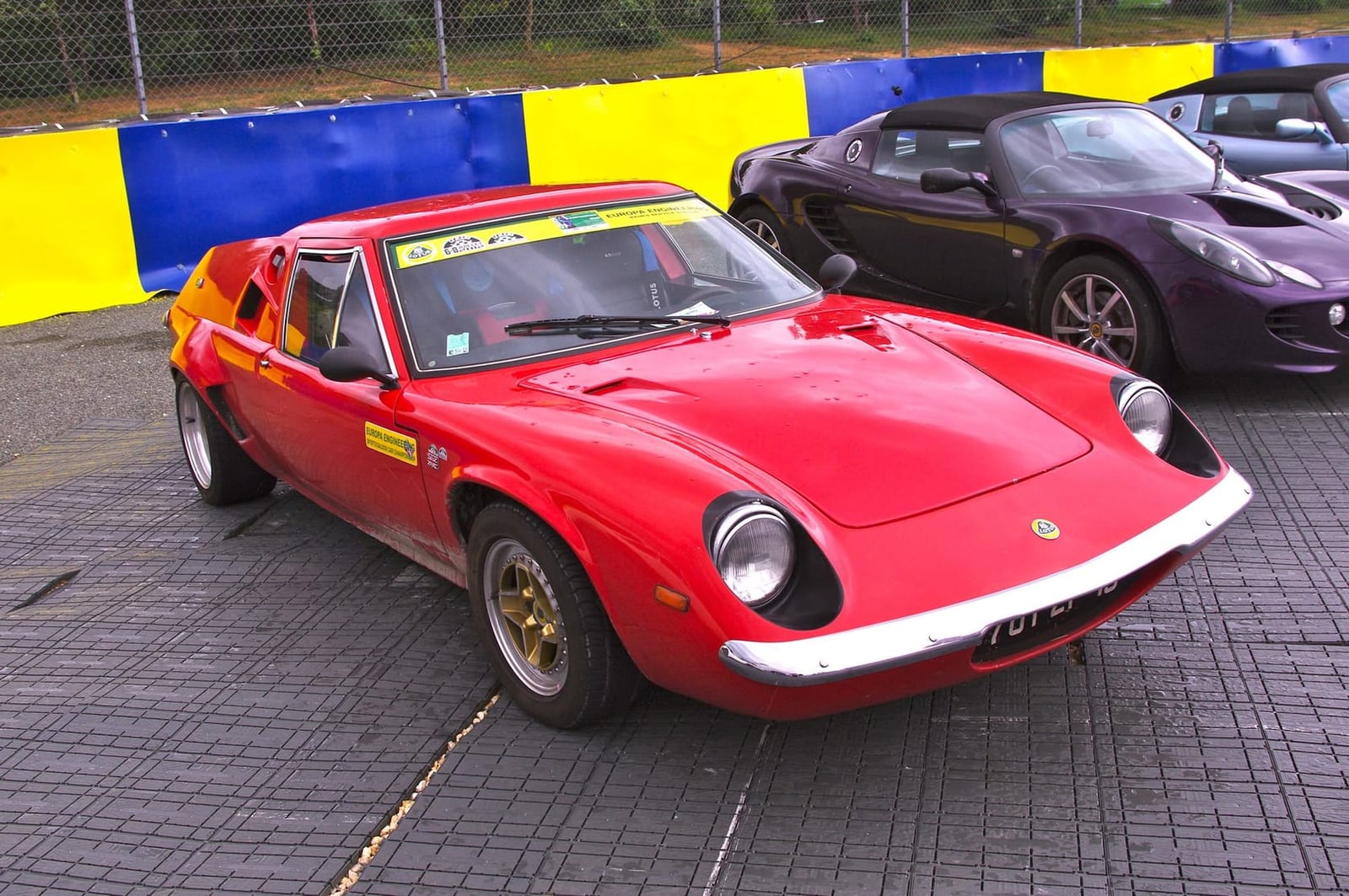
The Europa began as Colin Chapman’s answer to a European Ford contract that never came, and emerged as Lotus’s boldest road car: a backbone chassis like the Elan, but with the engine behind the cockpit, Renault 16 alloy power and transaxle turned around to drive the rear wheels, and a glassfibre body drawn as much by the wind tunnel as the eye. At under 700 kilograms the S1 needed only 78 bhp to embarrass sports cars with twice the power, and its cornering set benchmarks road testers struggled to describe in 1966 vocabulary.

The bread van: a shape only aerodynamics could love
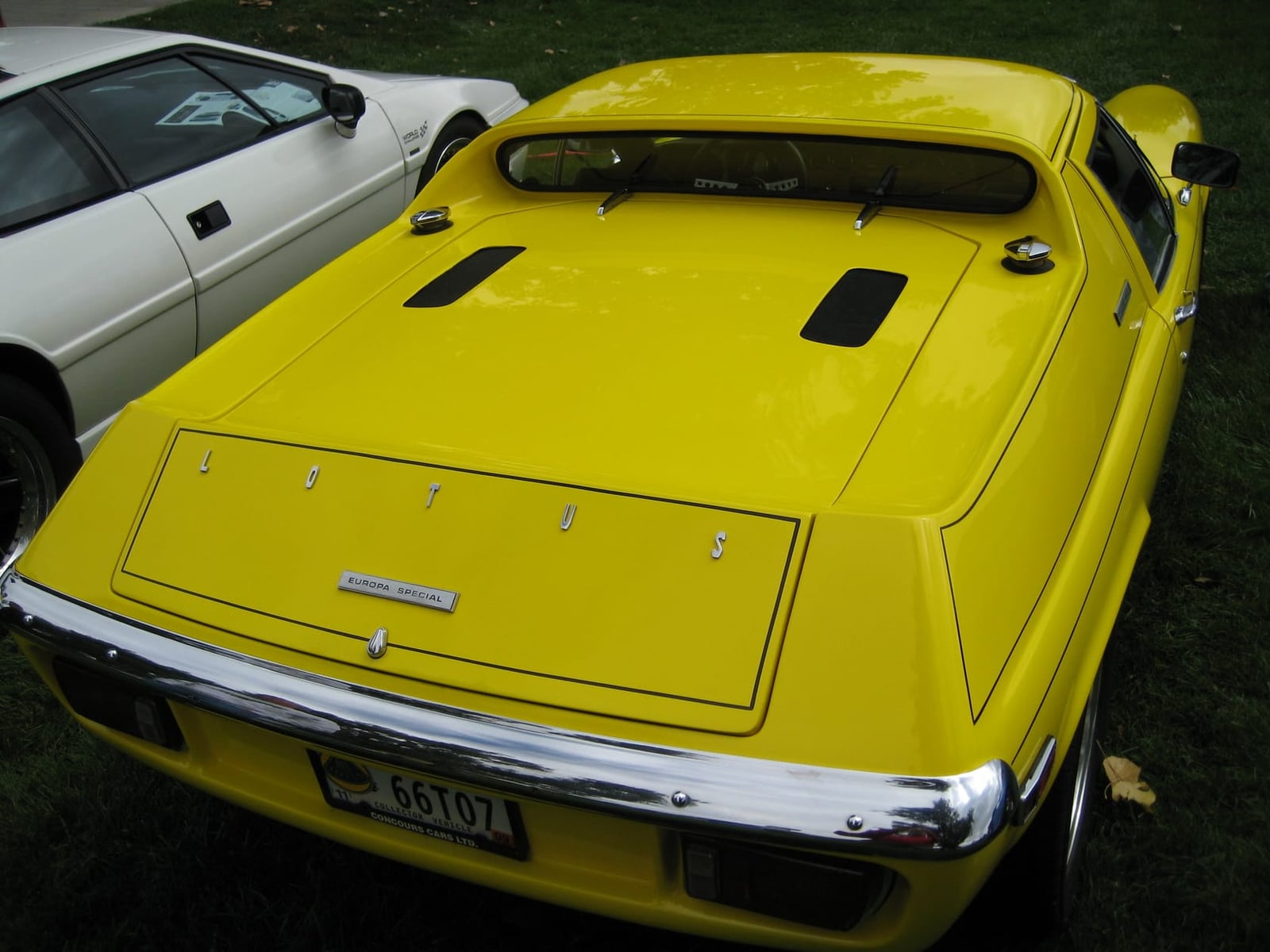
The original body ran tall flat sail panels from roof to tail, brilliant for drag figures, terrible for rear vision, and irresistible to wits, who named the Europa the bread van on sight. The S1 also bonded its body to the chassis and fixed its windows shut, purity that made accident repair a nightmare, so the 1968 S2 bolted the body on, wound the windows down and civilised the cabin. The buttresses were progressively lowered through the Twin Cam era, but the nickname had stuck, and today the strangest thing about the shape is how right it has come to look.

Twin Cam and the black-and-gold Special
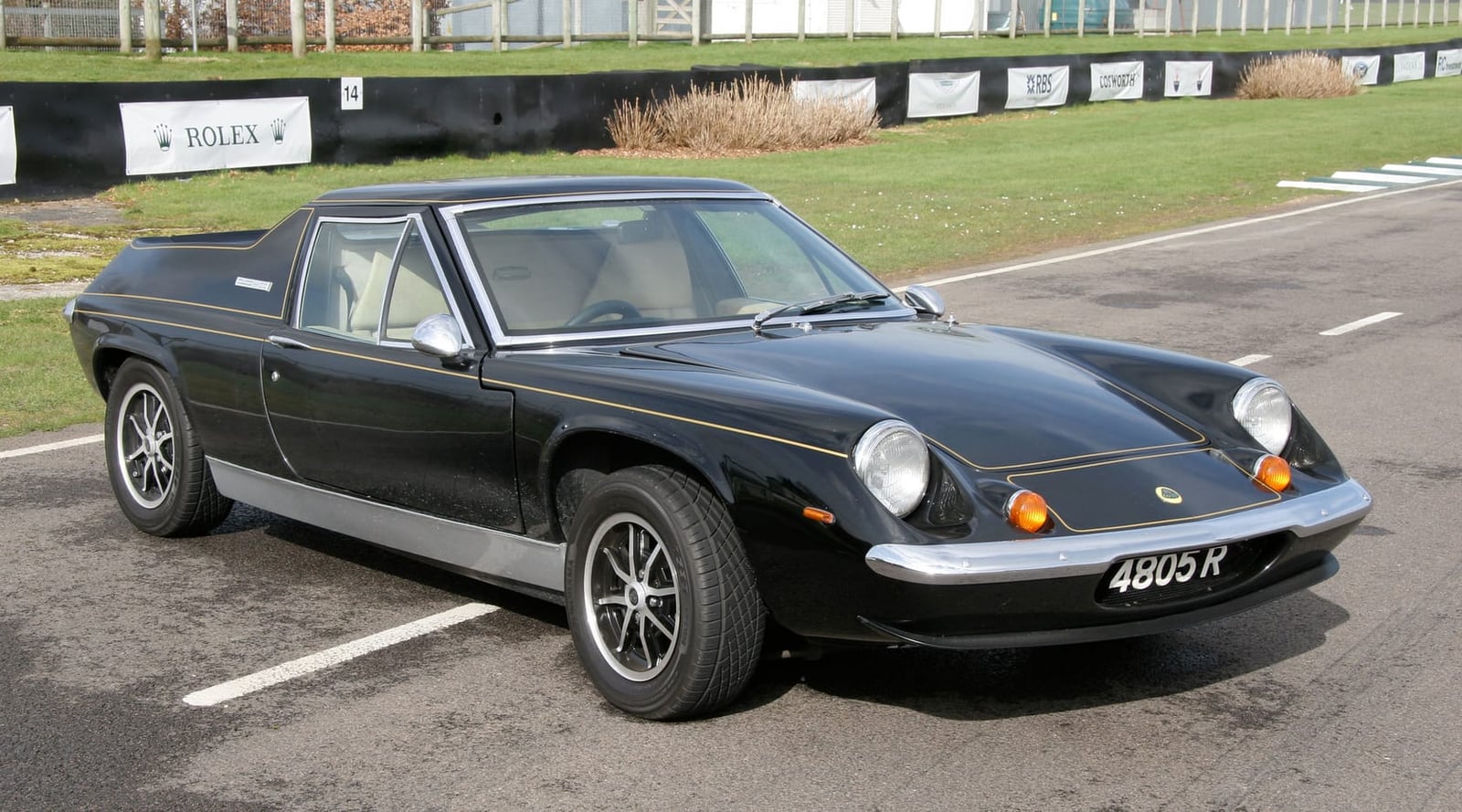
In 1971 the Europa finally got the engine its chassis deserved: the 1558cc Lotus-Ford twin cam from the Elan, lifting power past 100 bhp, followed in 1972 by the Special with the 126 bhp big-valve unit and an optional five-speed box. Launch Specials wore black with gold pinstripes, saluting the John Player Special livery of the world-championship Formula One cars, a marketing gesture with the rare virtue of being earned. The Special could reach 123 mph, embarrass far grander machinery through corners, and closed Europa production in 1975 after about 9,300 cars of all types.

Which Europa: S1, S2, Twin Cam or Special
The family sorts by temperament and budget. The S1 (1966–68) is the purist’s relic, bonded body, fixed windows, the lightest and rarest, best left to collectors who value originality over usability. The S2 civilised the package and makes the honest entry point. The Twin Cam (1971) is the sweet spot for driving, Lotus power at last, while the Special’s big-valve engine, five-speed option and black-and-gold associations make it the market’s favourite and the values’ ceiling. Renault-engined cars cost less to buy and confound expectations on the road; twin-cam cars share their engine economy with the Elan world. There is no wrong door into the breed, only different bills.

What a Europa is like to drive
Sit low, almost lying down, and within a mile the Europa simply disappears around you: unassisted steering that chatters with information, a mid-engined balance that pivots the car around your spine, and grip out of all proportion to its tyres, with the twin cam versions adding the urge the chassis always invited. The gearchange’s long linkage asks a little patience, cabin heat and rear visibility are period-authentic, and none of it matters in the slightest a mile into a good road. Little at any price teaches mid-engined driving manners so honestly.

Buying a Europa today
Chassis first: the steel backbone rusts, S1 bonded construction complicates everything, and the best buys are S2s and Twin Cams with documented chassis condition or replacement. Glassfibre hides accident history, so inspect gel-crack patterns and panel fit; Renault engine parts need a specialist network but are not expensive, twin cams are Elan-shared and well supported. Electrics reward patience, as on every Lotus of the era. Specials carry premiums worth paying with provenance, and the Esprit that succeeded the breed makes an interesting comparison drive before you commit.

Values: historic handling at half price
One hundred and forty-six measured sales at a £16,400 median keep the Europa the accessible Lotus: usable cars from £13,000, good Twin Cams £16,000 to £25,000, Specials past £30,000 at their best. For a genuinely pioneering mid-engined road car with world-championship associations, that remains quiet money among 1960s sports cars, and the bread van’s audience grows warmer every year the shape gets stranger in memory.

More photos
How the Europa changed
- 1966Launched as Chapman's boldest road car: an Elan-style backbone with the engine behind the cockpit, Renault 16 power turned around, and tall sail panels the wits christen the bread van.
- 1968The S2 bolts the body on instead of bonding it, winds the windows down and civilises the cabin.
- 1971The 1,558cc Lotus-Ford twin cam arrives from the Elan, lifting power past 100 bhp and giving the chassis the engine it deserved.
- 1972The Special adds the 126 bhp big-valve engine and an optional five-speed box; launch cars wear black and gold for the John Player Special Formula One livery.
- 1975Production ends after about 9,300 cars of all types.
Europa: what to check before you buy
Chassis, first and last
- The steel backbone rusts, and its condition is the purchase
- S1 bonded construction complicates every repair; the best buys are S2s and Twin Cams
- Documented chassis condition or a documented replacement is what you are paying for
- Glassfibre hides accident history: read gel-crack patterns and panel fit
Engine and running gear
- Renault engine parts need a specialist network but are not expensive
- Twin cams are Elan-shared and well supported
- The long gearchange linkage asks patience; vagueness beyond that is wear
- Electrics reward patience, as on every Lotus of the era
Which version
- S1: bonded body, fixed windows, lightest and rarest, best left to collectors who value originality over usability
- S2: the honest entry point, and the civilised one
- Twin Cam: the sweet spot for driving
- Special: the market's favourite and the values' ceiling, and worth its premium with provenance
What the Europa sells for at auction
In 2025 the median Europa sold for £17,089 across 13 sales, 11% down on 2024. In real terms, typical Europa prices were down about 34% over the five years to 2025, once inflation is accounted for.
| Variant | Sold | Typical range | Median |
|---|---|---|---|
| Europa (1966 - 1975) Twin Cam | 76 | £13,788 - £22,100 | £18,013 |
| Europa (1966 - 1975) | 70 | £10,707 - £19,757 | £14,380 |
Show the year-by-year mediansHide the year-by-year medians
| Year | Sold | Median | In 2025 money |
|---|---|---|---|
| 2026 (so far) | 17 | £16,000 | |
| 2025 | 13 | £17,089 | £17,089 |
| 2024 | 19 | £19,271 | £20,011 |
| 2023 | 11 | £19,586 | £21,018 |
| 2022 | 16 | £20,538 | £23,521 |
| 2021 | 13 | £13,795 | £17,058 |
| 2020 | 10 | £20,320 | £25,750 |
| 2019 | 10 | £18,357 | £23,500 |
| 2018 | 9 | £12,616 | £16,425 |
| 2017 | 10 | £13,860 | £18,461 |
| 2016 | 4 | £12,957 | £17,704 |
| 2015 | 3 | £21,163 | £29,205 |
| 2013 | 3 | £12,320 | £17,313 |
| 2012 | 3 | £6,750 | £9,703 |
- £14,802Europa (1966 - 1975)
- £16,000Europa (1966 - 1975) Twin Cam
- £10,864Europa (1966 - 1975) Twin Cam
- £14,071Europa (1966 - 1975)
- £16,647Europa (1966 - 1975) Twin Cam
Reasonable evidence. 146 recorded sales: enough for the range to mean something, though a few unusual cars can still move a single year's median. Based on 146 sold results from public classic car auctions (2008 to 10 August 2026). Sold prices, not asking prices, and not a valuation: condition, history and specification vary from car to car. Inflation-adjusted figures use the ONS CPIH index, in 2025 money.