Rover 75: the last great Rover (1999–2005)
Launched to acclaim under BMW and finished under MG Rover, the 75 was the last all-new Rover and the car the collapse made poignant. A guide to the 1999–2005 saloon and Tourer, the MG ZT twins including the V8, buying checks and today's remarkable values.
Built 1999–2005 132 recorded sales
At a glance
- Years
- 1999–2005
- Body styles
- Four-door saloon and Tourer estate
- Drivetrain
- Front engine, front-wheel drive; the ZT 260 and 75 V8 rear-wheel drive
- Engines
- 1.8 K-series; 2.0 and 2.5 KV6; 2.0 BMW diesel; 4.6 Ford V8 in the rarities
- Power
- 120-260 bhp by variant
- Top speed
- Around 115-151 mph
- Trim levels
- Classic, Club, Connoisseur and SE ladders; ZT in 120-260 forms
- Production
- About 211,000 including the MG twins
- Assembly
- Cowley, then Longbridge from 2001
- Designer
- Richard Woolley's studio
- Values
- Running cars from around £800; good examples £2,000-£5,000; V8s and the best low-mileage cars beyond £8,000
- The reception
- Praised at its 1998 unveiling as the best-riding car in its class
- The ending
- MG Rover's 2005 collapse made the 75 the last all-new Rover ever launched
The models
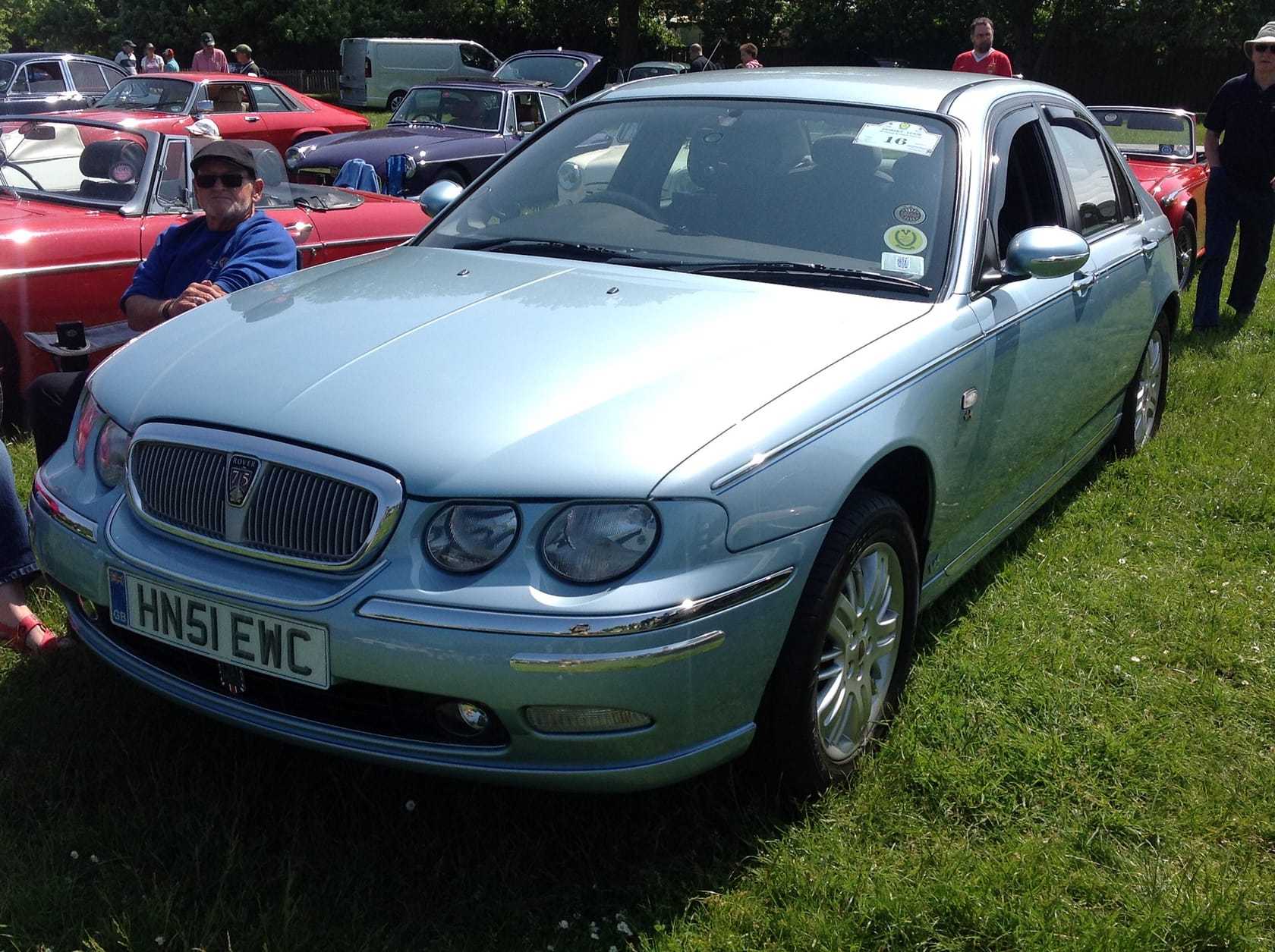
Some cars become classics through greatness, others through tragedy; the Rover 75 managed both. Launched under BMW in 1998 to genuine acclaim, praised for a ride and richness its German parent envied, it became the flagship of MG Rover’s doomed independence and, in April 2005, the last all-new Rover the British industry would ever produce. The 75’s passage from unfashionable to cherished has been unusually swift by classic-market standards, and its market today sits exactly where every great classic story starts: at the very bottom, and visibly turning.
BMW money, Longbridge ending
The 75 was the best-resourced Rover in decades: developed under BMW ownership with Richard Woolley’s deliberately rich retro styling, praised at its 1998 Birmingham show unveiling and built first at Cowley to quality targets the marque had not hit since the P6’s prime. BMW’s 2000 break-up of the group sent the car to Longbridge under MG Rover, where the handsome Tourer estate joined in 2001, a facelift freshened the range in 2004, and the company fought on with dwindling resources and undiminished engineering pride until the collapse of April 2005 ended production at about 211,000 cars, closed Longbridge and finished the marque’s hundred-year story in a single week of headlines.

The MG ZT twins and the V8
Longbridge’s engineers spent their independence cleverly: the 2001 MG ZT and ZT-T estate turned the 75 monochrome and firm-riding for the sporting audience, and in 2003 came the family’s cult heroes, the ZT 260 and Rover 75 V8, which carried a 4.6-litre Ford Mustang V8 driving the rear wheels through a comprehensively re-engineered floor, one of the era’s great unlikely engineering projects. A few hundred V8 cars were built before the end across both badges, and they now anchor the family’s collector market the way homologation specials anchor other marques’, trading in five figures while their four-cylinder siblings still change hands for beer money.

The club era begins
The 75’s afterlife arrived faster than anyone predicted: within a decade of the collapse the model had one of the most active single-model club scenes in Britain, show classes of polished Connoisseurs, insurer classic policies and a spares network organised by enthusiasts who saw the attrition coming. Sentiment does real work in this market, because the 75 carries the entire ending of the British-owned volume car industry inside its story, and every clean survivor on a show field reads as a small monument to it. The pattern of adoption, enthusiasm and clubs first, scarcity and values later, is precisely the one that carried the SD1 from banger to respected classic a generation earlier, and the 75 is tracking it almost exactly, with the added poignancy that nothing came after it.
What a 75 is like to drive
The 75 drives like its designers’ argument: supple, quiet and unhurried, with a ride quality period road tests rated the class best, light precise steering and a cabin of real wood, chrome-ringed dials and armchair seats that out-Rovered every Rover before it. The KV6 is smooth, the BMW diesel effortless and frugal at fifty to the gallon, the 1.8 adequate around town, and the ZTs genuinely sharpen the chassis without ruining the comfort, the 260’s V8 rumble turning the formula gleefully on its head. Motorways pass in silence, B-roads are dispatched with more composure than pace, and it remains a deeply relaxing car to cover distance in, which is the most Rover verdict available and the one its designers would have wanted.

Buying a Rover 75 today
The examination is short and specific: 1.8 K-series cars want head gasket history or the well-proven uprated fix documented in writing, KV6s want cambelt and thermostat evidence because the schedule is involved and often skipped, diesels want only servicing and a glance at the plenum drains, and bodywork resists rust well enough for the era that condition, electrics and interior completeness matter more than corrosion on all but the most neglected cars. Interiors wear well but completeness counts. The club scene is large and devoted, parts remain plentiful, and the cared-for minority of survivors is pulling away from the neglected majority in value terms, exactly as the MGF’s market began doing years earlier under the same collapsed-marque sentiment.

Values: the turn has begun
One hundred and thirty-two measured sales at a £2,100 median price the last Rover as the bargain it will not remain: running cars from £800, good examples £2,000 to £5,000, the best beyond £8,000 and the V8 rarities in five figures. Bangernomics is thinning the herd fast, nostalgia for the marque grows rather than fades as the collapse recedes into history, and the 75 is following the classic-market script line by line: clubs, then scarcity, then money. The last great Rover is very probably the cheapest it will ever be, and the best examples already know it.
More photos
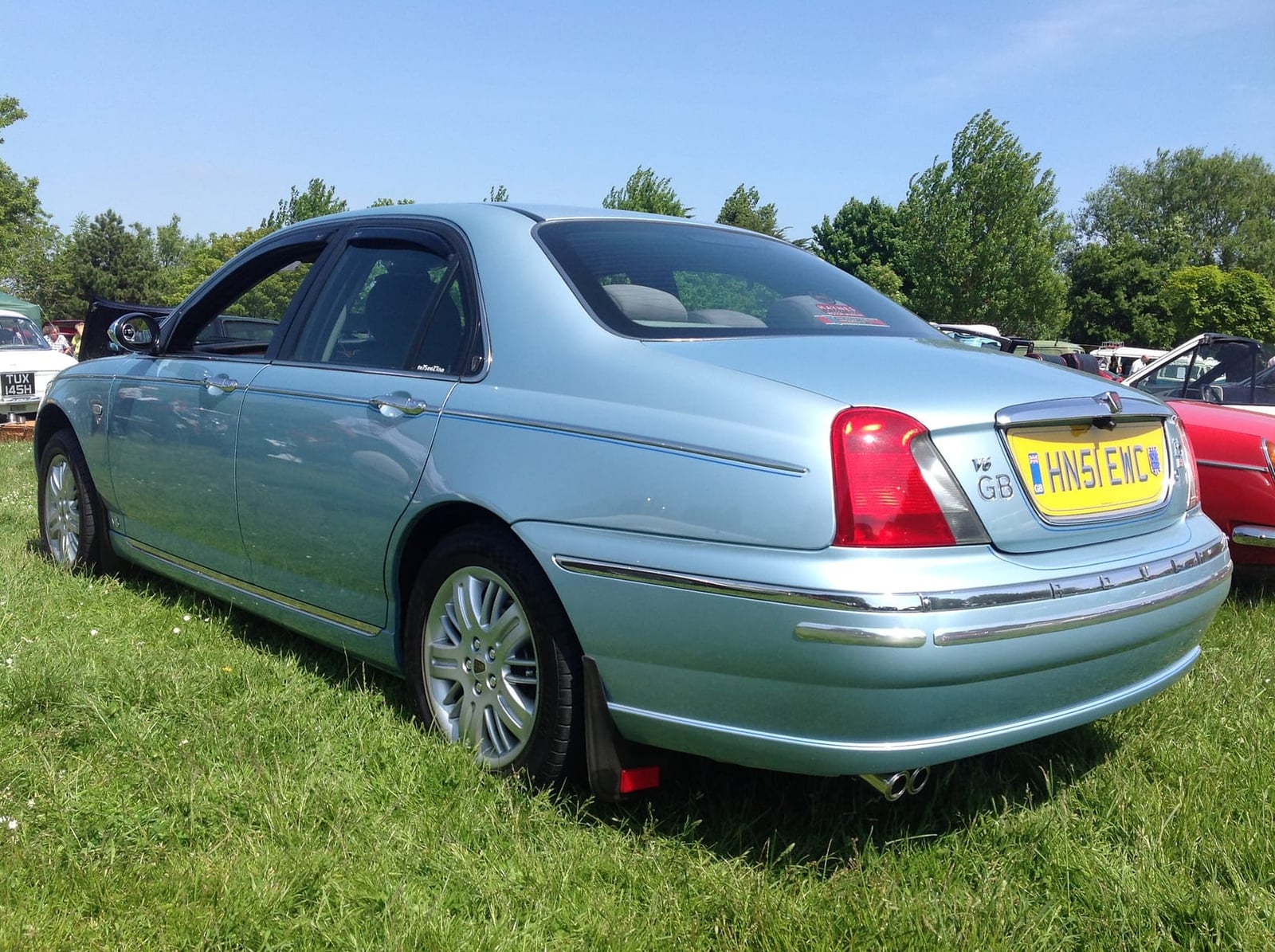
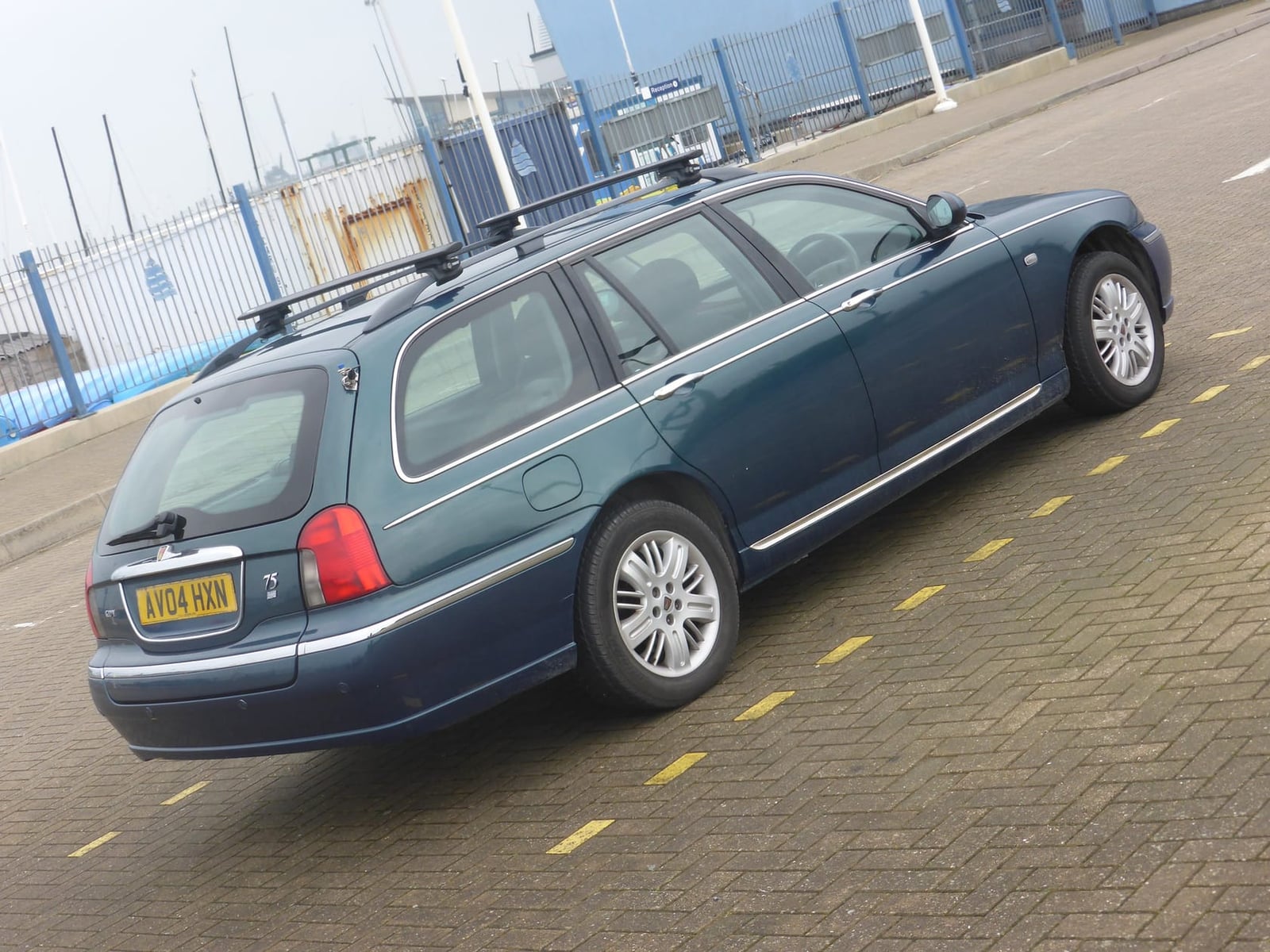
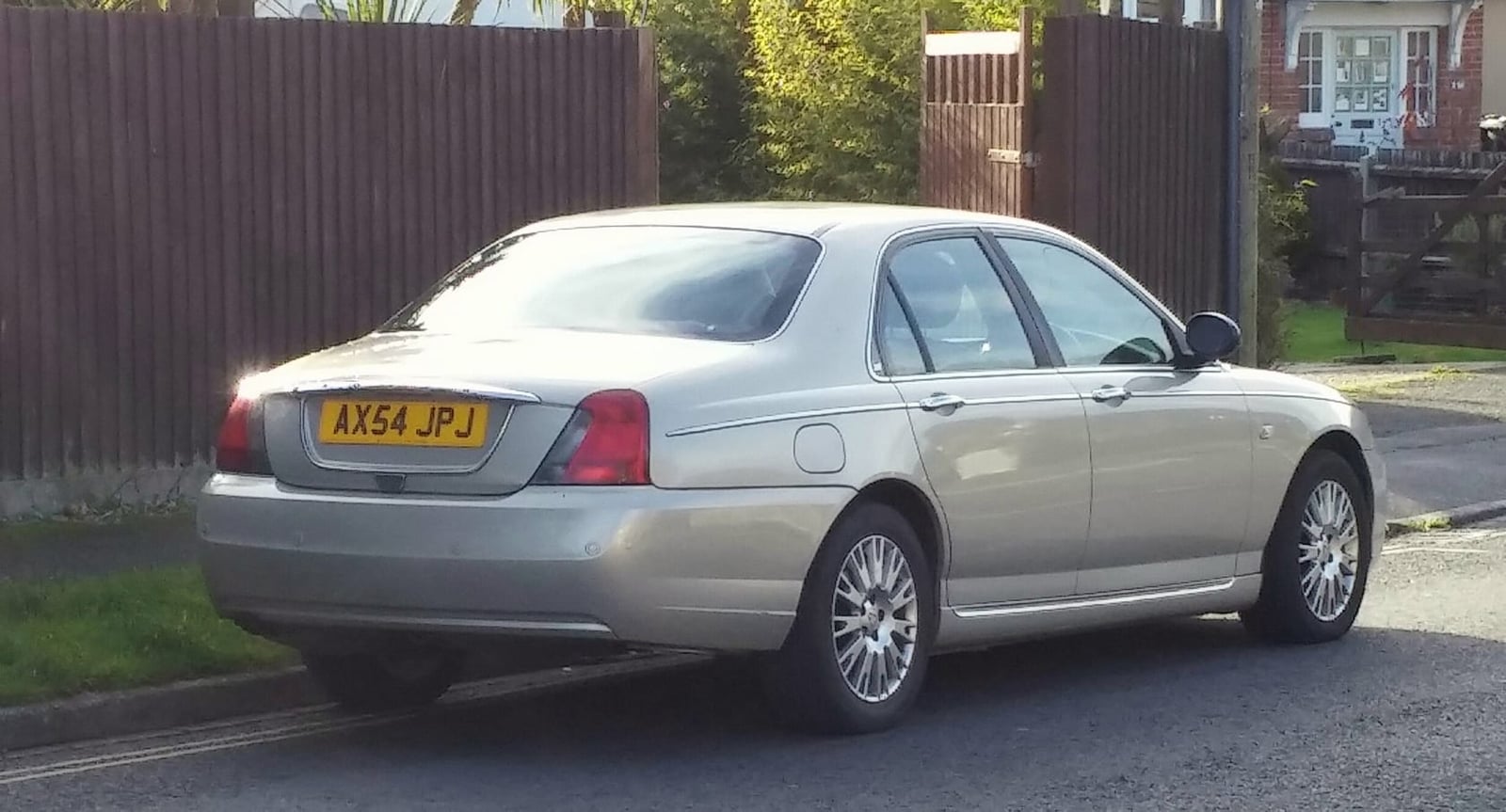
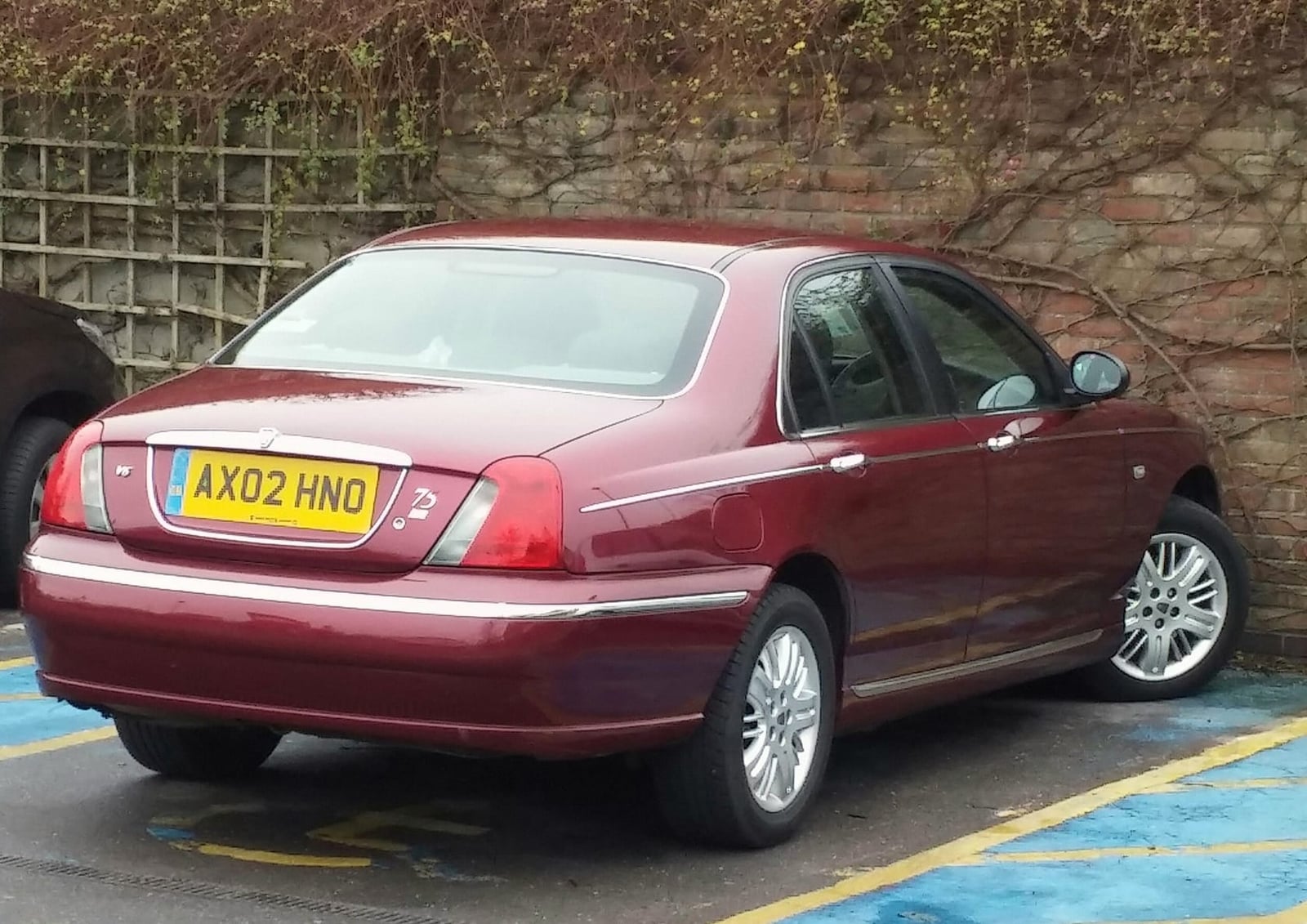
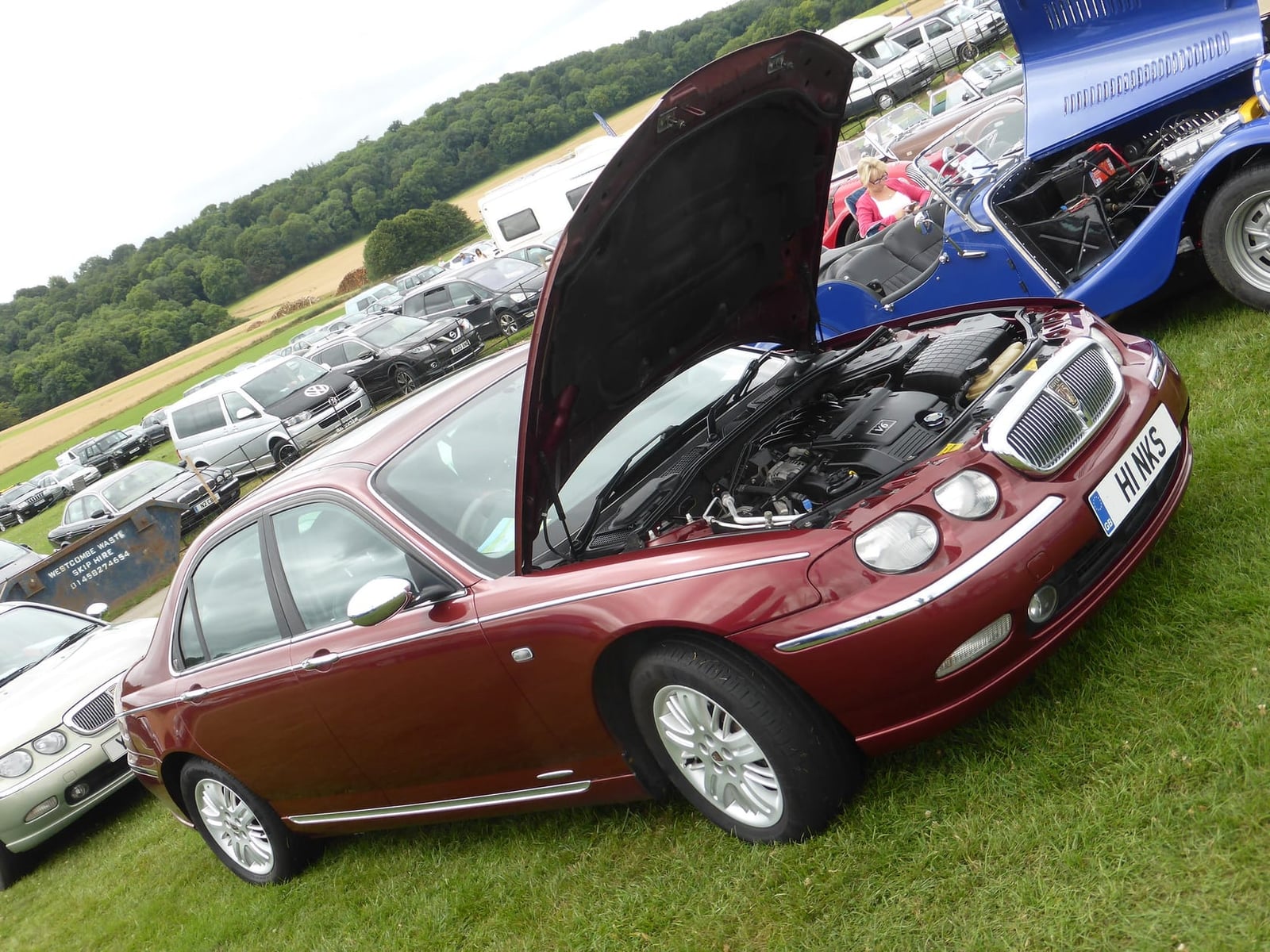
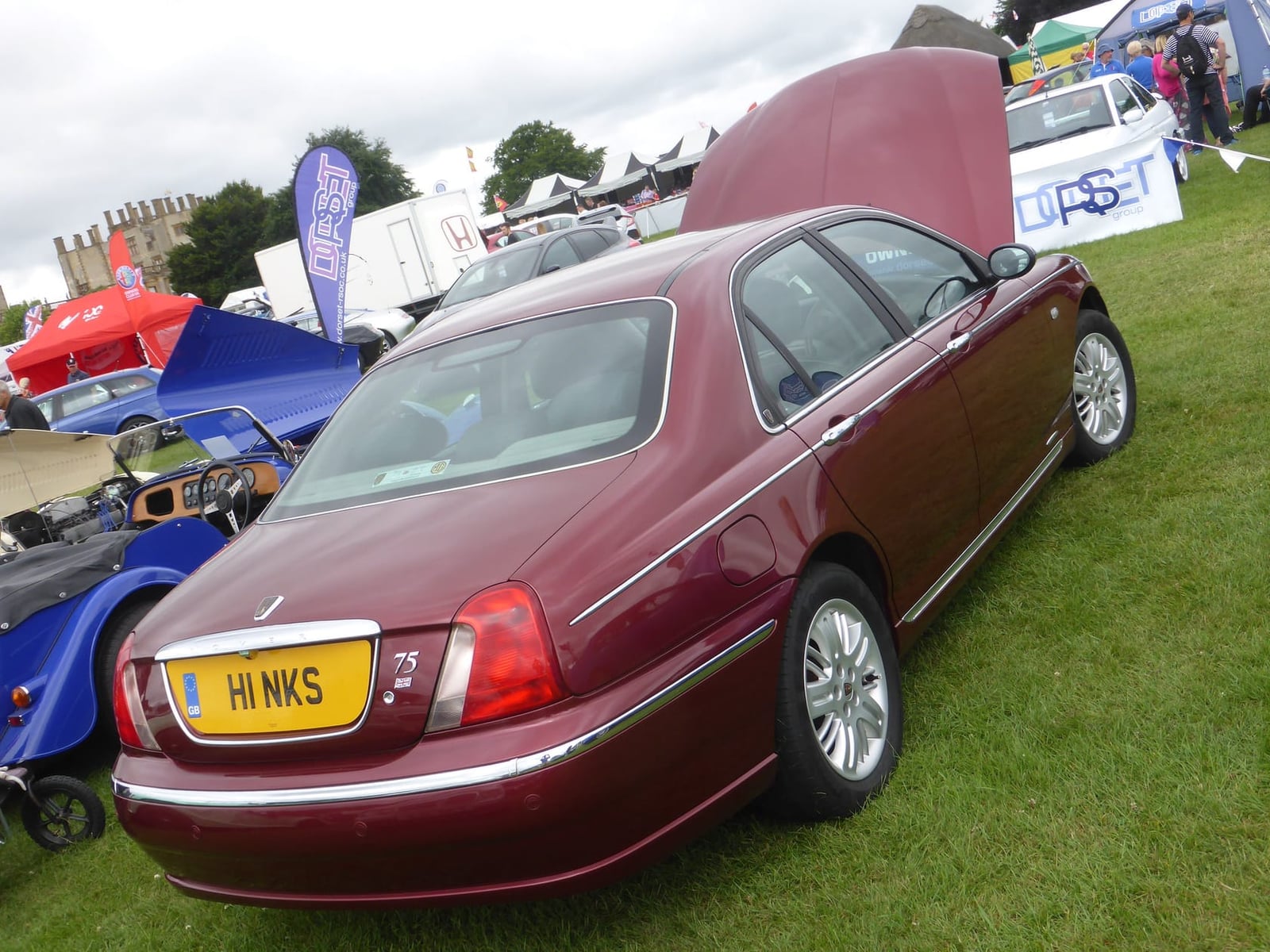
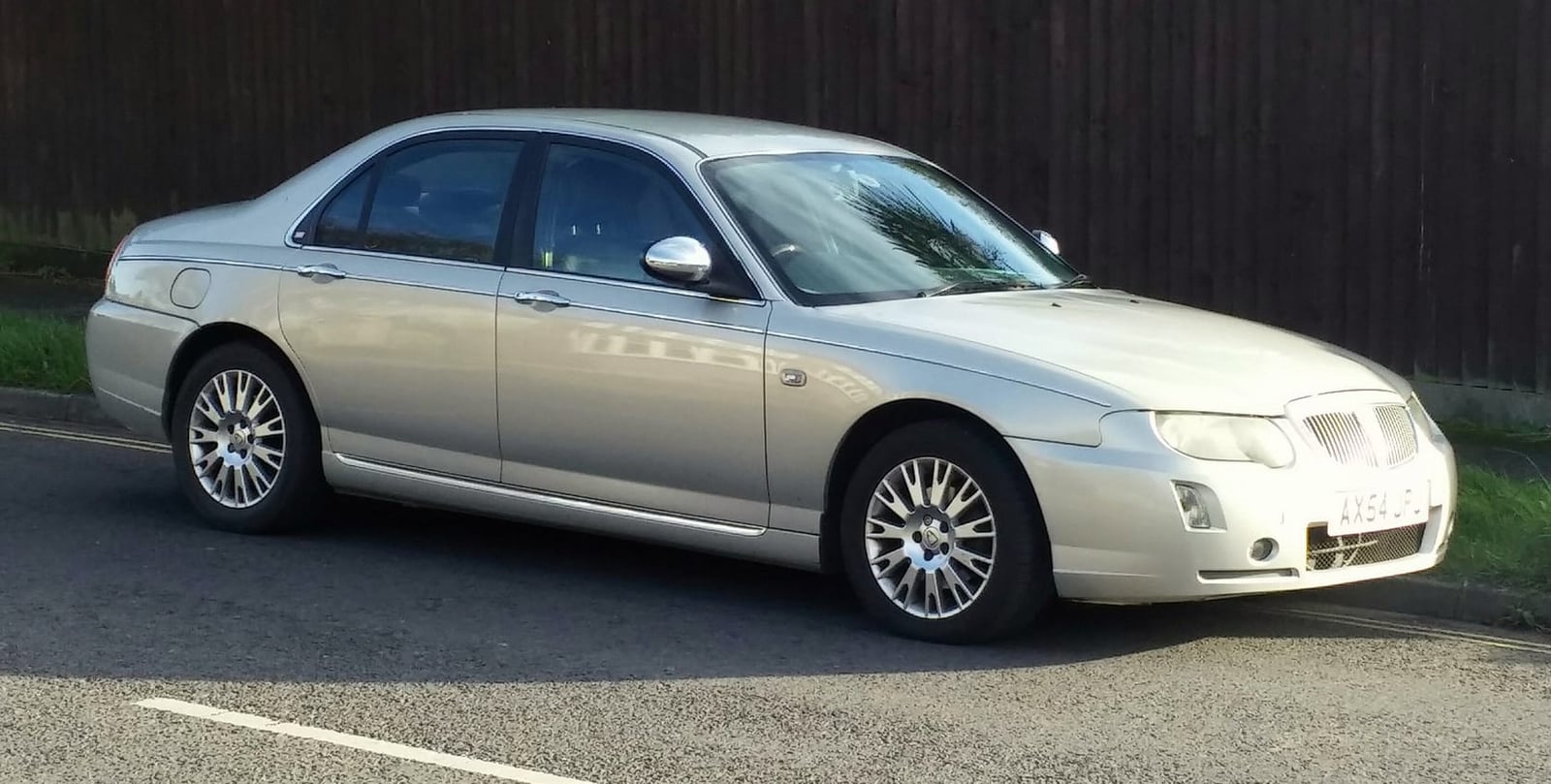
75: the short history
- 1998Unveiled at the Birmingham show under BMW ownership to genuine acclaim, with Richard Woolley's deliberately rich retro styling.
- 1999Production begins at Cowley to quality targets the marque had not hit since the P6's prime.
- 2000BMW breaks up the group and the car moves to Longbridge under MG Rover.
- 2001The Tourer estate joins, along with the MG ZT and ZT-T twins, monochrome and firm-riding for the sporting audience.
- 2003The ZT 260 and Rover 75 V8 arrive with a 4.6-litre Ford Mustang V8 driving the rear wheels through a comprehensively re-engineered floor.
- 2004A facelift freshens the range.
- April 2005MG Rover collapses, ending production at about 211,000 cars and closing Longbridge.
The 75 viewing checklist
Engine paperwork, by type
- 1.8 K-series: head gasket history, or the well-proven uprated fix documented in writing
- KV6: cambelt and thermostat evidence, because the schedule is involved and often skipped
- BMW diesel: servicing records and a glance at the plenum drains, and little else
- V8 cars are a different proposition entirely and need specialist assessment
Condition, which is not mostly rust
- Bodywork resists rust well for the era, so electrics and interior completeness matter more
- Interiors wear well, but completeness counts and wood and trim are model-specific
- On the most neglected cars corrosion does eventually arrive; those are the ones to walk away from
- A cared-for car with history is pulling away from the herd in value terms
Which version
- Saloon and Tourer differ in practicality rather than character
- ZT and ZT-T sharpen the chassis without ruining the comfort
- A few hundred V8 cars were built across both badges, and they anchor the family's collector market
- Connoisseur and SE trims carry the wood and leather the model is remembered for
What the 75 & MG ZT sells for at auction
In 2025 the median 75 & MG ZT sold for £1,725 across 28 sales, 7% down on 2024. In real terms, typical 75 & MG ZT prices were down about 62% over the five years to 2025, once inflation is accounted for.
Show the year-by-year mediansHide the year-by-year medians
| Year | Sold | Median | In 2025 money |
|---|---|---|---|
| 2026 (so far) | 17 | £2,700 | |
| 2025 | 28 | £1,725 | £1,725 |
| 2024 | 30 | £1,860 | £1,932 |
| 2023 | 17 | £1,960 | £2,103 |
| 2022 | 12 | £2,848 | £3,262 |
| 2021 | 15 | £2,001 | £2,474 |
| 2020 | 4 | £3,595 | £4,556 |
| 2019 | 4 | £1,680 | £2,151 |
- £3,65275
- £1,37075
- £1,26075
- £66075
- £2,70075
Reasonable evidence. 132 recorded sales: enough for the range to mean something, though a few unusual cars can still move a single year's median. Based on 132 sold results from public classic car auctions (2009 to 10 August 2026). Sold prices, not asking prices, and not a valuation: condition, history and specification vary from car to car. Inflation-adjusted figures use the ONS CPIH index, in 2025 money.