Rover SD1: supercar lines, police stripes, Leyland luck (1976–1986)
The Rover SD1 wrapped a V8 executive car in Ferrari-inspired fastback lines, won European Car of the Year, dominated motorway patrols and touring-car grids, and fought Leyland-era build quality all the way. A guide to 2000 to Vitesse, the racing record, buying checks and values.
Built 1976–1986 74 recorded sales
At a glance
- Years
- 1976–1986
- Body styles
- Five-door fastback hatchback
- Drivetrain
- Front engine, rear-wheel drive
- Engines
- 2.0 four; 2.3/2.6 six; 2.4 turbodiesel; 3.5 V8; V8 Vitesse
- Power
- Around 101 bhp (2300) to 190 bhp (Vitesse)
- Top speed
- Up to around 135 mph (Vitesse)
- Trim levels
- 2000, 2300, 2600, 3500, SE, Vanden Plas, Vitesse
- Production
- Around 303,000
- Assembly
- Solihull, then Cowley from 1982
- Designer
- David Bache
- Values
- Usable from around £4,000; good cars £7,000-£12,000; Vitesse and the best V8s beyond
- The silhouette
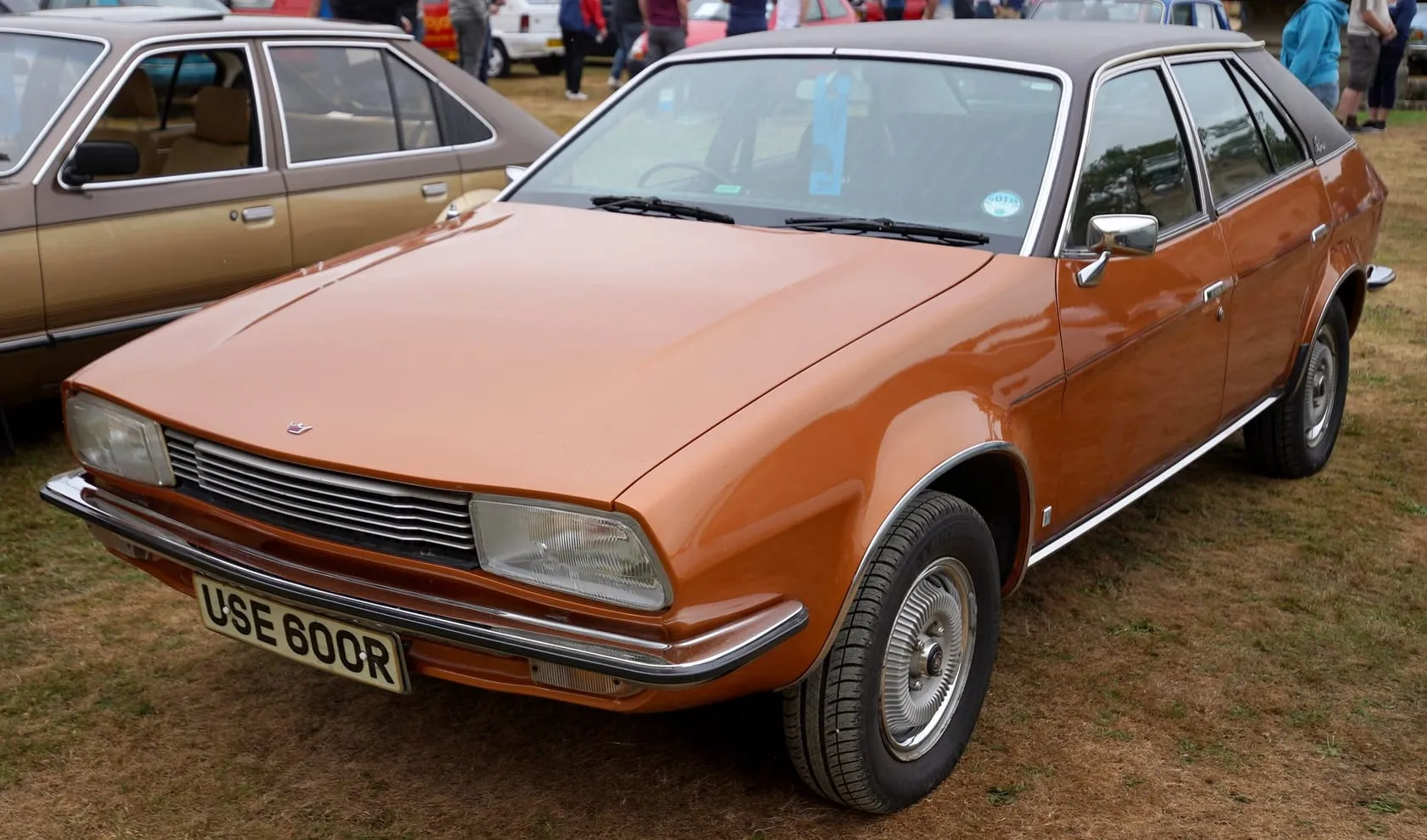
- David Bache freely credited the Ferrari Daytona's influence on the nose
- The double
- European Car of the Year 1977, and Rover's second win after the P6's first
The models
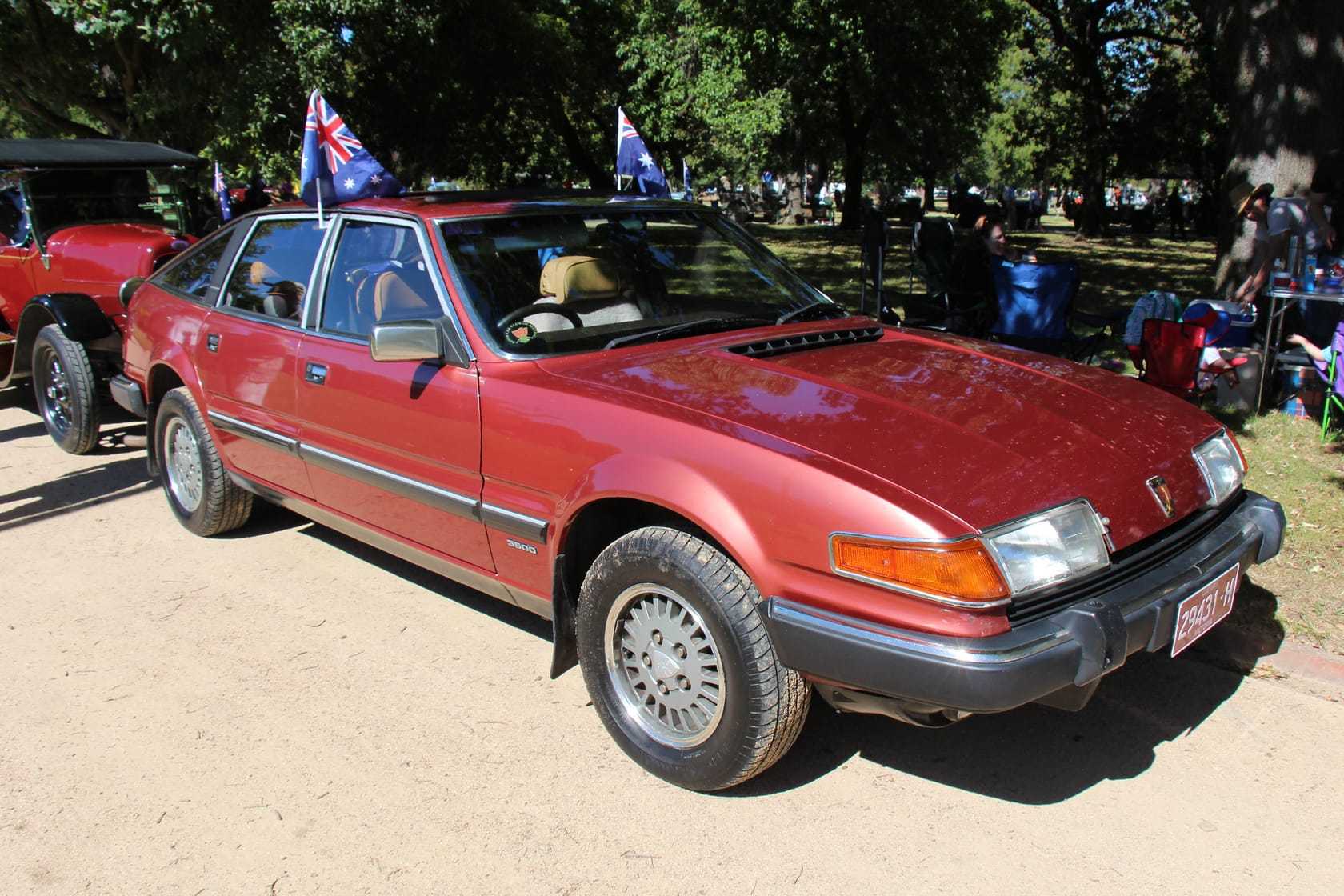
The last car of classic Rover was its most audacious. The SD1 of 1976 gave the executive class a Ferrari-flavoured fastback with a V8 heart, won the marque its second European Car of the Year title, and became the definitive police motorway car, all while fighting the Leyland-era build quality that kept sabotaging it. The Rover SD1 is the great flawed thriller of British saloons, and its survivors carry the whole story.
Bache’s Daytona for the executive class
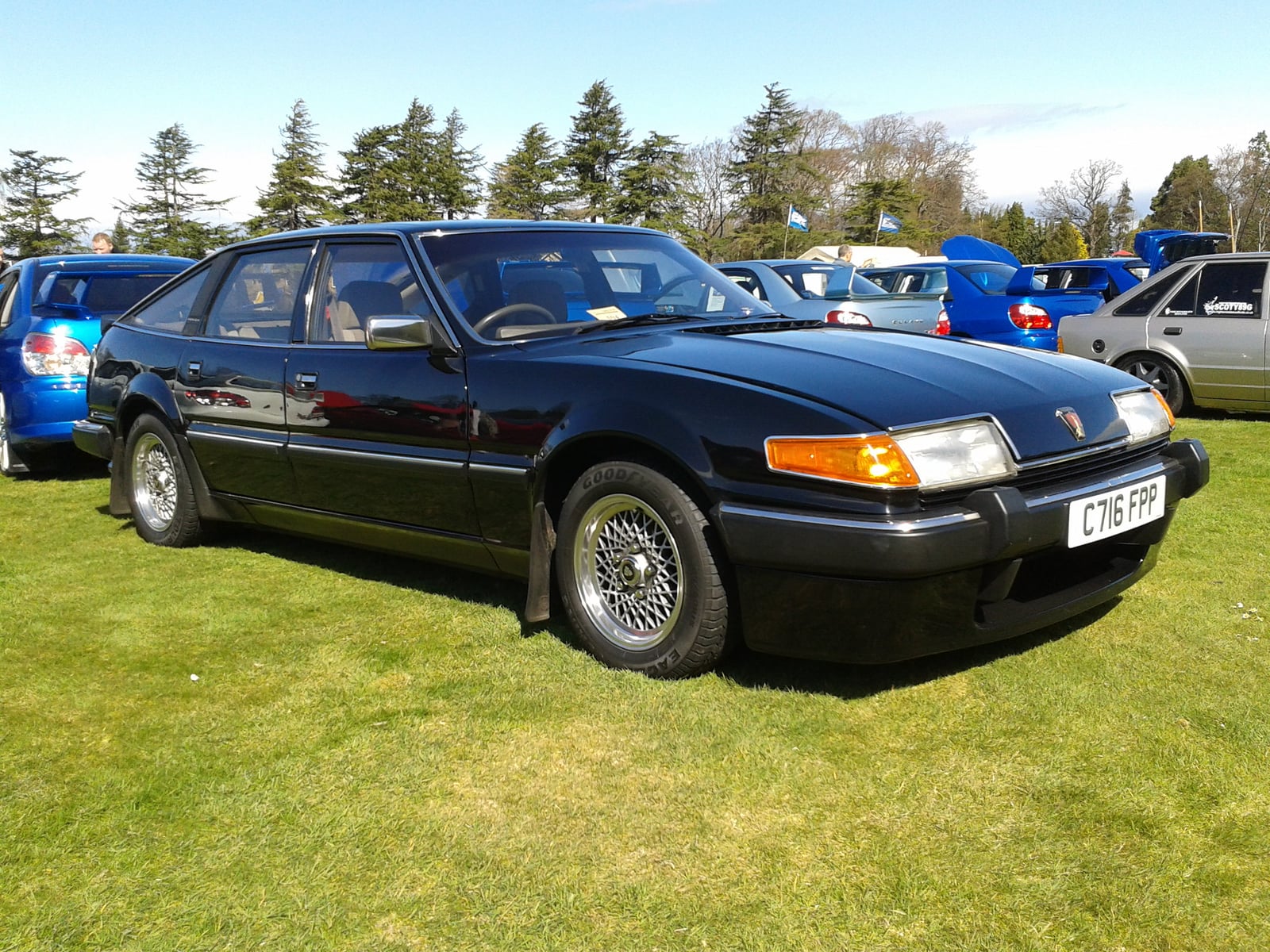
David Bache never hid the inspiration: the SD1’s shark nose and six-light fastback consciously channelled the Ferrari Daytona onto a five-door executive car, over engineering deliberately simplified from the P6’s complexity, a live axle replacing the de Dion, the trusted 3.5 V8 up front. The package stunned the class in 1976: supercar looks, hatchback practicality, 125 mph, and a Car of the Year jury verdict to seal it. Nothing German offered the drama at anywhere near the money.

From 2000 to Vanden Plas: the range
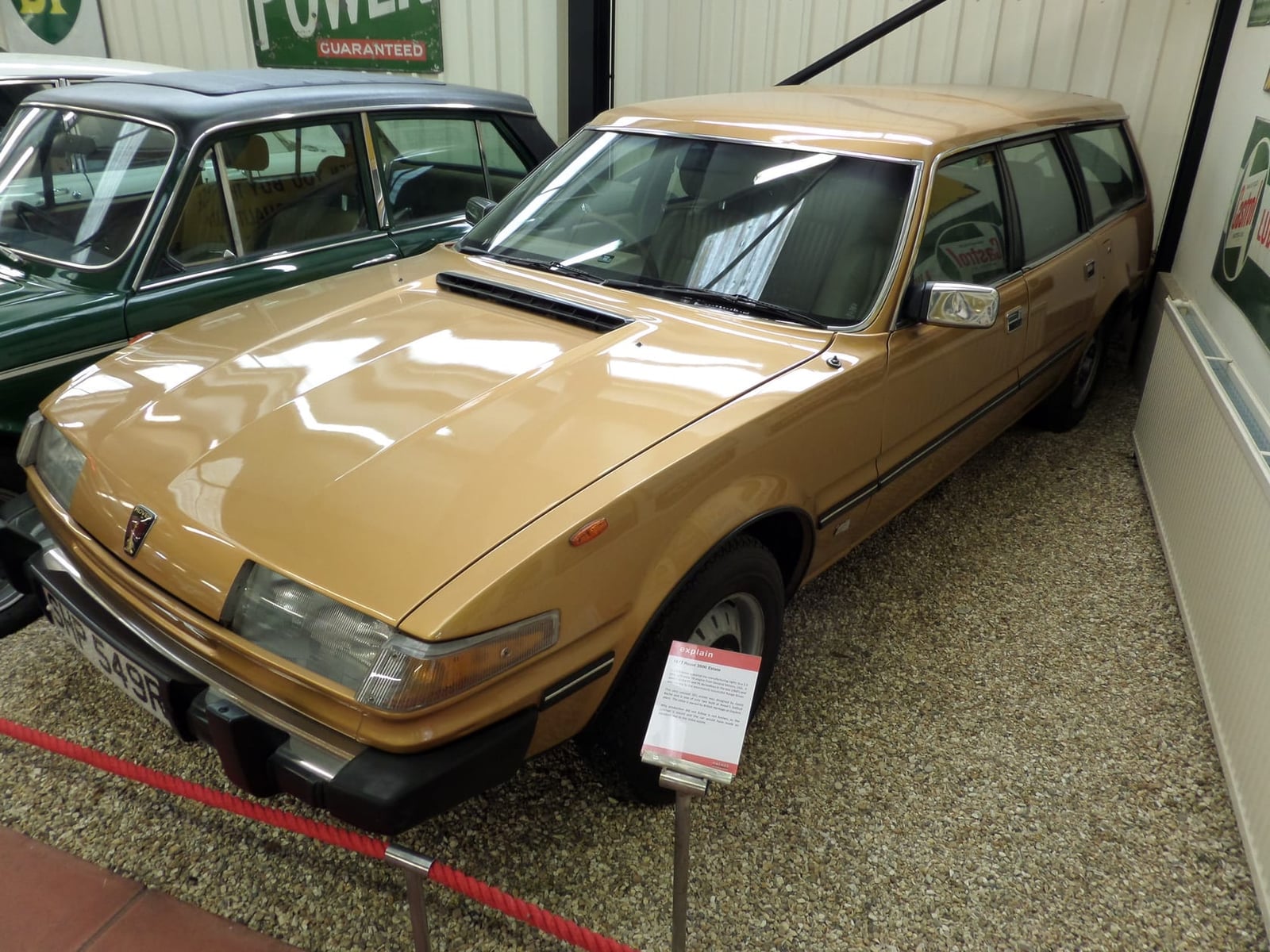
Beneath the V8 flagship grew a full ladder: the 2300 and 2600 straight-sixes of 1977 for the fleet heartland, a 2.0-litre four and a VM turbodiesel for cost-and-continent duty, and plusher SE and Vanden Plas trims topping the mainstream. The 1982 Series 2 brought the deeper rear window, better cabins and the move to Cowley. The mix produced over 300,000 cars in a decade, most worked hard and few cherished, which is why the sixes and fours are now the range’s unexpected rarities while the V8s carry its flag.

Vitesse: the fast flagship
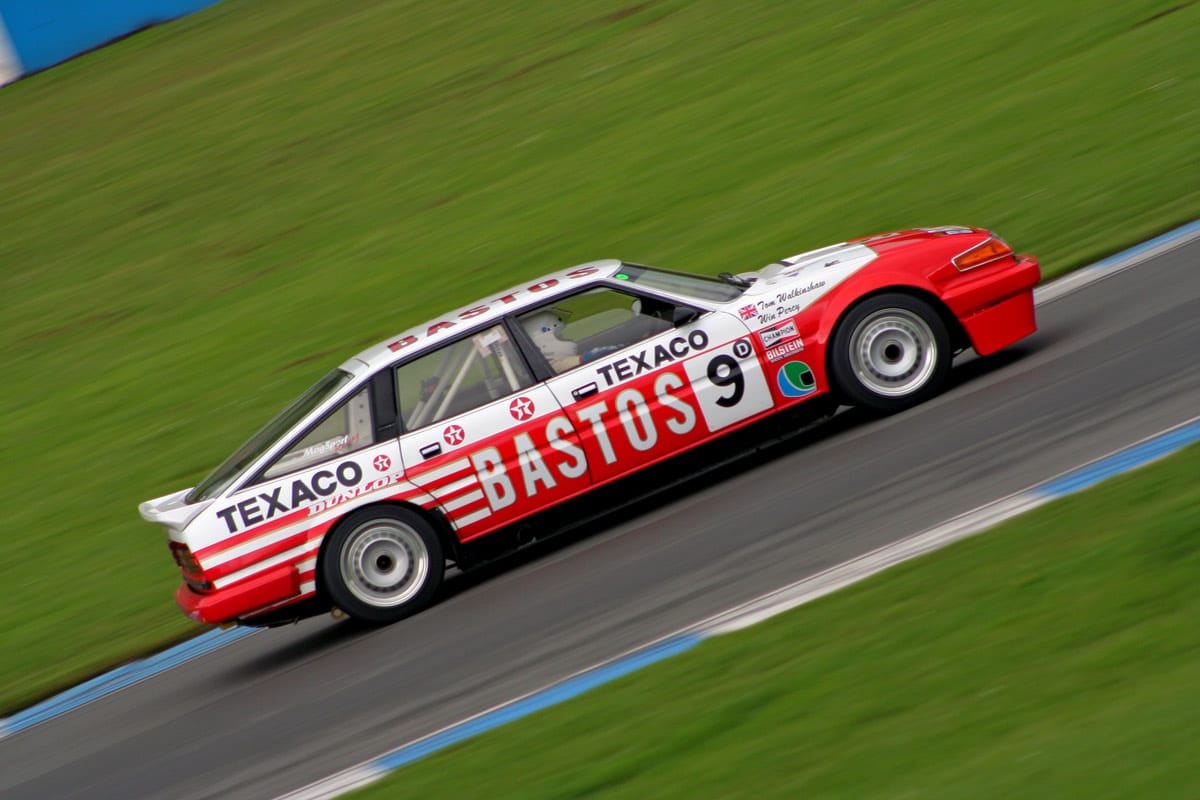
In 1982 fuel injection lifted the V8 to 190 bhp and the Vitesse name returned from Triumph’s back catalogue, attached to a lowered, bespoilered 135 mph flagship that gave the SD1 its performance legend. Twin-plenum homologation cars armed the racers: Tom Walkinshaw’s SD1s brawled with BMW through mid-1980s touring-car seasons, winning famously and sometimes controversially, and Group A rally versions added forest credibility. The Vitesse remains the collector summit of the range, with the racing cars’ aura attached to every survivor.

Build quality: the Leyland luck
The SD1’s tragedy was industrial. The gleaming new Solihull assembly hall of 1976 produced cars whose paint, electrics and assembly betrayed the design weekly, and the reputation cost sales the shape had already won; by the time Cowley-built Series 2 cars came good, the class had moved on. Four decades of survival have inverted the story, the remaining cars are the sorted ones, but the saga explains both the SD1’s modest survivor count and its enduring underdog affection. When production ended in 1986, the Honda-partnership Rover 800 took the British Leyland story into its next act, and classic Rover closed here.

Police cars and the national memory
For a decade the SD1 3500 was the motorway’s authority figure: white paint, orange stripe, blue lights filling the fastback glass. Forces from the Met outward ran hundreds, thrashed them through double shifts and sold them exhausted, which is why genuine ex-police survivors are now rarer than Vitesses and why replica patrol cars are a loved club genre. Television sealed the image, from news footage to drama, and any SD1 in white still triggers a certain generation’s mirror-check. Few classics carry so specific a place in the national memory.

What an SD1 is like to drive
An SD1 V8 still delivers the original promise: lazy, long-geared muscle, a fine ride, light steering and that fastback practicality, a genuine continent-crusher with the right service history. The Vitesse sharpens everything without losing the manner. Sixes are smooth and adequate rather than quick. The driving position and David Bache’s module dashboard keep the cabin feeling special, and modern traffic still makes way, half in respect, half expecting blue lights.

Buying an SD1 today
Rust rules: tailgate frames, screen surrounds, sills, arches, inner wings and the rear suspension mounts all go, and structural repair outpaces values quickly, so buy shells not specifications. Electrics reward patient fettling; V8s want cooling and oil-pressure honesty; injection Vitesses need their systems understood. Originality is scarce after decades of modification, and unmodified cars, especially early Series 1 survivors and honest Vitesses, carry firm premiums. The club scene, seasoned by every Leyland joke ever told, knows exactly which cars matter.

Values: the climb underway
Seventy-four measured sales at a median near £6,900 mark the SD1’s move from banger to classic: usable cars £4,000 to £7,000, good V8s £7,000 to £12,000, Vitesses beyond and twin-plenums in their own world. For a Car of the Year winner with a touring-car title and the 1980s’ most televised silhouette, that remains early money. The last classic Rover is finally being valued like one; the wise are buying before the verdict is unanimous.

More photos
SD1: what changed and when
- 1976Launched as the 3500 alone, V8 only, built in a purpose-built assembly hall at Solihull.
- 1977European Car of the Year, Rover's second win after the P6 took the inaugural award; the 2300 and 2600 straight-sixes join below the V8.
- 1982Series 2 arrives with a deeper rear window and a better cabin, and assembly moves to Cowley; the fuel-injected 190 bhp Vitesse revives a Triumph name.
- Mid-1980sTom Walkinshaw's twin-plenum Vitesses fight BMW through the touring-car seasons, winning famously and sometimes controversially.
- 1986Production ends after around 303,000 cars; the Honda-partnership Rover 800 replaces it and classic Rover closes here.
What to check on an SD1
Rust and structure
- Tailgate frame and both screen surrounds, where water sits and the repair is awkward
- Sills, arches and inner wings, then the rear suspension mounts, which are structural
- Buy the shell over the specification: bodywork costs overtake SD1 values quickly
- Series 1 cars are the ones most likely to have been left to rot; check earlier cars harder
Engine and running gear
- V8: cooling system honesty and oil pressure, the two things owners let slide
- Vitesse injection needs a seller who can explain it, not just start it
- The 2300 and 2600 sixes are smooth and adequate, and now rarer than the V8
- Live rear axle, deliberately simplified from the P6's de Dion, so it is simple to check
Originality and identity
- Decades of modification make an unmodified car scarce and worth a firm premium
- Genuine ex-police cars are rarer than Vitesses; replicas are a loved club genre, priced as such
- Vanden Plas and SE trim carry a premium, so confirm the trim is the car's own
- Twin-plenum homologation Vitesses sit in their own bracket; verify before paying it
What the SD1 sells for at auction
In 2025 the median SD1 sold for £6,950 across 10 sales, 43% down on 2024. In real terms, typical SD1 prices were down about 49% over the five years to 2025, once inflation is accounted for.
| Variant | Sold | Typical range | Median |
|---|---|---|---|
| SD1 | 45 | £3,348 - £9,680 | £5,699 |
| SD1 Vanden Plas | 14 | £4,976 - £12,645 | £7,220 |
| SD1 Vitesse | 13 | £11,050 - £24,750 | £13,132 |
Show the year-by-year mediansHide the year-by-year medians
| Year | Sold | Median | In 2025 money |
|---|---|---|---|
| 2026 (so far) | 5 | £14,062 | |
| 2025 | 10 | £6,950 | £6,950 |
| 2024 | 8 | £12,231 | £12,700 |
| 2023 | 7 | £6,440 | £6,911 |
| 2022 | 15 | £5,750 | £6,585 |
| 2021 | 8 | £7,882 | £9,747 |
| 2020 | 4 | £10,655 | £13,502 |
| 2018 | 6 | £2,956 | £3,848 |
| 2016 | 3 | £3,938 | £5,381 |
| 2015 | 4 | £5,735 | £7,914 |
- £5,060SD1
- £15,211SD1 Vanden Plas
- £23,200SD1
- £14,062SD1
- £9,000SD1
Reasonable evidence. 74 recorded sales: enough for the range to mean something, though a few unusual cars can still move a single year's median. Based on 74 sold results from public classic car auctions (2006 to 10 August 2026). Sold prices, not asking prices, and not a valuation: condition, history and specification vary from car to car. Inflation-adjusted figures use the ONS CPIH index, in 2025 money.
Frequently asked questions
Why does the Rover SD1 look like a Ferrari?
What engines did the Rover SD1 have?
Was the Rover SD1 build quality really that bad?
Why did the police use so many Rover SD1s?
How much is a Rover SD1 worth?
What is the most expensive SD1 ever sold at auction?
How often does an SD1 come up for sale?
Related across themes

More from Rover


Recently added

Bentley Turbo R: the blown Bentley that saved the badge (1985–1999)

Bentley S-series: the quiet twin with the beautiful secrets (1955–1965)

Rolls-Royce Silver Spirit and Silver Spur: the last Crewe bargain (1980–1999)
