British Leyland (BL), explained
What British Leyland was, the marques it absorbed, the thirty-year industrial arc from the 1968 merger through nationalisation and privatisation to the 1999 BMW breakup, and why it still matters for owners of 1970s and 1980s British classics.
Part of: the British classic car glossaryThe terms
British Leyland was the umbrella industrial entity that owned most of the British volume car industry between 1968 and the late 1990s. It was formed by the 1968 merger of British Motor Holdings (BMH) and Leyland Motors, nationalised in 1975, broken up in stages from the early 1980s, and finally dismantled in 1999 after BMW’s brief five-year ownership.
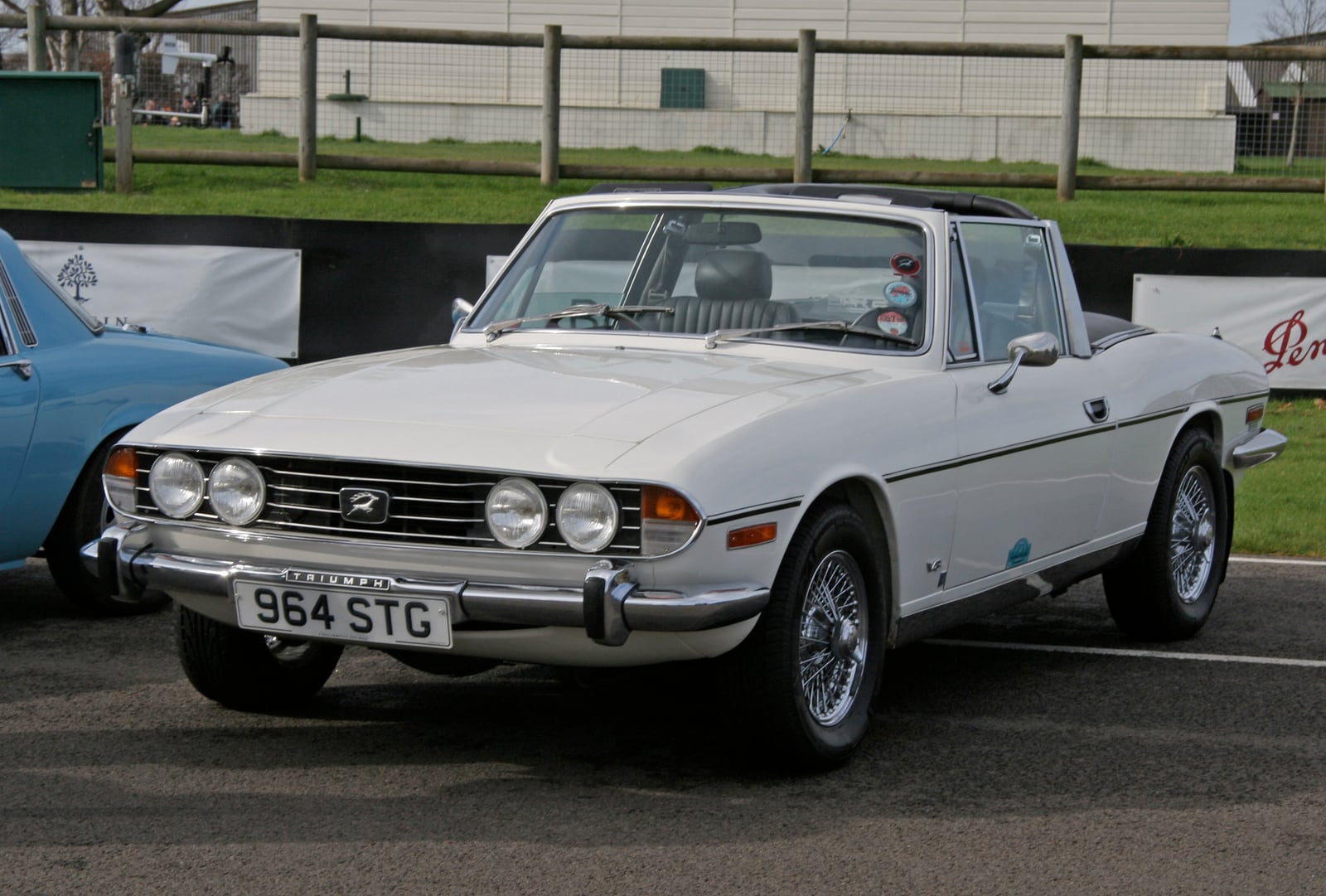
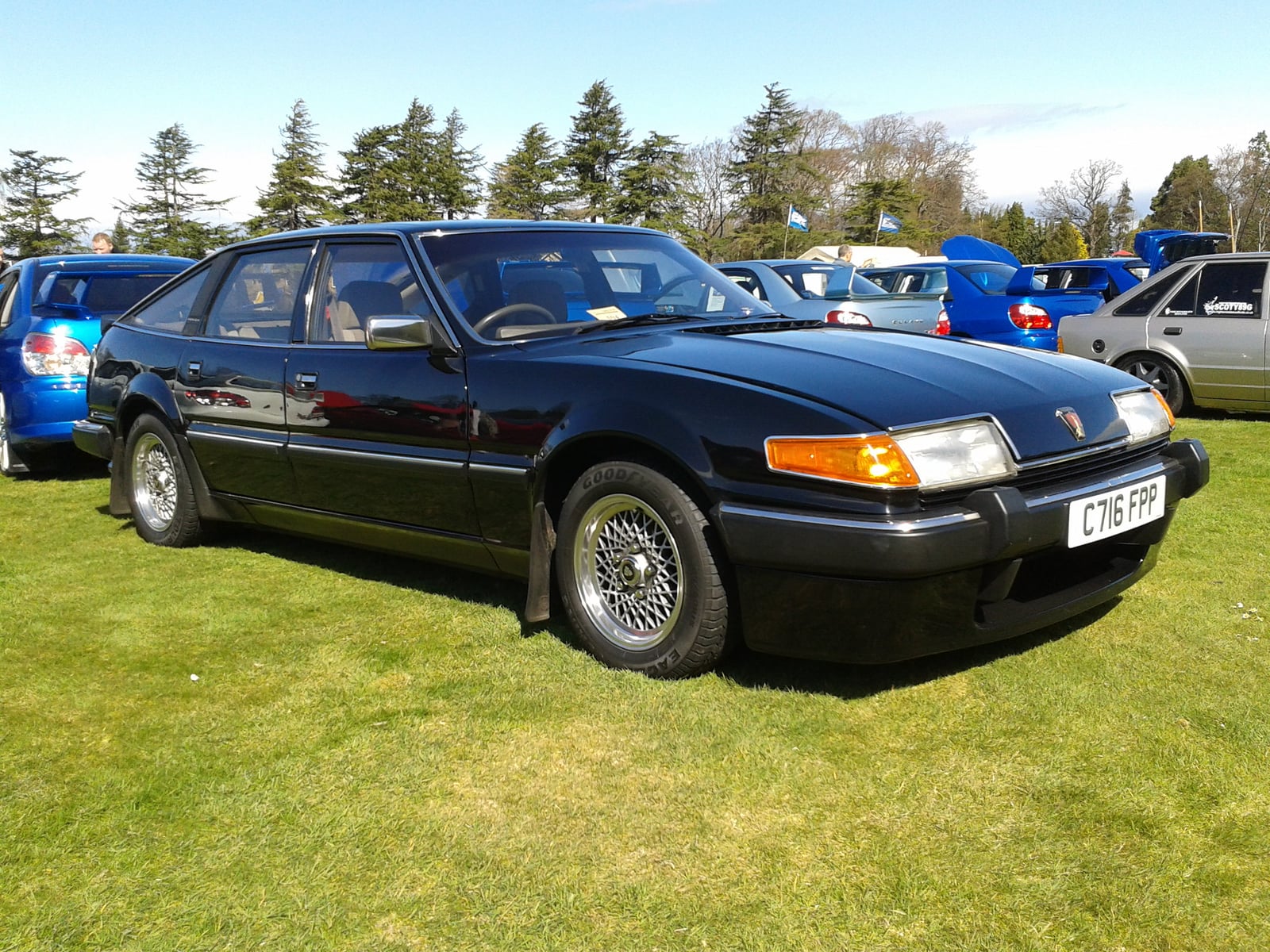
For owners of British classic cars from the 1970s and 1980s, BL is the corporate structure that built more than half of the cars that survive from those decades. Knowing what BL was, when it owned what, and what happened to the various pieces, is part of understanding why a 1976 Triumph Stag, a 1982 Austin Allegro, and a 1989 Rover SD1 share a corporate ancestor even though almost nothing else about them is similar.

How British Leyland was formed
The 1968 merger combined two pre-existing groups, each itself the product of earlier consolidations.
British Motor Holdings (BMH), formed in 1966, owned:
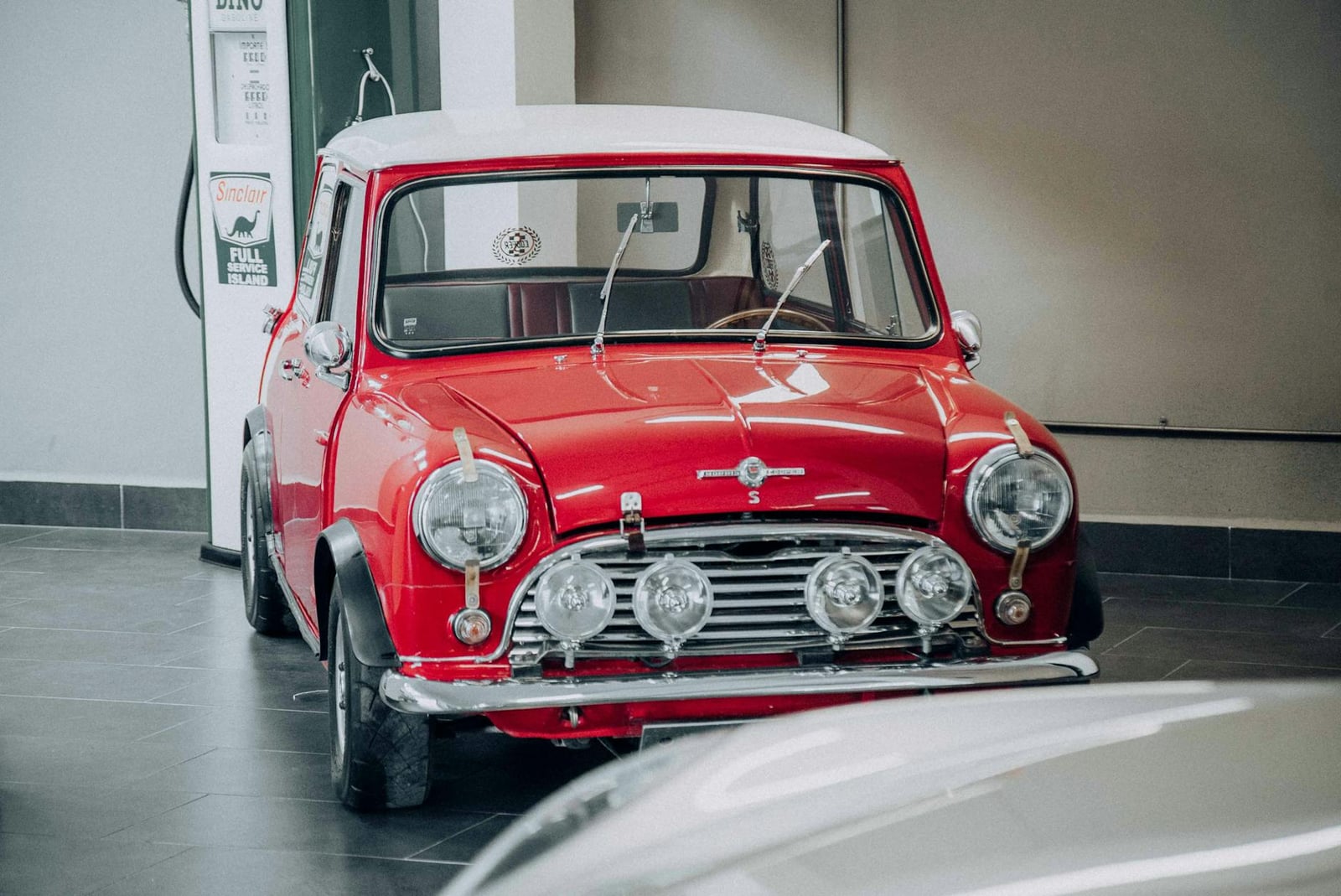
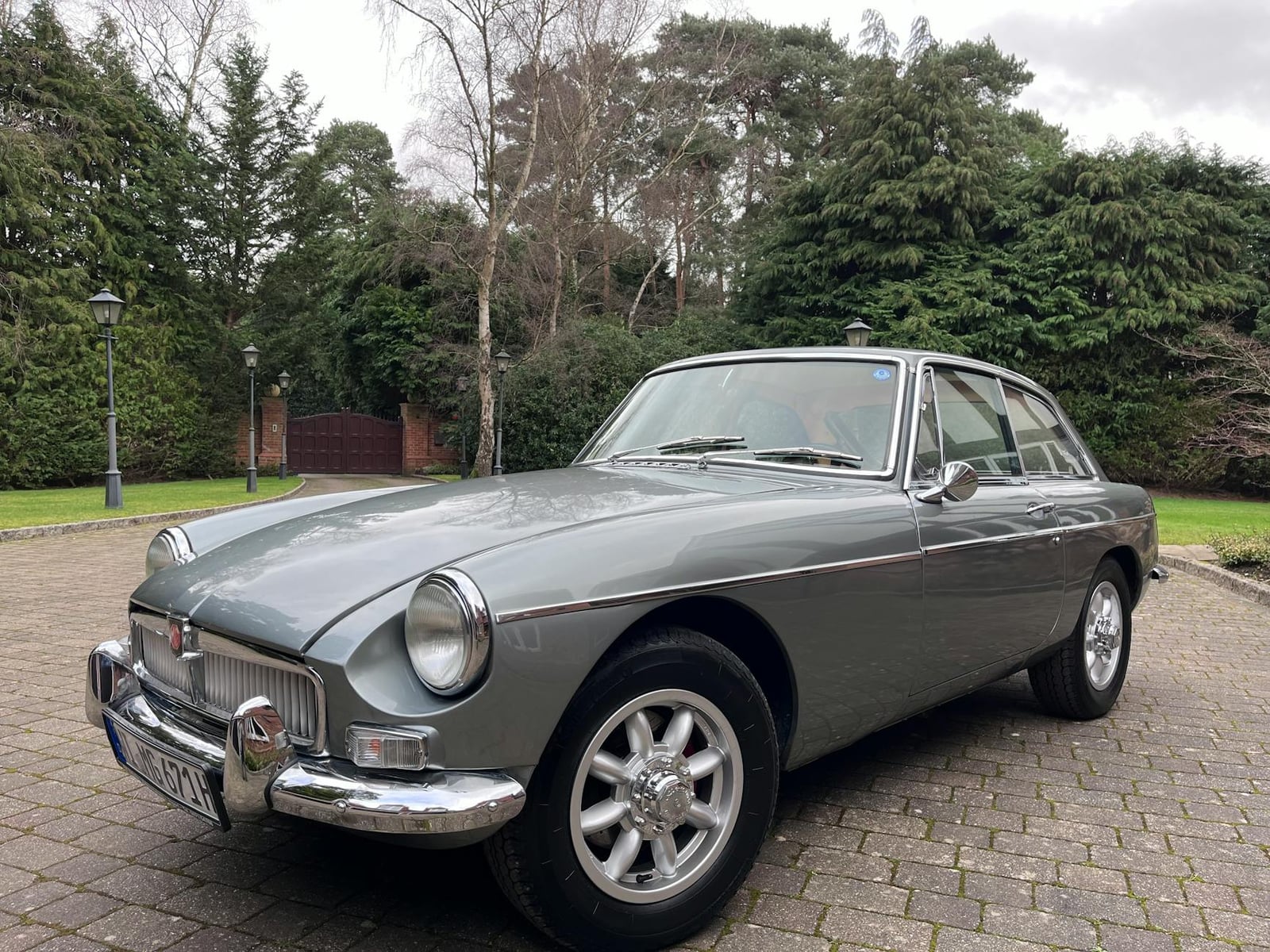
- The British Motor Corporation (BMC), itself formed in 1952 by the merger of Austin and Morris. BMC owned Austin, Morris, MG, Riley, Wolseley, the Mini (the small car Alec Issigonis designed for BMC), Princess and Vanden Plas.
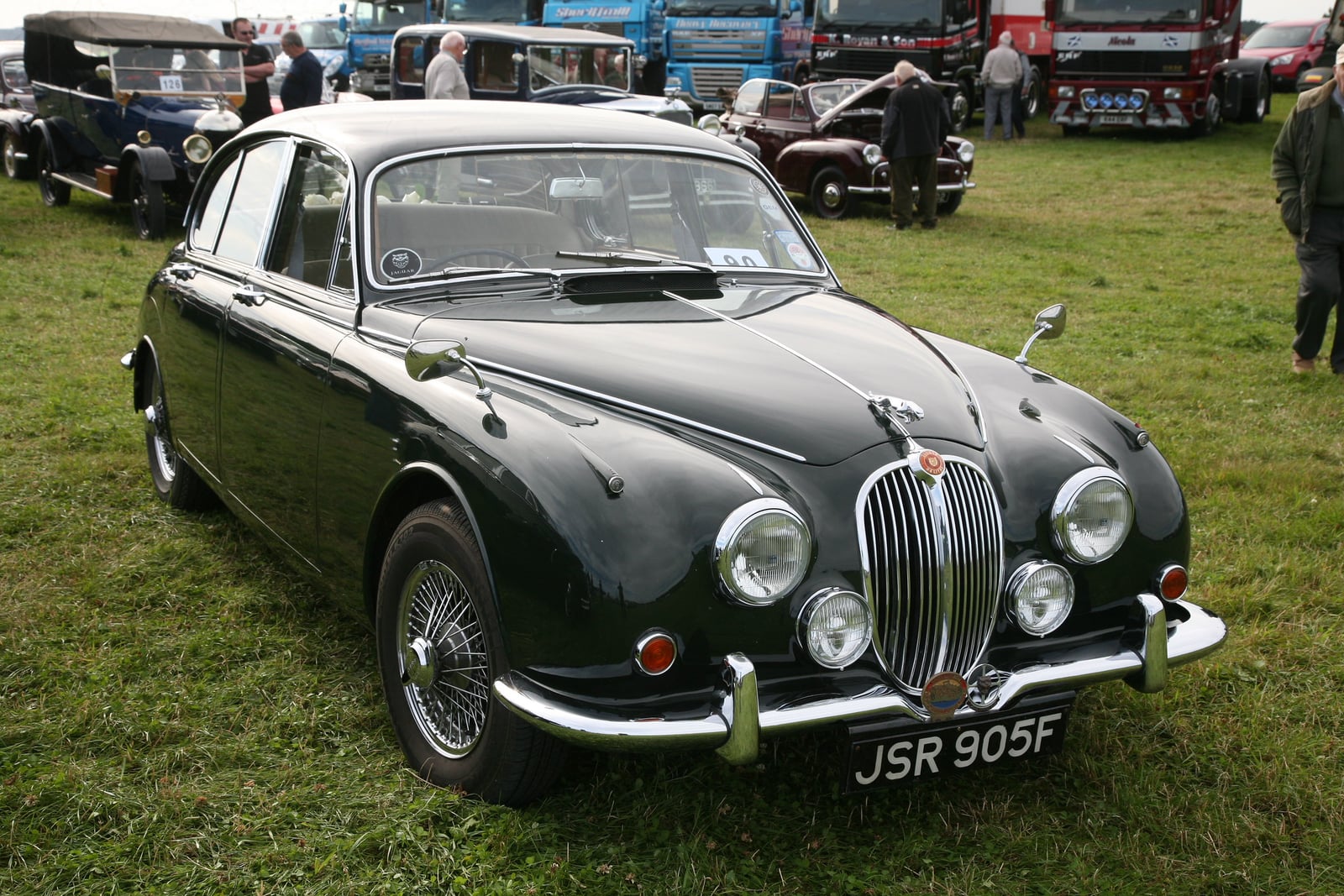
- Jaguar Cars, which BMC had acquired in 1966 (bringing Daimler with it, Jaguar having bought Daimler in 1960).
Leyland Motors, the truck and bus maker, had separately acquired Standard-Triumph in 1961 and Rover (including Land Rover) in 1967.
The Wilson government encouraged the 1968 merger as a policy of “industrial rationalisation” intended to create a single British-owned volume car maker capable of competing with Ford, General Motors and the rising continental European groups. The combined British Leyland Motor Corporation owned roughly 40% of the UK car market at formation and was, briefly, the world’s fourth-largest car company by output.

What went wrong
The 1968–1975 period was the troubled half. The merger combined two incompatible cultures (BMC’s mass-market production culture and Leyland’s engineering-led truck and specialist-car culture), inherited an enormous and overlapping product range, and ran into the 1973 oil crisis at exactly the worst moment.
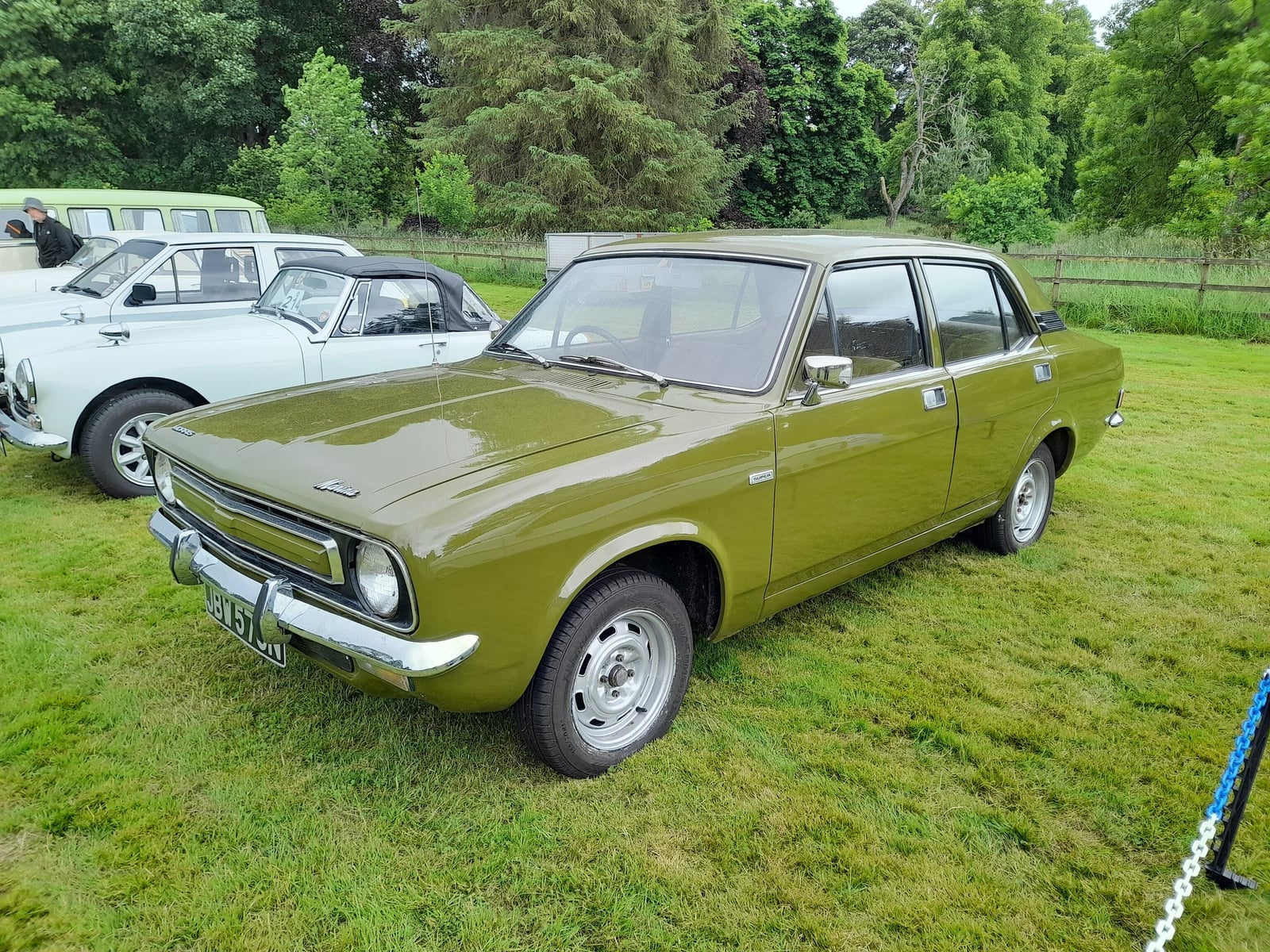
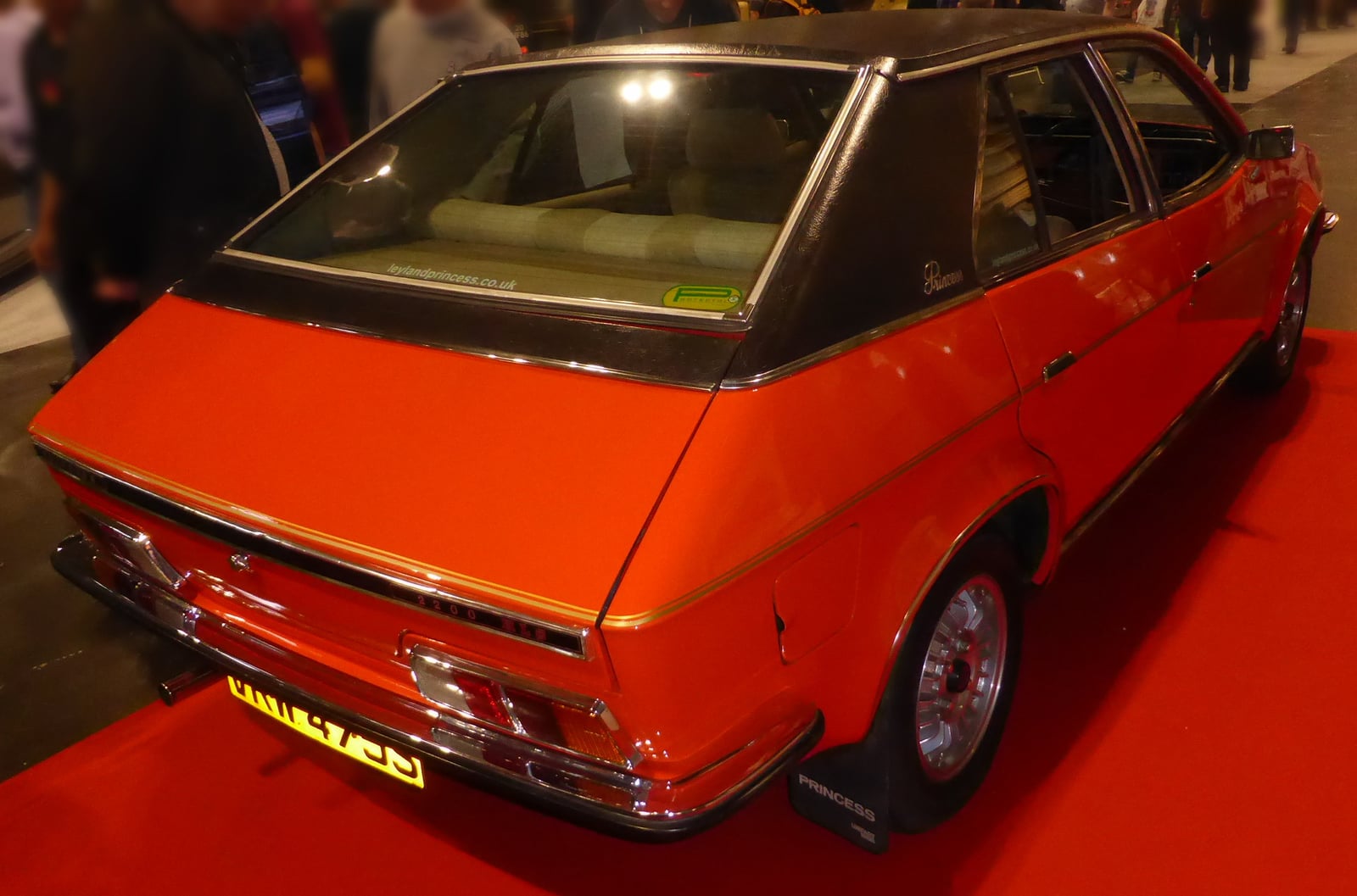
Internal accounts of the period describe a corporate structure that never genuinely integrated. Austin and Morris kept producing overlapping models. Triumph and Rover continued competing with each other in the executive-saloon segment. Industrial-relations breakdowns at Cowley, Longbridge and Solihull cost weeks of production each year. The Allegro (1973–82) and the Princess (1975–81) launched into a market that no longer wanted them.
By 1975 BL was losing money in volume and the Wilson government nationalised it through the Ryder Report process. The British taxpayer took ownership; Ryder’s restructuring plan called for substantial investment in new models in exchange for industrial- relations reform and rationalisation of the model range.

The slow recovery and the breakup
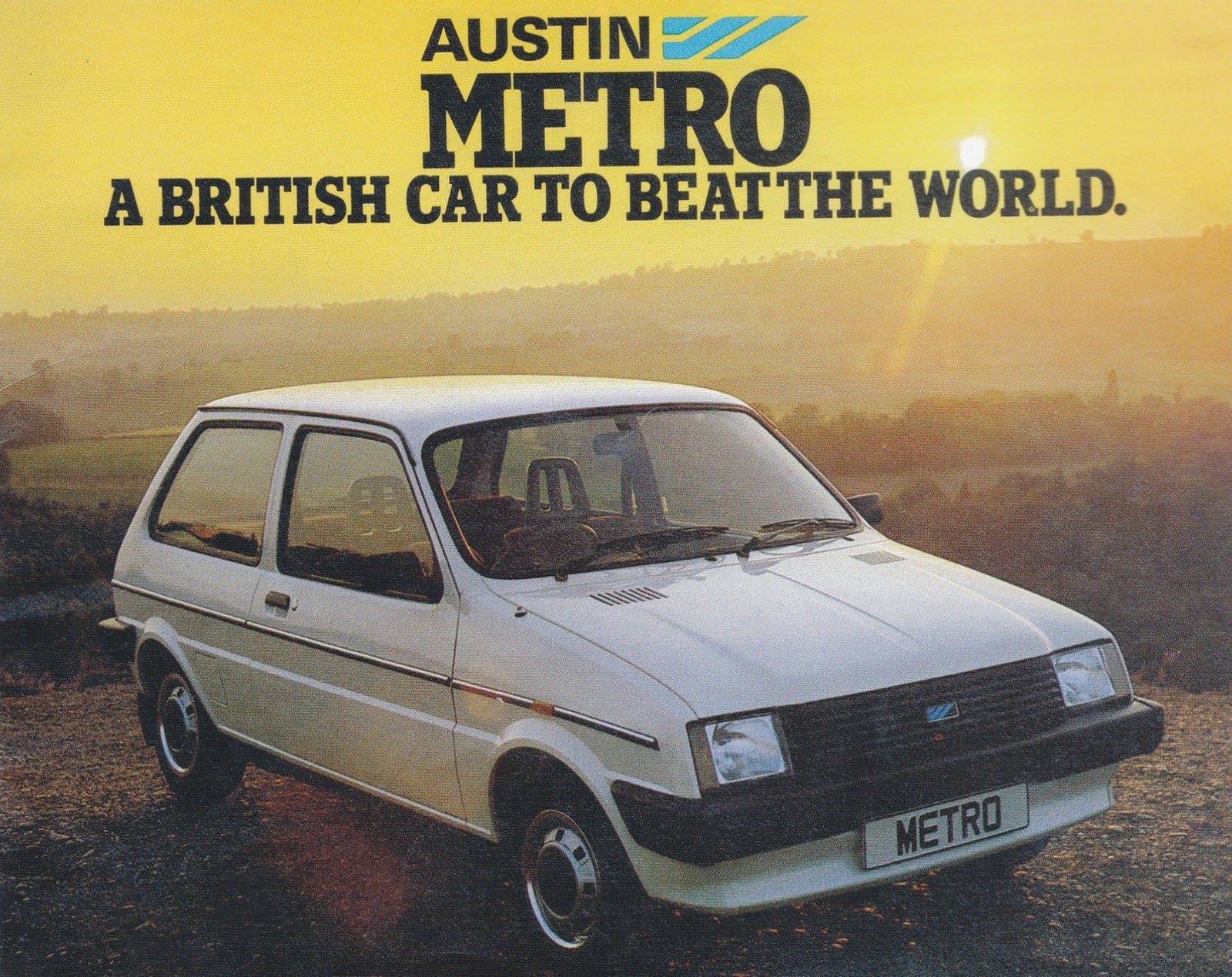
The 1975–1988 period was the slow recovery and the gradual breakup. The Ryder plan funded the Mini Metro (1980), the Austin Maestro (1983), the Austin Montego (1984), and the Rover SD1 (1976) as the new-model programme. Industrial relations improved gradually under successive chief executives, particularly Michael Edwardes (1977–82), who took the difficult decisions on factory closures and model rationalisation.
Privatisation followed under the Thatcher government:
- Jaguar was floated separately in 1984 at £160m, a comparatively successful privatisation that produced one of the few BL spin-offs to survive as a recognisable independent business through the 1980s.
- Unipart was floated in 1987, taking parts and aftermarket with it.
- Leyland Trucks merged with DAF in 1987 and disappeared from the BL structure.
- Rover Group, the remaining car-making rump (Rover, Mini, MG, Land Rover, Austin), was sold to British Aerospace in 1988 for £150m, controversially with a £547m “sweetener” that the European Commission later forced BAe to repay.
The BMW years and the 1999 breakup
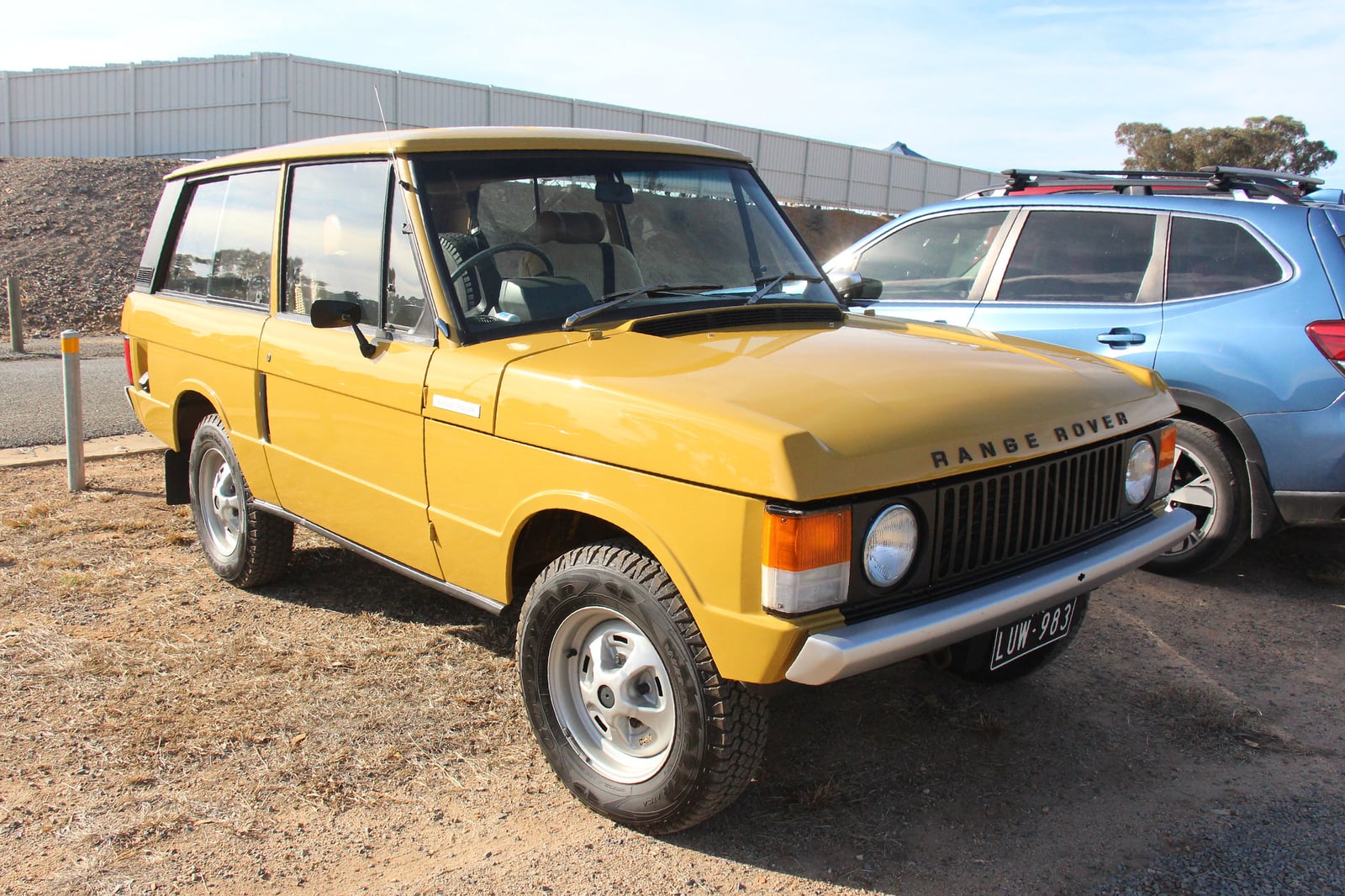
BAe sold Rover Group to BMW in 1994 for £800m. BMW invested substantial sums in new product (the Rover 75, the new Land Rover Discovery, the Range Rover P38), but Rover never returned to profit and BMW lost roughly £2bn over five years.
The 1999–2000 breakup is the final act:
- Land Rover was sold to Ford in 2000 for £1.85bn.
- Mini was retained by BMW, who launched the new BMW Mini in 2001 and still own it.
- MG Rover (the remaining Rover saloons, the Mini-derived small cars, the MG-badged versions) was sold to the Phoenix Consortium for a notional £10 in 2000, struggled for five years, and went bust in 2005. The Longbridge site closed; the intellectual property was sold to Nanjing Automobile (later SAIC) in China.
Land Rover passed from Ford to Tata in 2008 along with Jaguar (which Ford had bought in 1990), forming Jaguar Land Rover under Indian ownership.
By 2010 the only piece of the original 1968 British Leyland still operating as a UK car manufacturer was Jaguar Land Rover under Tata, plus the BMW-owned Mini operation at Cowley. Everything else was either shut down, sold abroad, or absorbed into other groups.
The marques and the factories
The factory geography of British Leyland matters because it tells you where surviving parts, specialist knowledge, and owner-club infrastructure now lives:
- Cowley (Oxford): Morris cars from the 1920s, then Morris Minor production, then BL midsize saloons, then Rover models, now BMW Mini.
- Longbridge (Birmingham): Austin from 1906, then Mini from 1959, then Austin Metro / Allegro / Maestro / Montego, then MG Rover. Site closed 2005.
- Solihull: Rover saloons then Land Rover from 1948. Still active as the Land Rover production site under Tata.
- Browns Lane (Coventry): Jaguar from 1951 to 2005. Saloons and sports cars including the E-Type, XJ Series, and XJS. Replaced by Castle Bromwich for new Jaguar production.
- Castle Bromwich (Birmingham): Jaguar production from the 1980s onwards.
- Canley (Coventry): Standard-Triumph cars including the TR series, Spitfire, Stag, and TR7.
- Halewood (Liverpool): Originally Ford UK; Jaguar X-Type and S-Type from 2001, then Land Rover Discovery Sport and Range Rover Evoque.
Each of these factory sites has its own parts-supply ecosystem, specialist-restorer cluster, and surviving expertise base. Owners of 1970s and 1980s BL cars often discover that finding parts and expertise involves understanding which factory the car came from rather than just which marque was on the badge.
Why this still matters for classic-car owners
Three practical implications follow from the BL story for anyone buying a 1970s or 1980s British classic:
Parts supply is fragmented along old corporate lines. The Triumph specialist parts network (TRGB, Rimmer Bros, Moss Europe) is largely distinct from the Austin/Morris specialist network (Mini Spares, the BMC heritage parts operations), which is again distinct from the Jaguar specialist network (SNG Barratt, David Manners). These networks evolved out of the old BL divisional structure and still reflect it forty years later.
Build quality varies dramatically by factory and by year. Within the same model run, cars built during industrial-relations periods (1974–77, 1979–81) are widely understood to have build quality problems that examples from quieter periods don’t share. Specialist marque clubs and condition guides distinguish these periods explicitly.
The marque clubs are often the best surviving institutional memory. Because BL itself was dismantled in stages over thirty years, the corporate heritage operations that exist for German or Italian marques don’t really exist for British Leyland marques in the same form. Instead, the volunteer marque clubs (MG Owners’ Club, Triumph Sports Six Club, the various Rover clubs, Jaguar Enthusiasts’ Club) have become the de facto custodians of marque history and technical knowledge.
Related
- The 1960s page covers the period leading up to the 1968 merger.
- The 1970s page is the British Leyland decade proper, covering the nationalisation, the Ryder Report, and the troubled model launches.
- The 1980s page covers the slow recovery, the Jaguar privatisation, and the start of the Rover Group breakup.
- The 1990s page covers the BMW years and the final 1999–2000 breakup.
More photos
Frequently asked questions
Is British Leyland the same as BL, BLMC, Leyland Motors, or Rover Group?
Which marques were inside British Leyland?
Why does British Leyland matter if I just want to buy a classic Mini or MGB?
Related across themes


Recently added

Bentley S-series: the quiet twin with the beautiful secrets (1955–1965)

Rolls-Royce Silver Spirit and Silver Spur: the last Crewe bargain (1980–1999)

Rolls-Royce Corniche: the coachbuilt survivor that outlived its makers (1971–1995)
