Export or Die, explained
What the "Export or Die" policy actually was, the steel-rationing mechanism that backed it, and why so many of the British classics worth caring about came out of that period.
Part of: the British classic car glossaryThe terms
“Export or Die” was the slogan and the unofficial label for the British government’s post-war policy of using steel rationing to push the motor industry into overseas sales. It ran from roughly 1947 through the early 1950s and produced most of the British classic cars that defined the late 1940s and 1950s.
The phrase is most associated with Sir Stafford Cripps, who served as President of the Board of Trade in 1945–47 and as Chancellor of the Exchequer from 1947 to 1950. Cripps used the phrase in speeches and parliamentary statements to communicate what was, in substance, a hard-edged industrial policy: factories that didn’t export couldn’t get steel, and without steel they couldn’t build cars.

What the policy actually was
The mechanism was steel allocation, not direct export quotas. The Ministry of Supply controlled the post-war distribution of steel under wartime-derived rationing powers that continued well past 1945. Each motor manufacturer received a steel allocation tied to its export performance: the more cars it sold overseas, the larger its steel allocation for home-market production became.
In practice this gave manufacturers a stark choice:
- Build cars for export, in volume, to whatever overseas market would take them. Earn the steel allocation that allowed a small proportion of home-market sales alongside.
- Build smaller volumes at higher per-car margins for the domestic market only, with a permanently constrained steel ration.
Most manufacturers chose option one. By 1948 the British motor industry was exporting around 60% of its output, an extraordinarily high proportion that no major car-producing nation has matched since.
The policy was reinforced by domestic taxation that made home-market new cars expensive. Purchase tax on cars was at 66% from 1947, then 33% from 1948, while exported cars carried no purchase tax at all. For a manufacturer, an export sale was substantially more profitable than a home-market sale, on top of the steel-ration incentive.
Why the policy existed
Britain emerged from the Second World War with significant sterling debt to the United States and a balance-of-payments crisis that the Marshall Plan only partially addressed. The country needed dollar earnings, urgently, and the motor industry was one of the few sectors with a credible export proposition.
The export markets that mattered:
- The United States. The largest dollar market, and the one where British sports cars found genuinely receptive buyers. American servicemen who had encountered British sports cars during the war returned home looking to buy them. The MG TC, the Jaguar XK120, the Austin-Healey 100 and the Triumph TR2 sold primarily here.
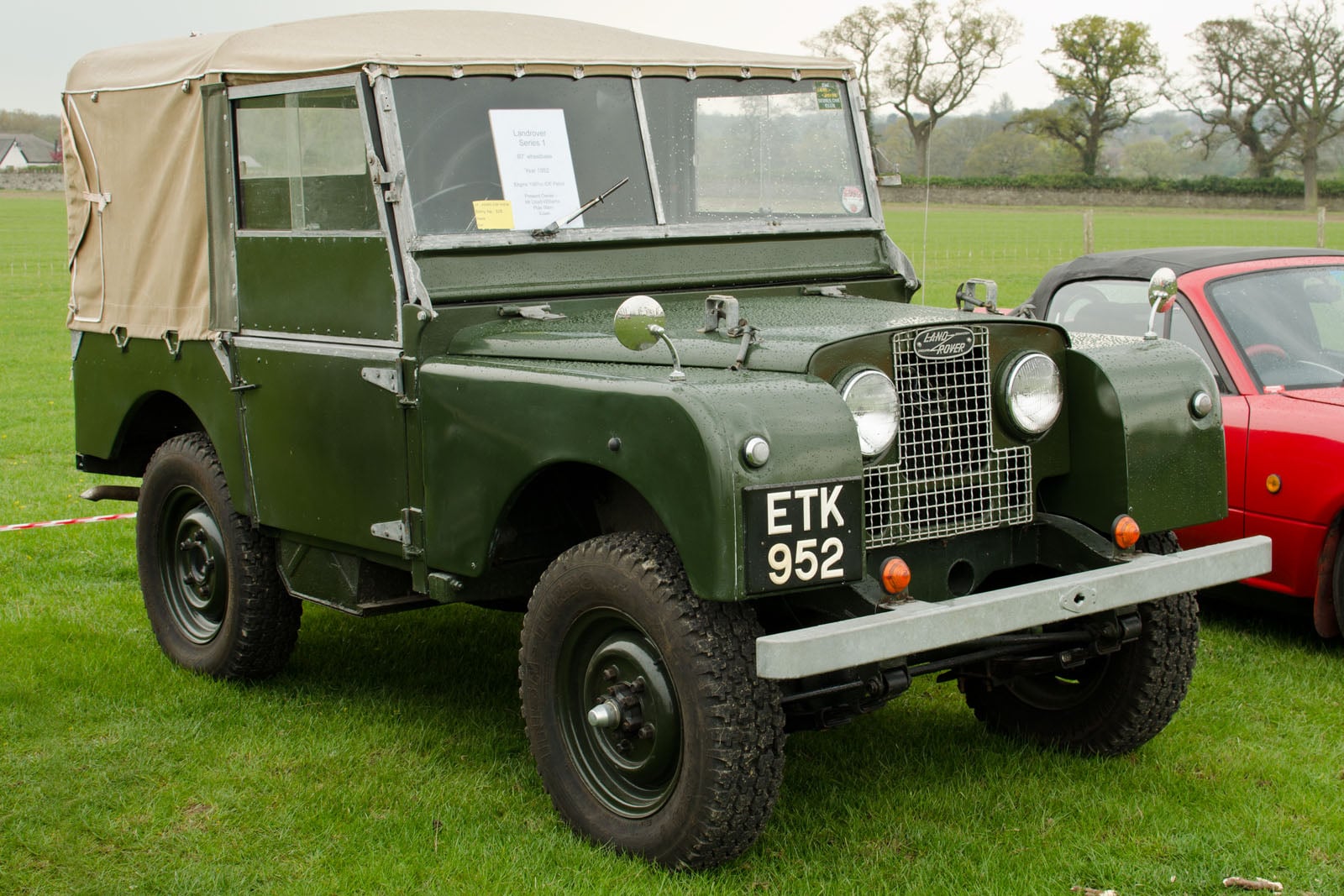
- The Commonwealth and former colonies. Australia, New Zealand, South Africa, Canada and the various colonial markets took significant volumes of Austin, Morris, Land Rover, and Hillman products. The Land Rover Series I in particular built much of its early reputation in these markets.
- Continental Europe. Smaller in volume but politically important, particularly after the Marshall Plan.
The dollar earnings from American sports-car sales in 1947–1954 underwrote the recovery of the British motor industry. Without them, the production volumes that supported the 1950s recovery would not have been possible.
What the policy built
The cars that came out of this period are now the foundation of British classic-car culture, and most were designed with the American market specifically in mind:
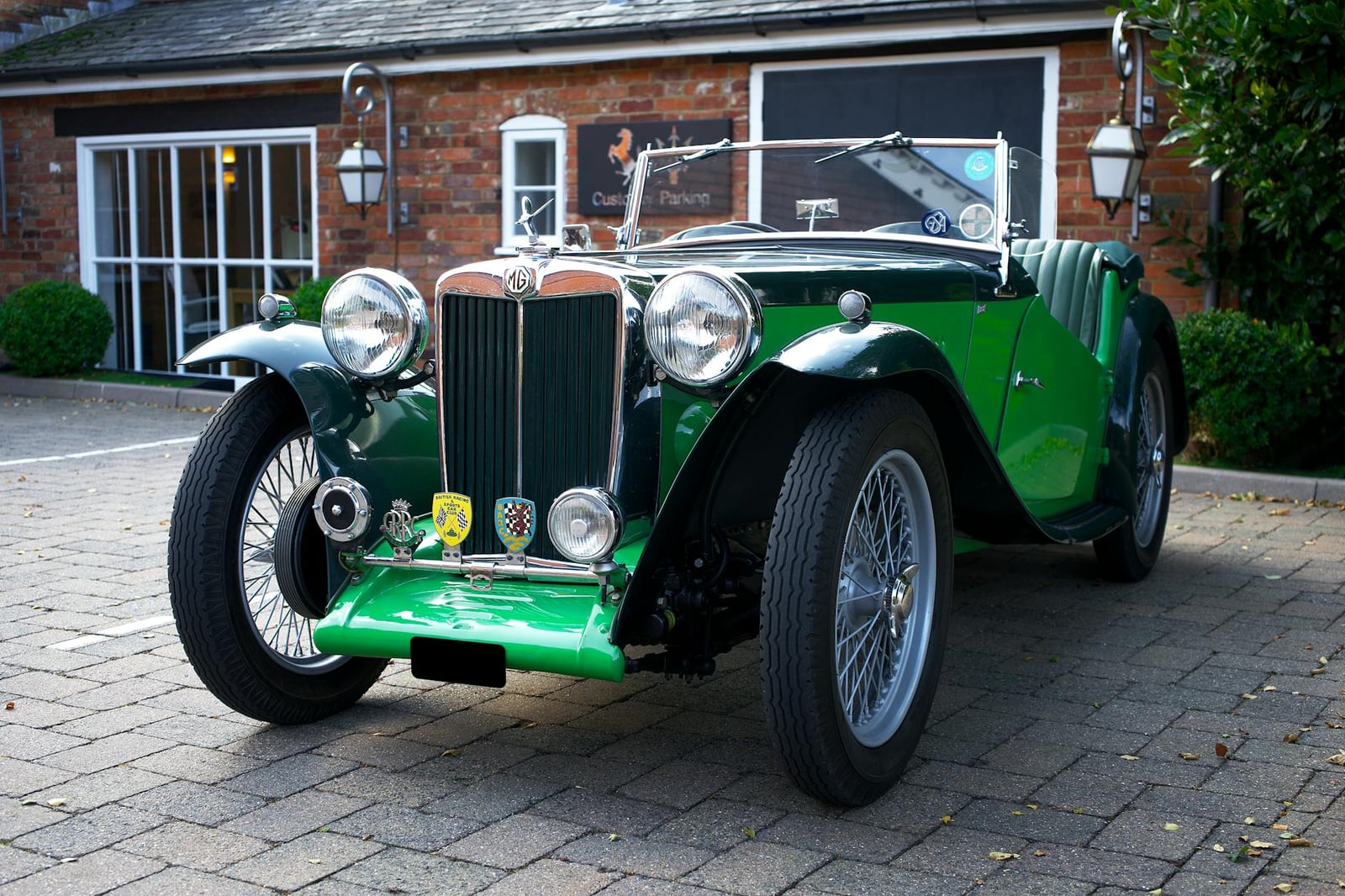
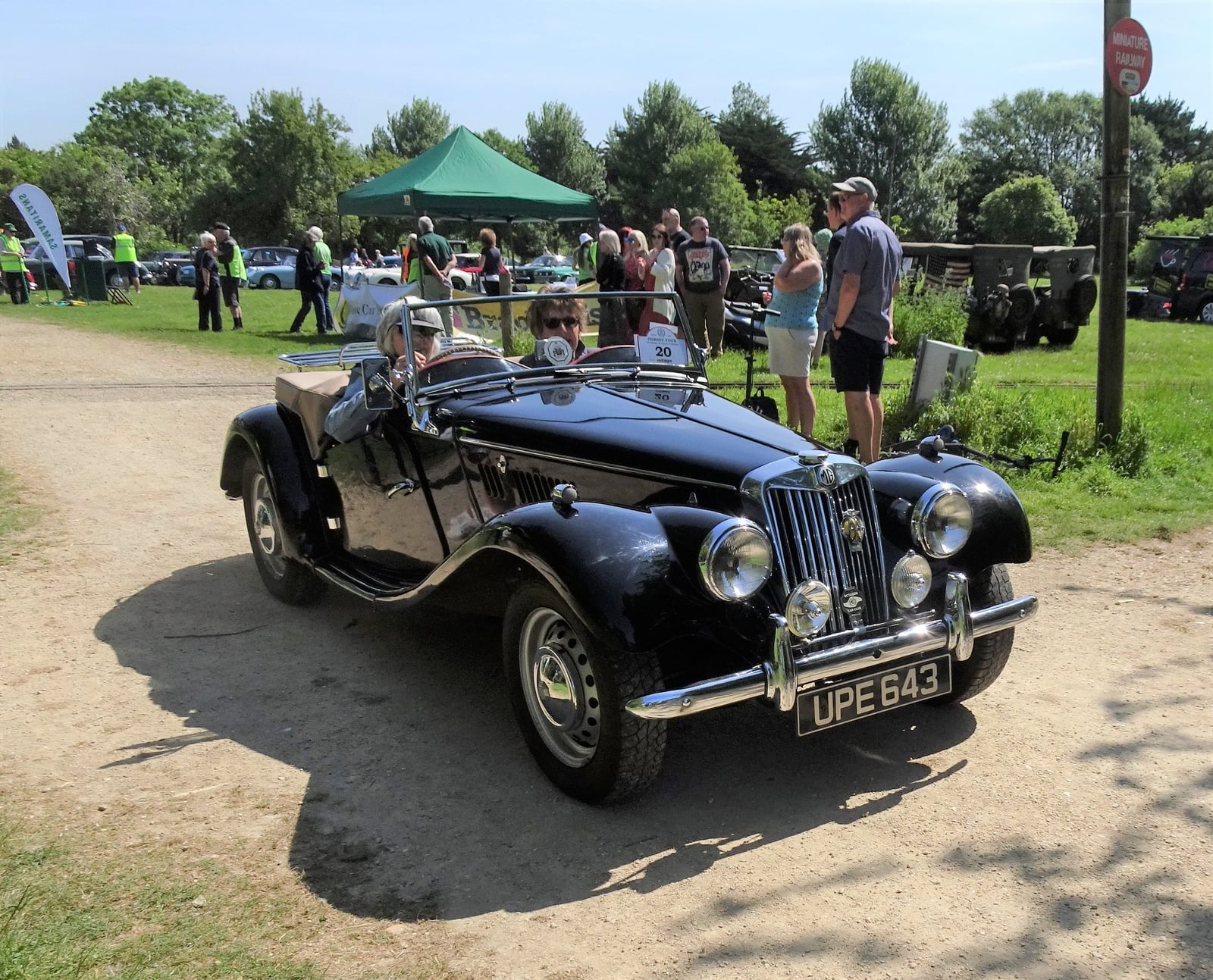
- The MG TC (1945–49) and its TD (1949–53), TF (1953–55) and MGA (1955–62) successors built the American sports-car market from essentially nothing. Around 10,000 TCs went to the US.
- The Jaguar XK120 (1948–54) was Britain’s first internationally successful sports car at the higher price point. Most of the roughly 12,000 built went to America.
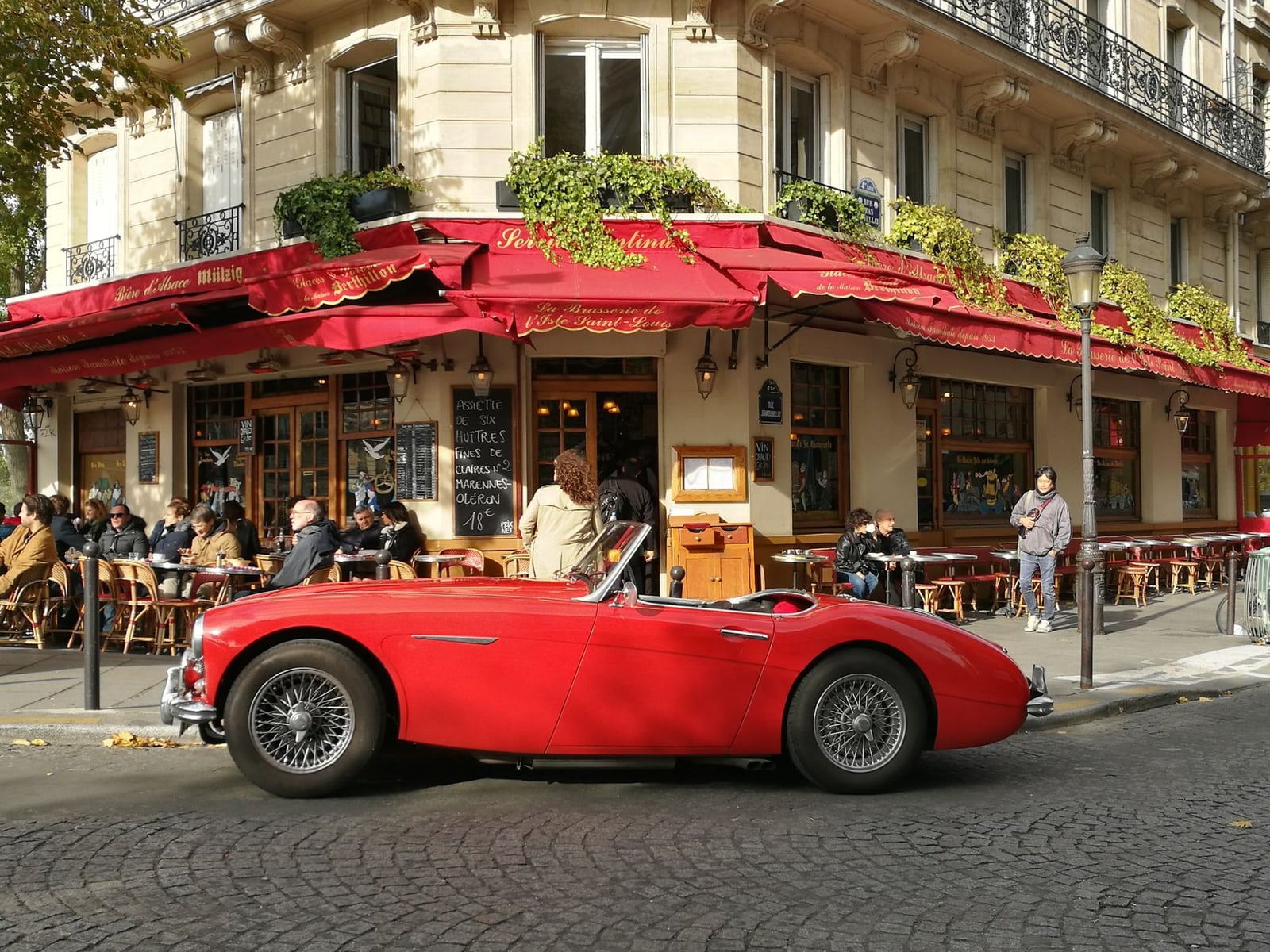
- The Austin-Healey 100 (1953–56) was designed by Donald Healey with the American market explicitly in mind, using the Austin A90 Atlantic engine in a hand-finished body that no British buyer was the primary target for.
- The Land Rover Series I (1948 onwards) was originally conceived as an interim export product for the Commonwealth and colonial markets during steel rationing. It outlasted the policy by sixty-eight years.
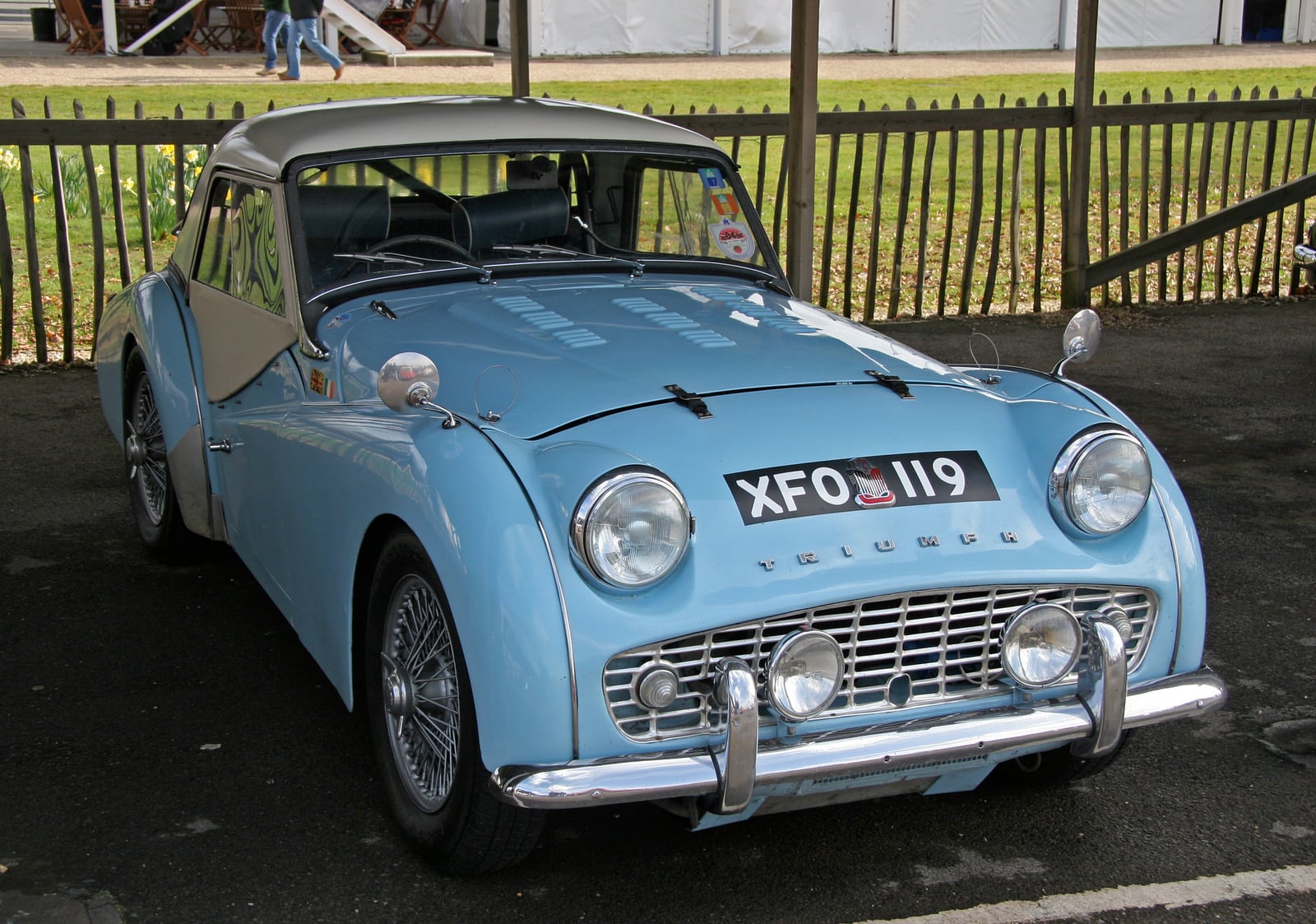
- The Triumph TR2 (1953–55) gave Triumph its first post-war sports-car identity, again with American buyers as the primary audience.
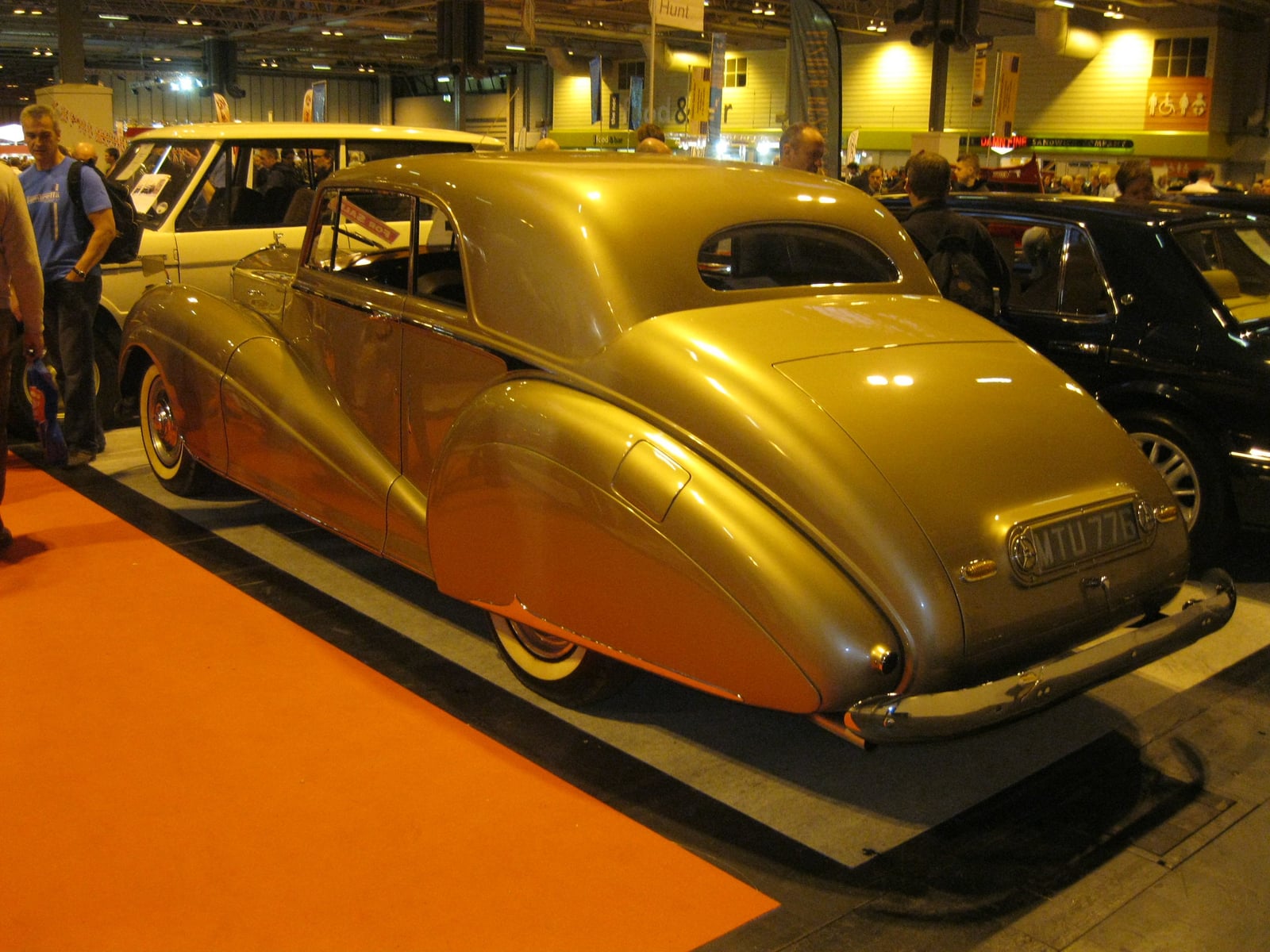
- The Bentley Mark VI (1946–52) and Rolls-Royce Silver Wraith (1946–58) built the post-war luxury export market, particularly to North America and the Commonwealth.
The cultural cliché of the British roadster in Southern California is not an accident. It was manufactured deliberately by British industrial policy between 1947 and 1954, with the explicit goal of earning dollars, and the British classic-car identity of the next seventy years was substantially shaped by it.
The legacy in classic-car terms
Two things follow from the Export or Die period that matter today.
The American market for British classics is older than most realise. Many British sports cars from the late 1940s and 1950s have spent their entire lives in the United States. When those cars are repatriated to the UK now, they often come back via specialist importers and are sometimes the best-preserved survivors of their model because the climate in California or Arizona preserved them better than British weather would have.
Steel-rationing-era design constraints shaped the cars. The folded-aluminium Land Rover body, the ash-framed coachbuilt sports cars, the hand-finished low-volume specialists: all of these production choices were driven partly by the steel allocation. A manufacturer with limited steel built cars that used as little steel as possible. The aesthetics that British classic-car enthusiasts now romanticise (hand-formed aluminium, ash frames, coachbuilt finish) were originally industrial necessity.
Related
- The 1940s page covers the post-war restart and the Export or Die policy in its broader context.
- The 1950s page covers the decade the policy’s launches matured into the cars that built the British classic-car identity.
- Which cars count as British classics sets out the broader scope question this site uses.
Frequently asked questions
Was "Export or Die" an actual government policy or just a slogan?
How long did the Export or Die period last?
Did Export or Die actually work?
Related across themes


Recently added

Bentley S-series: the quiet twin with the beautiful secrets (1955–1965)

Rolls-Royce Silver Spirit and Silver Spur: the last Crewe bargain (1980–1999)

Rolls-Royce Corniche: the coachbuilt survivor that outlived its makers (1971–1995)
