Independent · Researched in-house · 130+ guides to Britain's classics
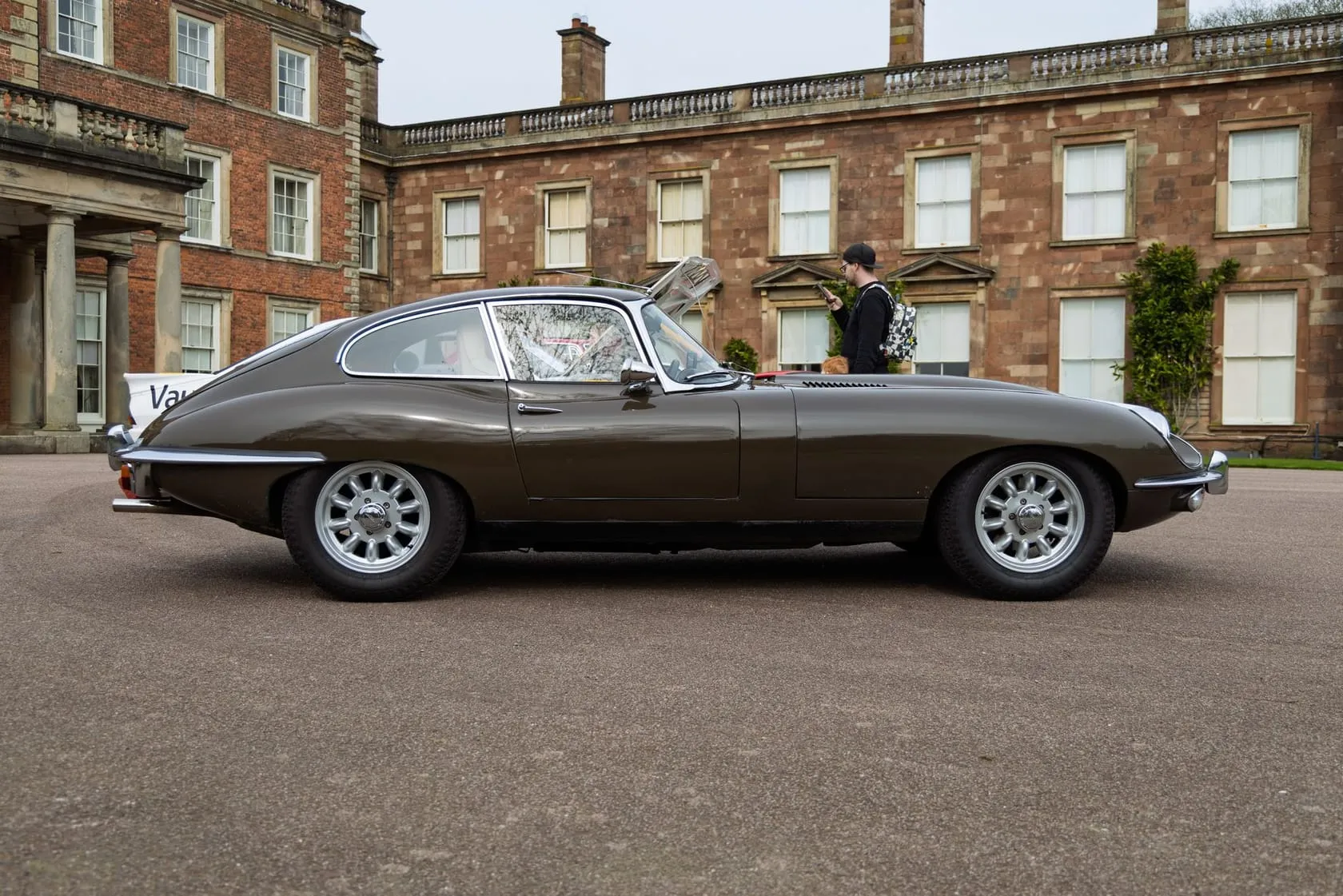
A green Jensen Interceptor seen in profile
Marque guide

Classic Jensen: the V8 grand tourers and the cars worth knowing

Jensen was a small firm in West Bromwich that built some of the most distinctive grand tourers Britain ever produced: hand-finished bodies wrapped around big American Chrysler V8s, crowned by the glass-tailed Interceptor and the four-wheel-drive FF. Below, every classic Jensen we cover, from the fibreglass CV8 to the affordable Lotus-engined Jensen-Healey, what each is like to own and what it is worth.

The marque file
Founded
1934, by two brothers who began in coachbuilding
Founders
Alan and Richard Jensen
Headquarters
West Bromwich, England
Classic era
1962-1976 (the classics covered here)
Values
from £6k
Model guides
4
4 guides

The models

The flagship A red Jensen Interceptor at an indoor display, front three-quarter view, UK registration SGE 990G
Jensen Interceptor
1966-1976 from £20k

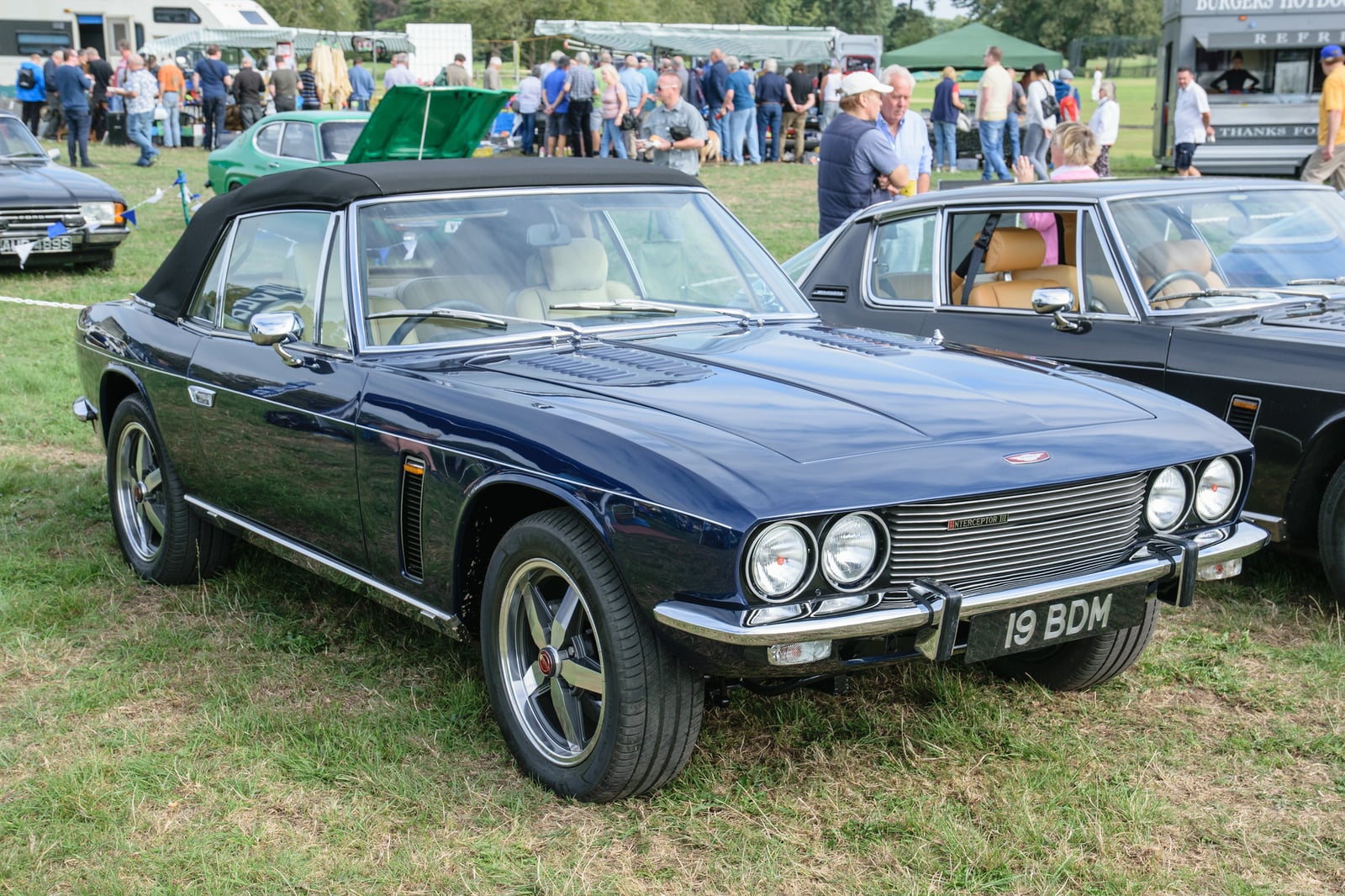
The Jensen Interceptor paired Italian styling and a hand-built West Bromwich body with a big Chrysler V8, and its wraparound glass hatch made it one of the most distinctive British grand tourers. A guide to the Mk I to Mk III, the SP and convertible, what to look for, and what they are worth.

Read the full Jensen Interceptor guide

Alan and Richard Jensen and a small West Bromwich firm

Jensen began with two brothers. Alan and Richard Jensen made their name in coachbuilding in the early 1930s, bodying other manufacturers’ chassis, and in 1934 they formalised the business as Jensen Motors in West Bromwich. Alongside building bodies and commercial vehicles for others, the firm developed its own cars, and after the war it settled on a distinctive formula: British-built, often hand-finished bodies powered by big, cheap, durable American V8 engines.

That formula gave Jensen a character all its own. The company was always small, building cars in hundreds rather than thousands, and it leaned on bought-in American power and, at times, Italian styling to punch far above its size. It also made Jensen vulnerable, and when the 1970s turned against it the firm could not survive, closing in 1976. The cars it left behind are among the most individual Britain produced.

The fibreglass years and the CV8

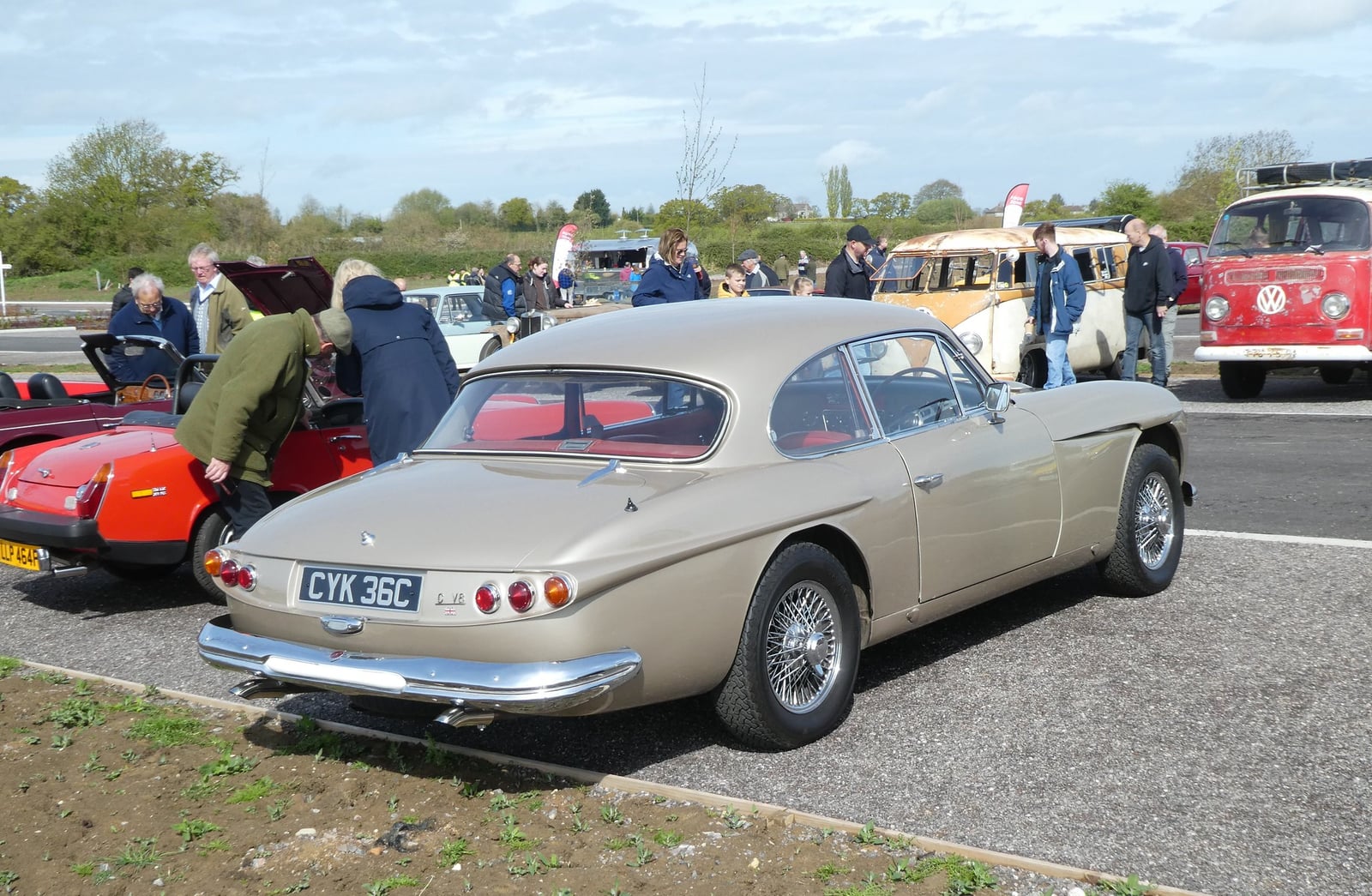
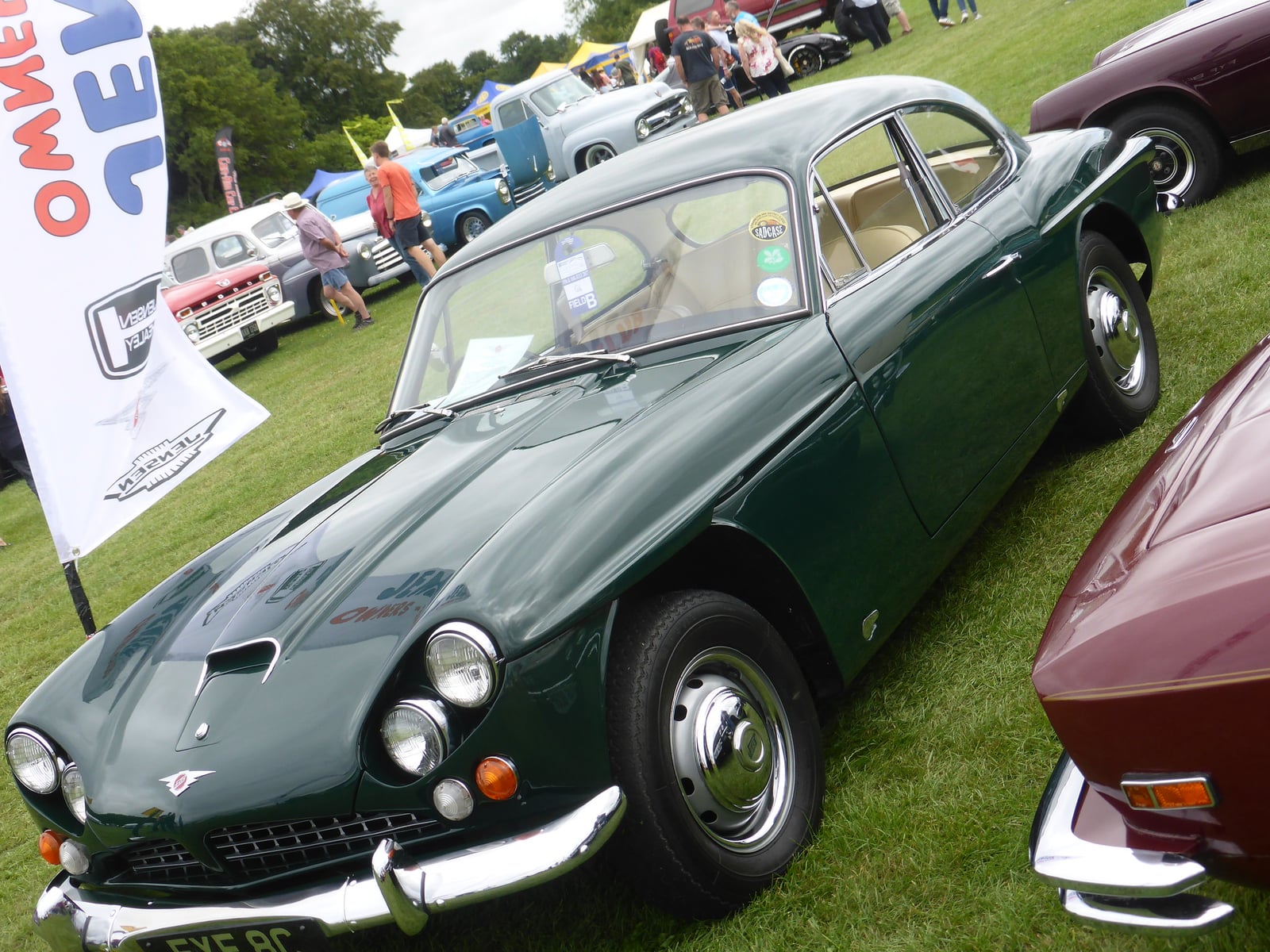
The Jensen of the early 1960s was the CV8, a fast, fibreglass- bodied four-seater with a big Chrysler V8 and a steeply slanted four-headlamp face that divided opinion then and still does. Glassfibre let a small firm build a low-volume car without costly steel tooling, and the CV8 was genuinely quick, one of the fastest four-seaters of its day. It is the rare and characterful elder of the range, and the direct ancestor of the cars that made Jensen famous.

A light blue Jensen CV8 on grass at a show, front three-quarter view
The fibreglass-bodied CV8, the fast, divisive four-seater that opened the marque's V8 era.Photo by Andrew Bone / CC BY 2.0

The Interceptor and the four-wheel-drive FF

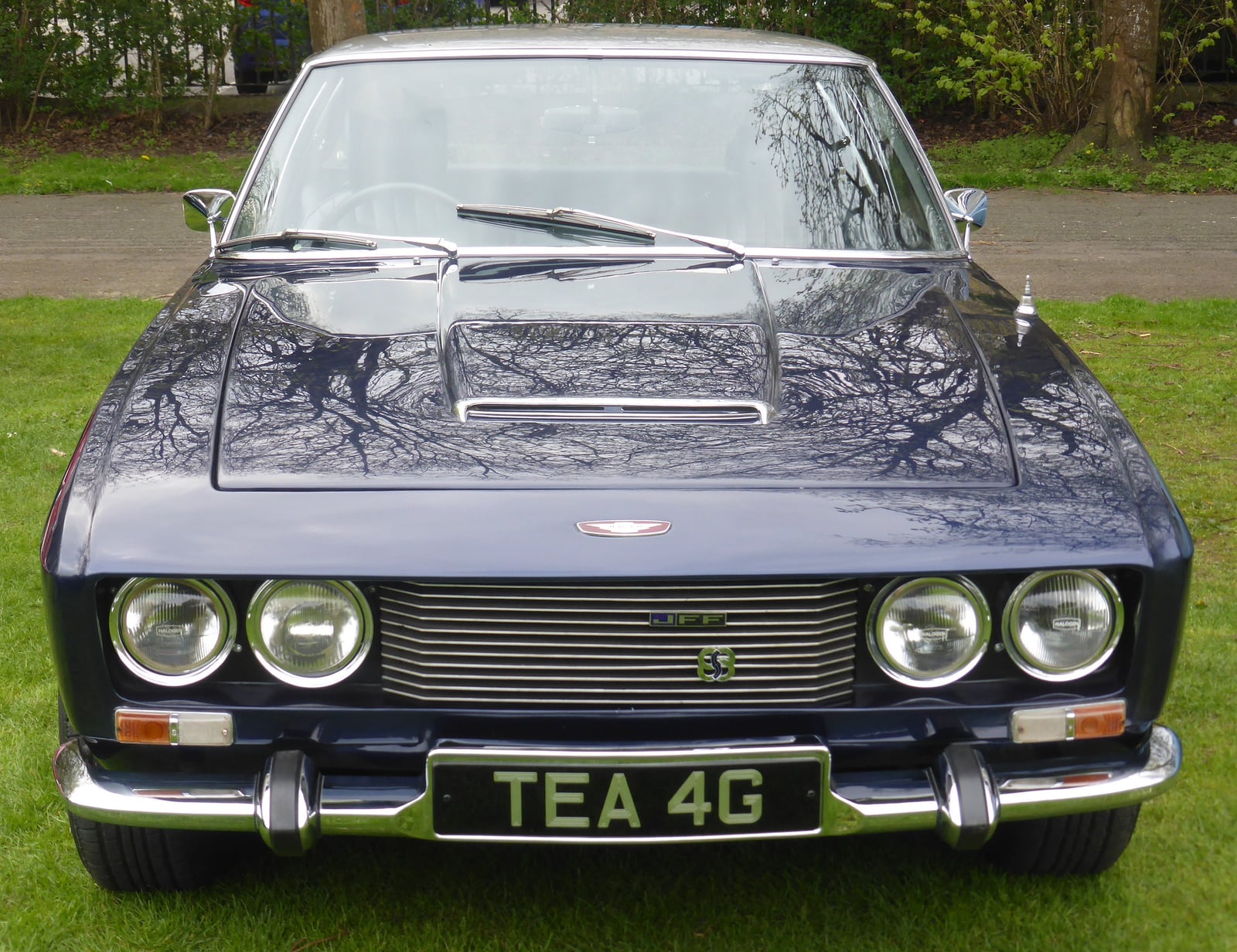
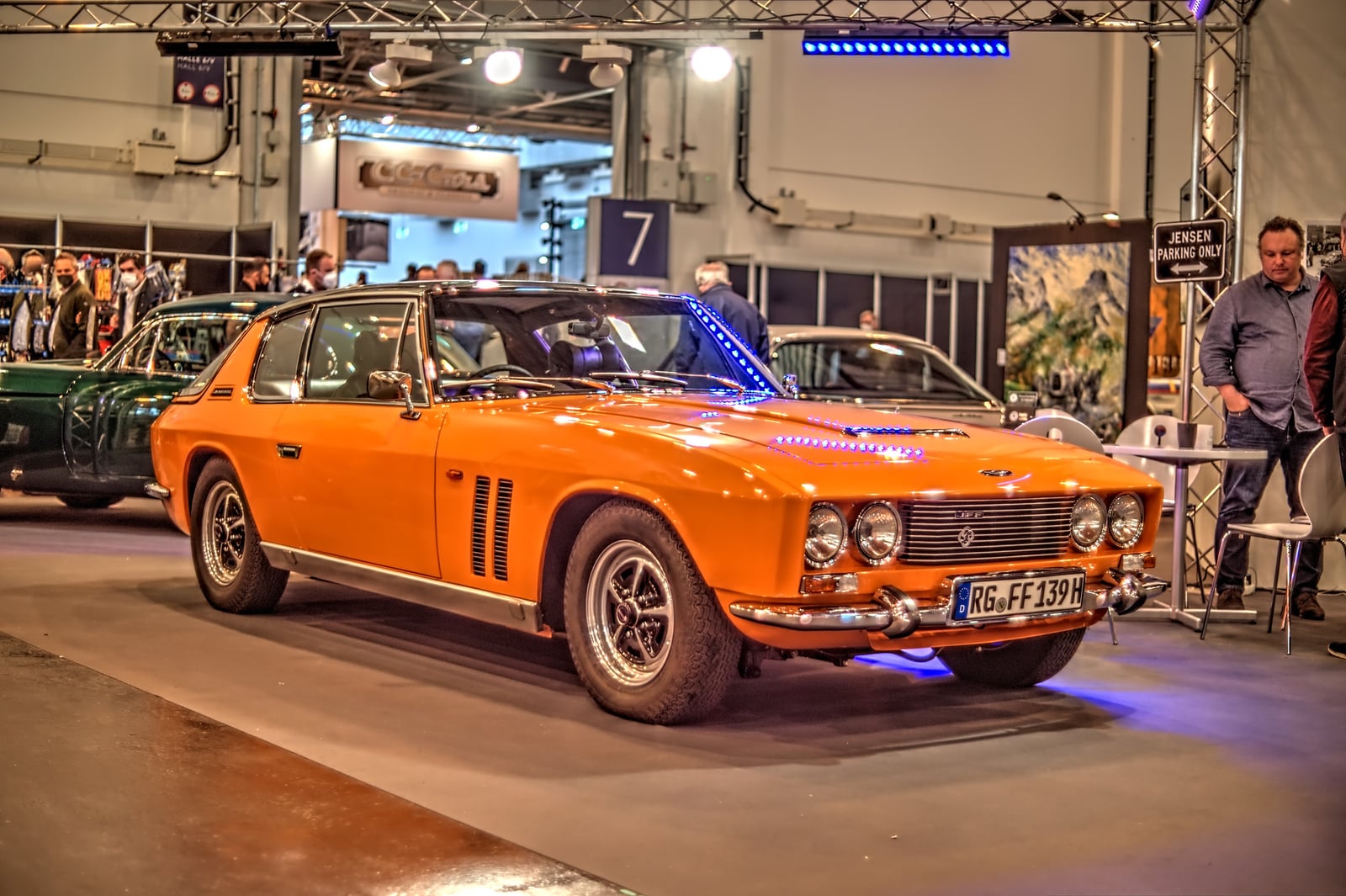
In 1966 Jensen swapped the CV8’s controversial fibreglass for a steel body styled in Italy by Carrozzeria Touring, and the Interceptor was the result: a long, elegant fastback crowned by a vast wraparound glass tailgate, still powered by a Chrysler V8. It became the car Jensen is remembered for, and ran in Mk I to Mk III forms, with a high-output SP and a sought-after convertible, until the company closed.

Alongside it came one of the most significant British cars of the decade. The FF shared the Interceptor’s body but added four-wheel drive and anti-lock brakes, both years before the rest of the industry. Widely regarded as the first four-wheel-drive production car and the first with anti-lock braking, it was complex, costly and built in tiny numbers, which makes it the rarest and most historic Jensen of all.

A dark red Jensen Interceptor III at a show, front three-quarter view
The Interceptor brought Italian steel styling and a Chrysler V8; the FF added four-wheel drive beneath the same body.Photo by exfordy / CC BY 2.0

The Jensen-Healey: the bid for volume

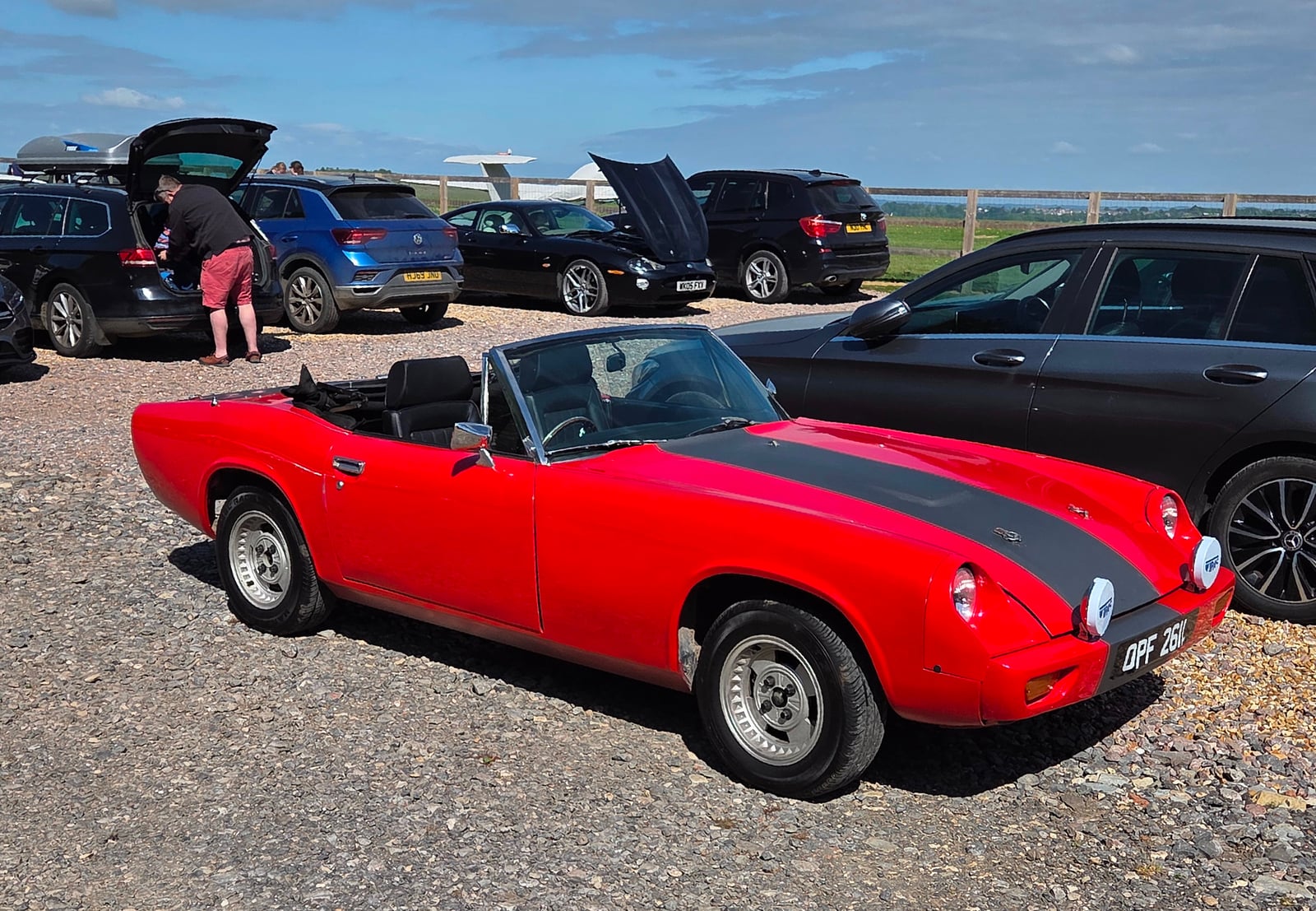
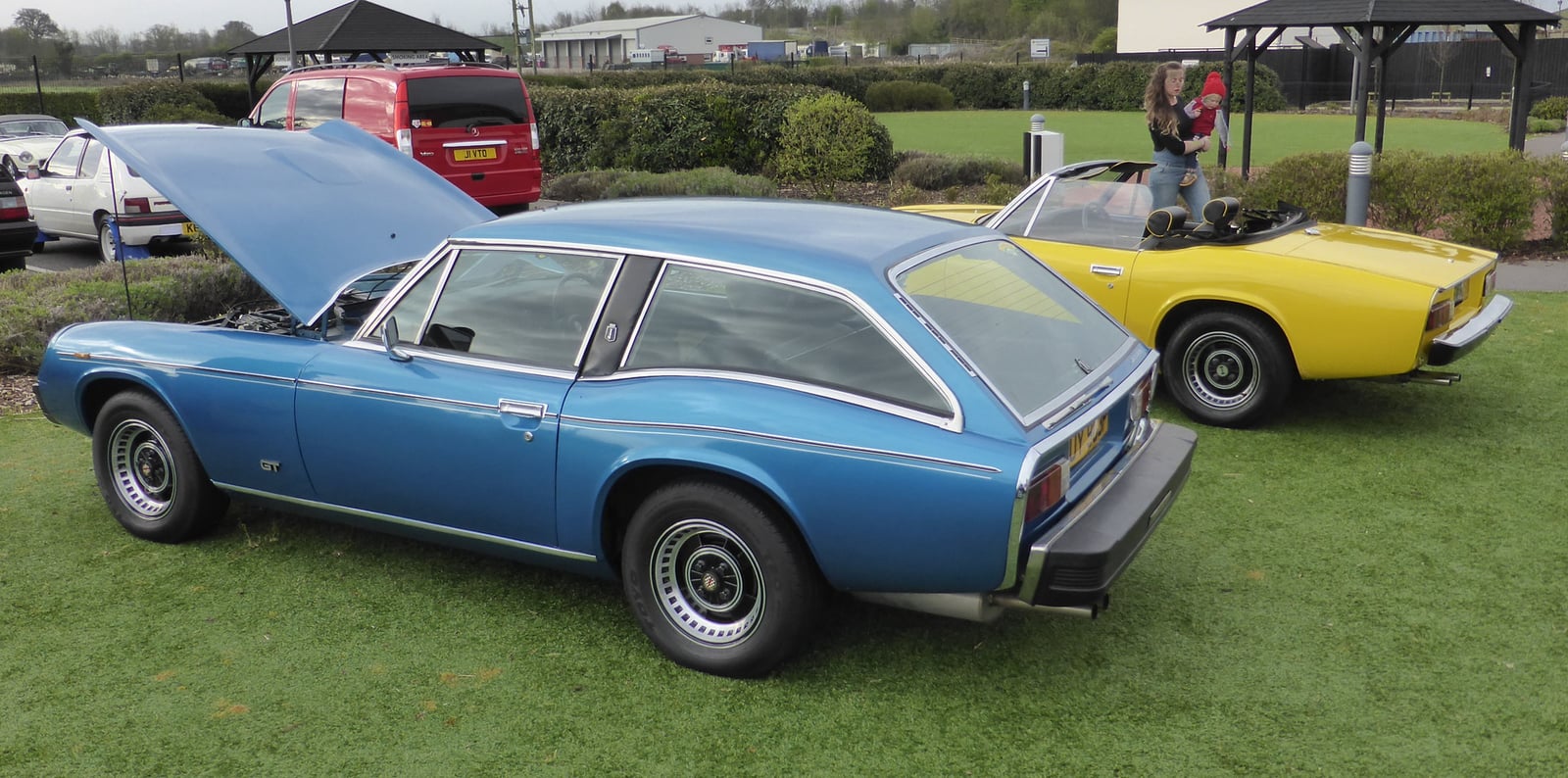
Jensen’s last new model pulled in the opposite direction. The Jensen-Healey of 1972 was an affordable two-seat roadster, built with Donald Healey to replace the lost Austin-Healey 3000 and sell in real volume, especially in the United States. It used the first production Lotus engine, a 16-valve twin-cam, and a later sporting-estate version, the Jensen GT, added practicality. It became the best-selling Jensen of all, but the new engine’s early troubles and the costs they brought were part of what finally broke the company.

A red Jensen-Healey roadster with the top down at a show, front three-quarter view
The Jensen-Healey, the affordable roadster that became the best-selling Jensen of all.Photo by SG2012 / CC BY 2.0

Buying and owning a classic Jensen

Two things unite ownership across the range. The first is rust: every steel- bodied Jensen corrodes in the usual structural places, and on these low-volume, hand-built cars a sound shell is worth far more than a low mileage, because body restoration is slow and expensive. The CV8’s fibreglass avoids rust but brings its own repair needs over a steel chassis that still corrodes.

The second is the drivetrain. The Chrysler V8s of the CV8, Interceptor and FF are tough and cheap to keep, if thirsty; the FF’s four-wheel-drive hardware is the specialised exception that needs knowledgeable care; and the Jensen-Healey’s Lotus engine must have had its known faults addressed. Beyond that, a classic Jensen asks the same of an owner as any car of its age, the storage, insurance and upkeep set out in the owning a classic car guide, and most are now old enough for historic vehicle status.

A gold Jensen Interceptor at a show, front three-quarter view
On every steel-bodied Jensen a sound shell matters far more than a low mileage.Photo by grobertson4 / CC BY 2.0

Sources and further reading

Model histories, production figures and values on the pages above draw on the marque’s own records, period road tests and the auction record; each model page sets out its figures in detail. For the regulatory side, the rules on historic vehicle tax exemption come from gov.uk.

More photos

Quick answers

Frequently asked questions

What is Jensen best known for?
For its grand tourers, and above all the Interceptor: a hand-built, Italian-styled fastback with a huge wraparound glass tailgate and a big Chrysler V8. Jensen's formula was to combine coachbuilt British bodies with cheap, durable American V8 power, and the Interceptor is the car that defines the marque. The four-wheel-drive FF, the first production car with four-wheel drive and anti-lock brakes, is the connoisseur's choice.
When did Jensen stop making cars?
The original Jensen Motors collapsed in 1976, brought down by the engine troubles of the Jensen-Healey, the cost of building cars by hand and the wider downturn of the mid-1970s. The Interceptor was briefly revived in small numbers in the following decades, and the name has reappeared more than once since, but the cars in this guide are the classic West Bromwich Jensens of 1962 to 1976.
Are classic Jensens expensive to run?
The big V8 cars, the CV8, Interceptor and FF, are thirsty and heavy, so they suit occasional use rather than daily driving, and bodywork or specialist repairs are the real costs. The Chrysler V8 itself is cheap and easy to keep, with plentiful parts from the United States. The Jensen-Healey is much cheaper to buy and run, with the caveat that its Lotus engine needs to have been properly sorted.
Which classic Jensen should I buy?
It depends on budget and intent. The Interceptor is the definitive Jensen and the one most people want, the FF is rarer, more historic and more expensive, and the CV8 is the rare, characterful, fibreglass elder. The Jensen-Healey is by far the most affordable way in. In every case buy on condition and history: a sound, complete car is cheaper to own than a tempting project.
What was special about the Jensen FF?
The FF was a genuine engineering landmark. Widely regarded as the first four-wheel-drive production car built for the road, it was also the first fitted with anti-lock brakes, using the aircraft-derived Dunlop Maxaret system. It used the Ferguson Formula four-wheel-drive system and was based on the Interceptor, but is about four inches longer in the wheelbase and far rarer, with only around 320 built.