Jensen-Healey: the Lotus-engined roadster that chased volume (1972–1976)
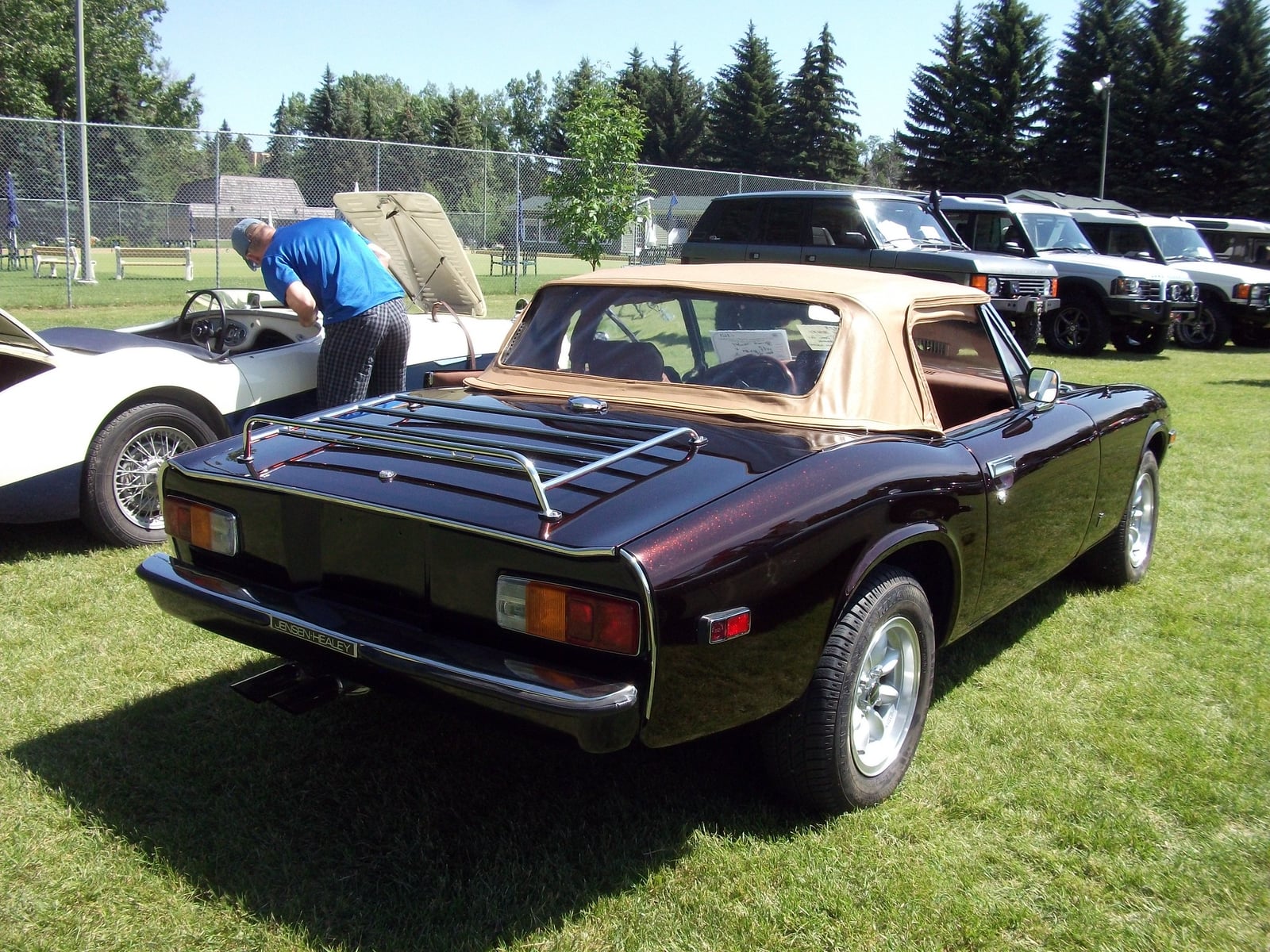
The Jensen-Healey was a two-seat sports car built with Donald Healey and powered by the first production Lotus engine, the affordable car Jensen hoped would sell in volume. A guide to the roadster and the Jensen GT, the famous engine troubles, what to look for, and what they are worth.
Built 1972–1976 95 recorded sales

At a glance
- Years
- 1972–1976
- Body styles
- Two-seat roadster; Jensen GT sporting estate from 1975
- Drivetrain
- Front engine, rear-wheel drive
- Engines
- 2.0-litre Lotus 907 16-valve four
- Power
- Around 140 bhp
- Trim levels
- Jensen-Healey Mk1, Mk2; Jensen GT
- Production
- Around 10,500, the best-selling Jensen
- Assembly
- West Bromwich, England
- Designer
- Donald and Geoffrey Healey, with Jensen
- Values
- Usable from around £6,000; good cars £10,000-£18,000; the best Jensen GTs beyond
- The engine
- The first production Lotus engine, the twin-cam 16-valve 907
- Best-seller
- Jensen's highest-volume model, around 10,500 built
The models
Not every Jensen was a hand-built grand tourer for the wealthy. The Jensen-Healey was the company’s bid for the mainstream: an affordable two-seat sports car, built with one of the great names in British sports cars and powered by an engine from another. It became the best-selling model Jensen ever made, and, in the end, part of what brought the company down.
The Healey partnership
When the Austin-Healey 3000 ended in the late 1960s, it left a gap for a modern, affordable British roadster, and Donald Healey wanted to fill it. The project came together at Jensen, backed by the American businessman Kjell Qvale, who had taken control of the firm and saw a chance to sell a sports car in the volume the United States market could absorb. The plan was the opposite of the hand-built Interceptor: a simpler, cheaper, higher-volume car carrying the respected Healey name.

The first production Lotus engine
The Jensen-Healey’s defining feature is under the bonnet. It was the first car to use the Lotus 907, a 2.0-litre 16-valve twin-cam four that Lotus had just developed and would go on to use in its own Elite, Eclat and Esprit. For 1972 this was an advanced engine, giving around 140 bhp and real performance in a light car.
The trouble was that the engine was new and not fully sorted when it reached the Jensen-Healey. Early cars suffered oil leaks and timing-belt and sealing problems, and the warranty bills landed on a company that could ill afford them. The later Mk2 cars were considerably better, and the weak points are well understood now, but the early reputation stuck and it shadowed the car for years.

The American car from West Bromwich
The Jensen Healey, as American advertising usually set the name, was built for the United States above all: Qvale’s dealer network took the bulk of production, cars crossed the Atlantic with the impact bumpers and emissions equipment the market demanded, and the model duly became the best-selling Jensen of all time at around 10,000 cars, several times the total of every Interceptor and FF combined. The trans-Atlantic brief shaped the driving character too, soft enough for American roads, brisk enough for the sports car buyer the Healey name attracted, and it gives today’s owners a practical bonus: a large survivor population in America keeps parts and knowledge flowing both ways, and left-hand-drive cars repatriated to Britain offer a cheaper route in for buyers who can live with the wheel on the far side.
The Jensen GT
In 1975 Jensen added a second body style, the Jensen GT. This was a sporting estate, a fixed-roof shooting-brake with a hatchback tail and a smarter, better-equipped cabin, aimed at buyers who wanted the car’s performance with more comfort and practicality than the open roadster offered. It was made in small numbers in the company’s final period, and it is the rarer and, for many, the more desirable Jensen-Healey today.

What it is like to own
The Jensen-Healey is a brisk, light, enjoyable roadster, and the Lotus engine gives it more pace and a more modern feel than many of its contemporaries. It is the easy, affordable entry into the Jensen marque, and a sorted car makes a genuinely usable classic sports car.
The key to a happy ownership is the engine. Buy a car whose Lotus unit has had its known faults addressed, and budget on the assumption that any unknown engine will need attention. Beyond that, the running costs are the ordinary ones of classic ownership: sensible insurance, dry storage and the routine upkeep of any 1970s sports car.

Buying guide: what to look for
Rust comes first, as on any car of the period: check the sills, floors, front chassis legs, the area around the headlamps and the bottoms of the wings, and on the GT the tailgate and rear structure. A sound body is the foundation of a good car.
Then the engine. Look for evidence that the oil leaks, the cam belt and the sealing have been dealt with, listen for a healthy top end, and treat a cheap car with an unknown engine as a project. A correct, complete car with good history, and ideally one of the improved later cars, is the sensible buy.

Value and legacy
The Jensen-Healey is the most affordable Jensen by a wide margin: usable roadsters from around £6,000, good cars £10,000 to £18,000, and the best, led by the GT, beyond. It is also a poignant car, the volume seller that should have secured Jensen’s future and instead, with the engine troubles and the 1970s downturn, helped end it. For the era, see British classic cars of the 1970s.

More photos
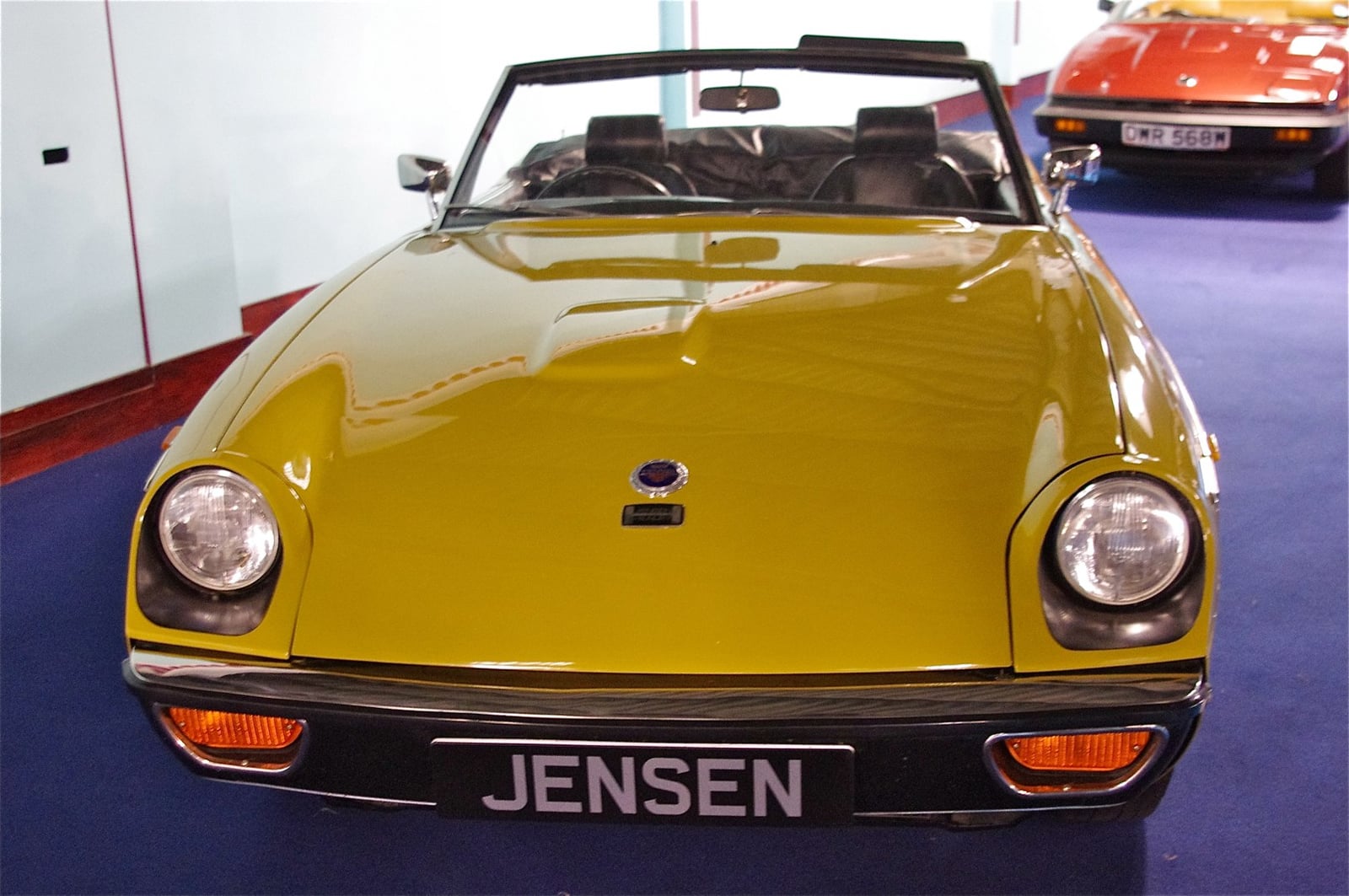
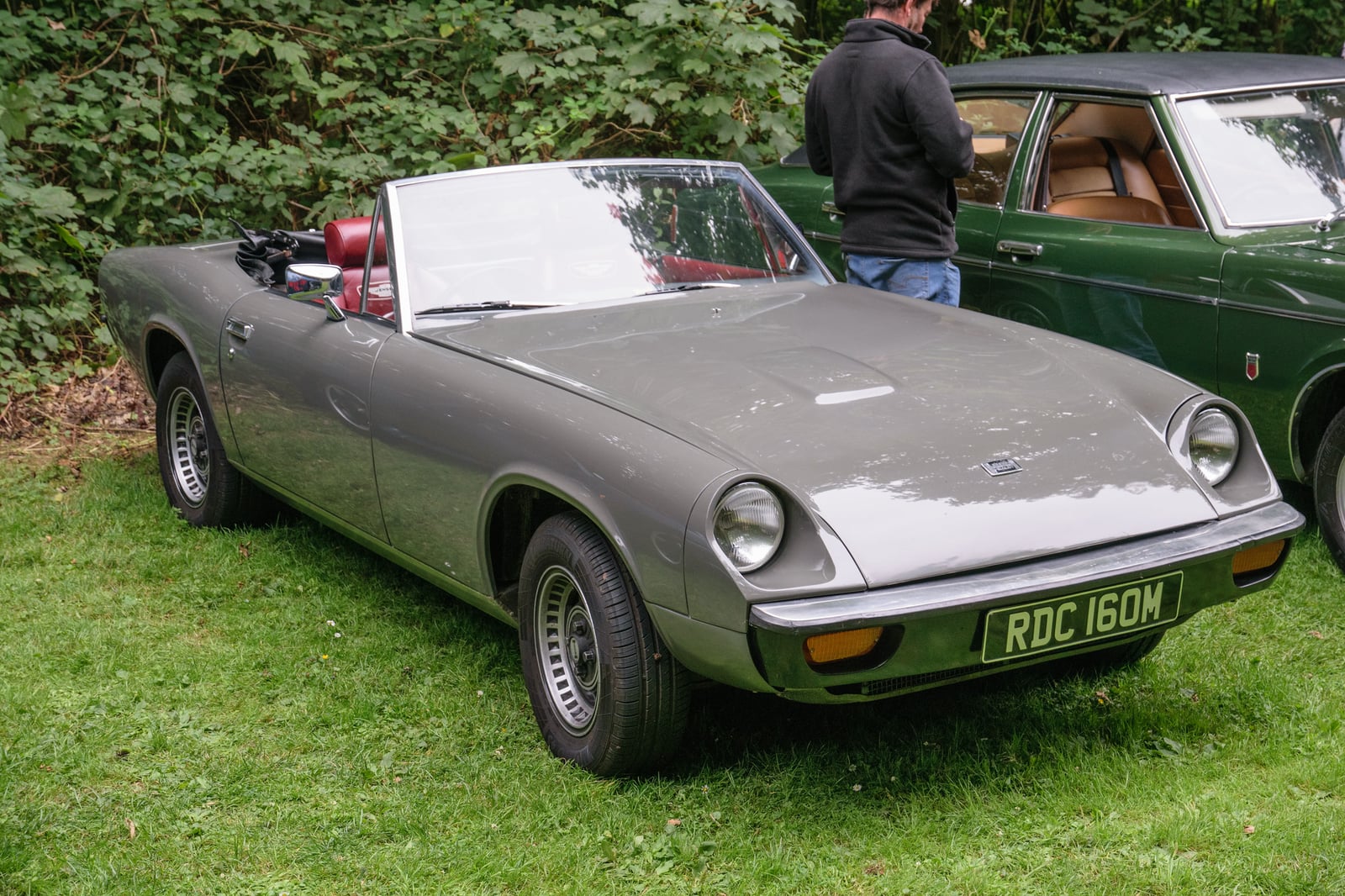
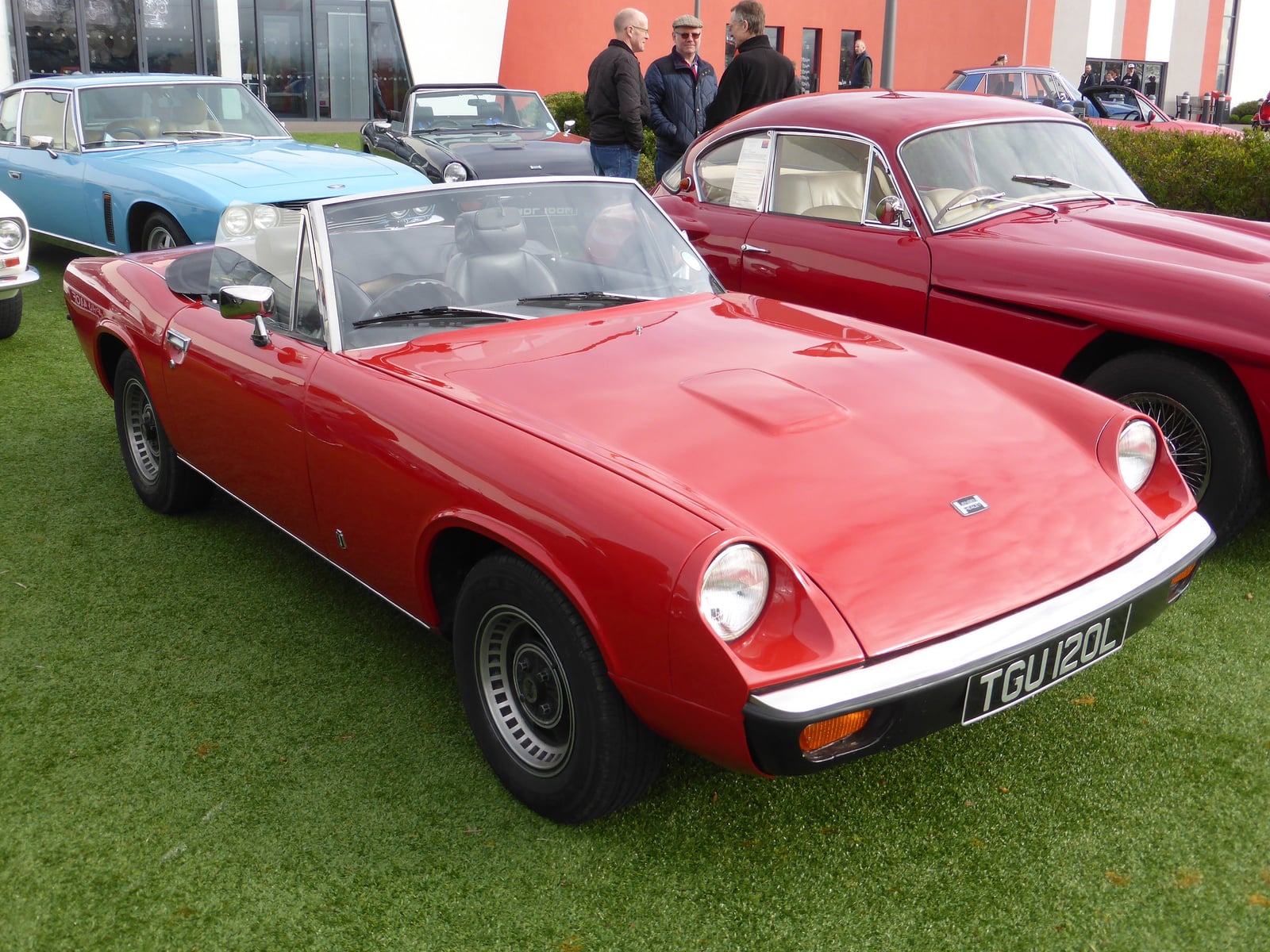
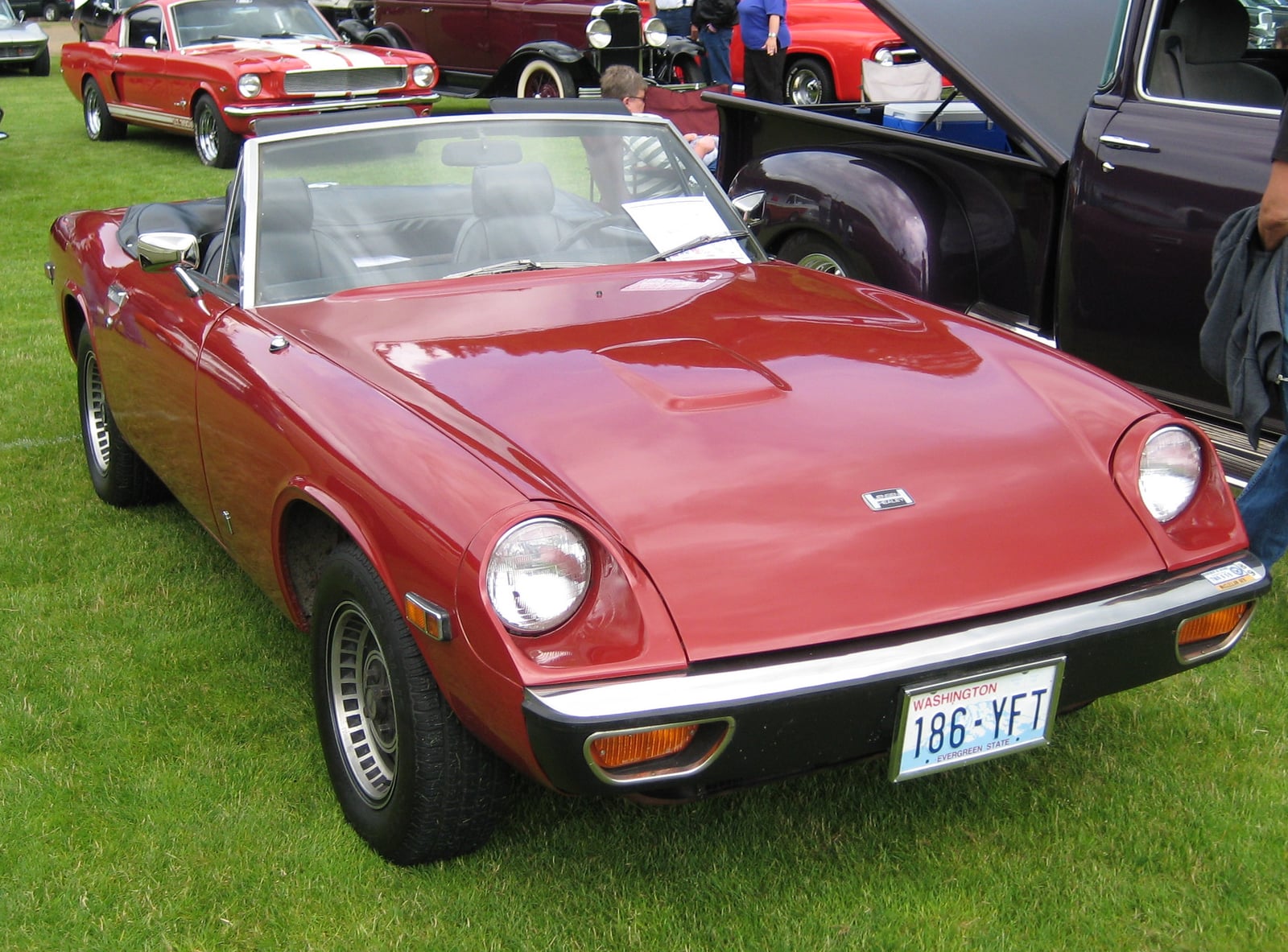
Jensen-Healey: what changed and when
- 1972Launched under Kjell Qvale's ownership with Donald and Geoffrey Healey: a simpler, cheaper, higher-volume car carrying the first production Lotus engine, the 2.0-litre 16-valve 907.
- 1973Early engine troubles land warranty bills on a company that can ill afford them.
- 1974The improved Mk2 addresses the worst of the faults.
- 1975The Jensen GT adds a fixed-roof shooting-brake body with a smarter cabin, in small numbers.
- 1976Production ends at around 10,500 cars, the best-selling Jensen of all, as the company itself fails.
What to check on a Jensen-Healey
The engine, which is the key
- Evidence that the oil leaks, cam belt and sealing have been dealt with
- Listen for a healthy top end
- Treat a cheap car with an unknown engine as a project
- The 907 went on to power the Lotus Elite, Eclat and Esprit, so specialist knowledge exists
Body
- Sills, floors and front chassis legs
- Around the headlamps and the bottoms of the wings
- On a GT, the tailgate and rear structure
- A sound body is the foundation of a good car
Version and origin
- Later Mk2 cars are the sensible buy
- The Jensen GT is the rarer and, for many, the more desirable car
- Left-hand-drive American repatriations offer a cheaper route in
- American advertising set the name as Jensen Healey without the hyphen, and listings still vary
What the Jensen-Healey sells for at auction
In real terms, typical Jensen-Healey prices were down about 56% over the five years to 2025, once inflation is accounted for.
Show the year-by-year mediansHide the year-by-year medians
| Year | Sold | Median | In 2025 money |
|---|---|---|---|
| 2026 (so far) | 7 | £8,250 | |
| 2025 | 12 | £6,230 | £6,230 |
| 2024 | 6 | £6,229 | £6,468 |
| 2023 | 13 | £6,776 | £7,271 |
| 2022 | 11 | £10,571 | £12,106 |
| 2021 | 14 | £9,014 | £11,146 |
| 2020 | 6 | £11,215 | £14,212 |
| 2019 | 4 | £7,606 | £9,737 |
| 2017 | 3 | £5,060 | £6,740 |
| 2016 | 5 | £7,704 | £10,526 |
| 2015 | 3 | £2,600 | £3,588 |
| 2011 | 3 | £5,089 | £7,503 |
- £3,529Healey
- £11,576Healey
- £11,069Healey
- £10,400Healey
- £1,680Healey
Reasonable evidence. 95 recorded sales: enough for the range to mean something, though a few unusual cars can still move a single year's median. Based on 95 sold results from public classic car auctions (1996 to 10 August 2026). Sold prices, not asking prices, and not a valuation: condition, history and specification vary from car to car. Inflation-adjusted figures use the ONS CPIH index, in 2025 money.