Range Rover Classic: the original, before the luxury (1970–1996)
The original Range Rover, now called the Range Rover Classic, was not the luxury car it became but a more comfortable, road-capable companion to the working Land Rover. A guide to the two-door and four-door cars, the Rover V8 and the diesels, the Vogue and CSK, what one is like to live with, and what to look for when buying.
Built 1970–1996

At a glance
- Years
- 1970–1996
- Body styles
- Two-door estate (1970), four-door from 1981, long-wheelbase LSE from 1992
- Drivetrain
- Permanent four-wheel drive, long-travel coil springs, disc brakes all round
- Engines
- 3.5, 3.9 and 4.2 Rover V8 petrol; 2.4/2.5 VM turbo-diesel; 200 and 300Tdi
- Power
- Around 125 to 200 bhp (V8); less from the diesels
- Top speed
- Around 95 to 110 mph (V8)
- Production
- Around 326,000; the 'Classic' name was applied only from 1994
- Assembly
- Solihull, Warwickshire
- Values
- Project around £2,000-£8,000, usable four-door £10,000-£20,000, excellent and rare specials £30,000-£50,000 and up; early two-doors higher
- Construction
- Aluminium-alloy outer panels over a steel inner structure; steel bonnet and tailgate
- The collector's one
- Early 1970–73 two-door 'Suffix A' cars, and the 1990 CSK
The models
The Range Rover Classic is one of the most influential vehicles Britain ever built: the car that more or less invented the comfortable, fast, go-anywhere estate and set the template every luxury 4x4 has followed since. But the car it became, plush and expensive, was not the car it started as. The original of 1970 was a far simpler, more practical thing, and that story is the key to understanding it.
It is the third strand of the Land Rover story, sold alongside the working Series and Defender cars, and the vehicle that gave the Defender the coil-spring suspension it would later adopt.
A car for all reasons
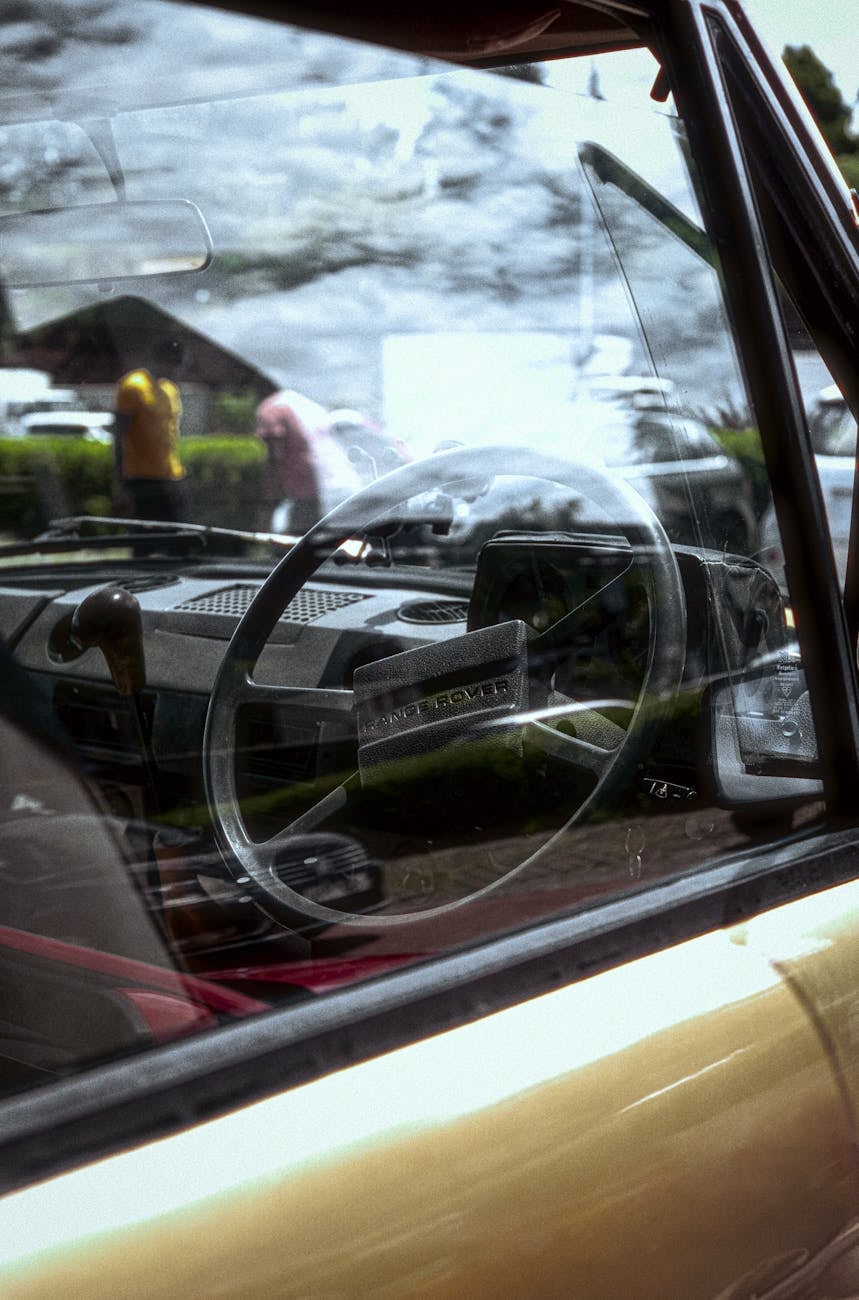
Launched in June 1970 under the slogan “a car for all reasons”, the original Range Rover was conceived as a more comfortable and much more road-capable companion to the utility Land Rover, not as a luxury car. The early cars were deliberately practical: vinyl seats, rubber floor mats and a basic plastic dashboard designed to be hosed out after a muddy day. What set it apart was not luxury but ability, long-travel coil-spring suspension, permanent four-wheel drive, disc brakes all round and a willing V8, giving it a ride, a turn of speed and an off-road reach that nothing else combined. The luxury came later, layered on through the 1980s until the Range Rover became the status symbol we picture now.
The name “Range Rover Classic”, incidentally, is retrospective. For its first twenty-four years it was just the Range Rover; the “Classic” tag was added in 1994 to separate the original from the new second-generation car that briefly replaced it, and the last one was built in 1996.

Two doors, then four
The Range Rover launched as a two-door estate, a shape chosen partly for bodyshell stiffness, even though it made the back seats awkward to reach. Demand for a more practical car was such that coachbuilders offered four-door conversions (the Swiss Monteverdi being the best known) before Land Rover introduced its own factory four-door in 1981. The four-door quickly became the mainstream choice, while the two-door, especially the earliest cars, is now the collector’s favourite. Early cars are identified by their chassis suffix letters, and the trade prices them that way: the Suffix A cars of 1970–73 top the market, with Suffix B, C and D following as the running changes accumulated.

Engines: the Rover V8 and the diesels
For most of its life the Range Rover was powered by the aluminium Rover V8, an engine with an interesting history: it began as the Buick 215 in America, and Rover bought the rights and tooling from General Motors in 1965. It started at 3.5 litres, gained Lucas fuel injection in 1986, grew to 3.9 litres for 1989 and to 4.2 litres in the long-wheelbase LSE of 1992. A diesel option arrived in 1986 with an Italian VM turbo-diesel, enlarged in 1989, before Land Rover’s own 200Tdi took over in 1992 and the 300Tdi in 1994. The V8s are smooth and characterful but thirsty; the Tdi diesels are far more economical and are popular today.

Vogue, CSK and the luxury that crept in
The Range Rover’s move upmarket can be traced through its special editions. The Vogue began in 1981 as the limited “In Vogue” edition, born of a fashion shoot, before becoming the permanent top trim from 1984, appearing as the Vogue EFi when fuel injection arrived in 1986 and later spawning the Vogue SE. The County added upmarket trim, particularly for the American market. The standout collectible is the 1990 CSK, a 200-off two-door limited edition named for the Range Rover’s engineer Charles Spencer King, with anti-roll bars and sports suspension. The long-wheelbase Vogue LSE of 1992 was the most luxurious Classic of all, with the 4.2 V8 and electronic air suspension, pointing the way to the car that replaced it.

What it is like to own
A good Range Rover Classic is a wonderful thing to use: relaxed, commanding, genuinely capable, and far more usable on a long journey than any Series car or Defender. The early, simpler cars have a charm of their own, and the V8 soundtrack is part of the appeal. The trade-offs are heavy fuel consumption from the petrol cars, a thirst for regular maintenance, and the running costs of an old luxury vehicle if the electrics and, on later cars, the air suspension start to misbehave. Bought well and kept on top of, it is one of the most rewarding classic 4x4s of all.

Buying guide: what to look for
Bodyrot is the big issue, and it needs understanding: the Range Rover has aluminium outer panels over a steel inner structure, with a steel bonnet and tailgate, so the steel rots while the aluminium does not, and the two together suffer galvanic corrosion at their joints. Check the sills inside and out, the front footwells, the door pillar bases, the tailgate frame, the boot floor and, most expensively, the bulkhead. Mechanically the Rover V8 is strong but hates overheating and neglect, so look for a good service history, listen for top-end rattle and treat overheating history with caution. The VM diesel is known for cylinder-head trouble, the later air suspension is expensive when it fails (many cars are converted back to coil springs), and the gadget-laden later cars suffer age-related electrical faults, so test everything.

Where it sits in the market now
Values are wide and driven by condition. As a rough guide a project runs from around £2,000 to £8,000, a usable four-door from around £10,000 to £20,000, and an excellent car or rare special from around £30,000 to £50,000 or more, with the earliest two-door Suffix A cars and the CSK higher still. Because a rotten shell can cost more to repair than the car is worth, condition matters more than anything. The full record, 987 recorded sales from the 1970 two-doors to the last luxury Vogues, and why the market runs backwards, is on the page covering Range Rover Classic values.
For the period it belongs to, see British classic cars of the 1970s and 1980s, and once past forty these cars qualify as historic vehicles like any other.

Owners’ clubs and parts
The Range Rover Classic is well supported by clubs and a deep specialist network, with strong supply of mechanical and chassis parts, though some trim and electronic items for the plusher later cars are harder to find. For the practical detail of running and restoring one, see our guide to Land Rover parts and restoration.

Range Rover Classic: the short history
- June 1970Launched as a two-door under the slogan a car for all reasons: vinyl seats, rubber mats, and ability rather than luxury.
- 1981The factory four-door arrives, after coachbuilders including Monteverdi had filled the gap; the In Vogue edition begins the move upmarket.
- 1986Lucas fuel injection reaches the V8 and a VM turbo-diesel joins the range.
- 1989The V8 grows to 3.9 litres.
- 1990The 200-off CSK, named for engineer Charles Spencer King, adds anti-roll bars and sports suspension.
- 1992The long-wheelbase Vogue LSE brings the 4.2 V8 and electronic air suspension; Land Rover's own 200Tdi takes over the diesel line.
- 1994The Classic name is applied retrospectively to separate the original from its second-generation replacement.
- 1996The last of around 326,000 is built.
The Range Rover Classic viewing checklist
Corrosion
- Galvanic corrosion at every aluminium-to-steel joint
- Sills inside and out, front footwells and door pillar bases
- Tailgate frame and boot floor
- The bulkhead, most expensively of all
Mechanical
- The V8 hates overheating and neglect: look for history, listen for top-end rattle
- The VM diesel is known for cylinder-head trouble
- Air suspension is expensive when it fails, and many cars are converted back to coils
- Test everything electrical on the gadget-laden later cars
Which one
- Suffix A two-doors of 1970 to 1973 top the market, with B, C and D following
- The 1990 CSK is the standout collectible of the later years
- Four-doors from 1981 are the usable mainstream choice
- Tdi diesels are the economical daily pick; the LSE is the most luxurious and the most complex
Related
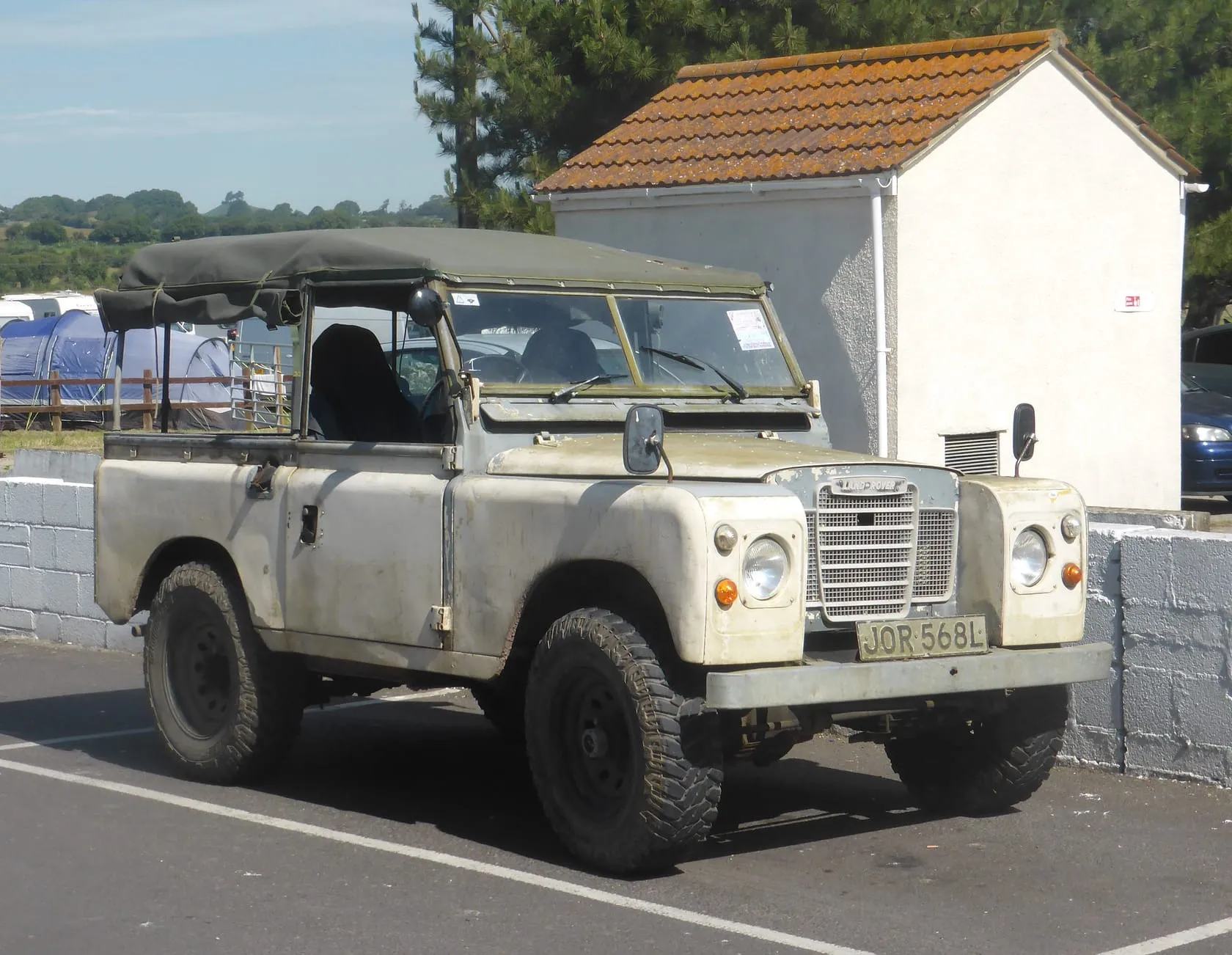
The Range Rover Classic is the luxury strand of the Land Rover story, a relation of the working Series III and the Land Rover Defender that borrowed its coil-spring suspension. For the wider period, see British classic cars of the 1970s and the 1980s.
More photos