Land Rover Defender: thirty-three years of one unmistakable shape (1983–2016)
The Land Rover Defender ran from 1983 to 2016, the coil-sprung successor to the Series that became one of the most recognisable shapes on earth. A guide to the One Ten, Ninety and 130, the engines from the Tdi to the Td5 and Puma, and what to look for when buying, including chassis rot and theft.
Built 1983–2016

At a glance
- Years
- 1983–2016
- Body styles
- Station wagon, hard top, pick-up, crew cab; 90, 110 and 130 wheelbases
- Drivetrain
- Permanent four-wheel drive, lockable centre differential
- Engines
- 2.25/2.5 diesel and petrol, 2.5 turbodiesel, 200Tdi, 300Tdi, Td5, 2.4/2.2 TDCi; 3.5-4.0 Rover V8
- Power
- Around 67 bhp (early NA diesel) to 122 bhp (Td5/TDCi); more from the V8
- Top speed
- Around 65 to 90 mph depending on engine
- Trim levels
- Hard Top, Station Wagon, County Station Wagon, plus run-out special editions
- Production
- Built 1983–2016; production ended at Solihull after around two million Series and Defenders
- Assembly
- Solihull, Warwickshire
- Values
- Project around £4,000-£10,000, honest usable £12,000-£22,000, excellent £25,000-£45,000; late Puma and special editions far higher
- Construction
- Separate steel ladder chassis, aluminium-alloy body panels
- The name
- Called One Ten / Ninety / One Two Seven until 1990; 'Defender' only from 1990
The models
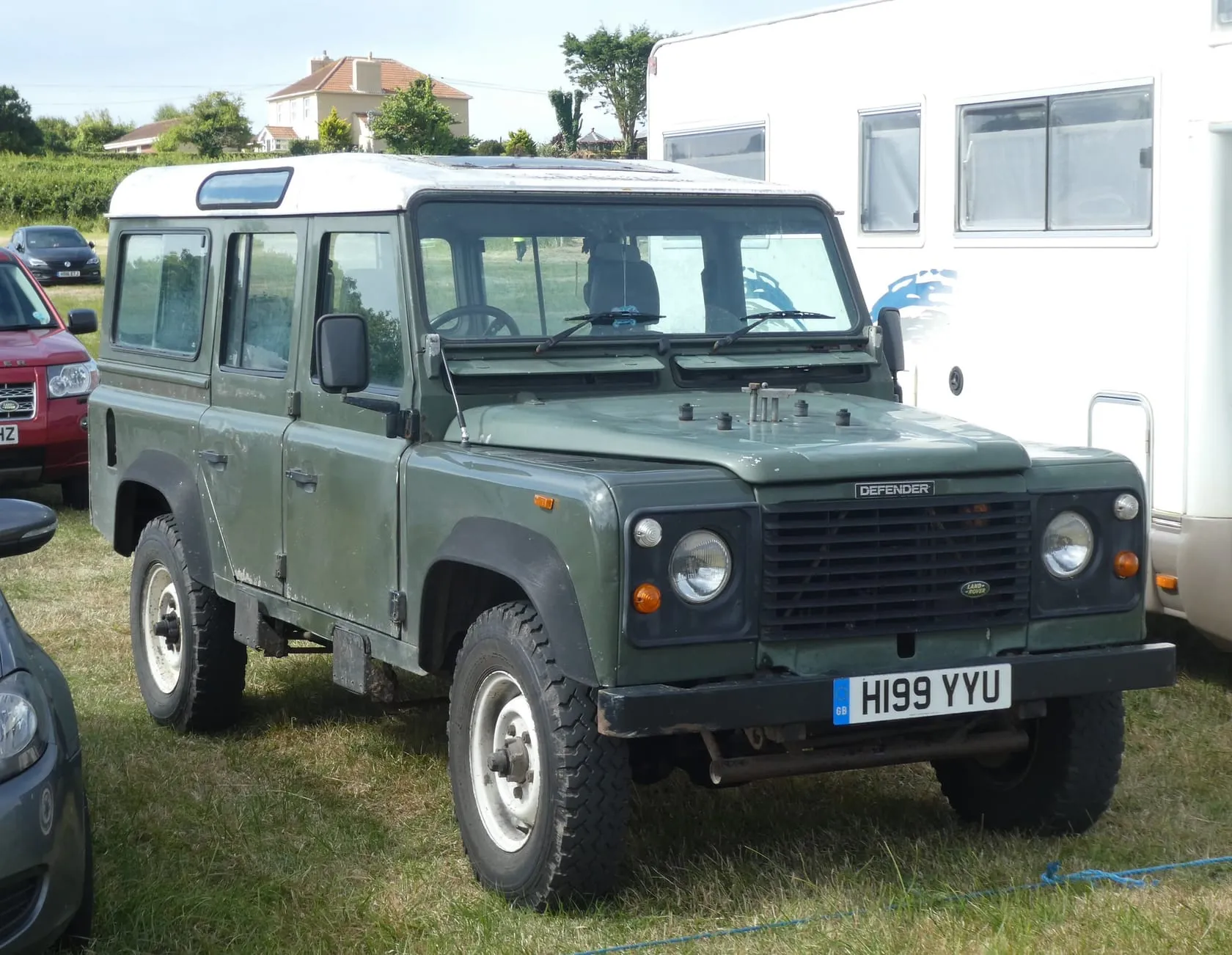
Built recognisably the same for more than thirty years, the Land Rover Defender ended its life as a sought-after classic and one of the most familiar vehicle shapes on earth. It is the coil-sprung successor to the original Series cars, and for most of the world it simply is what a Land Rover looks like.
It is the modern chapter of the Land Rover story, the direct descendant of the 1948 original, and despite ending production in 2016 it remains in everyday use on farms, building sites and driveways across Britain. This is a guide to where it came from, the engines worth knowing, what to check when buying, and what they are worth now.
From One Ten to Defender
The car most people call the Defender did not start life with that name. It was launched in 1983 as the Land Rover One Ten, a thorough modernisation of the Series III that kept the familiar separate ladder chassis and aluminium body but rode on coil springs for the first time. The short-wheelbase Ninety joined it in 1984, and the long-wheelbase One Two Seven in 1985.
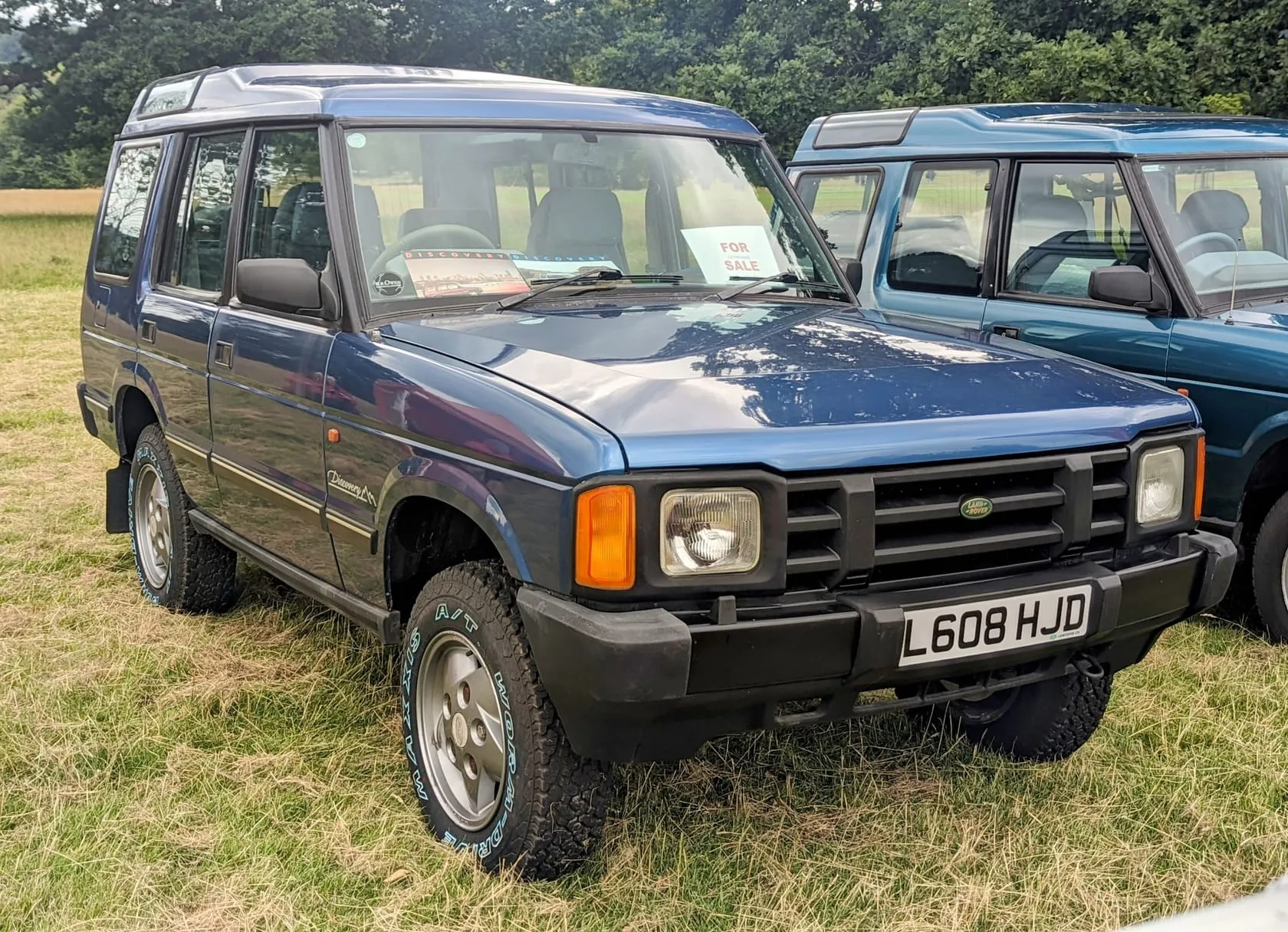
The name Defender was adopted only in 1990. By then Land Rover had become a marque covering more than one model, the Range Rover had been joined by the new Discovery in 1989, and the original utility vehicle needed a name of its own to avoid confusion. So from 1990 the cars became the Defender 90, 110 and 130 (the 127 was rebadged 130). It is a common mistake to call the earlier cars Defenders; strictly, the name belongs only to 1990 and after.

The coil-spring revolution
The defining change from the Series was underneath. Where the Series cars used leaf springs, the One Ten borrowed the long-travel coil-spring suspension and permanent four-wheel drive, with a lockable centre differential, from the original Range Rover. The result was a far better ride, much greater wheel travel and genuinely improved off-road ability, all without losing the simple, repairable, body-on-frame character that made the Land Rover what it was.
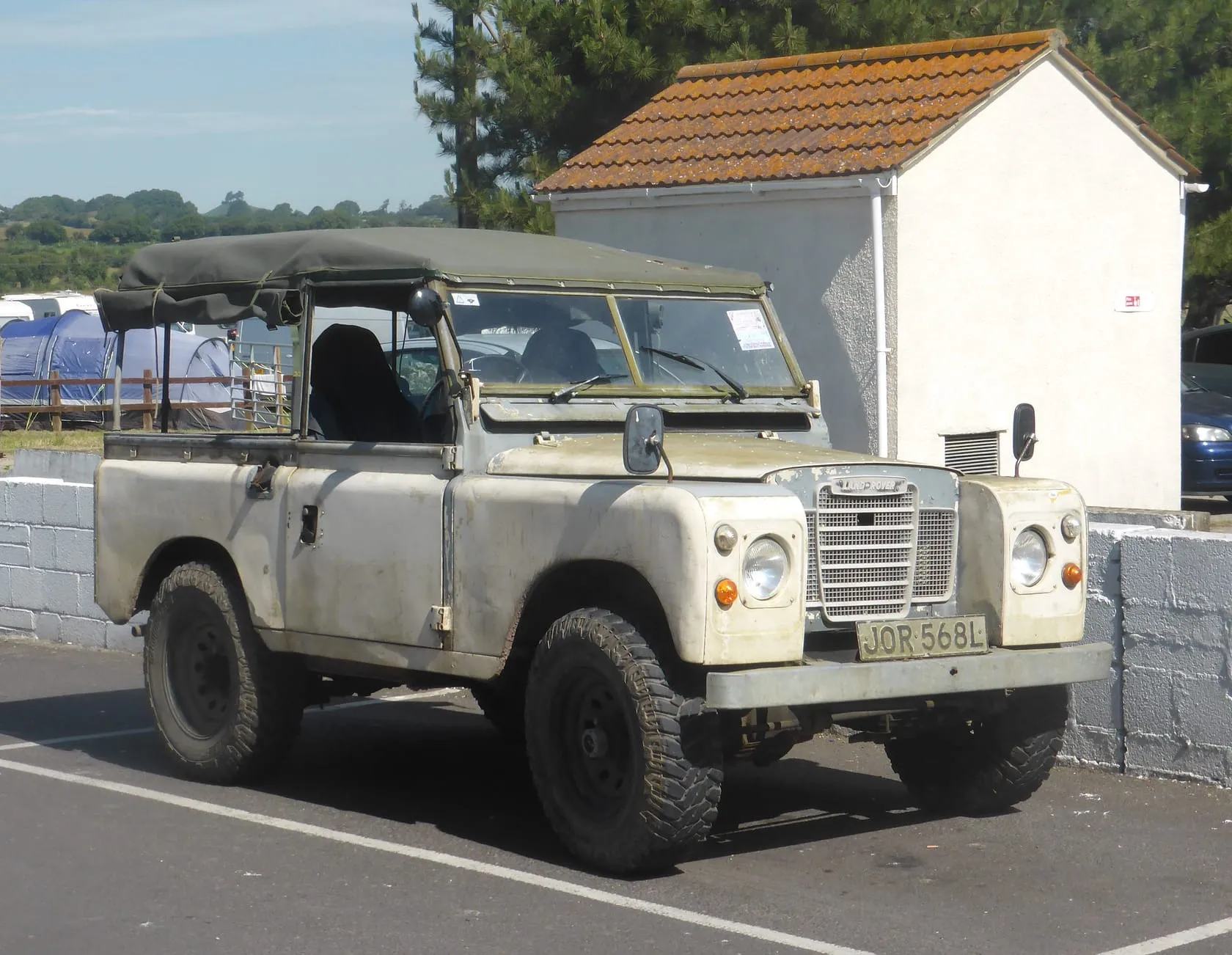
That is the line to draw when comparing the two: a Series Land Rover is a leaf-sprung, part-time four-wheel-drive vehicle of the 1948 generation, while the Defender is its coil-sprung, permanent four-wheel-drive successor. Everything else, the ladder chassis, the bolt-together aluminium panels, the upright agricultural honesty, carried straight over.

The wheelbases: 90, 110 and 130
The Defender was sold in three wheelbases, and the number on the badge is roughly the wheelbase in inches (the 90 is actually about 93 inches; the 130 kept the 127-inch wheelbase of the earlier One Two Seven). The 90 is the short, nimble car, the one for green-laning and lighter use. The 110 is the long-wheelbase workhorse, with far more room, and the body most often found as the seven-, nine- or twelve-seat County Station Wagon. The 130 is the longest, built as a crew-cab and for commercial and military work.
On top of the wheelbase came a wide choice of bodies: the panelled Hard Top van, the Pick Up and Truck Cab, the Crew Cab, the Soft Top, and the better-trimmed County Station Wagon for family use. It is worth being clear which body and wheelbase you actually need, because they drive and carry very differently despite being mechanically identical.

Engines: from the Tdi to the Td5 and Puma
The Defender ran through a long line of engines, and which one a car has matters more than almost anything else to how it drives and what it is worth.
The early cars used carried-over 2.25 and 2.5 naturally-aspirated diesels and petrols, and a weak 2.5 Turbodiesel from the mid-1980s that is best avoided. The car came of age with the Tdi engines: the 200Tdi (fitted from 1990) and especially the 300Tdi (1994–1998), simple, tough, direct-injection turbodiesels with no engine ECU, easy to maintain and the enduring favourite of overlanders and home mechanics. The Td5 (1998–2007) was a more powerful and refined five-cylinder unit, but it brought electronic management and a well-known weakness for oil creeping up the injector harness into the ECU. From 2007 the Ford-derived 2.4 and later 2.2 TDCi “Puma” engines arrived, with a six-speed gearbox and a modernised dash, driving the most like a normal vehicle. Throughout, the 3.5 to 4.0 Rover V8 petrol was offered, characterful and quick but very thirsty.
For most buyers the 300Tdi is the one to seek for its simplicity, with the Td5 the choice for more pace if its electronics check out, and the final Puma cars desirable as the last of the line.

What it is like to own
A Defender is slow, noisy and uncompromising by modern standards, and that is precisely the appeal. It is honest, immensely capable off road, endlessly repairable, and built so simply that an owner with basic tools can do most jobs. Parts supply is exceptional, the community is huge, and almost nothing on the car is beyond a home mechanic. The trade-offs are real: wind noise, a firm ride on the road, modest performance from the diesels and heavy thirst from the V8, and a cabin that was never designed for comfort. People who love them love them for what they are, not in spite of it.

Buying guide: what to look for
The single most important thing on any Defender is the chassis. The original is painted steel and rots from the inside out, worst where salt and water collect: the rear crossmember first, then the outriggers and spring mounts, then the main rails. A galvanised replacement chassis is a genuine plus, but confirm the paperwork, because a replaced chassis affects the car’s identity. Be suspicious of fresh underseal or chequer-plate panels bolted over the sills and crossmember, which are often used to hide rot. The steel bulkhead is the other big corrosion point, rotting at the footwells, door pillars and top corners, and it is expensive to put right.
Beyond structure, expect some oil weeps as normal but not heavy loss, check a Td5’s injector harness and ECU, and look hard for signs of off-road abuse: bent chassis rails, damaged steering, scarred diffs and kinked floors.
Defenders also demand extra care over provenance, because they are among the most stolen vehicles in Britain, taken for export and for parts. Check that the chassis number stamped on the right-hand chassis leg matches the VIN plate and the V5C, run a proper history check for theft and write-off markers, and be wary of re-stamped numbers or unclear rebuilt identities. A tracker and a good immobiliser are close to essential, and often an insurer’s condition.

The market, and where the Defender sits in it
Defender values rose sharply after production ended in January 2016, because supply is now fixed and falling against strong demand. As a rough guide, a rotten project runs from around £4,000 to £10,000, an honest usable Tdi or Td5 from around £12,000 to £22,000, and a clean, sorted car with a good or galvanised chassis from around £25,000 to £45,000 or more. Late Puma cars, the better-equipped XS station wagons, low-mileage examples and the run-out Heritage, Adventure and Autobiography editions sit higher again, and the best professional rebuilds reach well into six figures. The export market adds another layer: the left-hand-drive NAS Defenders sold in North America in the 1990s (the North American Specification 90 soft-top V8s and the small run of 110 station wagons) trade well above British cars, and American demand is one of the forces that has kept values here firm. Across the range it is condition, chassis history and provenance, not age, that set the price. The final car, a Heritage 90, left Solihull on 29 January 2016 after around two million Series and Defenders. The full record, 3,557 recorded sales by wheelbase, engine and trim, why the 110 outsells the 90 and a 1990s Tdi a later Td5, and what the market has done since the pandemic, is on the page covering Land Rover Defender values.
In the wider story the Defender belongs to the 1980s and 1990s, and qualifies as a historic vehicle once it passes forty, as the earliest cars now have.

Owners’ clubs and parts
Few classics are as well supported. Parts supply across the Defender range is excellent, from genuine and OEM components to a deep aftermarket, including complete galvanised chassis and bulkheads, and the club and specialist network is among the strongest of any vehicle. For the practical side of ownership, see our guide to Land Rover parts, restoration and running costs.

Defender: what changed and when
- 1983Launched as the One Ten: a Series III modernisation on the Range Rover's coil springs and permanent four-wheel drive, keeping the ladder chassis and aluminium body.
- 1984The short-wheelbase Ninety joins, followed by the One Two Seven in 1985.
- 1990The Defender name is adopted as the 90, 110 and 130, to distinguish the utility line from the new Discovery.
- 1990The 200Tdi turbodiesel transforms the powertrain, followed by the 300Tdi in 1994.
- 1998The five-cylinder Td5 arrives, the last engine developed in-house.
- 2007Ford's 2.4 TDCi Puma engine and a modern dash update the formula.
- Jan 2016Production ends at Solihull after around two million Series and Defenders.
What to check on a Defender
The chassis, most important of all
- Rear crossmember first, then outriggers and spring mounts, then the main rails
- Be suspicious of fresh underseal or chequer-plate bolted over sills and crossmember
- A galvanised replacement chassis is a genuine plus, with paperwork, since it affects identity
- The steel bulkhead rots at footwells, door pillars and top corners
Provenance, non-negotiable
- Check the chassis number stamped on the right-hand chassis leg matches the VIN plate and the V5C
- Run a proper history check for theft and write-off markers
- Be wary of re-stamped numbers or unclear rebuilt identities
- A tracker and a good immobiliser are close to essential, and often an insurer's condition
Mechanical and use
- Some oil weeps are normal; heavy loss is not
- On a Td5, check the injector harness and ECU
- Look hard for off-road abuse: bent chassis rails, damaged steering, scarred diffs, kinked floors
- Tdi engines are the simple, durable favourites; late Puma cars carry the strongest prices
Related
The Defender is the modern chapter of the Land Rover story, the coil-sprung successor to the Series III and a close relation of the original Range Rover it borrowed its suspension from. For the wider period it belongs to, see British classic cars of the 1980s and the 1990s.
More photos

Frequently asked questions
What should I check when buying a used Land Rover Defender 90 or 110?
When did the Land Rover Defender get its name?
What is the difference between a Defender 90 and a 110?
Which classic Defender engine is best?
Is the classic Defender the same as the new one?
Related across themes
More from Land Rover

Range Rover Classic: the original, before the luxury (1970–1996)

Land Rover Discovery 1: the family Land Rover comes of age (1989–1998)

Land Rover Lightweight: the military family, from Airportable to 101 (1968–1984)


